Choosing between a bob haircut vs pixie cut means weighing two fundamentally different approaches to bold style. Both deliver confidence and personality, yet they suit vastly different lifestyles, face shapes, and maintenance commitments. If you’re standing at the crossroads of a major hair transformation, understanding what each cut demands—and what it gives back—is key to picking the right one for you.
What a bob haircut vs pixie cut actually are
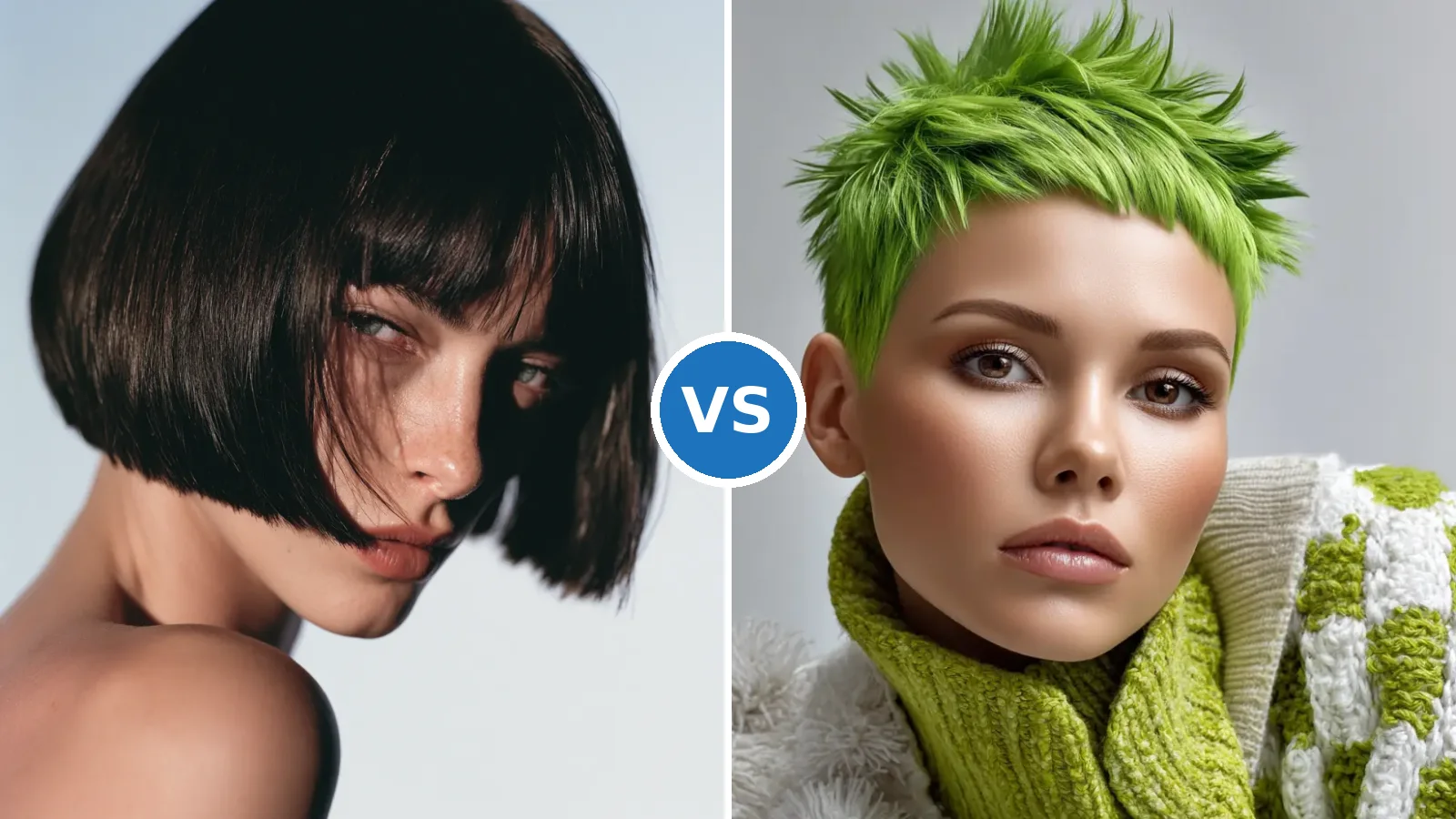
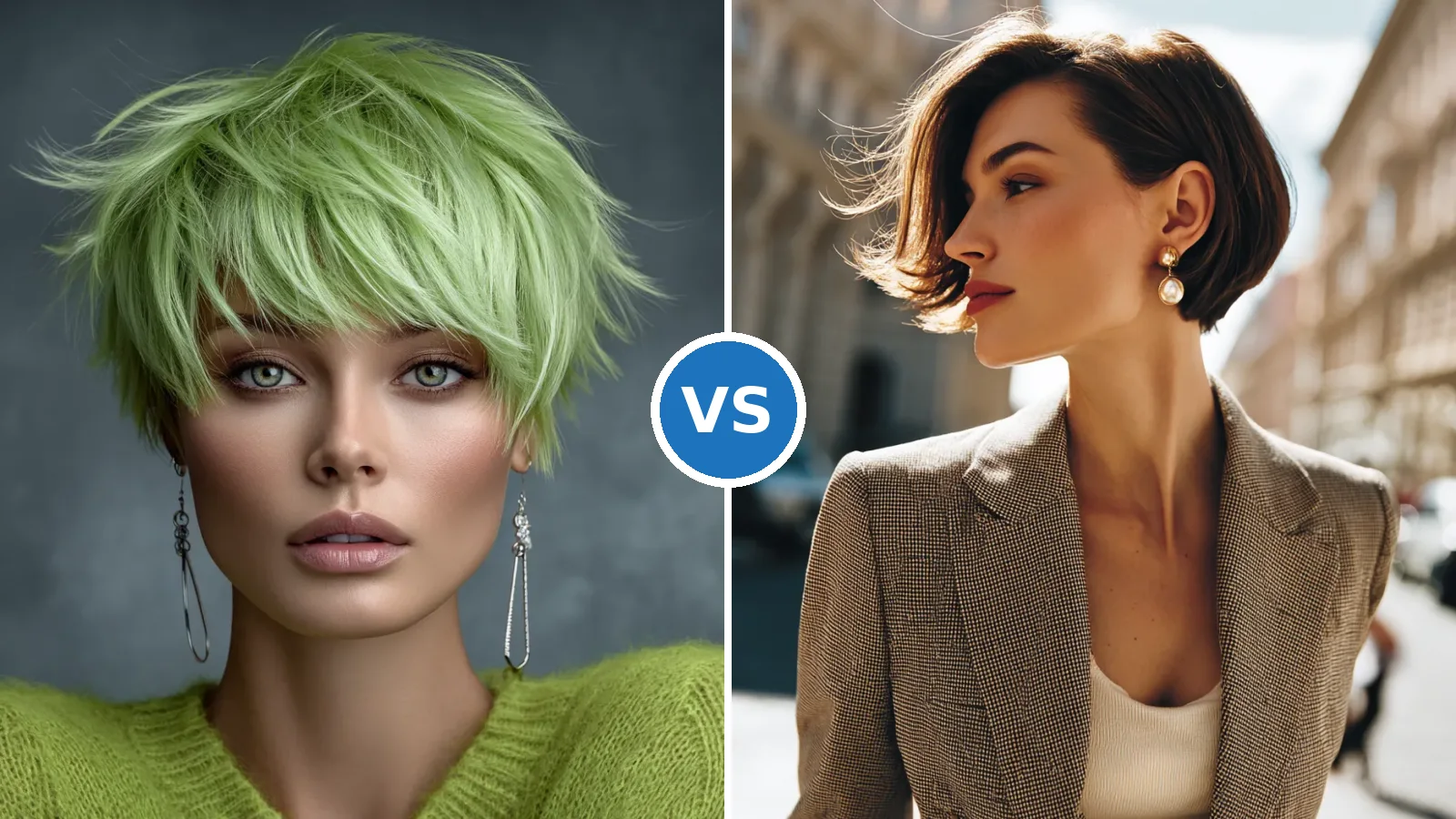
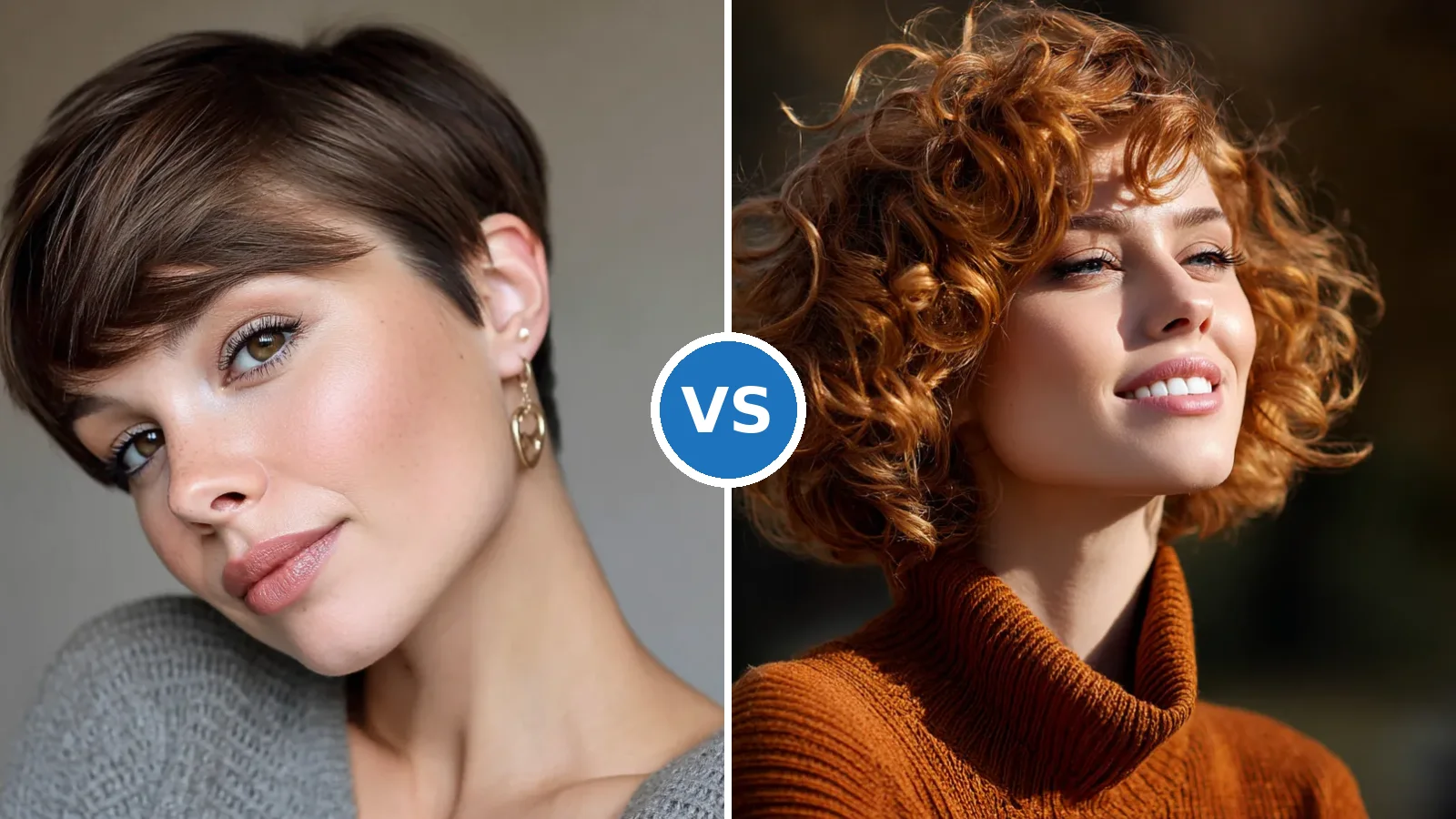
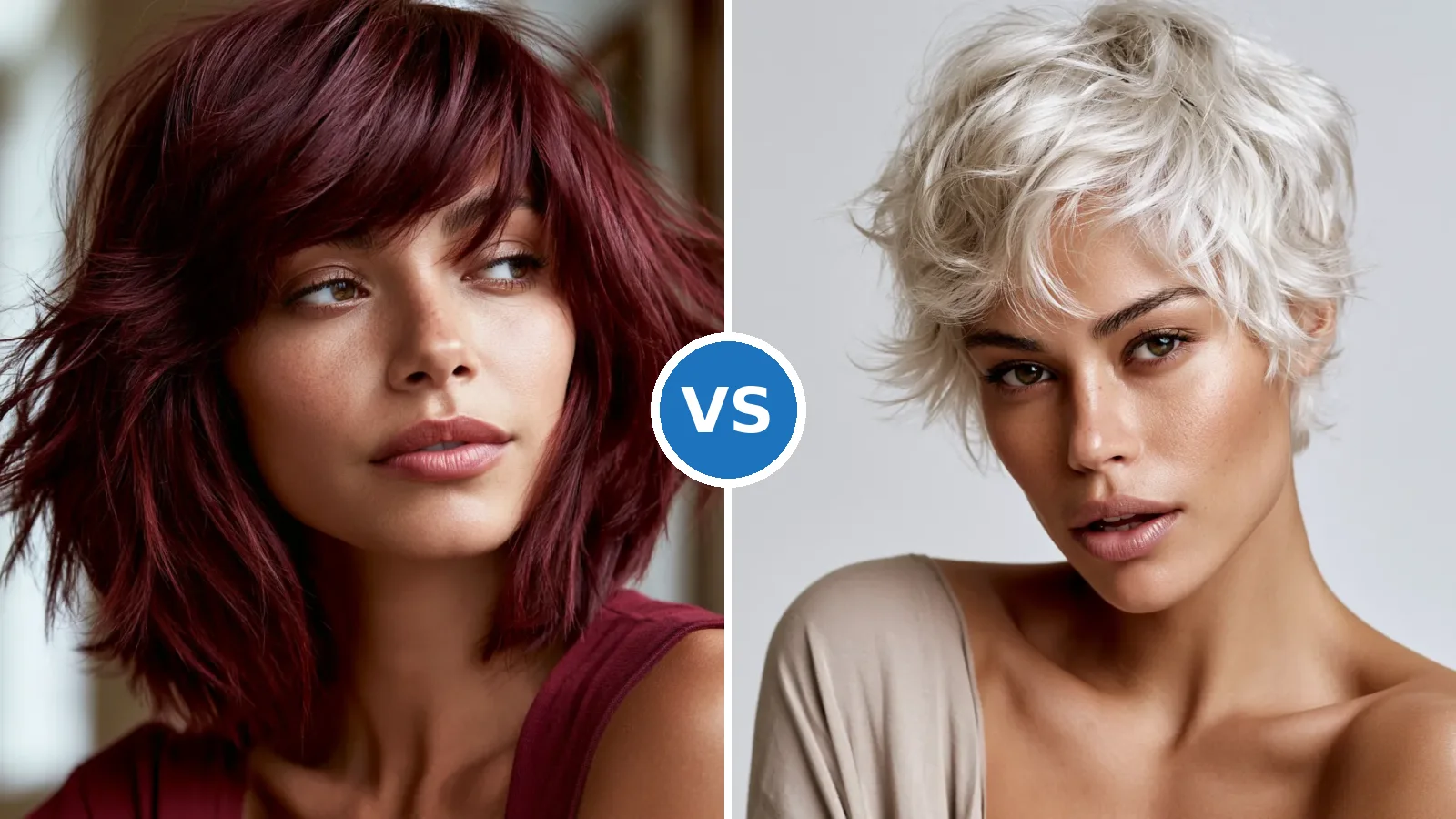
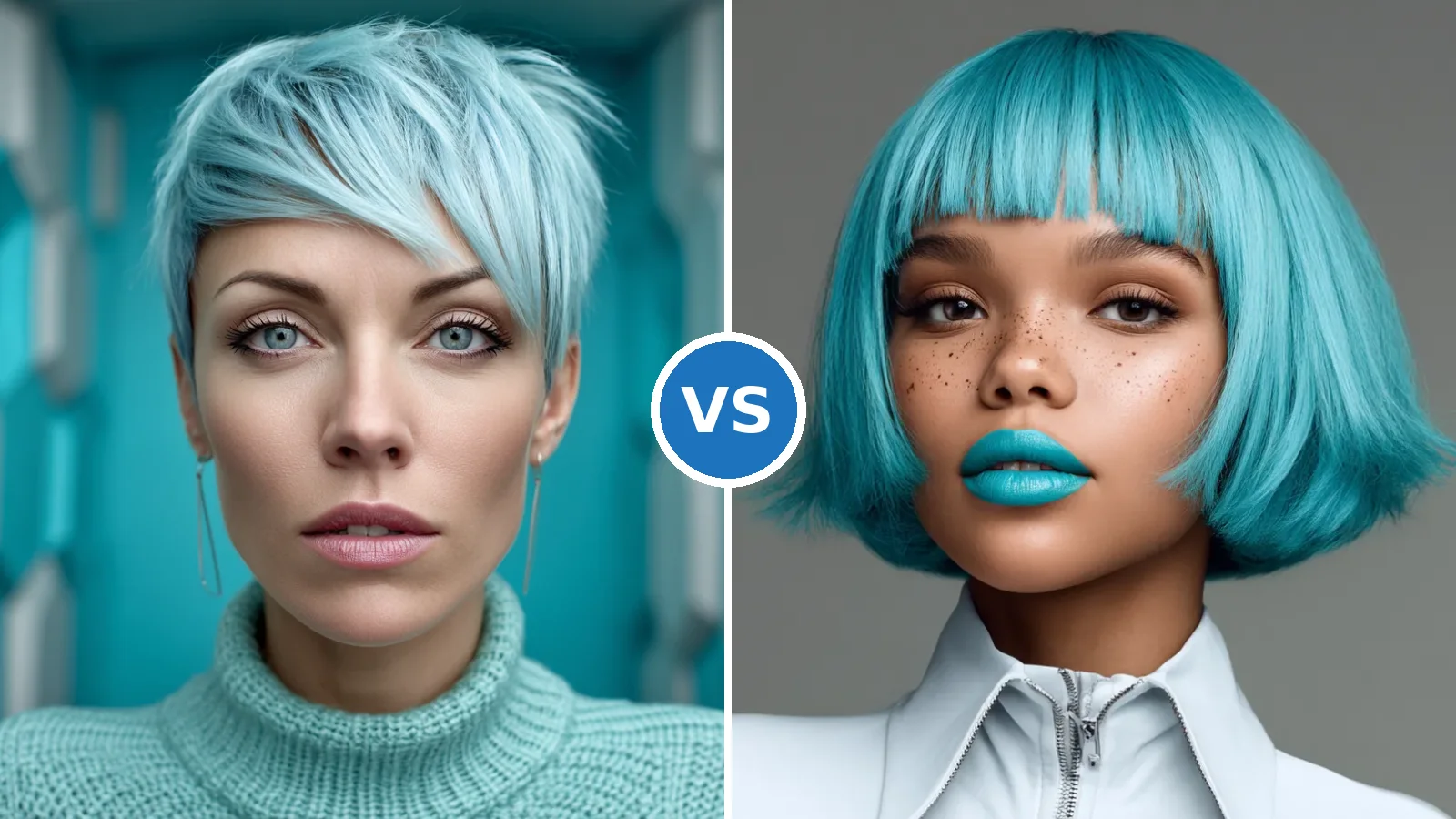
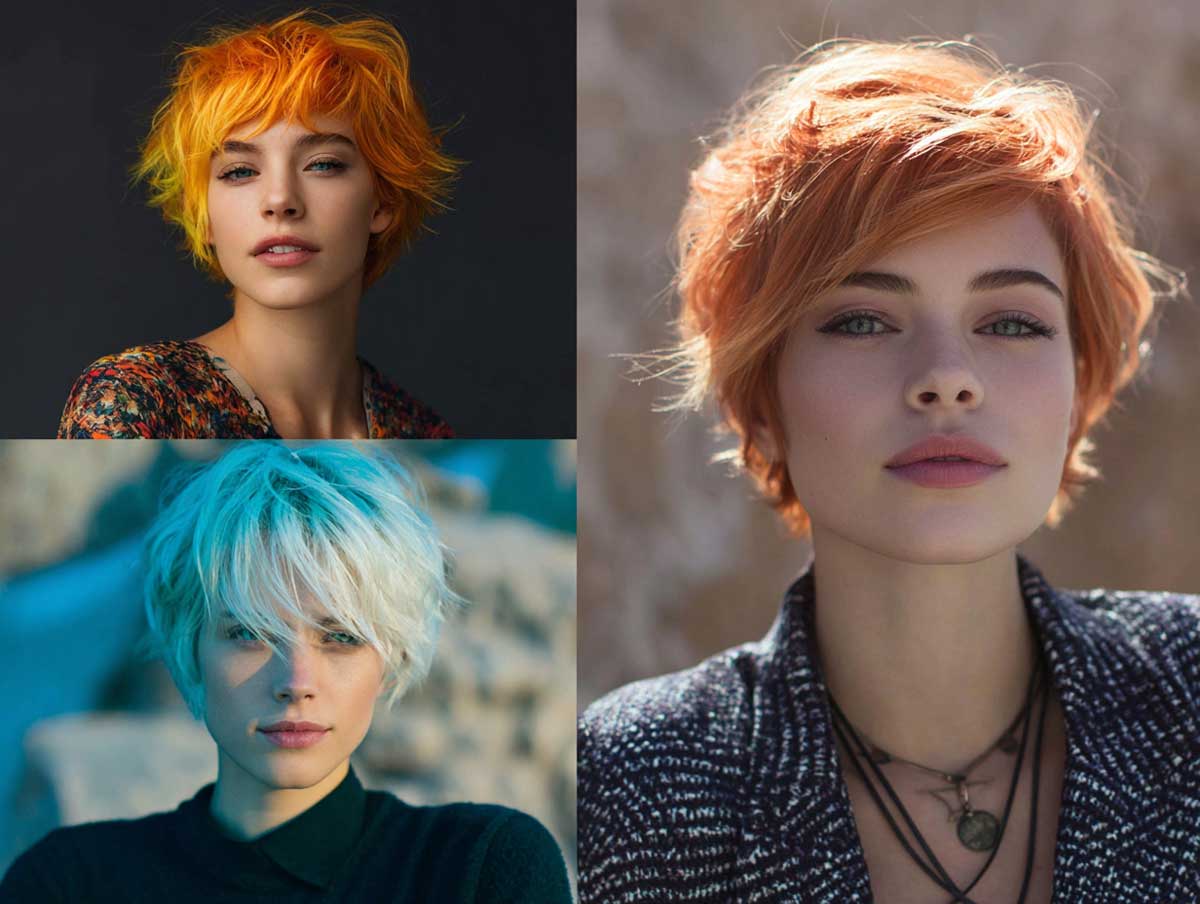
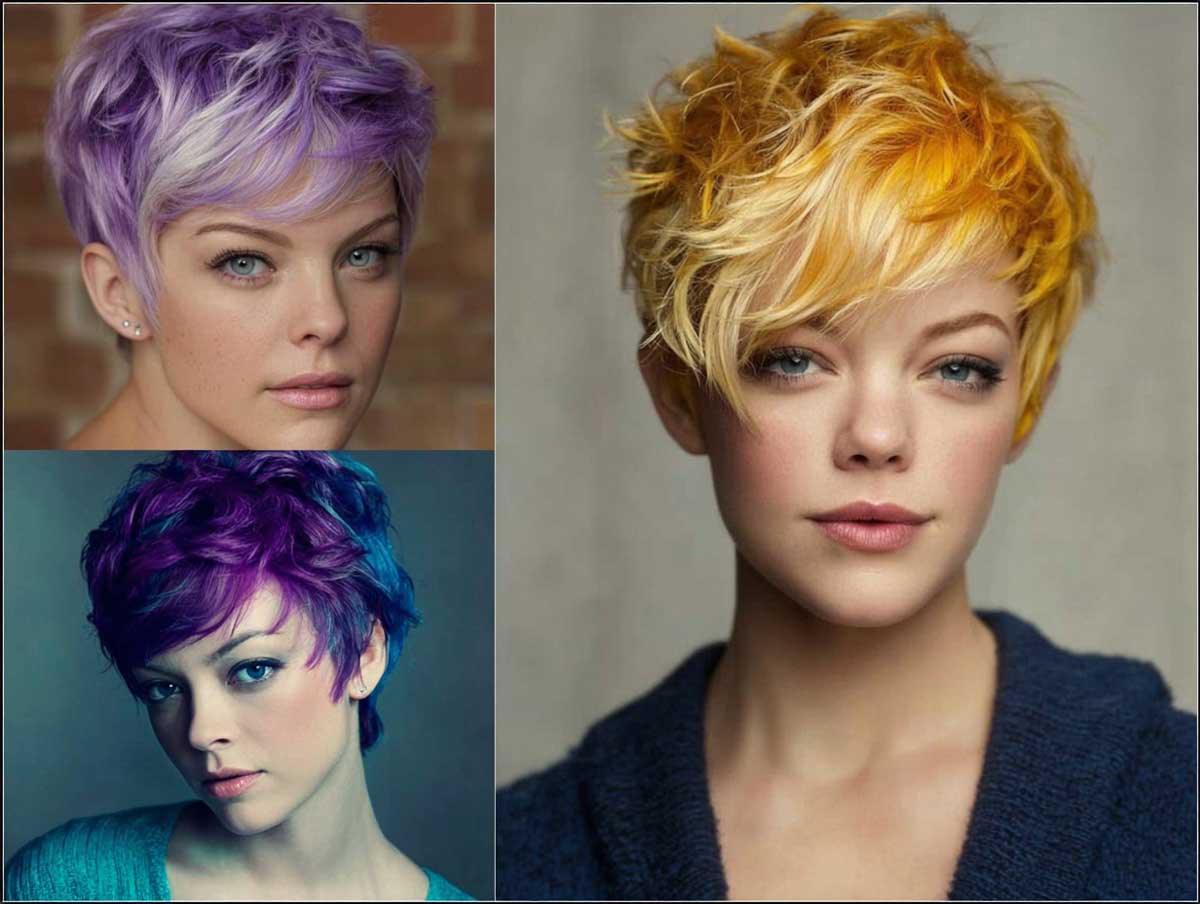
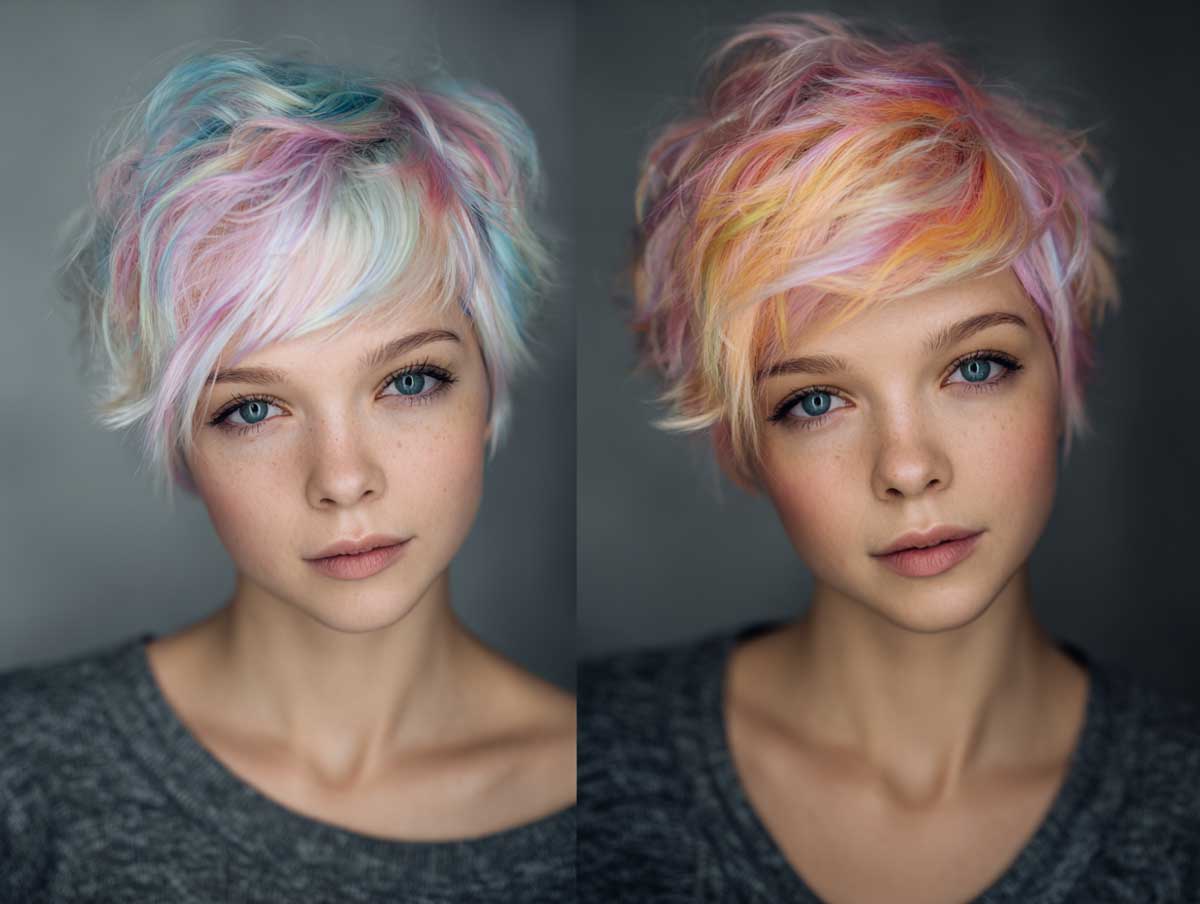
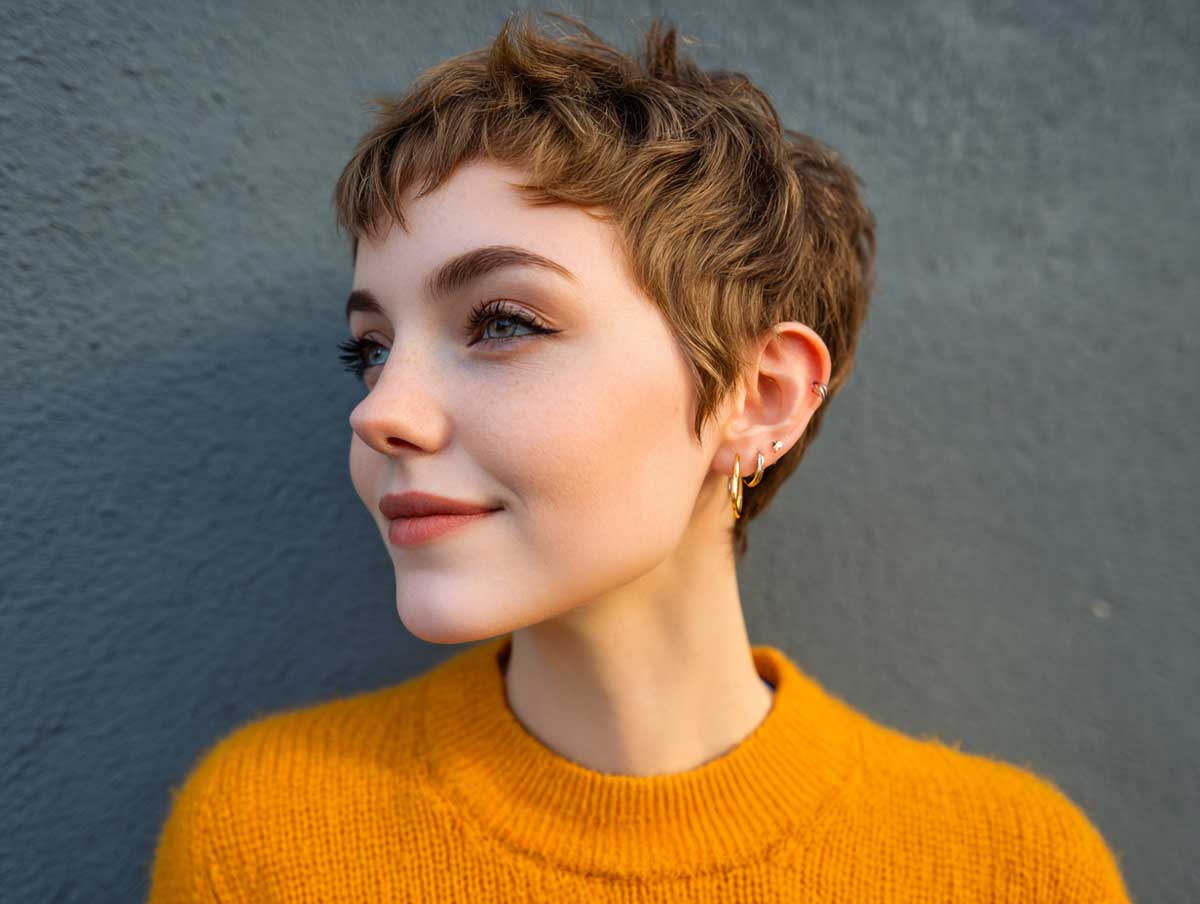
A shaggy pixie cut is a cropped style defined by choppy layers, playful texture, and easy movement. It builds vertical height at the crown, features feathered or angled bangs, and typically sits just at or above the ear. The disheveled quality is intentional—it’s meant to catch light and create dimension without looking sculpted.
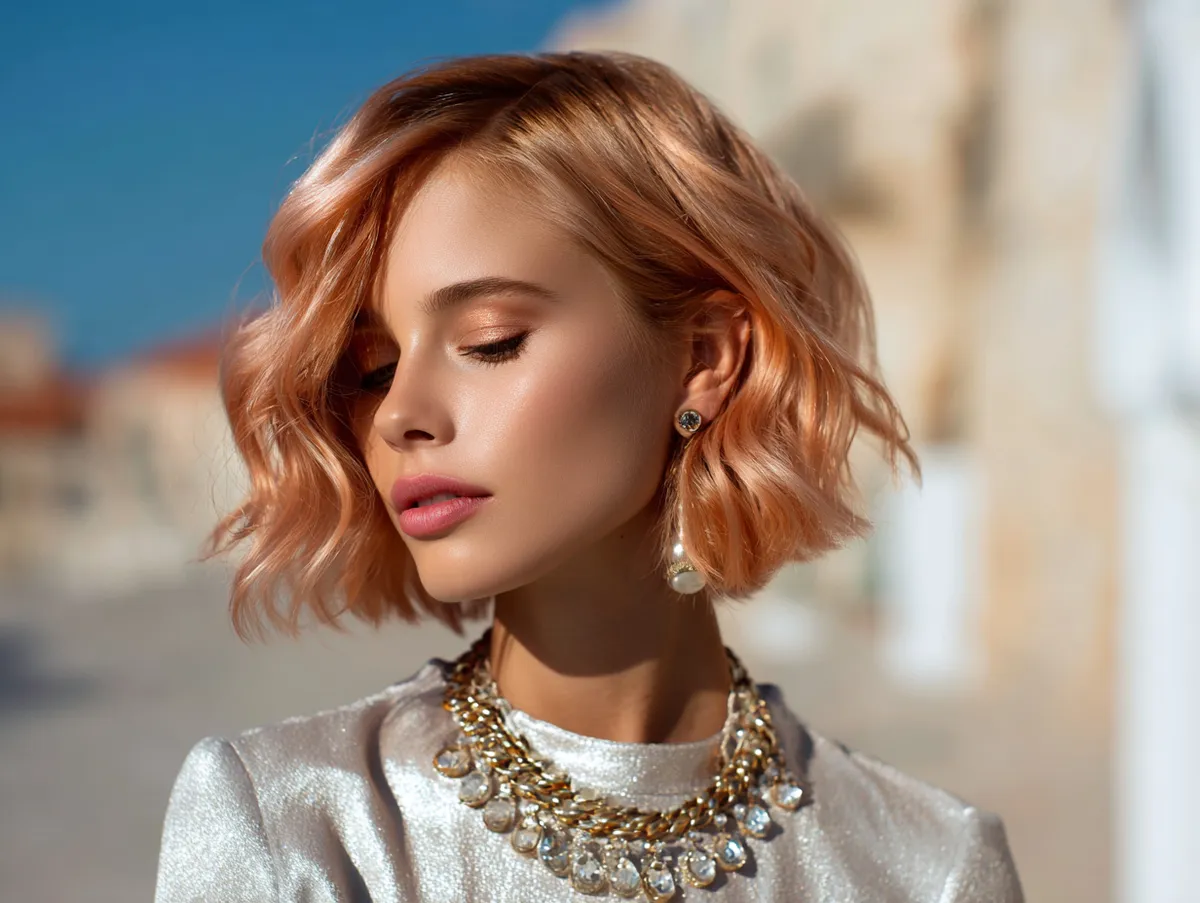
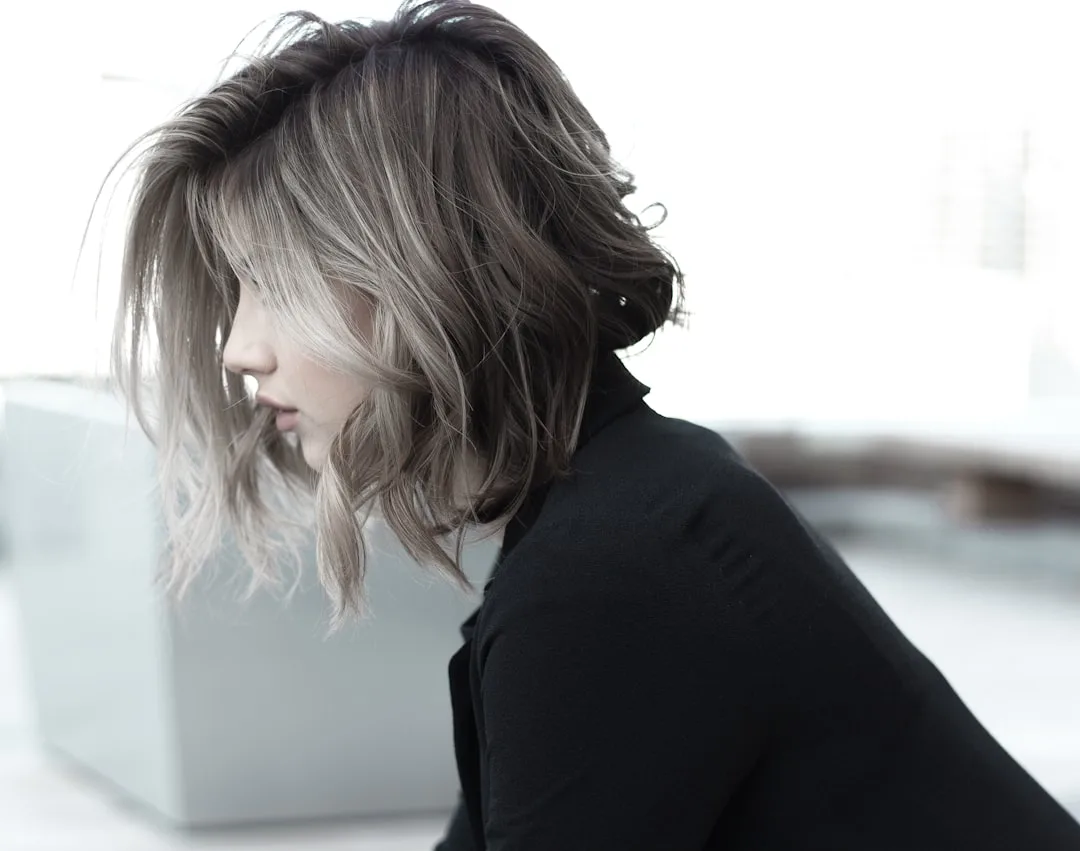
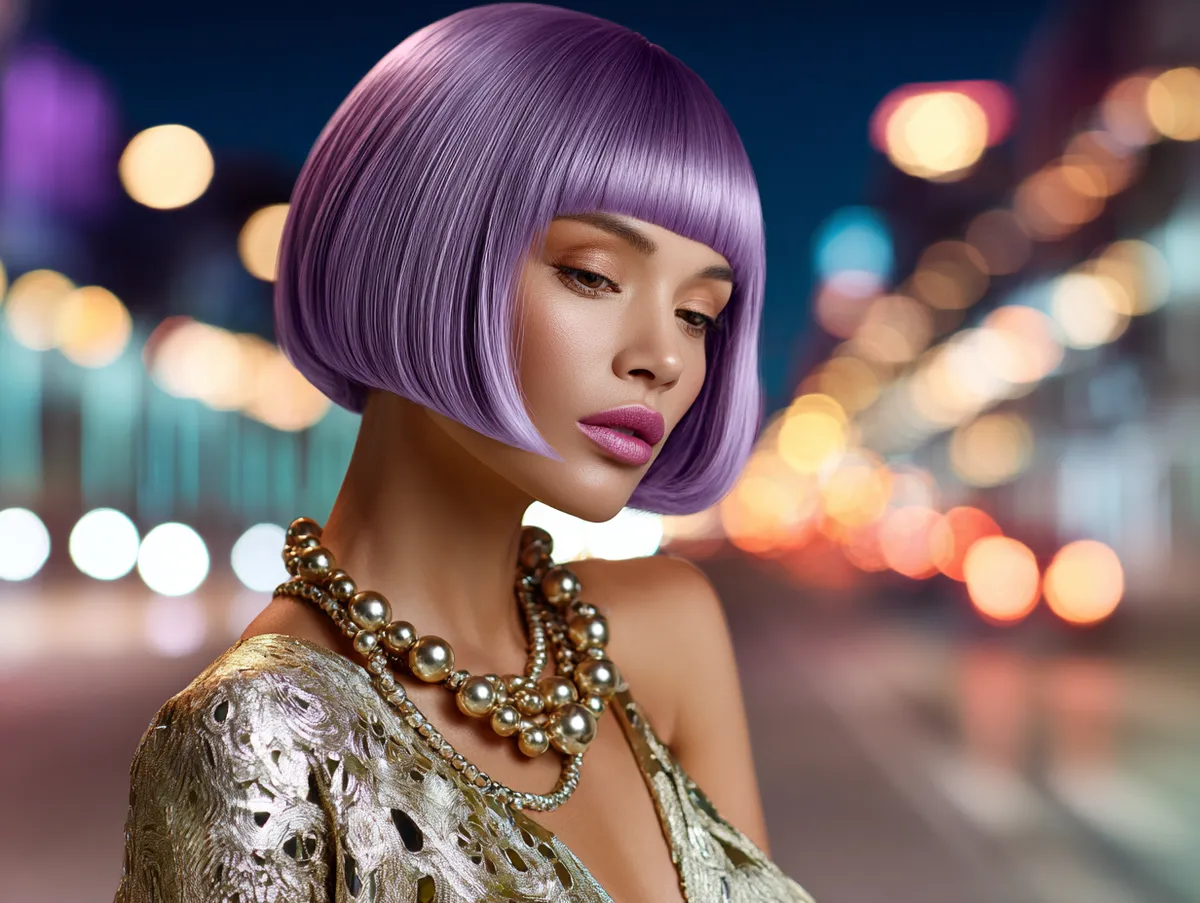
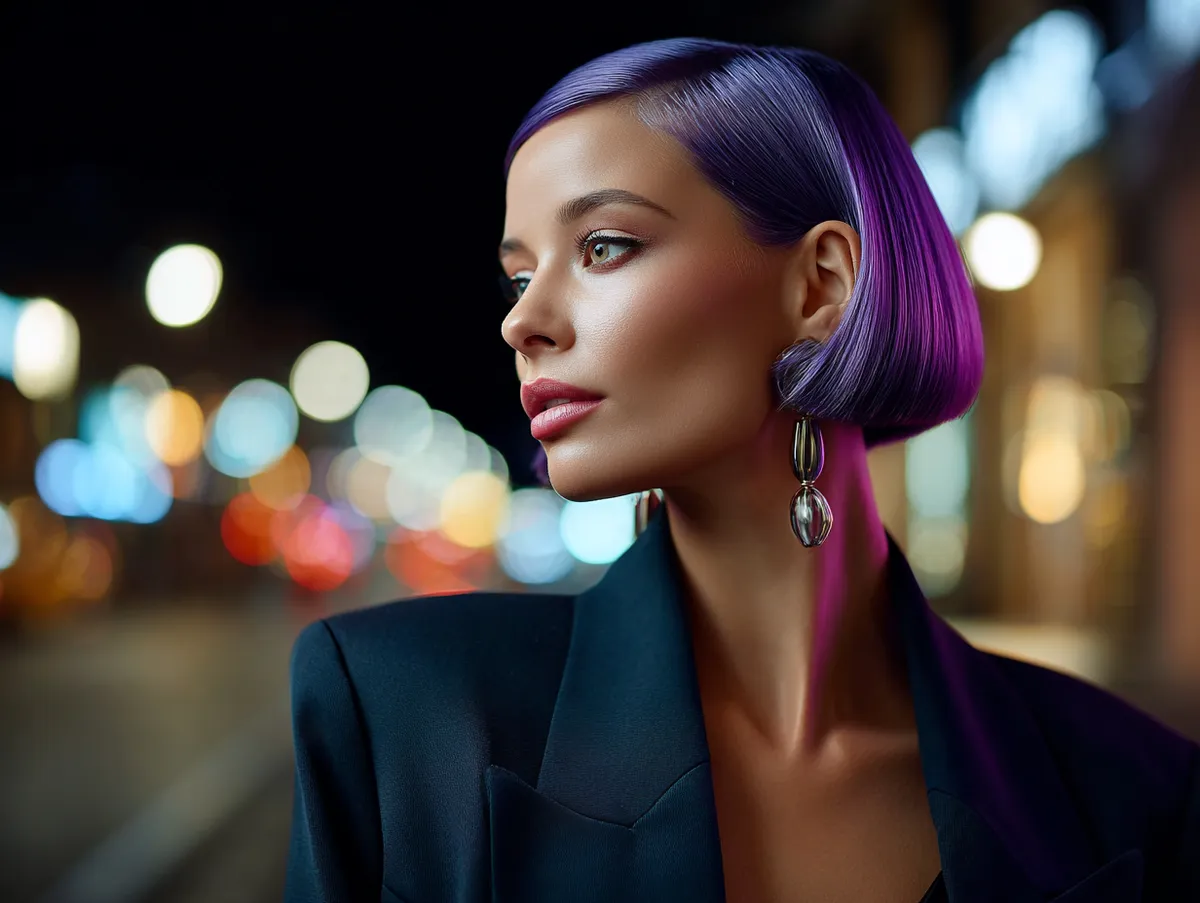
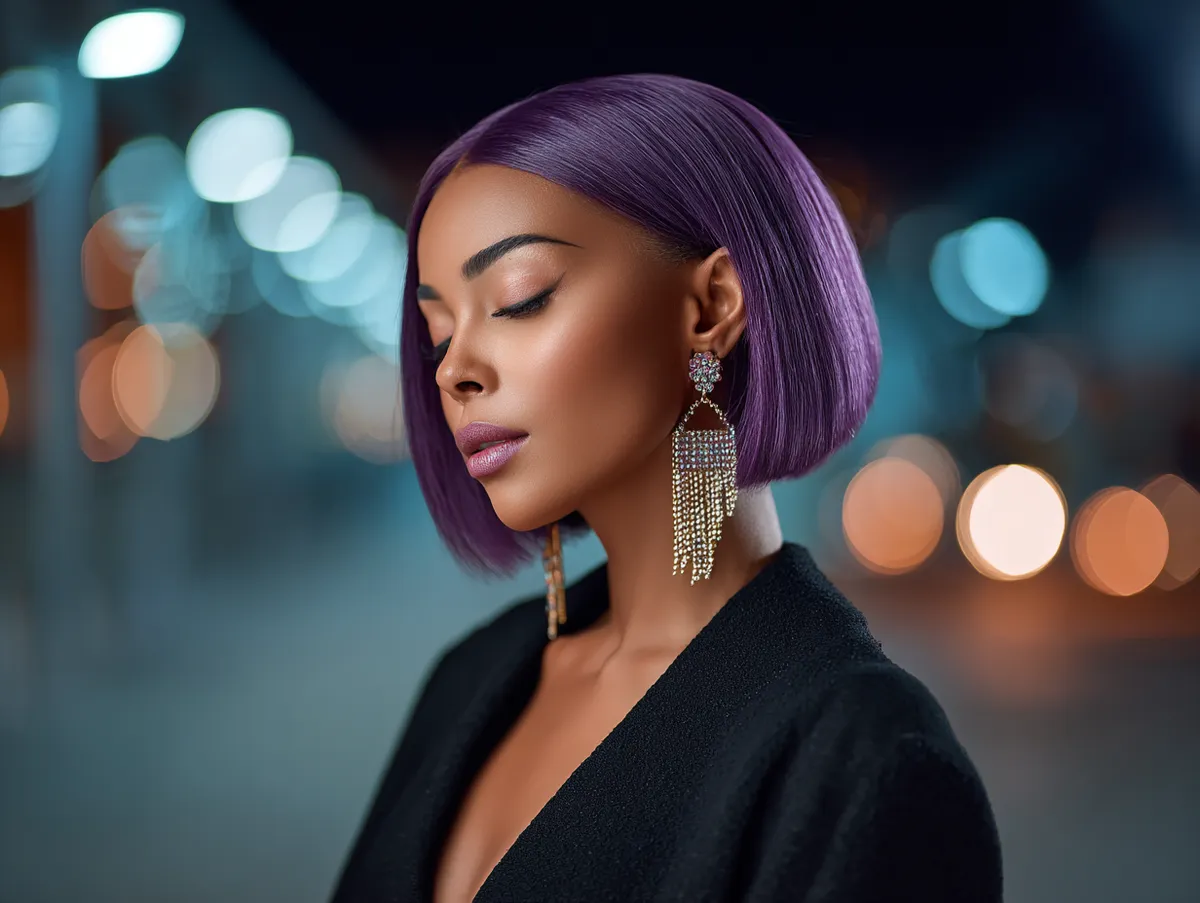
A bob haircut, by contrast, is a structured style that sits at chin length or slightly shorter. Its modern iterations include layered ends for bounce, customizable texture (from sleek straight to soft waves), and a neat, intentional finish. The bob acts as a clean canvas for bold colors and creates a refined frame around the face.
Quick Verdict
- Choose the shaggy pixie if you want maximum height, texture-forward style, and a cut that feels easily cool.
- Choose the bob if you prefer a structured frame that transitions smoothly across different settings and accepts color as its starring feature.
- Choose the pixie if your face shape needs angular softening or dramatic elongation.
- Choose the bob if you value styling flexibility and want one cut to serve work, casual, and formal occasions.
Face shape fit and styling flexibility
Both cuts adapt to different face shapes, but they do so differently. The shaggy pixie elongates round faces by concentrating volume at the crown and adding angular details to the fringe. For heart-shaped faces, soft layering builds downward volume to counterbalance a pointed chin. Square faces benefit from the pixie’s ability to soften angular jawlines through wispy, flicked-out layers.
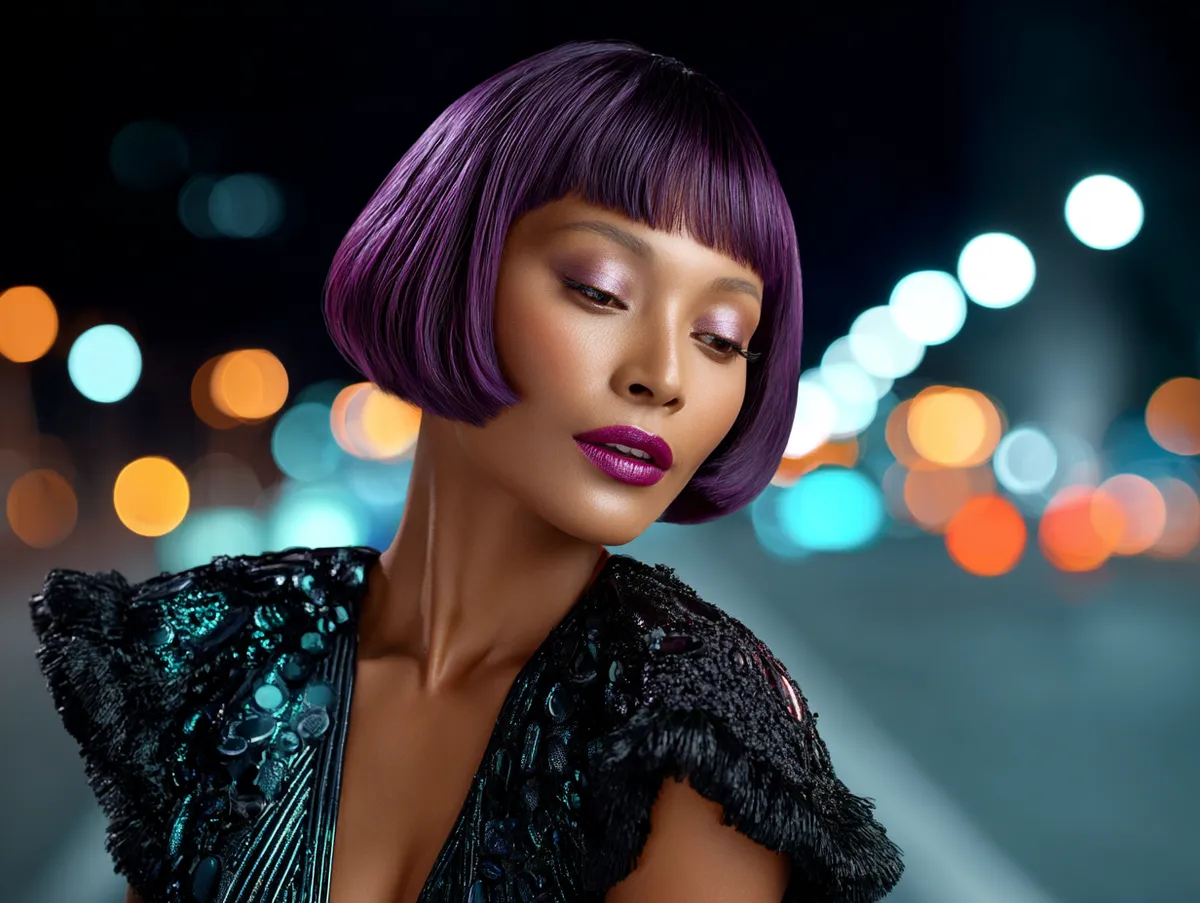
The bob works as a universal frame for most face shapes because it doesn’t rely on dramatic height shifts or choppy texture alone. A purple bob can appear futuristic with straight, sharp lines or playful with gentle waves. Golden peach bobs shift from day elegance to evening romance depending on whether the finish is blunt or curled. The bob’s strength lies in how easily it moves between edgy and polished.
Maintenance, texture, and styling demands
The shaggy pixie requires dry texture spray to maintain crown height and preserve its broken, layered finish throughout the day. Finger-combing the fringe keeps it soft rather than stiff. The cut’s power comes from intentional dishevelment, so daily styling takes just minutes—but consistency matters.
The bob demands less texture maintenance but more precision in execution. Straight bobs need blunt-edge sharpness; layered bobs benefit from heatless tools like foam rollers or a diffuser during blow-drying. A light-hold mousse can enhance waves without weighing the style down. The trade-off is that the bob’s structure means any growth shows faster than a pixie’s texture-forward style.
| Criteria | Shaggy Pixie | Bob Haircut |
|---|---|---|
| Crown Height | Dramatic, requires texture spray | Moderate, less dependent on products |
| Styling Time | 5-10 minutes daily | 10-15 minutes for waves or curls |
| Texture Appearance | Choppy, layered, intentionally messy | Neat to subtly textured, deliberate finish |
| Growth Pattern Visibility | Blends in as layers refresh | Shows quickly, especially on blunt bobs |
| Color Showcase | Bold shades like orange and magenta pop through texture and catch light | Saturated colors like purple become the focal point without textural amplification |
| Flexibility Across Settings | Best in creative, casual, or bold environments | Works for corporate, casual, and formal events |
Where the shaggy pixie cut wins
The pixie’s greatest strength is its ability to transform face shape through strategic layering and height. If your face is round and needs elongation, or square and needs softening, the pixie delivers architectural change. Its chopped, feathered bangs create diagonal lines that break up facial symmetry in flattering ways.
The pixie also wins on personality projection. Styling this cut demands confidence—it announces that you’re comfortable with bold, structured style. For creative professionals, musicians, and anyone seeking an edgy refresh, the pixie delivers presence in a way a bob cannot. Its texture-forward nature means color pops with visual depth and movement that layered bobs sometimes struggle to match.
Where the bob haircut wins
The bob’s universal appeal lies in its adaptability. It suits more ages, more professions, and more lifestyle transitions than the pixie. A bob works equally well for a college student and someone in their forties—the vibe shifts based on color and accessories, not the cut itself.
The bob also wins on longevity between trims. Because texture is optional rather than structural, a bob with layered ends blends growing hair naturally. Its straight or wave-ready texture accepts maintenance more forgivingly than a pixie’s precise crown volume. For people who want bold color without committing to aggressive styling routines, the bob paired with a saturated shade like purple or golden peach delivers impact with less daily effort.
The number one mistake — ignoring your face shape's real needs
The biggest error people make is choosing between these cuts based purely on trend or celebrity influence, rather than honestly assessing what their face shape demands. Someone with a square face who loves the idea of a pixie without understanding how to soften their jawline ends up with a harsh, unflattering result. Similarly, someone with a round face choosing a blunt bob without layers misses the chance to add height or visual structure.
The fix is simple: consult your stylist about what each cut can specifically do for your proportions. The pixie’s layering and height are tools for elongation and softening; the bob’s structure and color saturation work best as a neutral frame. Picking the wrong tool for your face shape means spending money on a cut that fights your natural features instead of enhancing them.

Final verdict — which cut is right for you
Choose the shaggy pixie cut if you have a face shape that benefits from dramatic height, angular softening, or elongation. Choose it if you love texture, enjoy daily styling rituals, and want a cut that announces bold personality. It’s ideal for creative environments and for anyone who sees their hair as an art project.
Choose the bob haircut if you want flexibility across different settings and life stages. Choose it if you prefer a structured, intentional finish that works equally well at the office or out at night. The bob suits anyone seeking strong style without high-maintenance texture demands, and it’s the better choice if your face shape doesn’t require dramatic height or angularity to feel balanced.
Both cuts can carry bold color—the pixie amplifies it through choppy layers, while the bob lets saturated shades become the focal point. Your final decision should rest on this simple truth: Do you want a cut that sculpts your face shape through structure and height, or one that frames your face while color and accessories carry the style weight?