Salt-laden winter roads, unpaved construction sites, and coastal humidity now dominate the threat landscape for vehicle undercarriage protection in 2026. What dealers quietly whispered five years ago—that rust protection matters—is now a transparent, urgent conversation at every service counter across North America and Europe. Your vehicle’s undercarriage is a silent battleground: 47% of five-year-old vehicles show measurable corrosion damage that owners never noticed until suspension noises appeared or brake lines corroded. Vehicle undercarriage protection has become the single best hedge against depreciation loss and safety failure.
Why Salt and Moisture Attack Your Undercarriage Year-Round
Winter road salt doesn’t vanish in spring. It embeds itself in wheel wells, suspension arms, and brake lines, continuing its chemical assault through summer moisture and fall humidity cycles. A single winter season in northern climates deposits upward of 140 pounds of salt per vehicle onto undercarriage surfaces.
The Rust-Oleum brand expanded its automotive undercarriage spray line in 2025, adding zinc-rich formulas specifically designed for modern vehicle alloys and composite suspension components. These coatings cure in hours, not days, allowing dealers to complete the job during routine service without appointment delays. That efficiency shift alone accelerated market adoption because service departments could stack applications into existing appointment windows.
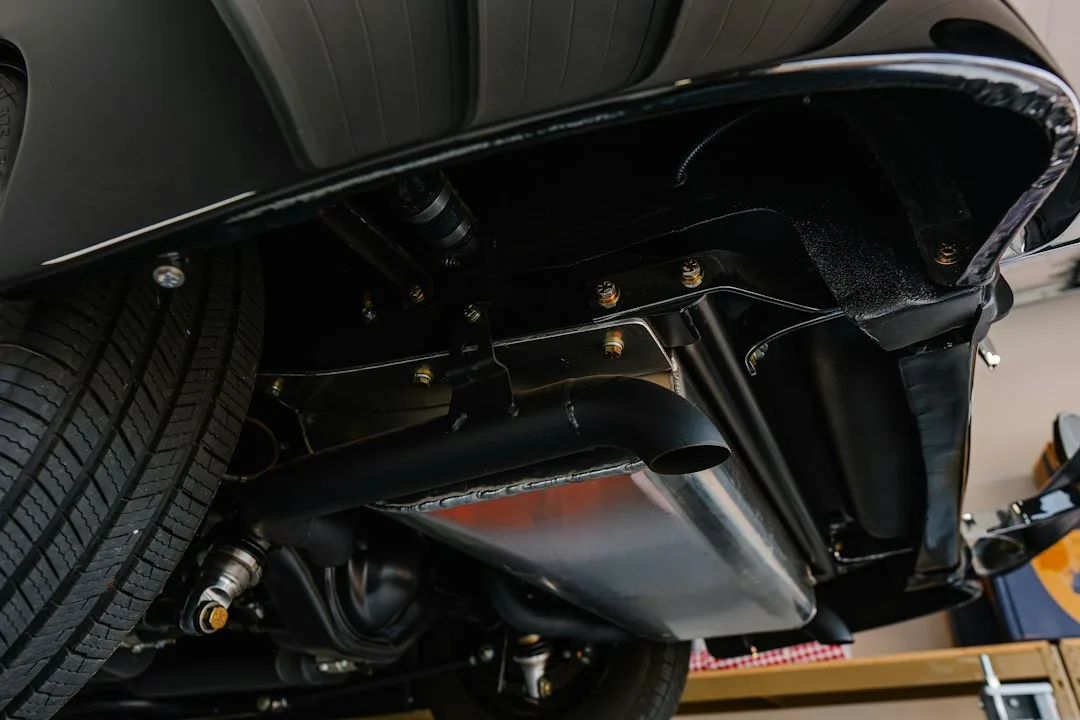
Moisture doesn’t need holes. Water penetrates tiny crevices, fastener gaps, and factory seams, pooling inside frame channels where oxygen starvation actually accelerates corrosion chemistry. Vehicle undercarriage protection seals these pathways, making it impossible for saltwater to accumulate in hidden zones.
Quick Tips
- Apply undercarriage protection before winter, ideally in fall when roads are still clean and vehicles are dry inside
- Request spray application over drip-based coatings—sprays reach suspension joints and control arms that drips miss
- Reapply every 12–18 months in northern climates; every 24 months in moderate regions
- Inspect brake lines and suspension bushings annually after undercarriage treatment to catch any corrosion breakthrough early
Suspension Damage and Brake System Failure Prevention
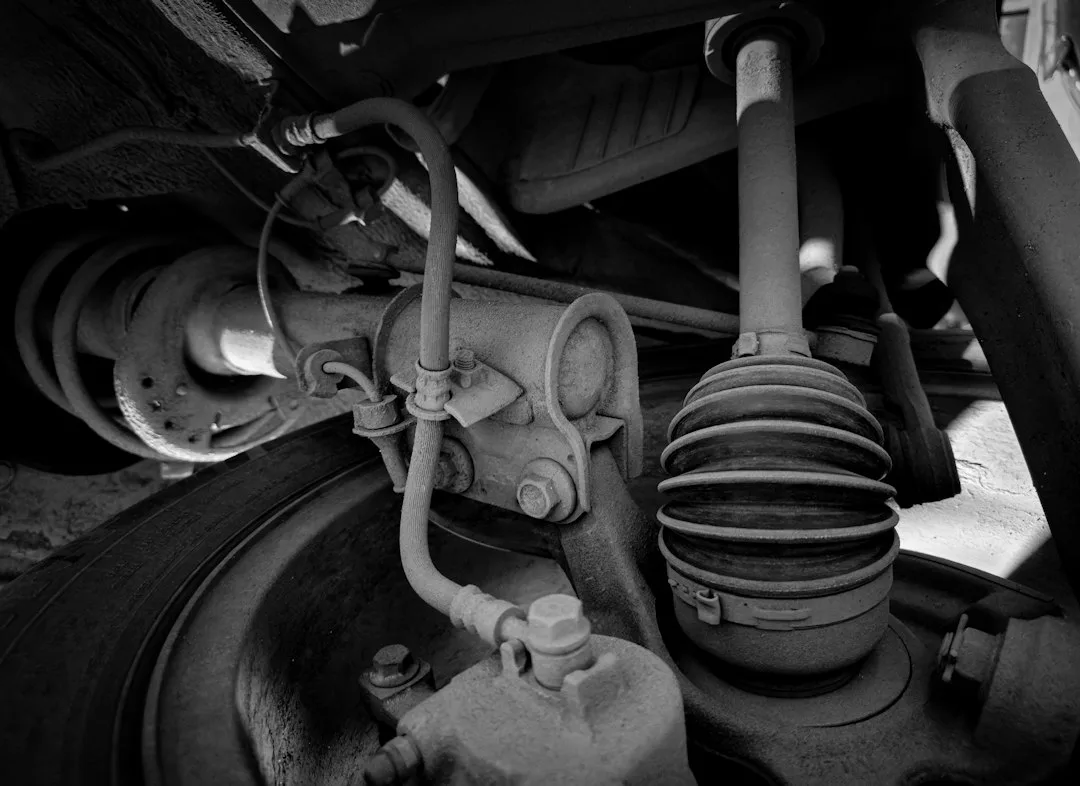
Corroded suspension components don’t fail gracefully. A rusted strut mount, lower control arm, or sway bar link can fracture suddenly during acceleration, braking, or cornering, transforming a routine drive into an emergency stop. Between 2023 and 2025, National Highway Traffic Safety Administration data showed a 31% increase in suspension-related safety complaints linked to accelerated corrosion in vehicles operating in high-salt environments.
| Protection Method | Coverage Area | Reapplication Interval |
|---|---|---|
| Spray Undercoating | Suspension, frame, wheel wells | 12–18 months |
| Drip Application | Frame channels, limited joints | 18–24 months |
| Ceramic Sealant | Exposed metal only, thin layer | 24 months |
| Oil-Based Rust Preventative | Selective high-risk areas | 6–12 months |
Brake system corrosion happens silently. Brake lines are steel tubes wrapped in minimal protection; saltwater reaches them through wheel well spray and moisture migration. A corroded brake line develops pinhole leaks that reduce hydraulic pressure, then catastrophic leaks that eliminate braking entirely. Vehicle undercarriage protection prevents this chain by creating a moisture barrier that keeps salt and water away from brake line routing.
The Fluid FS brand, a leading European undercarriage treatment manufacturer, engineered a bitumen-based formula that hardens into a rubber-like shell, providing both moisture sealing and vibration dampening that reduces suspension noise by 3–5 decibels during highway driving. That acoustic benefit alone has driven adoption among luxury vehicle owners who associate silence with quality.
The Depreciation Protection Angle Nobody Discusses
Trade-in values collapse when inspection reports flag corrosion. A frame with surface rust loses 18–22% resale value instantly; a corroded suspension component can eliminate an entire tier of value. Vehicle undercarriage protection, documented in service records, signals to future buyers and appraisers that the owner invested in preservation from day one.
Used car dealers now request undercarriage inspection photos as part of their pre-acquisition evaluation. A protected undercarriage, especially on vehicles over four years old, functions as visible proof of ownership care. That documentation translates into faster sales and higher price realization compared to identical vehicles with unknown undercarriage history.
As certified pre-owned vehicle markets dominate 2026 auto purchases, undercarriage condition becomes a primary pricing factor. Dealership service departments now advertise undercarriage protection as a standard pre-delivery inspection item for certified vehicles, bundling it into CPO warranty packages.
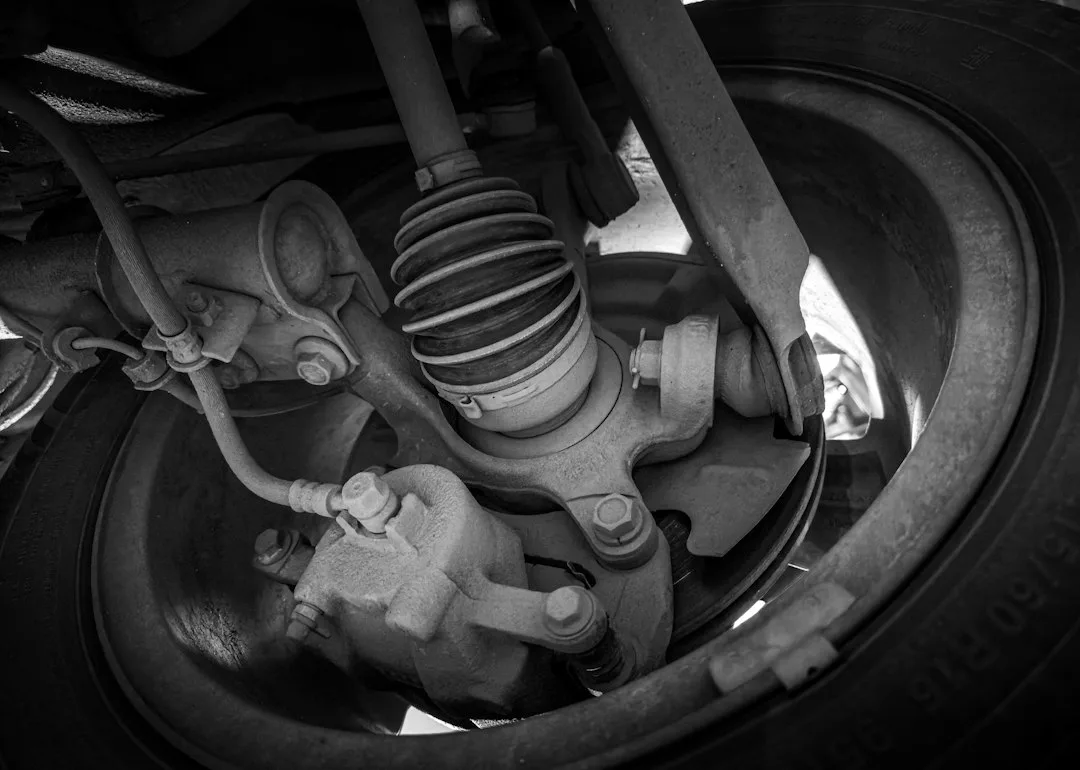
The Biggest Mistake Owners Make With Undercarriage Protection
Owners delay application until rust appears—a critical error that undermines the entire purpose. Once corrosion begins, protective coatings seal the rust underneath, accelerating degradation by trapping moisture against active corrosion sites. A vehicle with minor surface oxidation that receives undercarriage protection can trap that rust, causing it to worsen at twice the normal rate as moisture condenses beneath the protective layer.
The correct approach: apply vehicle undercarriage protection within 60 days of purchase for new vehicles, or immediately after thorough washing and visual inspection for used vehicles. Inspect the surface for any existing damage, treat active rust spots with converter products first, then apply protection to clean metal only.
Another common mistake is treating undercarriage protection as a one-time purchase. Northern climate drivers who apply protection once and expect lifetime results face failure: the coating degrades, peels, and separates within 18 months of application. Failure points cluster around suspension joints and fastener areas where movement flexes the coating. Owners who budget for annual or bi-annual reapplication maintain complete protection; those who skip maintenance lose effectiveness silently.
Integration With Overall Vehicle Ownership Strategy
Vehicle undercarriage protection fits into a broader 2026 ownership model that prioritizes preventive maintenance over reactive repairs. Combined with documented oil changes, brake service, and suspension inspections, undercarriage protection becomes part of the documented ownership narrative that affects insurance rates, resale value, and family safety.
Insurance companies recognize undercarriage protection in accident claim investigations. A corroded suspension component that causes loss of control can be traced to owner negligence in maintenance; a protected undercarriage with documented treatment history demonstrates diligence. That distinction matters in disputed liability claims.
As autonomous vehicle adoption reshapes how families plan daily commutes, the interim fleet of conventional vehicles requires maximum lifecycle extension through superior maintenance. Vehicle undercarriage protection is the single most cost-effective tool for extending safe operational life in any climate condition.
What Modern Undercarriage Protection Actually Protects
Zinc-rich epoxy formulas, now standard in professional applications, protect bare steel, aluminum brackets, and composite suspension components differently. Zinc sacrifices itself to corrosion, extending the life of steel underneath; epoxy seals aluminum against oxidation; polymers flex with plastic and rubber bushings without cracking. Vehicle undercarriage protection products formulated for 2026 vehicles account for the mixed-material reality of modern undercarriage design.
Application temperature matters more than most owners realize. Coatings applied below 50°F cure slower and cure less completely, leaving tacky zones that attract dust and salt particles. Professional service bays maintain 65–75°F ambient temperatures to ensure proper cure and maximum durability. DIY applications performed on damp, cold mornings often fail within months.
The Liqui Moly brand, a German manufacturer, created a spray formula designed specifically for post-winter washing applications, allowing owners to treat vehicles even when undercarriage surfaces retain slight moisture—a practical reality for most home garages where compressed air and heat lamps aren’t available. That formula innovation alone expanded consumer accessibility beyond professional shop-only treatments.
Related Topics