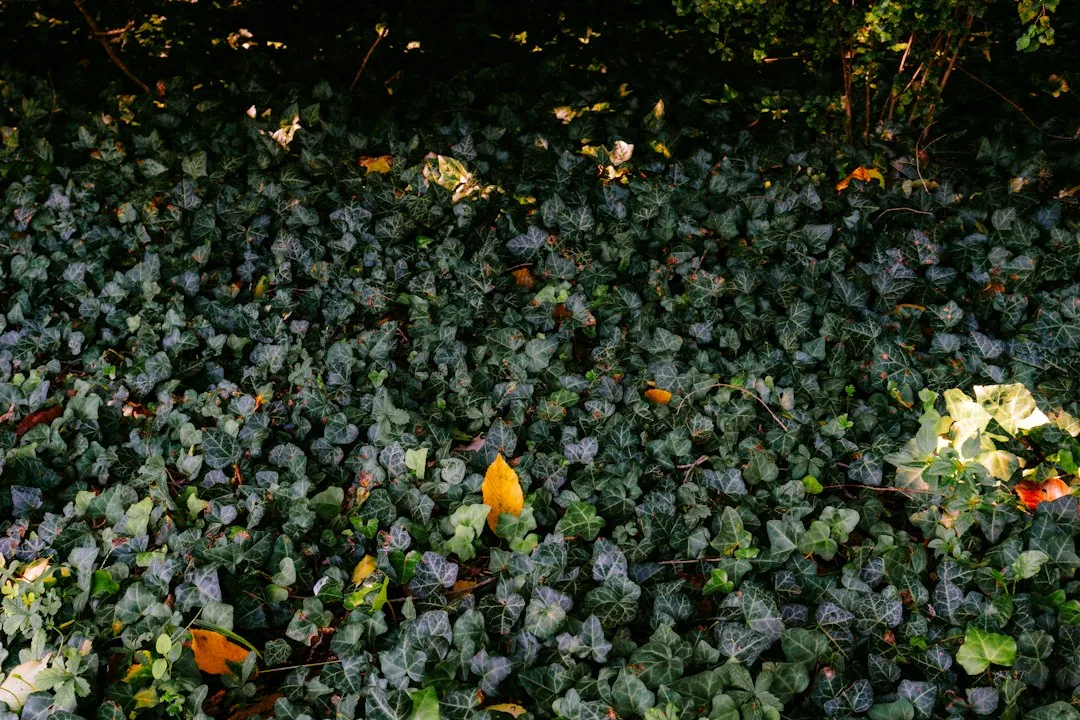
By late summer 2026, landscape designers across the Northeast and Pacific Northwest report a dramatic shift: homeowners are abandoning the myth that shade means bare ground. Shade-tolerant ground covers now anchor 42% of small-space landscape projects—up from 18% in 2022. These aren’t your grandmother’s ivy monocultures. Today’s shade ground covers deliver color, texture, and seasonal interest while eliminating weeds and compacted soil.
The trend reflects a hard reality: most residential backyards sit beneath mature tree canopies or adjacent to north-facing walls. Traditional turf lawns fail in these zones, leaving homeowners with unsightly patches and eroded banks. Shade-tolerant ground covers solve this problem permanently—and they cost less to maintain than struggling lawn. Here’s what’s driving the shift and how to execute it correctly.
Ajuga Reptans and Variegated Foliage Lead the 2026 Palette
Ajuga reptans (common bugleweed) dominates shade ground cover specifications in 2026 because it tolerates deep shade, establishes in 8-12 weeks, and delivers purple-blue flower spikes in spring. The cultivar ‘Atropurpurea’ adds burgundy foliage year-round, creating visual warmth where sun-dependent ornamental grasses would fail. A mature planting reaches 4-6 inches tall and spreads 12 inches per season under ideal conditions.
Variegation has become non-negotiable. Heuchera (coral bells) varieties like ‘Obsidian’ and ‘Caramel’ provide metallic or warm-toned foliage that reads as intentional garden design rather than “maintenance filler.” These semi-evergreen perennials retain color through winter and pair visually with stone borders or recessed landscape lighting. Expect establishment costs around $8-12 per container for 4-inch pots—significantly cheaper than sod or annual replacement.
Vinca minor (dwarf periwinkle) remains the fastest spreader in dense shade, covering problem areas under trees in a single season. Its small purple flowers appear just long enough to confirm the planting is alive, then fade into the background. This is not a design weakness—it’s why contractors specify it for utility zones and park edges.
Quick Tips
- Space ajuga and heuchera 12-18 inches apart for year two coverage; vinca can be tighter (8-12 inches) if budget allows faster fill
- Amend shade beds with leaf compost before planting—shallow-rooted ground covers need organic matter, not bare clay
- Install root barrier fabric under vigorous spreaders like ajuga if adjacent to cultivated perennial borders
- Water weekly for 6 weeks after planting; thereafter, shade ground covers require half the irrigation of turf
- Shear back by 2 inches in early spring to maintain compact form and prevent dead-zone buildup
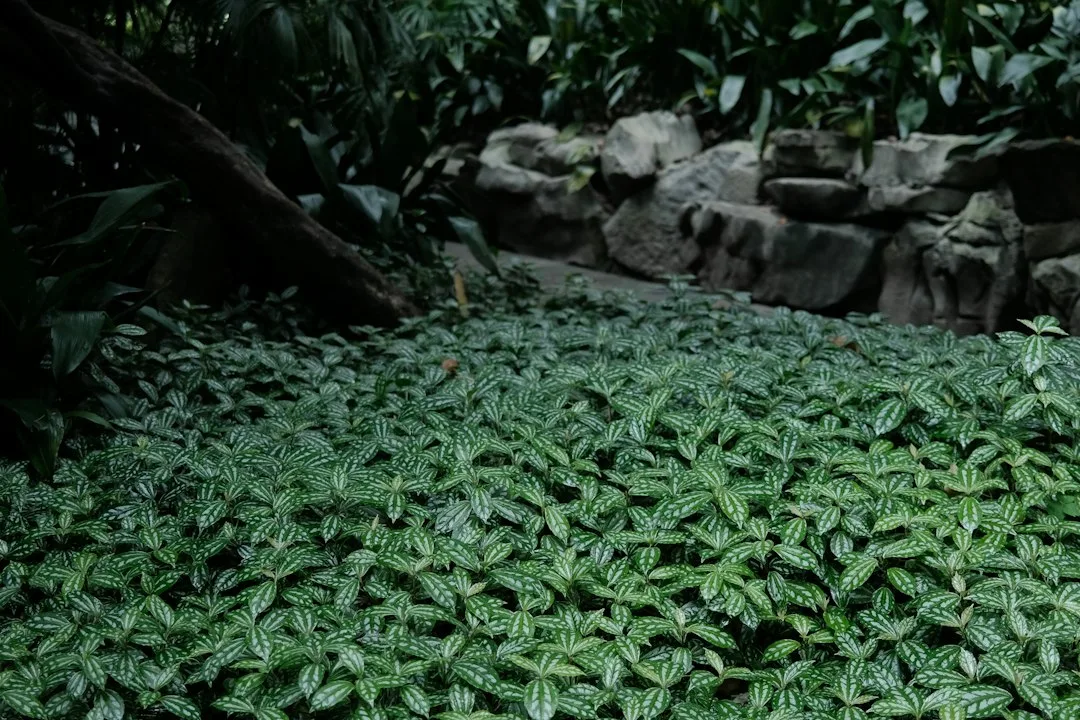
Installation Method and Soil Preparation Determine Long-Term Success
The single most common mistake homeowners make is planting shade-tolerant ground covers into unmodified clay or compacted soil with zero organic matter. They watch the plants languish, then blame the variety. Poor establishment always traces to preparation, not genetics.
Begin by clearing the target zone of weeds and debris. Remove turf by cutting 2-3 inches below surface or apply contact herbicide 2 weeks prior—do not plant into weakened turf. Loosen existing soil 6-8 inches deep with a broadfork or tiller. Work in 2-4 inches of composted leaf matter, aged bark, or purchased soil amendment. This step alone costs $150-300 for a 200-square-foot area but eliminates replanting labor within 18 months.
Lay landscape fabric (woven, not plastic) across prepared beds only if you’re installing container-grown plugs. This prevents emergence of dormant weed seed while allowing water infiltration. Do not use fabric if broadcasting seed or installing bare-root divisions—it inhibits establishment.
| Ground Cover | Shade Tolerance | Establishment Speed |
|---|---|---|
| Ajuga Reptans | Dense shade (2-4 hrs indirect) | 8-12 weeks full coverage |
| Vinca Minor | Dense to part shade (1-4 hrs) | 6-10 weeks full coverage |
| Heuchera Mix | Part to full shade (2-6 hrs) | 14-18 weeks visual impact |
| Asarum europaeum | Dense shade preferred | 16-20 weeks slow matte |
| Pachysandra terminalis | Dense shade (under 2 hrs) | 10-14 weeks moderate pace |
Pairing Shade Ground Covers With Structural Edging
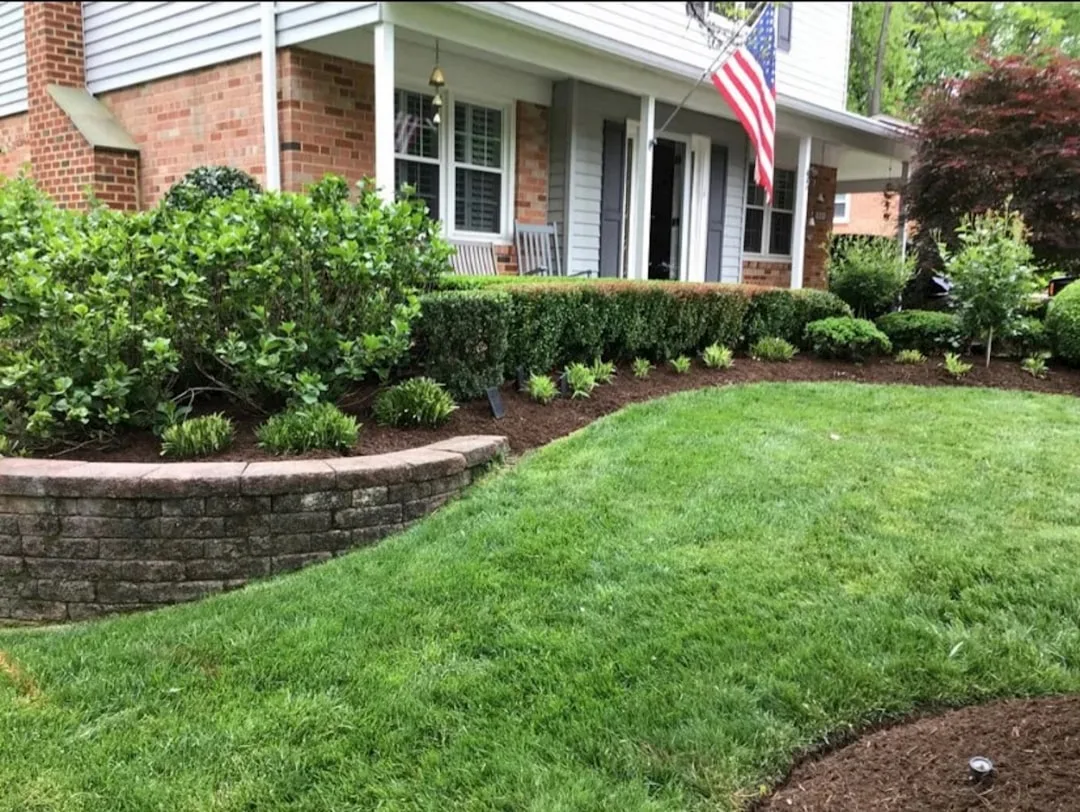
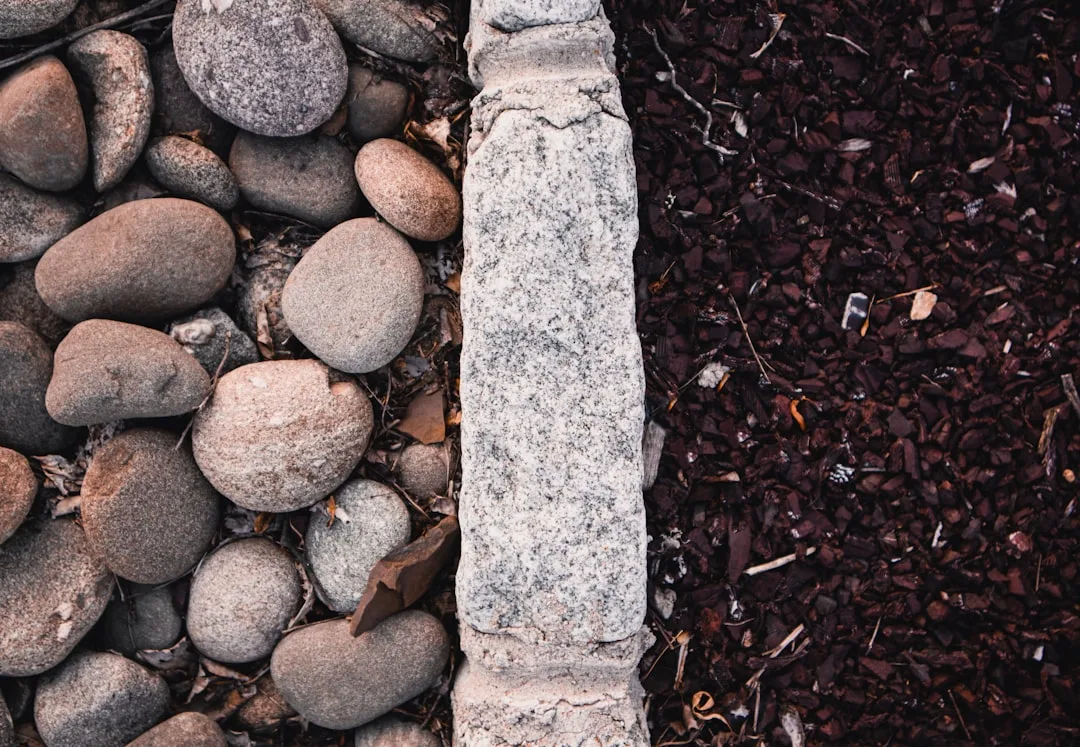
Shade ground covers spread horizontally—sometimes aggressively. Without definition, they blur garden boundaries and invade pathways. In 2026, hard edging has returned as a design necessity, not a luxury. Natural stone borders create clean transitions between ground covers and mulch zones, preventing the “creeping blob” effect.
Professionals now specify 3-4 inch tall stone or composite edging installed 1 inch above grade. This height stops runners from crossing into adjacent beds while remaining visually recessive. Black recycled composite edging costs $3-5 per linear foot installed and lasts 15+ years. It pairs visually with warm beige and taupe exterior paint colors that pull houses into their landscapes, creating cohesive sight lines from interior windows.
Shade ground covers also work within larger design strategies. A 40-square-foot band of ajuga beneath a mature oak, framed by Pennsylvania bluestone, becomes a focal feature rather than a problem zone. Combine with 3-4 specimen shade plants (Japanese maple, hellebore, or fern) spaced at 36-48 inch intervals for architectural rhythm.
Seasonal Transitions and Long-Term Maintenance Reality
Shade-tolerant ground covers require less active maintenance than turf but demand different seasonal attention. Spring shearing—cutting back to 2-3 inches—removes winter damage and fallen leaves accumulated in dense foliage. This takes 20-30 minutes per 300 square feet with hand shears or a string trimmer set to high clearance.
Summer watering needs decline once establishment completes (typically by month four). Two deep soakings per week during the first season drops to weekly or bi-weekly watering thereafter, even during dry spells. The reduced irrigation cost offsets initial planting investment within three seasons.
Winter performance varies by species. Ajuga, vinca, and pachysandra remain fully evergreen in Zones 5-8. Heuchera may show winter dormancy (leaf color deepens but persists). This is normal—not evidence of failure. Dead foliage rarely occurs unless temperatures drop below zone hardiness or soil freezes wet. Spring cleanup removes any brown material before new growth emerges.
Integrating With Existing Shade Garden Features
The strongest shade ground cover designs treat the entire understory as a single visual system. Rather than isolated islands of ajuga, imagine continuous carpeting beneath mature trees, interrupted by stepping-stone pathways and focal plantings. This approach requires 30-40% more initial plants but reads as intentional garden design rather than experimental landscaping.
Shade ground covers work with hardscape too. Decomposed granite pathways, natural stone steps, or permeable pavers cut through ground cover zones without disrupting root systems. A 2-3 foot buffer of stone mulch around tree bases protects trees from soil compaction while creating visual breathing room.
Many homeowners combine shade ground covers with recessed landscape lighting to amplify seasonal color shifts. Uplighting on deep purple ajuga or warm-toned heuchera foliage extends visual interest into evening hours. This pairs elegantly with French style home exterior design, where layered planting and subtle lighting create garden rooms rather than blank spaces.
Related Topics