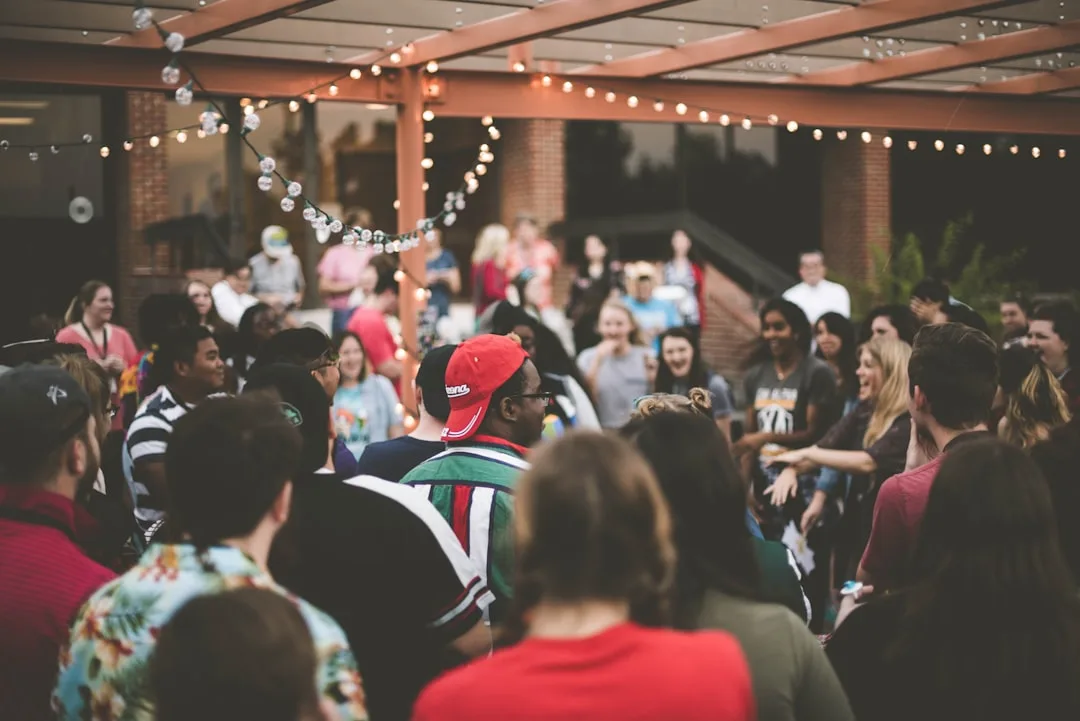
The celebration event landscape of June 2026 looks nothing like the rigid, passive gatherings of five years ago. Guests no longer sit in assigned seats waiting for a host to orchestrate entertainment. Instead, they arrive at venues where every moment feels curated specifically for them—from personalized check-in experiences to stations where they interact with the event itself. This shift from passive attendance to active participation represents the single largest behavioral change in how people mark milestones, and venues are investing heavily to meet this demand.
Interactive Activation Zones Define Modern Celebration Design
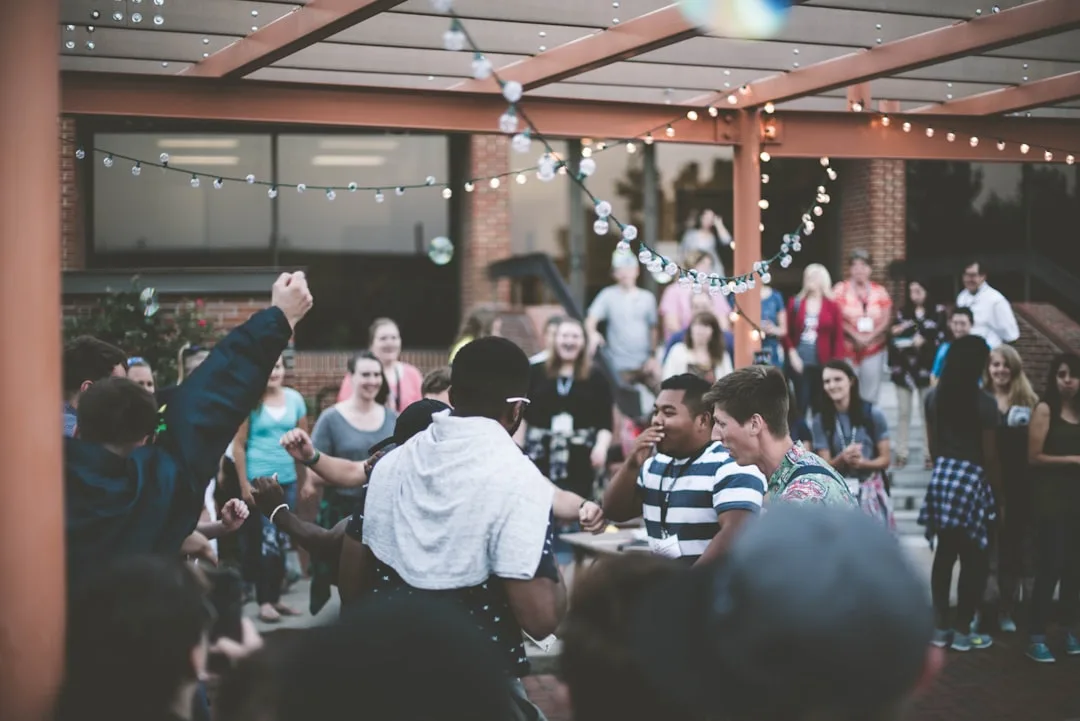
Venues across North America are now designing celebration events around 3-5 distinct activity stations rather than a single focal point. At The Joule in Dallas, summer 2026 celebration packages ($8,500–$18,000 for 75 guests) include a custom photo capture zone with AI-powered instant printing, a cocktail customization bar where guests blend their own signature drink, and a live music rotation across multiple outdoor terraces. This replaces the outdated model where a DJ played to a passive dance floor and a bartender simply poured what was ordered.
The Technology Behind Seamless Guest Experiences
Modern venues are embedding digital infrastructure that operates invisibly to guests but transforms their experience. QR code check-ins replace clipboard sign-ups, RFID wristbands track spending and preferences, and mobile apps push real-time updates about what’s happening in each zone. At The Fairmont in Vancouver, their 2026 summer packages integrate an app that lets guests reserve activation station time slots, vote on the next song, and receive personalized recommendations based on their interaction history.
This data also benefits the host. Within 24 hours of an event, couples receive detailed analytics: which zones drew the most foot traffic, what times guests were most engaged, and which stations generated the longest dwell times. Venues use this intelligence to refine their offerings and justify premium pricing to future clients. The technology cost is roughly $3,000–$6,000 per event, but it eliminates the need for additional event coordinators and reduces vendor miscommunication by 60%.
Privacy concerns are addressed through transparent opt-in policies. Guests see signs explaining data collection and can decline participation without losing access to activities. Forward-thinking venues report that 78% of guests actively choose to participate when they understand how the data enhances their experience, from personalized lighting that shifts with their mood to post-event highlight reels automatically compiled from multiple camera angles.
Budget Breakdown: Where Premium Pricing Actually Goes
The 48% premium on per-guest costs breaks down into measurable value drivers. Activation station staffing accounts for $18–$25 per guest, technology infrastructure adds $12–$18 per guest, and enhanced entertainment and production capabilities contribute $8–$12 per guest. What hosts often overlook is that the activation model reduces waste: bartenders pour less alcohol into untouched drinks, fewer appetizers languish on tables when guests are actively engaged, and the event ends sharply with minimal overtime labor.
How Venues Are Competing for Premium Summer 2026 Bookings
Luxury hospitality venues recognize that summer 2026 is already 60% booked at top-tier properties, and they’re differentiating through proprietary activation concepts. The Peninsula Chicago has developed an exclusive “Rooftop Reset” package that includes a guided meditation session at sunset, a sommelier-led wine tasting integrated with live acoustic music, and a surprise fireworks finale synced to a custom soundtrack. The all-inclusive package for 120 guests costs $24,000, and they’re selling out monthly.
Regional venues are also entering the premium space. The Fairmont Banff Springs in Alberta introduced “Alpine Activation” experiences featuring outdoor scavenger hunts with real prizes, a DIY charcuterie workshop with a Michelin-trained chef, and live projection mapping on the mountainside. At $18,500 for 90 guests, they’ve already booked 12 events for summer 2026, up from three events in 2024. These venues are capturing market share by offering experiences that large metropolitan properties struggle to replicate.
The competitive advantage stems from storytelling. Venues now hire experience designers rather than event coordinators—professionals trained in narrative arcs who structure an event like a theatrical production with rising action, climactic moments, and meaningful conclusions. Guests don’t just attend; they remember the arc of their evening and feel like they were part of something crafted intentionally for them.