Across the United States, residential pollinator populations have declined by an estimated 75% over the past two decades, pushing homeowners and landscape designers to rethink what a functional backyard actually means. Pollinator garden design responds directly to this ecological reality by replacing manicured lawns with native plant communities, open soil patches, and shallow water features that attract and sustain native bees, butterflies, moths, and other beneficial insects. This isn’t gardening as aesthetic hobby—it’s landscaping as active conservation, and the movement has accelerated dramatically since 2024 as climate volatility has made traditional ornamental designs vulnerable to drought, flooding, and seasonal extremes.
Native Plant Communities Replace Ornamental Monocultures
Pollinator garden design begins with native plant selection, and this is where the shift becomes concrete and measurable. Companies like Applewood Seed specializing in regional native seed mixes have seen order volume increase 185% year-over-year, responding to homeowners who now understand that a single native milkweed species supports over 450 insect species, while a decorative ornamental shrub supports fewer than five.
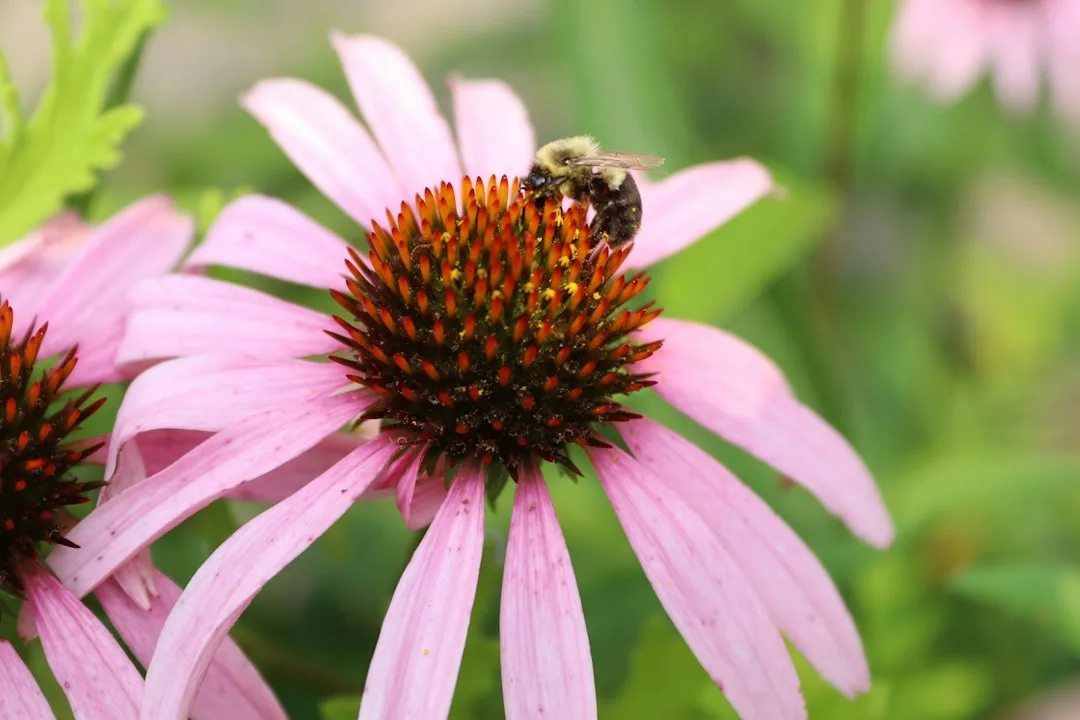
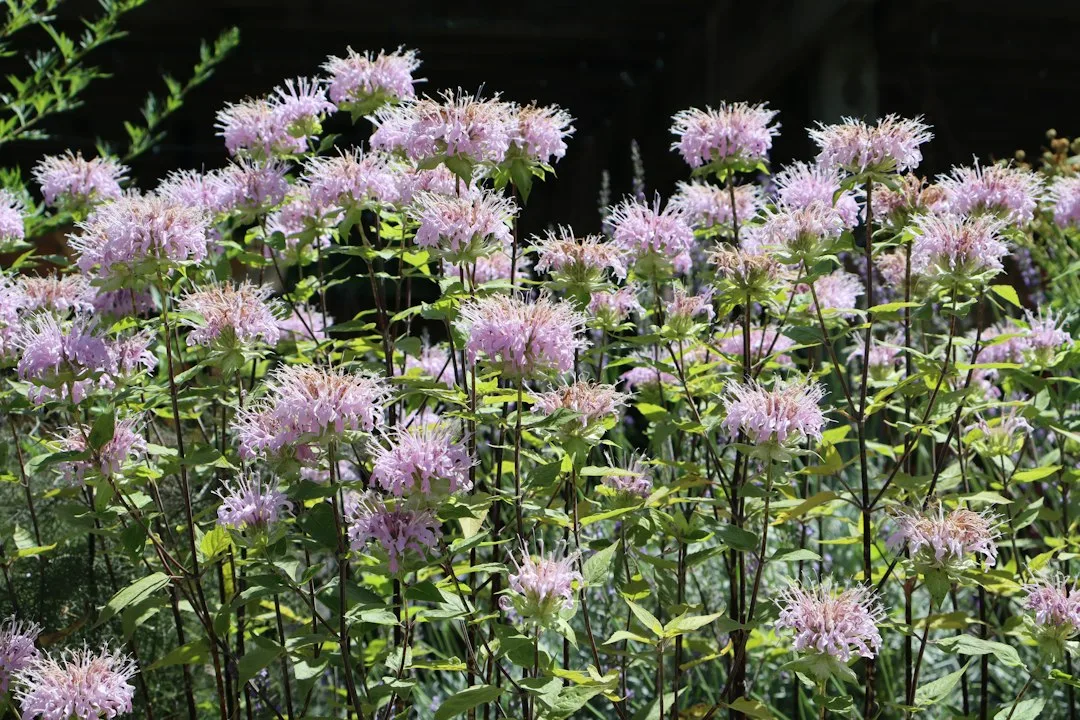
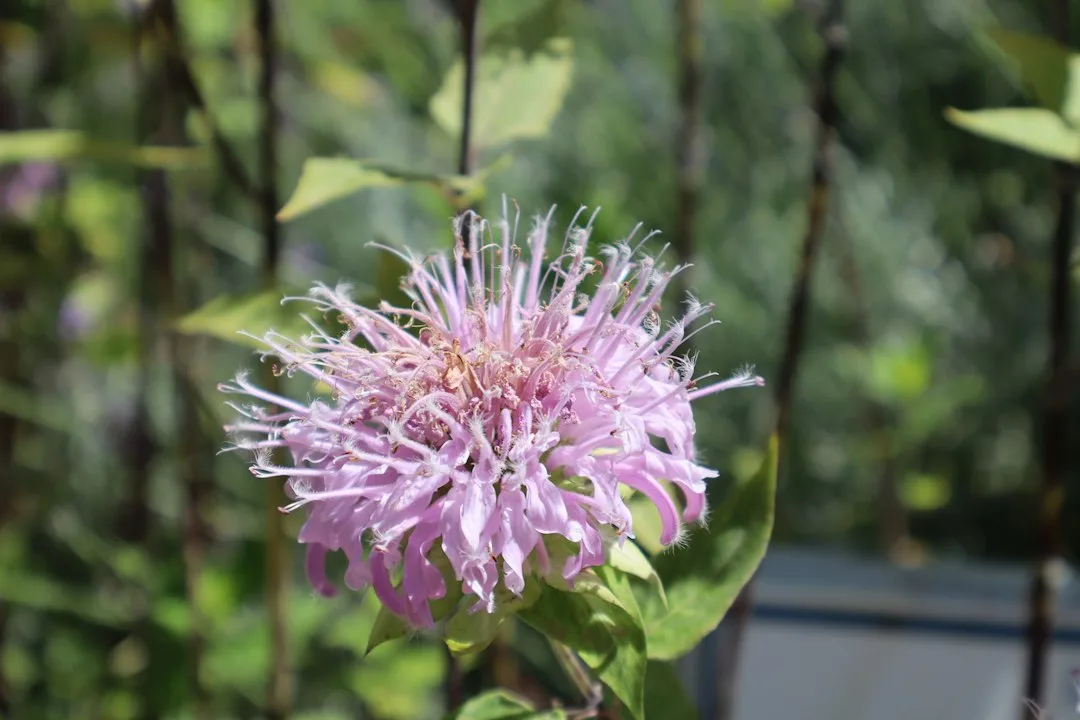
In the Northeast, native plant palettes now center on black-eyed Susans, purple coneflowers, bee balm, and wild bergamot—perennials that require zero fertilizer, outcompete weeds naturally, and bloom in succession from June through October. The Xerces Society, a nonprofit focused on pollinator conservation, documents that native plant gardens require 60% less water and 75% less maintenance input than conventional landscape designs after year two establishment.
This translates directly to reduced seasonal maintenance time and lower irrigation costs. A homeowner who shifts a 500-square-foot ornamental bed to native pollinator species saves approximately $300-500 annually in water, fertilizer, and pruning labor.
Quick Tips
Selecting the Right Native Plants for Your Region
The foundation of a successful pollinator garden begins with understanding which native plants naturally thrive in your specific climate zone and soil conditions. Native plants have evolved alongside local pollinators, meaning their bloom times, nectar production, and flower structure align perfectly with native bee and butterfly lifecycles. Before purchasing plants, identify your USDA hardiness zone and research the native plant communities in your region through your state’s native plant society or cooperative extension office.
Native plant selections vary dramatically across North America. A wildflower mix suited to the Pacific Northwest differs entirely from what thrives in the Southeast or Great Plains. Spring ephemeral wildflowers, summer bloomers, and fall asters should all be represented in your planting plan to ensure continuous food availability throughout the growing season. This succession approach prevents the common problem of having abundant blooms in July but bare garden beds in April and September when pollinators are actively foraging.
Grouping plants by water needs and bloom time simplifies maintenance and creates more naturalistic drifts that attract pollinators more effectively than scattered specimen plantings. Consider how your native plant choices complement your home’s existing aesthetic—a thoughtfully designed pollinator garden integrates seamlessly with your property’s character, whether you’re drawn to clean modern lines or traditional cottage garden styles.
Creating Year-Round Habitat Beyond Flowers
Pollinators require far more than flowers to survive and reproduce. Native bees need nesting sites, shelter from predators and extreme weather, and host plants for their larval stages. Unlike honeybees that live in managed hives, 90 percent of native bee species are solitary ground-nesters that lay eggs in bare soil, small cavities, or hollow plant stems. Dead wood, leaf litter, and unmulched soil patches become essential infrastructure rather than garden eyesores when viewed through an ecological lens.
Butterflies depend on specific native host plants where caterpillars feed and develop. Monarch butterflies, for example, require milkweed species native to your region—no native milkweed means no local monarch reproduction. Similarly, various native bee species have preferences for particular plant families. Black-eyed Susans support different bee communities than coneflowers, so botanical diversity directly translates to pollinator diversity.
Fall and winter habitat often receives overlooked attention despite its critical importance. Leaving seedheads intact through winter provides both food and shelter. Many native bees overwinter as pupae or adults in protected microhabitats created by accumulated plant material. The conventional autumn garden cleanup actually eliminates essential survival structures, which is why a “messy” native plant garden often supports far more pollinators than a manicured landscape.
Integrating Pollinator Gardens Into Your Home Landscape Design
A pollinator garden doesn’t require banishing all aesthetic considerations or transforming your property into unmanaged wilderness. Strategic placement near entryways, patios, and windows creates beautiful focal points while supporting ecosystem function. Warm Beige and Taupe Exterior Paint Colors Pull Houses Into Their Landscapes work particularly well when combined with the soft, varied textures and colors of native plantings, creating cohesive exterior designs that feel intentional rather than accidental.
Consider how bloom colors and heights contribute to your home’s visual narrative across seasons. Purple coneflowers, golden rudbeckia, and pink bergamot create warm, inviting garden rooms that reflect light and draw the eye through your landscape. Native plant gardens naturally develop softer lines and more organic forms than traditional perennial borders, which complements various architectural styles from rustic farmhouses to contemporary minimalist designs.
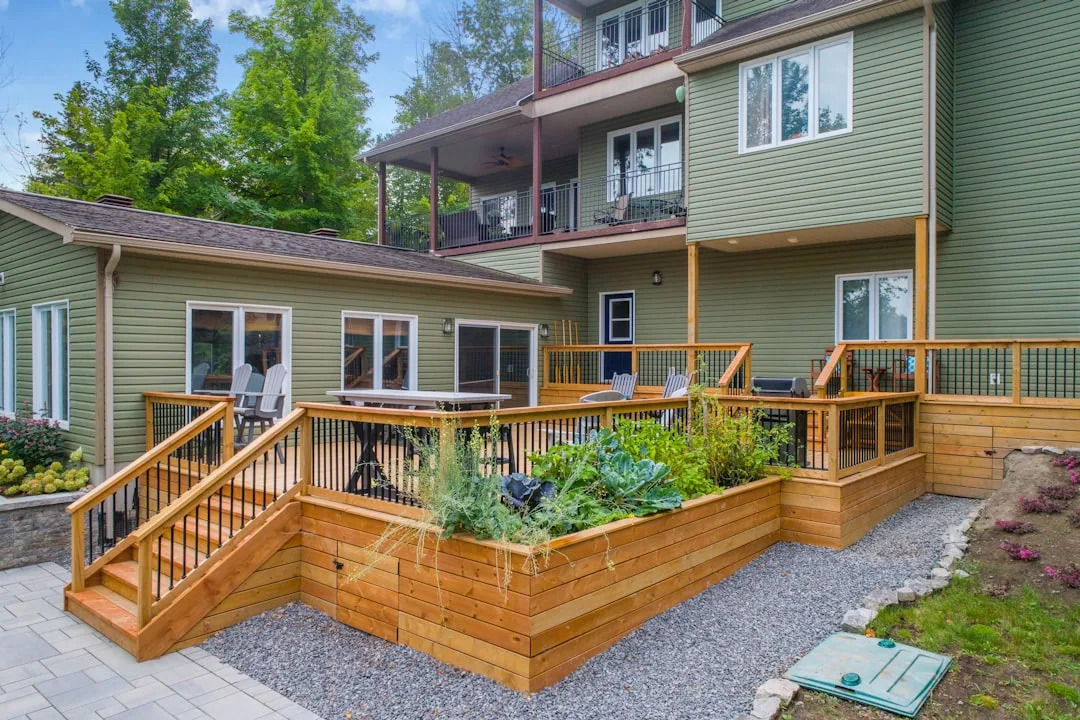
Raised beds, container plantings, and mixed borders allow pollinator-friendly natives to coexist alongside other landscape priorities. You need not dedicate your entire yard to native species—even partial conversions deliver measurable ecological benefits while maintaining the visual balance your home requires.
Troubleshooting Common Challenges in Native Plant Establishment
The transition from conventional ornamental gardens to native plant communities typically encounters predictable obstacles during the first two growing seasons. Competition from aggressive non-native weeds, unexpected soil amendments left in landscape beds, and unrealistic expectations about the establishment timeline cause many homeowners to abandon native plant projects prematurely. Understanding these challenges beforehand and planning accordingly significantly improves long-term success rates.
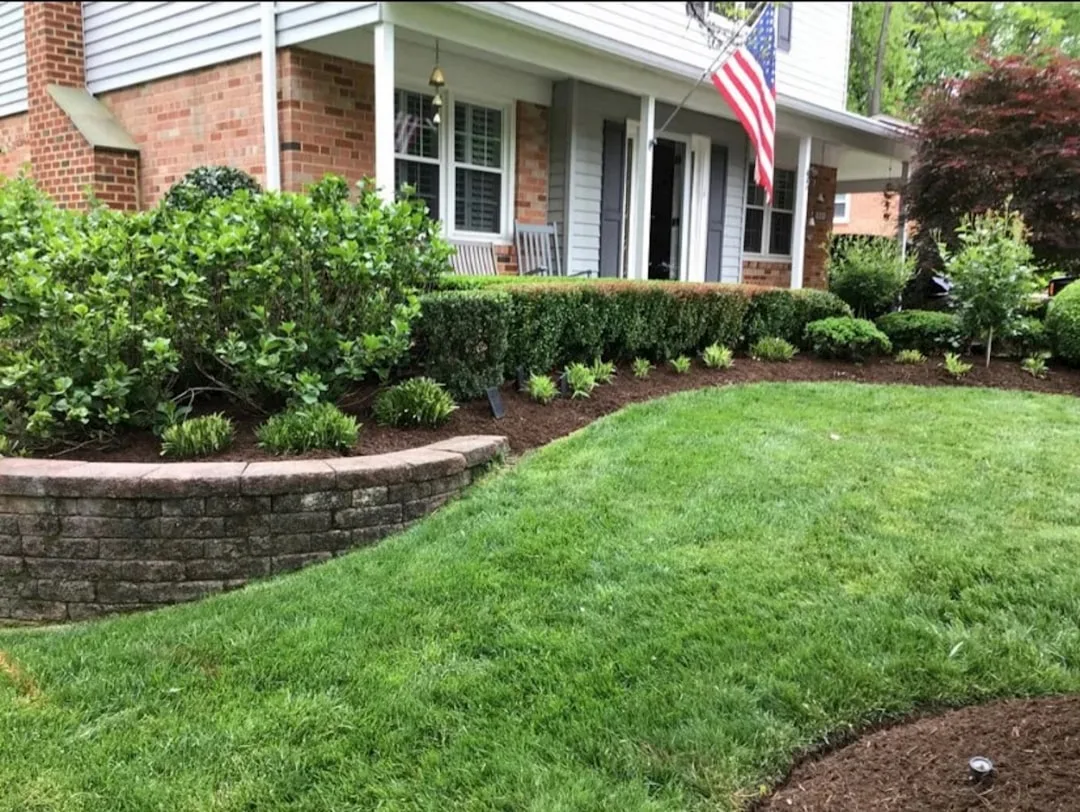
Native plants often appear sparse or underwhelming in their first year, requiring patience as root systems establish. Aggressive weeding during this critical period removes competing vegetation without damaging young natives. Mulch selection matters greatly—avoiding glossy bark chips or dyed mulches that don’t match the aesthetic you’re creating means choosing natural wood chips or composted leaf material that integrates visually with native plant gardens and supports soil organisms.
Pest and disease problems rarely affect established native plants because local insects and pathogens have maintained ecological balance for millennia. However, nursery-grown plants sometimes arrive with pest populations or fungal issues that weren’t apparent during selection. Quarantine new plantings, inspect foliage carefully before installation, and avoid chemical interventions that would harm the very pollinators you’re working to attract. Most problems resolve naturally once plants become established and develop stronger constitutions.