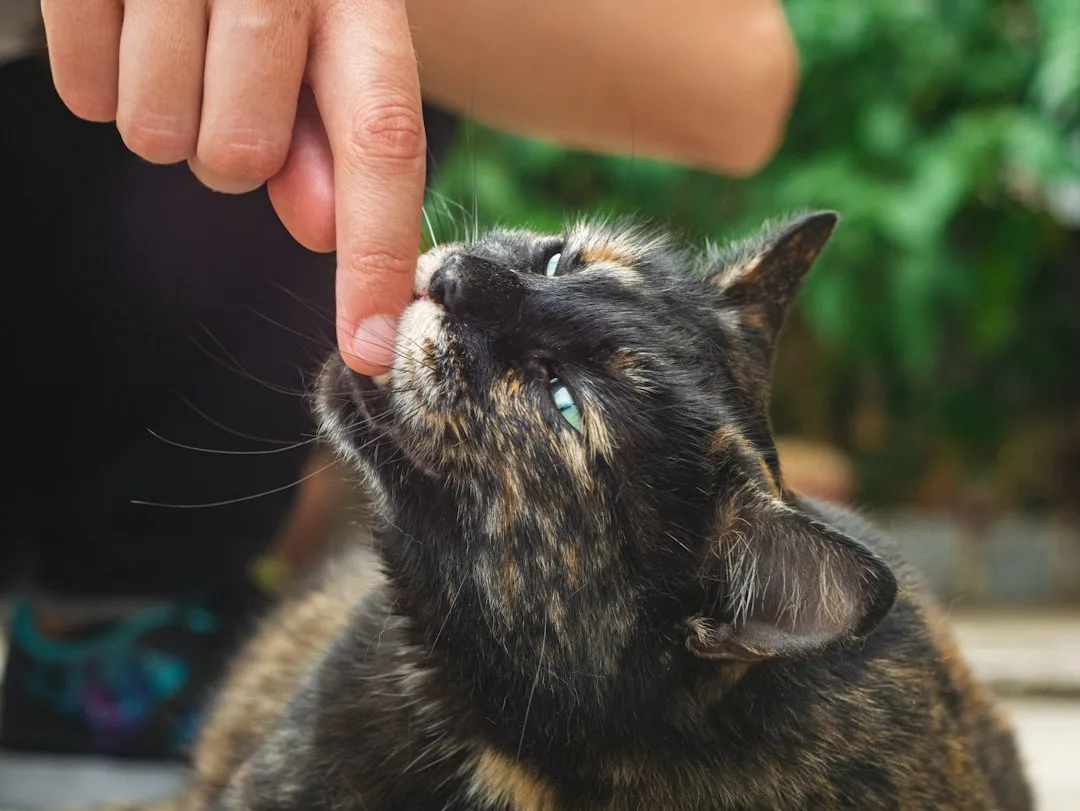
Pet emergencies can happen without warning. An accident during a walk, sudden illness, or unexpected change in behavior can leave owners needing to make decisions quickly. While it is impossible to prepare for every situation, having a few practical measures in place can make an emergency easier to manage.
Here are some essential preparations every pet owner should consider.
Keep Important Information Within Easy Reach
In an emergency, searching through paperwork for essential details wastes valuable time. Keep your pet’s veterinary information somewhere that can be accessed quickly, both at home and on your phone.
Useful information includes your regular vet’s contact details, your pet’s microchip number, current medications, and any known allergies or existing conditions. It can also be helpful to keep a recent photograph of your pet available in case they go missing.
Make sure other members of the household know where these details are stored.
Know Where to Get Emergency Veterinary Care
Your regular veterinary practice may not provide appointments around the clock, so find out in advance what you should do outside its normal opening hours. Save the relevant telephone numbers and addresses in your phone rather than waiting until an emergency occurs.
Pet owners in South Yorkshire, for example, may want to familiarise themselves with options for emergency vets in Sheffield so they know where to turn when urgent veterinary attention is required.
If you are unsure whether a situation is an emergency, contacting a veterinary professional for guidance is usually preferable to waiting for symptoms to become more serious.
Put Together a Pet First-Aid Kit
A basic first-aid kit can be useful for dealing with minor injuries or keeping an animal comfortable while traveling to a veterinary practice. It might contain sterile gauze, bandages, disposable gloves, clean towels and a digital thermometer.
A pet first-aid kit is not a substitute for veterinary treatment. Avoid giving medication or attempting treatments unless instructed by a veterinary professional, as some products that are safe for humans can be harmful to animals.
Have a Safe Transport Plan
Think about how you would transport your pet if they were injured or frightened. Cats and smaller animals should have a secure carrier that is easy to access. Dogs may require a suitable harness, lead, or crate.
Keep carriers somewhere convenient rather than buried in storage. A familiar blanket or towel can also help make transportation less stressful.
If you do not drive, identify a friend, relative or local transport service that could help during an emergency.
Prepare for Evacuation
Emergencies do not always involve illness or injury. Fires, flooding, power cuts and other household incidents may require you to leave home quickly.
Prepare a small emergency bag containing a few days’ food, bottled water, medication, bowls, waste bags and copies of important records. Check it periodically so food and medicines remain in date.
Review Your Preparations Regularly
Emergency planning only works when the information and supplies remain current. Review contact details, medication lists and first-aid supplies every few months.
A little preparation can remove unnecessary uncertainty when something goes wrong. By knowing who to contact, how to transport your pet, and what essentials to take with you, you can focus on getting them the appropriate help as quickly and safely as possible.