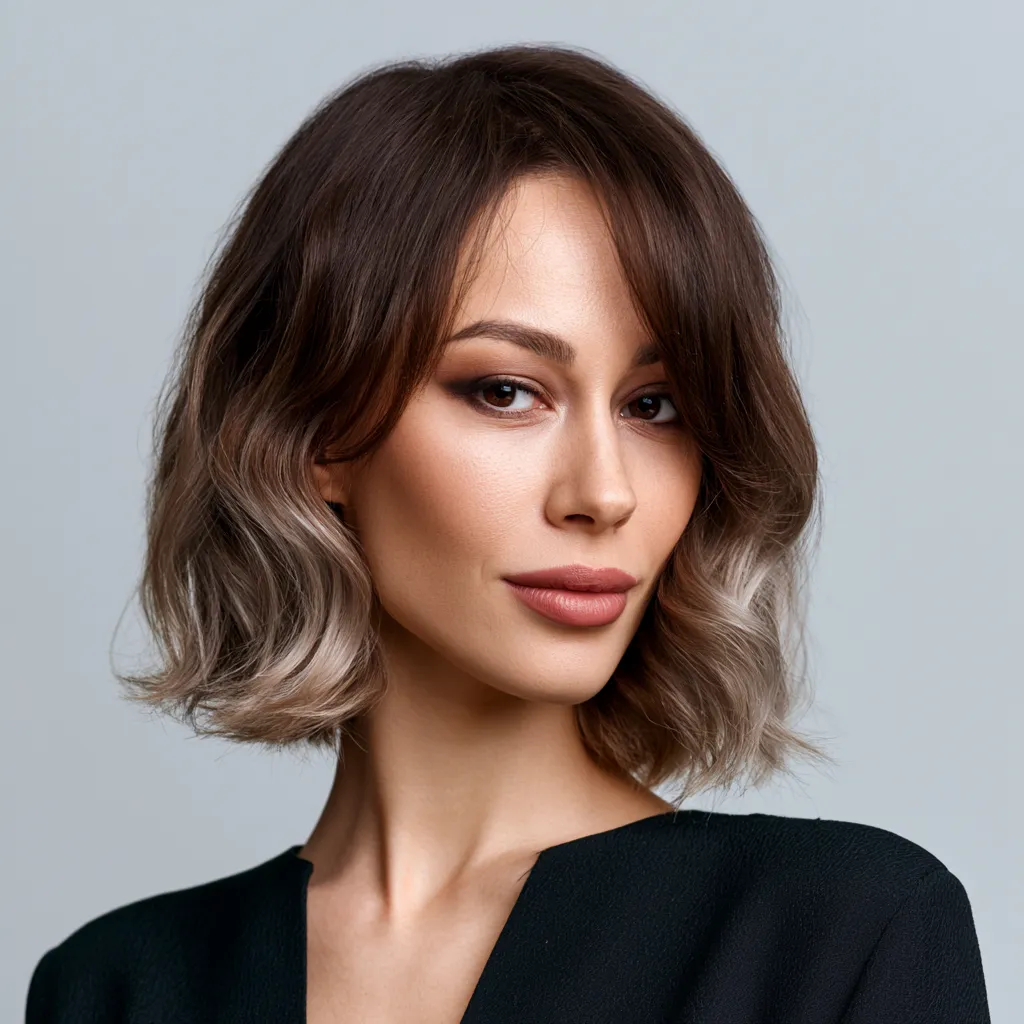
Medium length ombre hair gets more traction when the color transition lands at the right point — not at the ends where everyone puts it, but somewhere between chin and collarbone where it actually shapes your face. I’ve sat through three different consultations trying to get this right, and the version that finally worked was the one my colorist placed lower than I expected. You’ll notice the difference in photos immediately: the lighter section catches light exactly where a highlight or a jawline would, and the whole cut reads sharper for it. These looks cover five distinct palettes — pink, electric blue, fiery red, sunset orange, and neon green — with specific notes on how each one behaves on mid-length hair.
Mid-length ombre hair sits in a sweet spot technically: long enough for a full gradient, short enough that bleach damage doesn’t accumulate at the ends the way it does on waist-length hair. That’s the practical argument for it. The aesthetic one is that ombre on medium hair never looks heavy — the color literally gets lighter as the hair gets shorter toward the face, so nothing drags.
Quick Scan
- Bright Pink Ombre — blush roots to vivid pink ends, best on wavy or layered cuts
- Electric Blue Ombre — midnight blue to electric tips, thrives on sleek straight styles
- Fiery Red Ombre — deep red roots to flame ends, built for waves and layered cuts
- Sunset Orange Ombre — amber to vivid orange, flatters warm skin tones most
- Neon Green Ombre — dark green base to glowing neon tips, the highest-contrast option here
- Maintenance reality — bold fantasy colors need a toner refresh every 4–6 weeks; Olaplex No.3 weekly keeps bonds intact
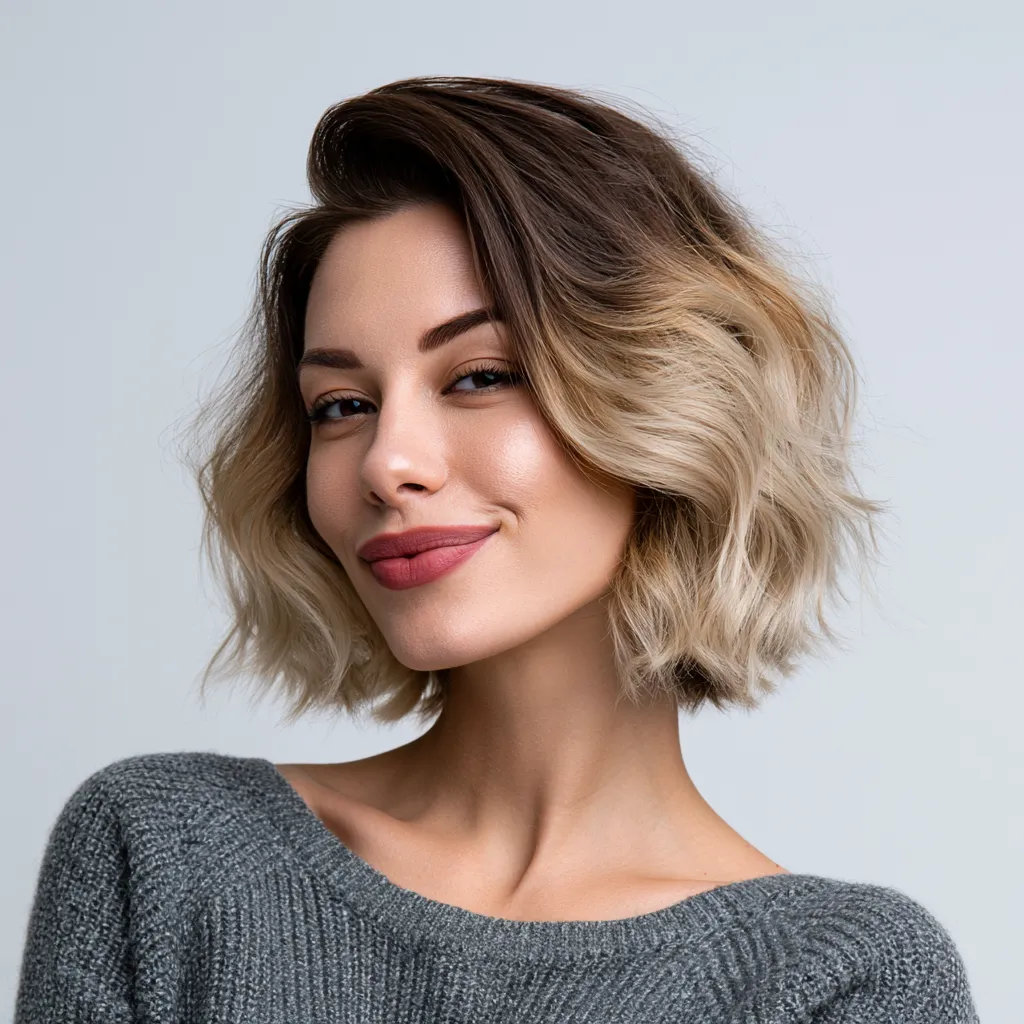
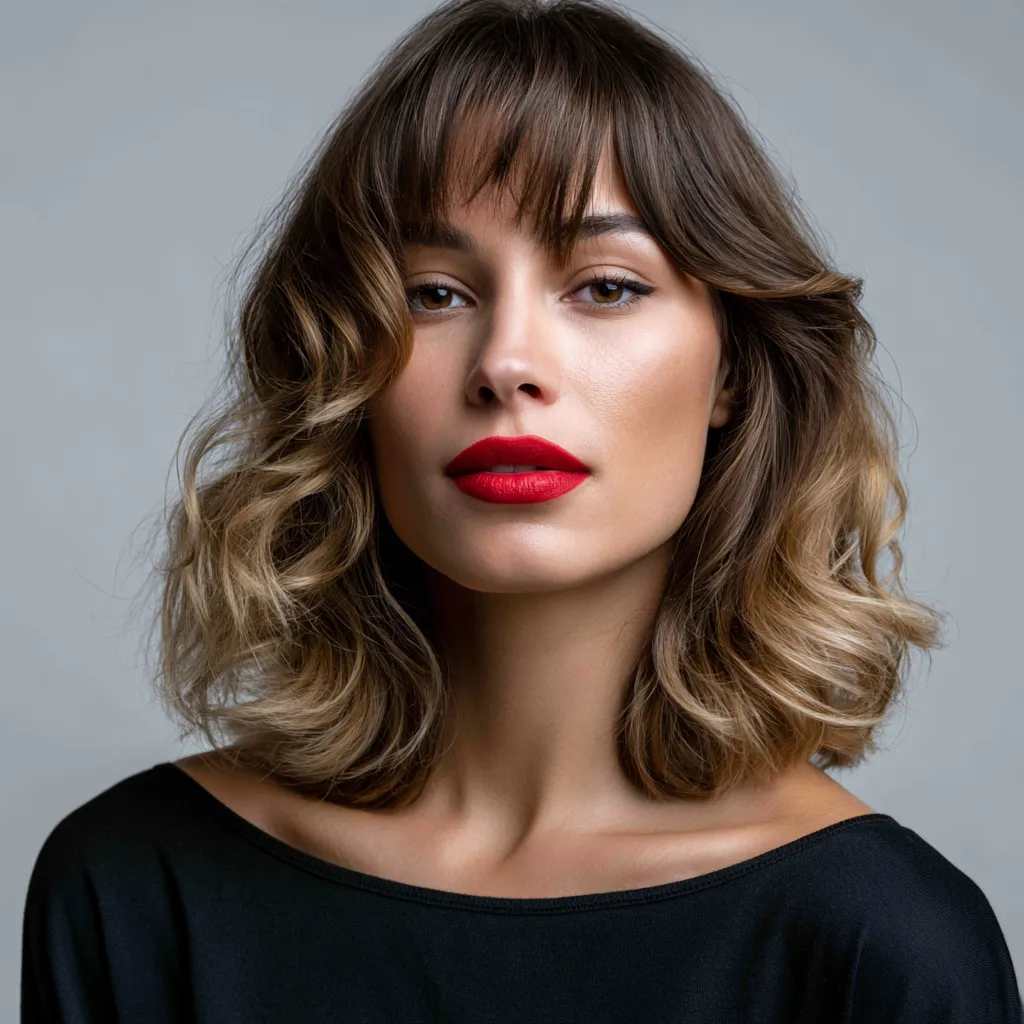
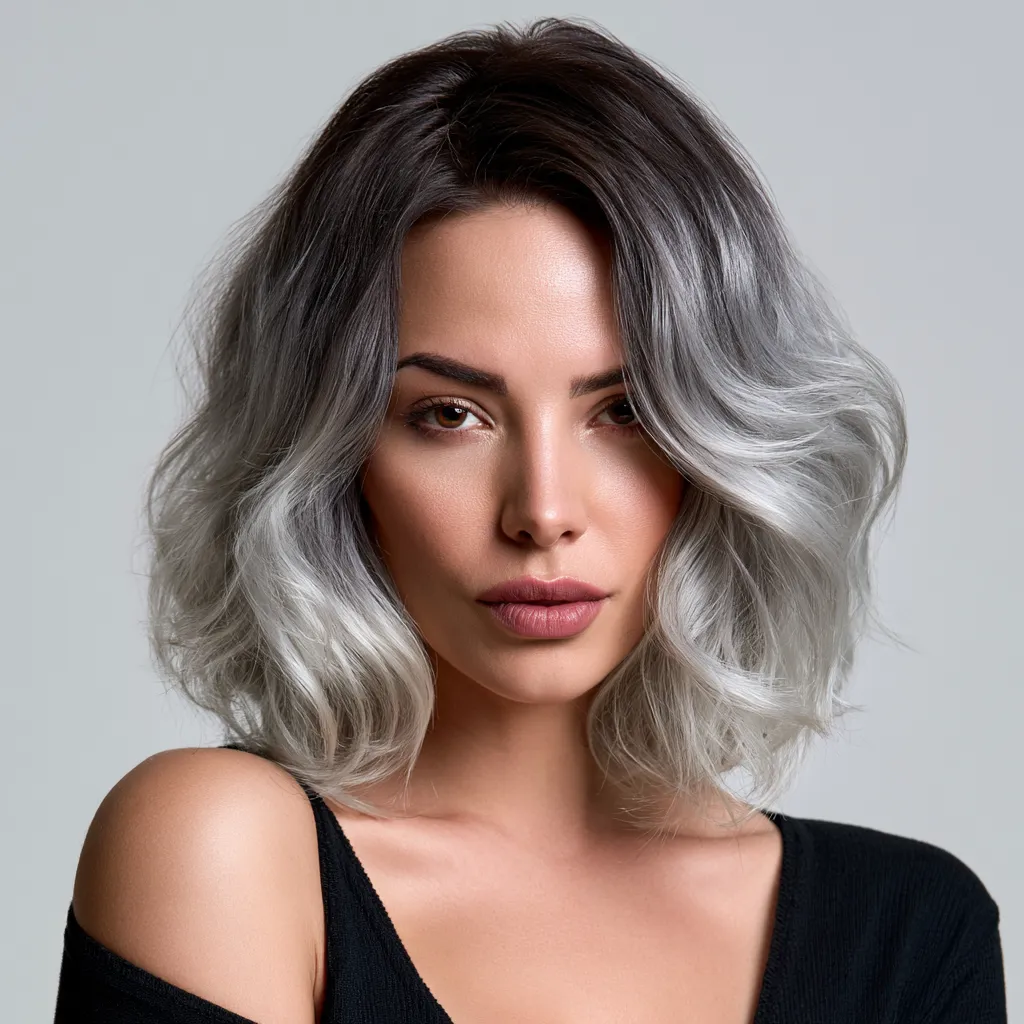
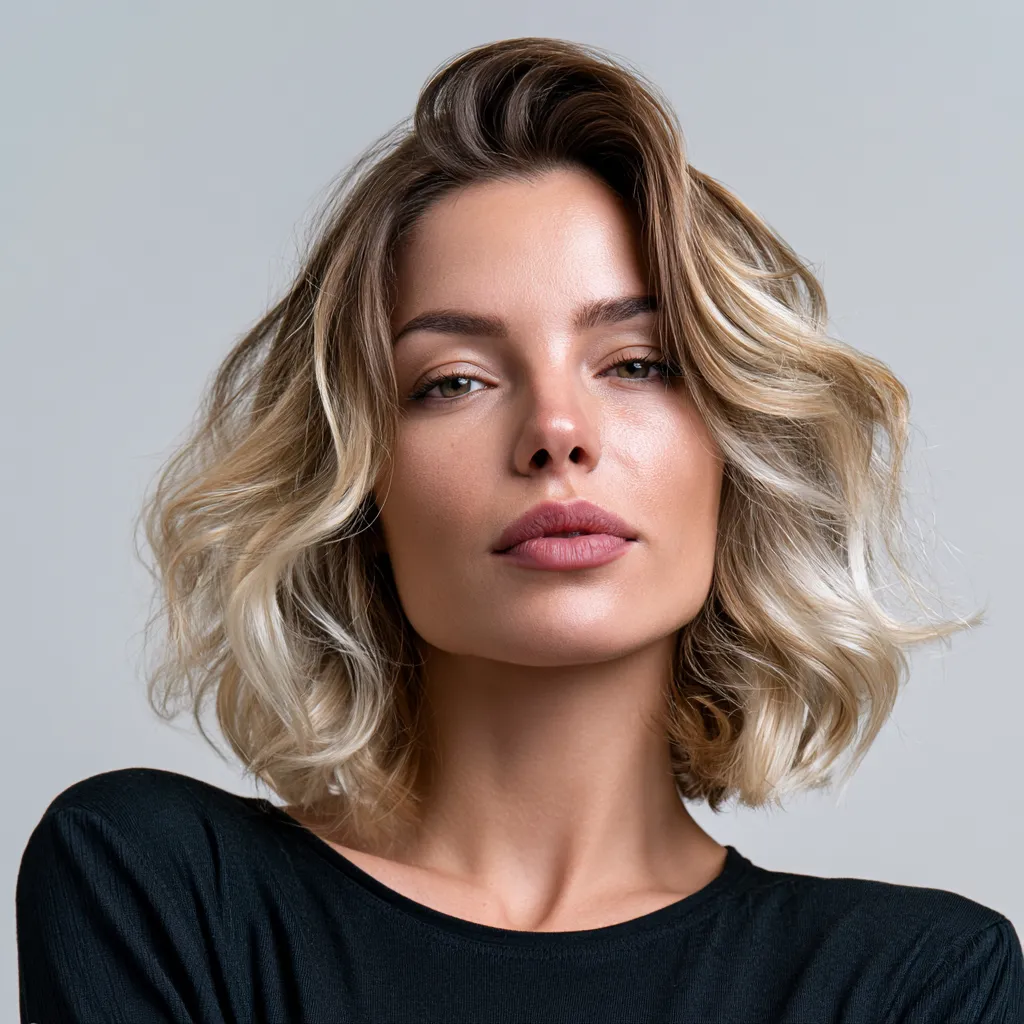
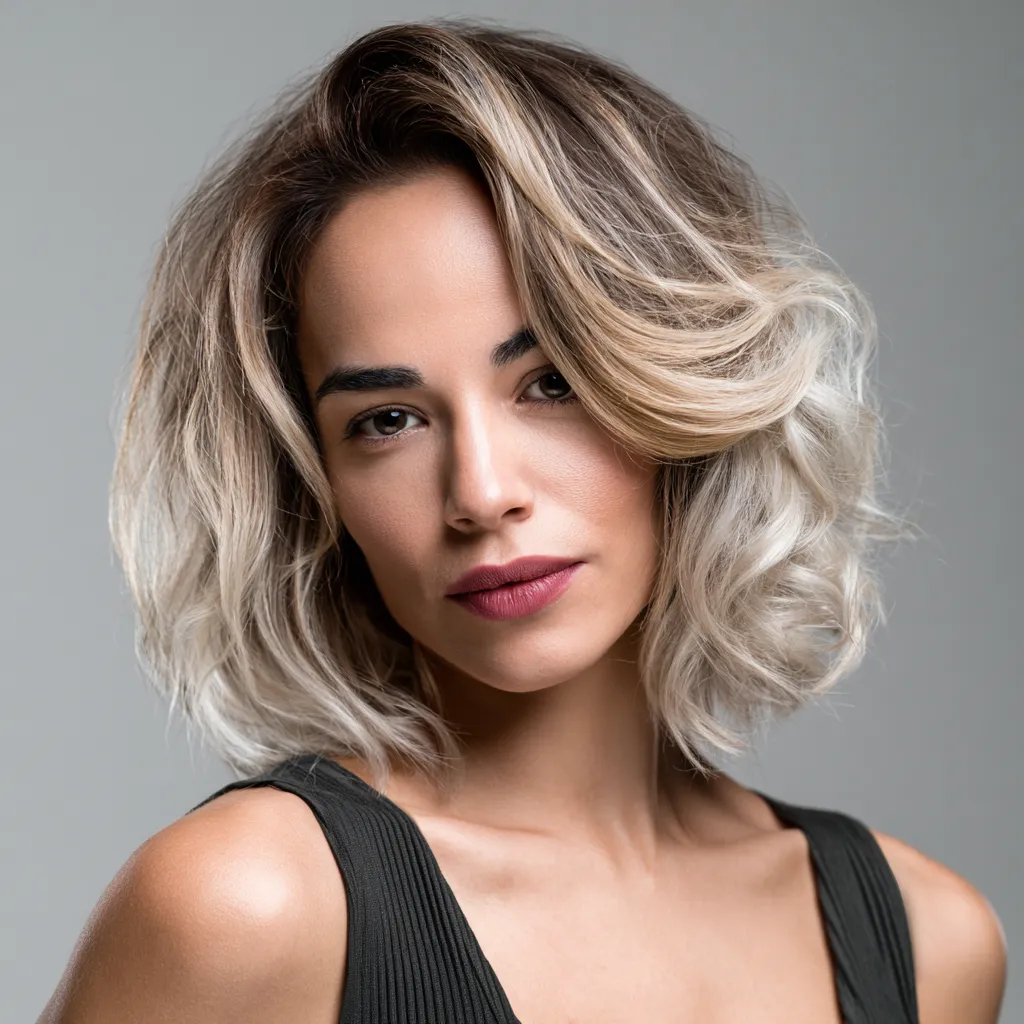
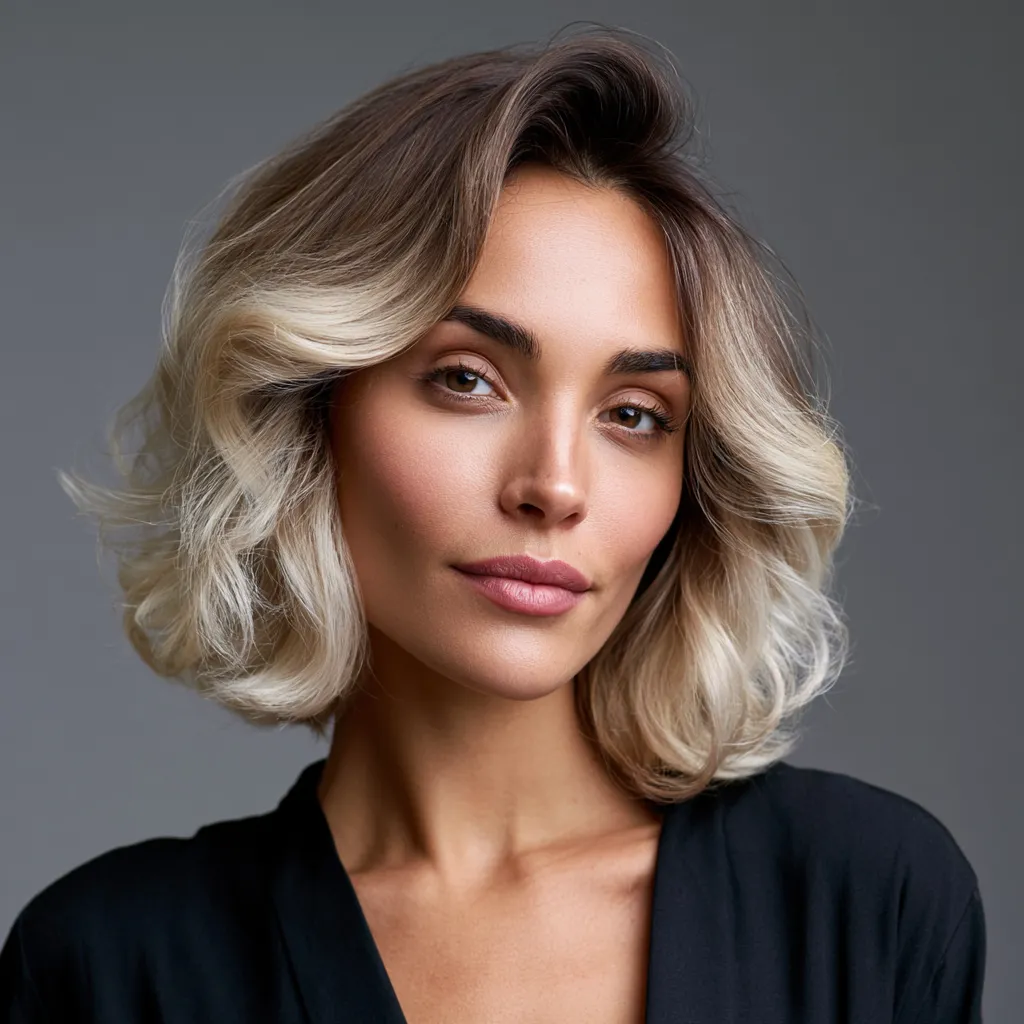

Bright Pink Ombre on Medium Hair Reads Warmer Than You Think
My go-to reference for pink ombre is always a blush-to-vivid gradient, not full hot pink from root to tip — the latter looks like a dye job gone loud, not a color decision. Starting with soft rose at the roots and building into vivid pink toward the ends gives medium hair a warmth that a flat pink never achieves. I tried the reverse once — lighter roots, deeper ends — and it read muddy. Don’t bother.


Soft waves are doing real work here. Think of the wave pattern like a prism — each crest hits a slightly different shade, so you get depth without adding a single highlight. A barrel curl wand at 1.25 inches, held for eight seconds, creates the movement you’re after. If you flat-iron this color, you lose half of what makes it interesting.
Pink ombre on medium hair suits fine and thick textures differently. Fine hair benefits from the color’s optical weight — you’ll notice it reads fuller at the ends. Thick hair just needs the gradient placed slightly higher so the pink section doesn’t disappear into the volume. A side-swept part angles the face better than a center part with this palette; I’ve tested both extensively and center parts make the gradient look more like a skunk stripe.
For maintenance, Olaplex No.4P is the wrong call here — it’s a purple shampoo and will muddy warm pink tones over time. Use Fanola No Orange ($14 at most beauty supply stores) once a week and a regular moisturizing conditioner the rest of the time. Redken Color Extend Magnetics shampoo (~$22) is my actual daily driver for this.
Electric Blue Ombre Needs a Blunt Cut to Land Properly
Electric blue ombre on medium length hair only works if the underlying cut has weight at the ends. I’ve seen it on feathered layers and the blue dissipates — there’s not enough density for the color to register as a gradient rather than scattered highlights. A blunt cut or a light one-length bob gives the midnight-to-electric transition a clean canvas. You’ll notice the depth of the darker roots is what sells this color; without that contrast, the blue looks costume.


Straight-ironed texture is the correct finish for this color — not because waves look bad, but because a glassy finish amplifies the color’s saturation in a way that wavy texture doesn’t. Ion Color Brilliance Semi-Permanent in Electric Blue ($8.99 at Sally Beauty) is the shade I’ve seen colorists reach for after the bleach lift is done. A quick Joico Color Intensity Clear (~$15) mixed in to dilute it brings the tips closer to cobalt instead of neon, which looks cleaner on mid-length cuts.
Wardrobe contrast matters more with this color than any other on this list. Dark olive, charcoal, or black clothing lets the blue register as the intentional focal point it is. I wore a cream shirt with mine once and looked like a bluebell in a snowdrift. Leather jackets and structured blazers work because they share the cut-and-defined quality of the color itself.
Don’t Do This with Bold Ombre on Medium Hair
- Don’t place the color break too high. Starting the gradient above the ear on medium hair looks like a two-tone dye job, not an ombre. The transition needs room to breathe — aim for the jaw-to-collarbone zone.
- Don’t skip bond treatment before bleaching. On medium hair, you’re bleaching the same strands you’ll be styling daily for months. Olaplex No.1 in-salon or a K18 treatment before the service makes a measurable difference in elasticity.
- Don’t use purple shampoo on warm-toned ombres. Pink, orange, and red ombres will shift toward brown or grey if you use a purple or blue-tinted shampoo — keep those for cool and platinum blondes only.
- Don’t blow-dry fantasy colors without heat protectant above 230°C. Neon, electric blue, and vivid pink are semi-permanent and heat-sensitive. Above that threshold, the color bonds in the cuticle break down and you’ll lose saturation in under two weeks.
Fiery Red Ombre Looks Different After Week Two — Plan for It
Fiery red ombre on medium hair behaves like a living color — it shifts. The deep crimson at the roots holds for six to eight weeks. The flame ends at tips start fading to copper at around week two and then to a warm amber by week four. Plan for this: the copper phase is actually beautiful and some people stop toning at that point intentionally. The mistake is treating the fade as failure. It isn’t.

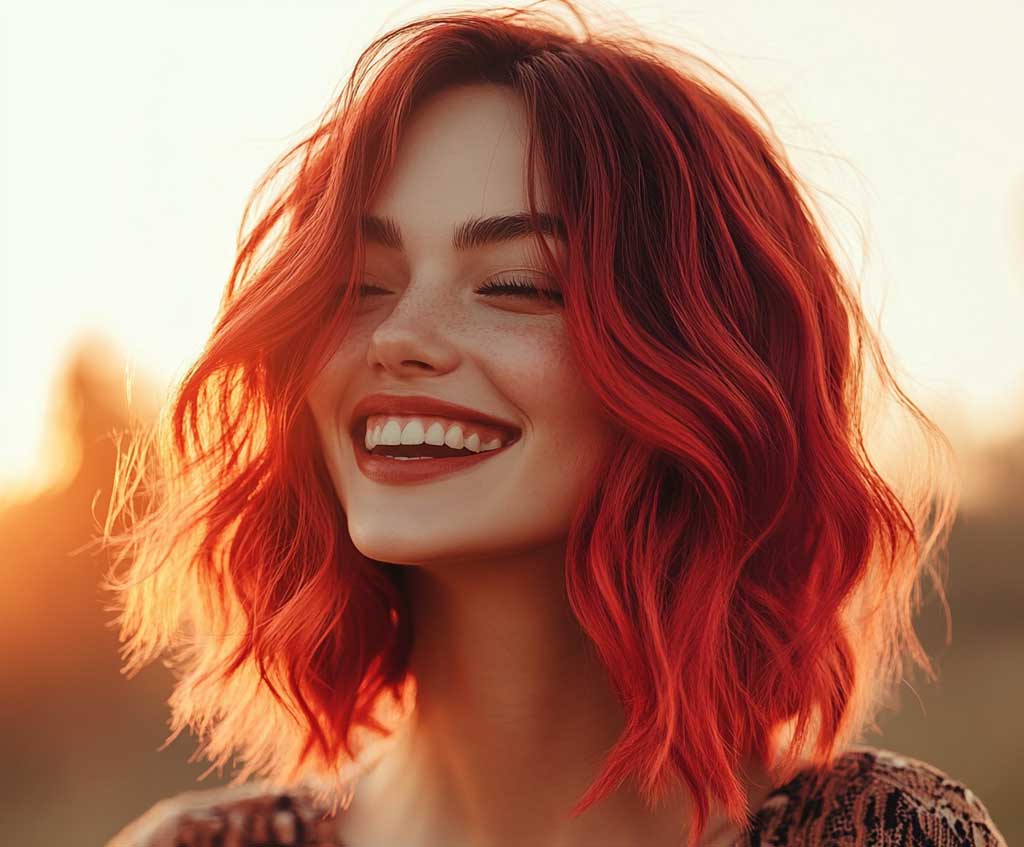


Soft waves pull the gradient apart in the best possible way — each wave crest catches a different shade of red, so the hair reads like a flame instead of a block of color. A layered medium cut (ask for face-framing pieces at the collarbone) adds fullness and distributes the warmth evenly across the silhouette. Blunt cuts work for blue; for red, layering is the call. The color is warm and movement amplifies that.
Redken Color Extend Magnetics system (~$22 shampoo, $24 conditioner) is the actual product recommendation here — the sulfate-free formula has been tested specifically on red tones and extends vibrancy by about 30% compared to standard color-safe shampoos, per the brand’s own data. I wash red-toned hair in cool water every time. Hot water opens the cuticle and the pigment literally rinses out while you shower. Cold water rinse after conditioning is a non-negotiable. Medium-length layered cuts are also worth exploring as a structural complement to this color palette — the way layers interact with red ombre changes the whole reading of the gradient.
Sunset Orange Ombre Flatters Warm Skin Tones the Way No Other Fantasy Color Does
Sunset orange ombre is the one fantasy-color option I’d recommend to someone who’s nervous about going bold. The amber-to-orange gradient reads as an intensified natural color — it doesn’t signal costume the way blue or green does. You’ll notice it photographs warm against all skin tones, but it genuinely sings on golden or olive complexions where the undertone harmony creates a lit-from-within effect. That’s not a metaphor. It’s physics — complementary warm tones reinforce each other visually.


Natural waves are the styling call — not barrel curls, not beach waves from a wand. Air-dry with a small amount of Bumble and Bumble Curl Defining Cream ($32) to encourage texture, then scrunch and leave it. The orange palette has an organic quality that over-styled waves undermine. Layered medium cuts with face-framing pieces at the jaw bring out the color most efficiently; the lighter orange ends appear closest to the face and that’s where you want the payoff.
Toning is how you keep orange from going brassy rather than vibrant. A Wella Color Charm toner in T18 or T35 applied at week three extends the life of the gradient by neutralizing the yellow undertones that emerge as the orange fades. I learned this the hard way after skipping toner for six weeks and ending up with what I can only describe as the color of a traffic cone at the ends. Toner. Every three weeks. Cheap insurance.
Boho and casual styling genuinely serves this color — flowing linen, earth-toned cotton, denim. The issue with going the other direction: sunset orange ombre next to formal black or structured suiting looks incongruous, like an oil painting in a spreadsheet. Save the color for relaxed dressing or it’ll fight everything in your wardrobe.
Neon Green Ombre Is a Commitment — Know the Exit Strategy First
Neon green ombre on medium hair is the highest-commitment color on this list and the one people are least prepared for when they sit in the chair. The dark green base holds. The neon ends need a refresh every four weeks, not six — the fluorescent pigments are large molecules that don’t bond as deeply to the cortex as red or brown, so they rinse faster. Ask your colorist upfront: what does this look like at week five without toning? If they don’t have an answer, that’s the answer.
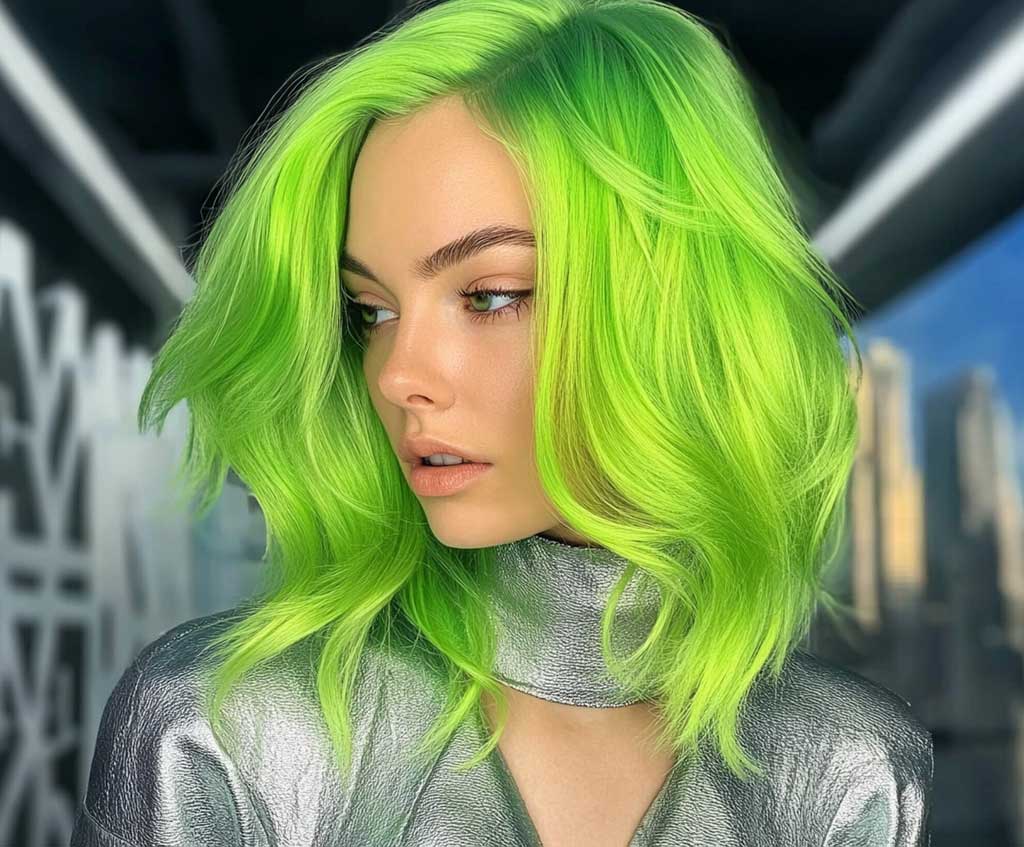


Loose textured waves are the styling move here. Think of the wave pattern as a diffuser — it softens the intensity of the neon without dulling it, which is exactly what this color needs on medium hair where the ends sit close to the face. Manic Panic Electric Lizard (~$12.99) is the pigment most colorists use for the neon section because its fluorescent base holds longer than most alternatives at this price point. Pair with Manic Panic’s own conditioner between washes.
Styling contrast with this color works opposite to red or orange. Minimalist clothing — white, black, grey, architectural cuts — lets the hair be the statement rather than competing with it. Patterned fabric next to neon green is visual chaos. Monochrome is the move. Bold ombre on curly hair is a related direction worth looking at if you want to see how neon palettes behave in a different texture context — the curl structure changes the color’s dynamic considerably.
Exit strategy: growing out neon green means transitioning through a faded lime-yellow phase that is genuinely difficult to work with. The smart move is to schedule a darkening gloss at the four-month mark — a Wella Illumina in 7/35 over the ends shifts the faded neon to a warm golden tone that bridges cleanly into a balayage-style finish. It costs about $60 in-salon and saves you from the six-month awkward phase.
BEFORE YOU BOOK
Ombre on Medium Hair Costs More Than You’ve Been Quoted
The ballpark for a fantasy-color ombre on medium hair in 2026 runs $180–$350 at a mid-tier salon — that includes bleach, toner, color, and a blowout. Olaplex or K18 bond treatment adds $30–$80 on top. Budget for maintenance: a toner refresh every 4–6 weeks runs $50–$100 per visit.
Ask your colorist three things before committing: what the color looks like at week five without toning, whether your hair’s current porosity can handle the bleach lift required, and what the grow-out looks like. Those three questions will tell you everything about whether they actually know this technique.
Save this post before your salon consultation — these specifics will change how you ask for the service.