Permanent straight hair treatments solve one specific problem: hair that goes flat, frizzy, or shapeless by noon no matter how carefully it was styled that morning. A salon service reshapes the hair’s structure instead of masking it with product, so the result holds through workouts, humidity, and sleep. Stylists group these services into three broad categories — added volume, added shine, and added texture — and each one behaves differently on straight strands. Choosing between them comes down to one question: does your hair need body, gloss, or edge? The answer changes which chemical process, and which price tag, actually fits.
Think of a permanent style the way a tailor thinks of altering a suit instead of buying a new one every season — the upfront cost is higher, but the fit stops slipping. Voluminous waves add movement to strands that would otherwise lie flat against the scalp. A gloss finish locks in shine without changing texture at all. Layered cuts add shape that survives regrowth for months instead of weeks.
None of these treatments make hair maintenance-free — they shift the maintenance schedule from daily to monthly. A wave service asks for a follow-up every few months. A gloss needs refreshing every four to six weeks. Layers need a trim on a set interval or the shape collapses. A quick way to decide: count how many salon visits a year feel reasonable, then match that number to the treatment with the closest interval.
Quick Scan
✔ Voluminous waves cost $150–$300 and hold for 3–6 months with no daily styling tools
✔ A gloss finish costs $50–$100 and needs refreshing every 4–6 weeks
✔ Choppy layers cost $30–$150 and hold shape for 6–8 weeks between trims
✔ None of these three options are permanent forever — each runs on its own maintenance rhythm
Volume Returns to Permanent Straight Hair Through Structured Waves
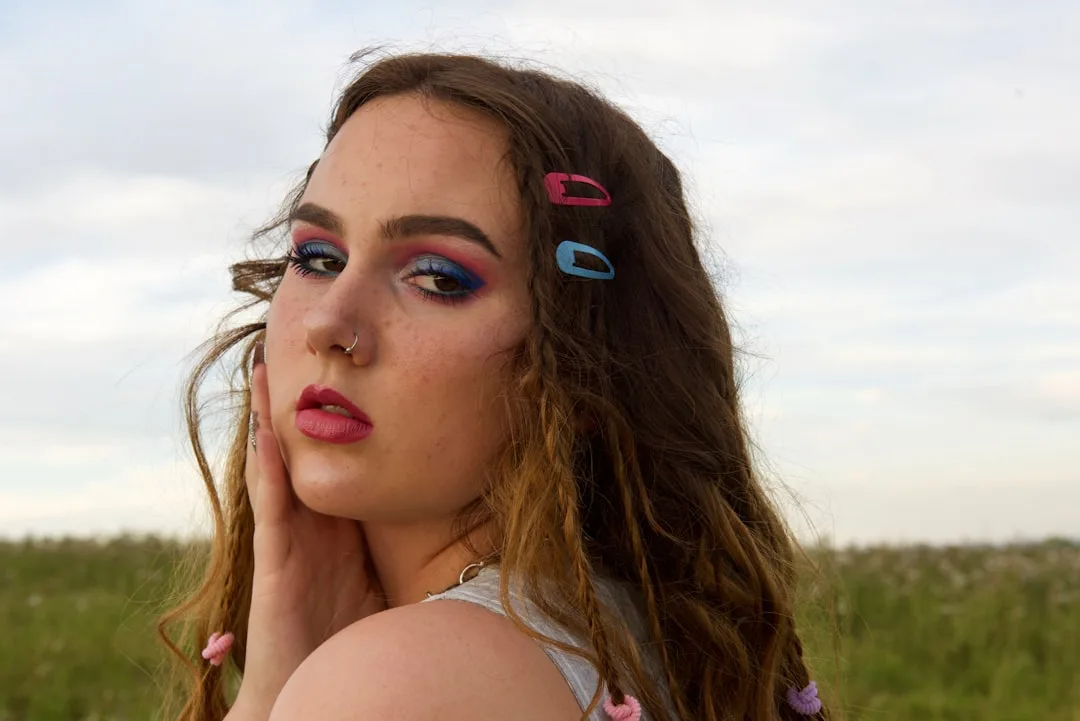
Structured waves are the permanent straight hair option built specifically for volume, taking strands that sit flat against the scalp and giving them lift from root to tip. The process reshapes hair using a waving solution and a wide rod-set pattern, similar to a classic perm but with looser, softer bends. Fine, straight hair benefits the most because the natural weight of straight strands is exactly what flattens volume in the first place. A stylist typically works on damp, sectioned hair, wrapping it around large rods before applying the solution. What’s the trade-off? You gain volume but lose the option of pin-straight styling until the wave grows out or is chemically relaxed again.


Classic wave services start around $150, with premium systems like Keune or American Wave running $250 or more depending on hair length and density. That range holds up across most markets, though city salons with higher overhead tend to charge toward the top of it. The wave itself typically lasts three to six months before it loosens out completely — closer to six months on coarser hair, closer to three on fine strands. Aftercare accounts for a lot of that spread: sulfate-free shampoo and skipping the blow-dryer for daily wear stretch the result toward the long end.
Don’t Do This
Don’t perm over hair that’s already heavily bleached or chemically compromised. The structural change these services make can snap already-weakened strands, and there’s no way to reverse a wave once it sets incorrectly. Ask your stylist for an elasticity test before booking — stretch a damp strand and watch whether it springs back. Hair that stays stretched isn’t ready for a wave yet.
Wide-tooth combs are the only tool a fresh wave should see in its first 48 hours, since anything with tighter teeth breaks the bend into frizz. For more texture inspiration on shorter cuts, this beach wave perm for short hair breakdown shows how the same rod-and-solution technique plays out on bobs and pixies instead of longer lengths. The wave holds equally well whether the base cut is chin-length or waist-length, provided the stylist adjusts rod size to match. Save the appointment for a stretch when you can skip washing for two full days afterward — that window is what locks the pattern in for months instead of weeks.
Shine Becomes the Whole Point When Permanent Straight Hair Goes Glossy
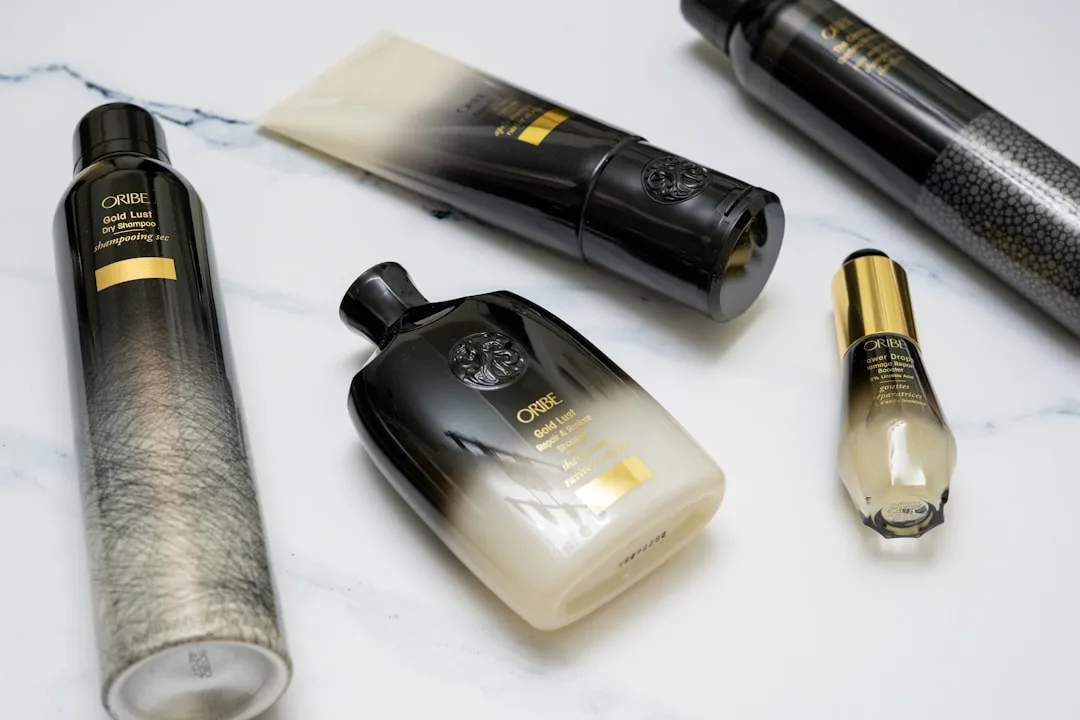
A gloss finish is the permanent straight hair route built entirely around shine, coating each strand in a semi-permanent layer that reflects light instead of adding volume or texture. Colorists describe it as closer to a liquid toner than a cream dye, which is why the process skips foils and heavy processing altogether. The treatment works especially well on hair that already lies flat and straight, since gloss depends on a smooth cuticle to bounce light evenly. A stylist applies it to freshly washed, damp hair and lets it sit for fifteen to twenty minutes before rinsing. Is gloss the same as a keratin treatment? No — gloss adds shine and can tint color, while keratin physically smooths texture and cuts frizz.


A professional gloss treatment costs $50 to $100 in most salons, according to Healthline’s breakdown of hair gloss treatments, while at-home kits run closer to $10 to $30. The salon version lasts four to six weeks before it fades with normal washing, noticeably shorter than a wave or a layered cut. That shorter window is actually the appeal for anyone testing the look before committing to something longer-lasting. Sulfate shampoo strips gloss fastest, so switching to a color-safe formula between visits stretches the shine closer to six weeks than four.
Skipping the color-safe shampoo swap is the single most common mistake with this treatment — using a clarifying shampoo the week after a gloss is like waxing a car and then driving it through a sandstorm. The shine disappears almost as fast as it went on. Straight hair holds gloss more evenly than wavy or curly textures, since there’s no bend in the strand to catch product unevenly. Booking that follow-up appointment on a calendar reminder, rather than waiting until the shine visibly fades, keeps color-treated strands protected the whole month.
Choppy Layers Give Flat Strands an Attitude They Never Had
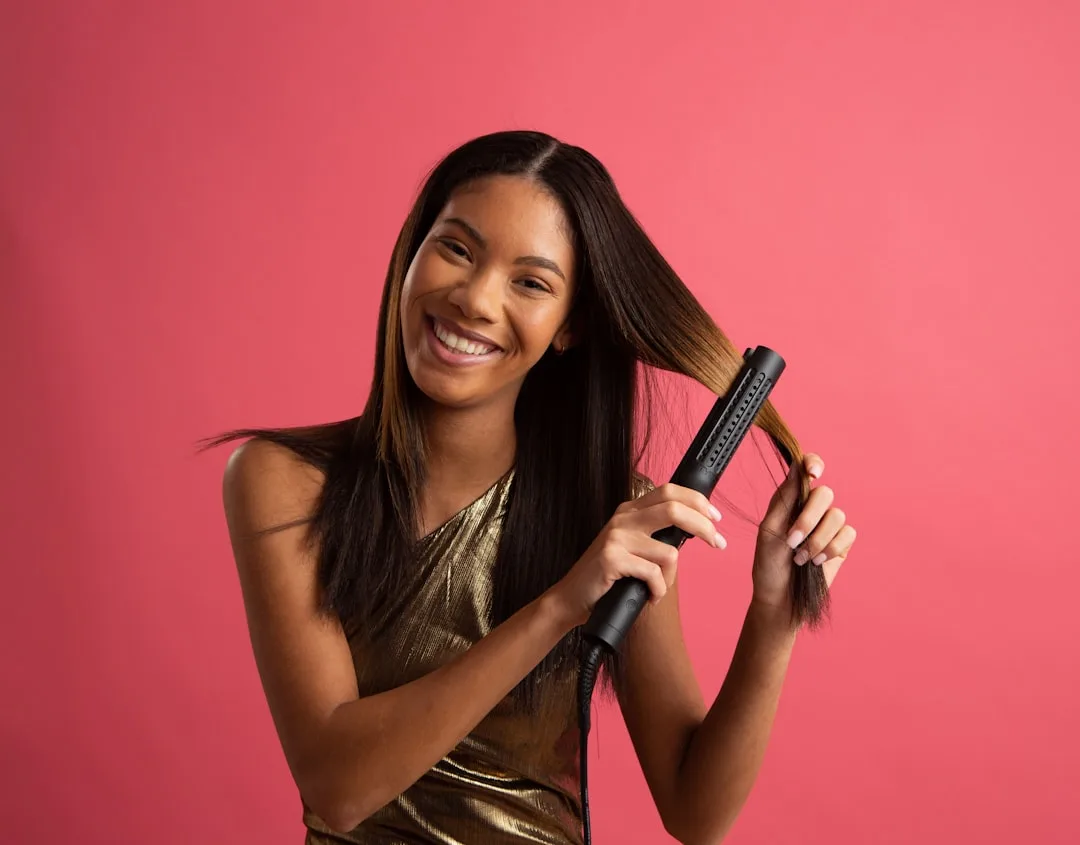
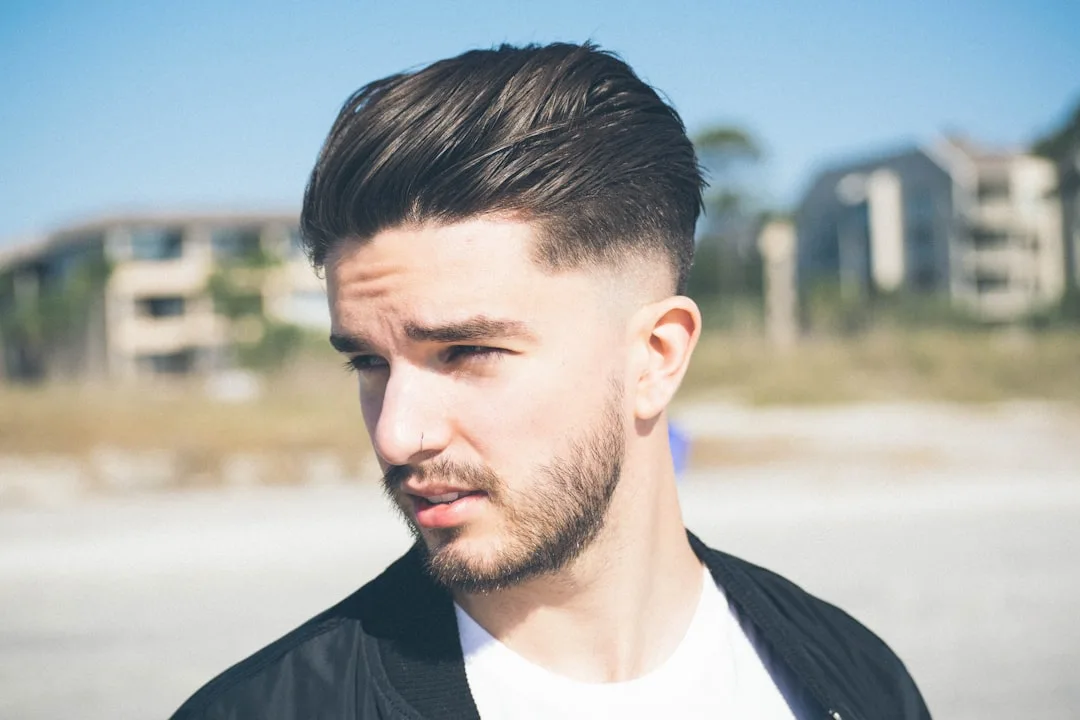
Choppy, asymmetrical layers add texture rather than shine or volume, cutting hair into different lengths so it moves instead of hanging in one flat sheet. The layering itself is the permanent part — there’s no chemical solution involved, just a cut engineered to hold its shape through regular growth. This makes it the lowest-commitment option of the three, since a stylist can soften or sharpen the layers at each visit. Straight hair shows off the sharp lines of a choppy layer better than wavy or curly hair, where the texture would blur the edges. What happens if you skip trims for months? The shortest layers grow past the point where they blend, and the cut starts to look uneven instead of intentional.


A layered cut typically costs $30 to $150 depending on length and salon, with longer hair landing at the higher end because of the added cutting time. Layers hold their shape for six to eight weeks before the growth pattern needs a refresh. Skipping that window doesn’t ruin the cut permanently, but the sharp separation between lengths softens into something closer to one uniform length. Booking the next trim before leaving the salon is the easiest way to actually keep that interval.
Growing out choppy layers without a trim plan is the fastest way to end up with a shape that looks unfinished rather than edgy — the layers need regular maintenance the way a hedge needs trimming, not a one-time shaping. Fine hair handles shorter layers better because the cut creates the illusion of density; thick hair needs slightly longer layers or the ends flip out unpredictably. For more ideas on keeping choppy, layered styles low effort between salon visits, this low-maintenance layered haircuts guide breaks down trim intervals for shag, asymmetrical, and pixie versions of the same idea.
| Style | Cost | How Long It Lasts | Upkeep |
|---|---|---|---|
| Voluminous Waves | $150–$300 | 3–6 months | Sulfate-free shampoo, no daily heat tools |
| Sleek Gloss | $50–$100 | 4–6 weeks | Reapply monthly, color-safe shampoo |
| Choppy Layers | $30–$150 | 6–8 weeks between trims | Texturizing spray, scheduled trims |
Permanent Straight Hair, Simplified
Pick the treatment that matches your calendar, not your Pinterest board
Waves buy you the most time between visits — three to six months for a single service.
Gloss is the cheapest way to test a new finish before committing to anything chemical.
Layers require the most upkeep but carry zero chemical risk to already-processed hair.
Save this post so you can compare costs again before your next appointment.