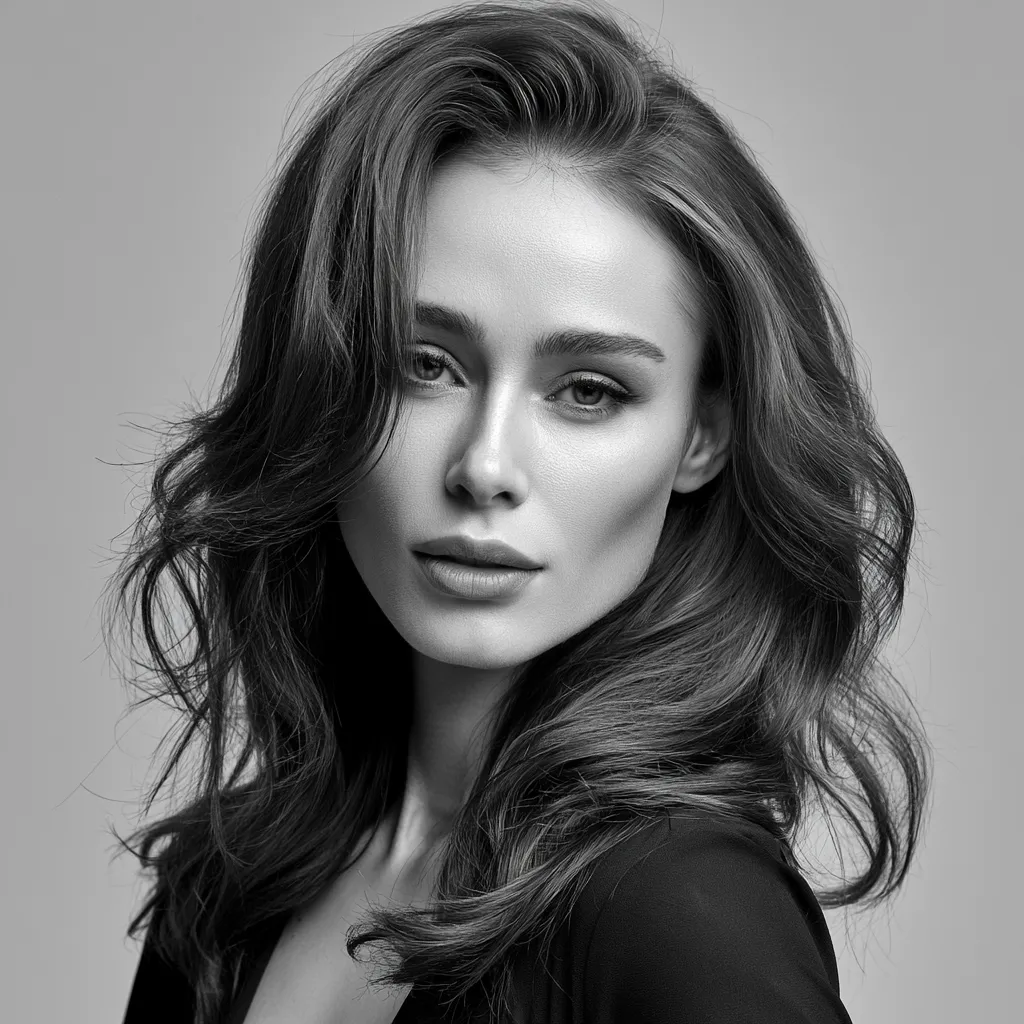
Hairstyles for thin hair look their fullest when the cut does the heavy lifting, long before any mousse or spray gets involved. Layering, strategic length, and the right color placement all work together to trick the eye into seeing more density than the strands actually carry. A stylist can only build so much illusion into a haircut; the routine after that determines whether the volume holds past 10 a.m. or collapses by lunch.
Three approaches cover most situations: a layered bob that lifts at the crown, loose waves that add movement without weight, and a low bun that hides thinness instead of exposing it. Each one pairs with a specific tool and product, and skipping that pairing is the fastest way to end up with a great haircut that still looks flat by the end of the day.
Quick scan:
- Layered bob: about $80 average cut, rebook every 5–8 weeks, root-lift mousse before blow-drying.
- Loose waves: 1.25–1.5″ wand at 280–320°F for fine strands, alternate curl direction each section.
- Low bun: loosen the pull instead of pulling tight, root spray at the crown before pinning.
- Heat tools: cap use around once a week to limit cumulative damage.

A Blunt Line Fakes Density Faster Than Most Hairstyles for Thin Hair
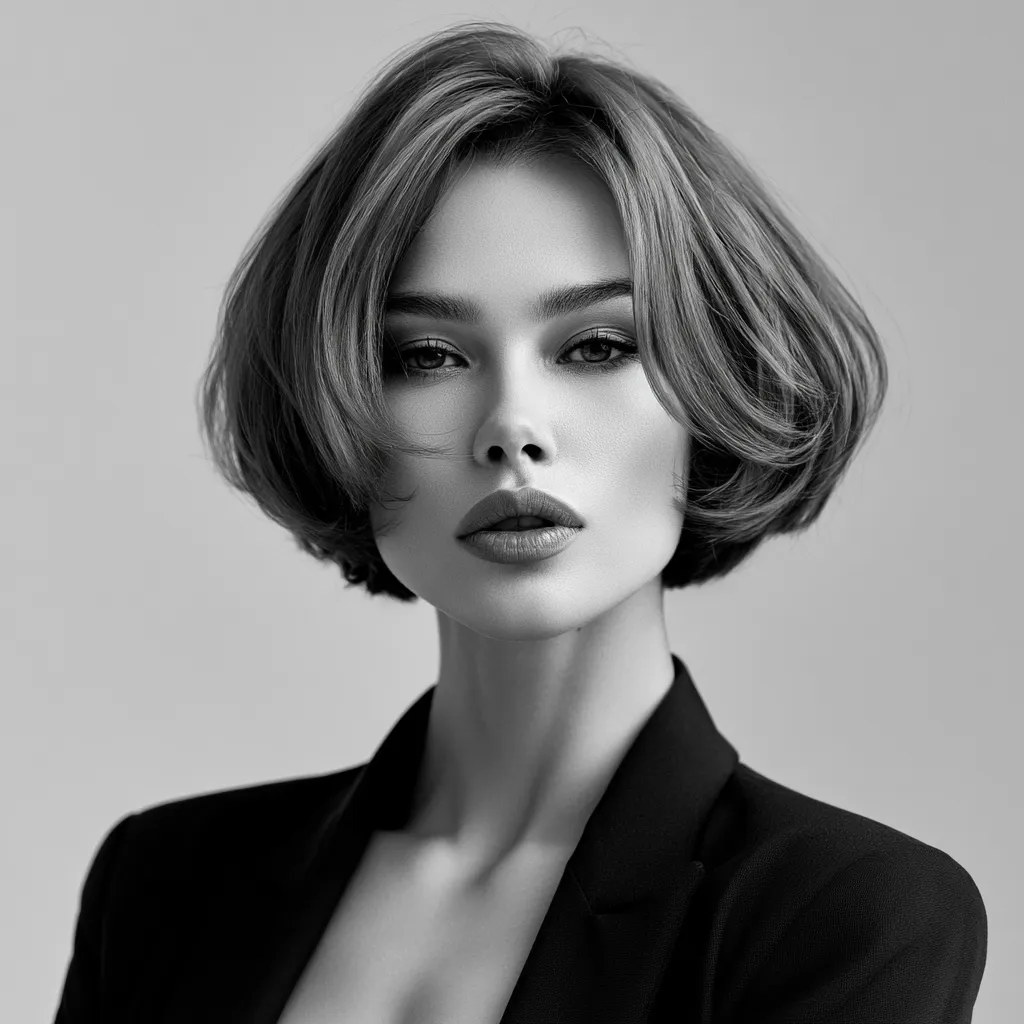
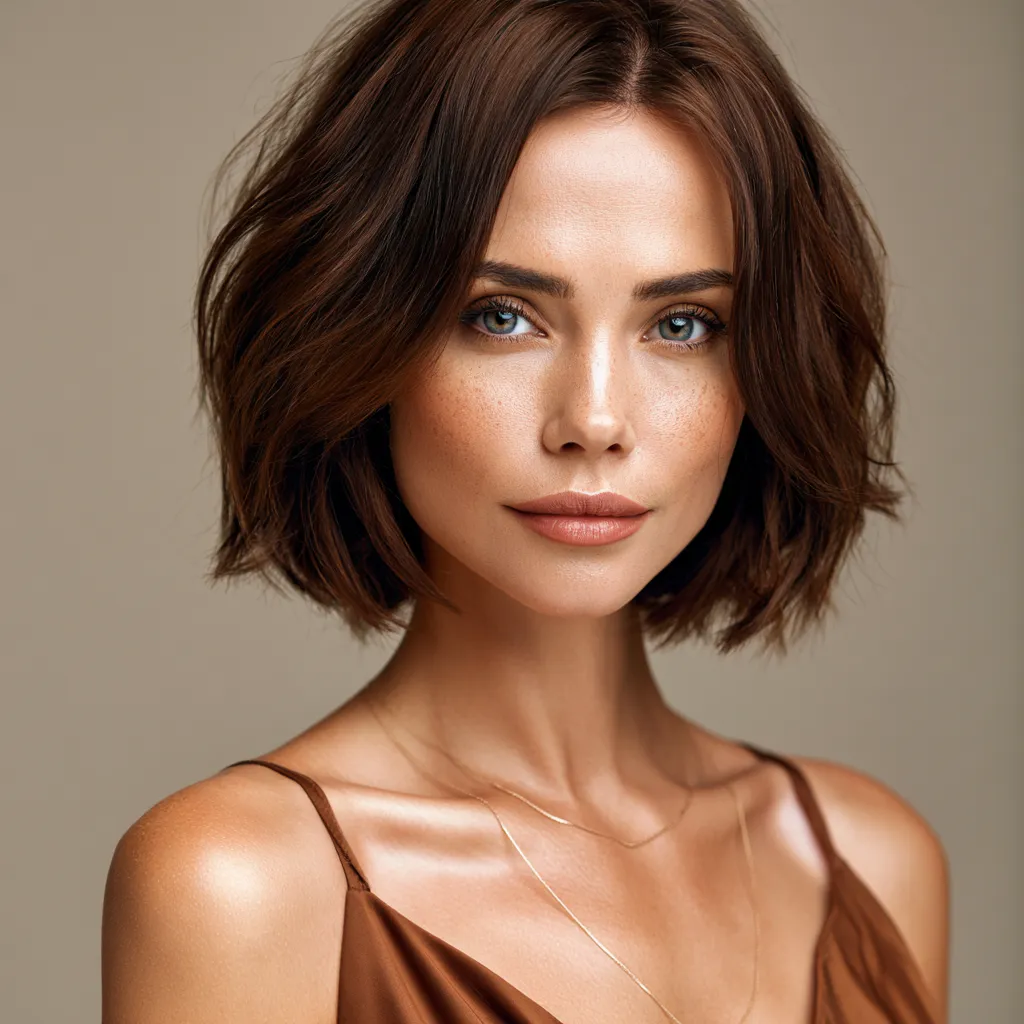
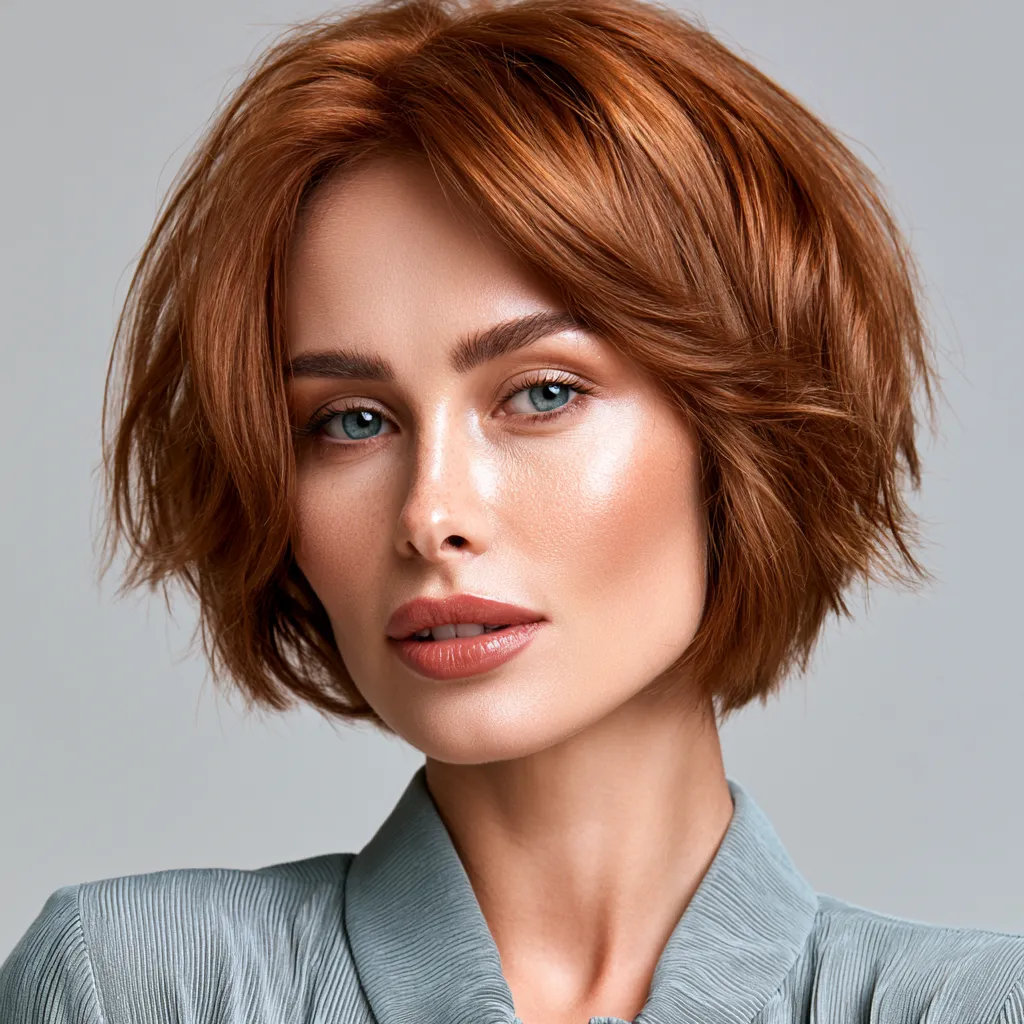
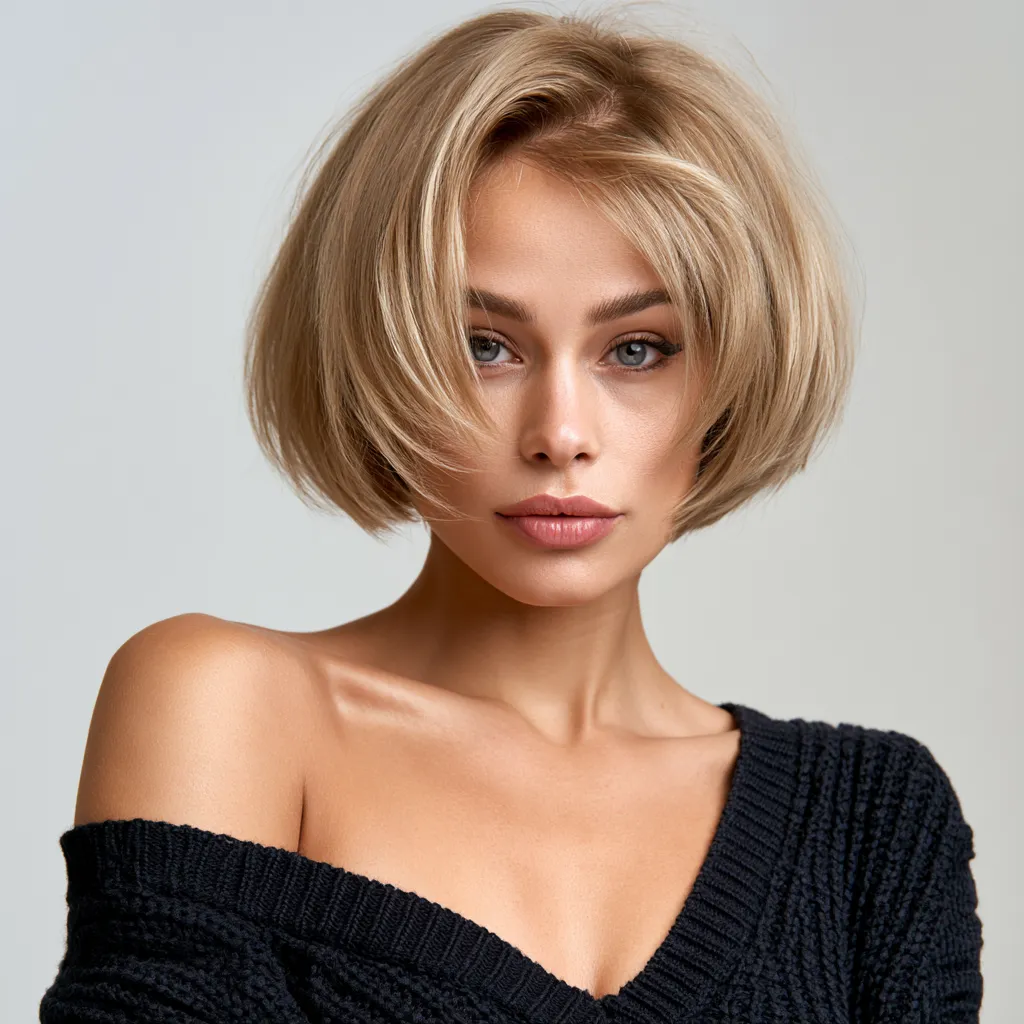
A bob cut just below the jaw, with soft layers instead of one blunt line, is one of the fastest routes among hairstyles for thin hair to a fuller-looking silhouette. The shorter length removes weight from the ends, which lets each strand sit up instead of dragging straight down. Salons price a classic bob around $80 on average in 2026, and most stylists recommend rebooking every five to eight weeks to keep the shape from growing out shapeless.


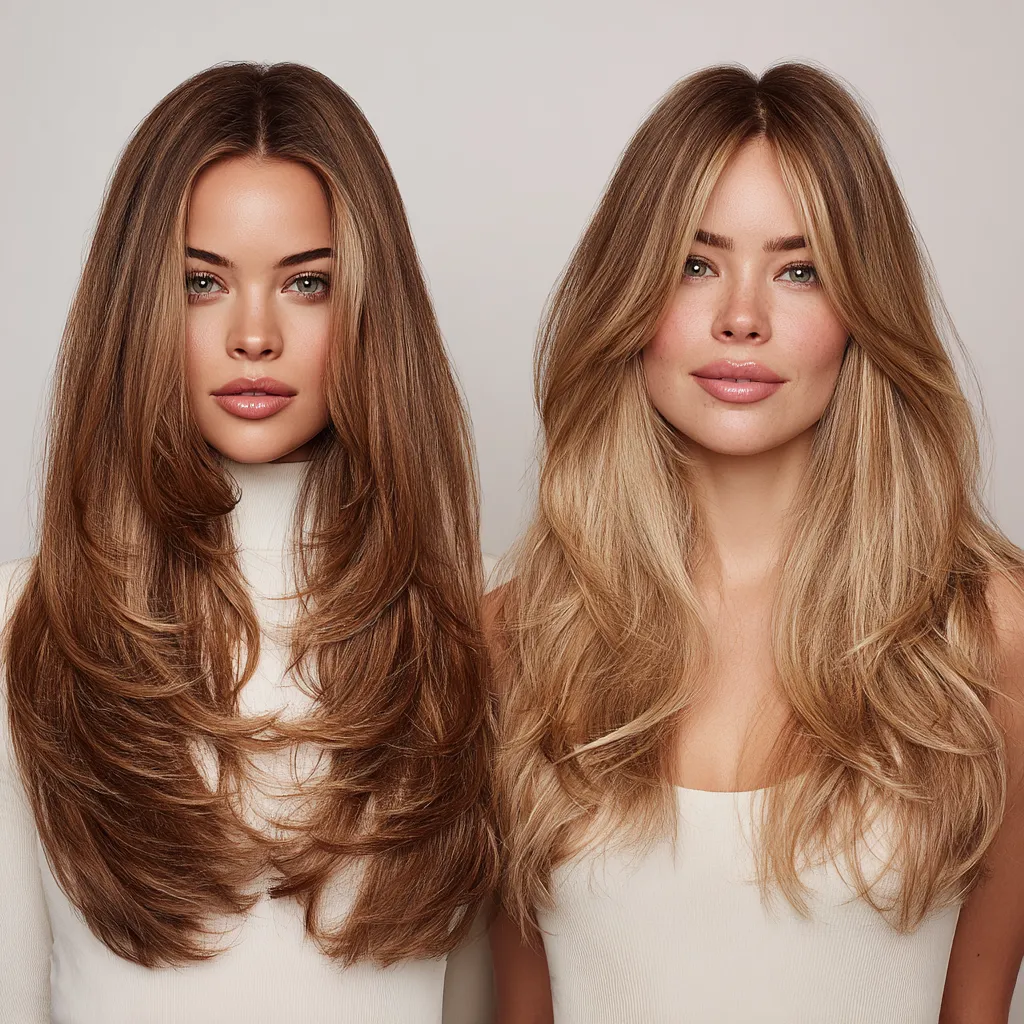
Skipping the layers and cutting straight across is the single biggest mistake here — a one-length bob on fine hair behaves like a curtain, hanging heavy and flat no matter how much product goes underneath it. So how do layers actually change that? They break the hair into shorter sections that catch air and hold shape independently, the way shredded paper holds more shape in a pile than a single flat sheet. Ask for layers that start at cheekbone height, not lower, or the lift at the crown disappears.
Caramel or honey balayage placed just through the mid-lengths adds the illusion of extra strands without extra weight, since the eye reads contrast as texture. A full balayage service typically runs $150 to $350 depending on length and salon tier, and pairing it with a bob keeps the color low-maintenance because there’s less hair to touch up. Highlight placement matters more on an oval face than a round one, since vertical ribbons of color can stretch or shorten the visual line of the jaw — highlight placement for an oval face covers that logic in more depth, and the same principle carries over directly to a bob.
What keeps this style from getting weighed down between washes? A lightweight root-lift spray at the crown, followed by a blow-dry with a round brush pulling hair up and away from the scalp, does more work than any leave-in cream applied afterward. Anyone wanting more short, textured variations on this idea can find extra angles in playful short hairstyles for thin hair, including a shag and an asymmetrical bob built around the same layering principle. Skip heavy oils on the roots specifically — they collapse lift within an hour, even on strands that were freshly blown out.
Alternate Curl Direction and Fine Strands Read Fuller
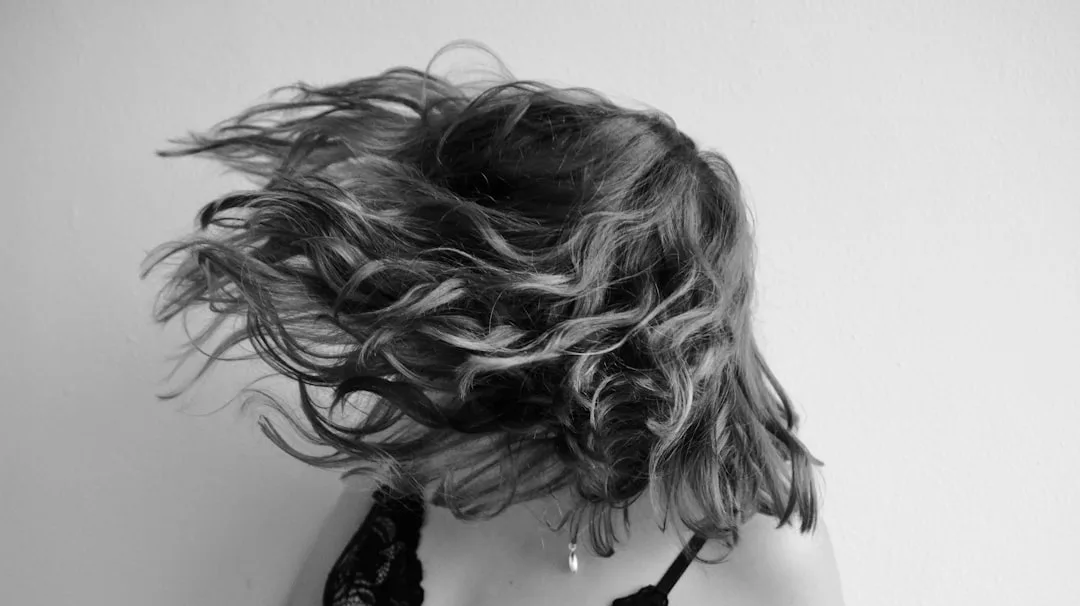
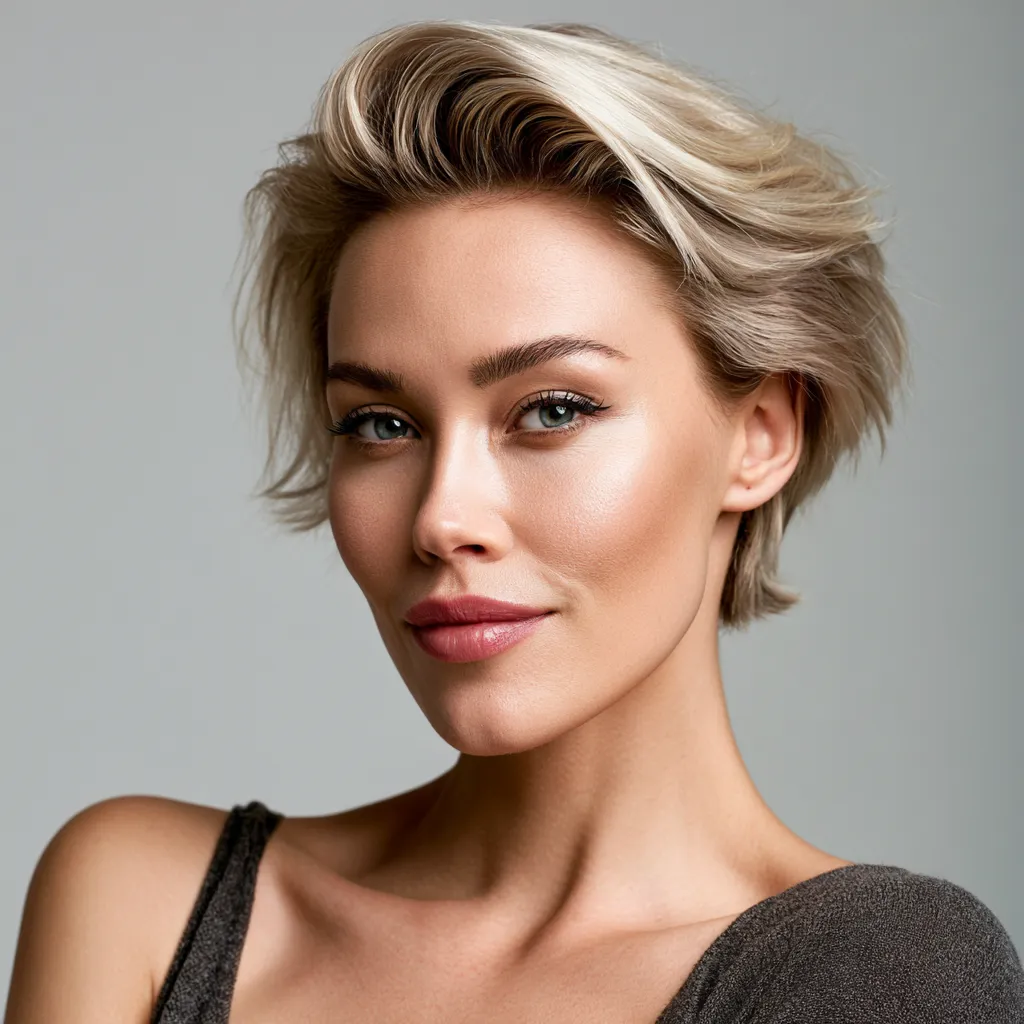
Loose waves add lift without the length loss of a haircut, and a 1.25 to 1.5 inch barrel does more for fine hair than a smaller wand because it creates bends wide enough to read as movement instead of tight ringlets. Stylists generally keep the heat between 280°F and 320°F on fine strands — anything hotter starts stripping moisture faster than the hair can replace it. A curling wand alone won’t fix flatness if the sections are too small; work in pieces about an inch and a half wide.



Curling every section in the same direction is the mistake that flattens waves fastest, since uniform curls stack against each other like nesting cups instead of pushing outward for volume. Alternating the barrel direction — away from the face on one section, toward it on the next — spreads the bends across more surface area. Why does that matter more on fine hair than thick hair? Thin strands have less natural friction between them, so anything that adds irregular texture reads as fuller almost instantly.
Oribe’s Grandiose Hair Plumping Mousse, at roughly $42 for a 5.7 oz can, is built specifically to hold this kind of texture without stiffening the strands, and a smaller amount than expected — about the size of a golf ball — is usually enough for shoulder-length hair. Working it through damp hair before any heat tool touches the strands makes the biggest difference, more than reapplying after styling ever does.
Repeated heat exposure without a break is where most of the visible thinning at the ends comes from, not the wand itself. General advice on preventing heat-related hair damage recommends limiting hot tools to roughly once a week and keeping the dryer at least five inches from the scalp. Sea salt spray helps stretch a curl into day two without reheating — spritz it only through the mid-lengths, since applying it at the roots on fine hair tends to leave the scalp looking gritty rather than voluminous.
A Loosened Low Bun Hides Where Hairstyles for Thin Hair Usually Fail
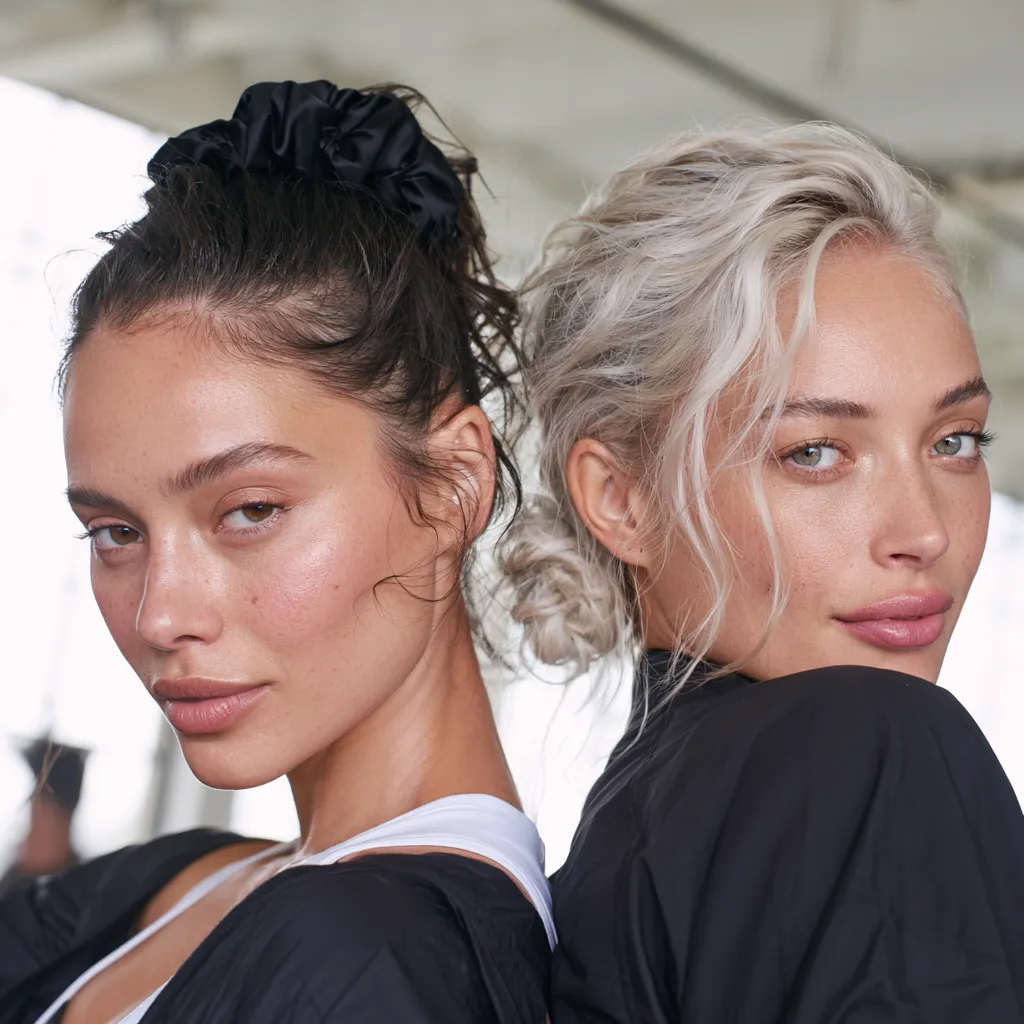
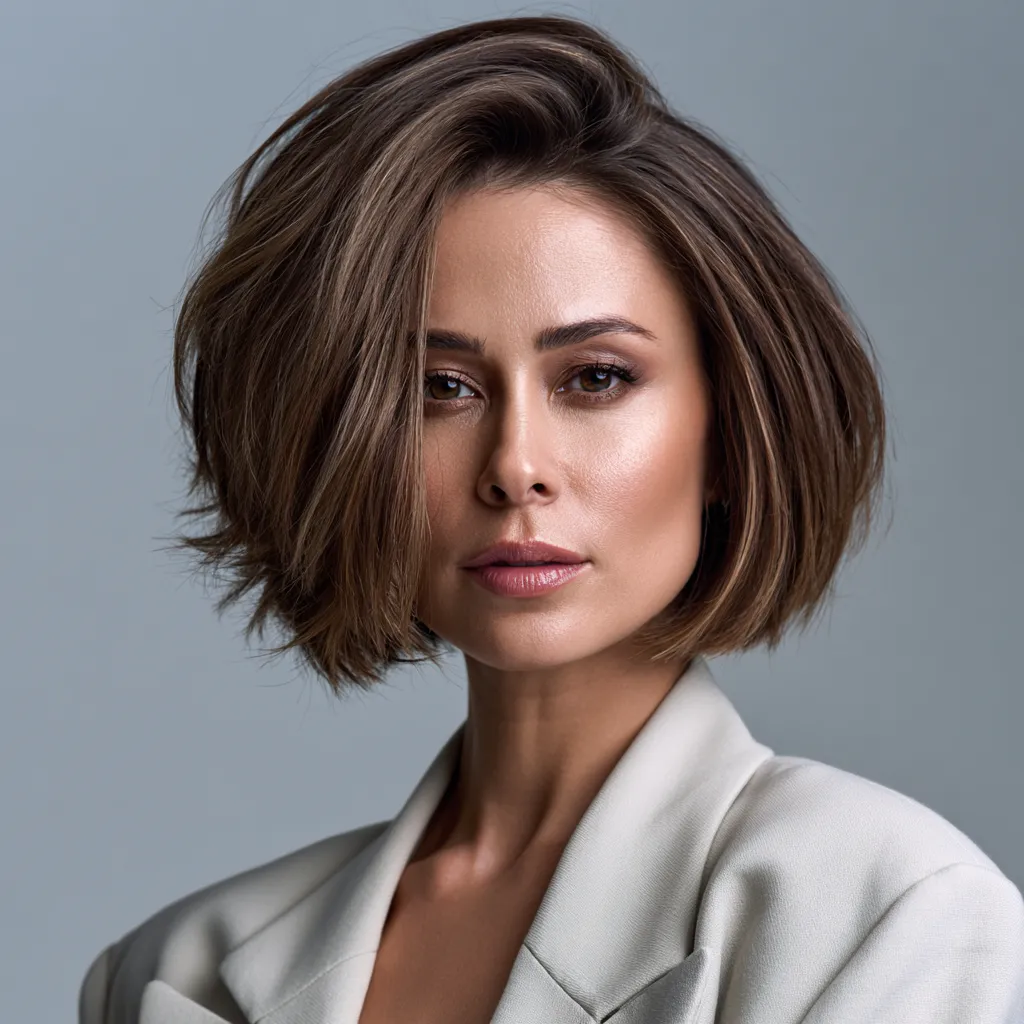
A low bun with soft, face-framing layers left loose around it counts among the more forgiving hairstyles for thin hair, since the twisted or wrapped hair at the base naturally reads thicker than it would falling loose. Keeping the sections around the crown slightly teased before gathering the bun adds the appearance of density right where thinning usually shows first. Root touch-ups to maintain color at the crown run about $50 to $100 per visit, which is worth budgeting for since regrowth is more visible on a pulled-back style than on loose hair.


Pulling the bun tight against the scalp is the habit to avoid — repeated tension at the same points along the hairline can contribute to traction-related thinning over time, the same way constantly wearing shoes a size too small eventually reshapes a foot. A slightly loosened bun, with a few sections left out to soften the hairline, holds just as long and puts far less strain on strands that are already fine.
What actually creates lift at the crown before the bun goes up? A root-boosting powder or spray applied directly to dry roots and worked in with fingertips, not a comb, gives the base enough texture to grip and hold shape without a hard tease that damages the cuticle. A lightweight styling cream on the face-framing pieces keeps them soft instead of stiff, which matters more for how intentional the loosened style reads than the bun itself does.
A low bun outlasts a lot of other styles simply because there’s less hair movement to manage through a full shift or a full ceremony, which is why it shows up so often for both work and weddings.
Don’t do this: pull a low bun tight against the scalp and expect it to hold longer. Constant tension at the same points along the hairline is linked to traction-related thinning, and fine hair has less structural reserve to absorb that stress than thicker hair does. Loosen the pull, leave a few pieces out, and let a root spray do the volume work instead of the elastic.
| Style | Best For | Maintenance | Key Product |
|---|---|---|---|
| Layered Bob | Rounder faces, daily polish | Trim every 5–8 weeks | Root-lift mousse |
| Loose Waves | Casual texture, quick volume | Reheat every 2–3 days | Sea salt spray |
| Low Bun | Work days, weddings | Root touch-up every 6–8 weeks | Root-boosting powder |
THE TAKEAWAY
The cut carries the volume — the products just extend it.
A layered bob, alternating waves, or a loosened bun: pick based on how much daily styling time is actually available, not which one photographs best.
Root-lift product goes on damp hair before any heat tool touches it, never after a style is already finished.
Save this post before the next trim, so the stylist gets the exact layer placement instead of a vague description.