A winter wonderland wedding theme lands or fails entirely on how you layer it — and I’ve watched couples spend $15,000 getting that layering completely wrong. Done right, the combination of ice, white florals, and warm light creates something that no summer reception can touch. You’ll notice the difference the moment guests walk in: there’s a hush to a well-executed winter wedding that a garden ceremony simply can’t replicate. Below are the four decorative pillars I return to every time this theme comes up — the ones that actually hold the concept together instead of just referencing it.
Most winter wonderland wedding decorations fail because couples pick elements in isolation. An ice bar here, some fairy lights there — and the venue ends up looking like a December corporate party rather than a considered celebration. The fix is treating frost, white, light, and food as one connected visual language. Each section below explains exactly how that works in practice.
What’s in This Article
❄ Ice Sculptures — entrance focal points, monogrammed pieces, and keeping them frozen all night
🌸 White Florals — which flowers hold up in cold venues, frosted techniques, and arch construction
✨ Fairy Lights — ceiling draping, table centerpieces, warm vs. cool-white hue decision
🎂 Frosted Cakes — flavor-first design, display setup, and the mirrored stand trick
Ice Sculptures Pull Your Venue Away from Generic Event Space
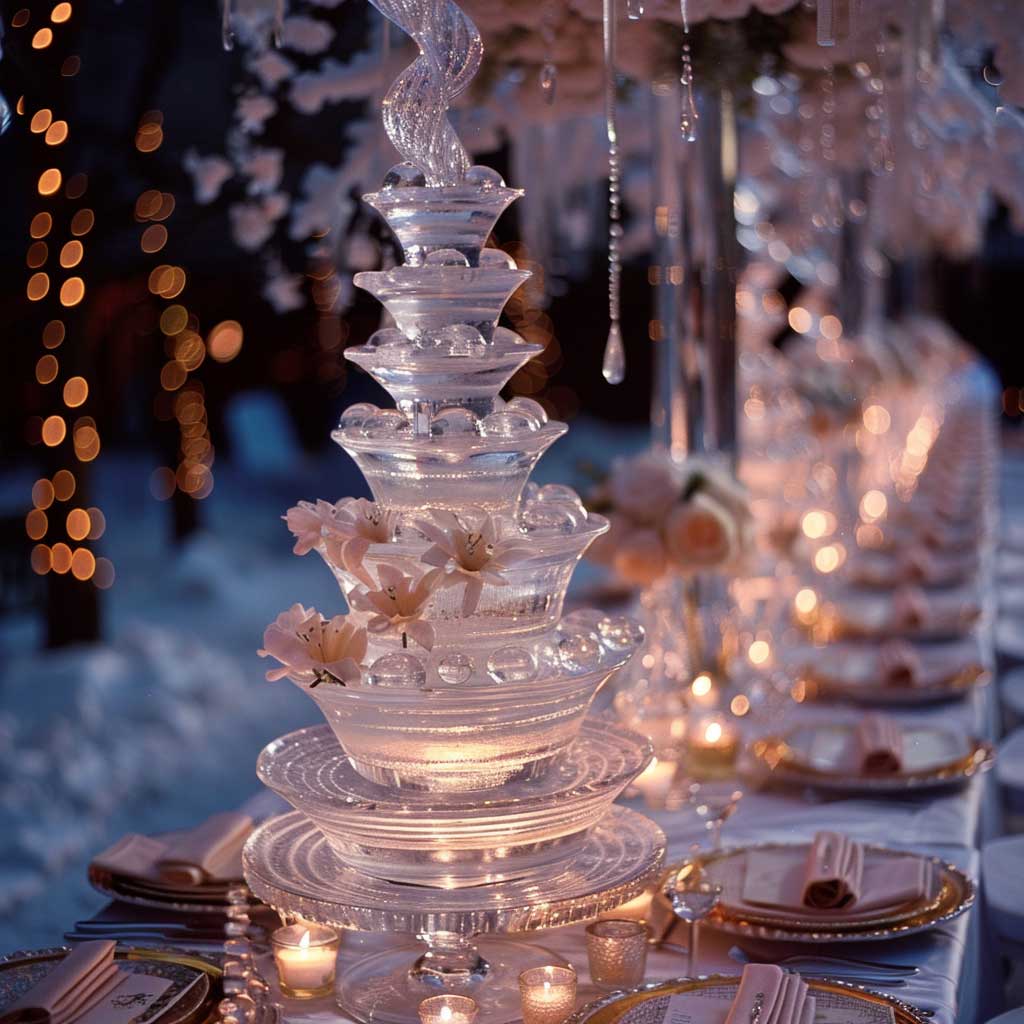
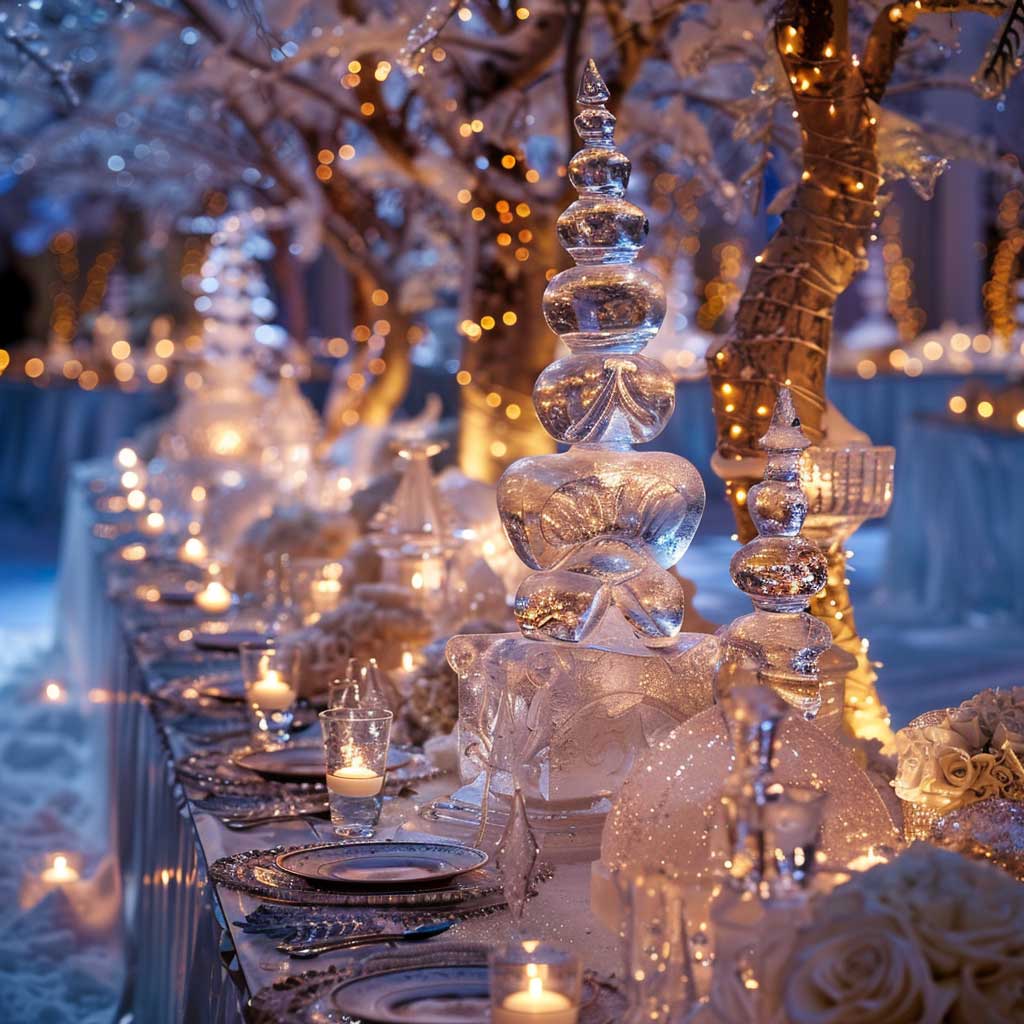
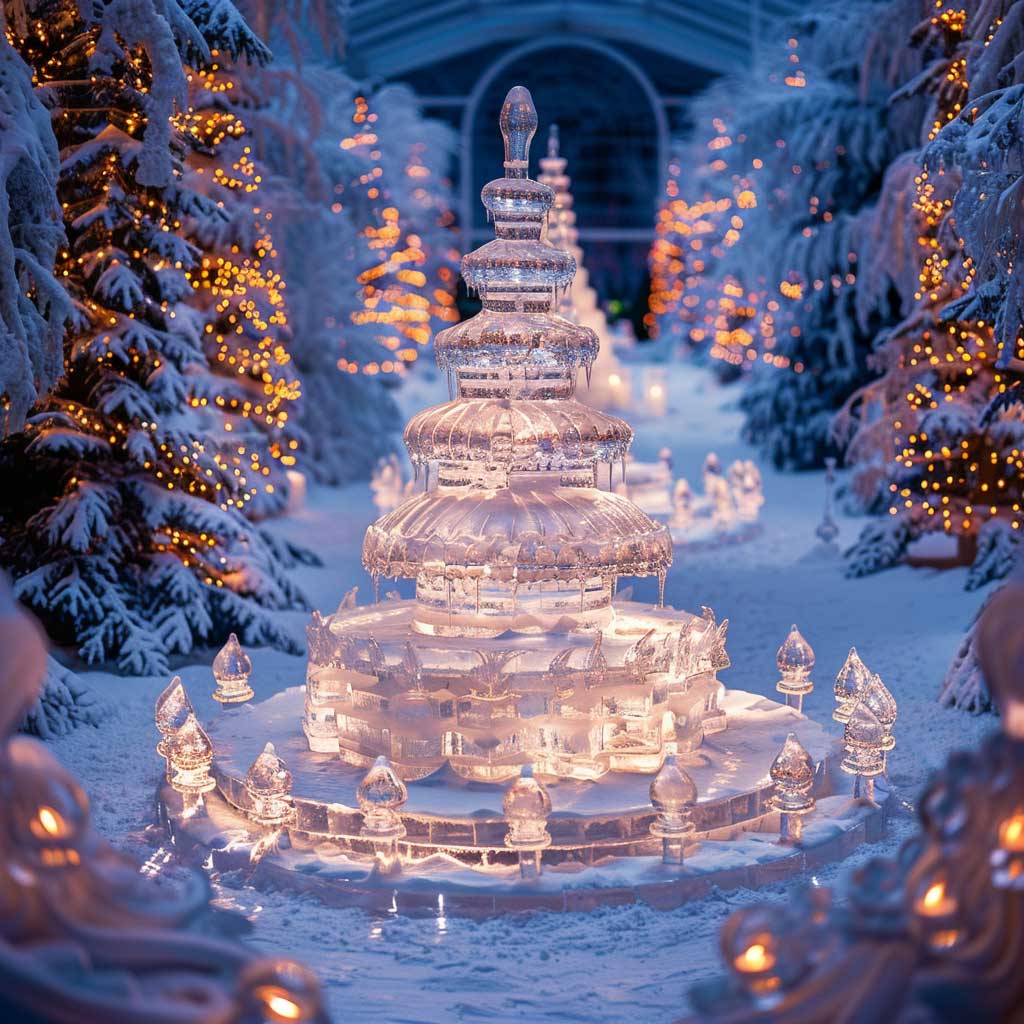
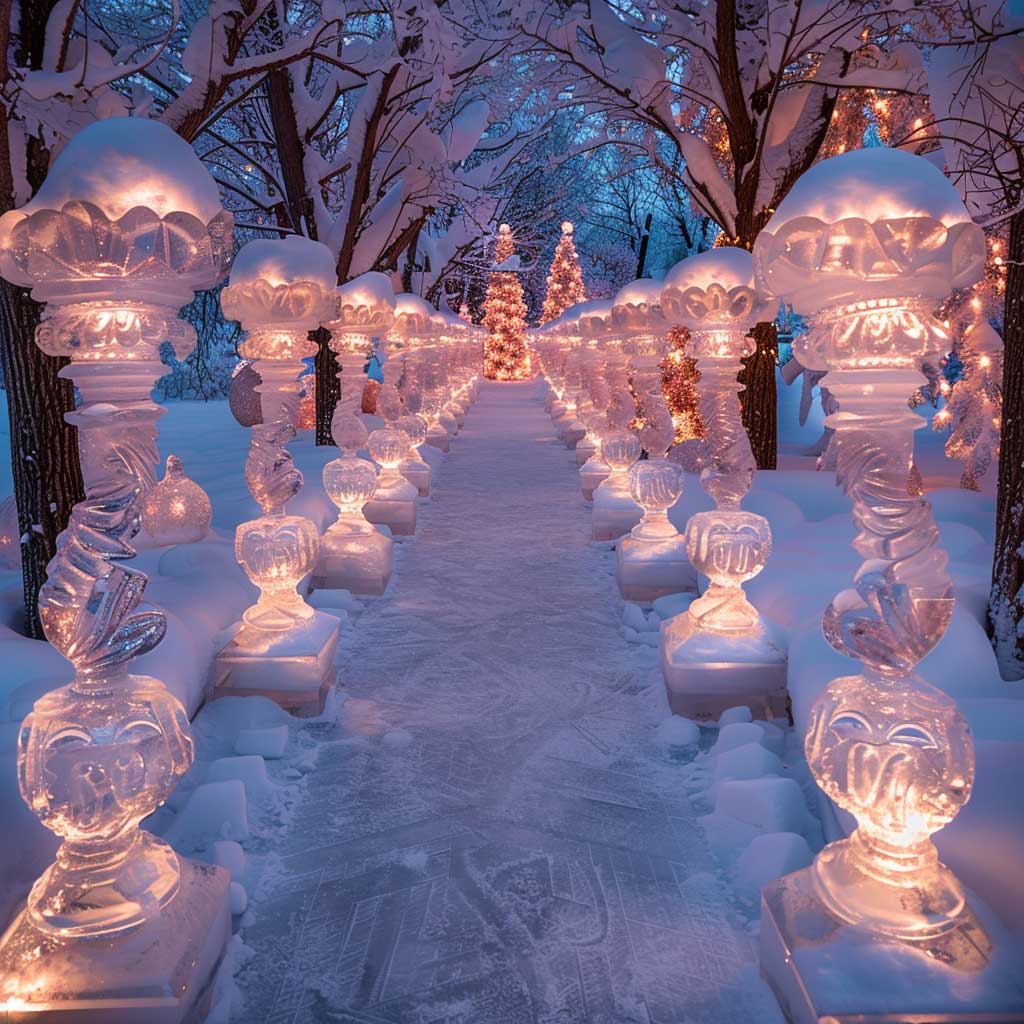
Ice sculptures run $400 to $1,200 depending on size and complexity — I’ve priced these out in three cities and the variance is real, so get three quotes. What you’re paying for is a piece of decor that no rental company can replicate, because every block of ice has its own light refraction. Place the main sculpture at the entrance rather than a table center and you’ve solved the “generic ballroom” problem before guests take off their coats. The venue transforms in a single sight line.
My go-to setup is a monogrammed sculpture flanked by two pin spots at 45-degree angles — the shadows inside the letters shift as guests move past it, which is the closest thing to free entertainment a wedding has. Ice bars are also worth the investment if you have a cocktail hour: a full ice bar structure from a company like Ice Sculptures Ltd. runs around $700 to $900 and doubles as the most photographed element of the night. Don’t waste that on a back corner. Put it where people gather.
What doesn’t work: table centerpiece ice sculptures at small events. They melt faster than you’d expect in a room full of people, and the puddles reach the linens by the second course. Save the table real estate for florals and keep ice as a statement piece. Also skip the colored-dye sculptures — teal or pink ice looks like a hotel lobby in 2009, not an elegant winter reception.
Venue temperature matters more than most couples realize. Ask your coordinator to keep the room at 65°F or below during cocktail hour specifically. Above 68°F, you lose surface detail on the sculpture within 90 minutes. Professional ice sculptors like those at Okamoto Studio build in a base melt rate and can size the piece accordingly, but they can’t fight a room that’s 74°F from 200 guests in January wool coats.
White Florals Read as Snow Only When You Choose the Right Flowers
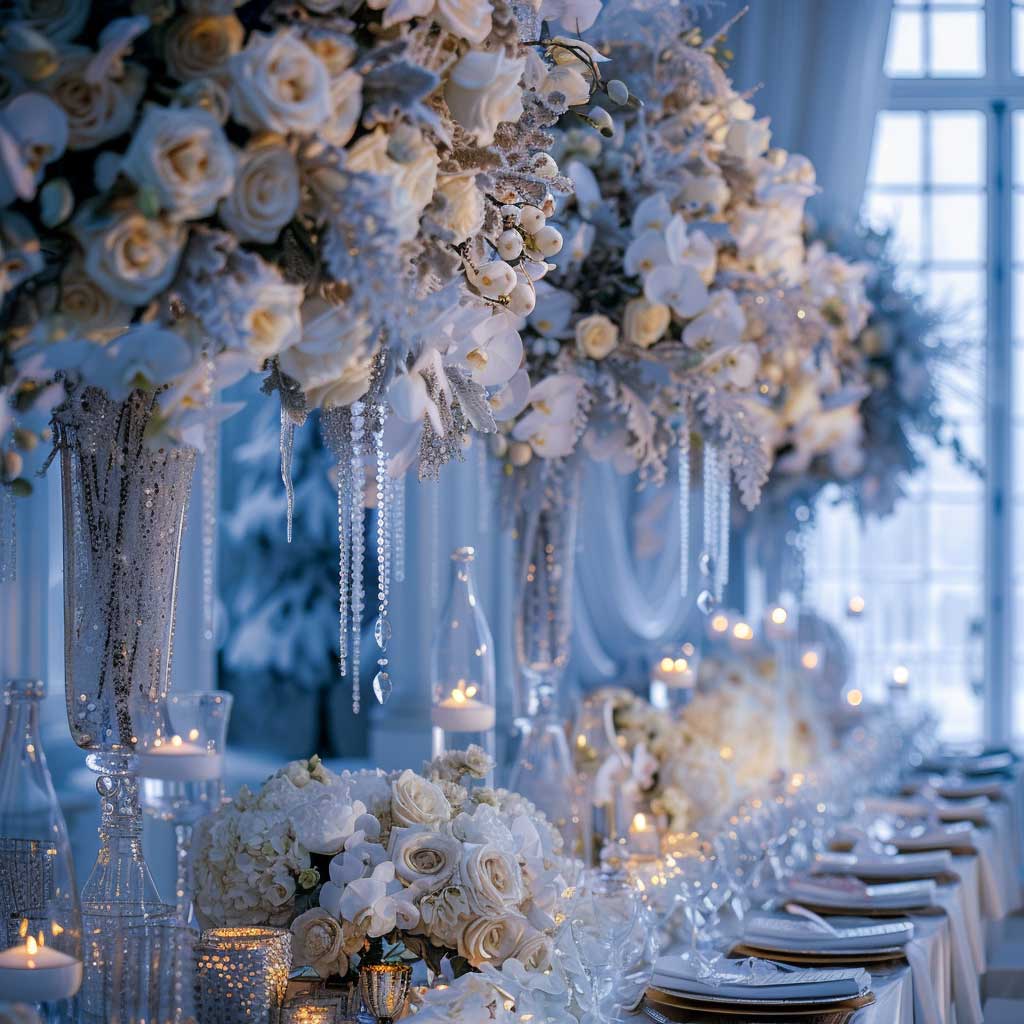
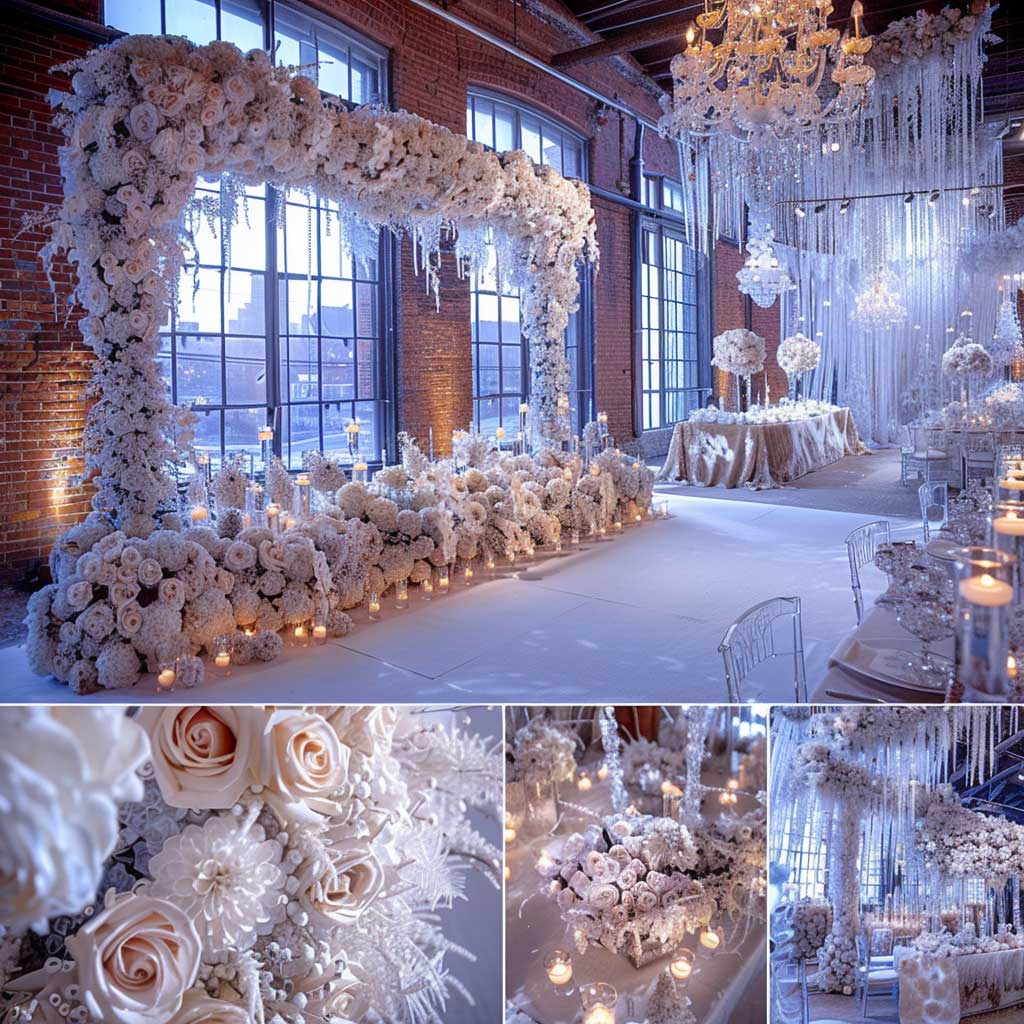
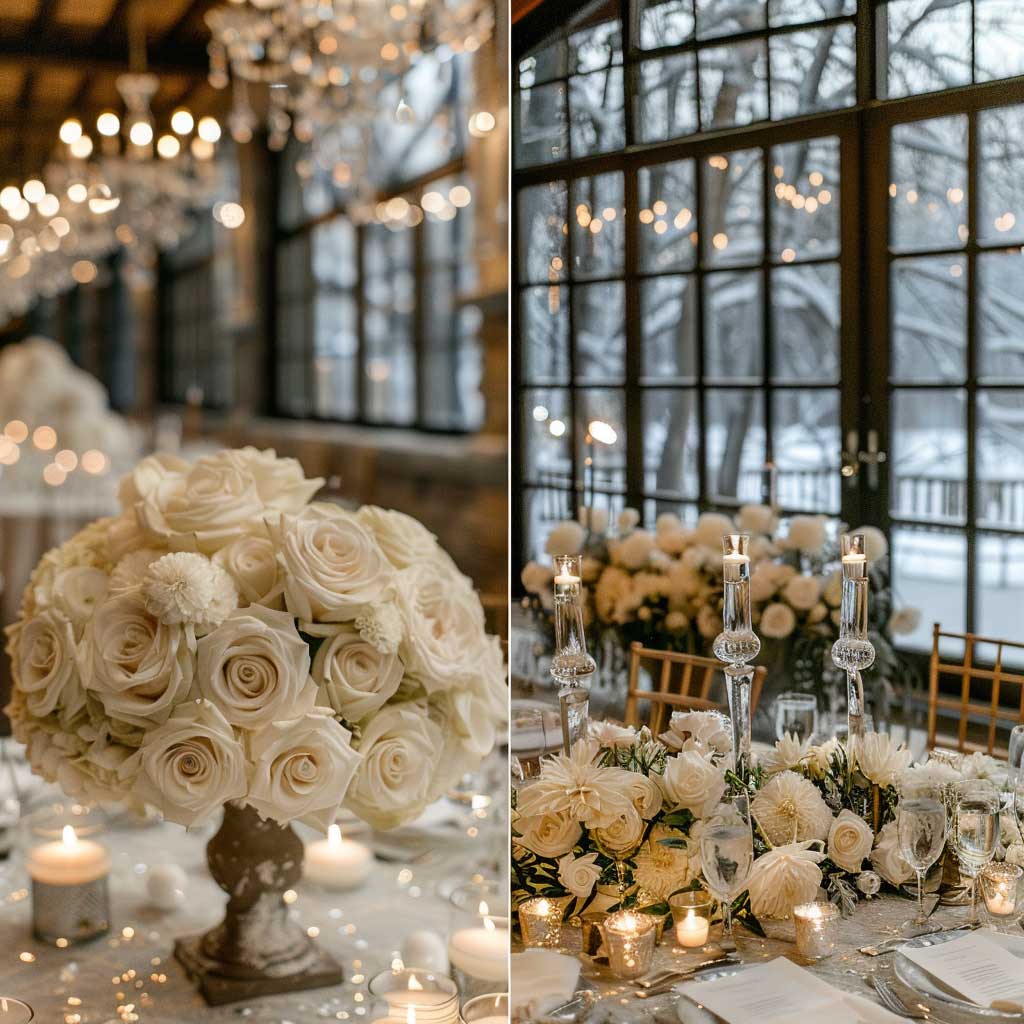
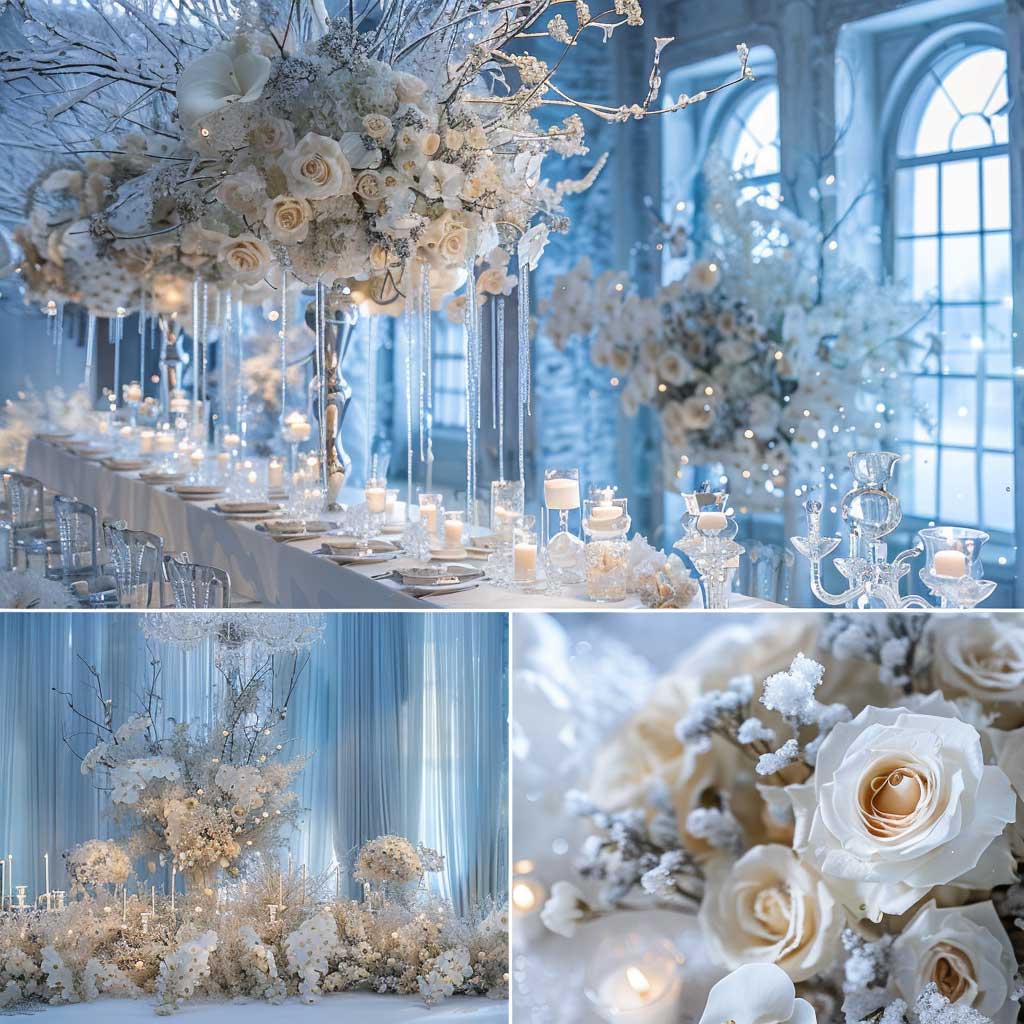
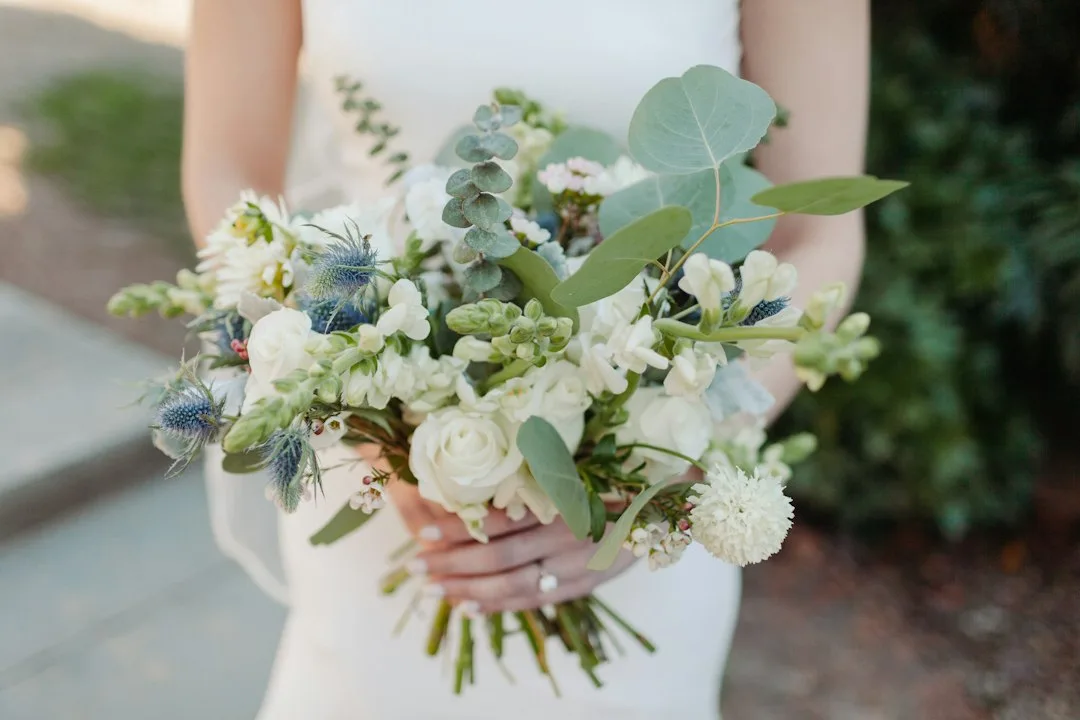
White roses, white orchids, and white ranunculus all hold well in cold venues — orchids are my first choice because they read as sculptural rather than just floral, which suits the winter wonderland wedding theme’s architectural quality. Lilies work too, but I’d avoid stargazer varieties in an enclosed space; the scent gets intense at scale. Pair any of these with dusty miller or silver dollar eucalyptus and you’ve got the frosty monochromatic palette without a single silver spray-paint can in sight.
Faux snow on florals: you need to be specific about the product. FloraCraft artificial snow costs around $12 per 1-lb bag and stays put. The spray-on versions from craft stores clump and shed onto guest clothing by hour two. I stole this trick from a florist in Chicago — she uses a single light pass of spray, then sets the arrangement in a walk-in cooler overnight so the particles bond to the petals. The result looks genuinely frosted rather than dusty. You’ll notice the difference immediately in photos.
What to skip entirely: all-white peonies in December. They’re almost impossible to source in winter without paying double — $4 to $6 per stem versus $1.50 in spring — and even then, they’re often forced-bloom varieties that open too fast in a warm room. Your florist will nod along when you ask for winter peonies, but push back and ask where they’re sourcing them. White garden spray roses from a wholesaler like Mayesh Wholesale are a fraction of the price and read identically in photographs. You need the budget elsewhere.
For the ceremony arch, cascading installations work harder than flat-backed structures. Use floral foam and extend greenery forward so the arch has depth — think of it as a three-dimensional frame rather than a flat arch. Crystal drop accents from a company like Afloral.com run about $8 per strand and add exactly the right amount of icicle texture. Don’t do more than three strands or it starts reading as a chandelier.
⚠ What to Avoid
Blue-tinted white flowers: Some wholesalers sell “iced” roses that have been artificially tinted blue-white. They look synthetic in person and photograph with a cold gray cast that kills the romantic quality entirely.
Too many textures at once: Faux snow + crystal drops + silver spray + dried pinecones in a single arrangement is visual noise. Pick two texture elements maximum per arrangement and commit to them across all pieces for cohesion.
Baby’s breath as the primary flower: It reads as a filler, not a feature. A full arch of baby’s breath is a budget move that guests recognize as a budget move. Use it sparingly as texture inside richer arrangements, not as the starring element.
For couples planning a red and white winter wedding instead of a purely monochromatic palette, the same floral mechanics apply — the frosting technique works just as well on deep-red roses as it does on white ones, and the contrast with silver foliage is even more dramatic.
Warm-White Fairy Lights Make Cold Venues Feel Like You Invited Everyone Home
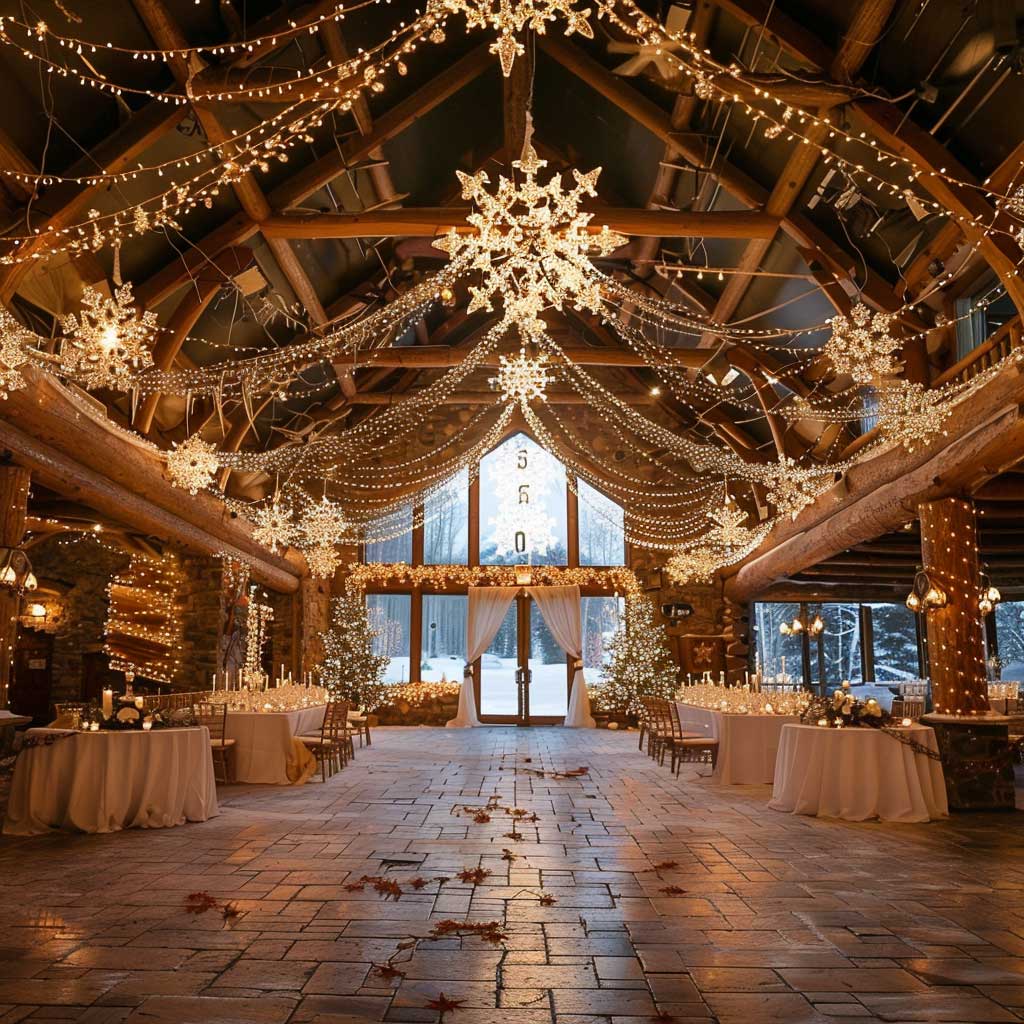
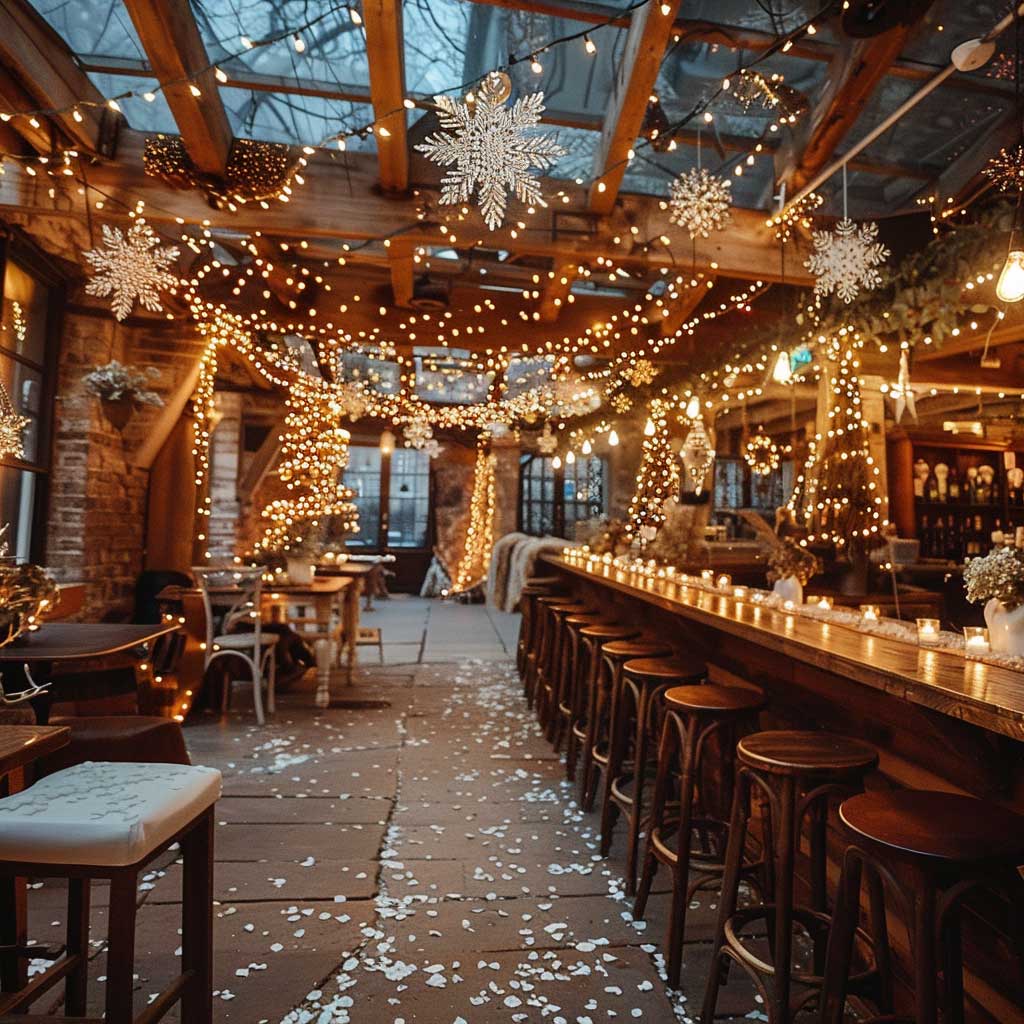
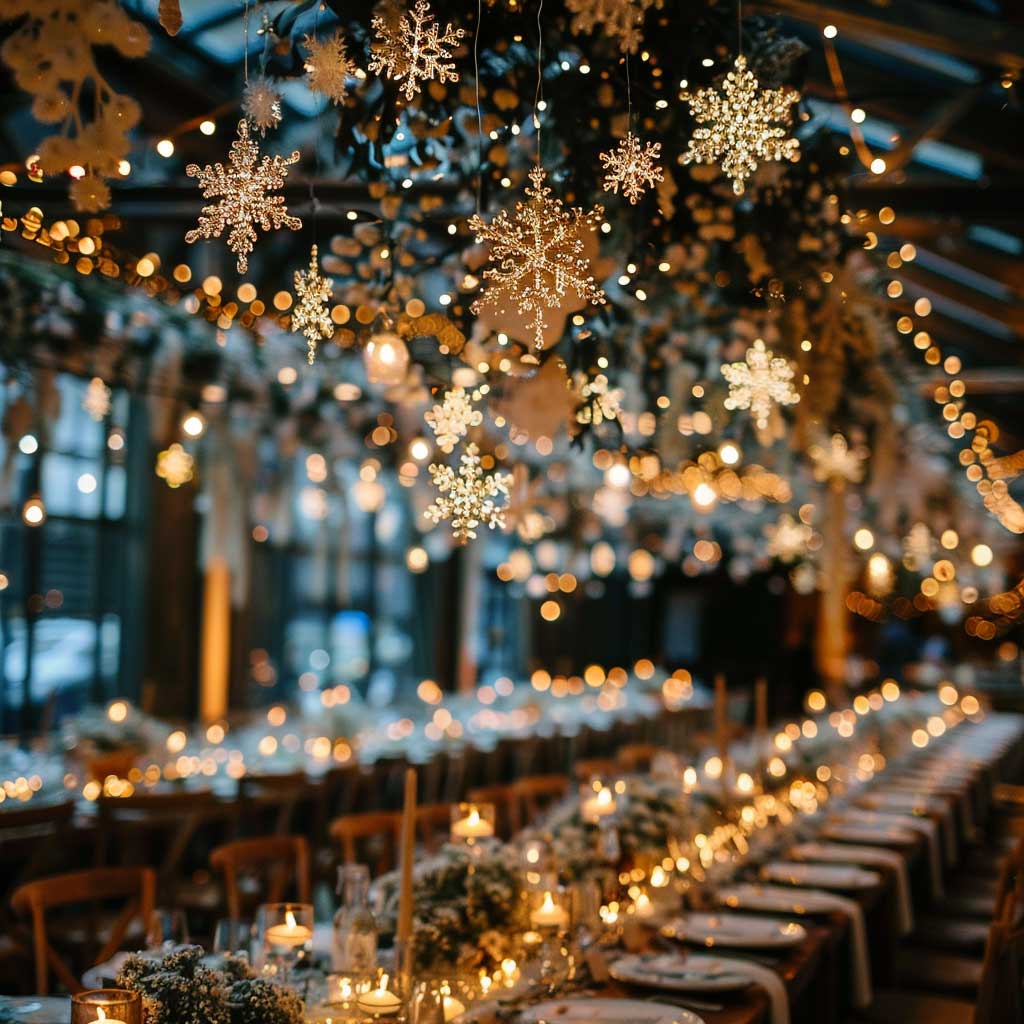
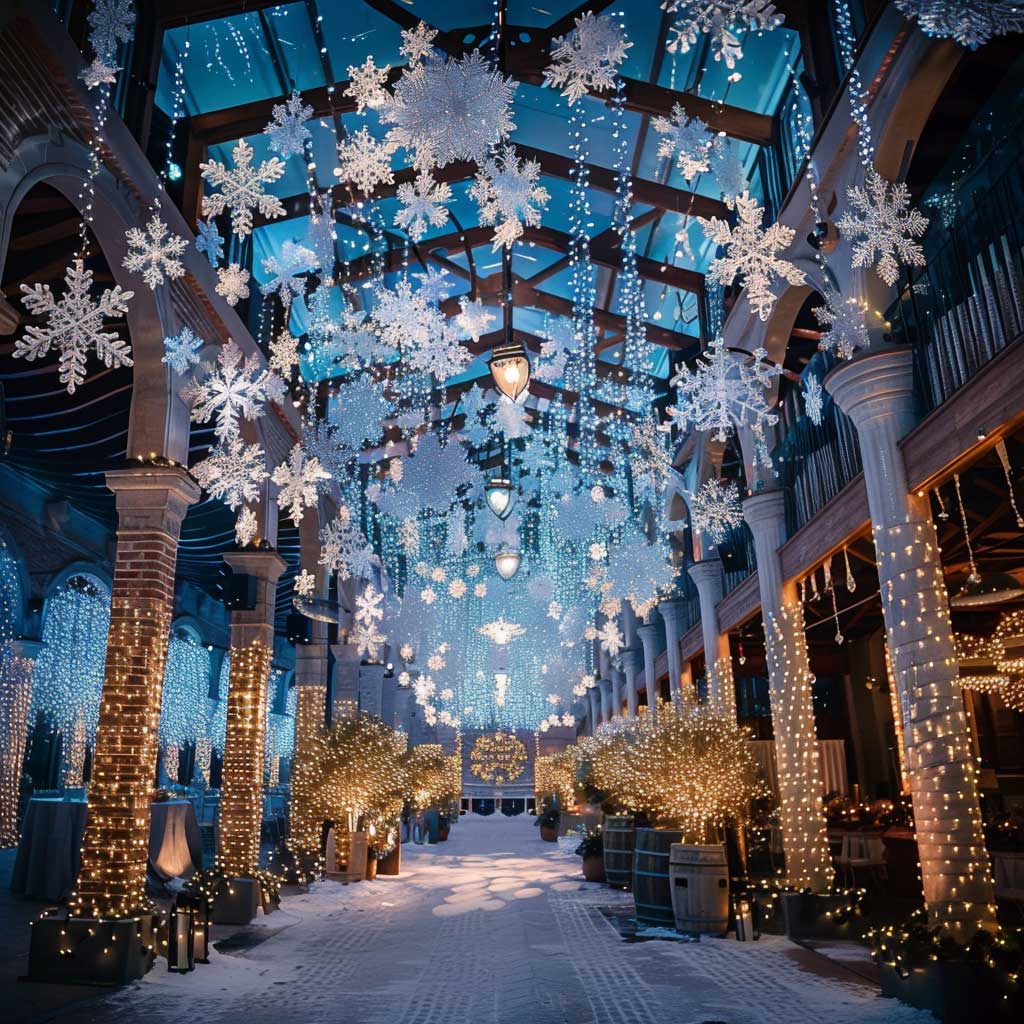
The hue decision is the one most couples get wrong: cool-white LED strands (6000K) look clinical indoors — they’re perfect for a trade show, not a wedding. Warm white (2700K to 3000K) mimics candlelight and photographs exactly the way you want, with that golden haze that makes a reception look expensive even when the linens came from Amazon. I own two sets of the Brizled warm-white copper wire lights ($18 on Amazon, 200 bulbs) and use them in every table centerpiece I style. They pack into a sandwich bag.
Ceiling draping done right requires one key measurement: hang points need to be no more than 18 inches apart or the strands sag into uneven curves that look accidental rather than intentional. Most rental companies charge $150 to $300 for full ceiling fairy light installation in a 2,000-square-foot space. That’s one of the better-value line items in a wedding budget because the transformation is immediate and photographs in every single shot taken in the room.
For the photo booth, a light-covered frame works better than a flat wall of lights — depth matters. Build or rent a 3D arch structure so lights recede into the background, creating that layered glow effect. A single flat wall of lights produces a blown-out white rectangle behind subjects. Add hanging snowflake ornaments at varying depths and suddenly you have something that reads as atmospheric rather than just lit.
Table centerpieces with fairy lights: avoid putting them loose inside clear glass cylinders without something to nest them against — the bulbs just pile at the bottom. Thread them through white birch branch clusters (about $3 per bundle at Hobby Lobby), and you get the light scattered at multiple heights with the branches creating that frozen-forest quality. The Knot’s winter wedding decor collection has documented this technique working across dozens of real weddings at every price point.
Frosted Wedding Cakes Earn the Display Only When Flavor Matches the Visual
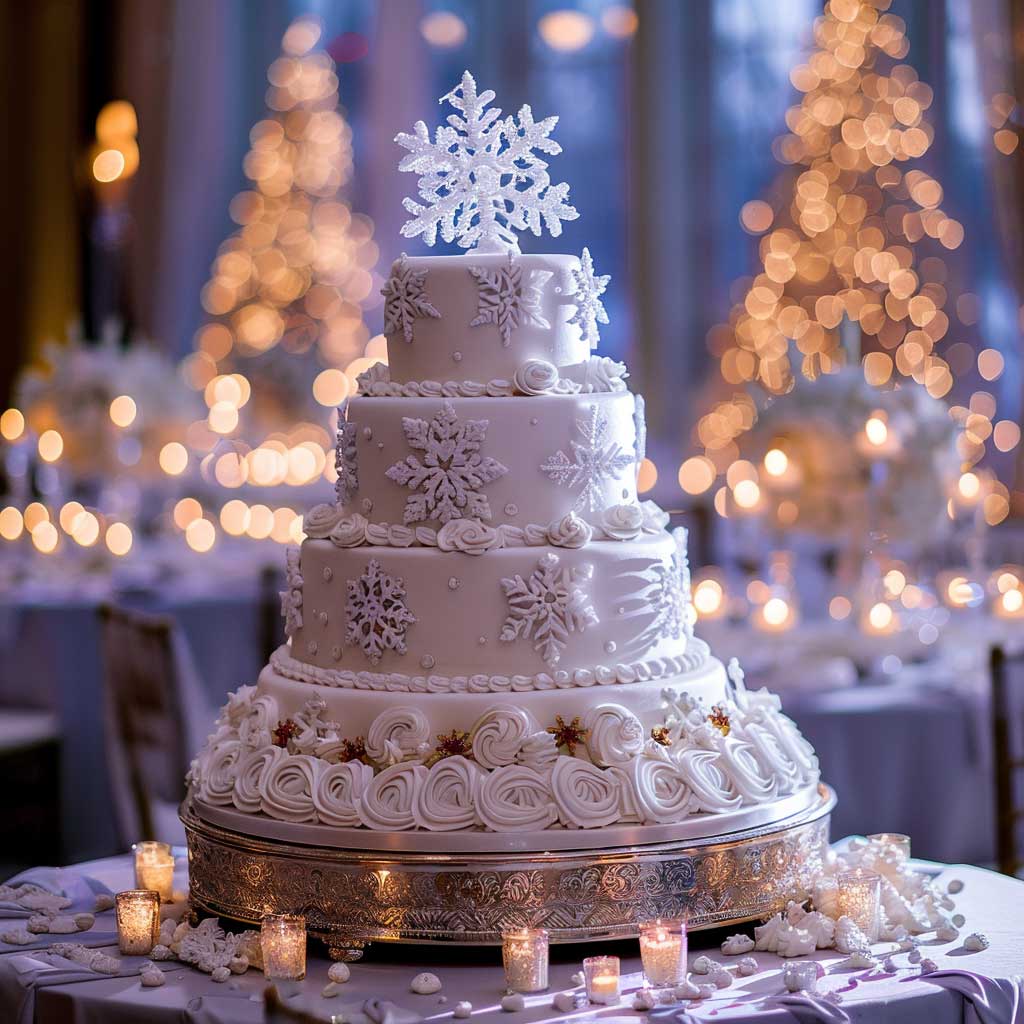
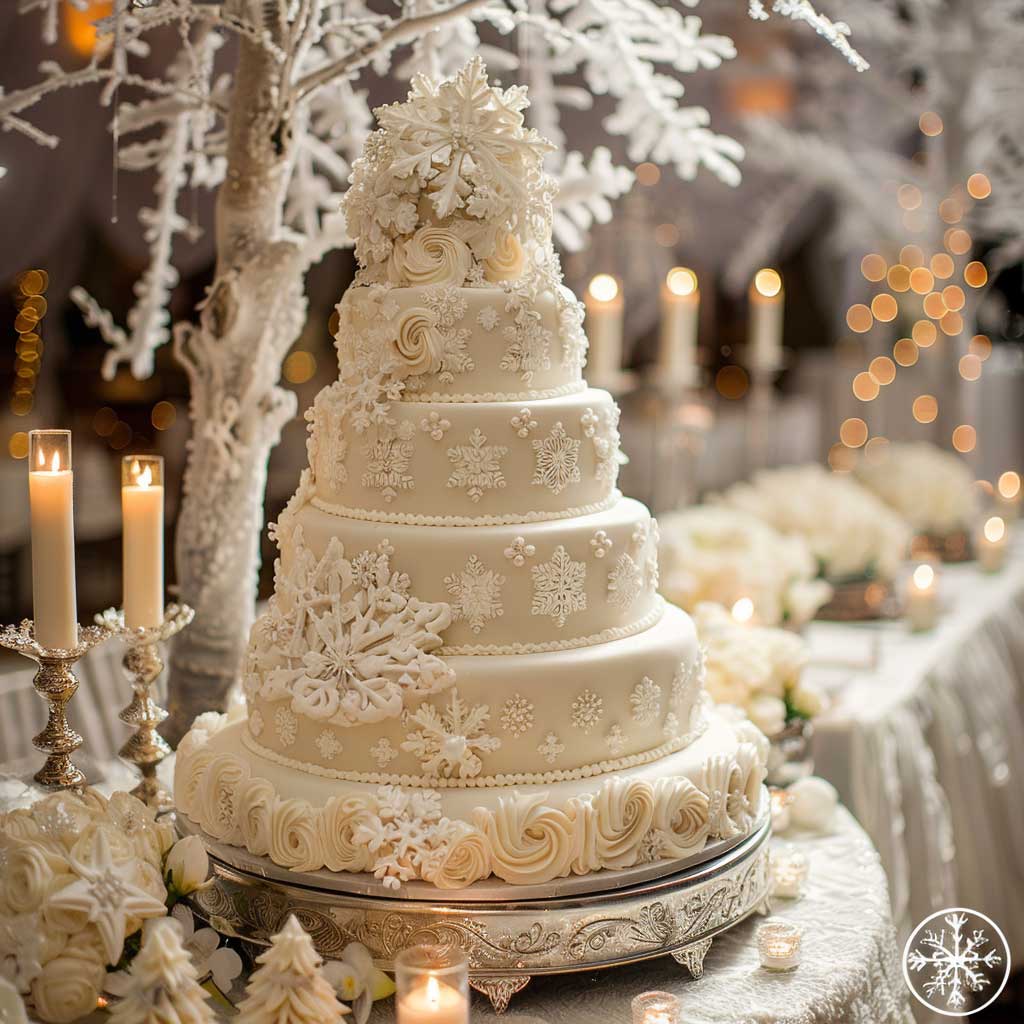
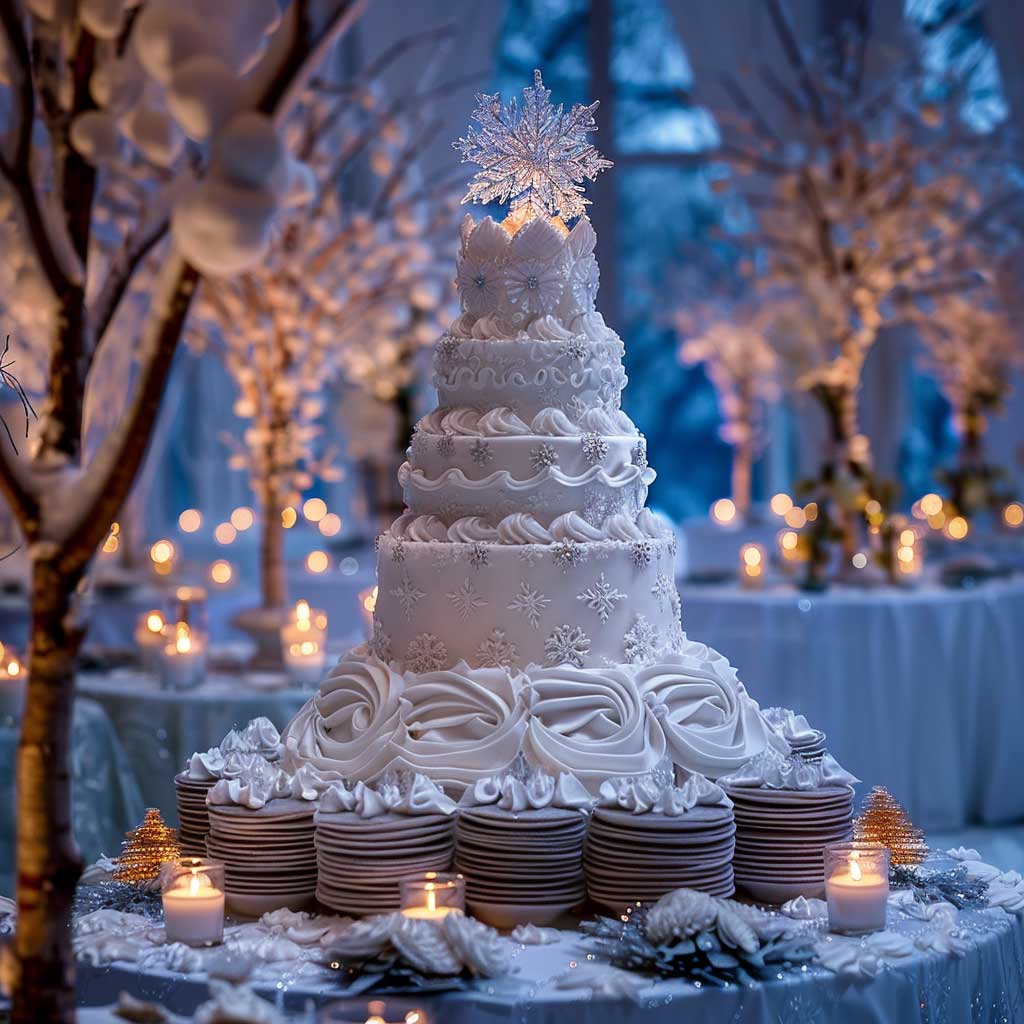
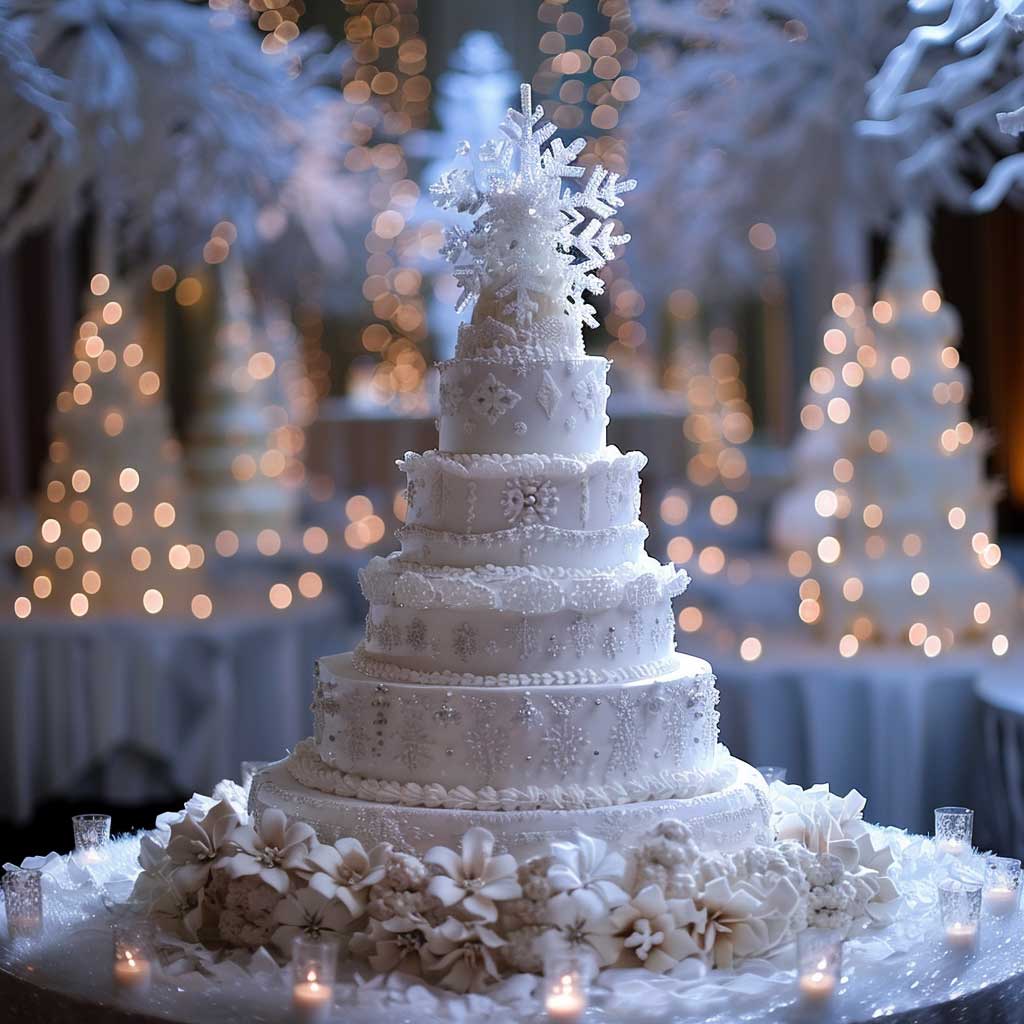
Fondant cakes photograph better than buttercream at scale — but fondant tastes like sugar paste unless your baker uses quality Swiss meringue buttercream underneath as a crumb coat, and most mid-range bakeries don’t bother. Ask specifically. A three-tier fondant cake with sugar snowflake work runs $550 to $850 at a solid bakery; if you’re being quoted $320, something’s being skipped. My go-to winter flavor pairing is white chocolate and hazelnut — richer than vanilla, still light enough that people take seconds.
The peppermint cake is everywhere on Pinterest and almost always disappoints in person. Crushed candy cane is abrasive against fondant and bleeds color into the icing within a few hours. If you want mint, ask your baker for a peppermint extract buttercream filling instead — the flavor lands without the visual problems. White chocolate shavings piped along tier edges are a much cleaner visual move and photograph as frosted texture rather than candy wrapper debris.
The mirrored cake stand trick: a 14-inch round mirror from a craft store (about $12) placed under the bottom tier doubles the height visually and bounces nearby fairy lights upward into the cake. Your photographer will thank you. Don’t use a silver metallic stand — the reflection is too uniform and looks commercial. An actual mirror has natural depth and variation. Frame the setup with two pillar candles at table height and three of those birch branch clusters you used in the centerpieces. Everything connects.
For a more relaxed winter wonderland wedding reception vibe, the naked cake with powdered sugar is genuinely beautiful and costs about 30% less than a fully frosted alternative. Add fresh cranberries, rosemary sprigs, and small white ranunculus around the base. The rosemary reads as frosted pine. It smells incredible when cut. Skip the pinecones directly on the cake — they’re not food-safe unless specifically dried and sealed, and nobody wants to tell a guest they just ate wood resin. For couples drawn to other elegant seasonal palettes, a lavender winter wedding theme pairs naturally with this same naked cake approach, with dried lavender replacing the rosemary sprigs.
WINTER WEDDING DECOR COMPARISON
| Element | Budget Range | Impact Level | Skip If |
|---|---|---|---|
| Ice Sculpture | $400–$1,200 | ⬛⬛⬛⬛⬜ Very High | Room temp above 68°F all night |
| White Floral Arch | $300–$800 | ⬛⬛⬛⬛⬜ Very High | Ceremony is 10 min or less |
| Ceiling Fairy Lights | $150–$300 installed | ⬛⬛⬛⬛⬛ Highest | Venue has low ceilings under 10ft |
| Frosted Cake | $550–$850 | ⬛⬛⬛⬜⬜ Medium-High | Budget under $400 total for cake |
| White Birch Centerpieces | $30–$60 per table | ⬛⬛⬛⬜⬜ Medium | Venue already has strong decor |
THE BOTTOM LINE
Frost is a layered system, not a decoration list. Every piece you choose needs to reflect light, not just reference winter.
A winter wonderland wedding theme built around the four elements above — ice, white florals, warm-white light, and a flavor-led cake — holds together because each one reinforces the others visually. Ice bounces light from the fairy strands. Frosted white florals reflect both. The cake sits at the center of it all.
Budget: if you need to cut, drop the ice sculpture before the fairy lights. The lighting transformation is venue-wide. The sculpture is a single focal point. You can have a beautiful winter reception without custom ice.
Save this post — and come back once you’ve confirmed your venue temperature policy. That detail changes everything.