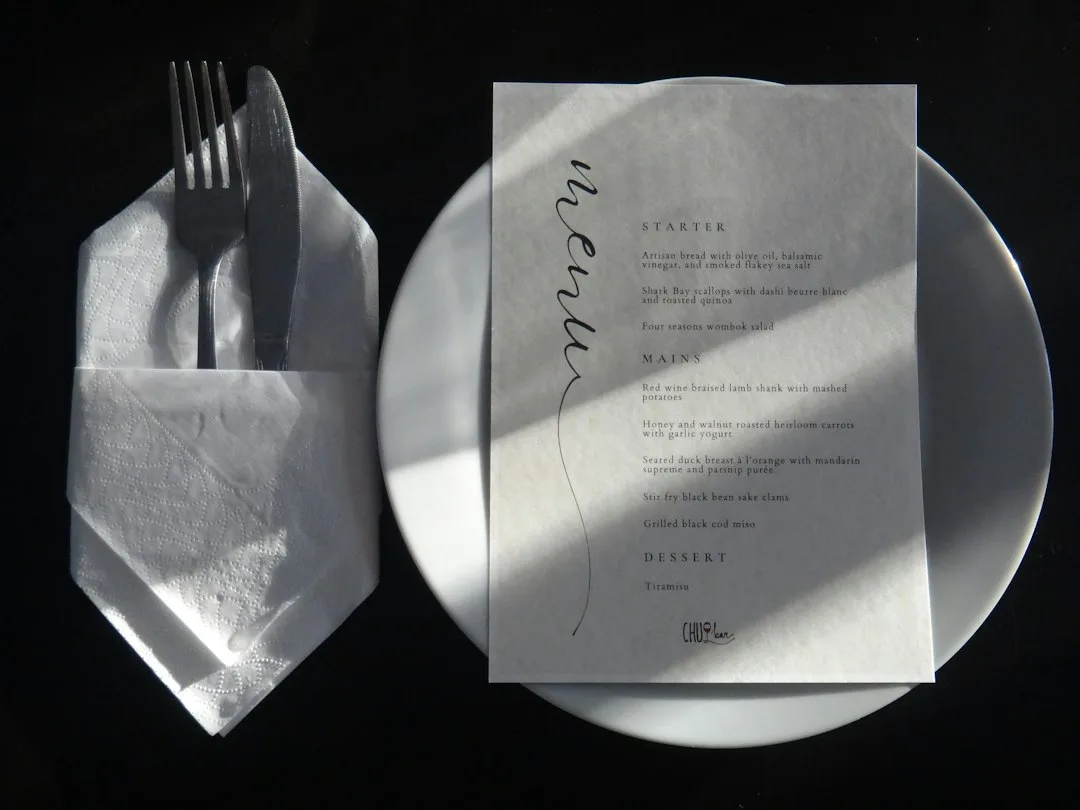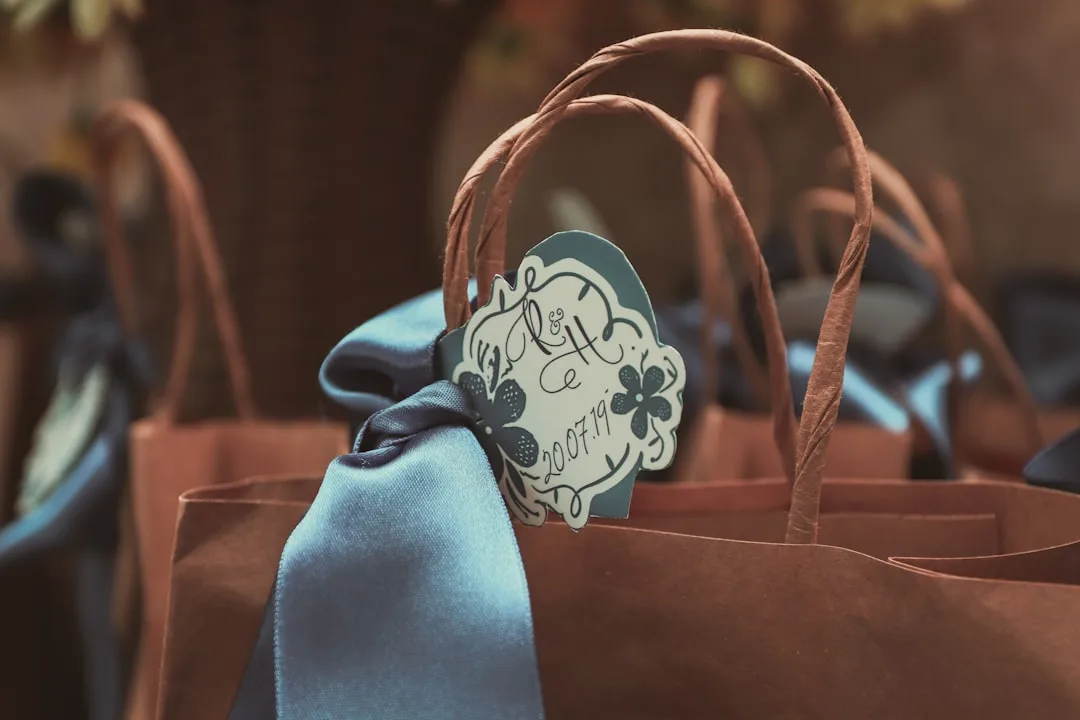
Welcome bags have historically been an afterthought—a polite gesture stuffed with hotel shampoo and wrapped in generic cellophane. But in 2026, wedding welcome bags trends have pivoted toward something genuinely memorable: curated, locally-sourced collections that reflect the destination, honor guest preferences, and tell a story about who the couple is. This shift matters because guests remember experiences, not filler. A thoughtfully composed welcome bag becomes part of the wedding narrative itself.
Local Sourcing Replaces Generic Retailers
Couples marrying in destination settings are now partnering directly with regional artisans, bakeries, and makers instead of ordering bulk welcome bags from wedding supply vendors. A couple getting married in Charleston might source local hot sauce from a family-owned producer, artisan shortbread from a James Island bakery, and hand-poured candles from a neighborhood studio. This creates authenticity and supports the community hosting the celebration.
The cost and logistics are real: sourcing from 10 different makers takes time and coordination that a single vendor doesn’t require. But couples report the investment pays off in guest stories—people photograph and share these bags because they’re genuinely interesting. The bag becomes marketing for the destination and the couple’s taste.
Major wedding planners like Mindy Weiss (who works with high-profile celebrations) have long advocated for this approach, though it’s now filtering into mid-range weddings too. What was once reserved for $500K+ events is becoming accessible through regional relationships and smaller batch orders.
Quick Tips
- Source items 3–4 months before the wedding to confirm availability and negotiate small-batch pricing.
- Create a Pinterest board or mood file to show local vendors the aesthetic you want—neutral packaging, sustainable materials, cohesive color story.
- Order 10% extra in case guests bring plus-ones or you miscalculate headcount.
- Use kraft paper, fabric wrapping, or reusable tote bags instead of plastic to align with guest values around sustainability.
- Include a handwritten card explaining where each item comes from and why you chose it specifically.
Segmented Curation by Guest Preference
Instead of one standard bag for all 150 guests, 2026 couples are creating 3–5 versions based on dietary needs, interests, or travel situation. A couple marrying in California might offer a “wellness-focused” bag with adaptogens and herbal tea, a “local craft” bag featuring regional wine and snacks, and a “quick-refresh” bag for guests arriving the night before with travel-size items. The data collection happens during the RSVP process—a short optional survey asking about preferences, allergies, or interests.
This approach acknowledges that one-size-fits-all gifting ignores real human diversity. A vegan guest won’t value gourmet beef jerky. A non-coffee drinker won’t use specialty espresso beans. When bags reflect actual guest needs, they get used instead of left at the hotel.
Implementation requires a spreadsheet and coordination, but the goodwill generated far exceeds the effort. Guests feel genuinely considered, not accommodated as an afterthought.
| Bag Type | Target Guest | Core Items |
|---|---|---|
| Wellness | Health-focused, fitness-oriented | Herbal tea, adaptogens, electrolyte powder, yoga socks |
| Local Craft | Food and culture enthusiasts | Regional wine, artisan cheese, local chocolate, cookbook |
| Quick Refresh | Arriving evening prior to wedding | Travel-size toiletries, hydration spray, face masks, mints |
| Family | Guests bringing children | Coloring activity book, organic snacks, toy, parent coffee |
The Mistake: Overstuffing Without Strategy
The #1 failure couples make with welcome bags is quantity over intention. They pack 12 items into a small bag—cracker packs, candy, branded chapstick, random soaps, playing cards, a phone holder—and wonder why guests feel overwhelmed. The bag looks like a clearance bin, not a curated gift.
Last summer, a 200-guest wedding in Napa Valley stuffed every welcome bag with 14 items: three varieties of local wine (good), two chocolate bars, four types of snack crackers, a branded tumbler, a handkerchief, a branded lip balm, plus loose candy. Guests reported the bag felt cluttered and the items didn’t cohere. The wine got separated and lost. The couple spent $4,500 total but got minimal acknowledgment because nothing felt intentional.
The better approach: 4–6 items maximum, each chosen for a specific reason. Quality and meaning beat quantity every time. A single exceptional local honey, a handwritten welcome card, and maybe a snack that reflects the couple’s personality feels generous and memorable.
Packaging as Part of the Moment
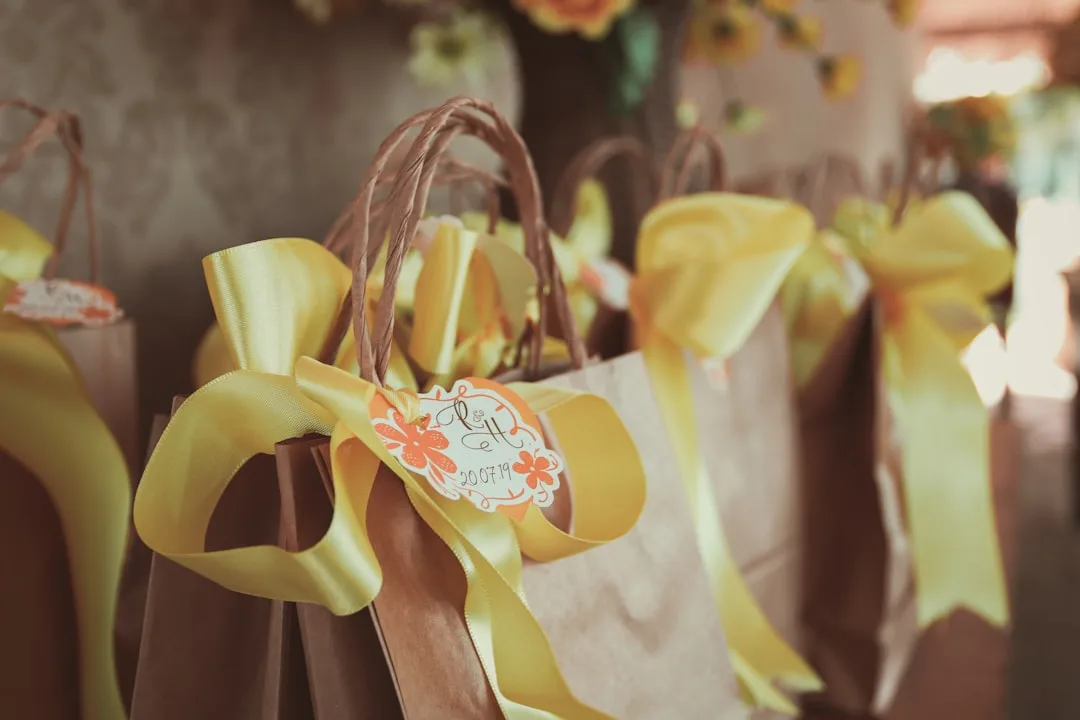
2026 couples are treating the welcome bag as a physical object worth savoring, not just a container. Instead of plastic gift bags, they’re using linen tote bags (which guests take home and reuse), kraft boxes (which photograph well and feel premium), or even reusable fabric wrappers tied with twine. The unboxing moment is becoming part of the guest experience—something you notice when you arrive at your hotel room.
Luxury hotels like the Four Seasons have elevated this further, offering to coordinate custom welcome bag packaging for wedding guests so the unboxing aesthetic matches the hotel room design. Premium paper stock, branded stickers, and tissue paper liners matter because they signal care. A five-dollar item in a fifty-cent bag reads as cheap. That same five-dollar item in a thoughtfully-designed package feels intentional.
Companies like Favor It and Etsy sellers specializing in custom packaging have seen demand spike. The investment in wrapping and presentation often matches or exceeds the cost of the contents themselves—a shift that reflects how much couples now value the experience of receiving the bag, not just its contents.
Sustainability and Guest Values
By 2026, younger couples especially are asking whether a welcome bag can align with their values around sustainability and minimal waste. Single-use plastic is out. Reusable tote bags are in. Items are chosen to be consumable (eaten or used up) rather than decorative objects guests will eventually throw away. Wedding Party Decorations with Elegant Minimalism applies the same principle to the welcome bag: restraint creates respect.
Some couples are going further and donating welcome bag contents to local food banks or shelters instead of creating bags at all, then telling guests this choice in a note. Others use digital welcome packets—a email with links to local restaurants, hiking trails, and attractions, paired with one small physical item.
This shift reflects a broader truth: guests increasingly value a couple’s choices and values more than physical things. A bag that demonstrates thoughtfulness toward the environment, local community, and individual guest needs communicates more about the couple than a bag overflowing with trinkets ever could. 3+ Boho Wedding Decor Trends You’ll Love speaks to this same ethos of intention over excess.
Timing, Logistics, and Contingency
Welcome bags created from local sources require planning 12–16 weeks before the wedding, not the typical 6–8 weeks. Small makers have limited capacity and sometimes take custom orders. Communication with your planner or a local coordinator becomes essential if you’re marrying in a destination you don’t live in.
Temperature-sensitive items (chocolate, wine) need special handling in summer or warm climates. Fragile items need protective packaging. If you’re having bags delivered to a hotel, coordinate arrival dates so items stay fresh. Building in 10% contingency stock prevents scrambling if an item sells out or arrives damaged.
The payoff is guests arriving to a thoughtful, locally-rooted gesture that reflects the place and the couple. That’s worth the extra planning and coordination.
Related Topics
FAQ
How much should I spend on a wedding welcome bag per guest?
What if I have guests with dietary restrictions?
Can I ship welcome bags to guests before the wedding?
Are reusable tote bags worth the extra cost?
What's the easiest way to coordinate items from multiple local vendors?
Should welcome bags be the same for all guest types?
Complete guide
Wedding Ideas That Turn Every Detail Into Something Worth Remembering
Ceremony, décor, themes, guest outfits, hairstyles, cakes, stationery — all in one place