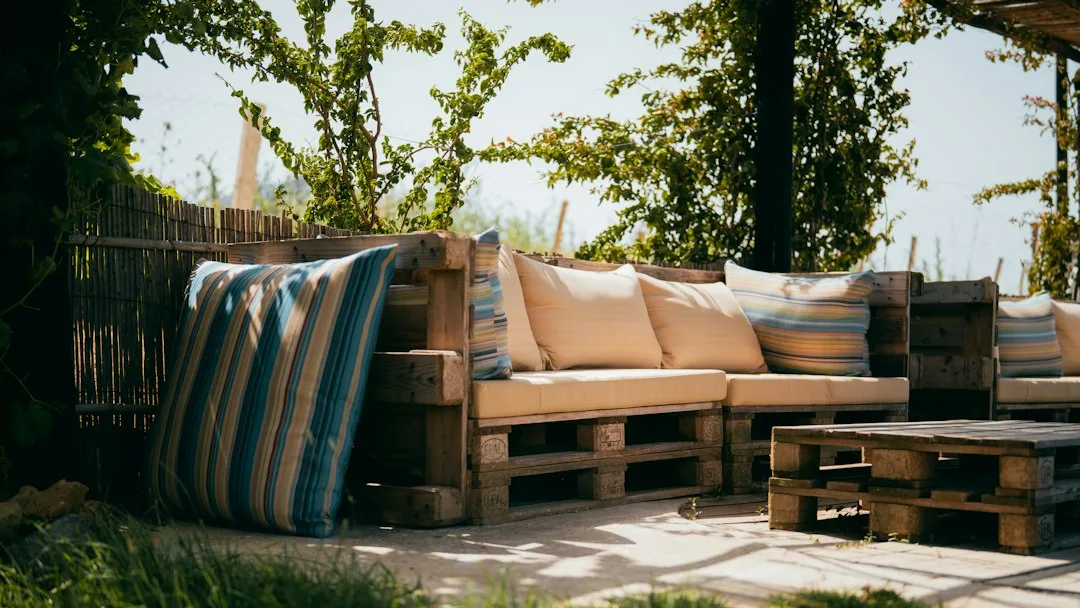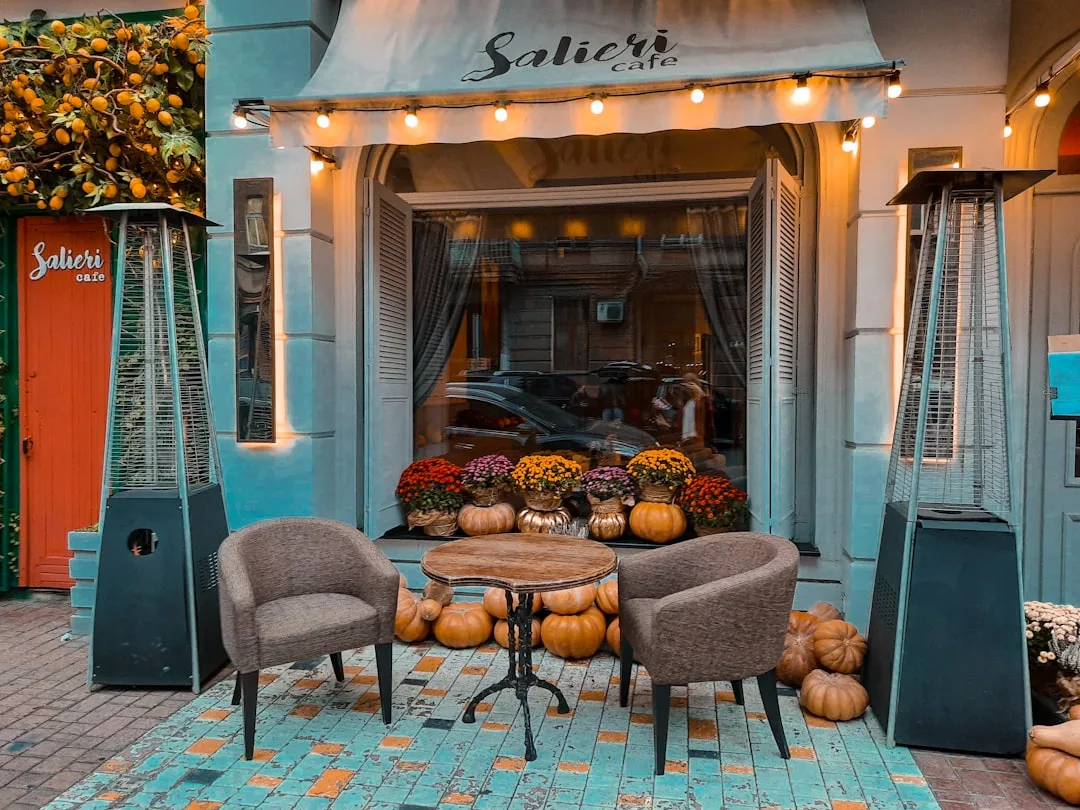
Walk outside on a September evening in 2026, and you’ll notice something that would’ve been unthinkable a decade ago: backyards full of people in October, November, even January. The shift isn’t accidental. Patio heating solutions have matured from luxury novelties into mainstream infrastructure that extends outdoor living seasons by 60 to 90 days per year. This is why the category is trending now—homeowners finally understand that heating isn’t an afterthought but the foundation of year-round entertaining.
Infrared Heaters Deliver Instant Warmth Without Heating the Air
Bromic Heating, an Australian brand specializing in commercial-grade infrared units, has become the reference standard for residential patio heating. Their infrared heaters work on a physics principle: they emit radiation that warms objects and people directly, not the surrounding air. A Bromic wall-mount or freestanding model throws heat up to 20 feet away, with no lag time—you feel warmth instantly.
The advantage over traditional propane or natural gas heaters is efficiency. Infrared units convert 90% of fuel energy into usable heat, compared to 30% for convection heaters that warm the air first. That’s why restaurants, resorts, and now residential designers specify them. Installation for a hardwired electric unit runs simple; gas-fired models require a licensed technician and proper ventilation clearance from walls and structures.
For a typical 400-square-foot patio, one wall-mount infrared heater priced in the $1,200–$2,000 range performs better than three tower heaters. The upfront cost is higher, but operating costs drop noticeably within the first season.
Quick Tips
- Position infrared heaters above eye level to avoid direct radiation to faces—aim for 8 to 10 feet high
- Pair infrared units with windscreens or hedge walls; wind reduces effective heating distance by 40%
- Keep clearance of 3 feet minimum from combustible materials like wood railings and fabric awnings
- Test electric models on a dedicated 240V circuit; most 1,500W units require their own breaker
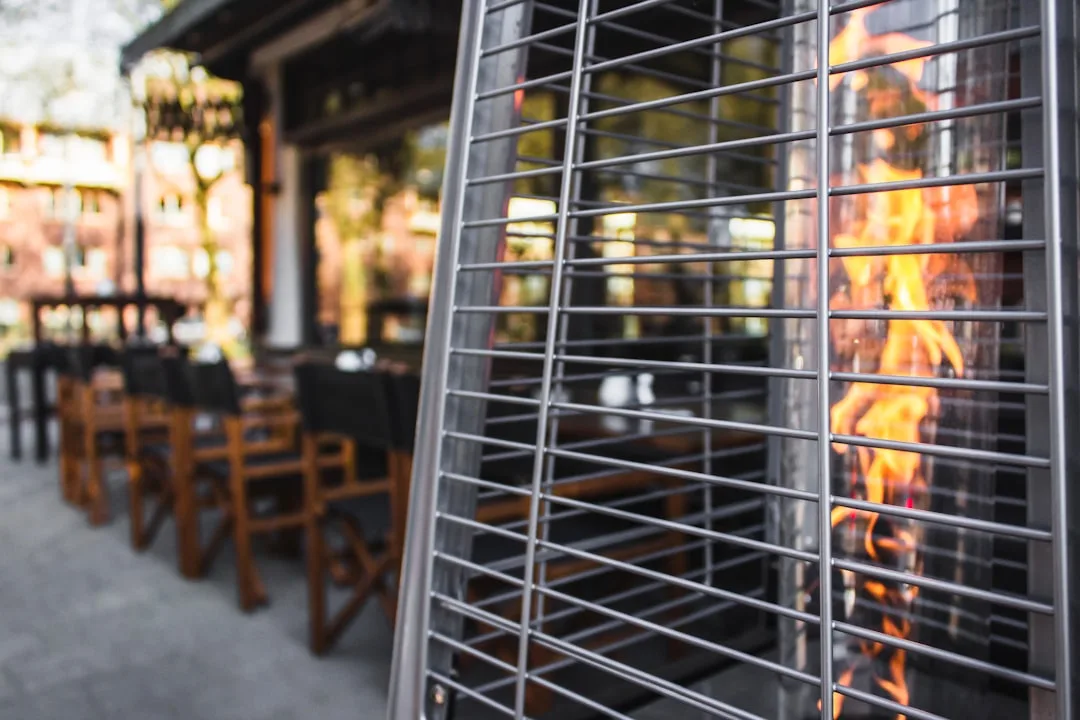
Fire Tables Replace Traditional Fireplaces With Flexible Ambiance
Solo Stove, a Texas-based manufacturer, pioneered the modern fire table category in 2010, and their design dominates 2026 installations. Fire tables combine propane or wood-burning cores with a flat tabletop surface, creating a hybrid that serves as heating, cooking surface, and focal point. Solo’s natural gas models produce 40,000 BTU output—enough to heat a 20-by-20-foot patio moderately.
What makes fire tables trend now is their dual function. You’re not choosing between conversation seating and heat; the table itself is the gathering point. Glass wind guards contain the flame and reduce propane consumption by 30%, extending burn time per tank refill. A typical Solo Stove fire table costs between $1,500 and $3,500 depending on materials—steel versus stainless, top surface finish, integrated lighting.
| Heating Type | Heat Output | Best For |
|---|---|---|
| Infrared (electric) | 3–5 kW | Focused, wall-mounted zones |
| Infrared (propane) | 15,000–40,000 BTU | Freestanding coverage areas |
| Fire table (propane) | 40,000–60,000 BTU | Social gathering, ambiance |
| Radiant floor heating | Varies by system | Built-in, permanent solutions |
The Most Common Mistake: Underestimating Wind’s Impact on Heating
The number-one failure mode in patio heating is installing a heater, expecting 20-foot coverage, then discovering it’s useless on breezy evenings. Wind reduces infrared and radiant heating effectiveness by 40 to 60% because it disperses rising warm air and cools radiant surfaces. A 10 mph breeze, which feels gentle, is enough to render a tower heater nearly useless.
A real example: a homeowner in Austin installs a $800 standing propane heater on an open deck overlooking a hill. The setup gets zero use in October and November because afternoon wind from the west makes it ineffective. Had they positioned the heater near a wall, added a planted privacy screen, or chosen a wall-mounted infrared unit (which performs better in wind), the patio would see constant use. Instead, the heater sits dormant.
The solution is simple: plan for wind by adding strategic barriers—trellises, hedges, or solid panels—on the windward side, or choose heating systems rated for exposed locations.
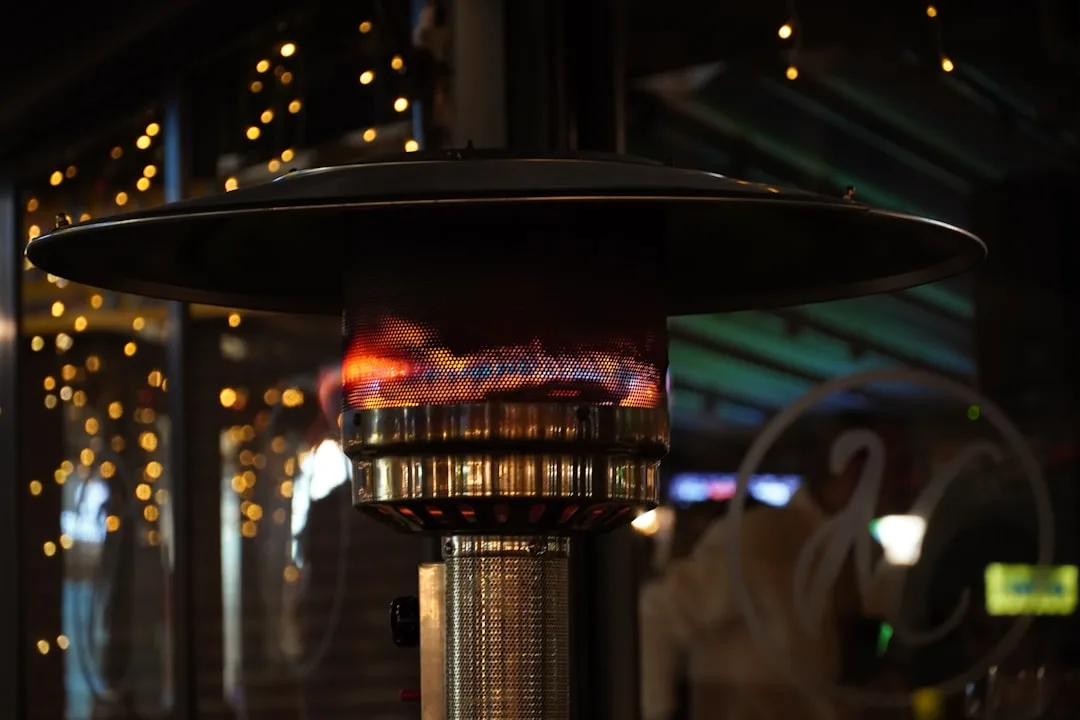
Radiant Floor Heating Creates Built-In Comfort for Permanent Patios
For patios built with concrete or pavers, radiant floor heating offers the most seamless experience. Companies like Warmup manufacture thin electric mats that sit beneath stone, tile, or pavers during construction, providing steady underfoot warmth. A 400-square-foot mat system costs between $2,500 and $4,500 installed, but it requires planning before the patio is poured or laid.
The advantage is invisible operation: no heaters to mount, no propane tanks, no visual clutter. Radiant systems activate on a thermostat, warming the surface to 55 to 70 degrees Fahrenheit. For a concrete house idea with patio style courtyard, radiant floor systems become especially valuable because they integrate into the architecture rather than sitting on top.
The trade-off is permanence and upfront cost. You can’t relocate a radiant system, and installation during construction is far cheaper than retrofitting an existing patio. For new builds or full patio renovations, it’s increasingly the default choice among designers.
Propane Tank Management and Safety Standards
Propane-powered heaters dominate the market because they require no electrical infrastructure and offer portable flexibility. Most units run on standard 20-pound propane tanks, the same cylinders used for grills. A full tank provides 12 to 20 hours of heating at medium output, depending on the heater’s BTU rating.
Safety requires clearance: propane heaters need 3 feet minimum distance from walls, railings, fences, and combustible materials. Tank storage must follow local codes—typically stored upright, outdoors, in a shaded location away from pedestrian traffic. Check with your municipality: some areas require permits for permanent propane installations, especially those connected to fixed lines.
For a patio design like the beautiful single story house with patio yard, propane heaters offer reliable performance without renovating the structure. Tank refills cost modest amounts and take 10 minutes at any hardware or propane distributor.
Layering Heaters for Maximum Comfort in Large Spaces
Professional patio designers now layer heating methods rather than relying on a single unit. A seating area might combine a wall-mounted infrared heater for active zones, a fire table for ambiance, and low-level ground heaters around the perimeter. This redundancy ensures comfort even if one system fails and creates multiple thermal zones within the space.
This approach costs more upfront but delivers superior usability. Fall and winter entertaining becomes predictable: guests are warm, the evening extends naturally, and the patio functions as a true room from September through April.
Tools & References for Patio Heating Decisions
Three resources to use once the article raises the right questions: before you buy, check whether your model has been recalled; when you’re comparing heater types, match BTU output to your specific space; and if you’re building or renovating, get a quote for in-slab heat before the concrete is poured.
How do I check whether the patio heater or fire table I’m buying — or already own — has been recalled for fire or carbon monoxide hazards?
Which infrared heater collection is actually right for my patio size and setup — wall-mount, ceiling, or freestanding, gas or electric?
I’m planning a new patio or full renovation — what does in-slab radiant floor heating actually involve, and how do I get a project quote?
FAQ
What's the difference between infrared and propane heaters?
Can I install a patio heater myself?
How much propane does a heater use per month?
Are patio heaters worth the investment?
What's the best heater for a small 100-square-foot patio?
Do patio heaters work in wind?
Complete guide
Patio and Yard Ideas That Turn Any Backyard Into a Living Room Outside
Flooring, furniture, shade, pools, kitchens, fire pits, courtyards — all in one place