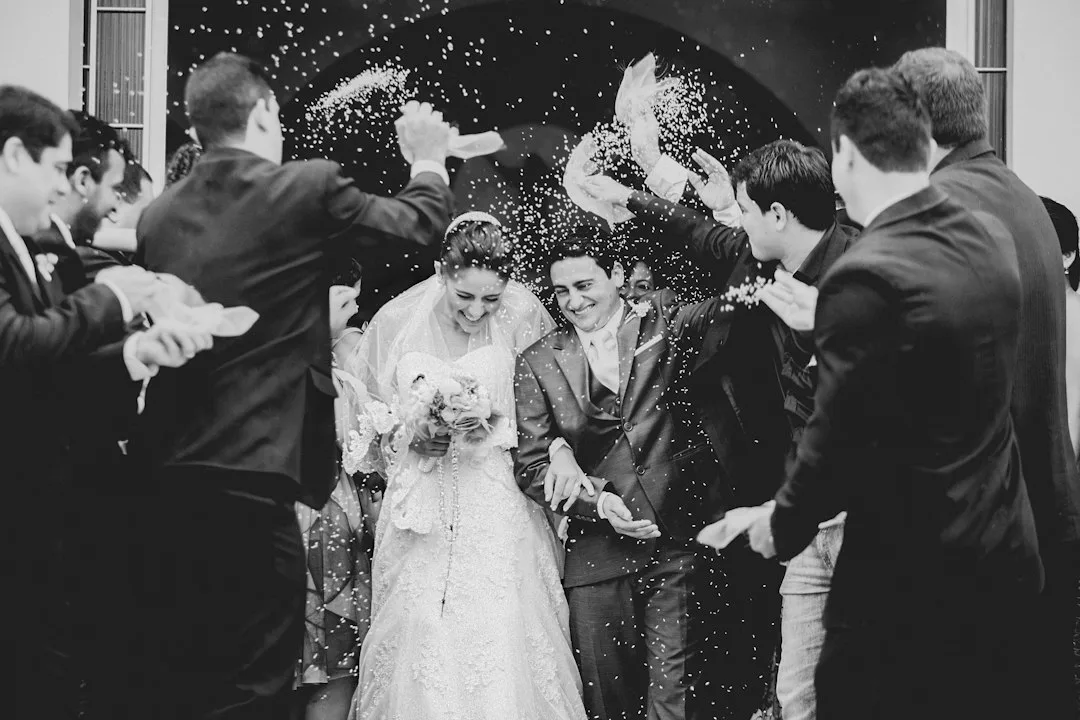
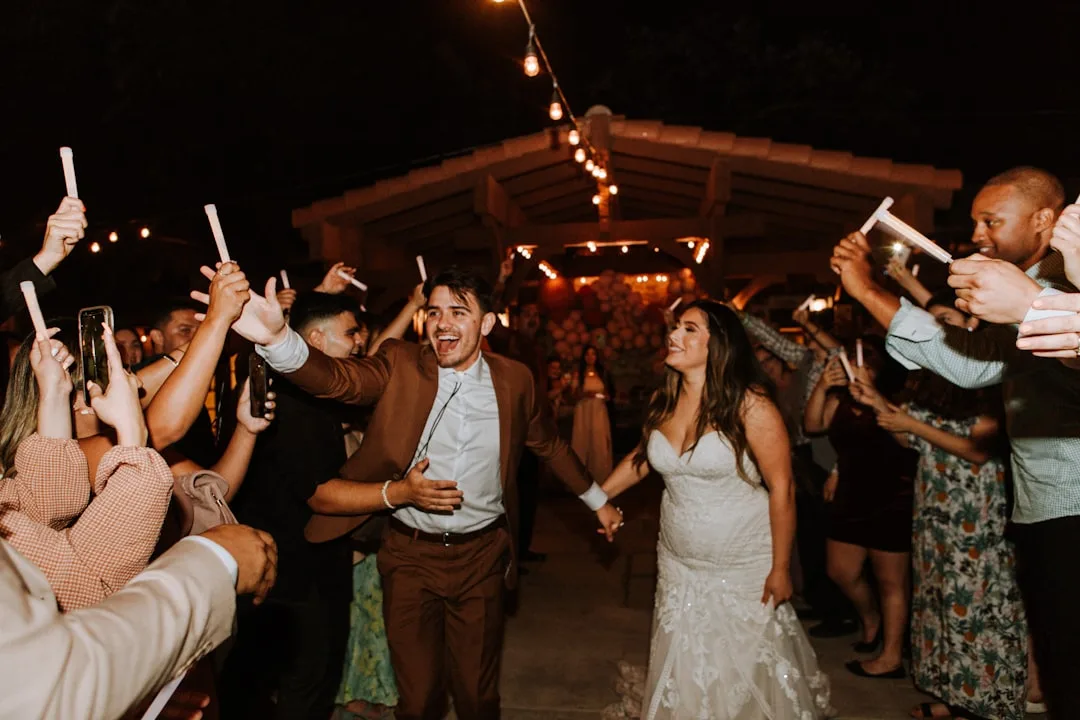
The wedding reception timeline has evolved from a loose suggestion into a precision instrument. Couples in 2026 are treating their reception schedule like a film director treats a shot list—with minute-by-minute specificity. This shift away from vague pacing stems from a single problem: unstructured receptions create dead air, frustrated vendors, and photo opportunities that slip away.
Why Minute-by-Minute Timing Matters Now
In 2023 and 2024, the prevailing attitude was “let’s keep it loose and organic.” That approach left photographers stranded during key moments, bartenders scrambling during overlapping events, and guests unsure when to expect food. By August 2026, that casualness has become a liability.
The data is clear: receptions without a detailed timeline average 15-20 minutes of visible guest idle time, according to venue coordinators across North America. That translates to weak social media moments, vendor inefficiency, and a reception that feels disorganized rather than intentional.
Couples now build timelines that account for every variable—entrance music duration, first dance length, toasts staggered to avoid back-to-back speeches, dessert placement relative to dancing. The goal is seamless flow.
Quick Tips
- Build in 15-minute buffer blocks between major events to account for real-world delays.
- Send your final timeline to all vendors (photographer, catering, music, lighting) 2 weeks before the wedding.
- Assign one person—ideally your wedding planner or day-of coordinator—sole authority to enforce timing decisions.
- Print timelines for vendors and keep a copy in the green room; never rely on group texts during the reception.
The Cocktail Hour and Reception Window Overlap Strategy
Venues like The Roundhouse in Brooklyn and The Joinery in Los Angeles are now building “reception windows” into their contracts—specific start times tied to vendor availability. A cocktail hour no longer drifts from 5:00 to 6:30 p.m. vaguely; it runs 5:00-5:45 p.m., and guests move into the reception hall at 5:45 p.m. sharp.
This precision eliminates the chaotic 20-minute gap where guests mill around waiting for dinner service to begin. Caterers know exactly when to plate first courses. Photographers know when to position themselves for the grand entrance and family formals.
One major mistake: couples who schedule cocktail hour longer than 45 minutes. Guests lose energy, conversation depletes, and momentum dies before dancing begins. The sweet spot is 45 minutes for 100-150 guests.
| Reception Phase | Recommended Duration | Why This Timing |
|---|---|---|
| Cocktail Hour | 45 minutes | Prevents guest fatigue and energy loss |
| First Course & Remarks | 30 minutes | Allows eating before speeches begin |
| Toasts & Main Course | 60 minutes | Stagger speeches so food stays warm |
| First Dance to Dessert | 90 minutes | Dancing momentum peaks before sweets |
Photography and Timeline Synchronization
Photographers like those at Greycard Studio in Portland now demand a detailed timeline 30 days before the wedding. They schedule “anchor moments”—entrance, first dance, cake cut, last dance—and build candidly around them. This eliminates the photographer chase-and-scramble that plagued 2024 weddings.
A precise timeline means the photographer knows the bride will be ready for family formals at exactly 7:15 p.m., not “sometime after dinner.” The couple knows they have 12 minutes for couple portraits before the cake cut at 8:30 p.m. Photographers can position lighting, backdrops, and second shooters accordingly.
Without this, photographers miss moments or waste time setting up for events that have already happened. Energy in photos suffers. The timeline becomes a collaborative tool, not a constraint.
Vendor Coordination and Real-World Delays
The best receptions in 2026 build in buffer time strategically. Instead of back-to-back events every 10 minutes, smart couples create 10-15 minute “flex blocks” where timing can shift if a vendor runs late without cascading effects through the entire evening.
For example: if the caterer needs an extra 10 minutes to plate the main course, a 10-minute buffer between dinner and toasts absorbs that delay without pushing everything else back. This approach has reduced vendor stress significantly compared to the rigid scheduling of 2025.
Catering teams report that a well-timed reception (with buffers) allows food to arrive at correct temperatures and quality. Rushing to stick to a rigid timeline often means food sits or gets plated cold.
The Master Timeline Document
Couples working with planners like those at Juniper & Ivy in San Diego now receive a master timeline document 3 weeks before the wedding. This is not a suggestion list—it’s a binding sequence that all vendors sign off on.
The document includes: ceremony duration, transition time, cocktail hour window, dinner service increments, speech order and speaker names, music cues, cake cut timing, last dance timing, and venue departure time. Every vendor gets a copy with their specific responsibilities highlighted.
One concrete example of failure: a couple without a timeline scheduled speeches during main course service. Guests couldn’t eat and listen simultaneously. Plates went back half-full. The vendor contracted for a full dinner service got only 15 minutes to clear tables. By contrast, couples embracing elegant minimalism in decor also adopt clean, structured timelines that let each element breathe.
The reception timeline is no longer the bride’s gentle suggestion. It’s the backbone of execution. In 2026, precision timing separates intentional, memorable receptions from events that feel scattered. Every vendor, every guest, and every photograph benefits when the timeline is treated as a critical design tool, not a luxury afterthought.
Practical Resources for Planning Your Reception
A short, vetted list to move you from the legal basics to the day-of details that keep a reception on schedule—use it while you build your own timeline and vendor plan.
Where do I start with the legal side—getting our marriage license?
How do I turn “minute-by-minute” into an actual schedule I can hand to vendors?
How do I check a vendor before I sign a contract and send a deposit?
What’s an easier way to build a seating chart than sticky notes on the floor?
How do I make sure the food is served safely and stays at the right temperature?
How much alcohol should we actually buy for the bar?
After the wedding, how do I change my name on my Social Security card?