Kinky styles for natural hair do more than protect strands — the right combination of structure and color determines whether your look survives two weeks or falls flat by day four. Tight, coily patterns hold styles with a grip that smoother textures simply can’t replicate, which makes them the best possible canvas for bold color choices and architectural shape.
The three styles covered here — high puff, Bantu knots, and chunky braids — each behave differently under color and each requires a different maintenance rhythm. Knowing which one fits your schedule is more useful than picking one on aesthetics alone.
Color is not decoration layered on top of structure — it changes how the style reads from across a room. Deep burgundy makes volume look intentional. Golden caramel catches light in a way that defines each knot individually. Forest green reframes braids as editorial rather than everyday. The sections below break down each style with specific timing, product, and color logic.
- High puff in deep burgundy works best with a wide non-damaging band and SheaMoisture Curl Enhancing Smoothie (~$9.89 at Target) applied to damp hair
- Bantu knots in golden caramel last 1–2 weeks with a satin bonnet routine — smaller knots hold longer than large ones
- Chunky braids in forest green last 4–8 weeks and need scalp oiling every few days to prevent buildup under the color
- Avoid installing any of these styles too tightly — the AAD links repeated scalp tension to traction alopecia
- Color applied to kinky patterns requires moisture-first prep; dry strands absorb pigment unevenly and fade faster
Volume at the Crown Changes How Deep Burgundy Reads on a High Puff
The high puff is one of the most practical kinky styles for natural hair — it gathers the hair at the crown, tucks the length into a voluminous cloud, and keeps every end protected without adding extension weight. Deep burgundy transforms what is structurally a simple updo into something that reads as deliberate and fashion-forward.

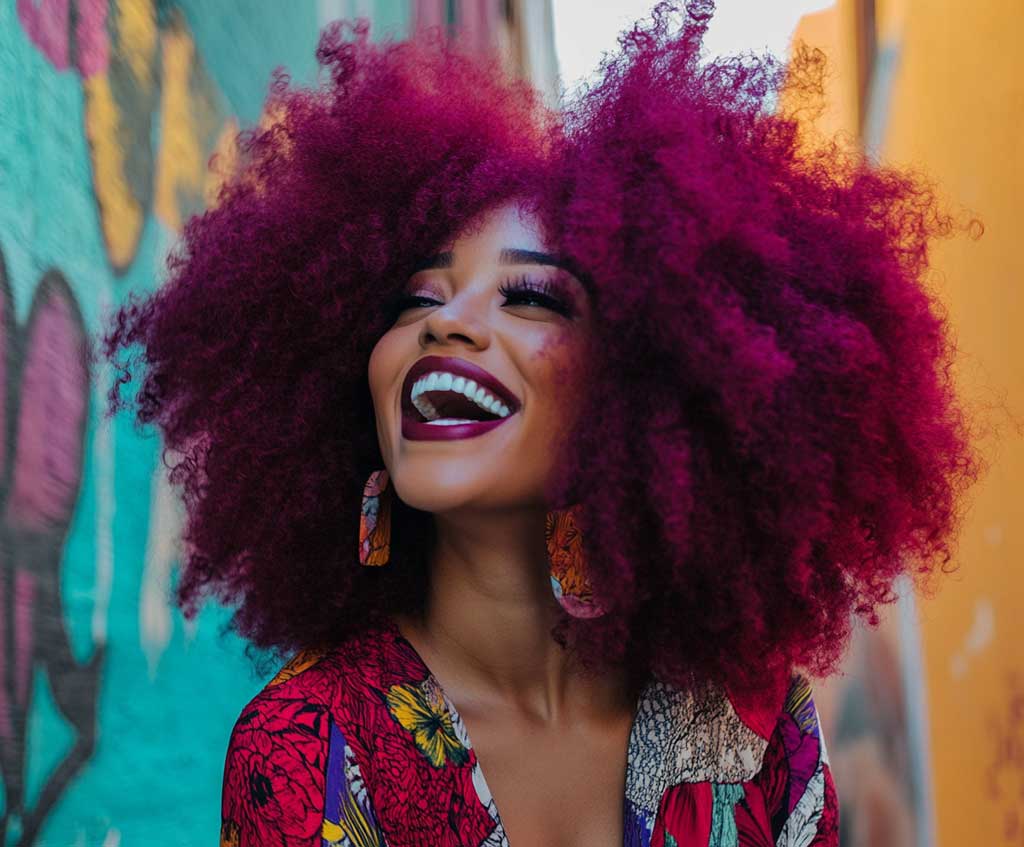
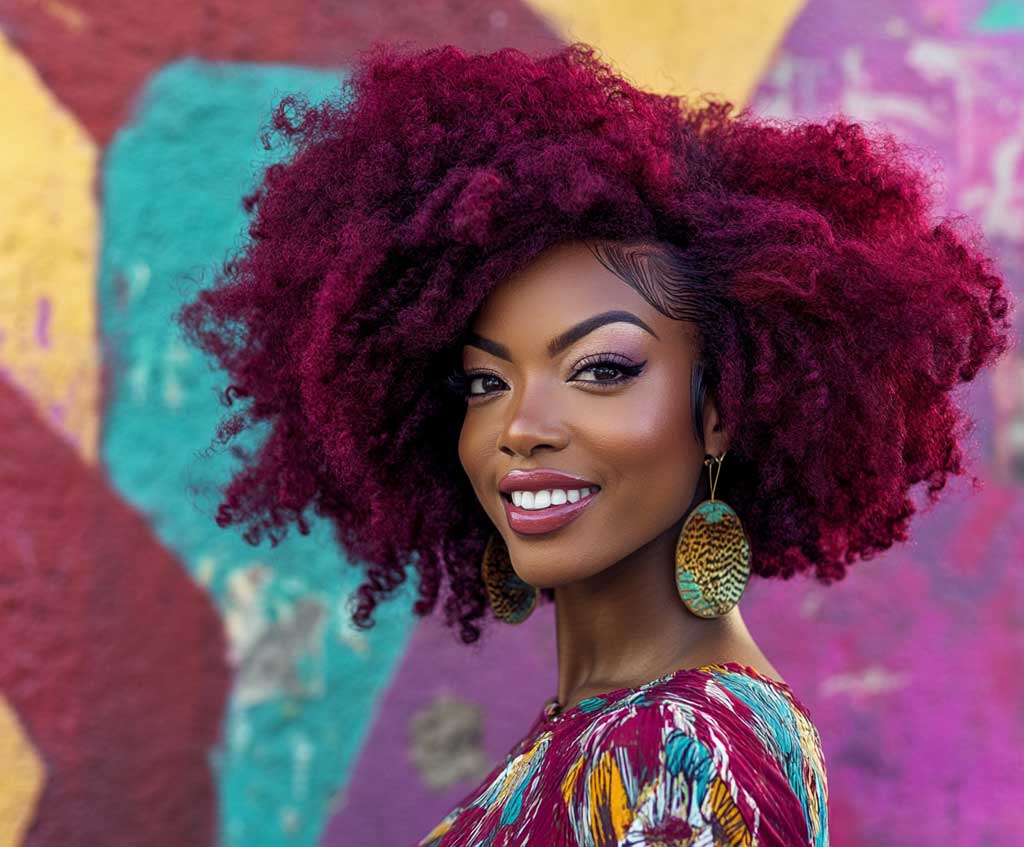
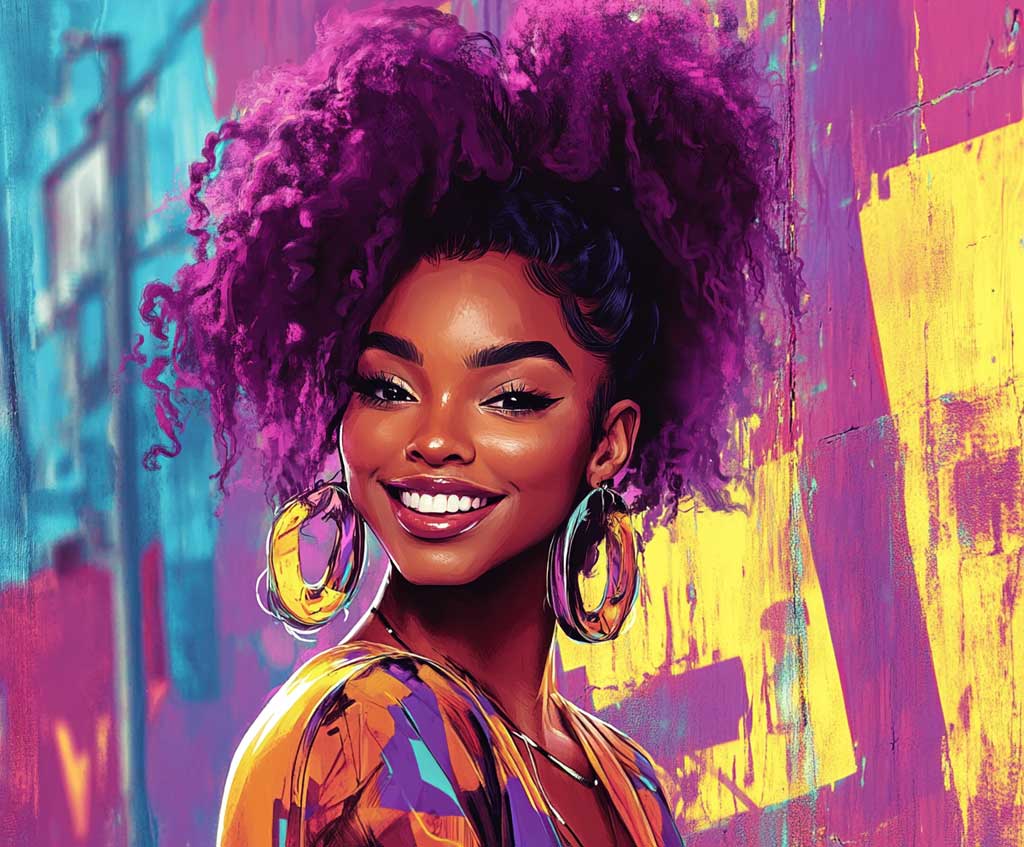
Tight coils do the mechanical work here: because 4C and 4B patterns compress at the crown rather than drooping, the puff holds height without a single bobby pin. The trick is product order, not product quantity. Apply SheaMoisture Coconut & Hibiscus Curl Enhancing Smoothie (around $9.89 for 12 oz at Target) to damp, not soaking, hair — saturation kills definition. Work section by section from the nape upward, then gather the puff and secure with a wide-banded, seamless hair tie. The burgundy tone pulls warmth from deeper skin tones and adds contrast against lighter ones, which is why it photographs so well without a filter.
What doesn’t work: elastic bands with metal clasps. They create a tension point that’s invisible until the style comes down — and at that point you’ll find a ring of breakage. Satin-lined bands or fabric scrunchies are the correct tool for repeated use. Ask yourself: would the style still feel comfortable after sleeping in it? If the answer is no, the band is too tight.
Burgundy specifically benefits from a purple-toned conditioner applied at wash day, which neutralizes the copper drift that red pigments develop after three to four shampoos. Without that maintenance step, the color shifts toward an orange-adjacent tone by week two — the opposite of the jewel-toned effect you’re building toward. A patterned silk scarf at the crown while sleeping does double duty: it reduces frizz at the hairline and compresses the puff into a shape that re-expands cleanly in the morning rather than collapsing flat.
Avoid using heavy butters as the sole styling product on a high puff. They seal the outer shaft but don’t penetrate — which means the puff looks shiny for an hour and then separates into chunks as the product shifts. Heavy butter also accelerates scalp buildup when the style is worn for multiple days. Lightweight creams that contain water as the first or second ingredient provide hydration and hold without the weight penalty.
Golden Caramel Bantu Knots Hold Their Structure Longer Than Most Kinky Styles for Natural Hair
Bantu knots — each section twisted into a tight coil pinned flat against the scalp — trace back to the Zulu people of southern Africa and carry cultural weight that makes casual installation feel like a disservice to the style. The layered approach here creates variation in knot size across the head, which introduces depth that a uniform installation can’t replicate.
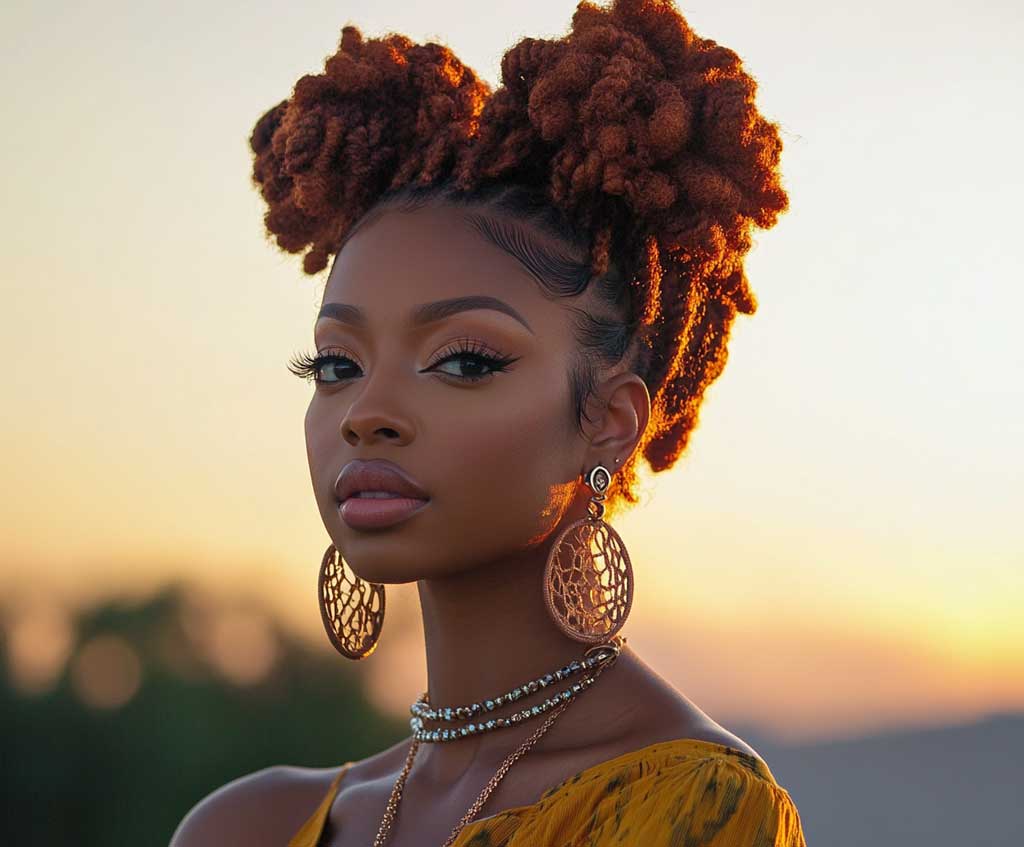
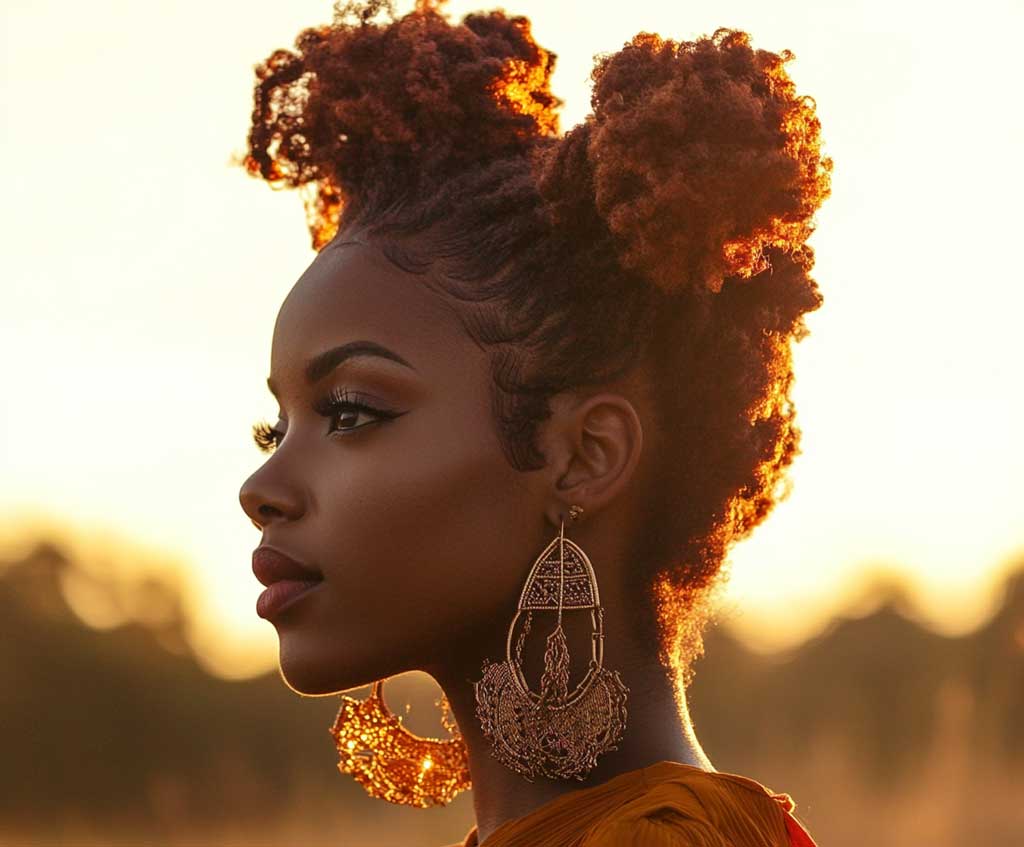

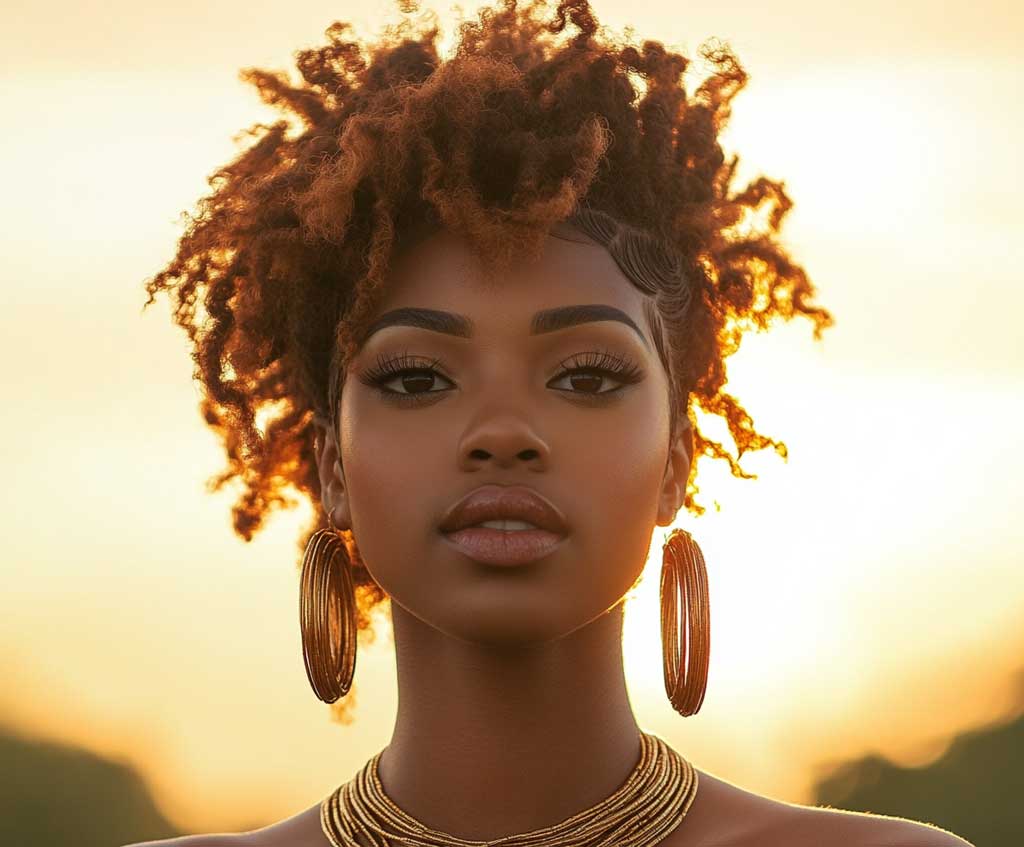
Stylists consistently confirm that Bantu knots on natural hair last 1–2 weeks when covered with a satin bonnet at night — the friction from cotton pillowcases disrupts the coil structure at the perimeter within two days. Smaller knots hold longer than large ones because the coil is tighter and the ratio of secured twist to exposed hair is more favorable. The question worth asking before you start: do you want a longer-wearing protective style or a same-night knot-out? The installation is identical; the commitment is different.
Golden caramel is the right color choice for this particular structure because the warmth catches natural light independently at each knot — the result is a three-dimensional effect that flat color can’t produce. Caramel works across skin tones because it reads as warm rather than cool, which means it doesn’t require a contrasting base to land. The practical maintenance implication: caramel-toned hair responds well to a weekly application of jojoba or argan oil along the scalp grid (the parts between knots), which keeps the exposed scalp from looking ashy without adding weight to the knots themselves.
The mistake that shortens Bantu knot longevity is installing on hair that’s too wet. Fully saturated strands take longer to dry, and a knot that stays damp for more than 24 hours develops an unpleasant odor and loses its shape definition. Aim for 70–80% dry before wrapping each section. If you’re working with colored hair in caramel tones, an apple cider vinegar rinse before installation closes the cuticle and amplifies shine — the kind of detail that makes the color read richer in photographs. For more protective style options beyond knots, protective hairstyles for natural hair to wear year-round covers low-manipulation choices for every season.
Forest Green Reframes Chunky Braids as a Color Statement, Not a Texture Showcase
Chunky braids on kinky hair work like structural architecture — the thickness of each plait redistributes weight evenly across the scalp rather than concentrating tension at a single point. Box-style parting in large sections makes installation faster and the finished look more graphic than micro braids, which read as intricate but lose their shape sooner.
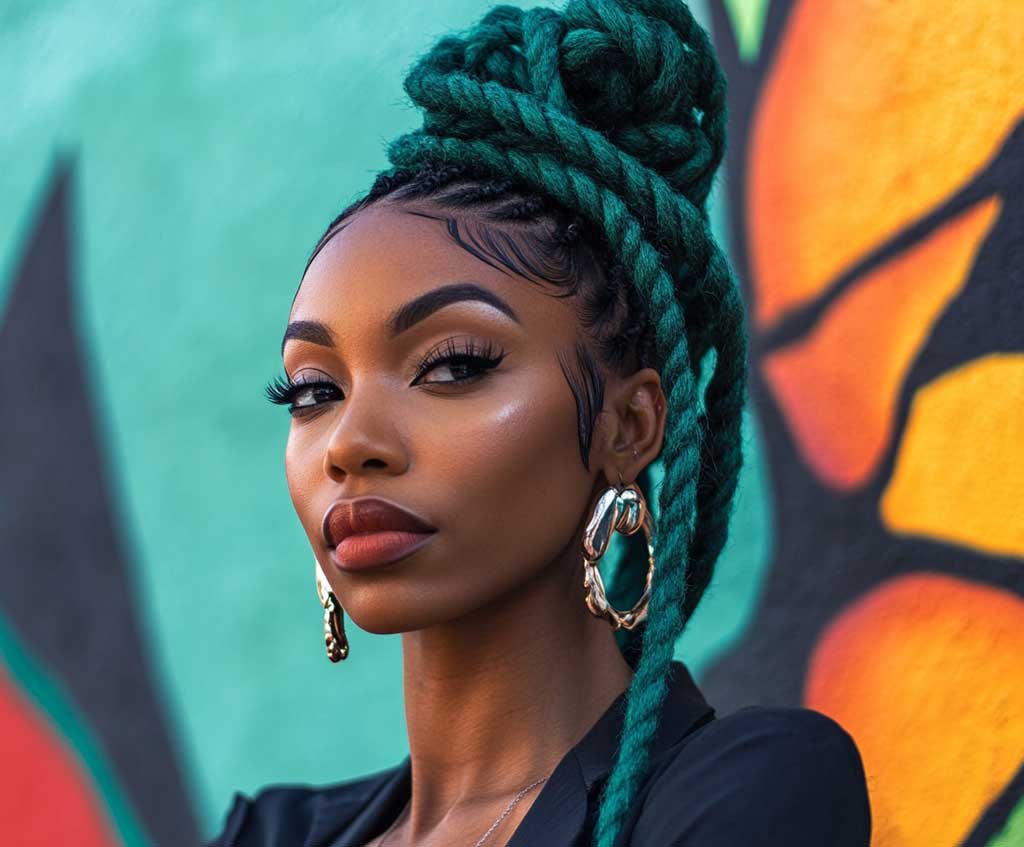
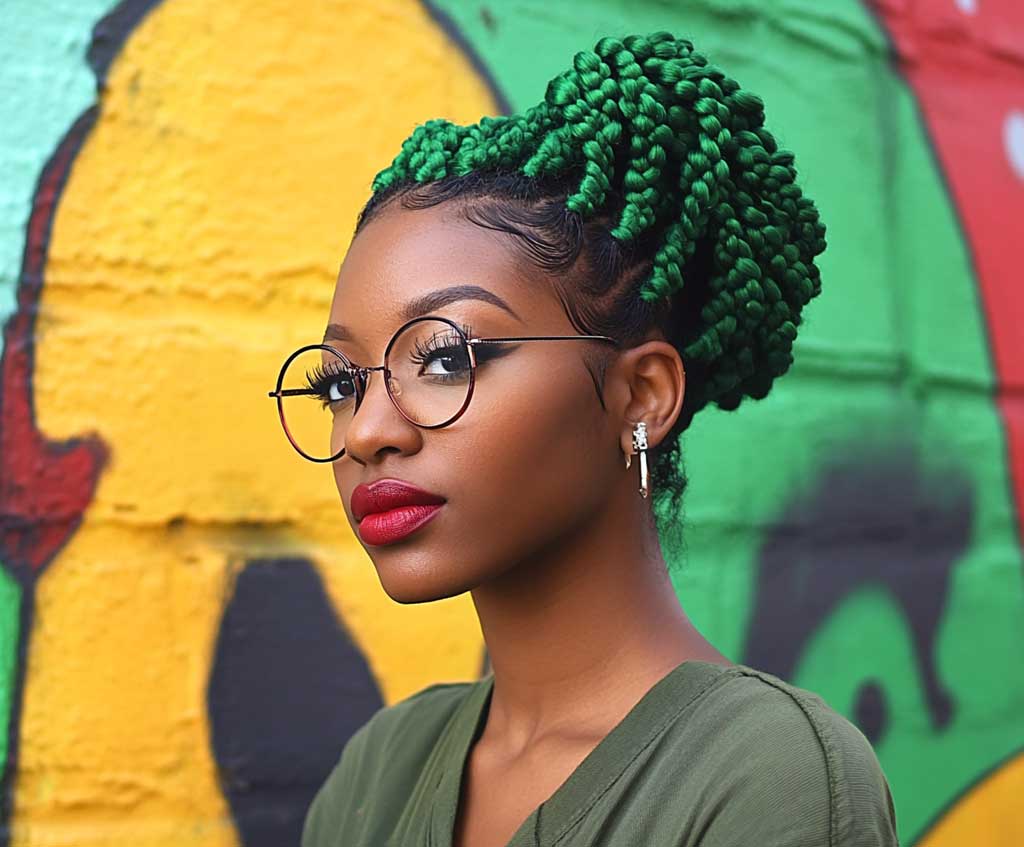
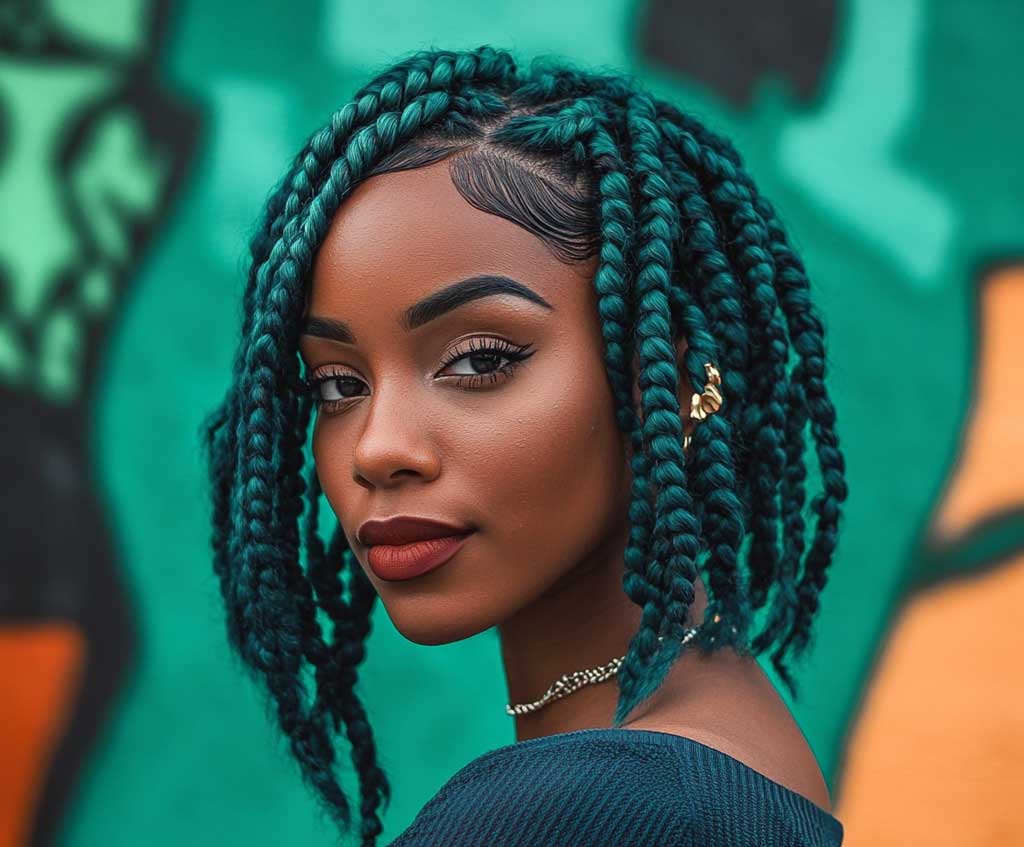
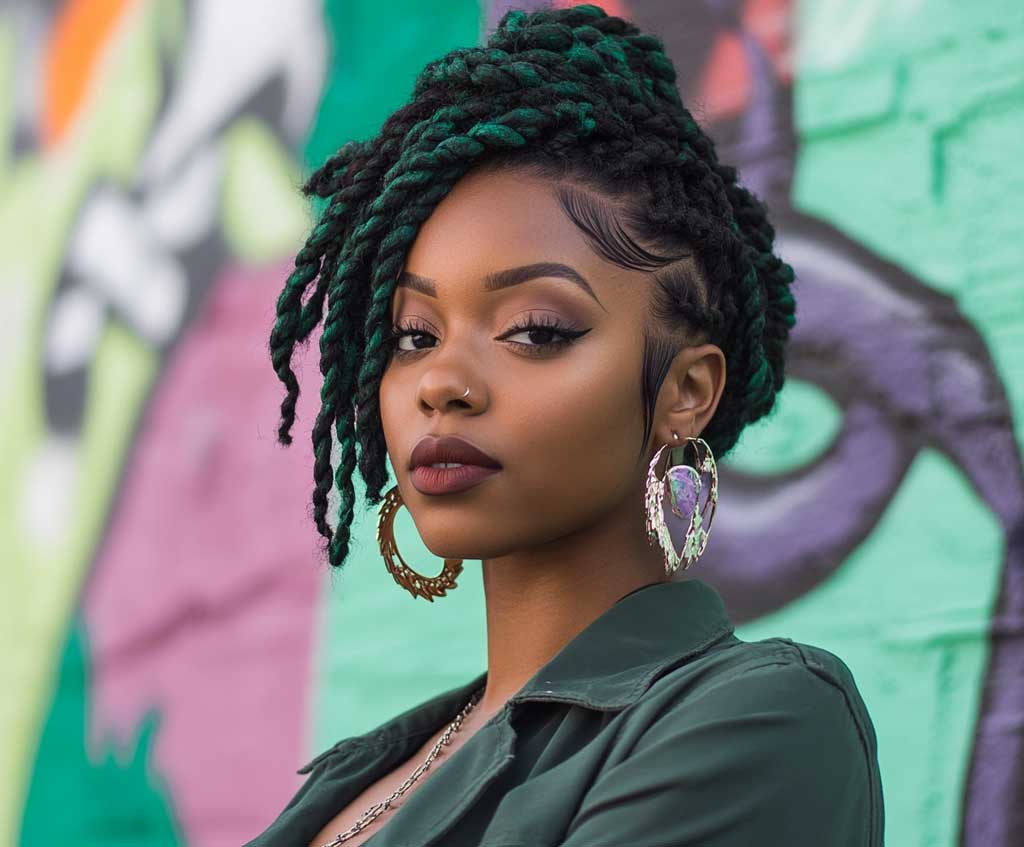
Traditional box braids last 4–6 weeks with standard maintenance and up to 8 weeks with consistent nightly wrapping and lightweight oil application — stylists at All Things Hair recommend not exceeding eight weeks regardless of how fresh the style looks, because scalp buildup becomes a real issue by then. Chunky braids specifically fall toward the shorter end of that window because the larger section size means the roots show new growth sooner. Plan a light scalp oiling every three to four days using a lightweight oil like jojoba or rosehip applied directly to the parts with a nozzle bottle — heavy oils flatten the braid surface and attract lint.
Forest green sits at the intersection of two things: it’s unconventional enough to read as intentional, and it’s dark enough to pair with neutral wardrobes without creating visual noise. Against deeper skin tones, the cool green creates a striking contrast. Against lighter skin tones, it reads more muted and editorial. The color is also forgiving on synthetic extension hair — the pigment holds with less fading than pastels or neons, which means the style maintains its first-day impact through week six. Accessorizing with gold cuffs at the root of each braid creates a warmth-to-cool contrast that photographs extremely well and pulls the look out of “single-color” territory into something layered.
What consistently fails: installing chunky braids when the natural hair underneath is already dry or brittle. The extension weight compounds existing breakage, and by takedown the hair at the roots can be significantly shorter than expected. A two-step prep of a protein treatment followed by a deep moisture mask the wash day before installation takes less than 90 minutes and substantially improves how the hair holds up for the full wear period. For protective style options that work specifically with thick or coarser patterns, protective styles for natural hair with thick coarse texture covers what actually holds for that specific strand structure.
| Style | Wear Time | Maintenance Interval | Key Risk |
|---|---|---|---|
| High Puff (Burgundy) | Daily restyle | Product refresh every 1–2 days | Tension from tight band at crown |
| Bantu Knots (Caramel) | 1–2 weeks | Bonnet nightly, oil scalp grid weekly | Installing on hair that’s too wet |
| Chunky Braids (Forest Green) | 4–8 weeks | Scalp oil every 3–4 days | Breakage at root from extension weight on dry hair |
Healthline’s medically reviewed overview of protective hairstyles confirms that the AAD recommends wearing braided styles for no longer than 6–8 weeks and cleansing the scalp regularly throughout wear — guidance that applies directly to chunky braids in forest green. Read the full breakdown of protective style risks and benefits at Healthline’s protective hairstyles overview.
STYLE VERDICT
Your Hair Type Already Knows Which of These Three Styles It Prefers
High puffs suit coils that need daily freedom and don’t want a multi-week commitment. Bantu knots reward patience at installation with 1–2 weeks of no-touch styling. Chunky braids are the highest-effort install and the longest payoff — four to eight weeks of protection with scalp oil as the only real upkeep.
Color isn’t a finishing touch; it’s a structural decision. Deep burgundy amplifies height, golden caramel catches light at each knot, forest green makes the braid pattern graphic. Choose color and form together, not one after the other.
Save this post before your next wash day so the timing and product details are within reach.