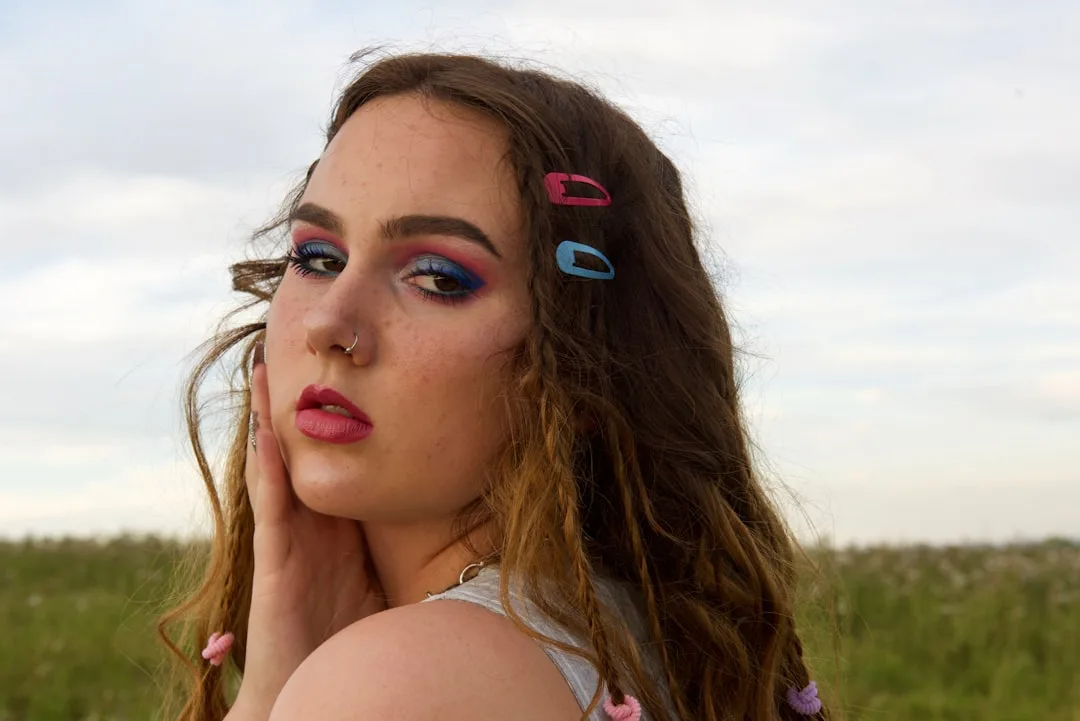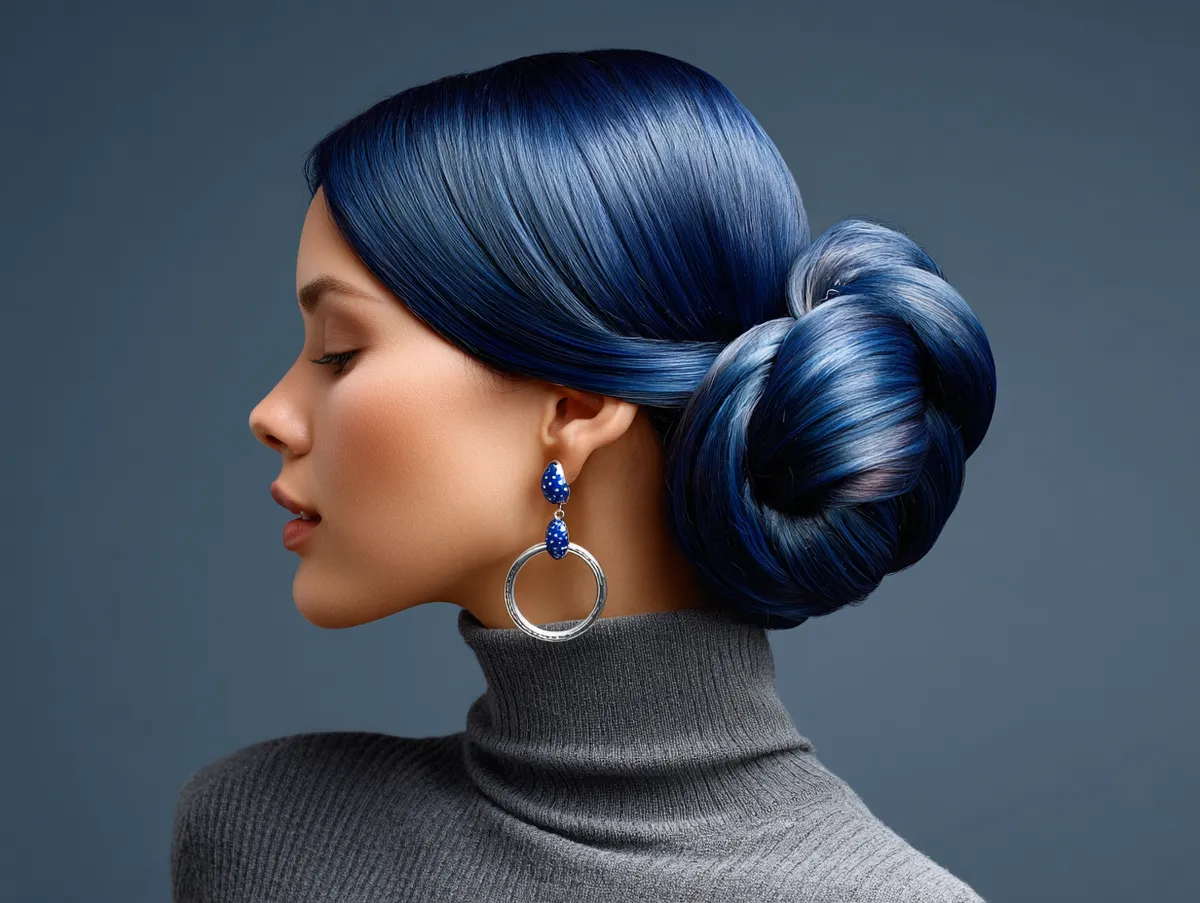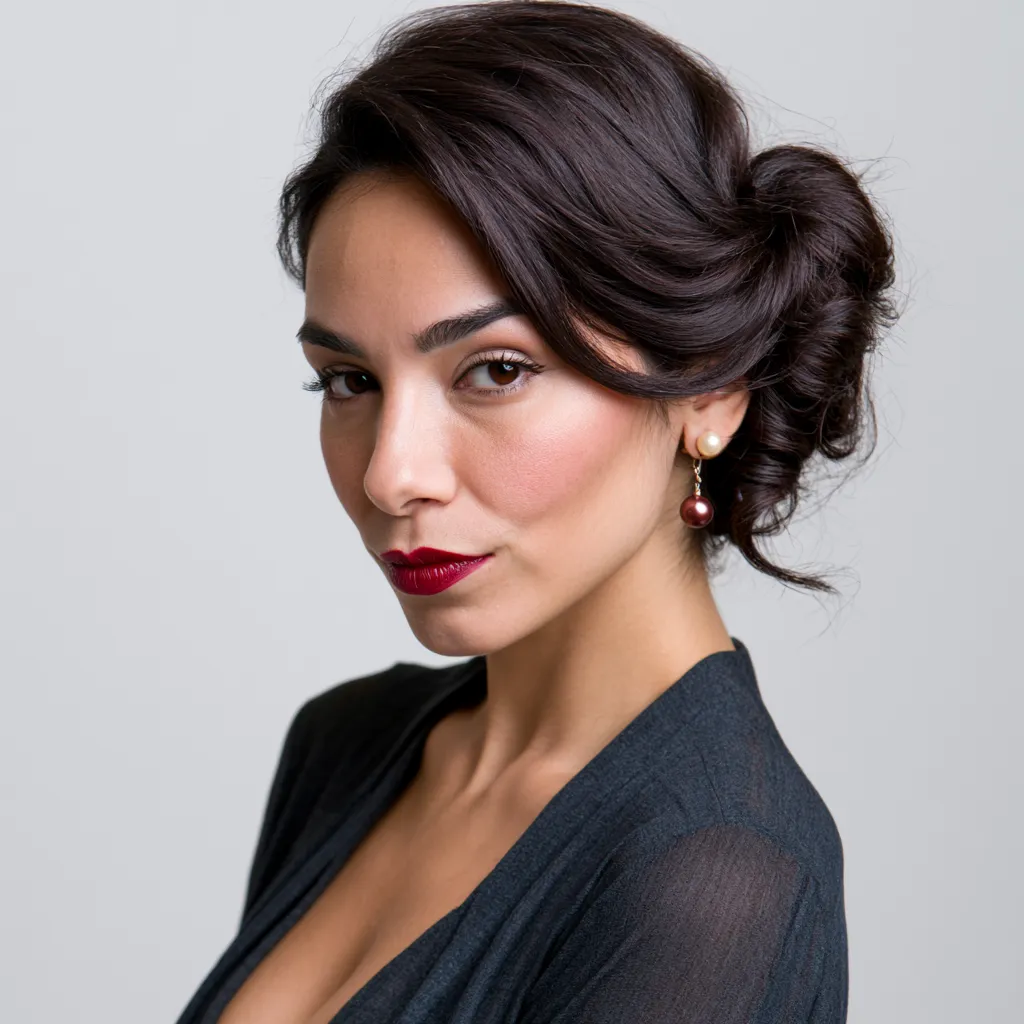
A messy french twist works the way few morning hairstyles do: it looks better slightly imperfect, takes under three minutes, and holds through a full day without touching up. That combination is rarer than it sounds, and it’s why this updo has stayed relevant from the 1940s Hollywood sets where it first gained traction to the street-style feeds of 2026.
The style comes in three distinct moods — loose and wispy for casual days, intentionally tousled with volume for the messy french twist look that currently dominates social media, and sleek and tight for professional settings. Each version shares the same core mechanics: gather, twist upward, tuck, pin. The differences are in prep and finish, not in complexity.
Shoulder-length hair is the minimum for a clean twist; anything shorter and the pins have nothing to anchor. Medium to long hair gives the most flexibility across all three styles. The trick most people miss: a slight amount of product before you start — not after — is what determines whether the style stays put for two hours or ten.
• Messy french twist builds hold best on second-day hair — freshly washed strands are too slippery to grip
• Oribe Dry Texturizing Spray ($52) adds texture; L’Oréal Elnett ($14.99) locks the finish
• A soft twist with wispy face-framers suits shoulder-length and fine hair; the voluminous messy version works best on medium-to-thick hair
• The sleek professional version requires a lightweight serum applied before gathering — not after, when smoothing over bobby pins can dislodge them
• The earliest recorded use of “French twist” dates to 1850, but the technique likely originated in the 18th century


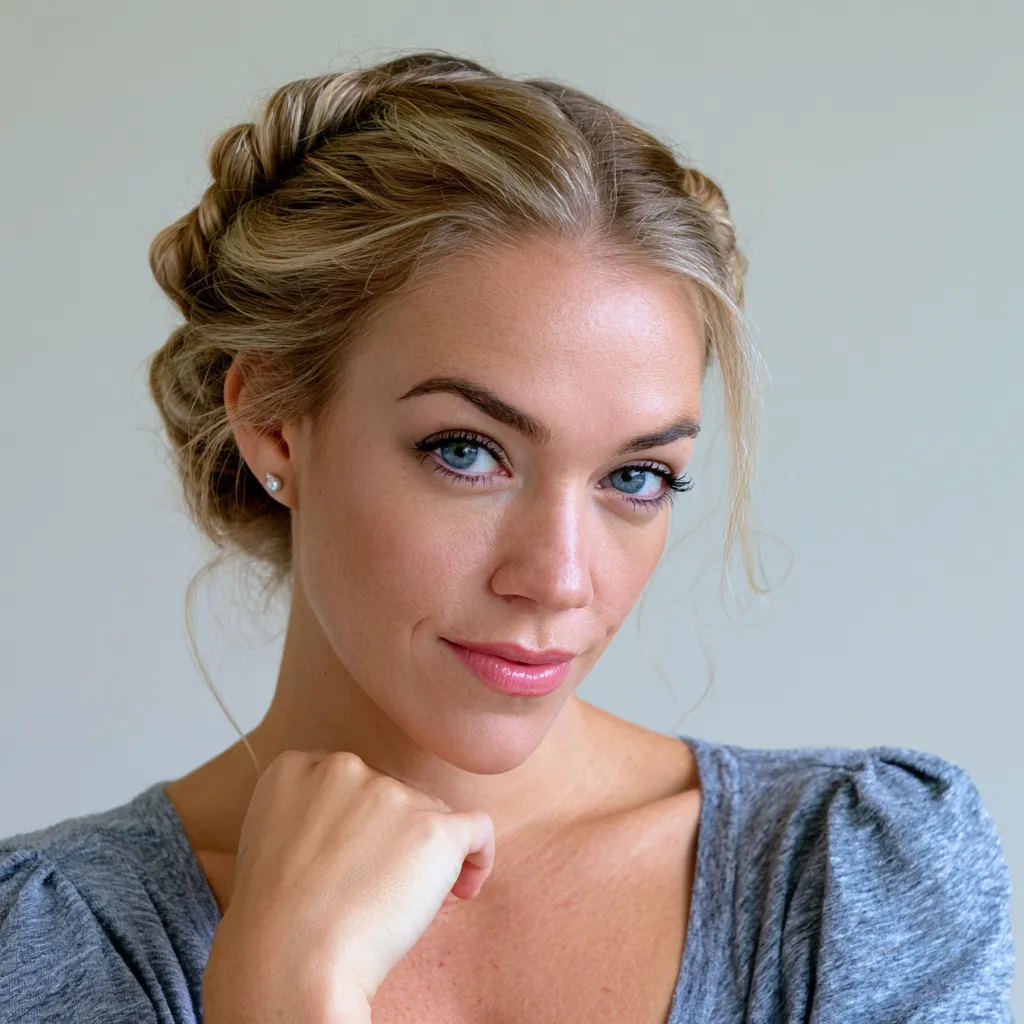

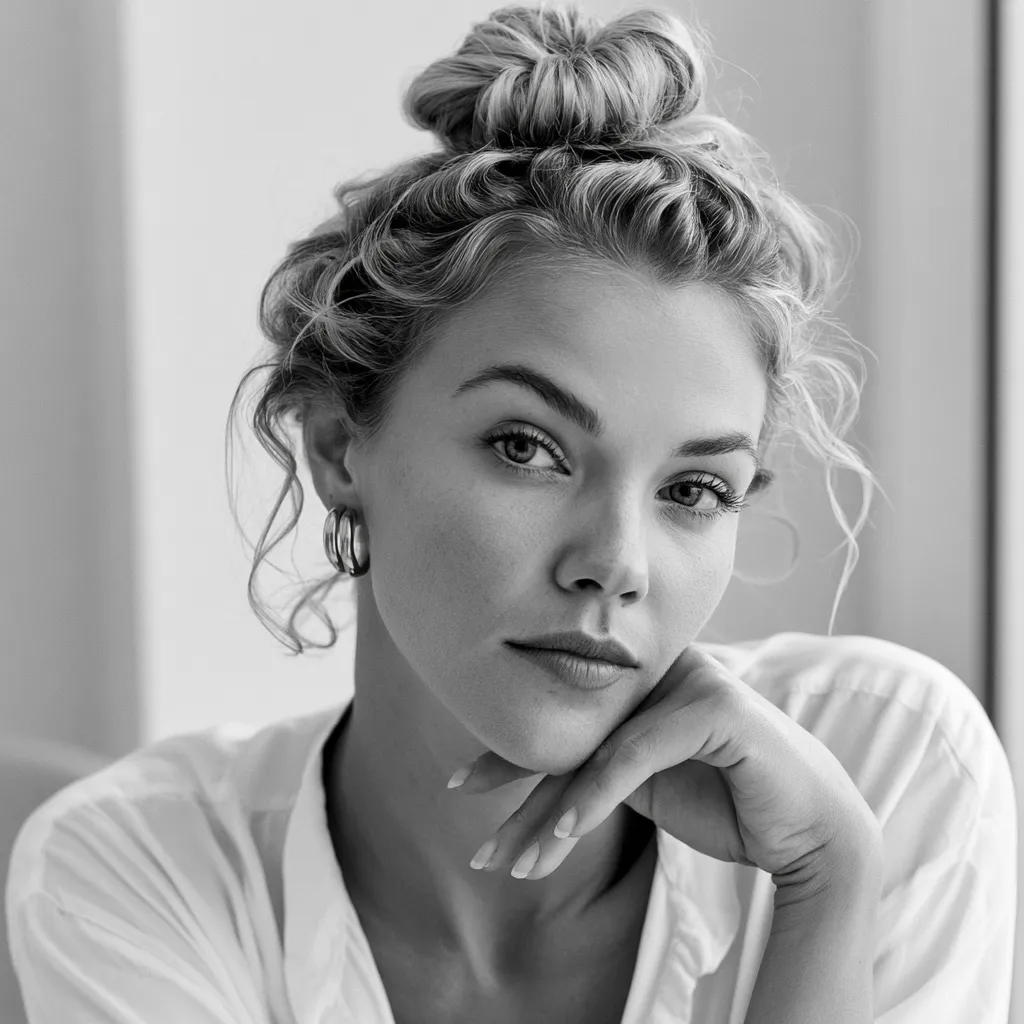

Soft French Twist with Wispy Face-Framers
Casual and wispy — that’s the intent of this version, and it reads completely different from the polished twist you’d wear to a formal event. Gather your hair low at the nape as if starting a ponytail, then twist the gathered section upward rather than securing it with an elastic. The moment the twist begins to fold back on itself against your head, tuck the ends in and secure with three or four bobby pins angled diagonally across the roll. Pull two or three strands loose around your temples before touching the pins — rearranging them afterward tends to destabilize the whole structure.
What makes or breaks this style? The wisps. Stylists recommend leaving them out intentionally before you start the twist rather than pulling them free afterward — the latter creates frayed-looking pieces rather than deliberate face-framers. For shoulder-length hair, this is also the most forgiving of the three versions: shorter layers that can’t reach the twist simply fall forward on their own, reinforcing the soft effect naturally.


Don’t mistake this style for effortless — it just looks that way. Applying product to completely clean hair is the most common mistake here. Freshly washed strands are too smooth for bobby pins to grip, so the whole structure slips within an hour. Second-day hair, or hair lightly misted with a texturizing spray held 6–8 inches away from the roots, holds the shape reliably. Frenchies velvet-coated pins (around $12 for 20 count) are worth having specifically for fine or slippery hair — their flocked surface creates genuine friction in a way standard metal pins don’t.
This version flatters a wide range of face shapes precisely because the wisps soften the overall silhouette — the twist provides structure while the loose pieces prevent it from reading as severe. Think of it as an updo that forgives a rushed morning rather than requiring a careful one. For a slightly more finished result without adding any time, swap standard bobby pins for decorative pins with a small gold or pearl detail — visible hardware reads as intentional rather than improvised.
Volume and Texture Bring the Messy French Twist to Life
The messy french twist is not a failed attempt at the sleek version — it’s a deliberately textured updo built on intentional volume, and it behaves completely differently from its polished counterpart. Start with texture, not smoothness. Oribe Dry Texturizing Spray ($52 for the standard size) applied at the roots and worked in with fingertip massage adds the rough-luxe grip that lets the twist hold while keeping visible separation between strands. Drugstore alternative: Batiste Texturizing Dry Shampoo ($7–9 at most retailers) absorbs oil and adds grip with the same mechanism at a different price point.


Gather hair loosely — not the way you’d collect it for a ponytail, which tightens and smooths. Use your fingers instead of a brush, collecting the mass at the back without pressing it flat. Does volume disappear at the top as you twist? That’s the most common technical failure with this style. The fix: before twisting, backcomb the interior of the gathered section very lightly with a fine-tooth comb, then twist without disturbing the outer surface. The teased interior creates a scaffolding that holds height even after pinning.
Medium to thick hair gets the most out of this version; finer textures benefit from the volume boost of a texturizing product applied in advance. Leave three to five strands escaping around the perimeter — not arranged carefully, but pulled free with a quick tug before setting anything with spray. The difference between messy-on-purpose and messy-by-accident is whether those loose pieces have some direction to them. Pair with french roll hair ideas for parties when you want to carry the same tousled updo energy into a more formal evening.
Over-smoothing before you twist. Running a brush through the gathered hair removes exactly the texture that the style depends on. A messy twist built on smooth, flat strands collapses within an hour — the strands have no grip on each other or on the pins. Keep the surface slightly rough and the interior with just enough body to hold a shape. If the result looks like a tidied-up version of the twist, start again without the brush.
Precision Pulls the Sleek French Twist Tight for the Office
A sleek and tight french twist for professional settings demands a completely different starting point from the other two variations. Apply a lightweight serum or smoothing cream — L’Oréal Paris Advanced Hairstyle Lock It Weather Control Hairspray ($8.99) works well as a pre-step hold product — before you gather the hair, not after. The moment you smooth product over an already-pinned structure, you risk dislodging the pins that form the base. Brush all hair to one side with a boar bristle brush, which distributes natural oils and lays strands completely flat in a way synthetic brushes don’t.


Pin a row of bobby pins vertically along one side of the back of your head — this hidden row of anchors is what the twisted section will fold over and grip. L’Oréal Paris notes this as the key structural step in their French twist tutorial, and it’s the one most home stylists skip. Without those anchor pins, the twist sits on the scalp rather than securing to it, and loosens as the day progresses. Twist the gathered hair upward, pulling it tight and close to the scalp. The direction of the twist determines which side shows the smooth surface — typically toward the center back.
Symmetry is the marker of this style. Before adding the final pins, step back and check the twist in a mirror for lateral balance — a slight tilt to one side is enough to read as careless rather than controlled. What fails in professional settings: twists that have any loose material at the base, near the nape. Tuck every end completely inside the roll before sealing with U-shaped pins or large bobby pins. A light mist of hairspray — L’Oréal Elnett Extra Strong Hold ($14.99) is the standard recommendation — seals the finish without making the hair feel crunchy or brittle. For french twist hair styles for formal events, the same sleek technique scales to weddings and black-tie occasions with the addition of decorative pins or a pearl comb.
| Variation | Best Hair Type | Key Product | Common Mistake |
|---|---|---|---|
| Soft with wisps | Fine to medium, shoulder-length | Light texturizing spray | Rearranging wisps after pinning |
| Messy french twist | Medium to thick | Oribe Dry Texturizing Spray ($52) | Brushing gathered hair smooth |
| Sleek professional | Medium to long | L’Oréal Elnett hairspray ($14.99) | Smoothing over anchor pins |
For a step-by-step breakdown of the classic technique with product-specific guidance, L’Oréal Paris offers a detailed French twist tutorial covering tools, pin placement, and hair type variations.
HAIRSTYLE
Three twists. One technique. Completely different results.
Start with second-day hair or apply texturizing product first — whichever version you’re building, grip is the foundation, not the finish.
The messy french twist needs rough texture and an interior tease to hold volume; the sleek version needs anchor pins placed before you twist, not after.
Wispy face-framers go in before the twist, not after — that one change turns a rushed updo into something that reads as considered. Save this post.