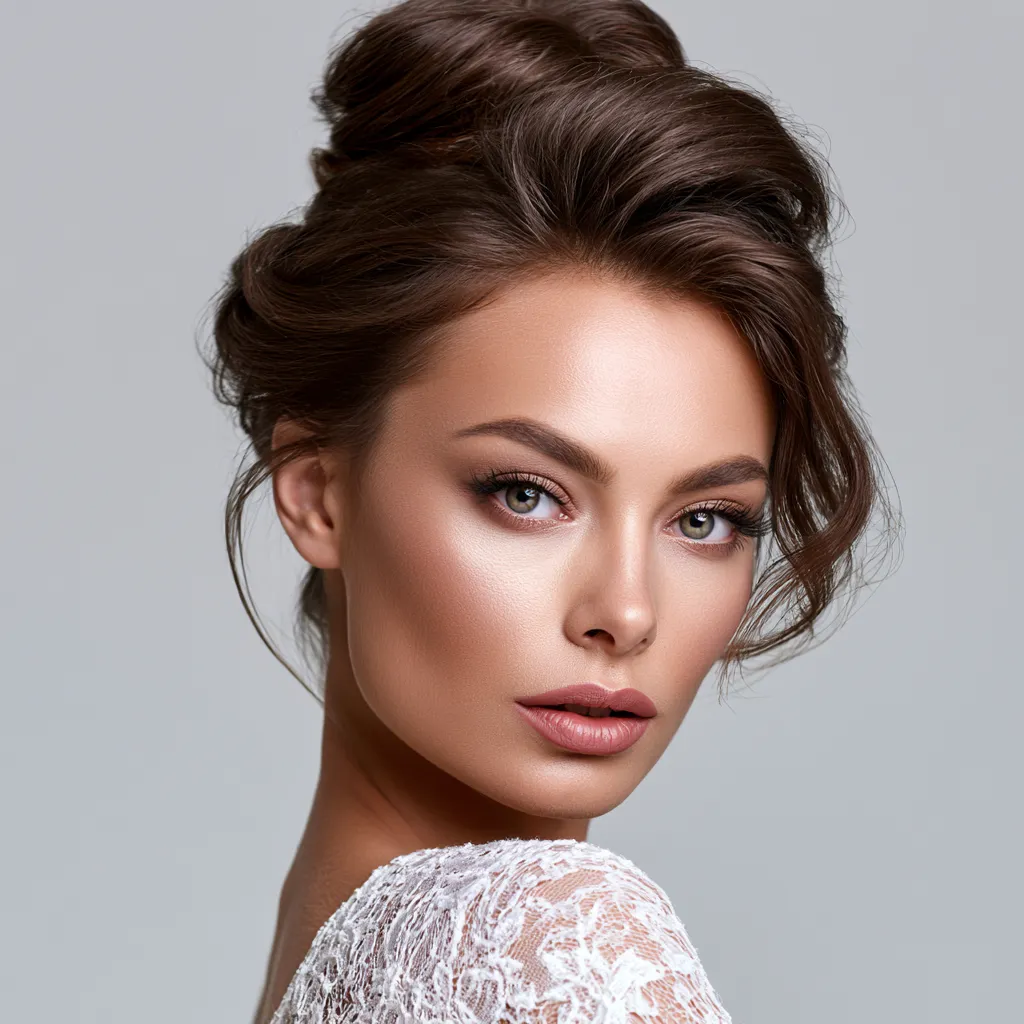
French twist styles have anchored the bridal updo canon for decades precisely because the structure that holds them together is invisible. Whether jet black, ash blonde, or deep chocolate brown, the hair’s color fundamentally changes how the finished twist reads — same technique, radically different result.
Stylists recommend treating the prep stage — the serum, the teasing, the foundational pins — as the actual work. The visible twist is just the cover story. Skip the foundation and you’ll spend your reception re-pinning instead of dancing.
The following three sections break the French twist down by hair color, because what works for jet black hair will actively fight ash blonde, and vice versa. Each section covers the specific products, the anti-advice, and the one detail most people get wrong for that particular shade.
– Jet black hair demands a smoothing serum first — without it the twist looks dull, not dramatic
– Ash blonde benefits from second-day texture; freshly washed blonde hair is too slippery to grip
– Chocolate brown hides pins better than any other shade, making height easier to build
– A bridal french twist needs 3–5 bobby pins minimum, with one long anchor pin running horizontally at the top
– Second-day hair holds a French twist significantly better than freshly washed hair for all three colors
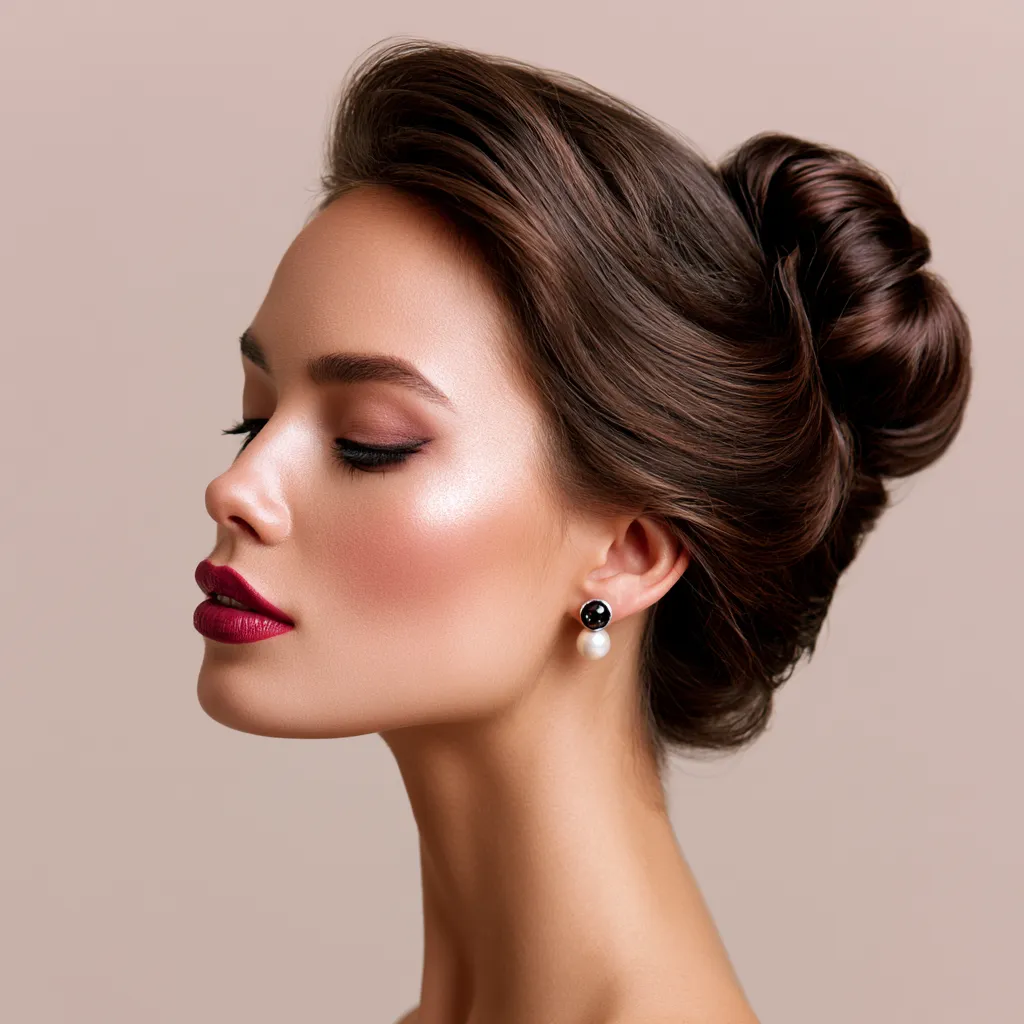
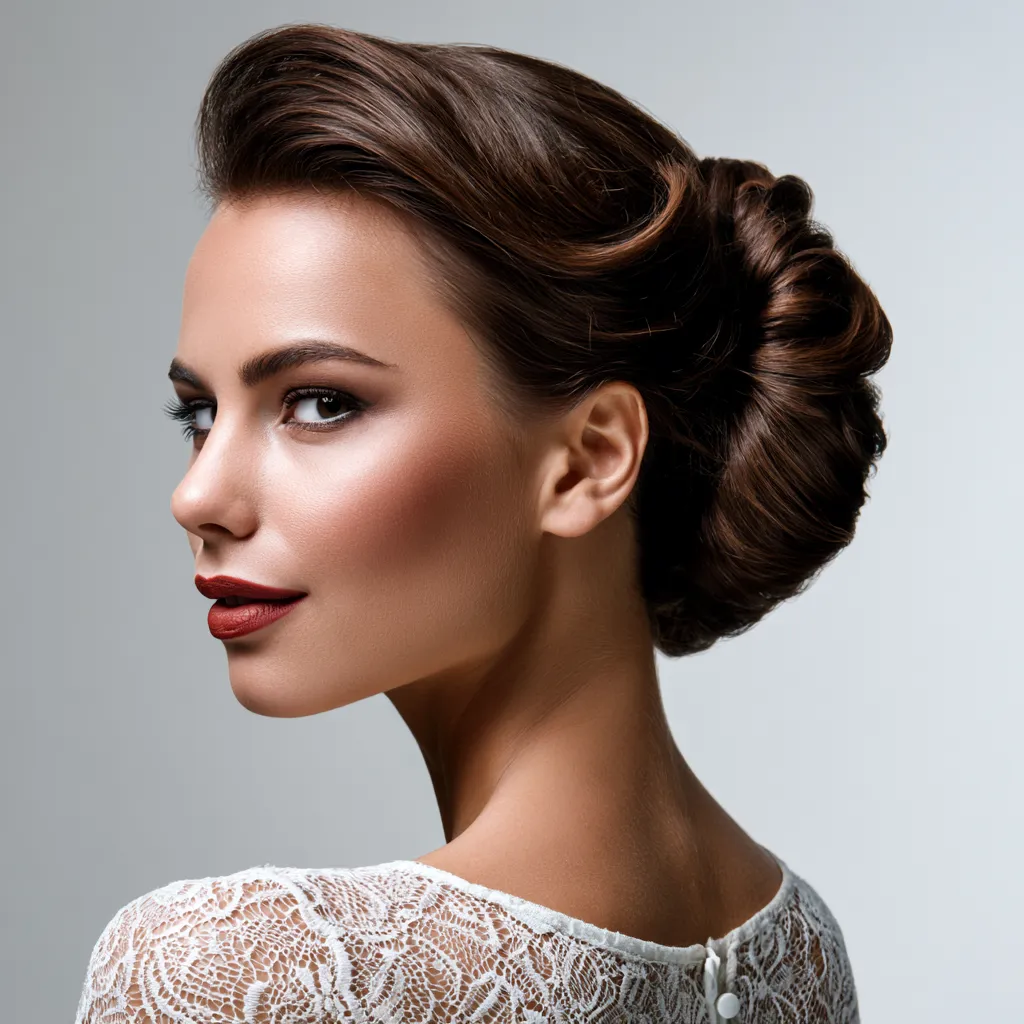
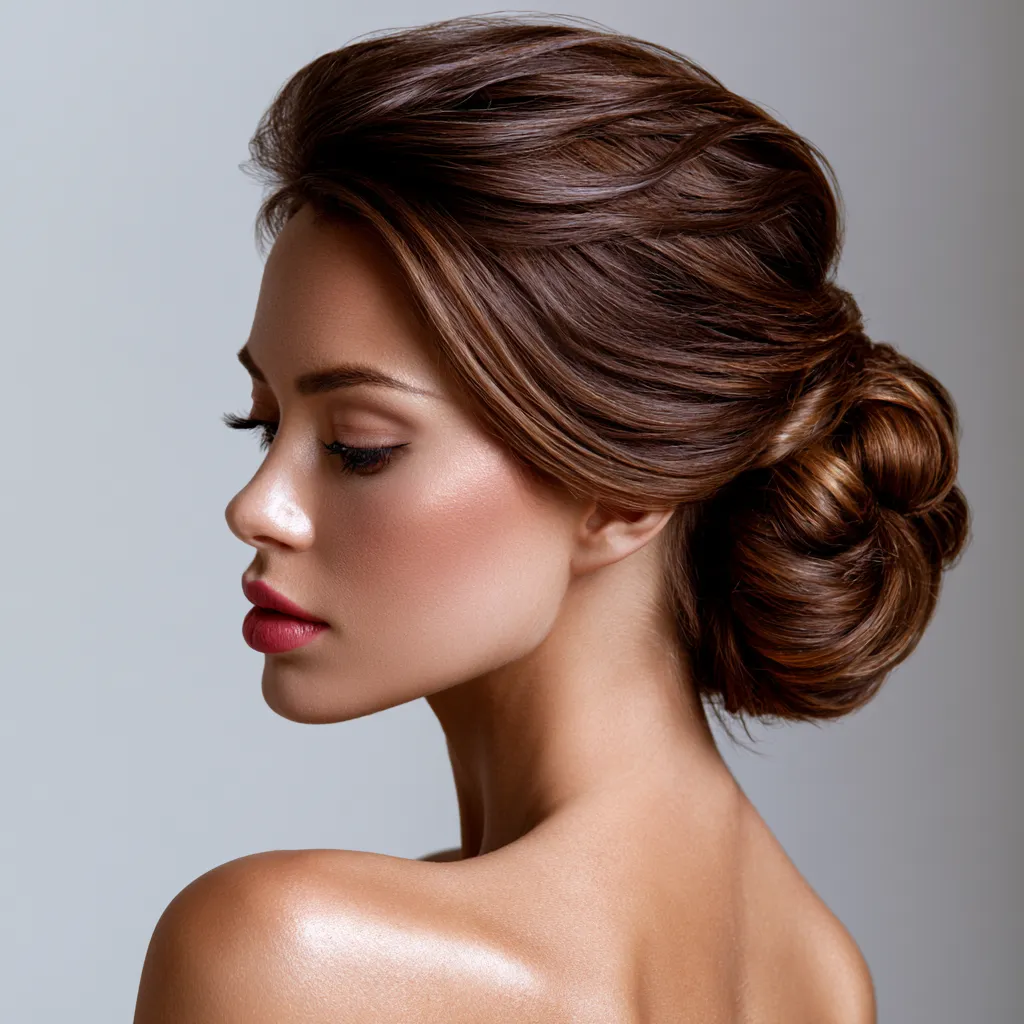
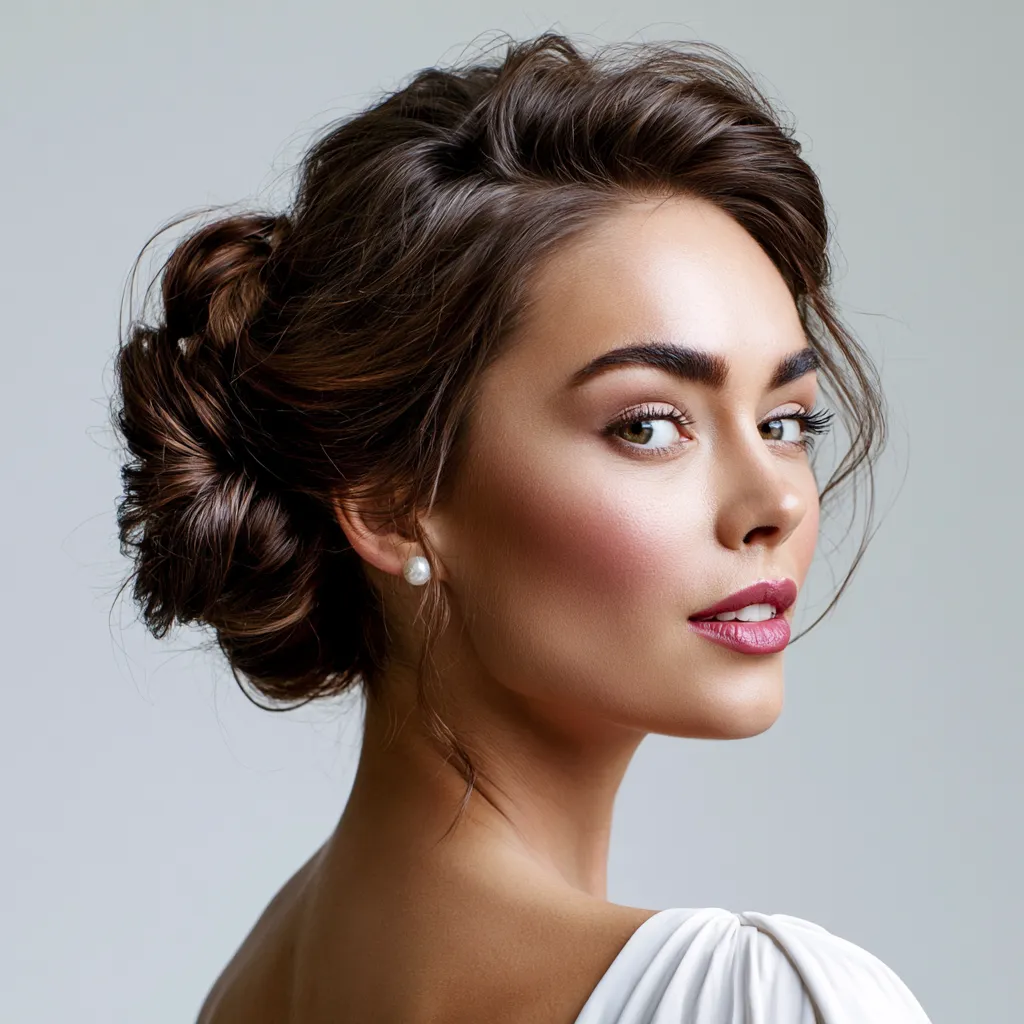
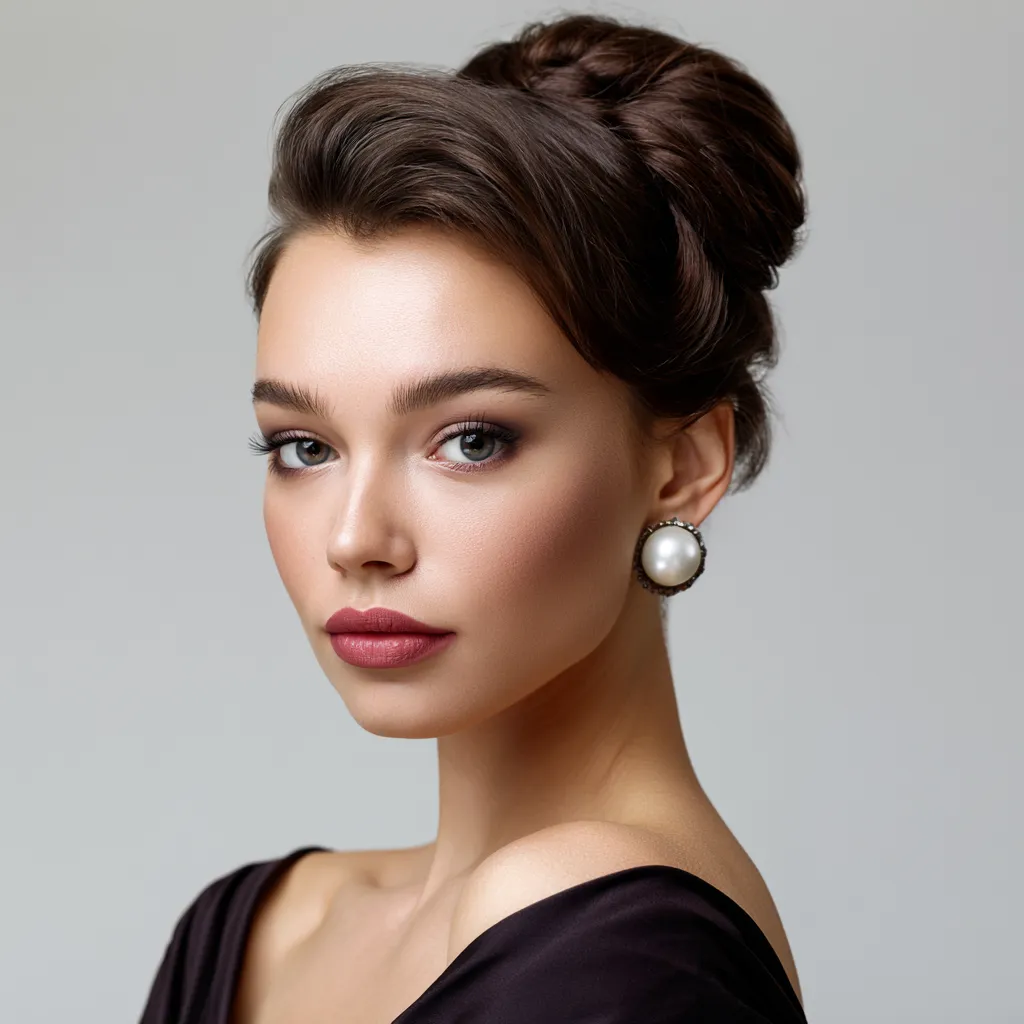
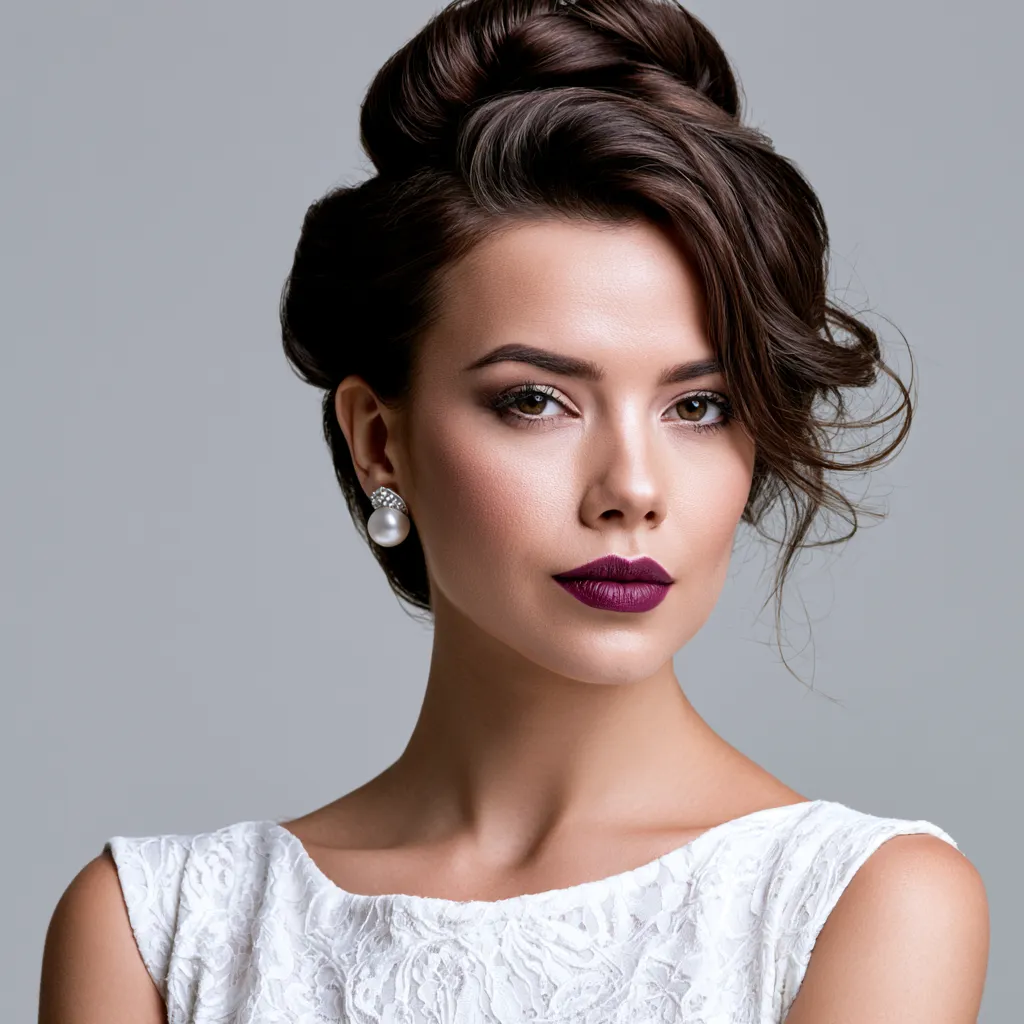
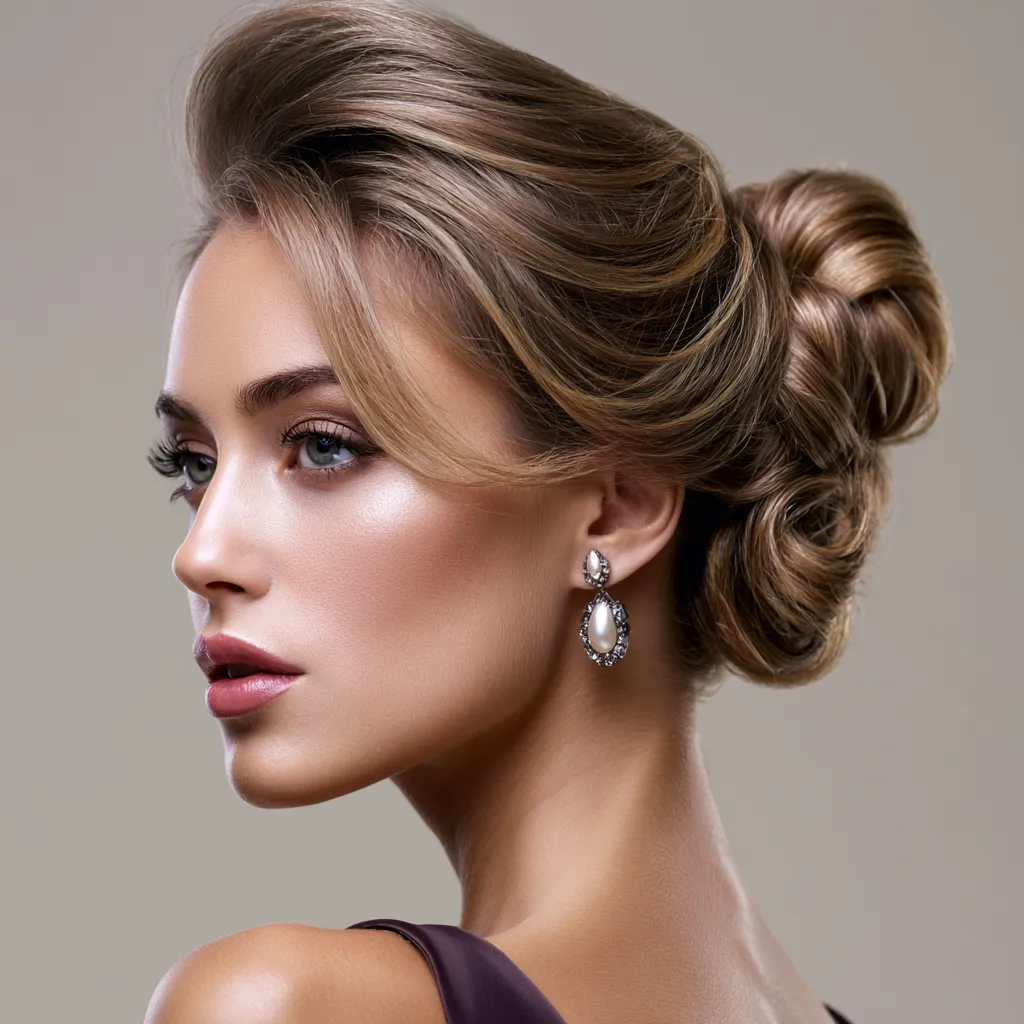
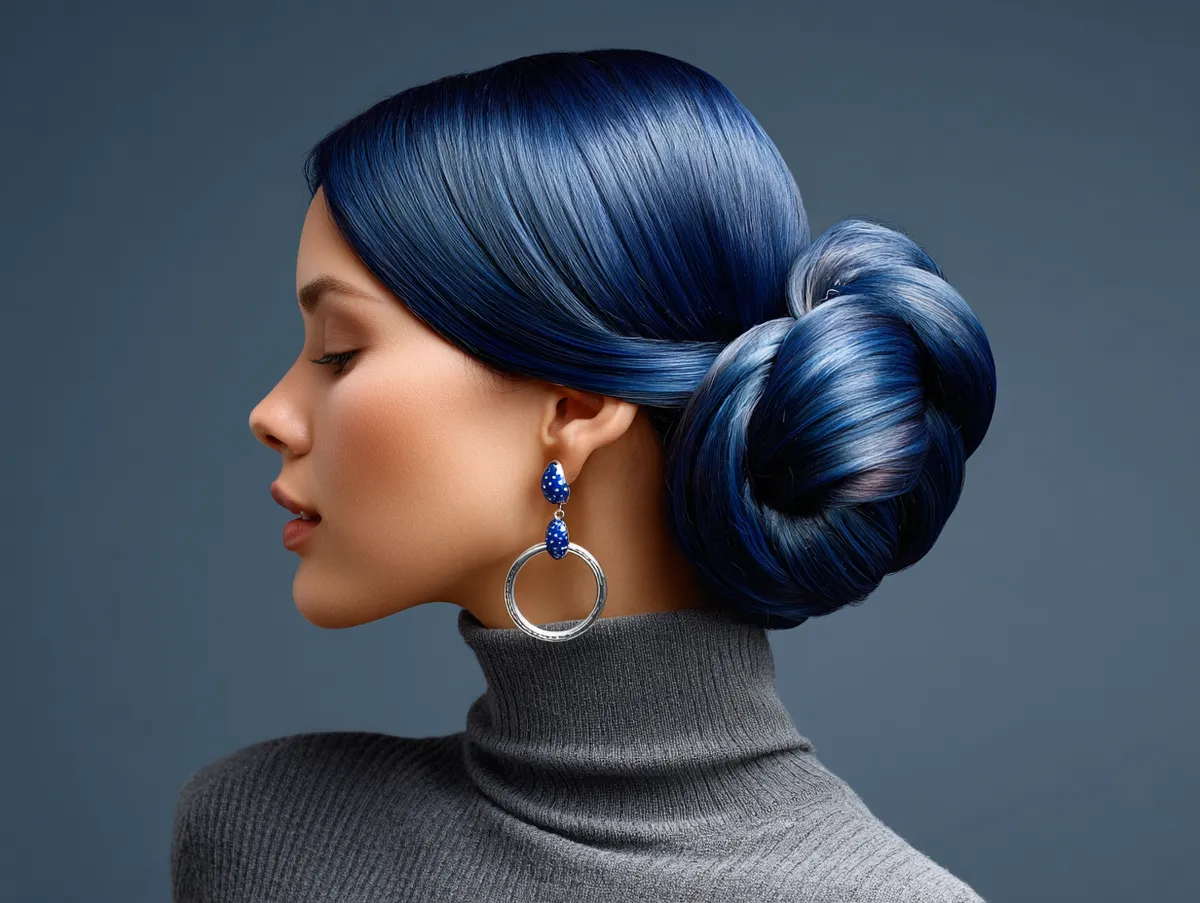
Jet Black Hair Turns a Sleek French Twist Into a High-Contrast Statement
A sleek French twist on jet black hair works like a mirror: every imperfection in the prep stage shows up twice as clearly. That contrast — between deep black and a perfectly smooth surface — is what makes this version so dramatic at evening weddings and galas, but it demands more prep than any other color combination. Reach for a shine-finishing spray before you touch a single pin. Kenra Platinum Silkening Mist ($25 at Ulta) sprayed from 8 to 10 inches away adds the frizz-taming finish that keeps jet black looking lacquered rather than flat.


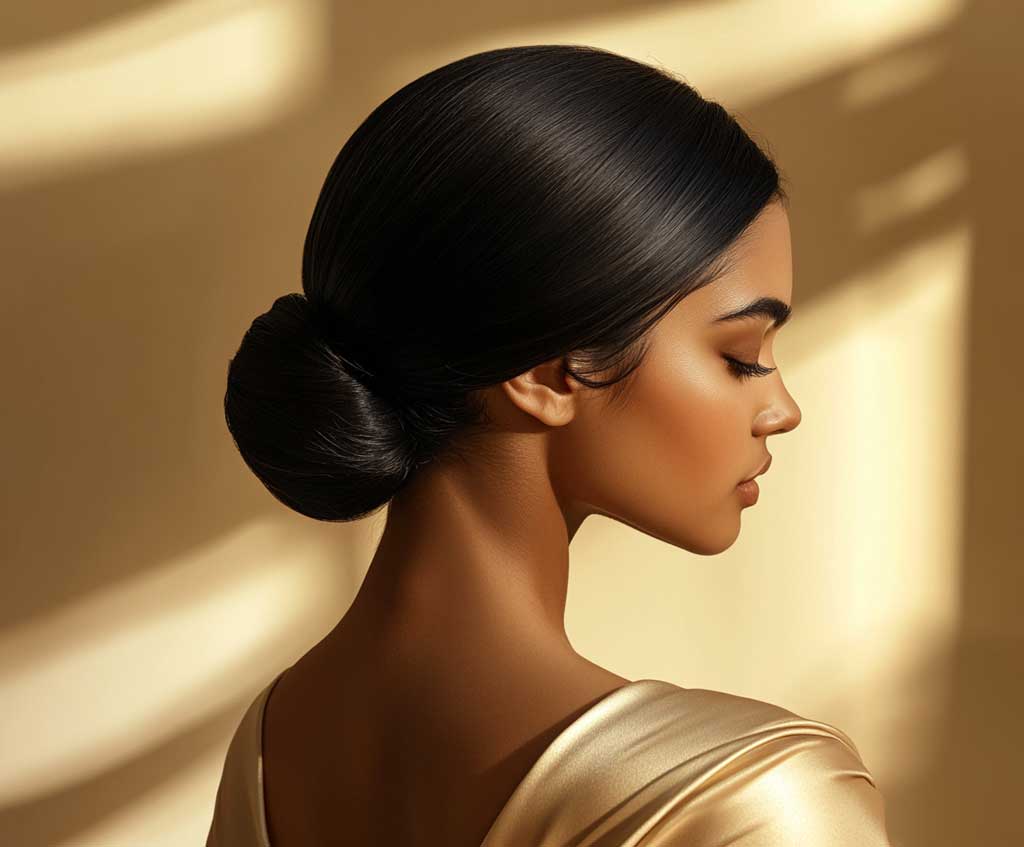

Gather all the hair to one side — as though forming a side ponytail — then run a fine-toothed comb through it one last time before you pin. Place the foundational bobby pins in a vertical line along the center back of the head; these are what the twist folds over. Think of them as the rebar inside concrete: nobody sees them, but they’re why the structure stands. Once you’ve folded the hair upward and into the twist, tuck the ends under and secure with horizontal pins every inch or so.
Does this style work for thinner jet black hair? Yes — but the trick is to tease a one-inch section at the crown before smoothing everything back. The volume comes from the underside, not from adding product on top. Finish with a final mist of hairspray held 12 inches away; anything closer flattens the sheen that makes jet black pop under chandelier lighting. This updo pairs cleanest with strapless or deep V-neck gowns, where the exposed neckline and the polished twist create a single uninterrupted line from collarbone to crown.
Don’t apply shine spray directly to the pinned area after the twist is in place — the alcohol content in most sprays (including Kenra Platinum Silkening Mist, which is SD Alcohol 40-based) can loosen freshly placed bobby pins. Spray on dry hair before you pin, not after. Similarly, avoid black bobby pins if your hair is jet black — they disappear but also become impossible to find if you need to repin mid-event. Use gold or tortoise pins that contrast slightly; you’ll spot them in seconds.
Ash Blonde Reveals the Loose French Twist at Its Most Romantic
A loose French twist on ash blonde hair is the outdoor ceremony updo — soft enough to read as relaxed, structured enough to survive three hours of garden photos. The cool tones in ash blonde interact with natural and overcast light differently than warm blondes do: under midday sun, ash pulls slightly silver; under golden-hour light, it warms to champagne. Neither effect works if the twist is pinned too tightly. The goal is deliberate imperfection, which is harder to achieve than a sleek twist and requires a specific prep step most people skip.


Work with second-day or third-day hair if you can — freshly washed ash blonde is too slippery to grip and the twist will pull apart within the hour. If you have to work with clean hair, OUAI Texturizing Hair Spray ($26 at Sephora) misted lightly on dry strands before styling adds the volcanic mineral texture that gives fine blonde hair enough grip to hold. Curl the hair first in loose waves using a 1.5-inch barrel, let it cool fully, then build the twist. The pre-curled texture means the strands grab each other rather than sliding.
Leave two or three face-framing pieces out before you start gathering — pull them free at the very end rather than trying to pull them out after the pins are in. What makes a loose twist look intentionally romantic rather than just half-finished? The answer is asymmetry: position the twist two fingers to the left of center rather than perfectly centered, and suddenly the imperfection reads as editorial. For wedding hairstyles for medium hair that need the same undone elegance without a full updo, a half-up version of this technique achieves a comparable effect.
Chocolate Brown Hair Is Where Voluminous French Twist Styles Work Hardest
Voluminous French twist styles demand a specific hair type to reach their full potential, and chocolate brown is it. The pigment depth in dark brown hair absorbs light differently from blonde or black — it shows texture without broadcasting individual pin marks — which means you can tease the crown more aggressively, add more height, and use more pins without the results reading as overworked. A ballroom wedding or black-tie affair is precisely where this version makes sense; it photographs dramatically under chandeliers and pairs with beaded gowns without either competing for attention.


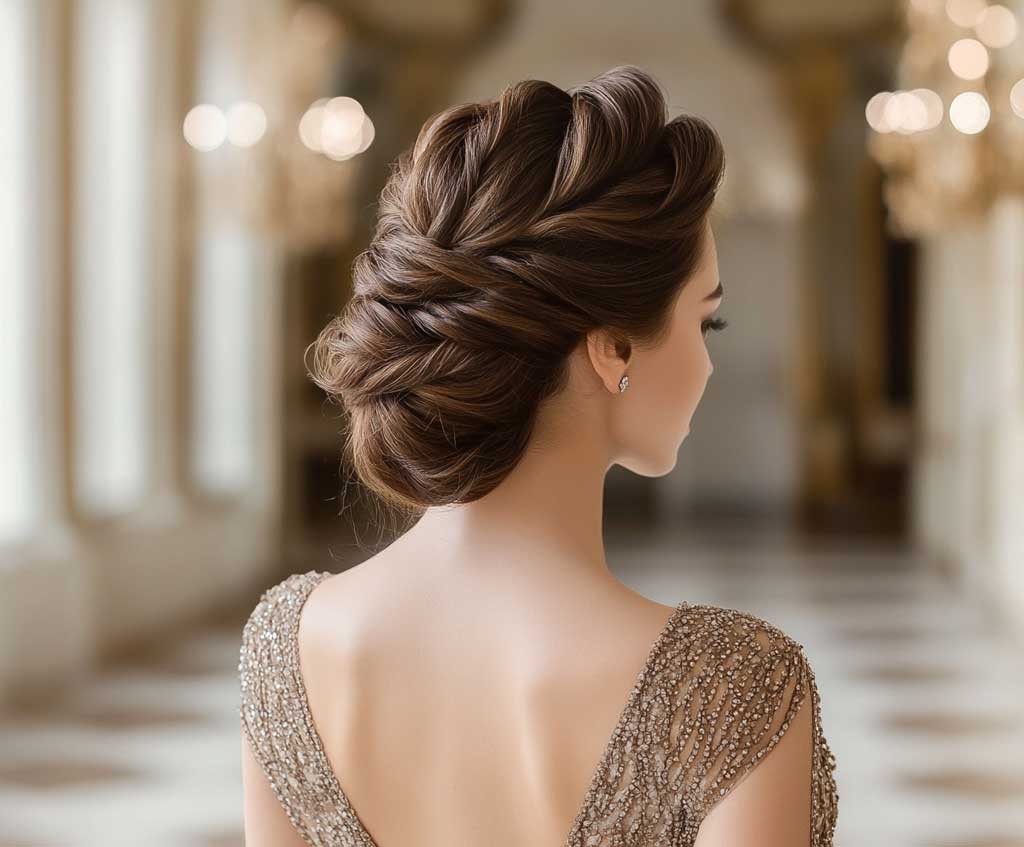

Start by teasing a two-inch section at the crown, working the fine-tooth comb in short backcombing strokes from mid-shaft to root — not root to tip, which causes tangling. The goal is to add lift, not damage. Once the crown has height, smooth just the surface layer back with a boar-bristle brush, then gather and begin the twist. Keep the twist loose enough to maintain that volume: if you can feel the hair pulling taut at the scalp, the pins are drawing it down rather than supporting it up. According to L’Oréal Paris hairstylists, a strong-hold finishing spray — applied before pinning rather than after — is what locks teased sections in place without visibly stiffening the outer surface.
Thicker chocolate brown hair often needs 5 to 7 bobby pins versus the 3 to 5 sufficient for fine hair, and U-shaped pins do a better job anchoring at the top of the twist than standard flat pins. Think of U-pins as the joists and bobby pins as the nails: you want both. For inspiration on voluminous updos that use the same structural approach across different age brackets, the styling principles transfer directly. Does this work on bob-length chocolate brown hair? Only if the bob hits the collarbone — anything shorter and there isn’t enough length to tuck the ends cleanly into the twist.
Why a Bridal French Twist Outperforms Every Other Wedding Updo
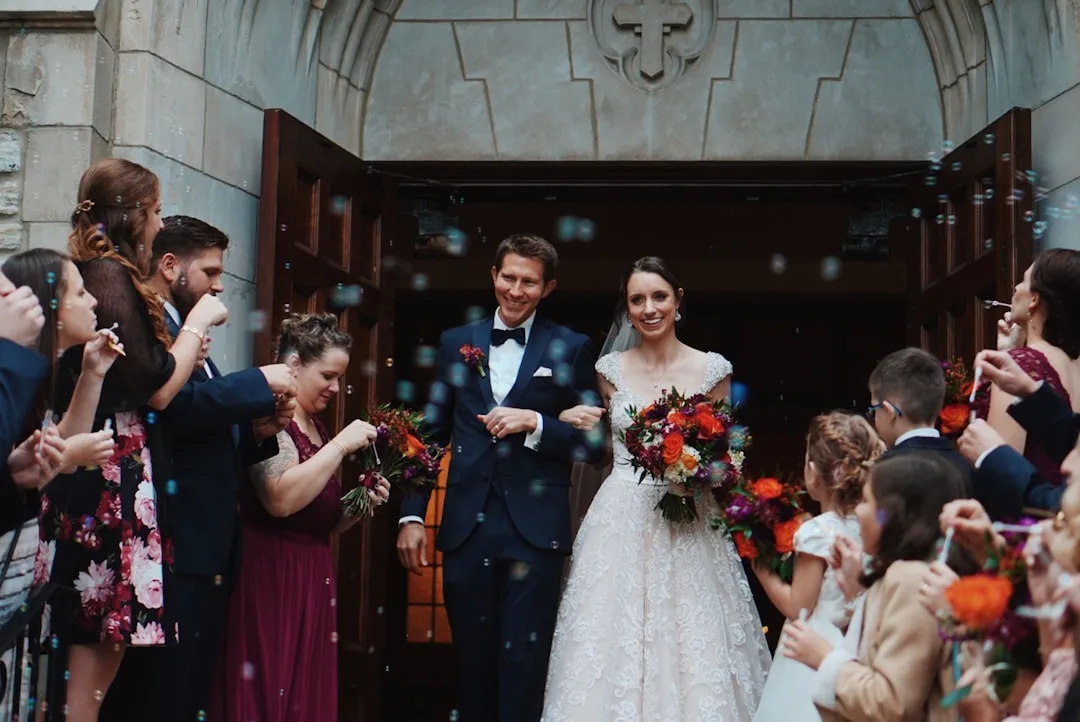
A bridal French twist has one structural advantage no other wedding updo shares: it sits flush against the head rather than projecting away from it. No bun, no chignon, no braided crown can make that claim. The practical result is that a French twist survives being embraced by 80 guests, wearing a cathedral veil, and dancing for four hours with minimal re-pinning — provided the foundation is correct. The earliest documented use of the term “French twist” dates to 1850, but the style gained its bridal cachet in the 1940s and 1950s when it became associated with Hollywood formality. That lineage is part of what makes it read as the right choice for a ceremony rather than a party.
The bridal version requires one modification that casual French twists skip: a single long anchor pin placed horizontally at the very top of the twist, before any finishing pins are placed. This pin prevents the style from unraveling downward — without it, dancing and repeated touching cause the topmost section to gradually sag over six to eight hours. Place the anchor pin first, then work the securing pins downward in pairs. The L’Oréal Paris Elnett Satin Extra Strong Hold Hairspray at $14.99 is what stylists reach for at this stage — misted from 10 inches away, it sets without making the twist feel armored.
Brides wearing low-back or open-back gowns benefit most from this updo because it fully exposes the upper back and neckline while keeping the hair clean and polished. What about veils? A cathedral veil attaches just below the top of the twist and uses the twist itself as a natural anchor point — the updo actually simplifies veil placement rather than complicating it. The one situation where a bridal French twist underperforms is thick, shoulder-length hair that hasn’t grown past the collarbone: there simply isn’t enough length to tuck the ends under, and the resulting exposed tips look unfinished rather than intentional.
| Twist Variant | Hair Color | Key Product | Best Occasion |
|---|---|---|---|
| Sleek Formal Twist | Jet Black | Shine mist before pinning | Evening gala, black-tie |
| Loose Romantic Twist | Ash Blonde | Texturizing spray for grip | Garden / outdoor wedding |
| Voluminous Statement Twist | Chocolate Brown | Strong-hold hairspray pre-pin | Ballroom, formal wedding |
| Bridal Anchor Twist | Any dark shade | Long anchor pin + Elnett | Full-day ceremony + reception |
For detailed step-by-step technique on securing a French twist at home, the L’Oréal Paris classic French twist tutorial walks through the bobby pin placement and teasing method used by professional stylists.
Bottom Line
The twist is only as good as what’s underneath it.
Jet black needs shine prep before a single pin goes in. Ash blonde needs texture and grip, not smoothness. Chocolate brown can handle the most height and the most pins — use both.
Match the twist structure to your hair color and the event format, not just to the dress. A sleek finish at a garden wedding looks stiff; a romantic loose twist at a black-tie reception looks underdressed.
Save this post before your wedding trial appointment — it’s the one thing worth showing your stylist.