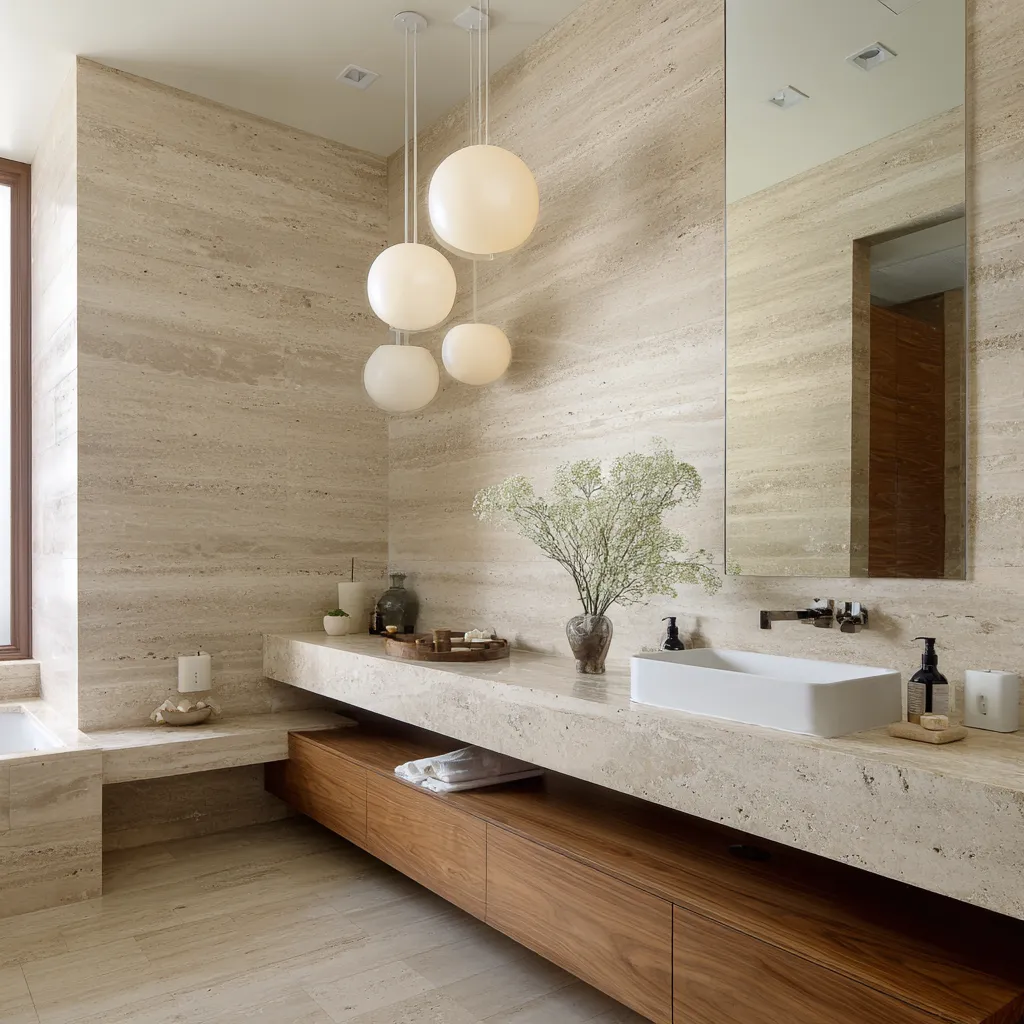
Choosing the right shower tiles can completely transform how your bathroom looks and feels. Whether you are drawn to the tactile depth of textured surfaces, the personality of bold geometric patterns, or the sustainable beauty of recycled glass, modern shower tile designs offer something for every taste and budget. In this guide, we cover 24 of the best ideas across three distinct design directions — so you can find the perfect fit for your space and make every shower a little more luxurious.
Quick Summary
- Textured tiles — add visual depth and a non-slip surface; best in neutral palettes
- Bold patterned tiles — make a statement; use on one accent wall to avoid overwhelm
- Recycled glass tiles — eco-friendly, light-reflective, easy to clean; require white mortar
- Always match grout color to your design intent before installation
- Lighting dramatically changes how all tile types look — plan fixtures early
| Tile Type | Best For | Maintenance | Price Range |
|---|---|---|---|
| Textured Ceramic/Porcelain | All bathrooms; non-slip floors | Medium — grout requires sealing | $2–$8/sq ft |
| Textured Natural Stone | Luxury/spa bathrooms | High — needs sealing annually | $10–$30/sq ft |
| Bold Patterned Ceramic | Accent walls, feature floors | Low — glazed surface wipes clean | $3–$12/sq ft |
| Encaustic Cement | Floors, statement walls | High — needs sealing; porous | $8–$25/sq ft |
| Recycled Glass Mosaic | Eco-conscious; light-filled spaces | Low — non-porous, mold-resistant | $7–$20/sq ft |
Textured Shower Tiles: Add Depth and Dimension
In the dynamic world of interior design, the bathroom has evolved from a purely functional space to a haven of style and relaxation. At the heart of this transformation is the use of textured shower tiles, a trend that has gained momentum in modern homes. These tiles are not just a backdrop but a focal point, bringing an element of tactile beauty and contemporary chic to any bathroom.
How to Choose the Right Shower Tile Design
A step-by-step guide to selecting the best modern shower tile for your bathroom remodel.
Tools needed
- Tape measure
- Tile samples (from supplier)
- Bathroom mood board or design app
- Lighting source for tile testing
Calculate wall and floor square footage. Multiply total by 1.15 to add the 15% waste allowance you will need for cuts and spares.
Choose between textured, patterned, or eco-friendly glass tiles. Collect 3–5 inspiration images to identify consistent elements — color, format, finish.
Hold physical samples against your existing fixtures under actual bathroom lighting — not store lighting. Colors shift dramatically between environments.
Decide before installation whether you want matching or contrasting grout. Contrasting grout highlights the tile pattern; matching grout creates a seamless surface.
Verify mortar type (white for glass tiles), slip rating for floors (R10 or higher for wet areas), and whether your wall substrate needs waterproofing board before tiling.


The allure of textured tiles lies in their ability to add depth and dimension to a shower space. Unlike their smooth counterparts, these tiles play with light and shadow, creating a dynamic visual effect that changes throughout the day. From subtle ripples that mimic the tranquility of water to bold geometric patterns that make a statement, the variety is endless.
Three-dimensional relief tiles are one of the fastest-growing subcategories in this space. These tiles feature sculpted surfaces — waves, basket weave, stacked stone — that create movement on flat walls without any additional decor. When installed floor-to-ceiling on a single shower wall, they act as natural art, eliminating the need for artwork or decorative accents in the rest of the bathroom.
Grout choice is especially important with textured tiles. A contrasting grout color — for example, dark grey grout with white tiles — will emphasize the relief pattern and make each tile pop. A matching grout color, on the other hand, creates a more seamless, monolithic look. Both approaches work well; the key is to decide before installation, since switching grout colors on textured tiles is difficult.
One of the most appealing aspects of textured tiles is their versatility. They can complement a range of design aesthetics, from minimalist to maximalist. In a minimalist bathroom, a wall of subtly textured tiles can add interest without overwhelming the space. For those who prefer a more dramatic look, tiles with pronounced textures can create a striking feature wall.
The choice of material in textured tiles also plays a significant role in their appeal. Ceramic and porcelain remain popular for their durability and ease of maintenance. However, natural stone and glass tiles are rising in popularity for their unique textures and luxurious feel. Stone tiles bring an organic element to the bathroom, while glass tiles reflect light beautifully, making the space feel brighter and more open. For a complete bathroom overhaul, see our guide to luxury modern bathroom designs where these materials appear in full room contexts.


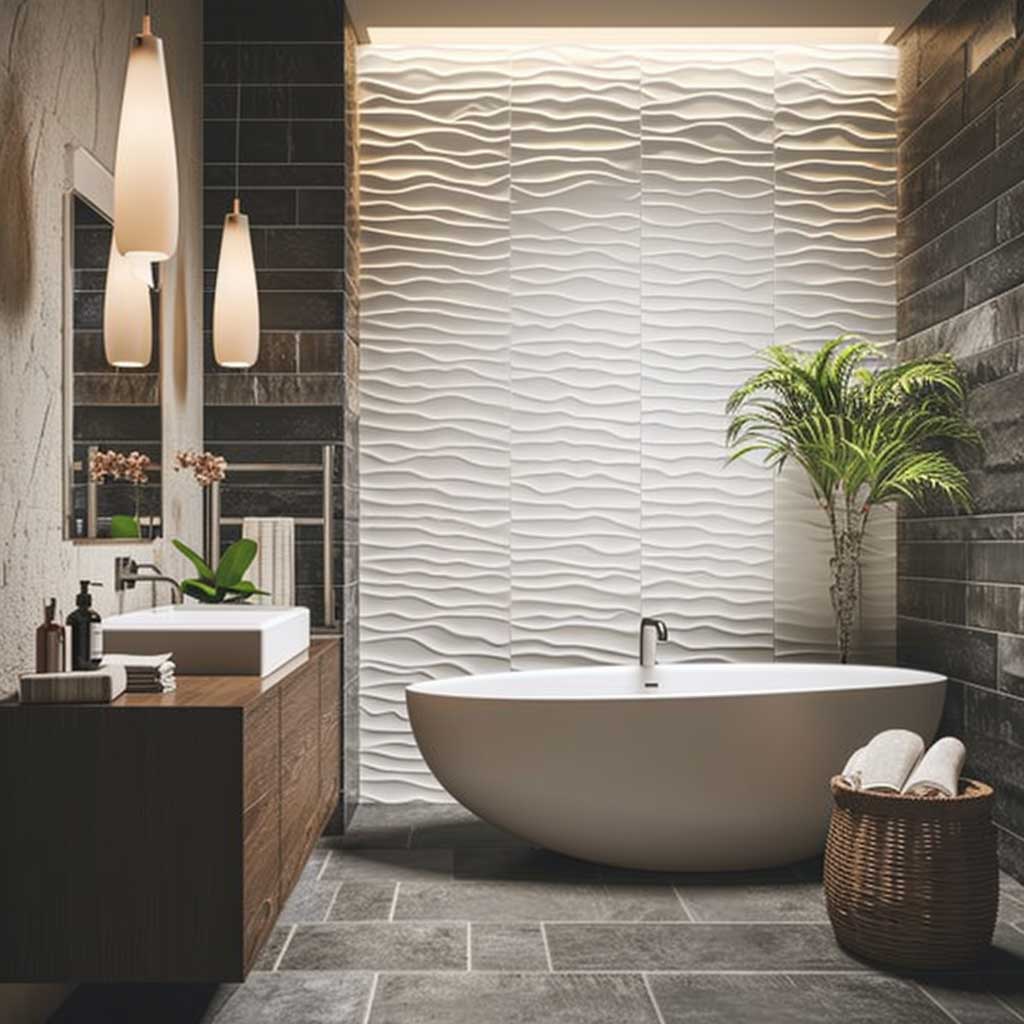
Incorporating textured tiles into a bathroom design requires a thoughtful approach. It’s important to consider the balance of textures in the room. If the tiles are highly textured, it’s often best to keep other elements more subdued. This allows the tiles to be the star of the space. Conversely, in a room with minimal texture, a wall of textured tiles can add the necessary visual interest to elevate the design.
The color palette also plays a crucial role. Neutral tones like whites, grays, and beiges are timeless and can make the texture stand out more. For a bolder statement, darker hues or even vibrant colors can be used. The key is to ensure that the color complements the overall design theme of the bathroom.
Lighting is another critical factor when working with textured tiles. The way light interacts with texture can dramatically change the look and feel of the space. Strategic lighting highlights the peaks and valleys of the relief, creating a dramatic effect in a shower area. The Illuminating Engineering Society recommends angled fixtures mounted at 45 degrees to the wall for the best shadow-play effect on textured surfaces.
The practicality of textured tiles is also worth noting. They can provide a non-slip surface, which is particularly beneficial in a wet area like a shower. However, it’s important to consider the cleaning aspect, as some textures may require more maintenance to keep them looking pristine.
In conclusion, textured shower tiles offer a unique opportunity to bring contemporary chic into the bathroom. They provide a tactile and visual experience that can transform a simple shower into a luxurious retreat. With careful selection and thoughtful design integration, these tiles can create a space that is both functional and aesthetically pleasing, a true reflection of modern living.
Bold Pattern Shower Tiles: Make a Design Statement
The modern bathroom has become a canvas for artistic expression, a place where design and functionality converge to create spaces of relaxation and beauty. Central to this evolution is the use of bold patterned tiles, which have emerged as a defining element in contemporary shower design. These tiles bring a dynamic and vibrant energy to the bathroom, turning an ordinary shower into an extraordinary sensory experience.


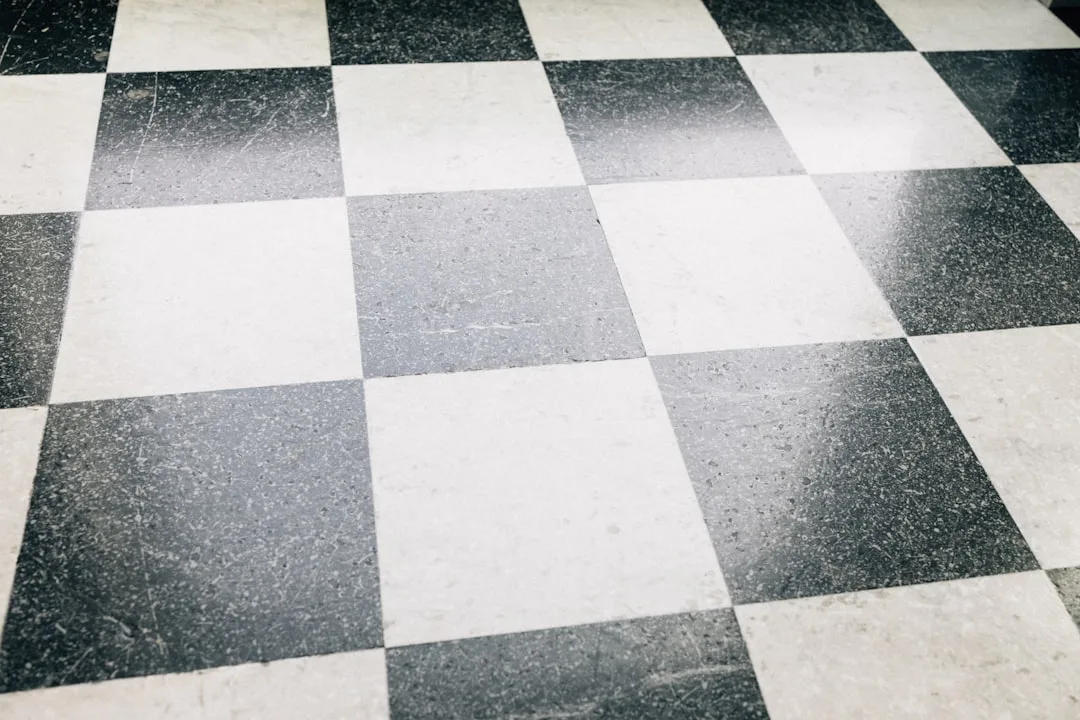
The beauty of bold patterned tiles lies in their ability to transform a space. They serve as a powerful design tool, capable of setting the tone and mood of the bathroom. Whether it’s intricate geometric shapes, whimsical floral patterns, or abstract art-inspired designs, these tiles make a statement. They are not just about color and pattern; they are about evoking emotion and creating an ambiance.
Encaustic cement tiles are a popular choice for bold patterned shower floors. Unlike printed ceramic tiles, encaustic tiles are pigmented all the way through, so the pattern stays sharp even with wear. Their matte surface adds a tactile quality that complements glossy wall tiles, and the wide range of geometric patterns — Moroccan stars, chevrons, hexagons, quatrefoils — means there is a style for every bathroom aesthetic.
If you are hesitant to commit to bold patterns on all shower walls, consider the half-and-half approach: patterned tiles on the lower half of the shower, plain large-format tiles above. This creates a visual boundary that grounds the design and prevents the room from feeling visually busy. It also gives the eye a place to rest, which is especially important in smaller bathrooms.
One of the key considerations in choosing bold patterned tiles is the overall design theme of the bathroom. These tiles can adapt to various styles, from the eclectic bohemian to the sleek and modern. In a minimalist setting, a wall of bold tiles can serve as a stunning focal point, breaking the monotony with a splash of color and pattern. In more maximalist or eclectic decors, they can complement and enhance the existing design elements, adding layers of visual interest.
The scale and placement of patterned tiles are crucial in achieving the desired effect. Large-scale patterns can make a small space feel more expansive, while smaller, intricate patterns can add a sense of luxury and detail. The shower area, being a central feature of the bathroom, is an ideal place to showcase these patterns. They can be used on all walls for a bold statement or on a single accent wall to create a focal point.


Material choice is another important aspect. Ceramic and porcelain tiles are popular for their durability and ease of maintenance, making them suitable for wet environments like showers. Glass tiles add depth and luminosity to the patterns. Natural stone tiles offer a more organic feel, blending the boldness of patterns with the subtlety of natural textures. Bold patterned tiles work particularly well in compact spaces — explore how to maximize impact in our small modern bathroom designs guide.
Color plays a pivotal role in the impact of patterned tiles. Vibrant hues can energize the space, while more subdued tones can create a calming, spa-like atmosphere. The key is to balance the boldness of the pattern with the right color palette to achieve harmony and coherence in the bathroom’s design.
Incorporating bold patterned tiles also involves considering the practical aspects. It’s important to ensure that the tiles are slip-resistant, especially in the shower area. Additionally, while patterned tiles are visually striking, they require thoughtful maintenance to keep them looking their best.
In conclusion, bold patterned tiles offer a unique opportunity to infuse personality and artistic flair into modern shower spaces. They are a celebration of creativity and style, transforming the act of showering into an immersive experience. By carefully selecting the right patterns, colors, and materials, these tiles can turn a bathroom into a dynamic and invigorating sanctuary, reflective of individual tastes and contemporary design trends.
Recycled Glass Shower Tiles: Eco-Friendly and Beautiful
In the contemporary world of interior design, sustainability is not just a trend but a necessity. As we become more conscious of our environmental impact, the demand for eco-friendly materials in home design has risen significantly. Recycled glass tiles have emerged as a popular choice in this green revolution, offering both style and sustainability. These tiles are not only a testament to environmental responsibility but also a medium for creating stunning visual effects in modern bathrooms.


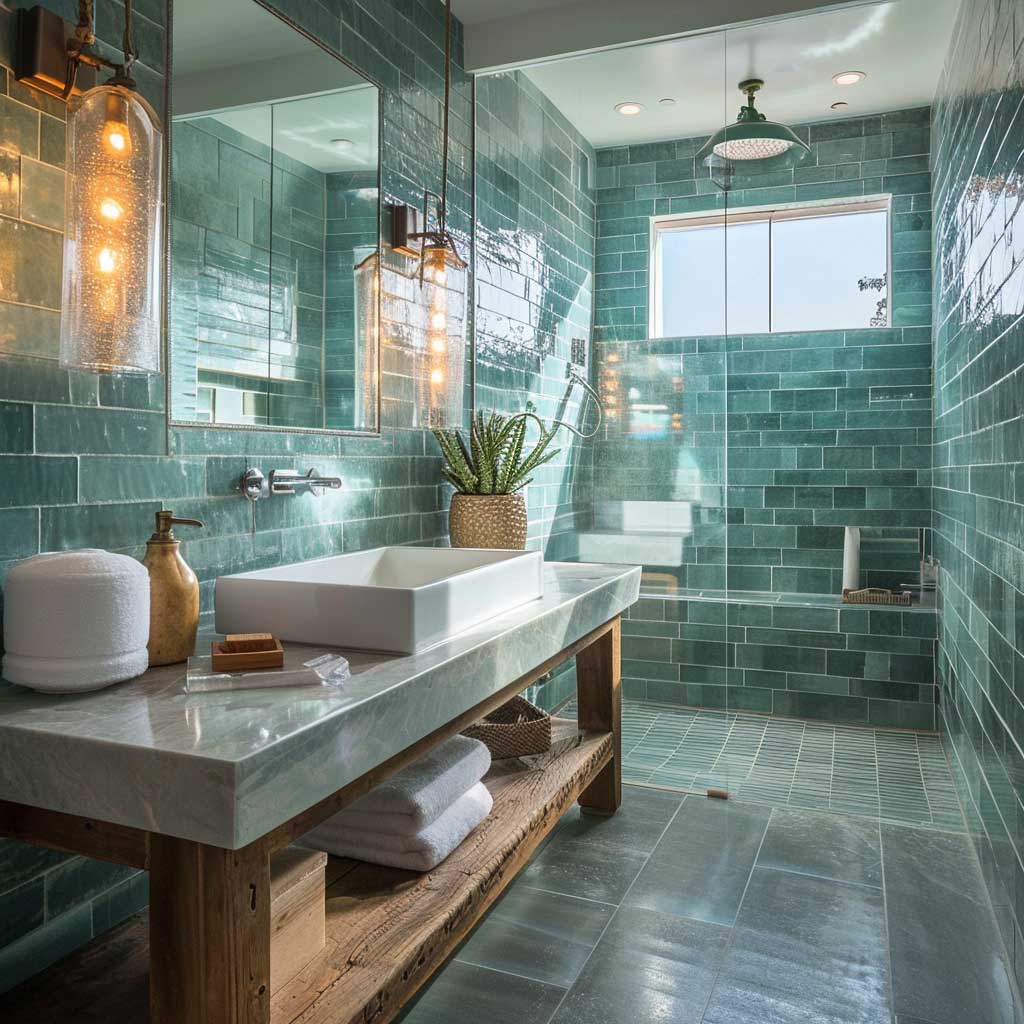
Recycled glass tiles are made from post-consumer and post-industrial glass, including discarded glass bottles and window panes. This process of upcycling not only reduces landfill waste but also consumes less energy compared to manufacturing new glass. According to the U.S. Environmental Protection Agency, recycling glass reduces related air pollution by around 20%, making these tiles a genuinely impactful sustainable choice.
In terms of sustainability credentials, look for tiles certified by the Greenguard Gold standard or those containing at least 50% post-consumer recycled content. Some manufacturers now produce tiles from 100% recycled glass, including wine bottles and industrial glass offcuts. These products typically carry a Life Cycle Assessment certificate that quantifies their lower carbon footprint versus conventional tile production.
Installation note: recycled glass tiles require a white or light-colored thin-set mortar, not grey. Grey mortar shows through the semi-transparent glass and causes a muddied appearance. White mortar allows the true color of the glass to read correctly. This is a common mistake that is difficult to fix after grouting, so confirm the mortar color with your tile installer before work begins.
The versatility of recycled glass tiles in terms of color, shape, and size makes them a designer’s delight. They come in a myriad of hues, from tranquil blues and greens, reminiscent of the sea, to bold and vibrant colors that make a statement. The translucency of glass adds depth and luminosity to these tiles, creating a play of light that is both dynamic and captivating. This quality makes them particularly suitable for bathrooms, where they can transform the space into a luminous haven.
One of the unique aspects of recycled glass tiles is their texture and finish. They can range from glossy and smooth to textured and matte, offering various design possibilities. Textured glass tiles, for instance, add a tactile dimension to the bathroom, while the glossy ones create a sleek, modern look. The tiles can be used in various applications, from shower walls and backsplashes to accent features, allowing for creativity and personalization in design.


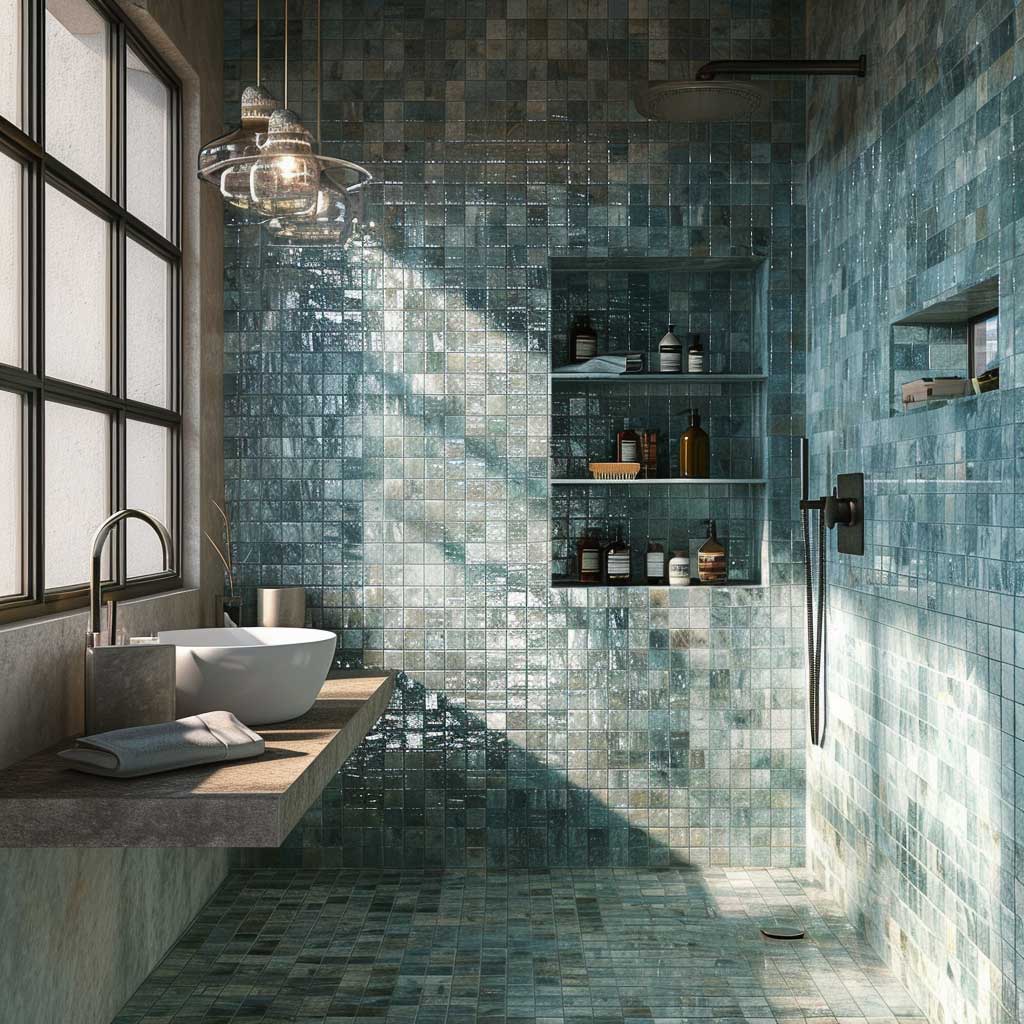
Incorporating recycled glass tiles into a bathroom design requires a thoughtful approach. They can be used to create a focal point or to add subtle elegance to the space. For a bold and dramatic effect, vibrant colors and large-format tiles work well. For a more understated look, softer hues and smaller tiles create a sense of serenity and calm. To see how tile choices interact with wall finishing options, read our article on bathroom wainscoting ideas for complementary design combinations.
The sustainability of recycled glass tiles extends beyond their manufacturing process. They are durable, easy to clean, and resistant to mold and mildew, making them a practical choice for the humid environment of a bathroom. Their non-porous surface also means they are less likely to stain, ensuring their beauty lasts for years.
In conclusion, recycled glass tiles represent the perfect marriage of eco-consciousness and aesthetic appeal. They offer a sustainable solution without compromising on style, making them an ideal choice for modern bathrooms. By choosing these tiles, homeowners can make a positive environmental impact while creating a space that is both beautiful and unique. In the world of bathroom design, recycled glass tiles are not just a choice but a statement – a statement of care for the planet and a commitment to sustainable living.
Key Takeaway
Modern shower tile designs are more than a functional choice — they are the fastest way to elevate a bathroom from ordinary to extraordinary. Textured tiles add depth, bold patterns express personality, and recycled glass tiles prove that sustainability and style are not mutually exclusive. Choose the direction that fits your space and let the tiles do the work.