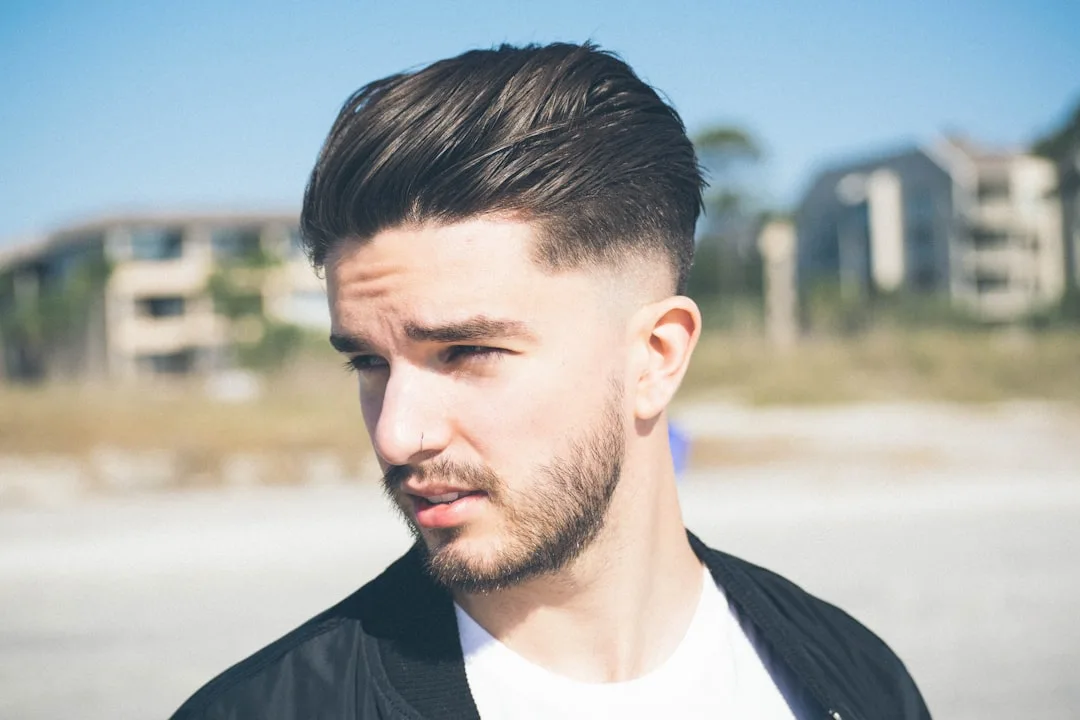
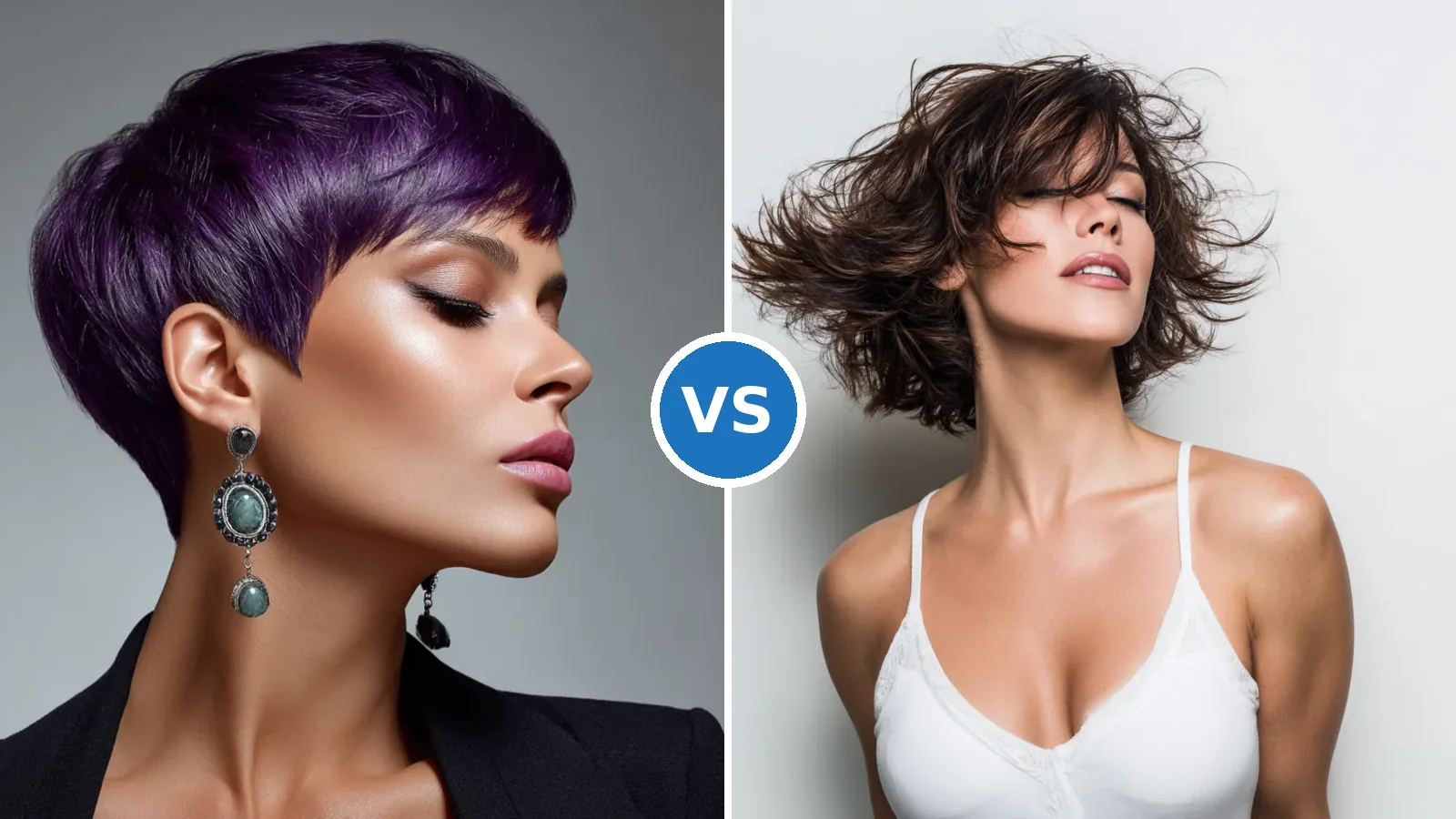
Short hair for a heart shaped face works when the cut moves visual weight down toward the jaw and takes width off the forehead. Does it suit every heart shape? Nearly all of them, as long as fullness sits at cheekbone level or lower and the crown stays flat. Straight texture helps, because a clean line shows exactly where the balance point lands. Ask for the widest part of the cut to fall between the earlobe and the chin.
The real trade-off is salon time. Stylists typically book a pixie every 4–6 weeks and a bob every 6–8 weeks, and a women’s cut averages around $69 in the US, so the rhythm of a cut matters as much as its shape. A side part bob, a micro fringe pixie and a tapered crop all solve the same proportion problem in different ways. Pick the one whose trim schedule you can actually keep.
Color finishes the job. Mocha, pearl blonde and cinnamon brown each change how light falls on the cheekbones, and each sets its own refresh clock, from roughly 4–6 weeks for pale blonde to 6–8 weeks for warm brunette. Read the cut section first, then match the shade to your calendar.
Quick Scan
- Keep the fullest point of the cut at the chin, not at the temples.
- Pixies need a trim every 4–6 weeks vs 6–8 weeks for a layered bob.
- Pearl blonde needs a touch-up every 4–6 weeks; mocha and cinnamon hold about 6–8.
- A short micro fringe needs a tidy-up every 1–2 weeks vs 3–5 weeks for a curtain fringe.
- At roughly $69 a cut, a pixie runs about $620–900 a year vs $480–620 for a bob.
- A deep side part narrows the forehead; a blunt center part widens it.
- Growing a pixie out to bob length takes about 6–12 months.
Weight at the Jaw Makes Short Hair for a Heart Shaped Face Work
Short hair for heart shaped faces works by building a wider base under a broad forehead and high cheekbones. Think of an inverted triangle standing on a table: the haircut adds the missing support at the bottom so the shape sits level. Straight hair makes this geometry easy to read, since every layer ends exactly where it was cut. Ask your stylist to place the shortest face-framing piece at cheekbone level, never above it.
How fast does a short cut lose that balance? Hair grows about half an inch every 4 weeks, so a chin-length line drifts lower within two months and the weight slides away from the jaw. A precise short cut needs a calendar, not only a good first appointment. Book the next trim before you leave the chair.
Part placement matters as much as length. A deep side part draws one diagonal across the forehead, while a center part splits it into two equal panels that read wider. If you want to keep a little more length below the jaw, this chin-length layered bob for a heart shaped face shows how layers shift the balance point. Try both parts in a mirror before the scissors come out.
- Shortest layer at cheekbone level or lower
- Perimeter between the earlobe and the bottom of the chin
- Side part or soft fringe instead of a blunt center split
- Flat crown with no backcombing or root powder
Fringe length changes the upkeep more than most people expect. A short straight fringe can need a tidy-up every 1–2 weeks, compared with 3–5 weeks for a longer curtain fringe, according to salon trim guides. Skip root-lifting powder at the crown, since extra height on top stretches the forehead you are trying to shorten. Put texture on the ends instead.
Mocha Side Part Bob With Layers That Fill the Chin
A short haircut for a heart shaped face rarely gets more forgiving than a mocha layered bob with a side part. The part slices across a wide forehead, and the layers gather fullness at the jaw, exactly where the face narrows. Mocha sits between chestnut and cool espresso, so it adds depth without the harsh contrast of near-black. Choose it if you want a polished cut that still looks soft on day five.


How often does it need the salon? Stylists usually recommend shaping a bob every 6–8 weeks, which works out to roughly 7–9 visits a year, compared with 9–13 for a pixie. Wait much longer than 8 weeks and the layers drop, taking the volume away from the chin. Set a recurring 7-week reminder so the cut holds its shape between visits.


Permanent brunette color usually holds 6–8 weeks before roots show, and colorists often schedule a clear gloss every 10–12 weeks to keep the tone rich. Mocha vs cool ash is a real choice here: ash reads matte and sharpens the cheekbones, while mocha reflects warm light and blurs angles. A tuck behind one ear works like a curtain pulled to one side, opening half the face and creating flattering asymmetry. Try the tuck on the side opposite your part.
Styling needs only a pea-sized smoothing cream, which costs about $13 at drugstores, plus a flat brush during the blow-dry. Avoid heavy oils at the roots, because they flatten the layers that build width at the jaw. Keep the product on the mid-lengths and ends and leave the scalp area clean.
Pearl Blonde Micro Fringe Pixie for a Taller Forehead
Heart face shape short hairstyles don’t get bolder than a pearl blonde pixie with a micro fringe. The fringe sits high on the forehead and cuts its visible height, while close-cropped sides and nape leave the jawline open. Pearl blonde mixes soft silver, platinum and pale yellow tones, so the color shimmers rather than reading flat white. Pick it if you want the eyes and cheekbones to carry the whole look.


The catch is maintenance on two fronts. Stylists generally book pixie trims every 4–6 weeks, and colorists suggest pearl blonde touch-ups on the same 4–6 week rhythm to keep roots and brassiness in check. Is the pixie cheaper than a bob? Usually not, since 9–13 visits a year adds up faster than 7–9. Combine the cut and toner in one appointment to save a trip each cycle.


Toner results typically last about 4–6 weeks, and color brands advise waiting at least 3 weeks after a salon visit before reaching for a toning shampoo at home. Pearl vs honey blonde comes down to skin tone: pearl suits cooler complexions, while honey forgives warm undertones and fades golden instead of yellow. A micro fringe behaves like a frame trimmed close to the canvas, so every millimeter of regrowth shows. Ask whether your salon offers short fringe-only appointments between full cuts.
Daily styling is fast, about 5 minutes with a small amount of paste or smoothing cream. Avoid piling height at the crown with heavy wax, because it rebuilds the forehead width the fringe just removed. Press the top down and direct the movement forward and slightly to one side.
Don’t Do This: never pair a blunt center part with a one-length cut that ends at the jaw on a heart shaped face. The symmetric split frames the widest part of the forehead, and the hard bottom line points straight at the narrowest part of the chin. A side part costs $0 and shifts the balance more than an extra inch of length. Move the part off center before booking a new cut.
Cinnamon Brown Tapered Crop That Builds Width Low
Heart-shaped face hairstyles for straight hair rarely balance width as neatly as a cinnamon brown tapered crop. The nape stays short and clean, while the sides keep enough length near the ears and cheeks to add fullness below the widest point. Cinnamon reflects red and gold in daylight, which gives sleek straight hair dimension without curl. Choose it if you like a pixie’s ease but want softer edges around the face.


How often does a taper need cleaning up? Some stylists see crop clients every 2 weeks just for the ears and nape, though a full shaping every 4–6 weeks keeps most crops tidy. A tapered nape vs a blunt nape is the key difference: the taper removes bulk at the back, so the eye reads volume at the sides instead. Ask for a nape-only clean-up between full cuts if your schedule runs tight.


Warm brunette shades hold well, with permanent color typically lasting 6–8 weeks before regrowth shows at the hairline. Cinnamon vs cool ash brown changes the mood: cinnamon warms the cheeks and brightens brown and hazel eyes, while ash quiets them. A crop is like a clipped hedge, and its outline only stays crisp with regular trimming. Book color on every second trim to keep costs predictable.
Avoid heavy volumizing mousse at the crown, which turns the taper into a mushroom shape and widens the forehead again. A light spray at the sides and a lightweight serum on the ends keep the finish sleek. If you later decide to grow it out, plan on about 6–12 months to reach bob length. Ask for gradual shaping every 8–12 weeks during the grow-out so each stage still looks intentional.
Upkeep and Cost of Each Short Haircut for a Heart Shaped Face
Short hairstyles for heart shaped faces differ most in what they cost over a year, not in how they look on day one. The table lines up trim rhythm, color life, yearly visits and approximate spend, using a typical women’s cut price of around $69. A pixie at 9–13 visits lands near $620–900 a year, while a bob at 7–9 visits sits closer to $480–620. Compare the yearly column before you compare the photos.
| Cut | Best for | Trim every | Color refresh | Visits per year | Approx. yearly cut cost | Upkeep |
|---|---|---|---|---|---|---|
| Mocha side part bob | Wide forehead, fine to medium hair | 6–8 weeks | Color 6–8 weeks, gloss 10–12 weeks | 7–9 | $480–620 | Medium |
| Pearl blonde micro fringe pixie | Tall forehead, cool skin tones | 4–6 weeks, fringe 1–2 weeks | Touch-up 4–6 weeks | 9–13 | $620–900 | High |
| Cinnamon tapered crop | Narrow chin, warm skin tones | 4–6 weeks, nape as needed | Color 6–8 weeks | 9–13 | $620–900 | Medium–high |
| Grown-out bixie (transition) | Moving from pixie to bob | 8–12 weeks | Depends on shade | 4–7 | $280–480 | Low |
Cost isn’t the whole picture. A pixie dries in minutes, while a bob gives more options for evenings and tied-back days, and this breakdown of pixie vs bob trade-offs in trims and face framing walks through both sides. Women’s trims alone typically range from about $10 to $60, so a trim-only booking can bring the yearly total down. Ask whether your salon prices a shaping visit lower than a full cut.
Which cut stays sharp with the least effort? The pixie, as long as the schedule holds, and this stylist advice on pixie trims and lightweight products backs the 4–6 week rhythm. Choosing a cut by its trim calendar works like choosing a car by its service schedule rather than its paint. Skip the pearl pixie if a salon visit every 5 weeks feels unrealistic.
Where the Balance Lands
The best short hair for a heart shaped face keeps its fullest point at the chin and its lightest point at the crown. A bob trimmed every 6–8 weeks holds that balance with the fewest visits, while a pixie or crop asks for 4–6 weeks in exchange for faster mornings. Nail those proportions first and treat color as the finishing layer.
Choose the mocha side part bob for the softest result and roughly 7–9 salon visits a year. Its color holds 6–8 weeks, and a gloss every 10–12 weeks keeps the shine. Start here if you are new to short hair.
Go with the pearl blonde micro fringe pixie if a tall forehead is the main concern. Plan on toner and trims every 4–6 weeks, plus a quick fringe tidy every 1–2 weeks. Budget closer to $620–900 a year for cuts alone.
Pick the cinnamon tapered crop for warm skin tones and a narrow chin that needs width at the sides. Keep the nape clean between full cuts, and give any grow-out 6–12 months with shaping every 8–12 weeks. Bring a photo of the exact part you want to the first appointment.
Complete guide
The Right Haircut for Your Face Shape Starts Here
Oval, round, square, heart, long, diamond — all in one place
Complete guide
Straight Hairstyles That Actually Work for Your Hair Type
Cuts by length, face shape, texture and color — all in one place