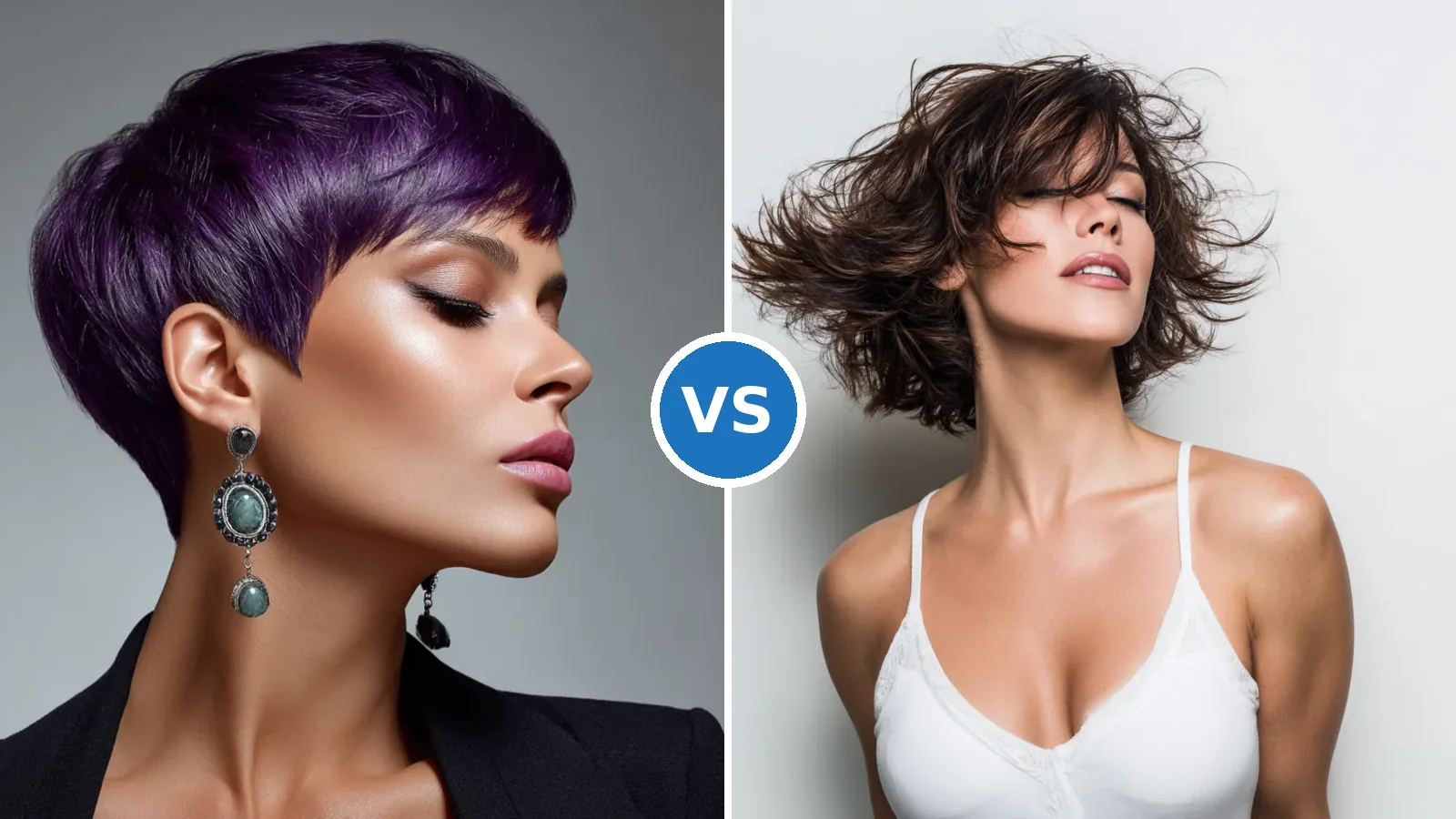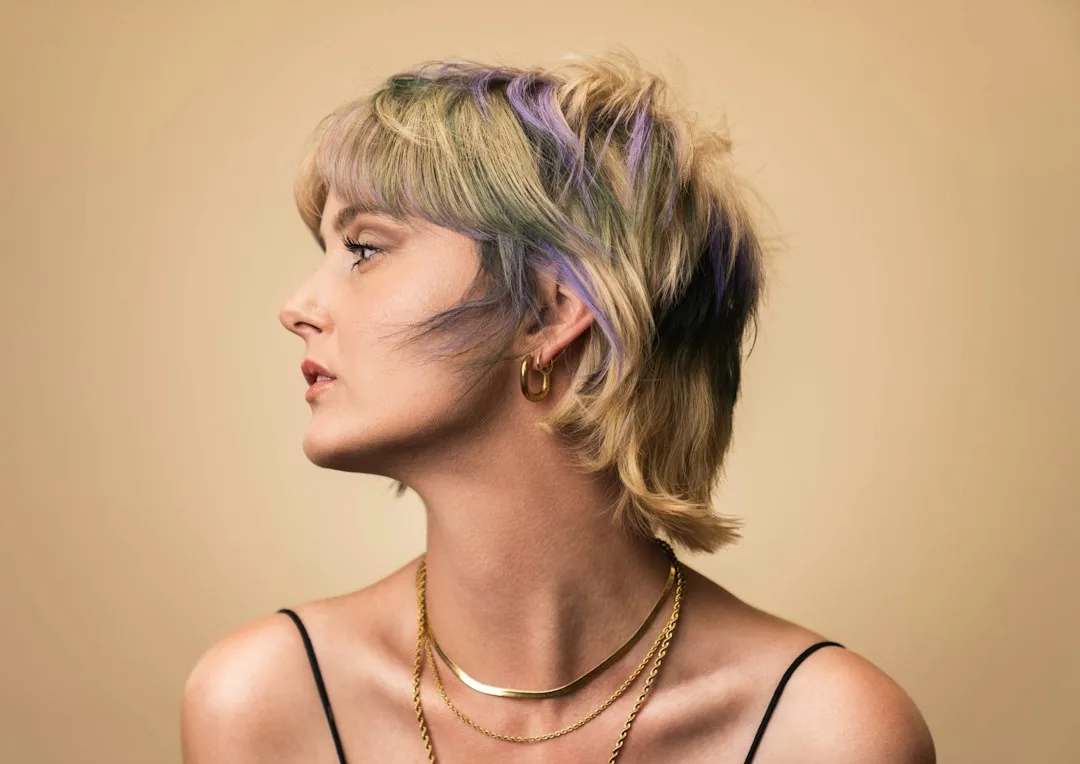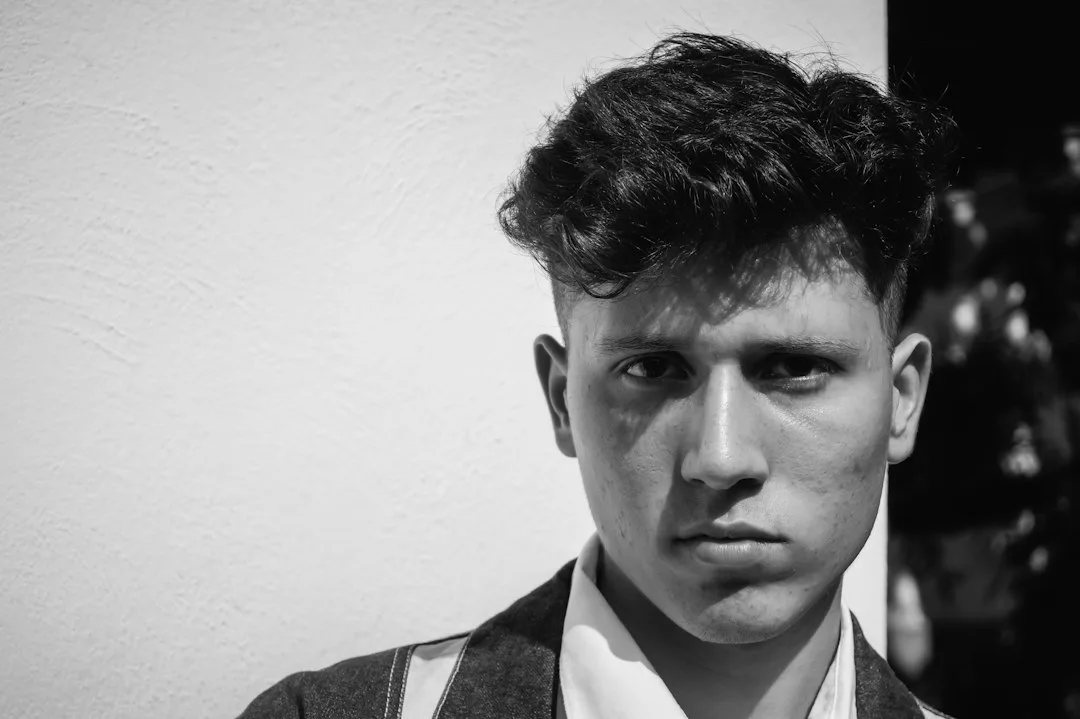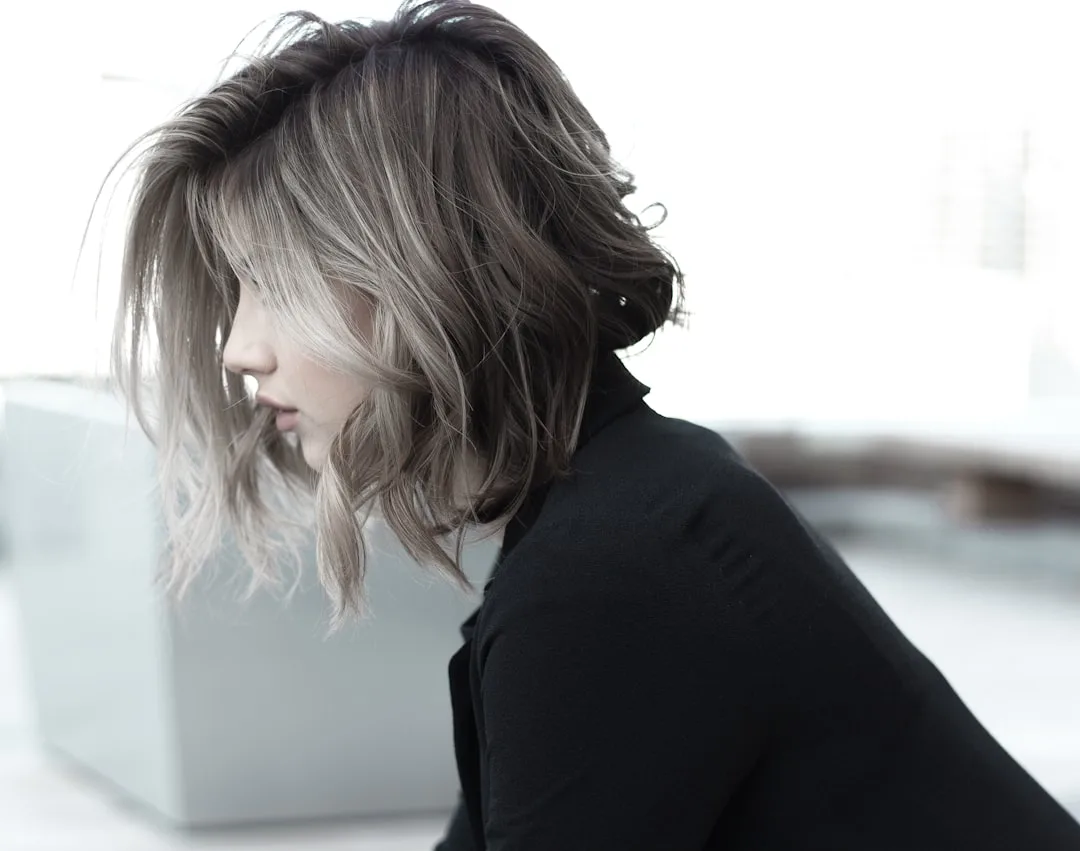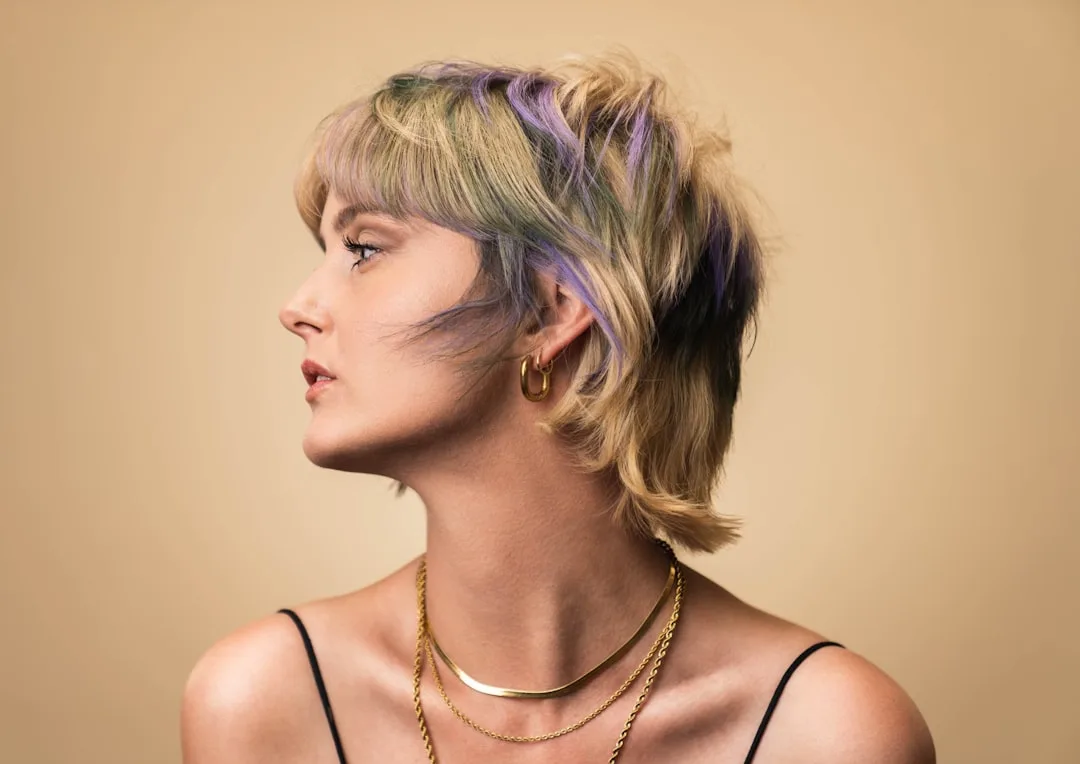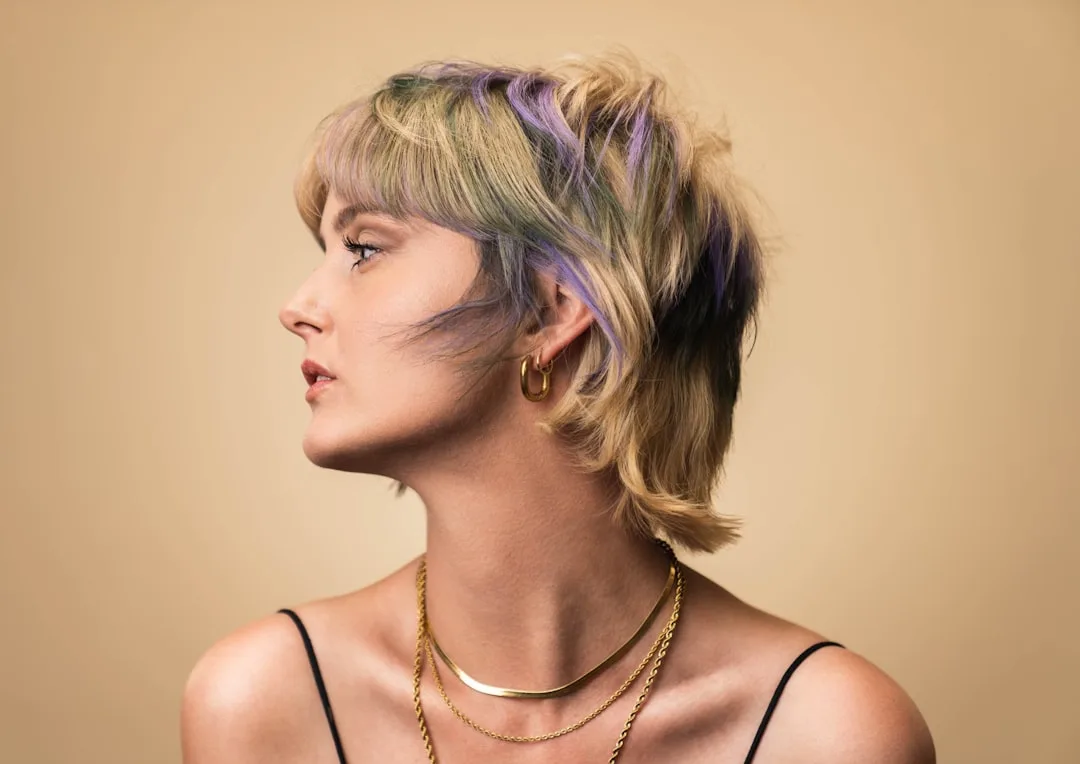
Salons across North America, Europe, and Asia are reporting their longest wait lists in five years—not for balayage or lamination treatments, but for a single haircut. The textured pixie bob hybrid has become the most requested short-hair style of September 2026, and the reason isn’t trend-chasing. It’s because this cut actually works.
Unlike the clean-lined bixie or the severe micro pixie, the textured pixie bob hybrid layers softness into precision. It’s short enough to feel modern and managed, long enough to frame the face and transition into longer styles if you change your mind in six weeks. Stylists report the cut appeals equally to women over 50 seeking movement without bulk and to women under 30 wanting alternative edge.
The core mechanics: a tapered, textured nape reminiscent of a precise pixie cut; a crown with enough length to create dimension and texture; and face-framing layers that sit between the chin and ear, delivering the soft framing clients request without the floppy, undefined look of traditional bobs.
Why Texture Replaced Blunt Lines in Modern Short Hair
Dyson Airstyle and Ghd’s focus group research in August 2026 revealed that 67% of women who cut their hair short abandon the style within twelve months because blunt, polished cuts feel “too perfect” or “too sharp” for daily life. Texture solves that specific problem. A textured pixie bob hybrid looks intentional even when you’ve slept on it, showered without styling products, or spent eight hours in humidity.
Redken’s colorist and cutting teams observed that clients were requesting their pixie cuts and bob cuts simultaneously—both the security of a defined shape and the softness of movement. The textured pixie bob hybrid emerged as the answer. Layers in the crown and throughout mid-length sections create dimension that photographs well and requires only finger-combing and a lightweight cream or mousse to activate.
This is why stylists cite texture as the difference between a cut that ages well and one that looks dated in three months. When you cut blunt lines, any half-inch of growth feels like negligence. When you cut texture intentionally, six to eight weeks of growth simply adds fuller texture to the design.
Quick Tips
- Request “textured throughout, not blunt” when you book—avoid the trap of a perfectly polished cut that demands daily styling
- Use a texturizing cream or mousse on damp hair, then finger-dry or rough-dry with a diffuser for effortless dimension
- Schedule appointments every 6-8 weeks, not 8-10, because texture-based cuts evolve beautifully with minimal growth
- Ask your stylist to show you photos of their textured pixie bob hybrids from clients with your hair type, not just aspirational images
- Bring reference photos of the nape length and face-framing you prefer—precision here determines whether the cut reads as modern or manicured
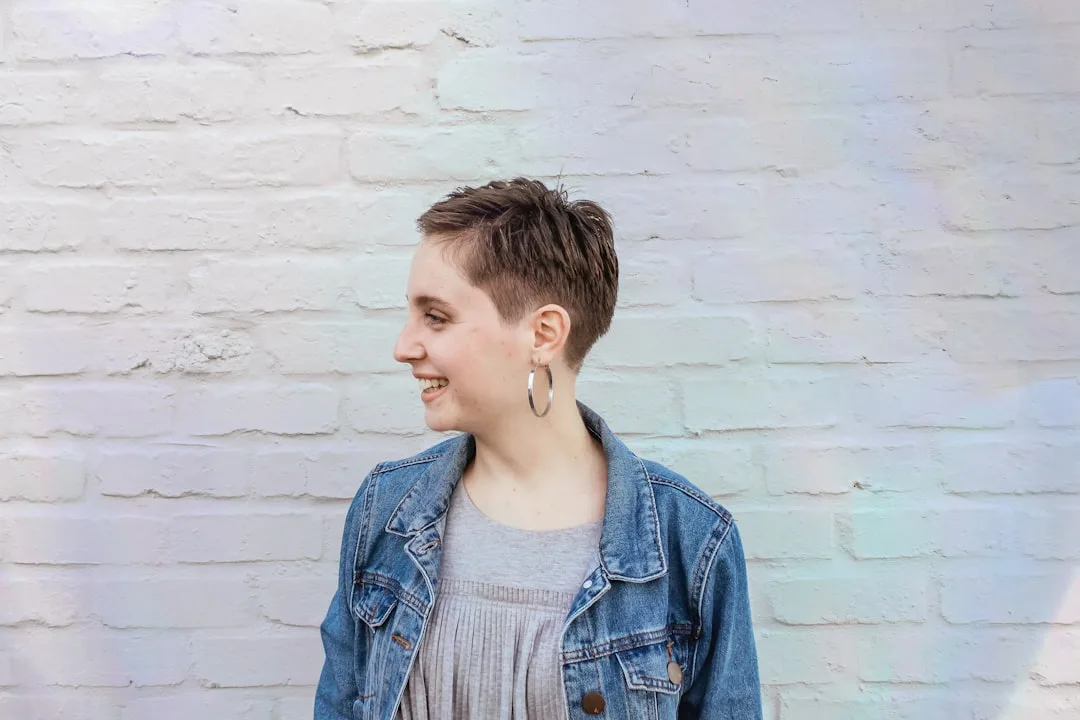
How Hair Texture Type Changes the Approach
| Hair Type | Layering Strategy | Styling Requirement |
|---|---|---|
| Fine or Thin | Longer layers starting mid-crown; avoid over-layering nape | Lightweight mousse or cream; finger-dry or air-dry |
| Thick or Coarse | Aggressive texturizing throughout; shorter nape with heavy point-cutting | Texturizing cream or paste; air-dry or diffuser |
| Curly or Coily | Dry-cutting to honor curl pattern; minimal razor work; scissors-only layering | Curl cream or gel; air-dry or diffuser on low heat |
| Straight or Wavy | Point-cut texture throughout; choppy face-framing; shorter nape | Texturizing spray or dry shampoo; flat iron optional |
The mistake most people make: requesting the same textured pixie bob hybrid cut regardless of hair density or curl pattern. A stylist trained in this cut knows that fine hair needs longer layers (to avoid looking sparse) while thick hair needs aggressive texturizing (to avoid appearing bulky). Curly hair requires dry-cutting and scissors-only techniques to preserve curl definition, while straight hair benefits from a razor for sharper texture detail.
For Black hair and textured curl patterns, the textured pixie bob hybrid offers movement without requiring heat styling or chemical treatments. Stylists like those at Black Opal Beauty and Essence Hair Studios report demand for this cut because it works beautifully when styled with curl cream or gel and air-dried, or shaped with a diffuser on low heat. The nape can be tapered close (if you prefer that aesthetic) or left with slightly longer texture to frame the neck.
The Role of Precision Layering and Stylist Skill
Bumble and bumble’s advanced cutting curriculum, updated in July 2026, now includes a full module on textured pixie bob hybrid execution. The cut demands precision that blunt cuts don’t require. A one-eighth-inch mistake in nape length or face-framing angle becomes immediately visible because texture amplifies unevenness.
This is why stylists with ten-plus years of experience command longer booking queues for this cut. The execution requires understanding how hair sits when wet versus dry, how texture layers interact with head shape, and how to create visual softness through point-cutting and feathering rather than relying on blunt length. A rushed appointment or an inexperienced stylist often results in a choppy, unflattering cut that clients abandon.
When booking, ask how many textured pixie bob hybrids your stylist has completed in the past three months. Most experienced stylists will have photos and can describe exactly how they’d approach your hair type.

Why This Cut Works Across Age and Face Shapes
Vidal Sassoon Academy’s fall 2026 training emphasized that the textured pixie bob hybrid succeeds where other short cuts fail: it flatters round, square, oval, and heart-shaped faces because the face-framing layers can be customized by length and density. A round face needs slightly longer layers (to elongate) and a tapered nape. A square face benefits from softer, shoulder-grazing layers that diffuse jaw angularity.
For women over 50, this cut eliminates the “too short” anxiety many feel with pixies while providing the softness and movement that longer bobs often lack. For women with thinning hair or hair loss, the textured approach creates the illusion of fuller density because layers catch light differently than blunt styles. See 10+ Trendy Short Black Hairstyles for a Bold Look for how this cut adapts across different hair textures and skin tones.
The psychological shift matters too. Clients report feeling more confident in a textured cut because it reads as intentional, not lazy or undermanaged. The softness signals choice and design, not a grow-out phase.
Styling and Maintenance for Real Life
Most clients don’t own a blow dryer or round brush, which is precisely why the textured pixie bob hybrid dominates in September 2026. Finger-drying with a texturizing product activates the cut’s layers and creates dimension in under five minutes. Olaplex’s No.6 Leave-In Styling Creme and Bumble and bumble’s Thickening Full Form Mousse are the most frequently recommended products by stylists executing this cut.
Unlike blunt bobs, which flatten if you air-dry, or pixies, which look manicured and rigid without styling, the textured pixie bob hybrid looks designed whether you style it or simply shower and shake it. This practical advantage—the cut works without daily heat or elaborate product routines—explains why wait lists extend eight weeks.
Between salon visits, the cut maintains its shape better than longer styles. A textured pixie bob hybrid looks intentional at six weeks. Many clients stretch appointments to eight weeks because the cut improves slightly as it grows. See Short Black Hairstyles: 11 Cuts That Hold Shape All Day for additional styling techniques specific to short, textured cuts.
The Color Dimension That Completes the Cut
Balayage artists report that textured pixie bob hybrids paired with hand-painted dimension photograph better and feel more dimensional than solid color. The texture creates multiple planes for light to hit, and strategic color placement amplifies this effect. A subtle honey or caramel balayage on a textured cut reads as intentional depth, not piecemeal regrowth.
Copper, butter blonde, and warm brunette tones are the most requested combinations with this cut in September 2026. The warmth complements the softness of textured layers without competing for visual attention. Keep color dimension subtle—the cut is the focal point.
Budget two to three hours and expect pricing in the $120-180 range for a skilled textured pixie bob hybrid cut in metropolitan salons, depending on location and stylist experience. The investment pays forward in low daily styling demand and appointment frequency you actually choose (every 6-8 weeks) rather than feeling forced into.