Crimped hairstyles for short hair solve a problem that most other styling techniques sidestep: how to add real texture to fine, limp strands without weighting them down or reaching for extensions. The zigzag pattern interrupts the way light passes through the hair, creating shadow and depth that reads as density. It’s not illusion in the hollow sense — it’s a structural shift that holds through the day.
What makes crimping especially effective on short lengths is the containment. There’s less hair to lose shape, so the texture stays sharper longer. The styles here cover three distinct looks — crown-volume crimping in lemon yellow, a bubblegum pink crimped bob, and a bright teal center-part with layer definition — each suited to fine hair and chosen for their staying power.
Color plays a deliberate role in every look below. Lighter, more reflective tones amplify the crimp by catching light inside each ridge. Think of it as the difference between reading embossing on matte paper versus shiny stock — the texture is the same, but the finish determines how much of it you actually see.
– Crimping creates 3× more visible volume on fine hair than blow-drying alone — the zigzag physically lifts strands away from the scalp.
– Use a lower heat setting (120–150°C) on fine hair; the BaByliss 2165CU Crimper offers 10 settings precisely for this reason.
– Crown-volume crimping with lemon yellow hair: backcombing first, then crimping in small sections, keeps height all day.
– A bubblegum pink crimped bob works best when crimping starts at the cheekbone level, not the roots.
– Teal center-part layers: crimp the mid-lengths and ends only, leaving the top smooth for contrast.
– Not Your Mother’s Beach Babe Texturizing Sea Salt Spray (~$7.92) is a reliable finish product that doesn’t flatten crimp on fine hair.
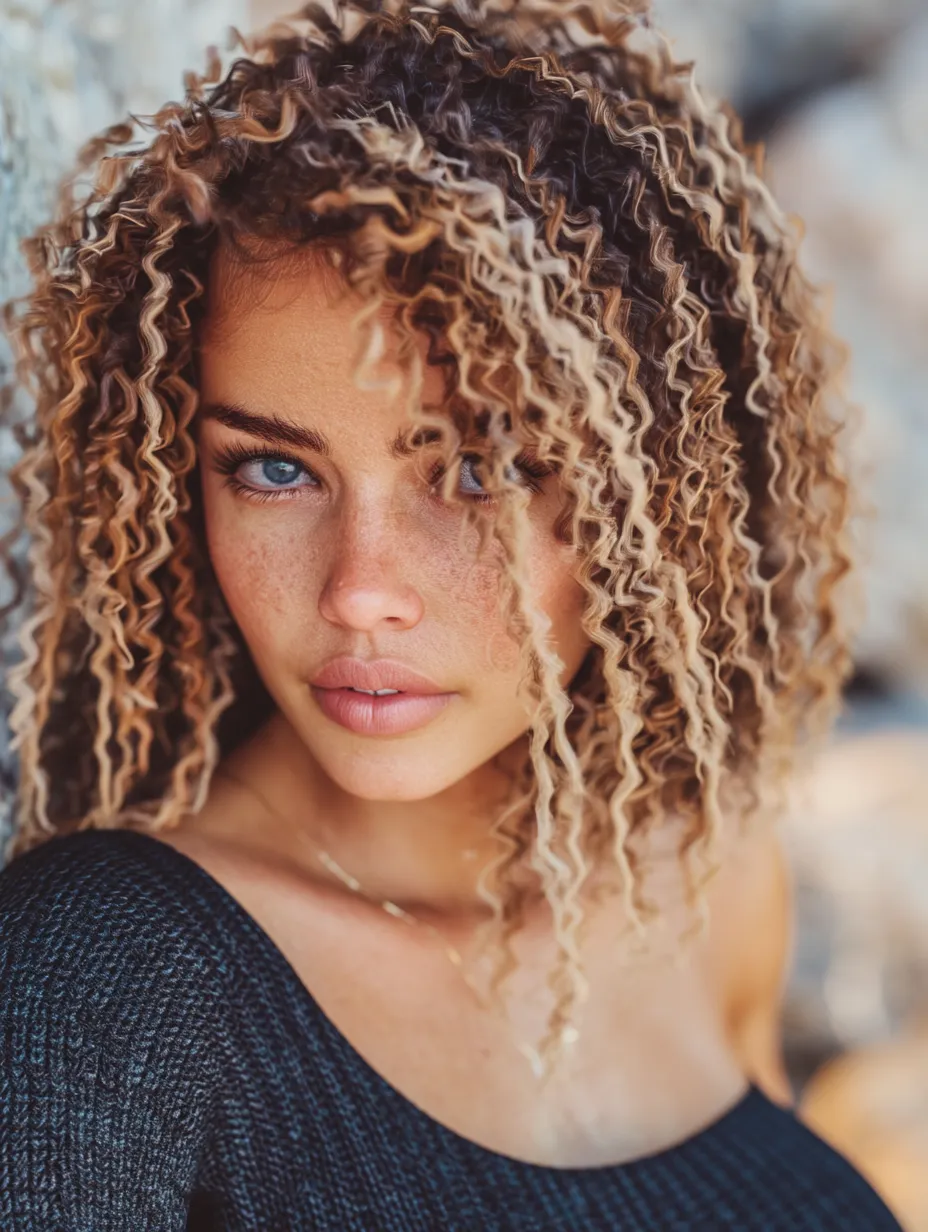
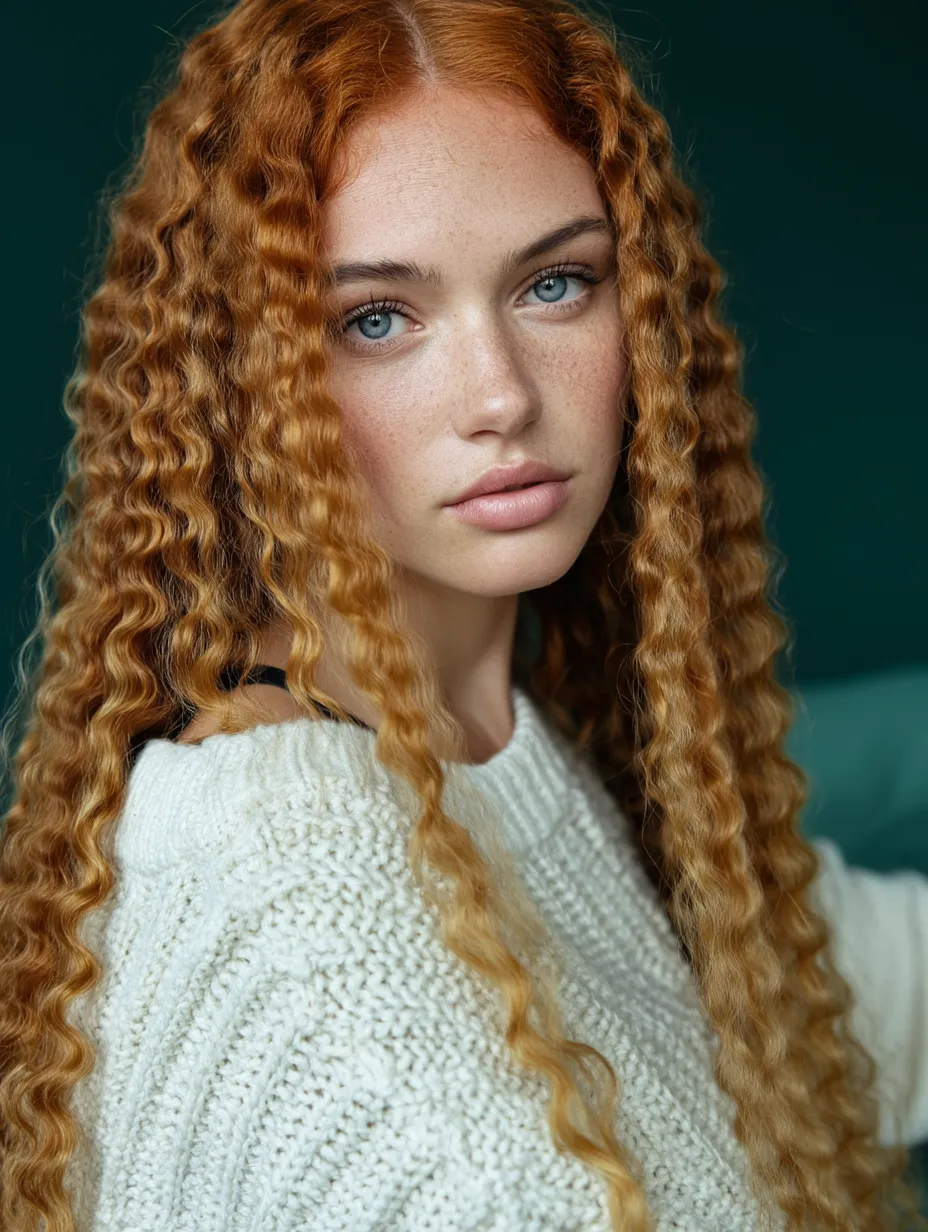
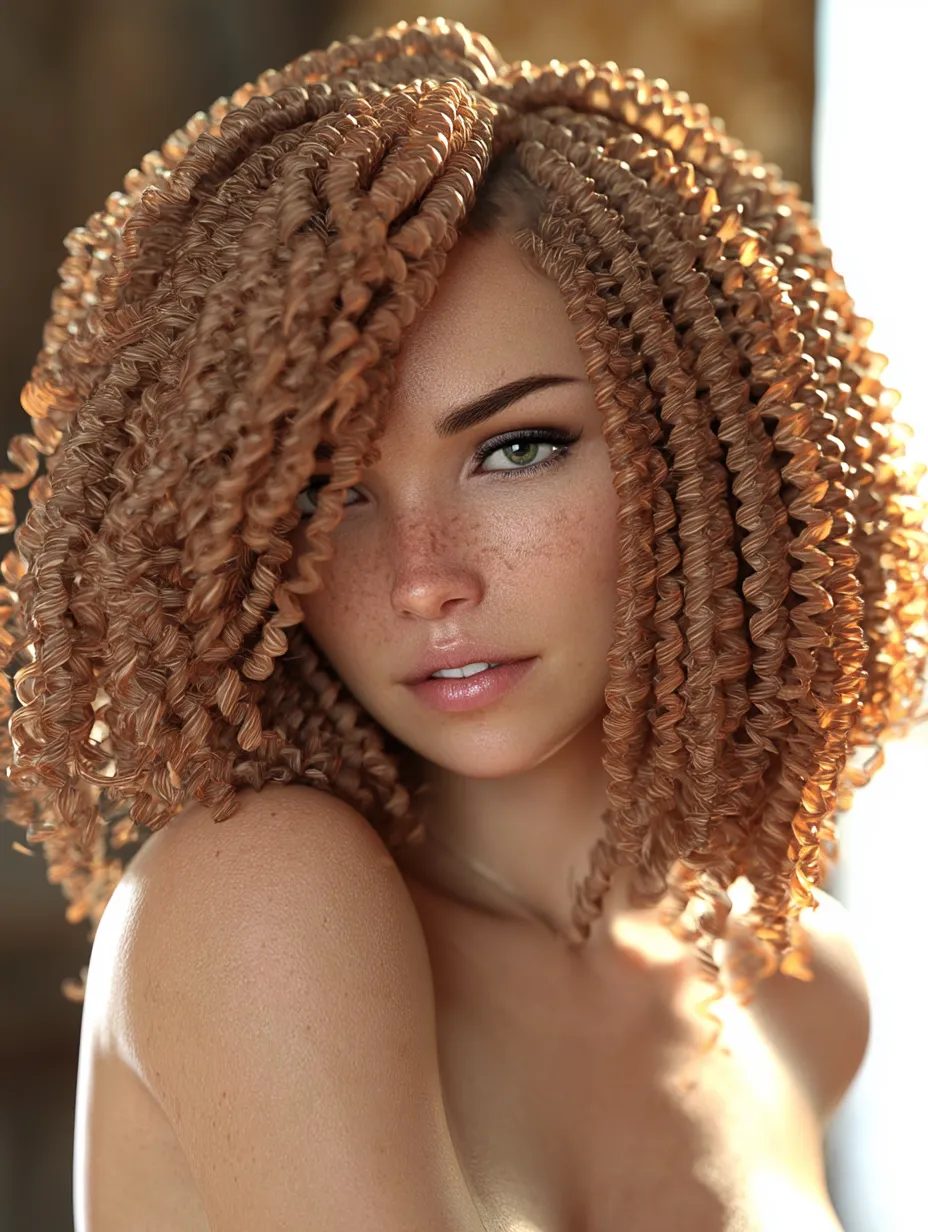
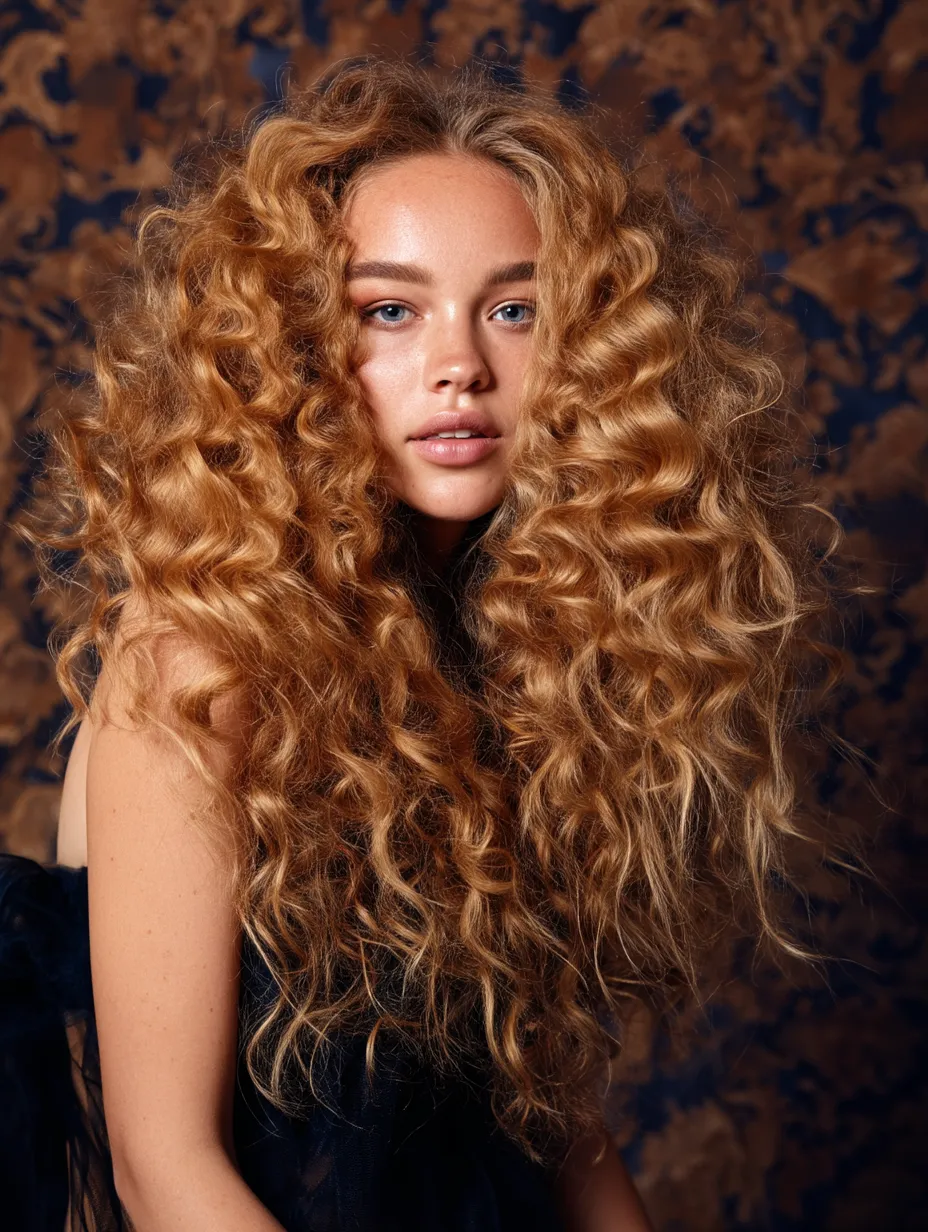
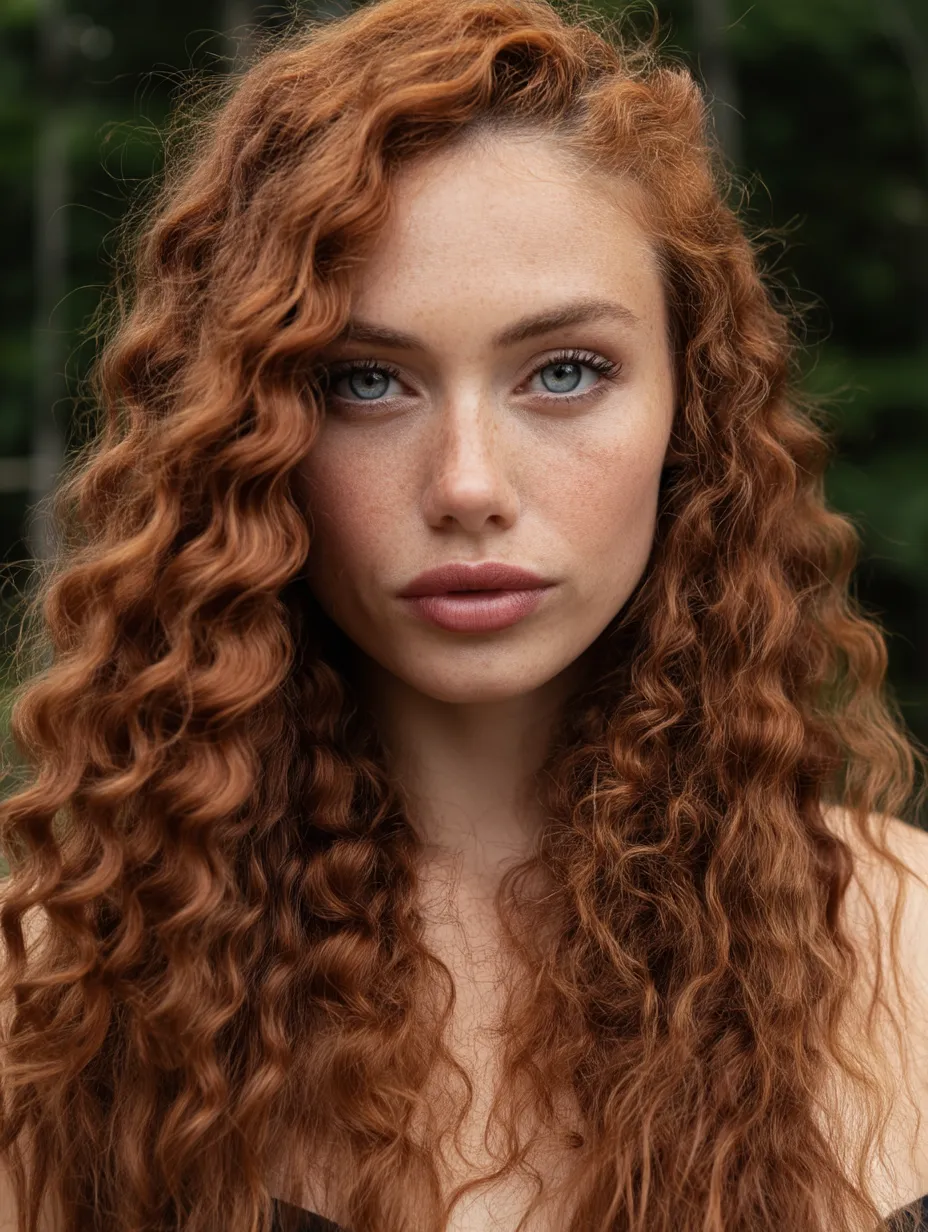
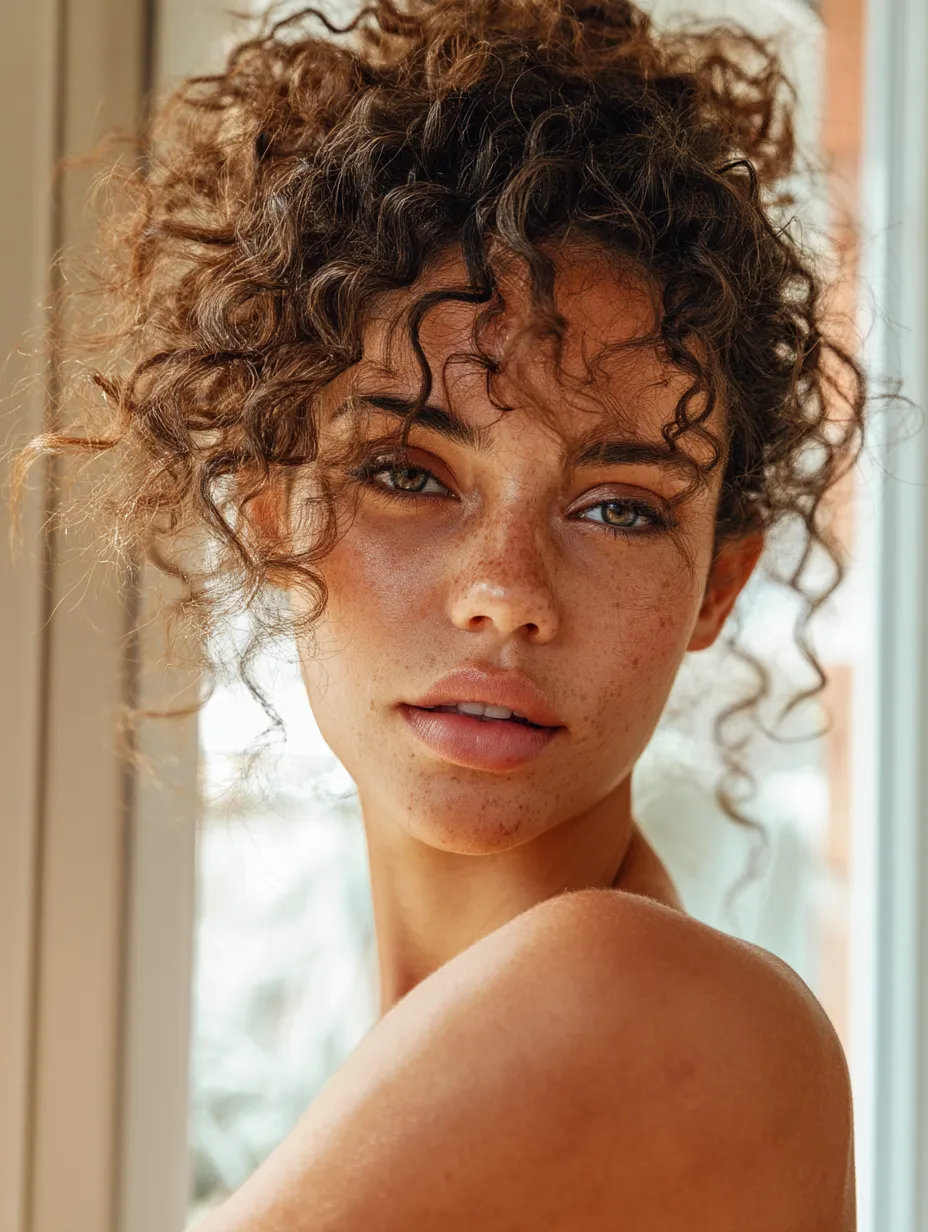
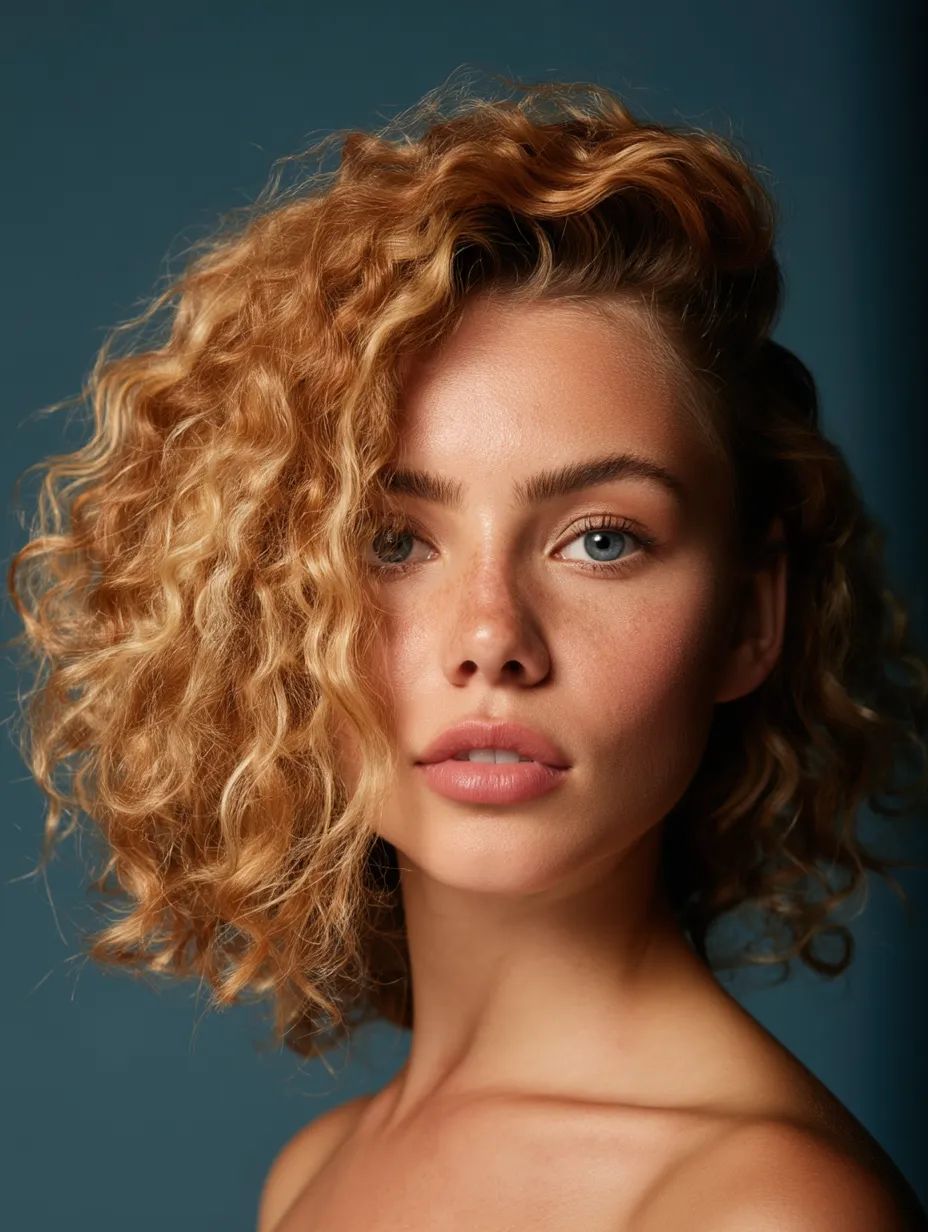
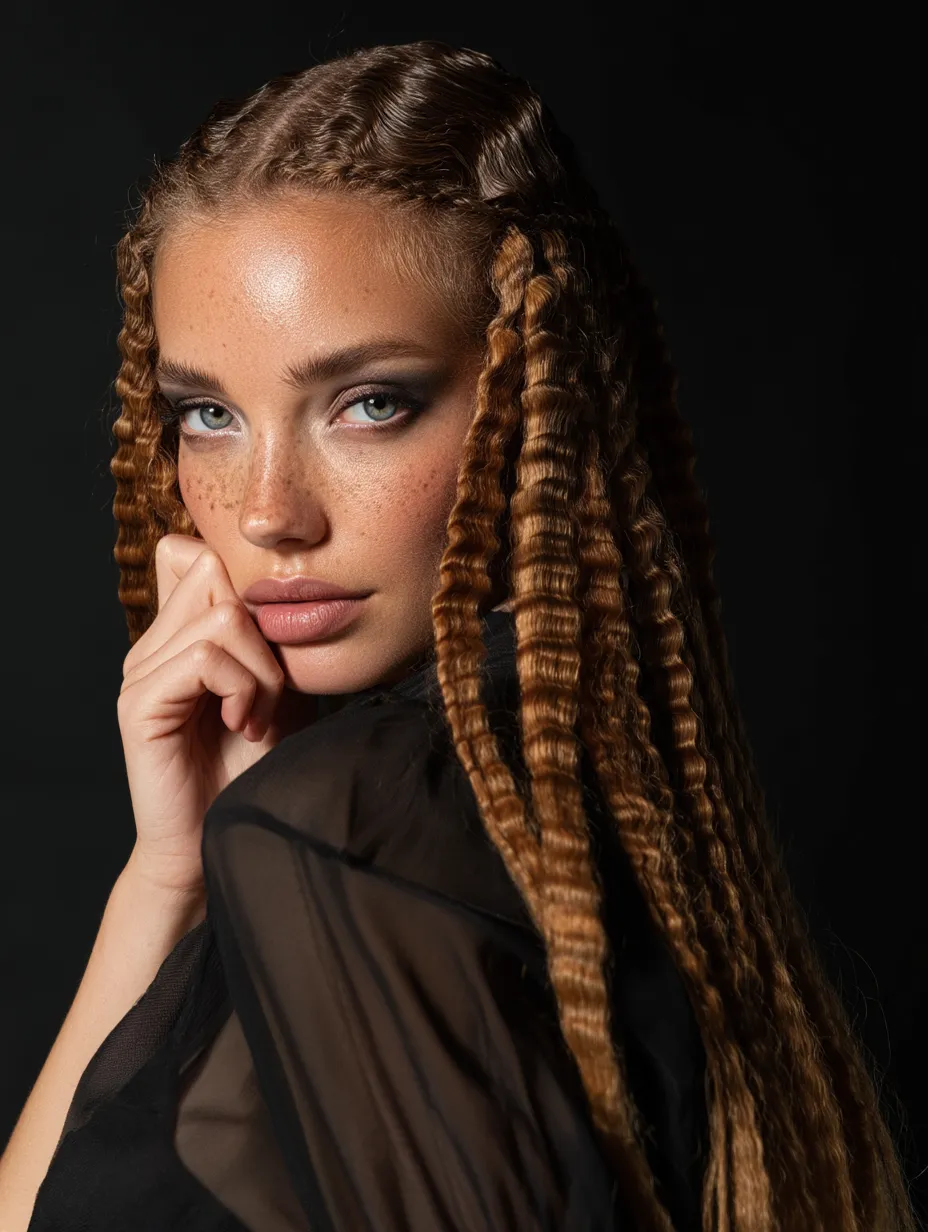
Lemon Yellow Crown Volume — Where Crimping Does Its Best Work
Crown volume is the first thing fine hair loses by midday, and crimping at the roots is one of the few techniques that preserves it without reapplication. The approach here starts with a gentle backcombing pass at the crown before the iron ever touches the hair — that creates a scaffolding the crimp then locks into. Lemon yellow amplifies every ridge: the high-reflectivity of the tone means even a subtle wave pattern reads as significant texture from across a room.


The tool matters more than most people admit. On fine hair, a smaller plate width — around 19mm — produces a tighter crimp that multiplies the appearance of strands rather than just bending them. The BaByliss 2165CU Crimper (available from around $25–$32) heats from 120°C to 210°C across 10 settings, which is exactly the control fine hair requires: stylists recommend staying at 140°C or below to protect color-treated strands while still achieving definition. Fine hair set at a high temperature will lose the crimp within two hours; set correctly, it holds for six or more.
Does the color choice affect how long the style holds? Not directly — but it affects how visible the hold is. Lemon yellow, sitting at the lighter end of the spectrum, reflects light inside each crimp fold. A darker root regrowth line actually creates a useful secondary contrast here, making each ridge look more pronounced. Work in sections no wider than half an inch at the crown, and do not skip the heat protectant: repeated crimping over unprotected fine strands causes cuticle roughening that makes the hair look textured when you don’t want it to.
The fastest way to ruin this look is applying too much finishing product after crimping. A heavy cream or oil mist will collapse the ridges within thirty minutes on fine hair — the weight pulls them flat. A light mist of texturizing spray, like Not Your Mother’s Beach Babe (~$7.92 for 8 fl oz), adds just enough grip to hold the crown height without the cost. Try a half-up variation secured with a clip at the back if you need the look to last through an event; the clipped section keeps the crown volume compressed against itself and stays lifted.
Don’t crimp wet or even slightly damp hair. Fine hair is most fragile when it holds moisture, and a crimping iron on damp strands causes steam damage that shows up as frizz and breakage — not volume. Always wait until the hair is fully dry, or use a low heat diffuser first. A common mistake is rushing the dry step and compensating by lowering the iron temperature; the result is an undefined crimp that disappears in an hour. Start dry, protect first, then crimp.
Don’t use the same section size throughout the whole head. Smaller sections at the crown build more visible lift. Larger sections in the mid-lengths and ends soften the overall look so it doesn’t read as costume.
Bubblegum Pink Crimped Bob — Short Hair Gets Its Texture Moment
Crimp hairstyles for short hair find their sharpest expression in the bob: the perimeter is defined, the length is contained, and every section of crimped texture stays visible rather than disappearing into length. A bubblegum pink bob amplifies this — the pink hue catches light differently in each ridge, so the texture reads even from a distance. The trick here is placement: crimp from the cheekbone level down, leaving the roots smooth. That contrast between sleek top and textured length gives the bob an architectural quality that over-all crimping eliminates.

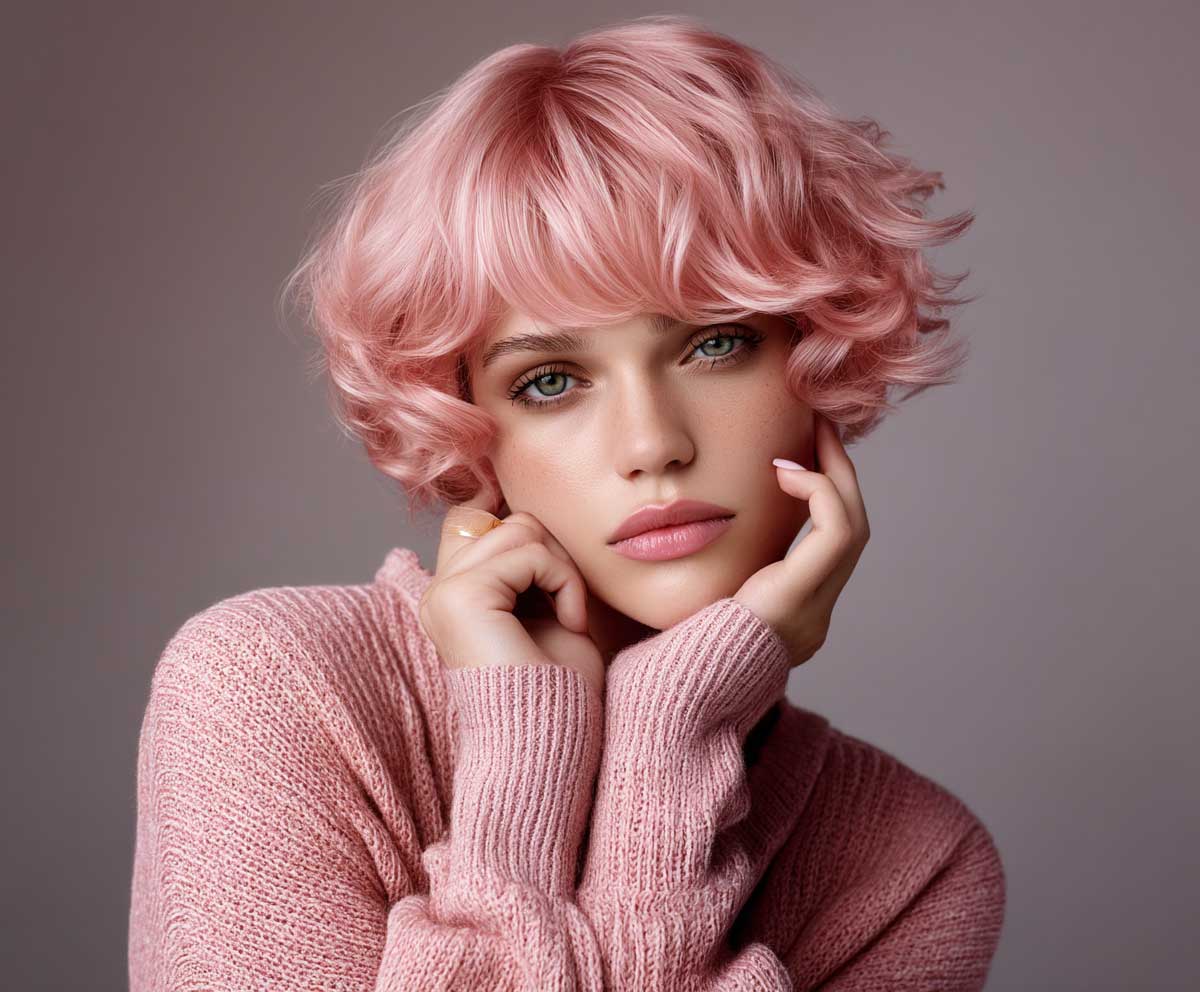


Prep matters here more than in longer styles. Start with a volumizing mousse applied to damp hair — Herbal Essences Volumizing Mousse for Fine Hair retails at $4.97 and provides enough base grip without adding weight. Blow-dry fully before touching the iron. The bob shape means each section is short, so the crimp sets quickly — two seconds of contact per section is enough at 150°C. Hold longer than that on fine strands and the crimp goes hard rather than soft, losing the bounce that makes this look work. Is the iron the only thing that matters? No — the blow-dry direction does half the work. Dry the bob under rather than straight down to build width at the ends, then crimp into that pre-built shape.
Bubblegum pink performs differently under various light temperatures. Under warm indoor light, it reads softer and more coral. Under daylight, the blue undertone in the pink comes forward and sharpens each crimp’s shadow line. This isn’t a problem to solve — it’s a quality to use. Plan the look for the lighting of the setting you’ll be in. Pink with heavier magenta undertones holds its saturation better under artificial light; pastel bubblegum reads stronger outdoors. For a choppy layered bob variation with similar texture energy but more irregular ends, that format also pairs well with the same crimping placement strategy.
Maintenance on this look is minimal and specific. Dry shampoo at the roots the next morning — not a brush — restores grip without disrupting the crimp. Finger-rake the mid-lengths to re-separate any sections that collapsed overnight. What doesn’t work is brushing: a paddle brush on a crimped bob erases the texture in under a minute and turns it into a frizzy blowout. Pin one side behind the ear with a small clip to vary the look on day two without restyling from scratch.
Bright Teal Crimped Short Hair with Center-Part Layers
Crimped short hair in a center-part layered style distributes texture differently than a bob — the layers fall in sections that each catch light independently, so the result looks more like natural movement than a deliberately styled pattern. Bright teal makes this effect more pronounced: teal reflects both blue and green frequencies simultaneously, so each crimp fold shows at least two distinct tones depending on angle. The center part keeps the weight distribution symmetrical, which prevents the crimped texture from reading heavy on one side.


For this look, crimping begins at cheekbone level and continues only through the mid-lengths and ends — the top layer stays smooth. Why? Because on fine hair with layers, crimping all the way from root to tip creates a uniform wave that removes any sense of movement between layers. The smooth upper layer acts like a contrasting frame: you see the textured lower layers through it, which visually multiplies the depth. Hair.com by L’Oréal notes that root-crimping technique is specifically designed to add volume underneath top layers that stay smooth above — the same layered contrast principle applied here. See their full technique breakdown at hair.com/how-to-use-crimper.
Teal fades faster than most fantasy colors, typically losing saturation after 4–6 weeks on fine, lightened hair. What does that mean for the crimped look? The fade actually extends the visual life of the style: as teal shifts toward aqua, then seafoam, the lighter hue continues to reflect light well inside each crimp fold. A color-depositing conditioner in teal or aqua (used once a week in place of regular conditioner) slows the fade without requiring a salon visit. For maintaining texture alongside color, stylists recommend everyday hairstyles for thin fine hair that work between wash days without compromising styled texture.
The finishing step that most people skip on this look is a light pass of shine spray across just the smooth upper layer — not the crimped sections. Shine on the top layer increases the contrast between smooth and textured, making the layered structure read more sharply. Using shine spray on the crimped sections themselves is the mistake: it adds slip that causes the ridges to slide apart and lose definition within an hour. Keep the shine product on the sleek areas and let the crimp stay matte.
| Style | Best For | Heat Setting | Key Risk |
|---|---|---|---|
| Lemon Yellow Crown Volume | Fine hair needing all-day root lift | 140°C / fine hair | Heavy finishing product collapses ridges |
| Bubblegum Pink Crimped Bob | Short hair, defined texture, bold color | 150°C / 2 sec hold | Brushing erases crimp entirely |
| Bright Teal Center-Part Layers | Layered short hair, movement contrast | 150°C / mid-lengths only | Crimping roots removes layer contrast |
CRIMPED HAIRSTYLES FOR SHORT HAIR
Texture Isn’t Added — It’s Unlocked
Fine short hair already has the structure crimping needs. The iron isn’t creating something from nothing; it’s reorganizing what’s there. Crown crimping holds volume for six-plus hours when heat is kept below 150°C and finishing products stay light.
Pink bobs and teal layers follow the same rule: crimp placement, not color, controls the result. Start from the cheekbone down and leave the roots smooth — that contrast between sleek and textured is the entire visual engine.
Save this post before your next appointment.
Related Topics