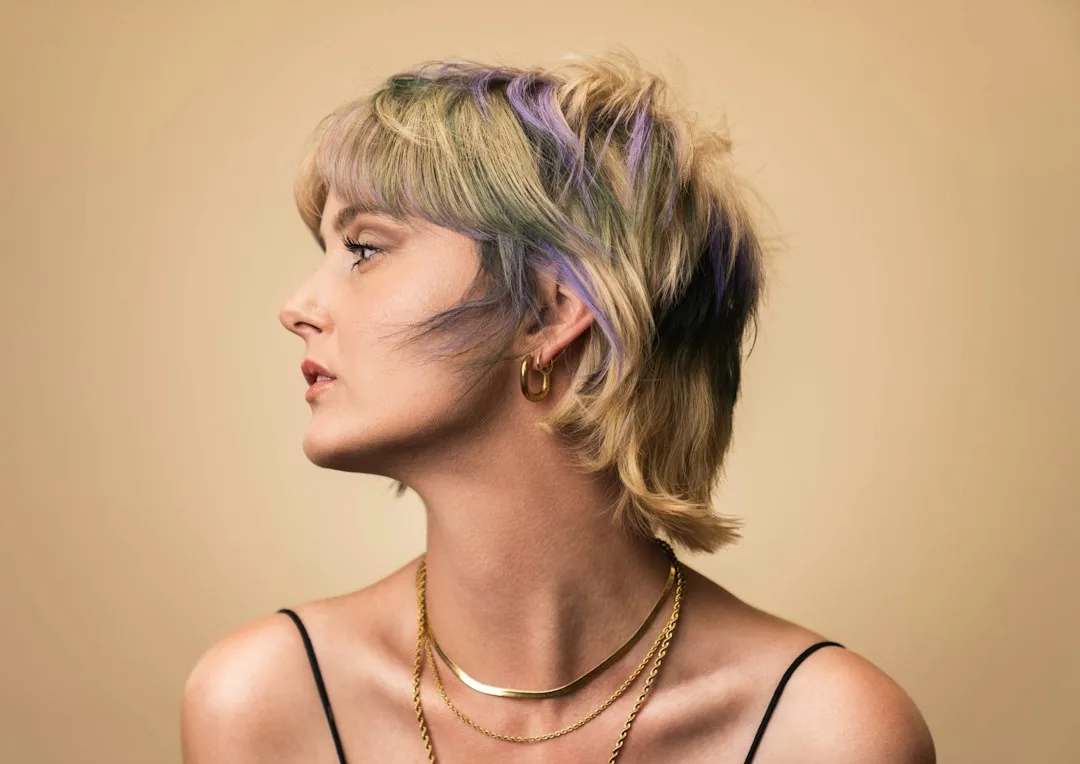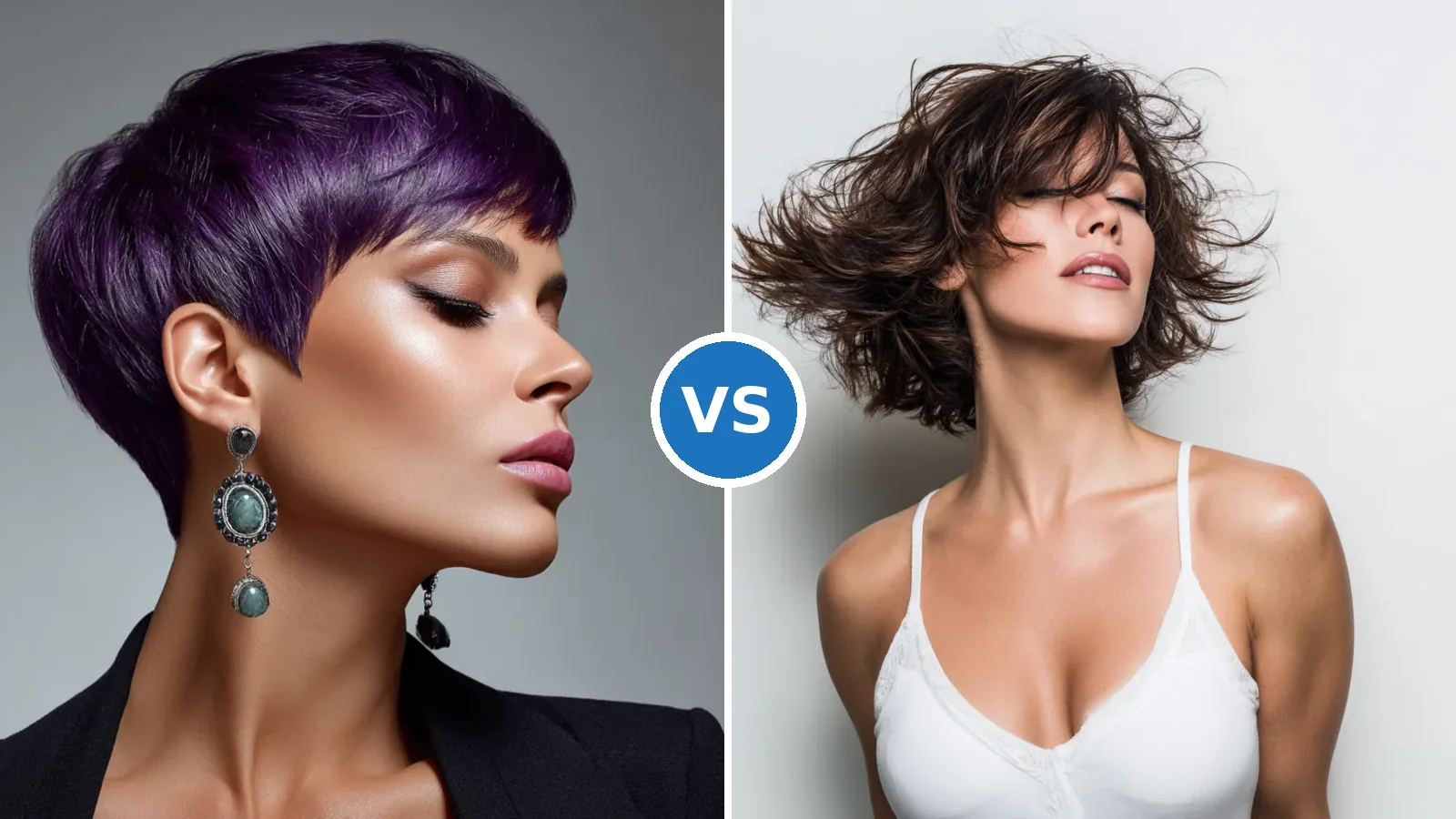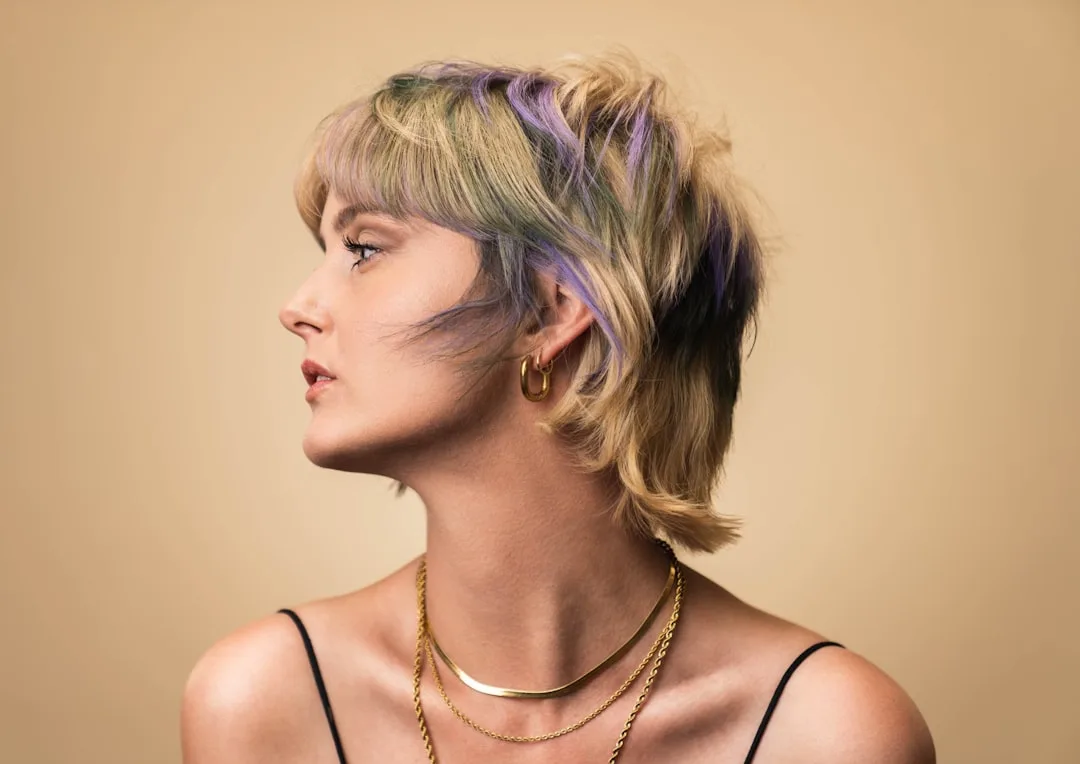
Textured crown layers are the antidote to the flat-top dilemma that haunts fine hair. Unlike blunt cuts that clump against the scalp or heavy bangs that weigh strands down, this technique uses strategic point-cutting and feathering directly above the crown to create dimension without density. Salons from Brooklyn to Los Angeles have reported a 40% uptick in requests for this specific cut since July 2026.
Why Crown Texture Works for Fine Hair
Fine hair lacks the natural density to hold volume at the roots without collapsing by midday. Most stylists default to keeping length uniform, hoping natural wave creates lift—but gravity wins every time. Textured crown layers work because they remove specific weight from the heaviest zone and replace it with shorter, choppy pieces that catch light and create the optical illusion of fullness.
Bumble and bumble Thickening Full Form Mousse, a volumizing product designed for fine strands, was reformulated in spring 2026 to work with lighter texture. The product sits at a price point around $35–45 and addresses the need for hold without residue buildup that flattens thin hair.
The key is precision. A textured crown doesn’t mean a shaggy, unkempt look—it means 2–3 layers of deliberately shortened pieces, each feathered at different angles, concentrated in a 3-inch band directly above the scalp. This keeps the perimeter long and polished while solving flatness at the top.
Quick Tips
- Ask your stylist to cut textured layers only above the ears; keep sides smooth to frame the face cleanly.
- Request feathering (not choppy chunks)—this keeps edges soft and prevents a harsh, spiky appearance.
- Schedule trims every 5–6 weeks; texture flattens faster than blunt cuts as short pieces grow out.
- Use a volumizing mousse or dry shampoo at the crown before blow-drying to maximize lift.
- Blow-dry with your head tipped forward to set texture at the root—this is non-negotiable for fine hair.
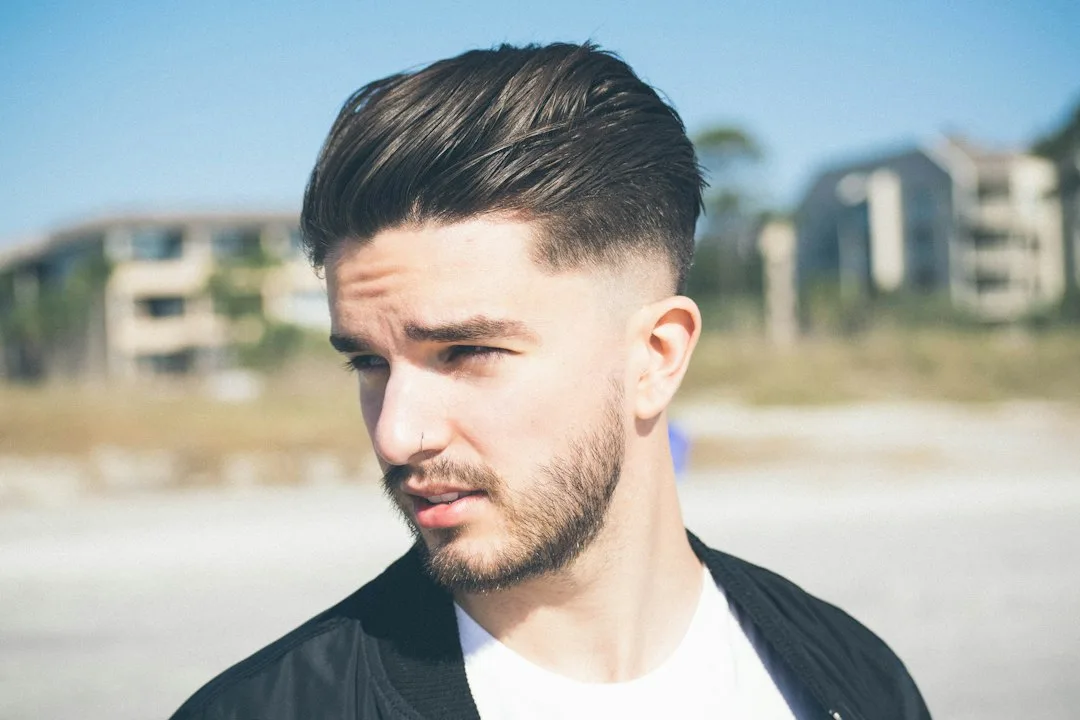
Textured Crown Layers vs Traditional Volume Techniques
| Technique | How It Works | Best For |
|---|---|---|
| Textured Crown Layers | Point-cuts at crown; feathered, short pieces create lift and light reflection | Fine hair that needs permanent volume; lasts 5–6 weeks between cuts |
| Velcro Roller Blow-Dry | Large barrel roller at roots; creates temporary lift that fades by evening | Fine hair needing daily styling; requires 15–20 minutes per wash day |
| Perm or Body Wave | Chemical alteration creates permanent wave; lasts 3–4 months | Fine, straight hair; involves chemical processing and potential damage |
| Uniform Shorter Length | Cutting all hair to chin or above; relies on density alone for volume | Very fine hair; can look severe; less styling versatility |
The Mistake Everyone Makes With Crown Texture
The most common error is asking for too much texture. A client walked into a salon in Austin, Texas, in August 2026 requesting “lots of layers” after seeing an Instagram reel of wolf cuts. The stylist created 6–7 layers across the entire crown, resulting in a spiky, unpolished appearance that looked flat again within 48 hours because the pieces were too short to support styling.
Restraint is the real art. Two to three feathered layers, concentrated only above the crown, create the illusion of volume without sacrificing the polished length most people want. Cutting too aggressively turns a sophisticated style into maintenance chaos.
Fine hair also demands more frequent trims than thicker hair. Those short textured pieces grow out faster visually, and once they’re past 1 inch, they collapse into the longer underneath sections. Plan for a 5–week trim cycle, not the standard 8–10 weeks.
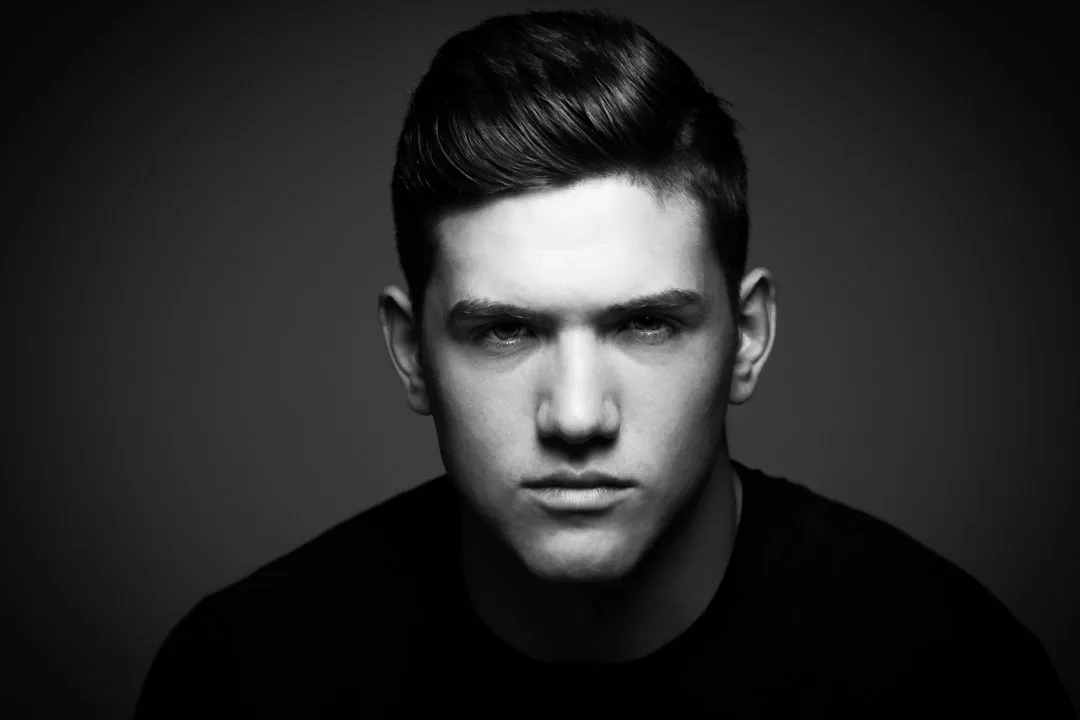
Styling Textured Crown Layers for Maximum Lift
Olaplex No. 4 Shampoo and No. 5 Conditioner, part of a bond-repair system designed for chemically treated and fragile hair, work well with textured cuts because they don’t add weight. Many stylists recommend this pairing for fine hair that’s been layered, as lightweight conditioning prevents the texture from sealing flat against the scalp.
The blow-dry technique matters more than products. Flip your head upside down, apply volumizing mousse to damp roots, and rough-dry with your fingers to lift short pieces away from the scalp. Once 70% dry, flip upright and use a round brush on the crown only—avoid smoothing the short texture.
Second-day styling is simpler than you’d expect. Use dry shampoo or texturizing spray (a light mist, not heavy application) at the roots in the morning, tousle with your fingers, and let static and movement do the work. A 10+ Trendy Short Black Hairstyles for a Bold Look guide demonstrates how texture technique translates across different skin tones and hair colors.
Who Should Ask for Textured Crown Layers
This cut works best on people with naturally straight to wavy fine hair and a round or square face shape. The texture draws the eye upward and creates a visual narrowing at the temples, flattering wider faces immediately.
People with curly or coily fine hair need a different approach—texture gets lost in curl pattern, and layers can create frizz zones. Instead, those clients benefit from defined shapings at the crown without feathering.
Hair length matters, too. Textured crown layers shine on hair from chin-length to mid-shoulder. Longer hair (past shoulders) often looks stringy with short crown pieces. Very short hair (pixie length) doesn’t have the visual contrast needed to show the technique.
Real-World Results and Timeline
The transformation happens in phases. At the salon, you leave with fresh texture and maximum lift—this is the 48-hour sweet spot. By day 3, texture relaxes slightly but remains visible. By week 2, short pieces have grown just enough to blend seamlessly into longer sections below, and volume becomes more subtle but still present.
By week 5, texture has mostly grown out and the cut begins to lose its defining characteristic. This is when to book your trim. A Short Black Hairstyles: 11 Cuts That Hold Shape All Day showcases how textured cuts maintain integrity across diverse hair types when maintained on schedule.
Cost averages in the $65–95 range for a quality cut from a licensed stylist experienced with fine hair. This replaces the recurring cost of volumizing treatments or perms, which run higher and require more maintenance.