You’re sitting in the salon chair, and your stylist asks one crucial question: do you want layers that move, or a clean line that makes thin hair look thick? That’s the core difference between the graduated bob vs blunt bob. Both are polished, modern choices, but they appeal to different hair types and styling preferences.
The graduated bob haircut builds volume through stacked layers, while the soft blunt bob creates density through a solid, unified baseline. Understanding this split helps you choose the right cut for your texture, face shape, and daily styling energy.
What these two haircuts actually are
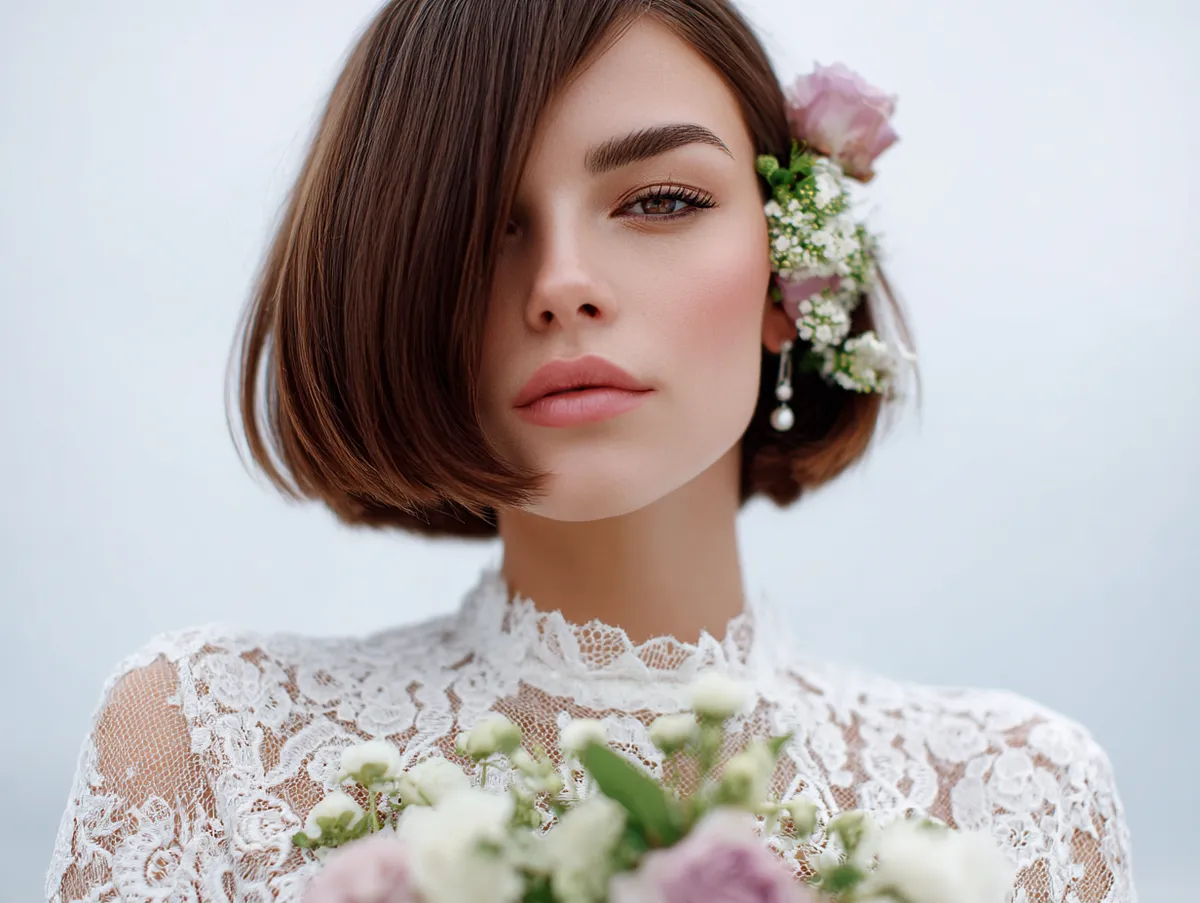
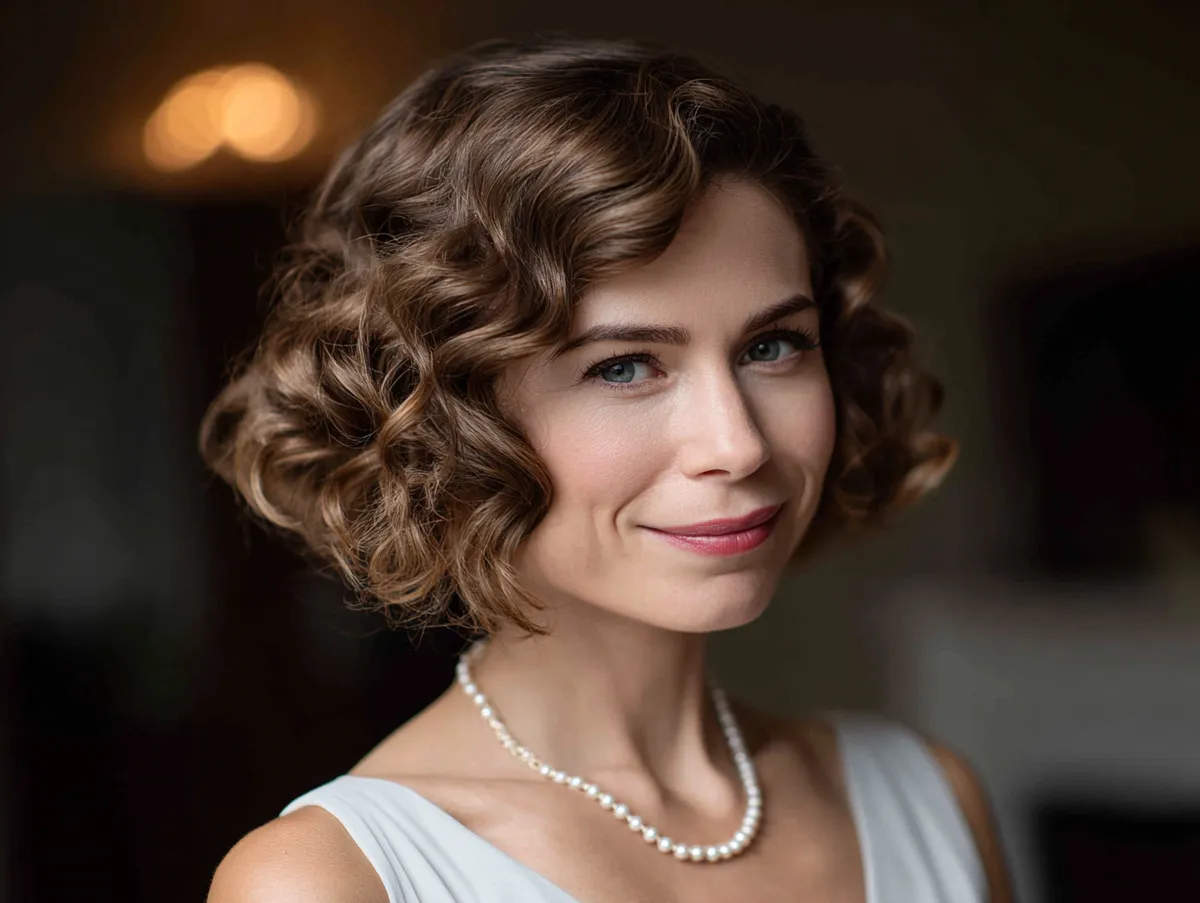
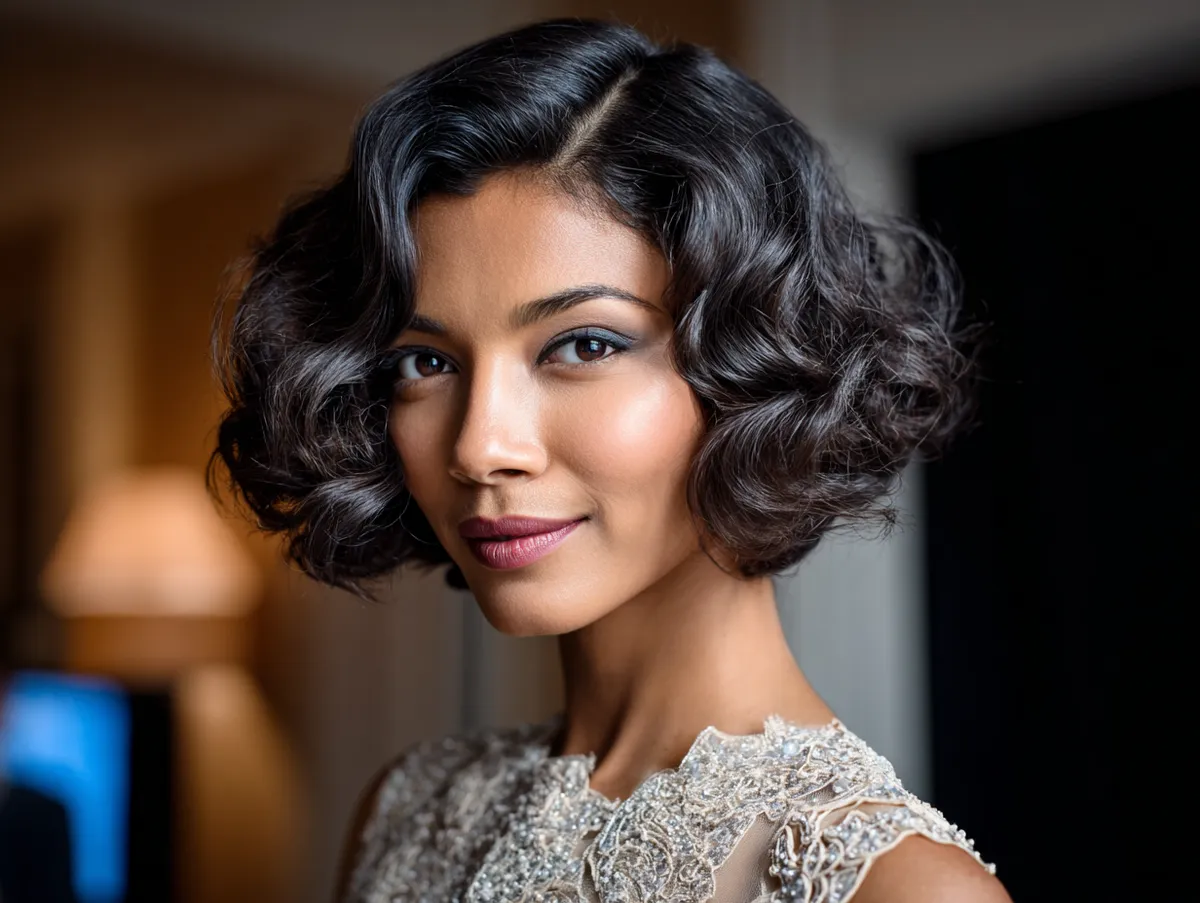
A graduated bob is a layered cut where shorter strands sit on top and progressively lengthen toward the back, creating natural lift and movement. The stacked angles at the nape add volume and allow for multiple styling directions.
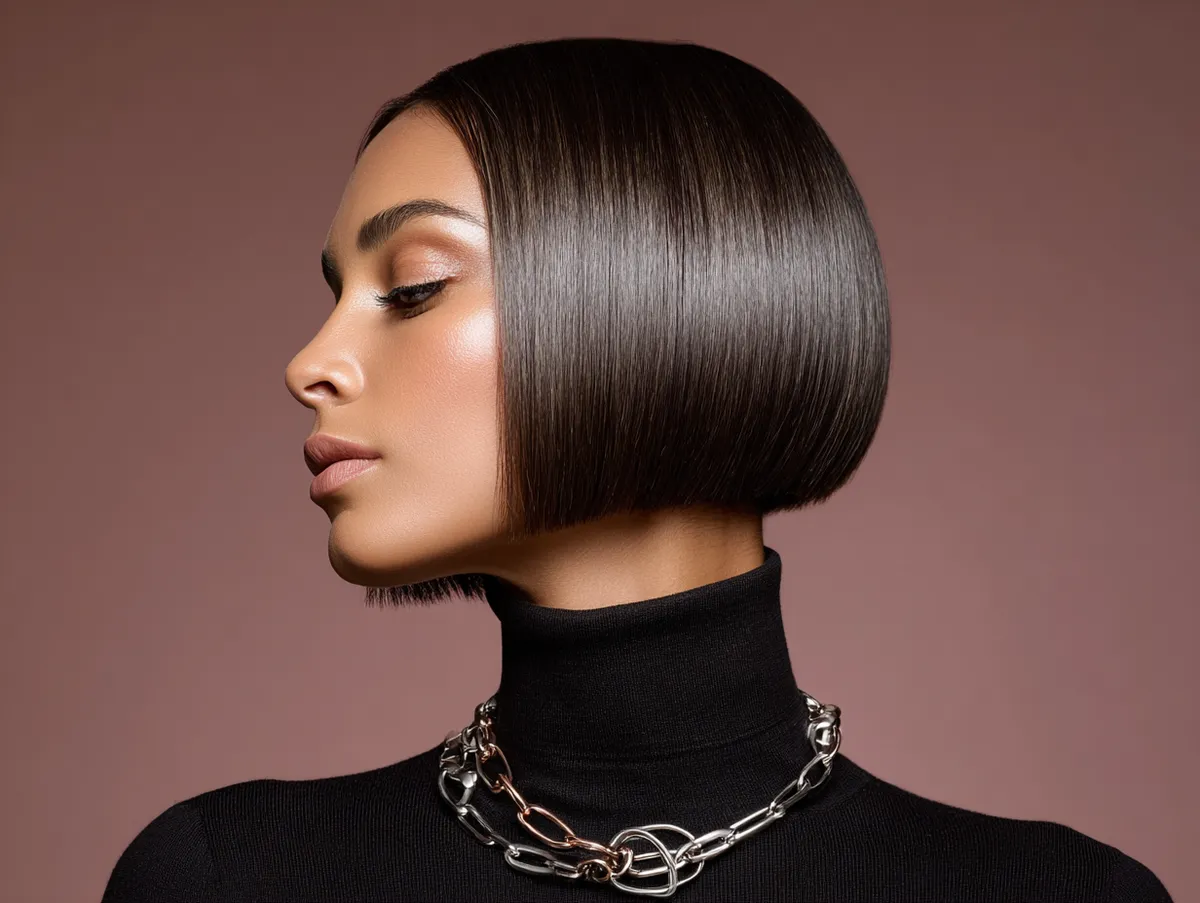
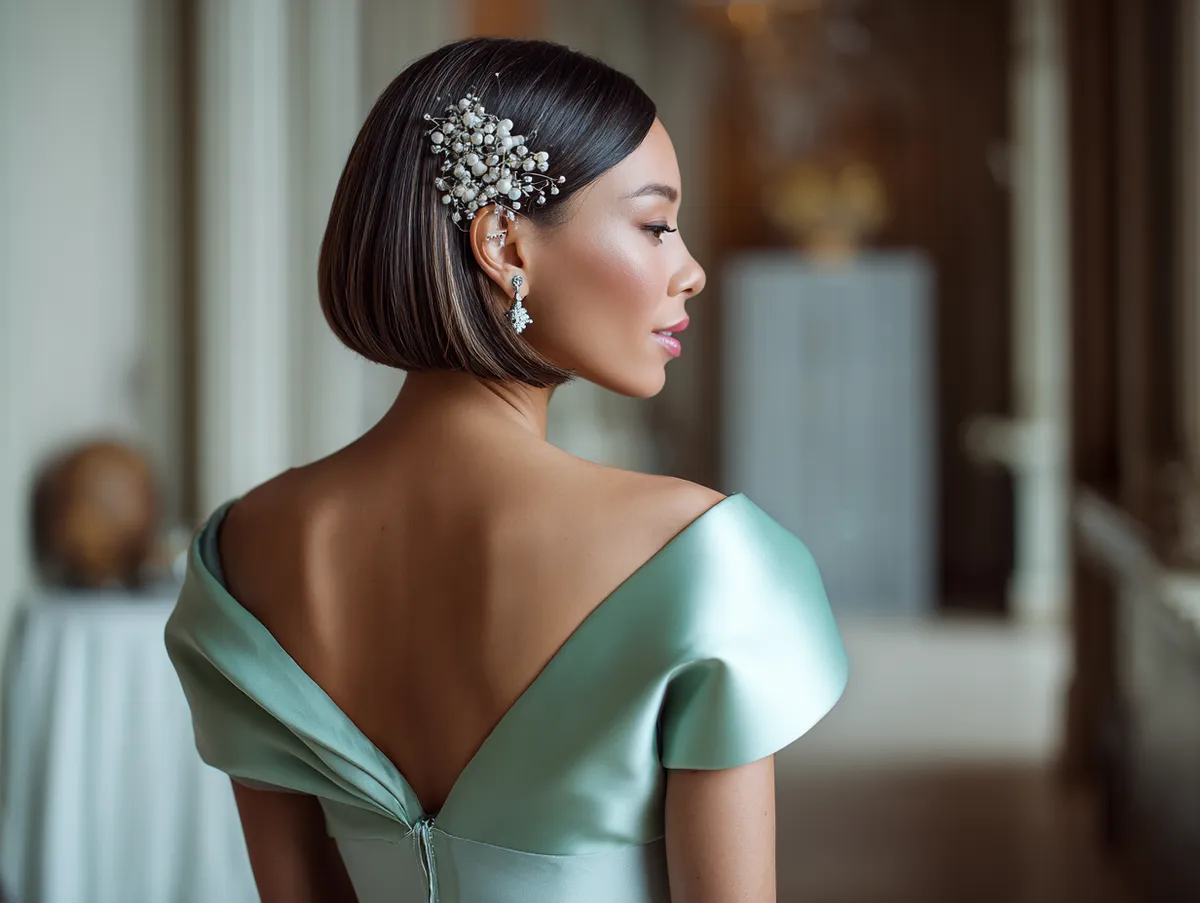
A soft blunt bob maintains one consistent length across the entire perimeter, with only the very tips textured using point-cutting techniques to avoid a harsh, helmet-like edge. This architectural simplicity is what creates the illusion of thickness.
Both are sophisticated, contemporary choices—but they achieve their impact through opposite methods. One relies on layering; the other relies on density.
Quick Verdict
- Choose the graduated bob if you have medium to thick hair, enjoy styling flexibility, and want soft curls or waves without extra effort.
- Choose the soft blunt bob if you struggle with fine or thinning hair and want a cut that creates an instant illusion of density.
- Both work if you’re willing to commit to regular trims and understand what each cut demands from your routine.

Side-by-side — the criteria that matter most
When choosing between graduated bob vs blunt bob, consider these key factors: how your hair naturally falls, how much styling time you want to invest daily, and whether you’re aiming for movement or maximum fullness.
| Criteria | Graduated Bob | Soft Blunt Bob |
|---|---|---|
| Best for hair type | Medium to thick, works with most textures | Fine, thin, or damaged-looking strands |
| Styling flexibility | High—curls, waves, straight all work | Limited—relies on preserving the solid line |
| Daily styling time | Moderate; curling tools often needed | Minimal; architecture does the heavy lifting |
| Visual impact | Playful, feminine, romantic | Sleek, polished, densely structured |
| Trim frequency | Every 6-8 weeks to maintain shape | Every 4-6 weeks to preserve the blunt line |
| Occasion suitability | Weddings and celebrations with curls or waves | Professional and formal settings prioritizing polish |

Where the graduated bob wins
The graduated bob excels in styling flexibility and visual movement. Because the layers are built into the cut itself, you can wear your hair curled, waved, or completely straight and it looks intentional either way.
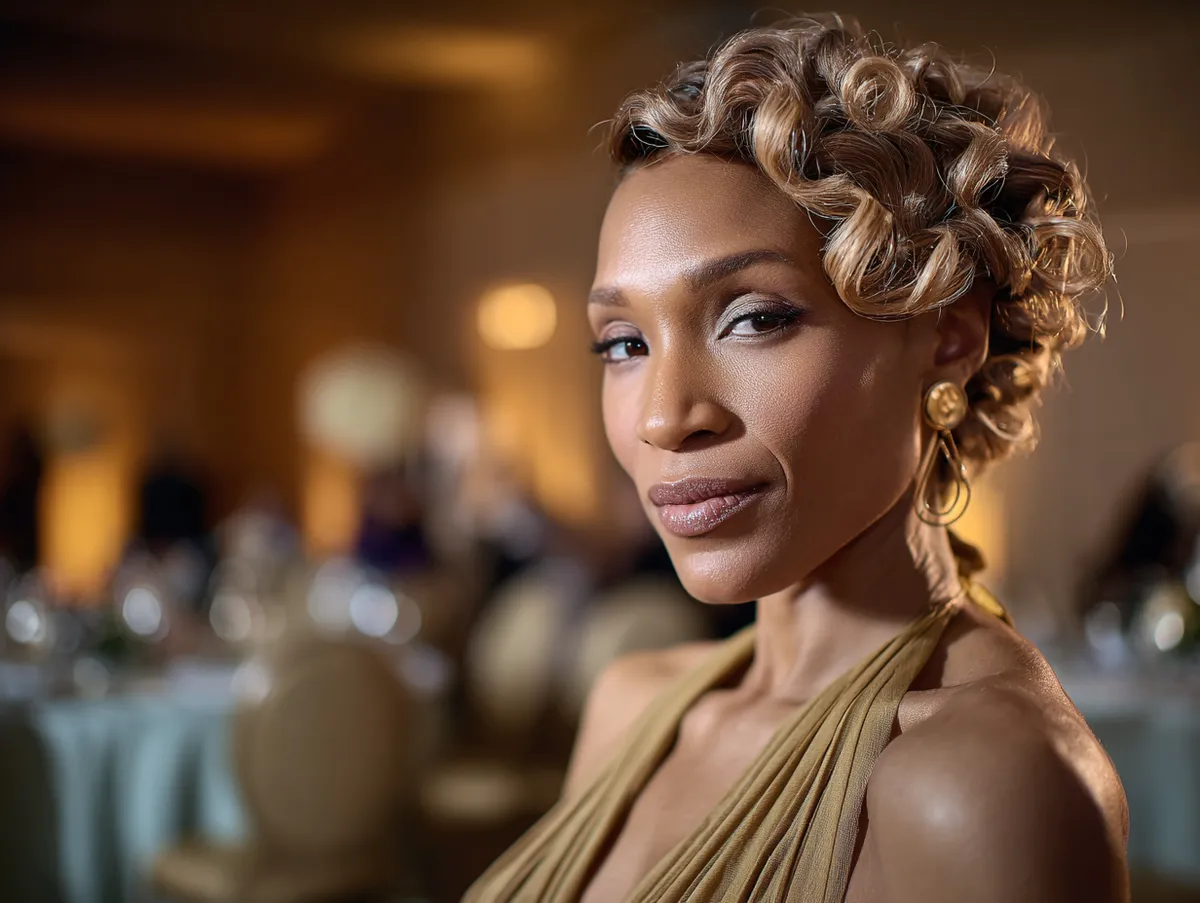
This style shines at weddings and celebrations. Soft curls transform it into romantic elegance, while a sleek finish keeps it polished for bridesmaids. The graduated structure lifts naturally without relying on blow-dryer technique alone.
If you enjoy switching up your look, the graduated bob is more forgiving. You can experiment with different textures and products without the cut falling apart.
Where the soft blunt bob wins
The soft blunt bob is unmatched for creating the optical illusion of thick hair. By accumulating all the hair’s mass at one solid perimeter line, light reflects off a wall of density rather than passing through thinned-out ends.
This cut requires less daily effort. Once the architecture is cut correctly, styling becomes straightforward—concentrate on root lift at the scalp, and let the blunt baseline handle the rest. No round-brush marathons needed.
The soft blunt bob also demands fewer styling tools. For people with fine hair who are tired of coaxing volume from thin strands, this cut feels like a breakthrough.


The number one mistake people make when choosing
The biggest error is choosing a soft blunt bob without understanding the maintenance commitment. People assume that because it looks simple, it requires less upkeep than a layered cut. The opposite is true.
A blunt line loses its optical power the moment those ends begin to taper and weather. If you can’t commit to trims every 4-6 weeks, the illusion of thickness evaporates and you’re left with a flat, dull-looking bob that shows every bit of damage. The graduated bob, by contrast, holds its shape longer because the layers mask new growth and imperfect ends.
Choose the soft blunt bob only if you genuinely prioritize salon visits. Otherwise, the graduated bob’s forgiving nature will serve you better.

Final verdict — which should you choose
Pick the graduated bob if you have naturally thick or medium-textured hair, enjoy experimenting with curls and waves, and want a cut that looks polished even between trims. It’s the choice for people who value styling flexibility and can tolerate a moderate maintenance schedule.
Pick the soft blunt bob if you have fine or thinning hair and are willing to visit the salon every 4-6 weeks without fail. This cut solves a specific problem—the visual illusion of density—better than almost any other option.
Both are modern, sophisticated choices. Your hair type and commitment level determine which one actually wins for you.