The pomeranian bear cut is one of those grooming choices that looks completely effortless and takes real skill to pull off. I’ve seen too many Poms leave the salon looking like deflated bath toys because the groomer rounded everything uniformly without paying attention to ear placement or facial structure. Done right, this cut sculpts the head into a soft sphere, draws the eyes forward, and makes a five-pound dog look like the most photogenic creature in the room.
You’ll notice the difference immediately when a groomer knows how to adapt the cut to the individual dog. A Pom with a wider skull needs the ears trimmed tighter to avoid a lopsided puffball effect. A puppy with softer fur needs a longer blade guard to hold the round shape through grow-out. These are not minor details — they’re the gap between a $75 session that looks like a $75 session and one that looks like the dog stepped off a Pinterest board.
Professional grooming for a Pomeranian with a full teddy bear cut typically runs $70 to $90 per session, with appointments every 4–6 weeks recommended to keep the shape tight. Below are three distinct variations of the pomeranian bear cut — each with its own logic, its own look, and its own ideal candidate.
- The pomeranian bear cut comes in three distinct shapes: soft rounded ears, fluffy face trim, and compact teddy style — each suits a different coat type and skull shape.
- Grooming costs $70–$90 per session; book every 4–6 weeks to preserve the silhouette.
- Brush daily around the head and neck — letting this slip for even a week collapses the round shape faster than you’d expect.
- The compact teddy style works best on younger puppies; the fluffy face trim suits dual-tone or lighter coats where contrast shows.
- Avoid trimming both the body and face to the same short length unless you want your dog to look like a cotton ball, not a bear.
Soft Rounded Ears Make the Whole Head Look Bigger
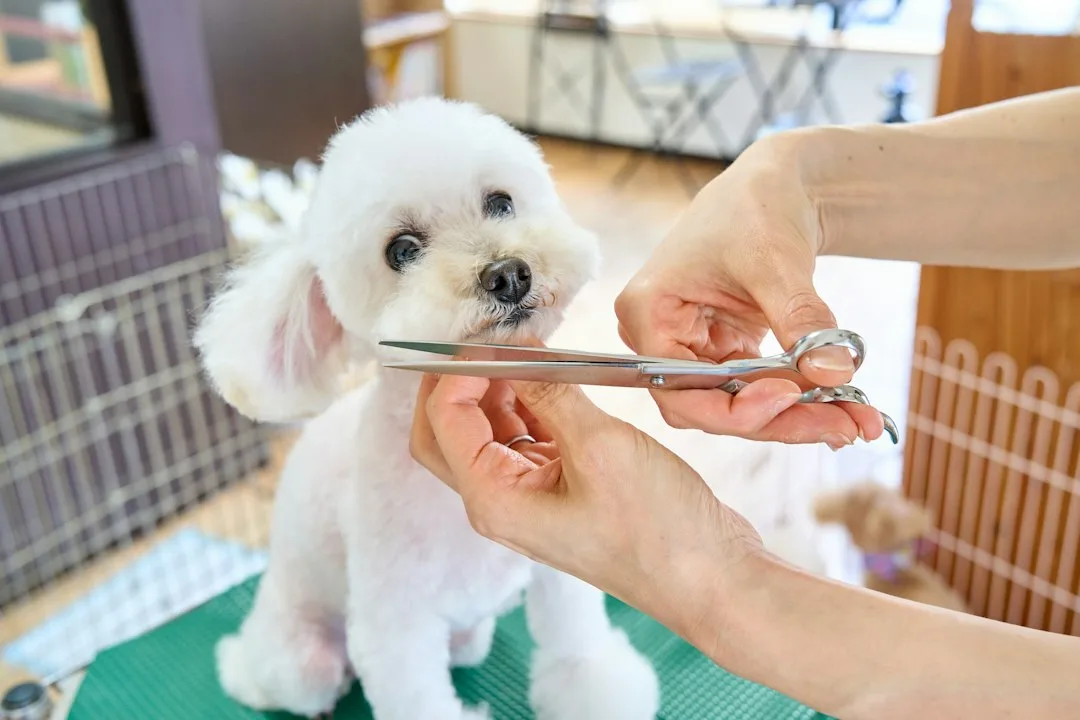
The pomeranian bear cut with soft rounded ears works because it treats the ears as part of the skull silhouette rather than separate features. A groomer using a #4 or #5 blade guard on the ear tips and blending outward into the ruff creates that dome-shaped head that makes strangers stop mid-stride to comment. My go-to groomer in Seattle does this with curved shears and charges $85 for the full session — she calls it “building the bubble.” I’ve never seen a more accurate description of what actually happens.


What this variation does particularly well is reduce the tangling problem at the ear base — that specific spot where Pomeranian fur mats into hard little pellets if you miss even a few days of brushing. Shorter, blended ear fur eliminates that trouble zone almost entirely. Does it sacrifice some drama? Yes. Does your dog stop screaming when you brush them? Also yes. For anyone who’s had to hold a squirming Pom down during a detangle session, the tradeoff is obvious.
Chris Christensen’s Pin Brush ($28 at most pet supply retailers) is what I use between salon visits to maintain the roundness without flattening the top coat. The long pins separate without pulling, which keeps the dome shape intact from week to week. Avoid paddle brushes on the ear area — they drag the fur sideways and undo the round shape in about three strokes. Refine the cut every 4–6 weeks at the salon, and you’ll never have an awkward grow-out phase with this style.
This version suits confident dogs who spend time around strangers, because the wide, open face shape reads as approachable and soft. It’s also the most forgiving of the three cuts if your Pom has irregular ear placement — the blending hides asymmetry better than any other variation. For anyone new to the pomeranian bear cut as a low-maintenance grooming option, the rounded ear version is the safest starting point.
Fluffy Face Trim Pulls Every Detail Forward
The fluffy face trim bear cut for Pomeranian dogs is built around contrast — specifically, the contrast between a closely trimmed muzzle and a dramatically puffed cheek frame. I stole this framing concept from a groomer at a dog show in Portland who used it to make a cream-and-apricot Pom’s facial markings pop under harsh overhead lighting. The shorter snout fur makes the black nose look larger, the eyes look deeper-set, and the whole face reads as more three-dimensional in photos.


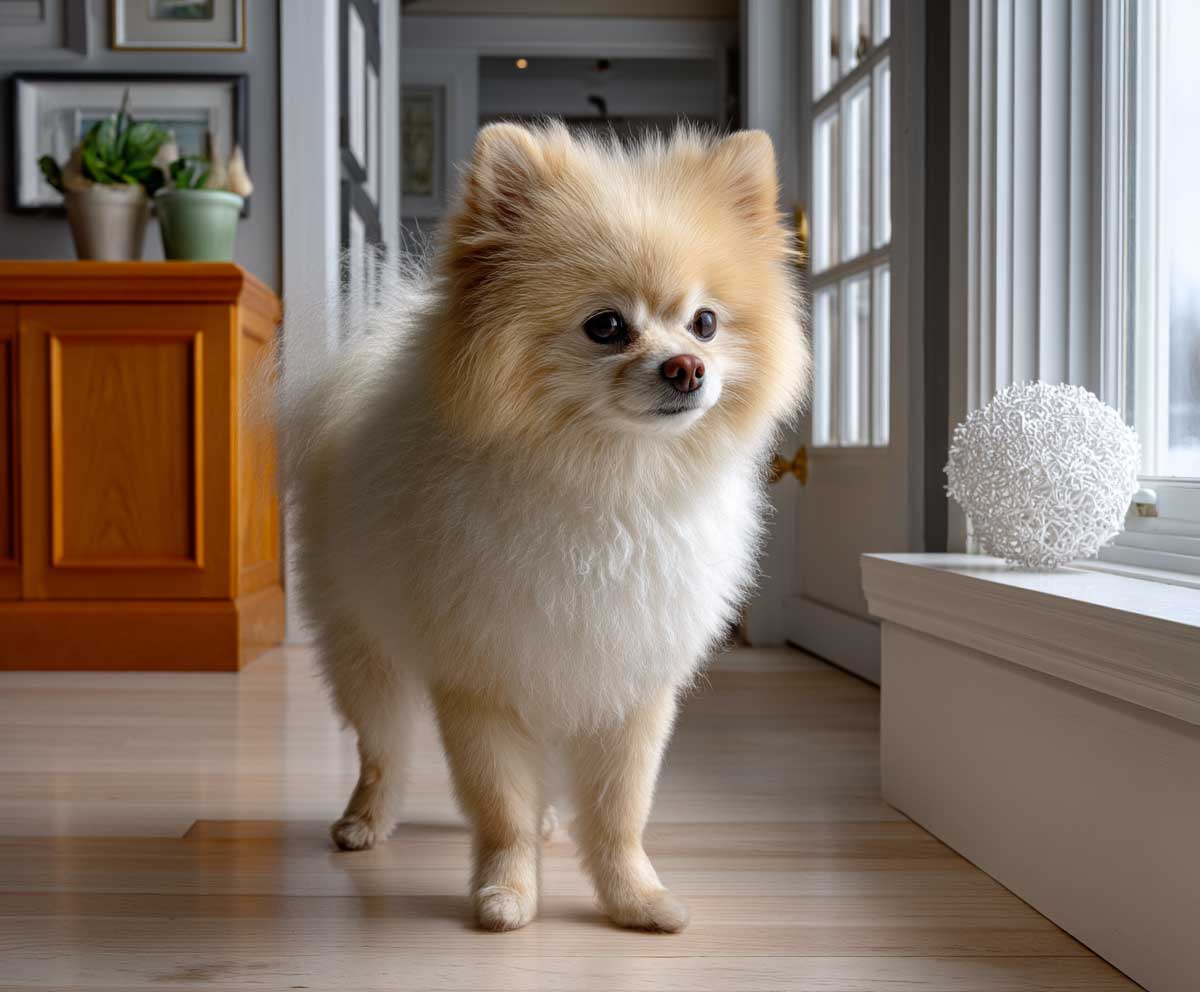
Practical upside nobody mentions: trimmed fur around the muzzle means less food debris collecting in the coat. My Pom Olive had chronic tear staining that cleared up within two weeks of switching to this face trim — the shorter fur stopped wicking moisture up into the eye corners. If your dog eats wet food or anything that clumps, this cut is worth trying for hygiene reasons alone, separate from aesthetics entirely.
The face trim requires more frequent salon visits than the other two variations — expect to be back every 4 weeks rather than 6, because the snout grows at a noticeably different rate than the cheek fur. Between visits, a quick wipe with Burt’s Bees Hypoallergenic Shampoo Wipes ($9 at Chewy) keeps the muzzle area clean without disturbing the cheek fluff. Don’t let the cheek fur mat at the junction with the snout trim line — once that section tangles, the groomer has to take it down shorter to fix it, and you lose the contrast that makes this cut work.
Shaving a Pomeranian’s body completely flat while leaving the face round doesn’t create the bear effect — it creates an unsettling mushroom silhouette. The body fur needs to stay at least 1–1.5 inches long to balance the head shape visually. Also, never ask a groomer to “just clean up” a Pomeranian bear cut without showing them a reference photo — “clean up” means something different to every groomer, and you will come home with a dog who looks like they went through a hedge trimmer at an inconsistent angle.
Light and dual-toned coats respond best to the fluffy face trim because the groomed lines around the muzzle highlight color variation that gets lost in an all-over puff. If your Pom is solid dark brown or solid black, the contrast is less dramatic and the rounded ear variation may serve you better. Want to see how this style compares with other low-maintenance approaches? The bear cut variations at ArtFasad lay out the full range clearly.
Compact Teddy Style Turns a Puppy Into a Plush Toy
The pomeranian teddy bear cut in its compact form is the one that makes people mistake your dog for a stuffed animal on a store shelf. Uniform fur length across the entire body — typically cut to about 1.5 inches with a #3 blade — combined with a densely trimmed, chubby-cheeked head creates proportions that look genuinely impossible on a living animal. Does it require a skilled groomer? Yes. Is there a noticeable difference between a groomer who’s done 200 of these cuts and one who’s done 3? Absolutely — and you’ll see it in the ear symmetry within five minutes of pickup.
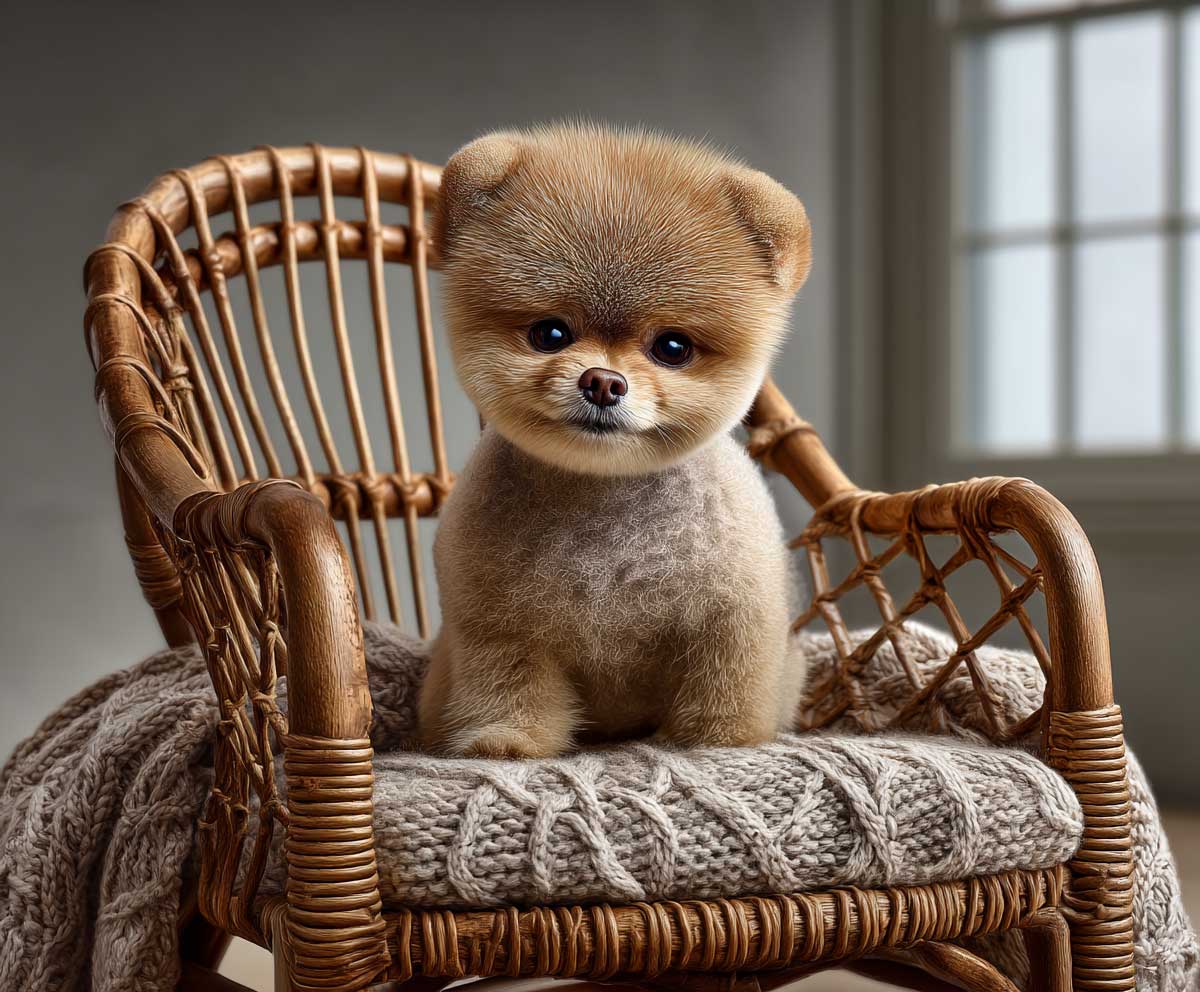
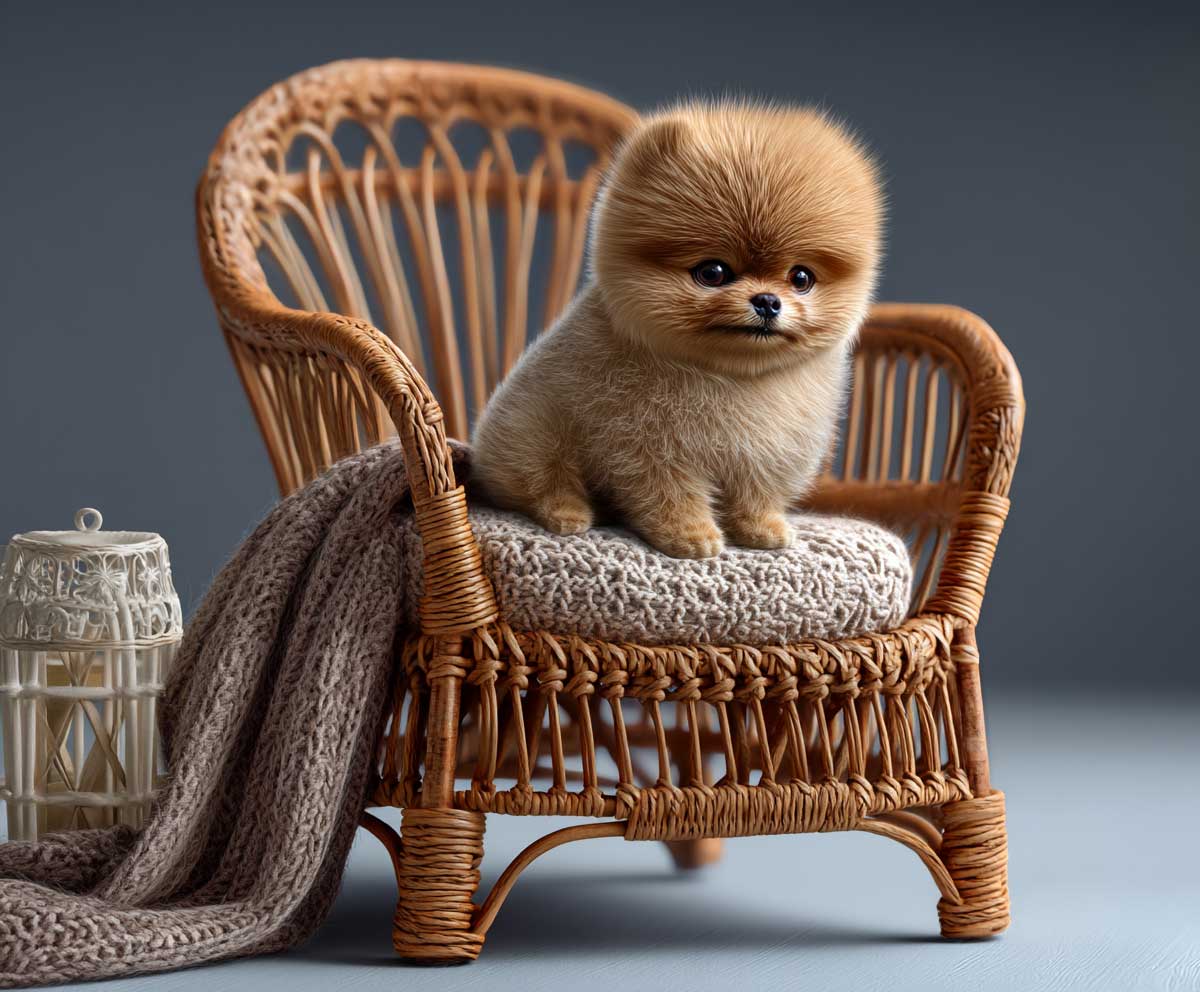
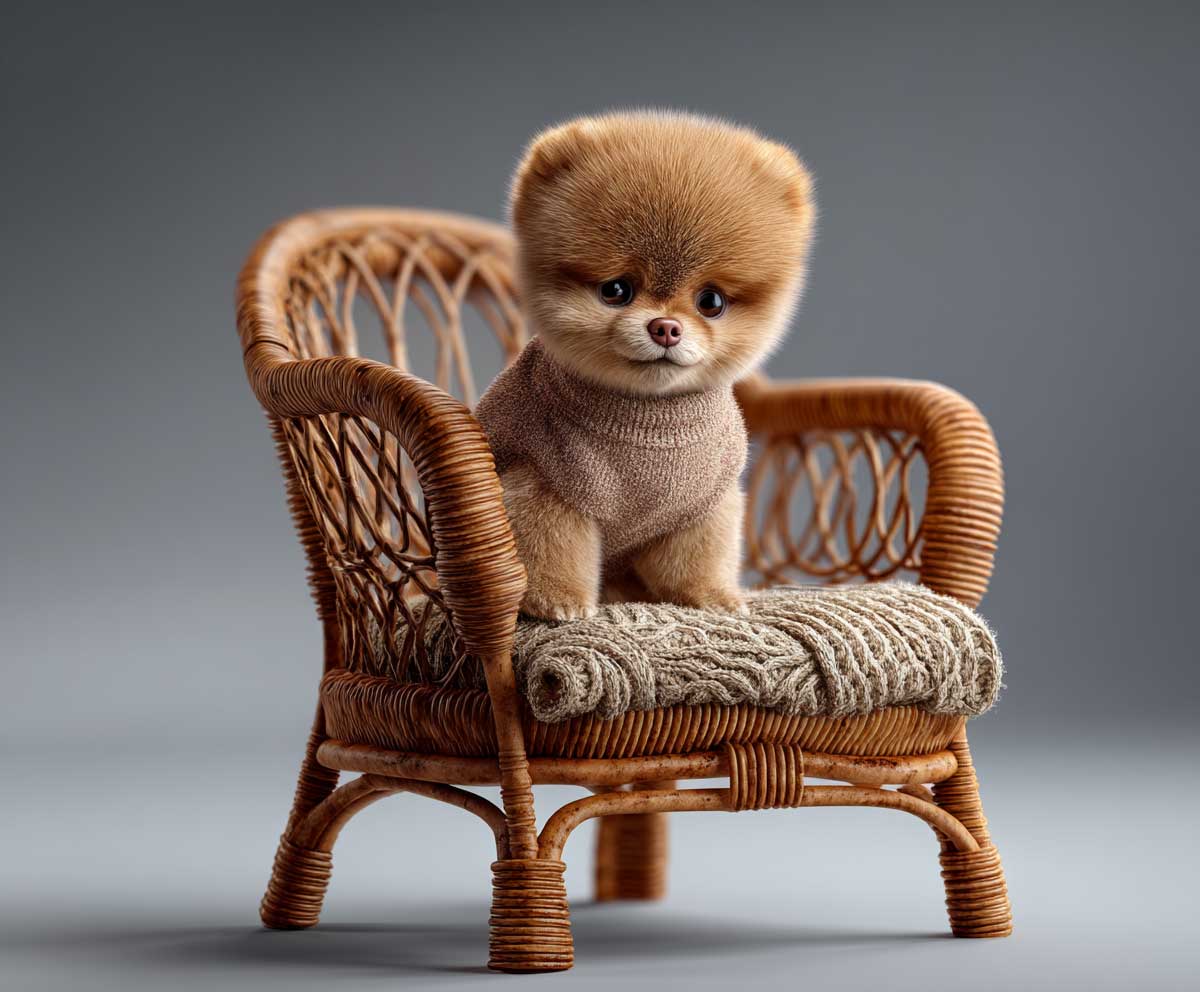

Younger puppies and smaller-framed Poms gain the most from this variation because the even length adds visual weight across the whole body. A 4-pound Pom with feathered, layered fur can look wispy and fragile. That same dog in a compact teddy cut looks solid, round, and twice as substantial. The rounded paw pads — which some groomers include as an add-on for around $10 extra — complete the look by carrying the spherical shape all the way down to floor level, like a cartoon character drawn with a compass.
Families with shedding concerns should know this is the most practical variation. Uniform short fur across the body dramatically reduces the amount of coat that ends up on furniture and clothing. I own two Poms — one in a feathered natural coat, one in a compact teddy cut — and the difference in daily shedding visible on my couch is not subtle. The compact version also grows out more evenly, so if you miss a grooming appointment, the dog doesn’t develop the patchy, half-grown look that longer layered cuts produce. Pommy Mommy’s full grooming breakdown has solid detail on managing grow-out between salon visits.
Andis Excel 5-Speed Clippers ($140 at most grooming supply retailers) are what many professional groomers use for the compact teddy style because the speed variation lets them switch between body fur and face detailing without changing tools mid-dog. At home, a Hertzko slicker brush ($16 at Amazon) works well for daily maintenance — the flexible pins don’t catch on the short even coat the way stiffer brushes do. Run it over the dog before bed each night and the compact shape stays photogenic without any extra effort from you.
Pomeranian Bear Cut Maintenance Between Salon Visits
Maintaining a pomeranian bear cut at home is less about deep grooming and more about daily micro-habits that keep the shape from collapsing between appointments. The number one mistake I see is owners waiting until the dog looks messy before picking up a brush — by that point, the ruff has flattened against the neck, the ear fur is felting at the base, and the face shape is gone. Think of daily brushing as structural maintenance, like watering a plant. Skip three days and you’re already behind.
You need two tools: a metal comb and a slicker brush. The slicker goes through the top coat and lifts it away from the body, restoring volume. The metal comb — specifically a Greyhound comb with both coarse and fine teeth ($15 at Petco) — finds any forming mats at the skin level before they become a groomer’s problem. Run the comb through the neck ruff, behind the ears, and along the armpits daily. Those three zones are where Pomeranians mat fastest, and mat formation in those areas is what forces a groomer to shorten the cut more than you intended.
Bath timing matters more than most people realize. Bathing a Pom without fully drying with a force dryer flattens the undercoat and makes the bear shape look deflated for days. Bissell’s Pet Pro Portable Carpet Cleaner is popular for spot-cleaning between baths, but for actual bath-and-dry sessions, an Andis Pro Animal High Velocity Dryer ($180) makes the difference between a Pom that looks salon-fresh and one that looks like it air-dried under a ceiling fan. Blow-dry against the coat growth direction to maximize volume, then brush into shape while the coat is still slightly warm.
Final Word
The Right Bear Cut Changes How People See Your Dog
The rounded ear variation suits groomers who want forgiving, long-lasting shape. The fluffy face trim works for dual-tone coats and photogenic dogs. The compact teddy style is the pick for puppies, small frames, and anyone tired of finding fur on every surface.
Professional grooming for a full pomeranian bear cut runs $70–$90 per session. Book every 4–6 weeks, brush daily, and use a metal comb at the ears and armpits. Daily brushing takes under four minutes and saves you from having the groomer cut higher than you wanted.
Save this post before your next grooming appointment — it’s the reference photo conversation you’ll wish you’d had sooner.