Synchronous learning communities—where professionals gather at the same time to learn, collaborate, and challenge each other—are the fastest-growing segment in adult education as of October 2026. Unlike asynchronous forums where learners post questions hours or days later, synchronous spaces demand immediate presence, real-time feedback, and peer accountability. This shift from solo self-paced study to live group learning is not a minor platform tweak; it is a fundamental reset in how working professionals retain skills, build confidence, and accelerate career transitions.
Why Real-Time Interaction Triggers Deeper Skill Retention
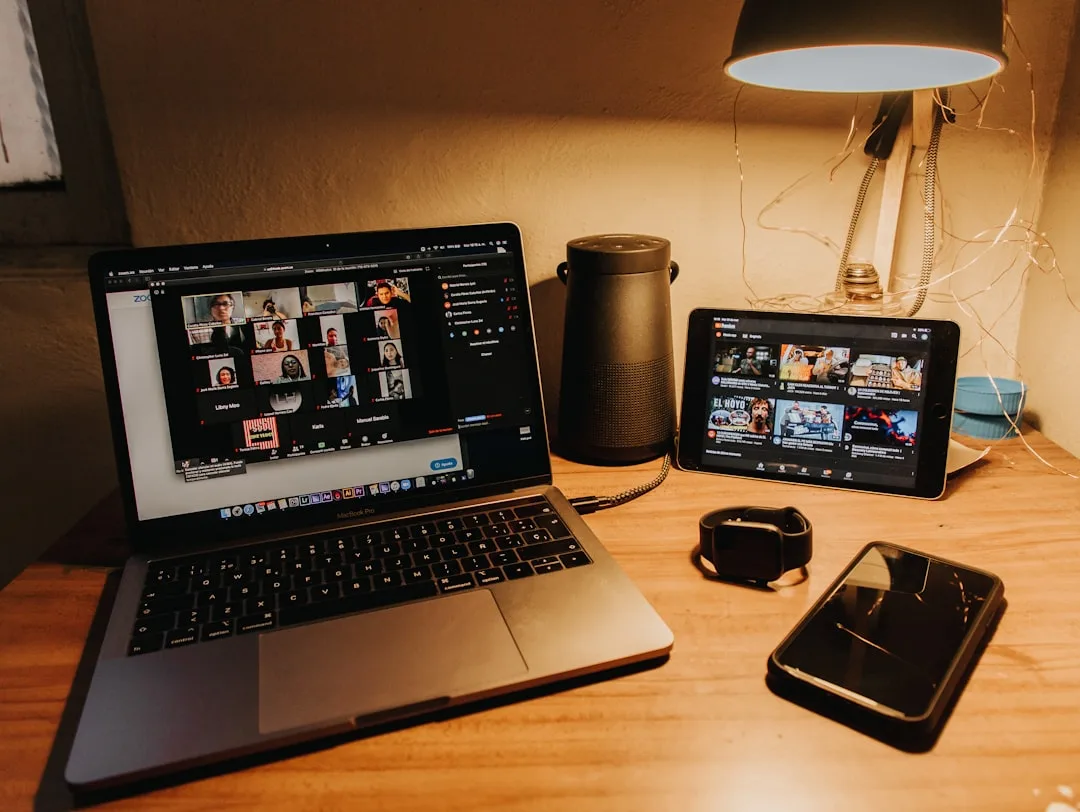
Coursera and LinkedIn Learning have both expanded their synchronous cohort offerings in 2026, moving beyond passive video libraries to live instructor-led tracks where professionals code, discuss, and solve problems together. The cognitive difference is stark: when you know your cohort will see your work in 15 minutes, you prepare differently than when you can submit a project whenever you feel ready.
How Peer Accountability Accelerates Progress in Group Cohorts
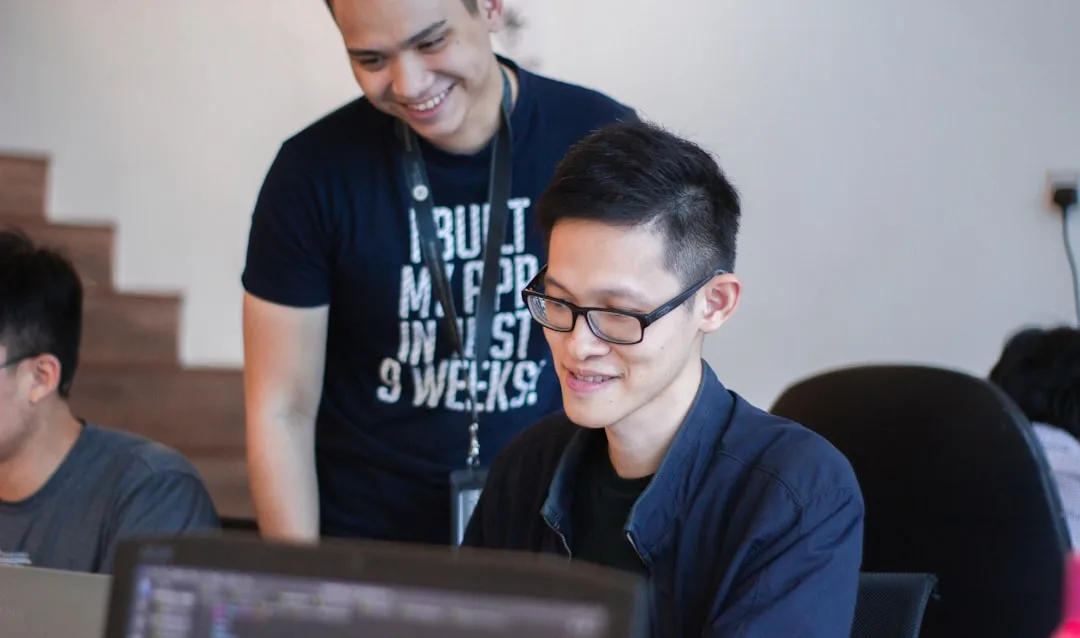
Working alongside peers who face identical deadlines creates an accountability structure that self-paced learners rarely experience. When you’re enrolled in a cohort of 20 software engineers learning Python, you’re not just competing against an arbitrary rubric—you’re learning alongside people at your exact skill level, encountering the same friction points, asking the same questions. That peer pressure, far from being demotivating, becomes a powerful engine for consistency.
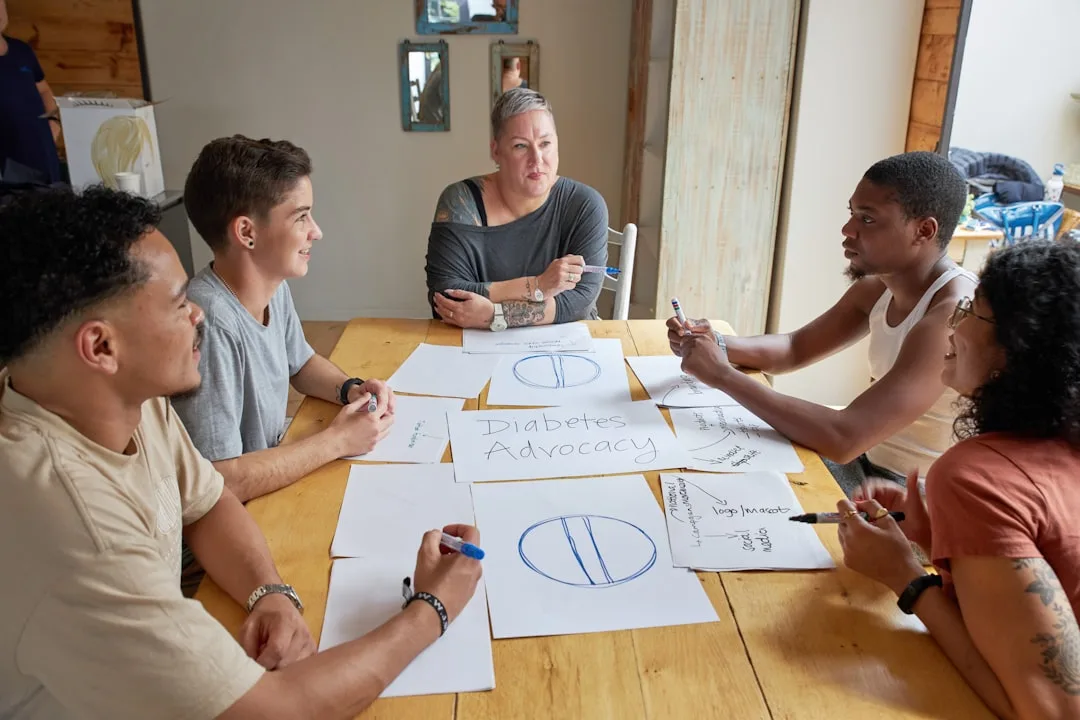
Group learning environments also surface blind spots faster. A classmate’s question about why a loop isn’t executing reveals a gap in understanding that you might have glossed over in solo study. Discussion forums and breakout rooms amplify this effect, turning individual struggle into collective problem-solving. The result is fewer wasted hours on misunderstood concepts and faster iteration toward mastery.
Cohort-based programs also build professional networks that extend beyond course completion. The contacts you make during a six-week bootcamp often become collaborators, referral sources, or future team members—a benefit that no pre-recorded video library can replicate.
The Role of Structured Feedback in Skill Consolidation
One-size-fits-all feedback—a grade on an assignment, a generic video explanation—leaves gaps. Real-time cohort learning enables instructors to observe patterns across a group and tailor corrections in the moment. When an instructor notices that half the cohort struggles with the same API integration, they can pause the lesson, run a live demo, and recalibrate. This responsiveness is impossible at scale with asynchronous content.
Peer feedback within cohorts adds another layer. Code reviews from classmates, verbal walkthroughs of project decisions, and collaborative debugging sessions expose you to multiple problem-solving approaches. AI Tutoring Personalization Reshapes One-Size-Fits-All Education in 2026 explores how AI can enhance this feedback loop, but the human element—instructor observation and peer questioning—remains irreplaceable for deep skill consolidation.
Building Confidence Through Live Demonstration and Performance
Presenting your work to a live cohort, answering questions on the spot, and refining your explanation in real time builds confidence that transcends technical skill. In a job interview or client meeting, this experience translates to composure under pressure. You’ve already practiced articulating your thinking to skeptical, knowledgeable peers—your actual interview audience is less intimidating by comparison.
The stakes feel real in cohort environments because they are. Your work is visible, your thinking is scrutinized, and your ability to defend your decisions is tested. This mirrors professional reality in a way that a solitary project submission never does. Engineers and product managers who’ve worked through group cohorts report higher confidence when presenting to senior leaders or defending architectural decisions—not because the cohort taught them more facts, but because the learning process itself replicated the social dynamics of professional work.
Integration of AI Governance and Live Learning Models
As cohort-based programs scale, questions about assessment fairness, data privacy, and learning outcome measurement become critical. AI Governance in Education Moves From Pilot to Proven Outcomes addresses how institutions are establishing standards for AI-assisted grading and feedback within cohort environments. The combination of live instructors, peer interaction, and AI-powered assessment tools creates a hybrid model where human judgment and algorithmic consistency reinforce each other.
Cohort platforms now track cohesion metrics—discussion participation, peer feedback quality, code review turnaround times—alongside traditional learning outcomes. This data helps institutions understand not just what learners know, but how well they work in teams, how they handle feedback, and whether they’re building the collaborative habits required in modern tech roles. Governance frameworks ensure this tracking remains transparent and doesn’t inadvertently bias outcomes.
The shift from solo self-paced learning to synchronized group cohorts represents a recalibration of what professional education should deliver: not just knowledge transfer, but the confidence, networks, and collaborative capabilities that define career success.