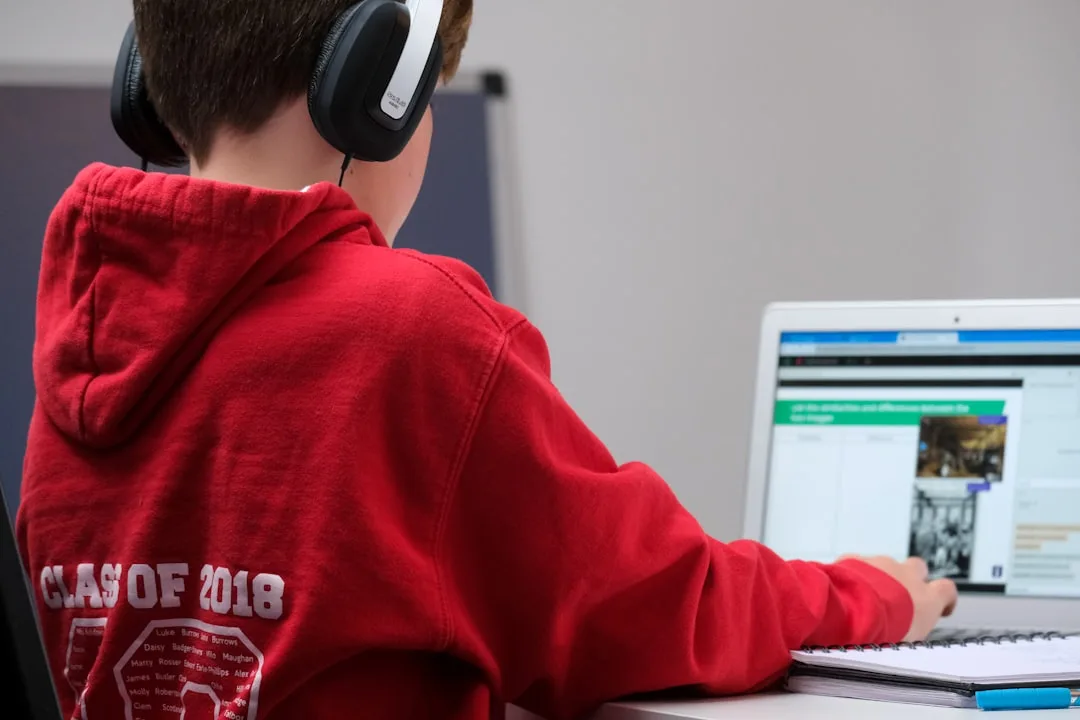
By August 2026, the corporate training playbook has fundamentally shifted. Companies like Coursera, LinkedIn Learning, and Degreed now power adaptive learning pathways that sense exactly where each employee struggles—and only serve up the lessons they need. This isn’t personalization theater; adaptive learning pathways use real-time performance data, quiz results, and behavioral signals to build a unique learning trajectory for every person.
Why adaptive learning pathways are replacing generic training modules
For twenty years, HR departments bought off-the-shelf online courses and herded every new hire through the same eight-hour module. Engagement tanked. Retention was abysmal. Payroll saw no measurable ROI on reskilling spend.
Adaptive learning pathways solve this by mapping competency gaps in real time. When an accountant sits through a tax module, the system doesn’t waste her time on basics she already knows—it jumps to edge cases, new 2026 regulations, and complex scenarios her role demands. A junior marketer moving into analytics gets different content entirely.
The why: traditional courses assume all learners start at zero. Adaptive pathways assume nothing. They run diagnostic assessments at the start, then continuously adjust difficulty, content type, and pacing based on how the person actually performs.
Quick Tips
- Demand a diagnostic assessment before day one—no generic onboarding sequences.
- Track completion speed, not just completion—fast learners should skip ahead, slow learners should get scaffolding.
- Insist your platform reports knowledge gaps by role, not just completion rates.
- Test the system with a small cohort before rolling out company-wide to catch dead-end learning paths.
How real-time feedback loops accelerate skill mastery
Udacity and Coursera’s adaptive engines now embed spaced-repetition scheduling into professional courses. You answer a question correctly on Monday; the system flags it to resurface in 48 hours, then 7 days, then 30 days. This is neuroscience—not guesswork.
| Feedback Method | Response Time | Retention Boost |
|---|---|---|
| Delayed generic report (weekly) | 7 days post-quiz | 30% improvement |
| Instant adaptive hint | 10 seconds post-answer | 65% improvement |
| Spaced repetition scheduling | 2 days, 7 days, 30 days | 78% improvement |
| Peer comparison + personal goals | Real-time dashboard | 82% improvement |
The critical difference: adaptive pathways don’t just tell you what you got wrong—they diagnose why. You miss a data analysis question because you misunderstood the methodology, not the math. The system serves a targeted three-minute video on statistical inference. You move forward.
This real-time loop collapses training timelines. Employees complete reskilling in weeks instead of months because they’re never stalled or overwhelmed.
The biggest mistake: confusing adaptive platforms with basic branching logic
Here’s the trap. Many legacy LMS vendors (learning management systems) added simple if-then branching: pass this quiz, move to track A; fail, move to track B. That’s not adaptive learning. That’s a flowchart.
True adaptive systems run algorithmic models that account for response patterns, time-on-task, question difficulty, prior knowledge inferred from other modules, and behavioral signals. Imagine a data analyst who crushes SQL quizzes but struggles with visualization concepts. A branching system puts them in the “beginner” track, wasting their time. An adaptive system pivots immediately, intensifying visualization modules while accelerating SQL depth. That’s the difference between a delivery mechanism and true personalization.

How adaptive learning reduces cognitive overload
Cognitive overload is the silent killer of training programs. Employees face too many topics, too much information density, and unclear priorities. Traditional courses dump the same content weight on everyone. Adaptive systems meter information based on demonstrated readiness.
The mechanism is simple but powerful: present one concept, assess understanding through low-stakes interactions, adjust the next module’s depth and pacing accordingly. A learner struggling with foundational material gets scaffolded support and repetition. A learner racing ahead gets deeper dives and transfer scenarios. Neither sits idle or drowns.
Research in cognitive psychology suggests spaced retrieval and interleaved practice—mixing different problem types—improve retention far beyond massed practice. AI Tutoring Personalization Reshapes One-Size-Fits-All Education in 2026 explores how algorithmic pacing combines these principles at scale. The result: employees absorb more, forget less, and apply learning on the job faster.
Governance and accountability in adaptive learning systems
Organizations often hesitate to adopt adaptive platforms due to concerns about data privacy, algorithm transparency, and learning equity. Which employees see which content? Are underrepresented groups steered toward lower-difficulty paths? Can instructional designers audit decisions the system makes?
Leading implementations establish clear guardrails. Algorithms must be explainable—showing why a learner received a particular recommendation. Content libraries are audited for bias before deployment. Fairness testing ensures adaptation doesn’t disadvantage any demographic. AI Governance in Education Moves From Pilot to Proven Outcomes details how organizations embed accountability checkpoints into adaptive frameworks, ensuring technology serves all learners equitably.
Without governance, adaptive learning becomes a black box. With it, adaptive learning becomes a scalable, auditable, and ethical engine for workforce development.
Related Topics