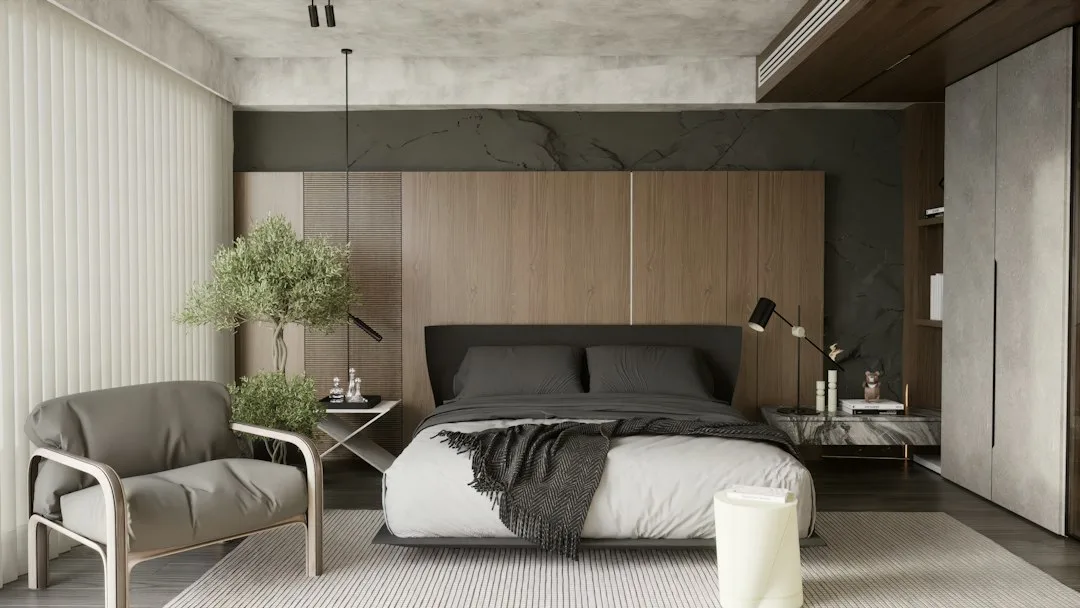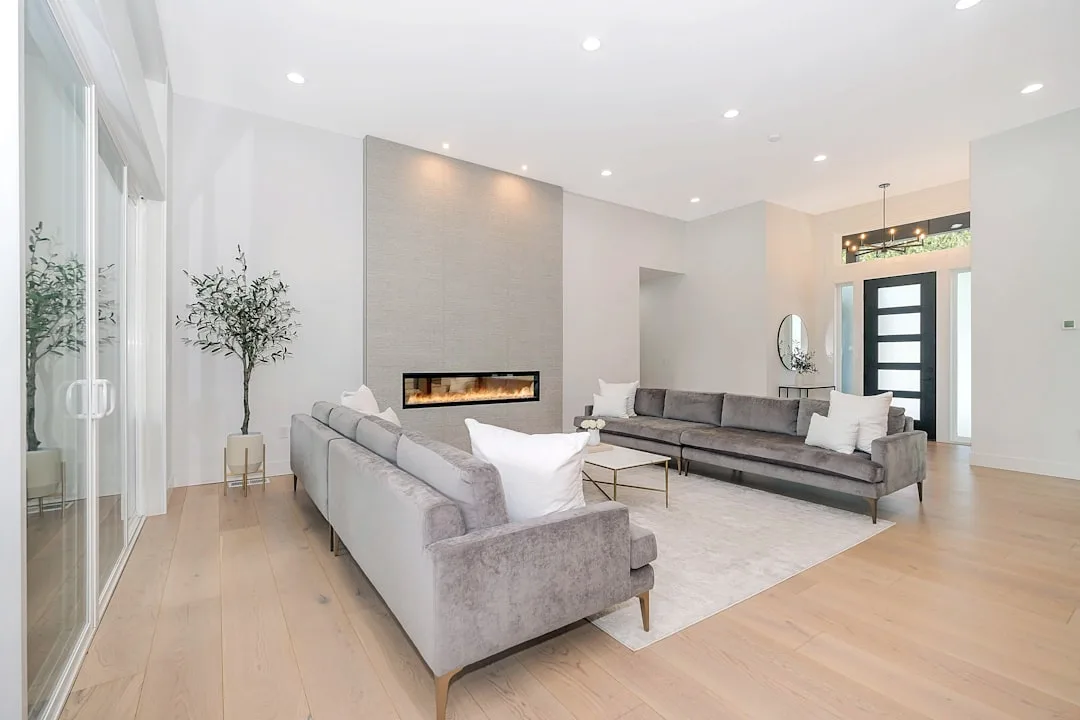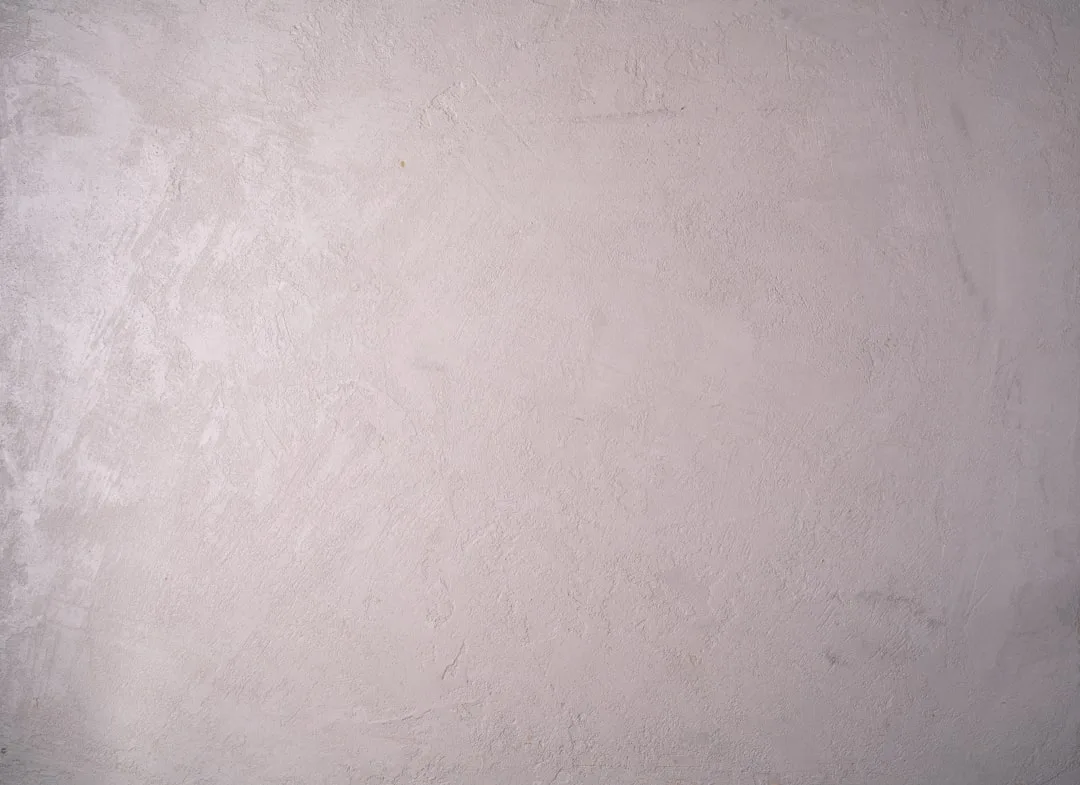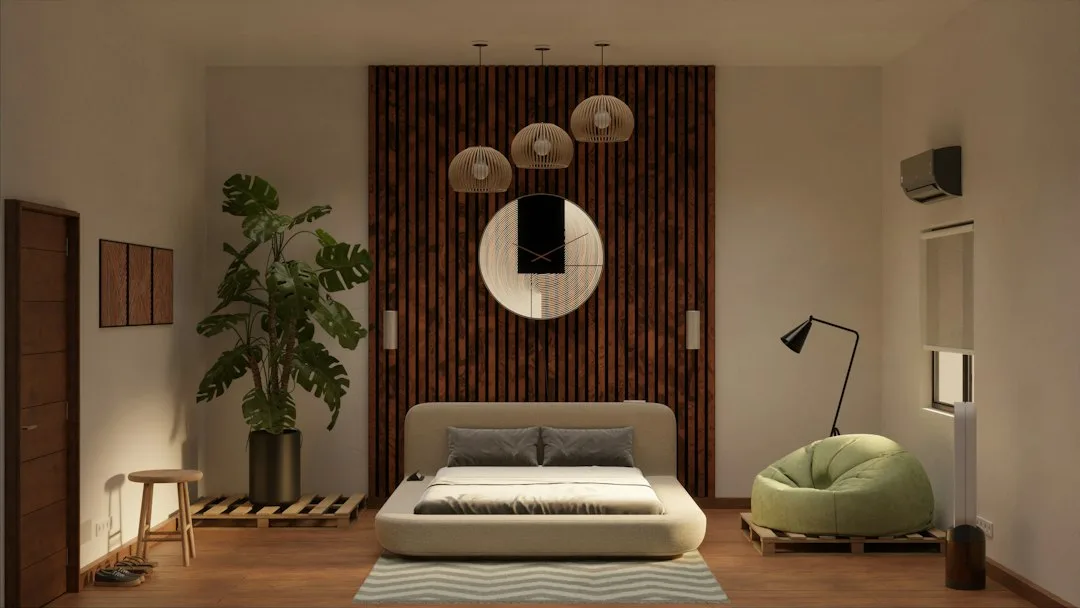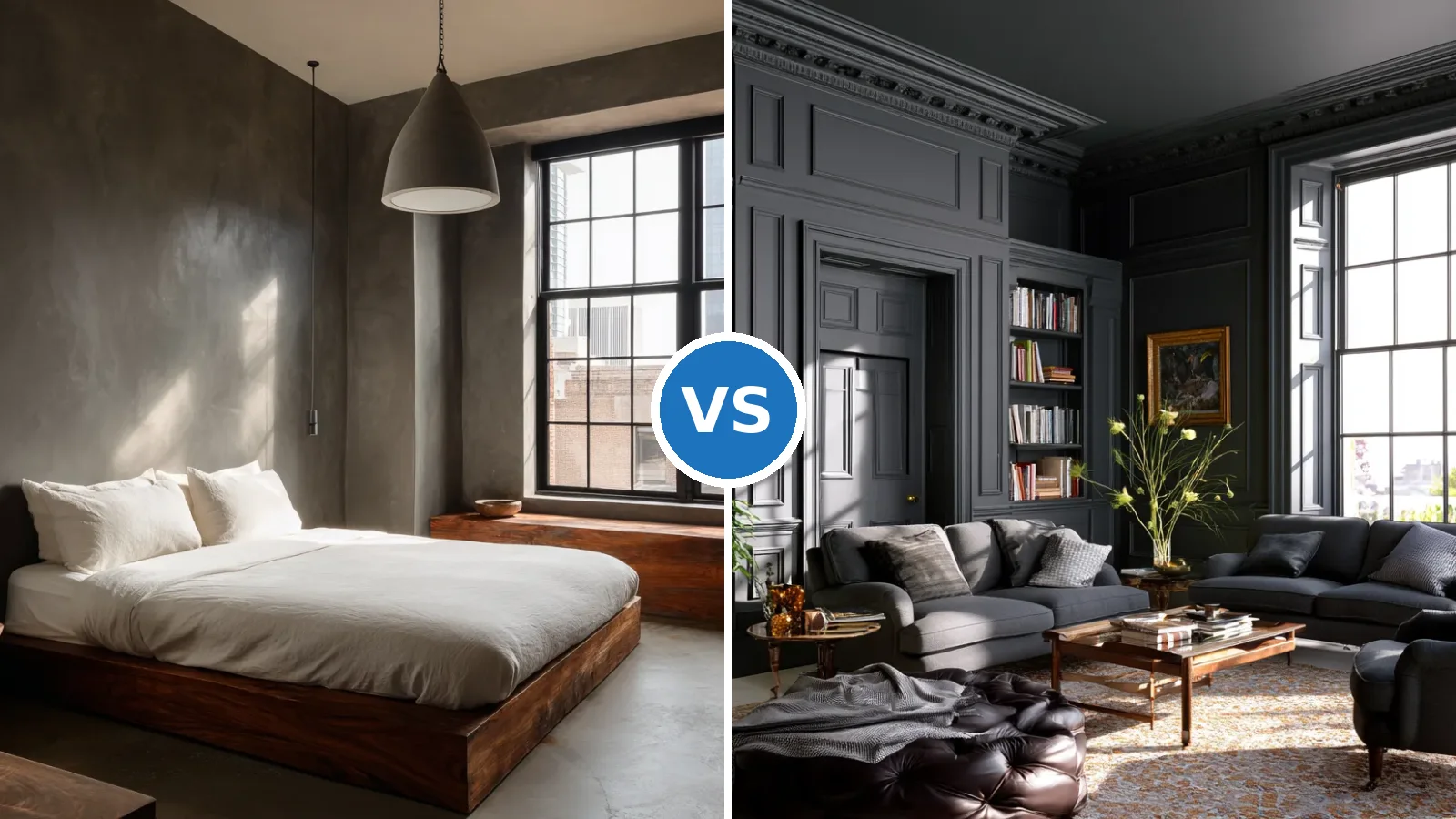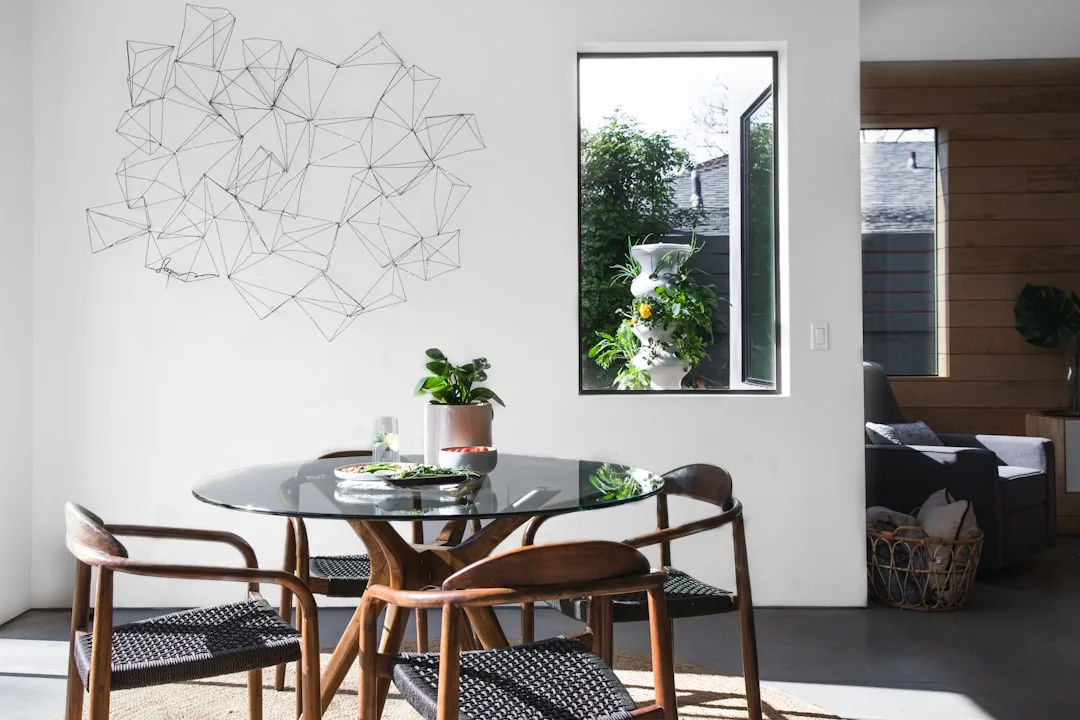
Terrazzo flooring feature walls are not a return to 1970s bathrooms. Walk into a London townhouse or Manhattan studio in August 2026, and you’ll see terrazzo climbing past the floor—breaking through onto accent walls behind beds, sofas, and dining areas. This isn’t marble veining or minimalist drywall. This is marble chips suspended in a cement or resin matrix, polished to reveal a constellation of colour, texture, and depth that photographs differently every hour. Terrazzo flooring feature walls work because they carry weight without feeling heavy.
Why Terrazzo Flooring Feature Works Now
Terrazzo experienced a quiet revival in luxury hotel lobbies between 2022 and 2024—Four Seasons properties in Milan and Dubai refined the material into contemporary palettes of soft blacks, pale greys, and sage undertones. But hotels didn’t invent the trend; they legitimised it. What shifted in 2026 is residential application and scale. Terrazzo feature walls now appear in apartments where space doesn’t allow full flooring installation.
The material reads as both industrial and refined. Polished terrazzo reflects light like marble but contains embedded fragments—each wall becomes a unique pattern map. Unlike paint, which sits flat, or wallpaper, which can peel, terrazzo feature walls are permanent architectural additions that increase property value.
Three factors drive adoption: first, the material fits both maximalist and minimalist aesthetics depending on chip colour selection; second, terrazzo requires professional installation, making it feel like a genuine design investment; third, it photographs exceptionally well on social platforms where interior content drives cultural momentum.
Quick Tips
- Commission terrazzo feature walls in secondary spaces first—powder rooms, alcoves, bedroom accent zones—before committing to primary living areas
- Pair terrazzo walls with neutral furniture to let the material’s pattern become the focal point rather than competing with upholstery or artwork
- Request samples showing how different lighting (north-facing versus south-facing) changes the wall’s appearance throughout the day
- Use matte or honed finishes for bedrooms to reduce glare; polished finishes for entryways and dining areas where shine enhances formality
Material Composition and Installation Reality
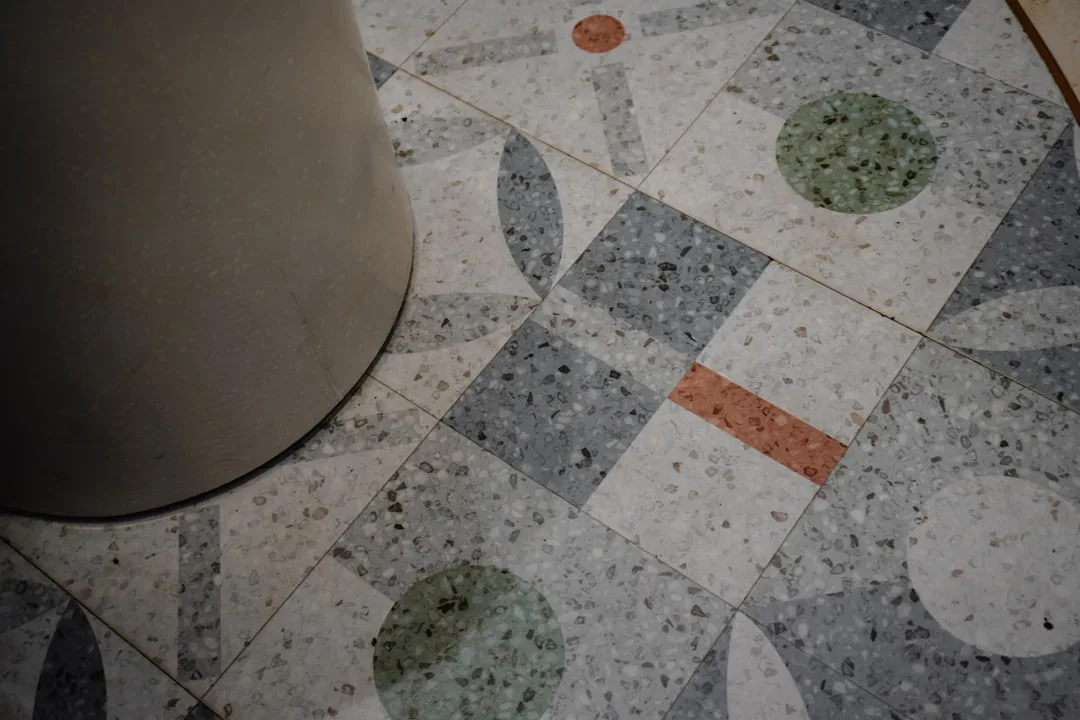
Terrazzo consists of stone chips—typically marble, granite, or quartz—combined with a binding matrix of cement or epoxy resin. The ratio determines final appearance: higher marble content creates lighter, more delicate walls; higher granite content produces darker, more robust surfaces. A 60-40 marble-to-cement ratio yields a classic aesthetic; contemporary designers favour 70-30 splits for more visible aggregate.
Installation requires specialist contractors. The material arrives in slurry form, gets trowelled onto prepared substrate (typically plaster board or concrete block), then ground and polished in stages—usually three grinding passes with progressively finer grit, followed by sealing. Total cure time runs 7-10 days before the wall bears any weight or contact.
| Terrazzo Type | Binding Agent | Best For |
|---|---|---|
| Venetian (cement) | Portland cement | Residential feature walls; warmer, softer finish |
| Epoxy resin | Epoxy polymer | High-traffic areas; superior stain resistance |
| Rustic | Cement with visible aggregate | Industrial lofts; coarser texture and darker tone |
| Palladiana | Cement or epoxy | Contemporary design; larger chip sizes for bold geometry |
The Mistake: Installing Terrazzo as a Standalone Statement Without Spatial Planning
The single largest failure point is treating terrazzo like an accent paint colour—slapping it on the wall opposite the sofa without considering how it interacts with window light, existing materials, or room proportions. A London flat owner installed a polished terrazzo feature wall in a north-facing bedroom where natural light never reached full intensity. Result: the wall appeared dull and grey, the geometric pattern collapsed into visual noise, and the £4,000 investment felt like a £400 choice.
Second mistake: choosing chip colours that clash with existing flooring. If your apartment already has grey concrete floors or pale oak, a terrazzo wall with contrasting blacks or deep blues creates visual fragmentation rather than coherence. How to Build a Beautiful Home with Stylish Interiors by Designing With a Purpose emphasizes spatial harmony—terrazzo succeeds when it echoes rather than contradicts surrounding materials.
Colour Palettes That Ground Terrazzo Feature Walls
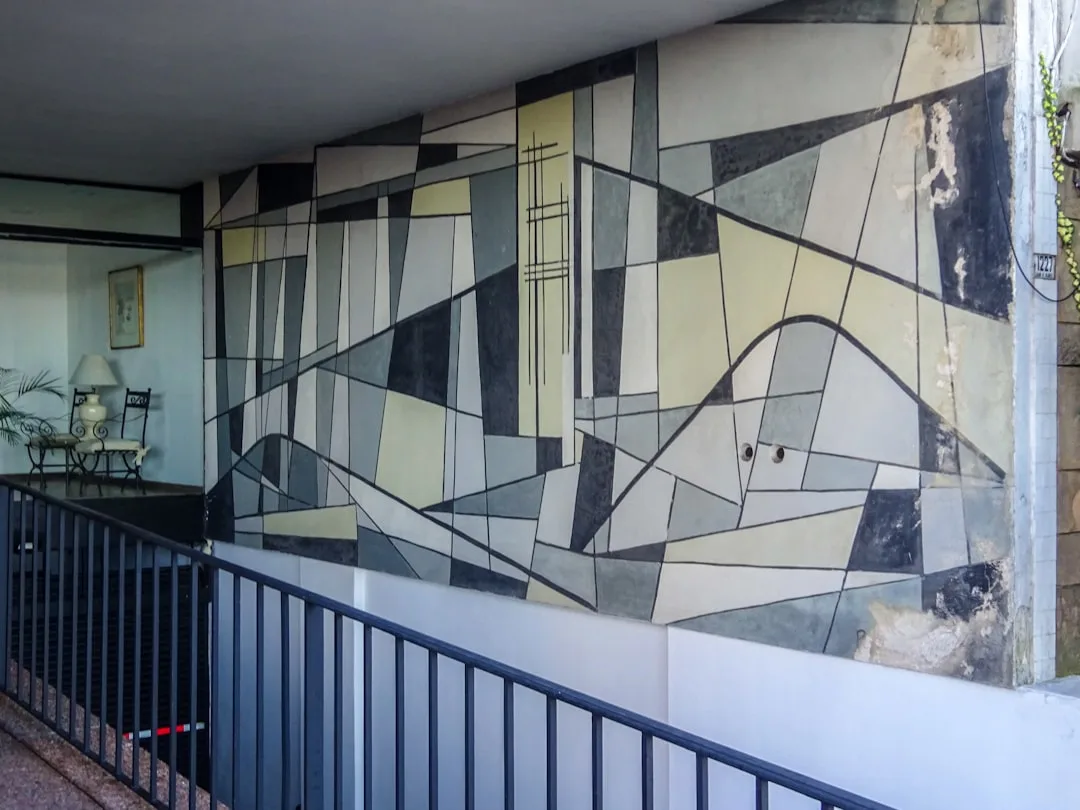
2026 sees three dominant terrazzo palettes in residential applications. Soft Neo palette combines white chips with pale grey and sage-tinted cement—creates calming, almost Japandi-adjacent effect that pairs beautifully with linen furniture and natural wood. High-contrast Contemporary uses charcoal or black epoxy with white and cream marble chips—reads bold but balanced, especially in dining rooms and office alcoves. Warm Minimal blends cream, taupe, and blush-toned chips with warm cement matrix—works in bedrooms and living spaces where inviting atmosphere matters more than visual drama.
Each palette performs differently under various lighting. South-facing rooms benefit from high-contrast terrazzo; north-facing spaces suit warmer, lighter combinations to compensate for reduced natural brightness.
Maintenance and Long-Term Durability of Feature Walls
Sealed terrazzo resists staining and cleaning is straightforward—neutral pH cleaners and microfibre cloths prevent streaking. Unsealed terrazzo requires annual resealing to maintain water resistance and patina. Unlike wallpaper that ages visibly or paint that yellows, terrazzo actually improves over time; the matrix hardens and the polish deepens.
Damage is rare but possible. Impact cracks can be repaired by professionals; small chips require colour-matched epoxy fills. Cost for repairs typically runs £200-500 depending on damage extent and location accessibility. This durability standard—40-year lifespan with minimal maintenance—makes terrazzo feature walls genuinely cost-effective compared to repainting or replacing accent wall materials every 5-7 years.
Interior designers now recommend terrazzo feature walls for secondary walls in primary rooms—bedroom accent behind headboards, dining room focal point opposite windows, home office alcove where pattern enhances focus without overwhelming space. Discovering Japandi Bedroom Design for Zen Interiors embraces terrazzo when colour palettes stay grounded in natural tones. The technique works across aesthetic lanes because it’s fundamentally about materiality, not style—it belongs in minimalist apartments and maximalist townhouses with equal credibility.
Terrazzo as Investment in Permanent Interior Architecture
Property valuers increasingly recognise terrazzo feature walls as fixtures that enhance perceived value. Unlike artwork or furniture that leaves with you, terrazzo becomes part of the building’s architectural story. A bedroom with a soft-toned terrazzo feature wall commands approximately 3-5% higher valuation than identical rooms with standard painted accents—conservative but measurable.
Installation costs range from £800-2000 per square metre depending on chip selection, regional labour rates, and substrate preparation complexity. Terrazzo on a 3m x 2m accent wall typically runs £5,000-12,000 total. Yes, that’s significant. But considered as a permanent architectural upgrade rather than temporary decoration, it justifies investment for homeowners staying in a property for 5+ years.
Terrazzo flooring feature walls aren’t trendy in the sense of being temporary. They’re trending because they solve a real design problem: how to create depth and materiality in spaces where full renovation isn’t possible. They work in rented apartments with landlord permission, owned homes, and commercial hospitality settings equally.