
Most corporate training libraries still measure success by course completions, and that number tells you almost nothing about whether anyone can do the job. A sales rep can finish a negotiation module on Monday and still fumble the same objection on Friday. Many teams are now turning to learning experience platforms to close that gap, and they are asking vendors to prove it.
Why companies are moving past traditional course libraries
LinkedIn Learning and Coursera for Business both built their catalogs around thousands of video courses that employees can start at any hour. That model works well for awareness, but it rarely changes behavior on the job. The gap shows up when a manager rolls out a new CRM and nobody can point to a skill the team has actually practiced.
Platforms such as Degreed and Docebo sit on top of content and pull in signals from several places. They can connect course activity with project tools, peer feedback, and assessments. The result is a profile of what a person can do, not just what they clicked through.
Quick Tips
- Start with three to five role-critical skills, not the whole catalog.
- Ask which data sources feed the skill profile before you sign anything.
- Pilot with one team for one quarter and compare results against a control group.
- Confirm learners can export their records as portable digital credentials.

How learning experience platforms track real skill gains
A skill gap is the distance between what a role requires and what an employee can demonstrate today. Learning experience platforms map that distance by tagging each course, project, and assessment to a specific competency. When a support agent resolves a billing ticket without escalation, that outcome can feed back into the profile.
Degreed and Cornerstone OnDemand both offer skills frameworks that let administrators define competencies and assign proficiency levels. Teams usually start with a short list of job families, then add levels such as beginner, practicing, and proficient. The profile updates as evidence arrives, which is what makes it useful for promotion decisions.
Evidence can come from a manager sign-off, a graded project, or a live task in a tool the employee already uses. Each source carries a different weight, and the best platforms let you set that weighting yourself. Without that control, a single quiz score can look like mastery.
| Approach | What it measures | Best fit |
|---|---|---|
| Traditional LMS (Moodle, Canvas) | Enrollments, completions, and grades | Compliance tracking and academic courses |
| Content library (LinkedIn Learning) | Course starts and video views | Broad awareness and self-directed browsing |
| Learning experience platform (Degreed, Docebo) | Applied skills tied to job competencies | Role-based development and internal mobility |
The mistake of buying a platform before mapping skills
The most common failure looks like this: a warehouse operations team licenses a platform, uploads thousands of courses, and launches it company-wide before defining a single competency. Six months later, the dashboard shows high activity and nobody can say which inventory or forklift skill improved. Leadership cancels the renewal.
Fixing it takes a week, not a quarter. Write down the five skills that separate strong performers from average ones in that role. Keep it small.
Then tag only the content that teaches those five skills. Everything else can stay out of the profile until the first set produces measurable change.
Where AI tutoring and governance fit in the stack
Many vendors now bundle AI tutors that adjust practice questions based on a learner’s last few answers. That feature only helps if the underlying competency map is accurate, so mapping always comes first. Teams evaluating adaptive features can read AI Tutoring Personalization Reshapes One-Size-Fits-All Education in 2026 for a closer look at how those adjustments work.
Governance matters just as much once learner data flows into a skill profile. Who can view a score, how long records persist, and whether managers can use them in reviews all need written rules. A practical starting point is AI Governance in Education Moves From Pilot to Proven Outcomes, which covers moving pilots toward measurable results.
Measuring whether learners apply what they finish
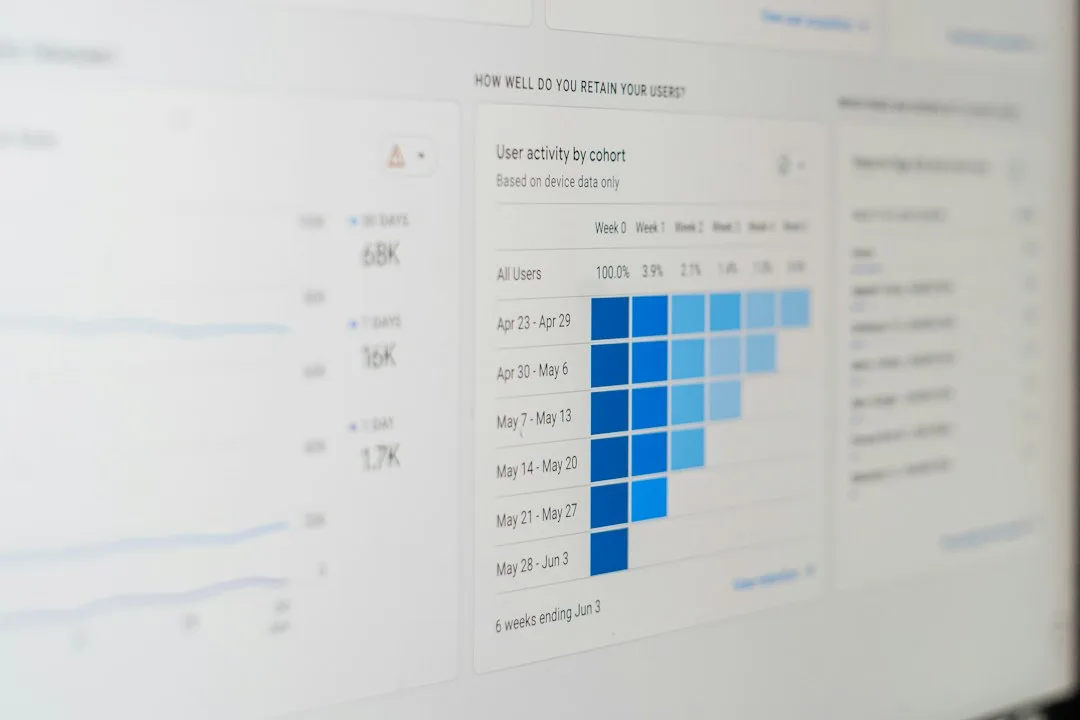
Completion rates are the easy metric, and they are the wrong one for this model. A better signal is whether the skill shows up in work output within 30 days of finishing a module. Pick one observable behavior per competency, such as a completed quality check or a resolved ticket category.
Compare those behaviors against a control group that did not take the training. Run the comparison for at least one full review cycle before deciding anything. Short pilots tend to measure enthusiasm, not lasting change.
Questions to ask vendors before signing a contract
Ask how the platform imports competency frameworks and whether you can edit them without opening a support ticket. Ask which systems feed evidence into a learner’s profile, such as project management or customer relationship tools. Ask how a learner can export a record if they change employers.
Ask whether reports export cleanly into your existing HR dashboards without manual cleanup. Also ask who owns the data and how long it stays after a contract ends. Vendors that answer vaguely usually have weaker reporting than their demos suggest, so get those answers in writing before the pilot starts.
Related Topics