Why Learning Experience Platforms Are Replacing Course Libraries
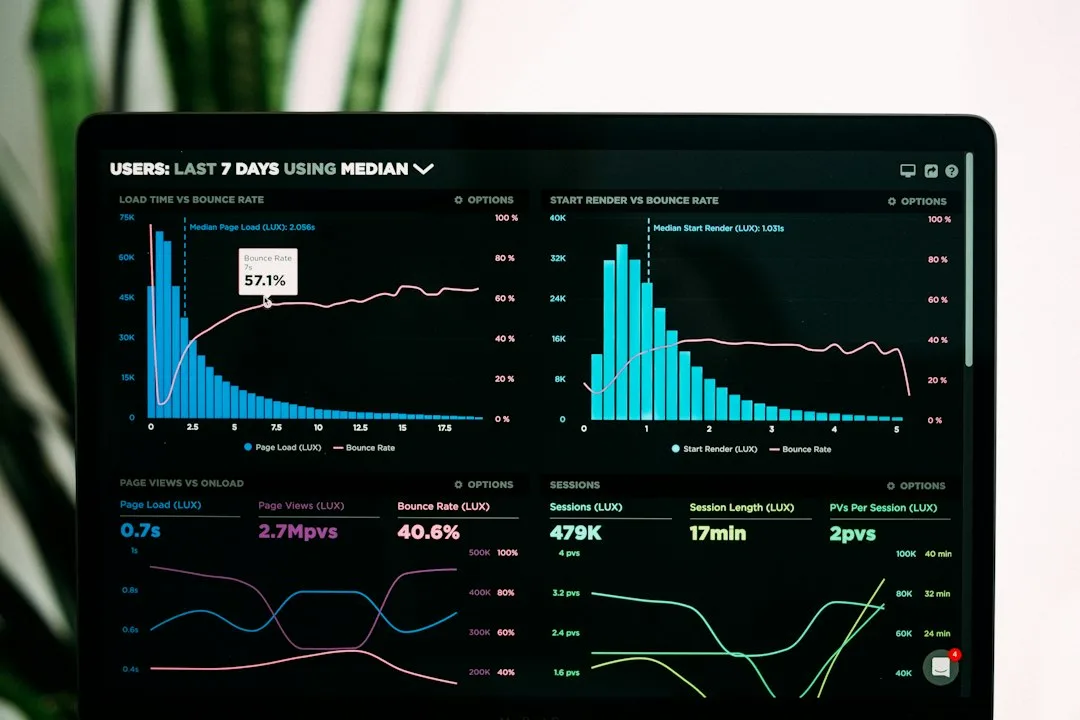
Learning experience platforms track the skills people apply at work rather than the courses they finish. Here is how HR teams can judge whether one is worth the switch.
333k+ Lifestyle & Design Ideas

Learning experience platforms track the skills people apply at work rather than the courses they finish. Here is how HR teams can judge whether one is worth the switch.
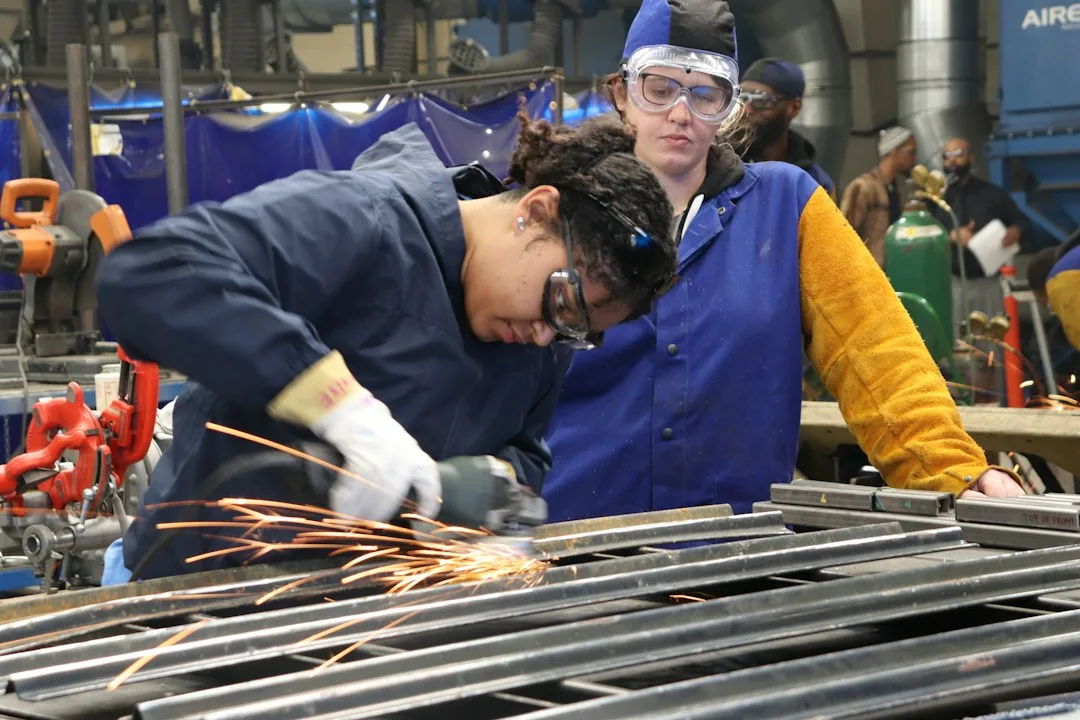
Employers across manufacturing, tech, and skilled trades now prefer vocational certification pathways over traditional four-year degrees. The trend reflects a measurable shift toward immediate competency and real-world readiness in hiring decisions.

Group certification cohorts combine structured accountability with shared learning goals, replacing isolated online study. Professionals now complete high-stakes credentials faster by learning alongside peers with synchronized schedules and real-time feedback.
Fortune 500 companies are ditching static training modules for generative AI systems that build unique learning paths for each employee in real time. The shift cuts training completion time by weeks while matching individual learning speeds and knowledge gaps.
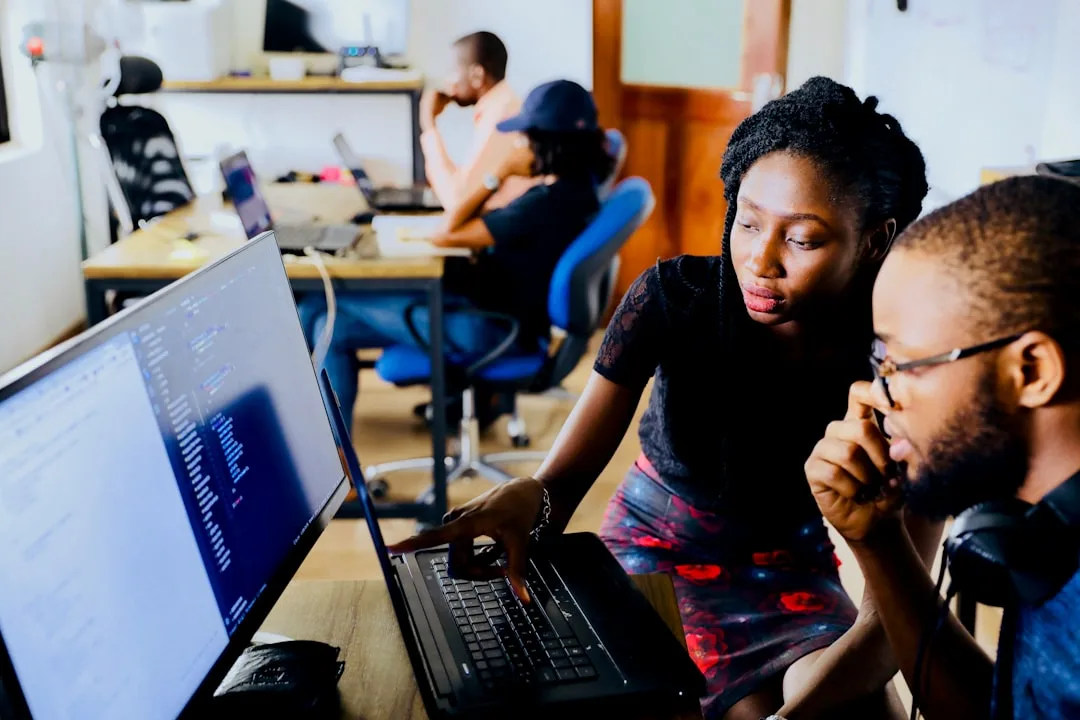
Adaptive learning pathways detect individual knowledge gaps and adjust content in real time, replacing one-size-fits-all corporate training. This shift lets professionals master only what they actually need, faster.
Hybrid learning models—blending live instructor sessions with self-paced modules—are reshaping how professionals build job skills without sacrificing productivity. Organizations report measurable gains in employee retention and skill mastery when workers access training on their own schedule alongside group mentorship.
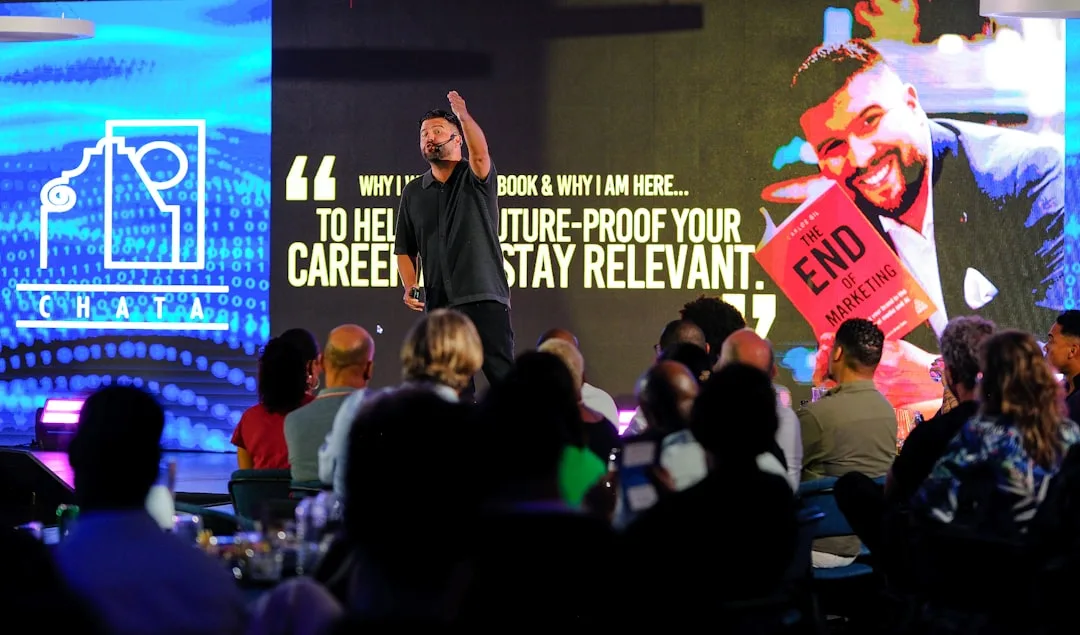
Micro-credentials—bite-sized certifications that prove one concrete skill—are replacing traditional degree-only hiring in 2026. Professionals now stack these credentials to build employer-verified proof of competency faster than waiting four years.
Professionals are ditching one-size-fits-all courses for AI-powered learning assistants that adapt to their pace, learning style, and career goals in real time. These systems deliver personalized feedback, identify knowledge gaps, and suggest exactly what to study next—without human bottlenecks.
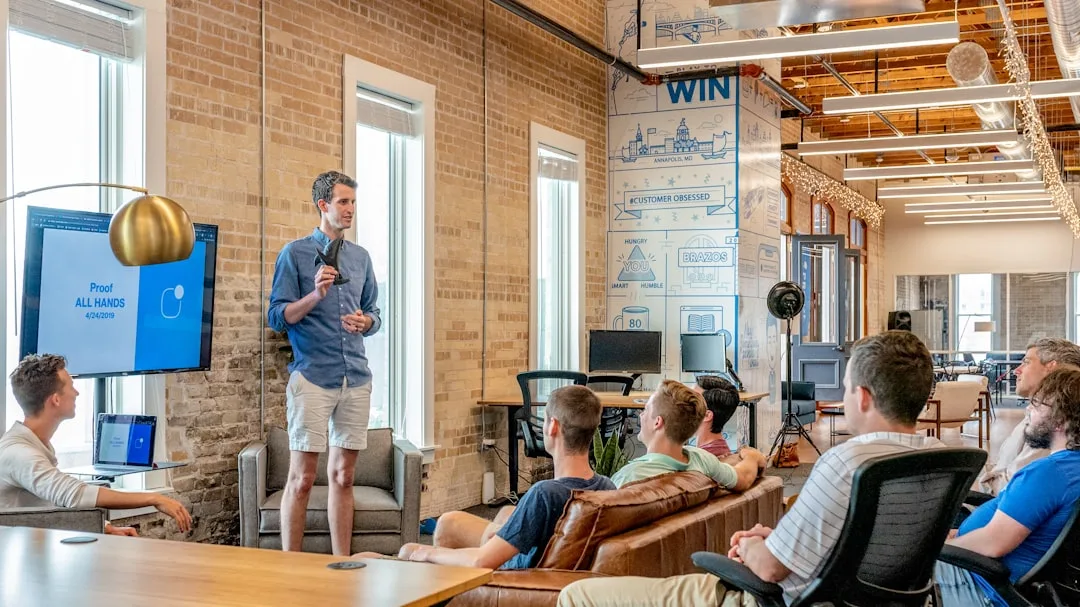
New hires face information overload during their first week. Corporate onboarding AI assistants now deliver just-in-time answers and personalized workflows, cutting time-to-productivity from months to weeks.