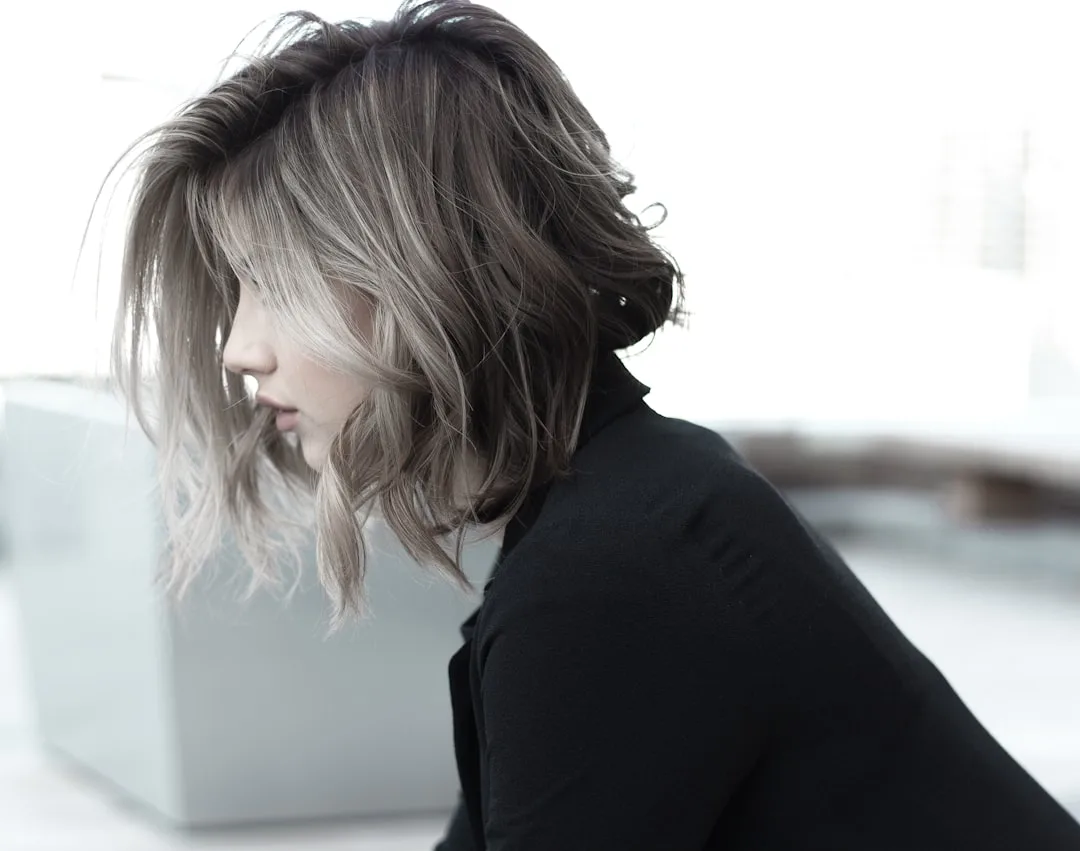
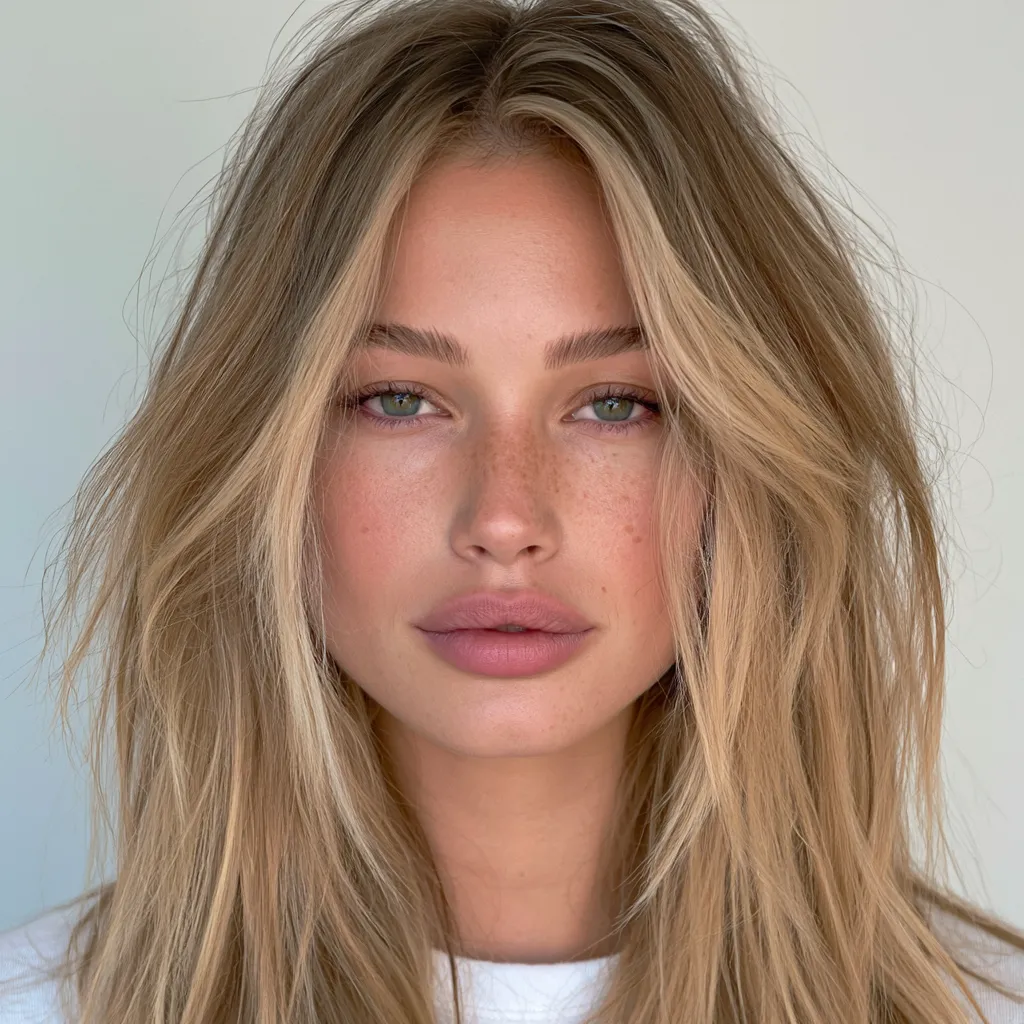
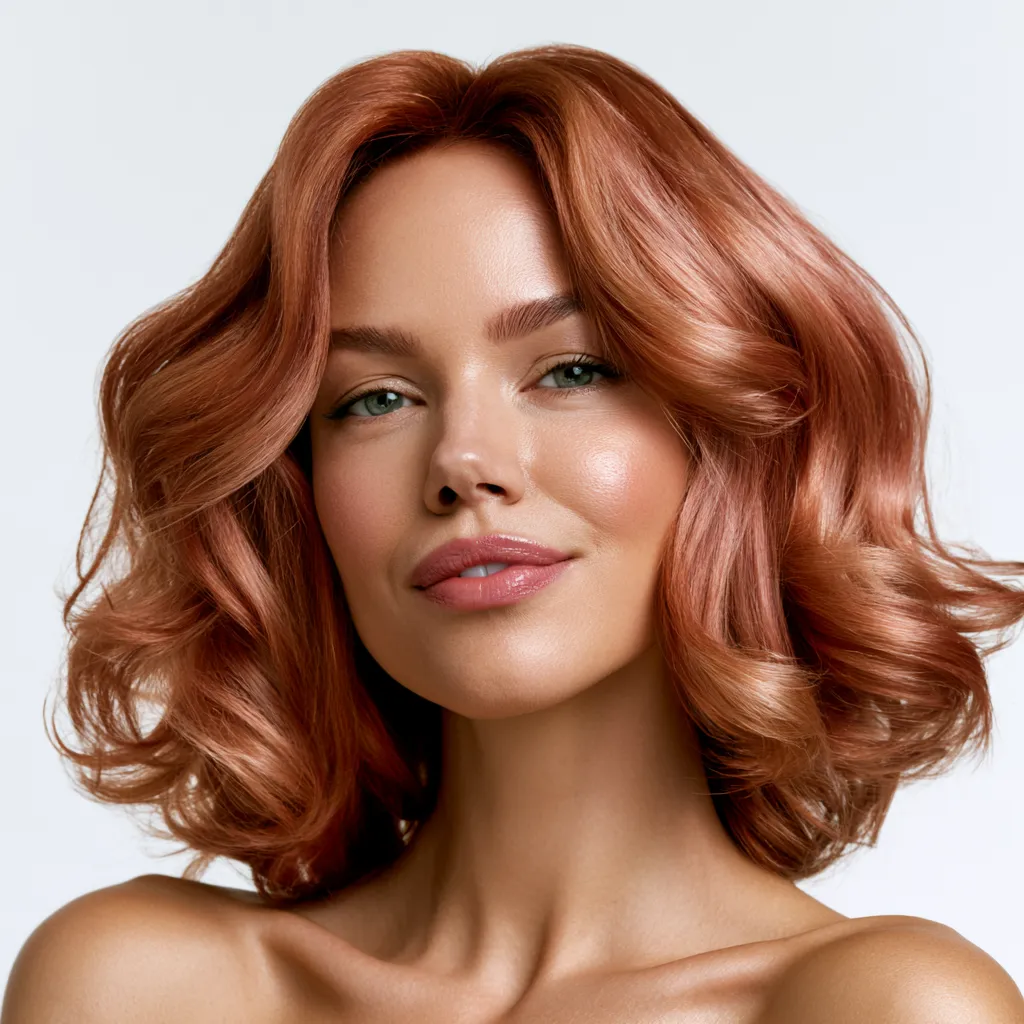
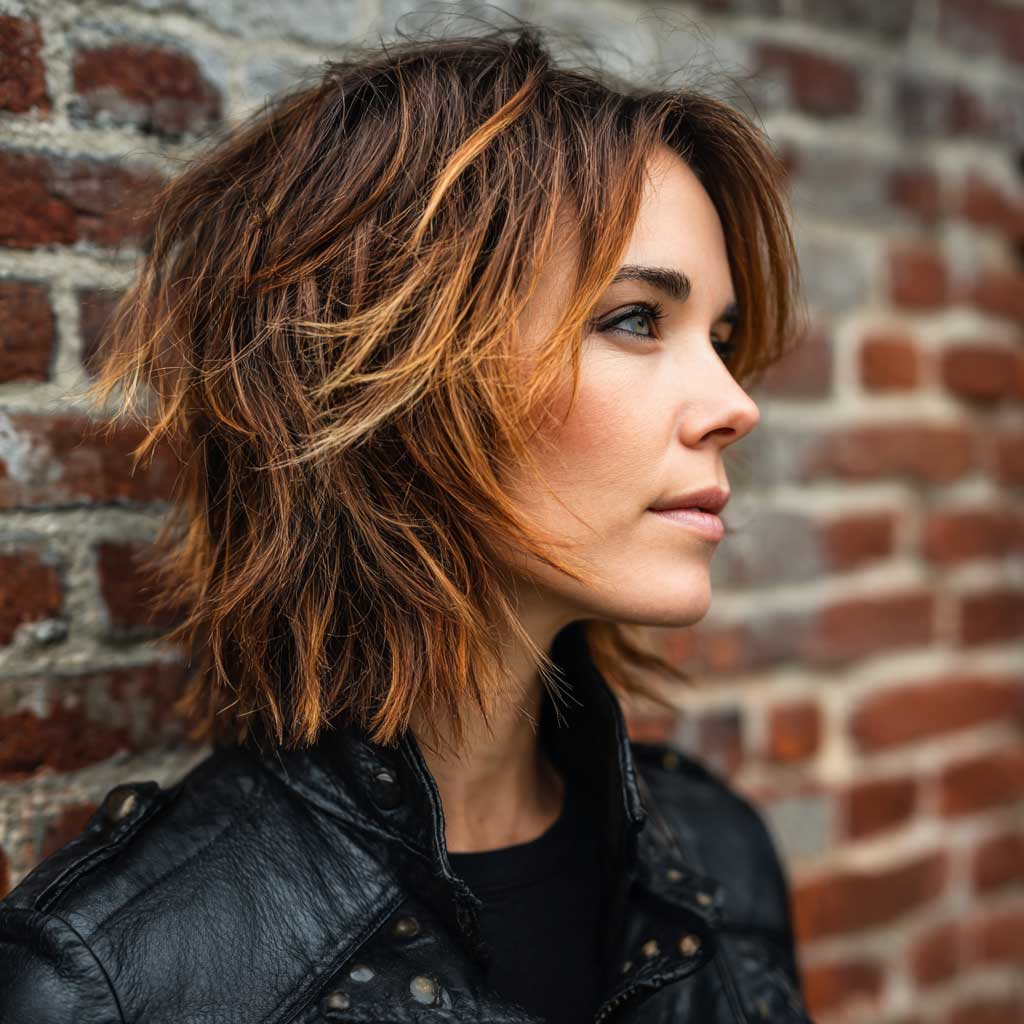
They appear in the same Pinterest boards, they both involve lighter hair at the ends, and they are both ordered at salons with a casual confidence that sometimes masks real uncertainty about what each one actually is. Balayage and ombre are two of the most requested hair color services globally — combined, they account for an estimated 42 percent of all color appointments at full-service salons in the United States as of 2026, according to industry tracking data from Professional Beauty Association annual reports. But they are not the same thing, they do not look the same up close, they are not applied the same way, and they do not age or grow out the same way.
Requesting the wrong one — which happens regularly when clients and colorists are not communicating in the same terms — leads to results that range from slightly off to requiring a corrective appointment. This article breaks down the real difference between balayage and ombre across every dimension: technique, result, maintenance, cost, and which one your specific hair, lifestyle, and goal actually calls for.
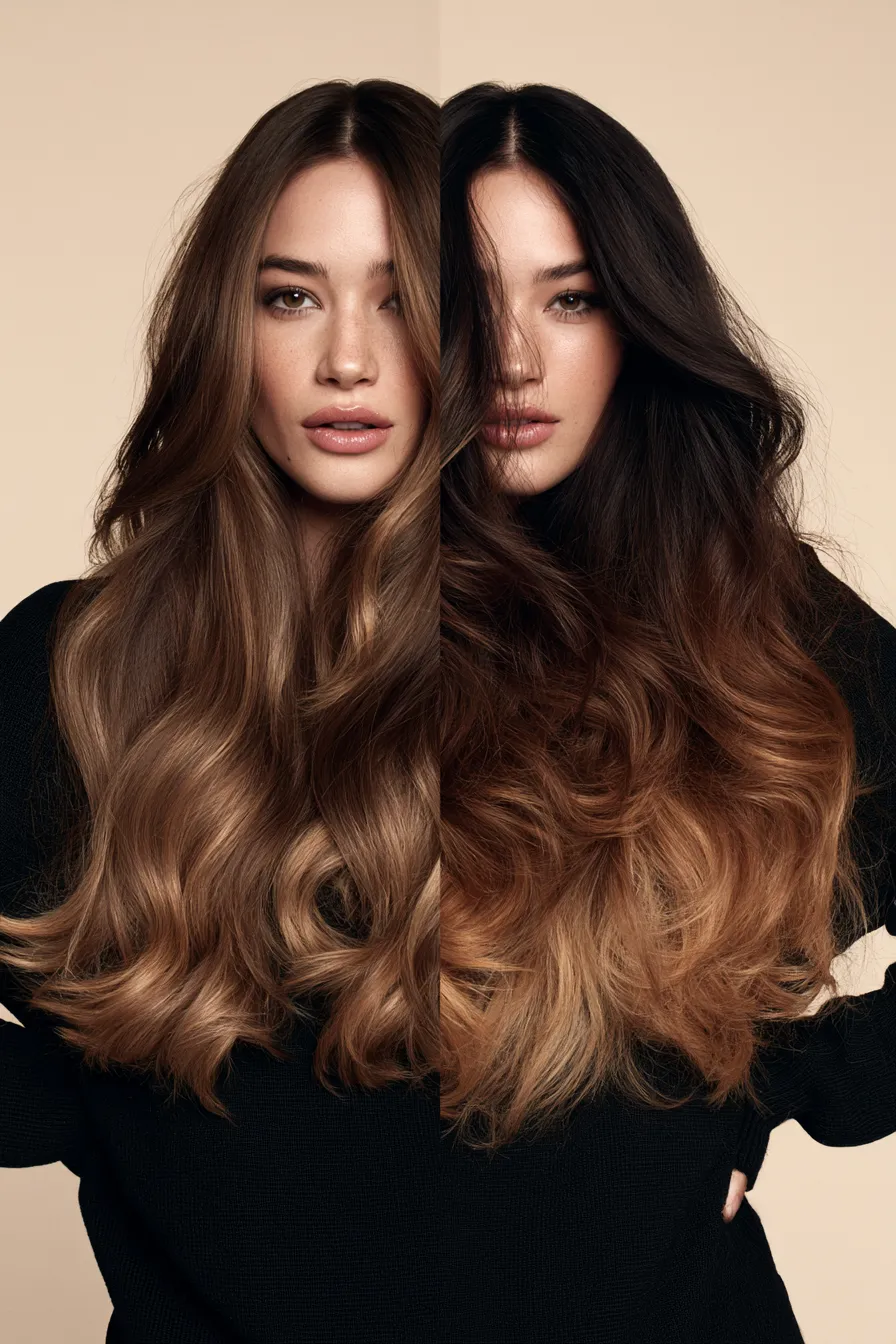
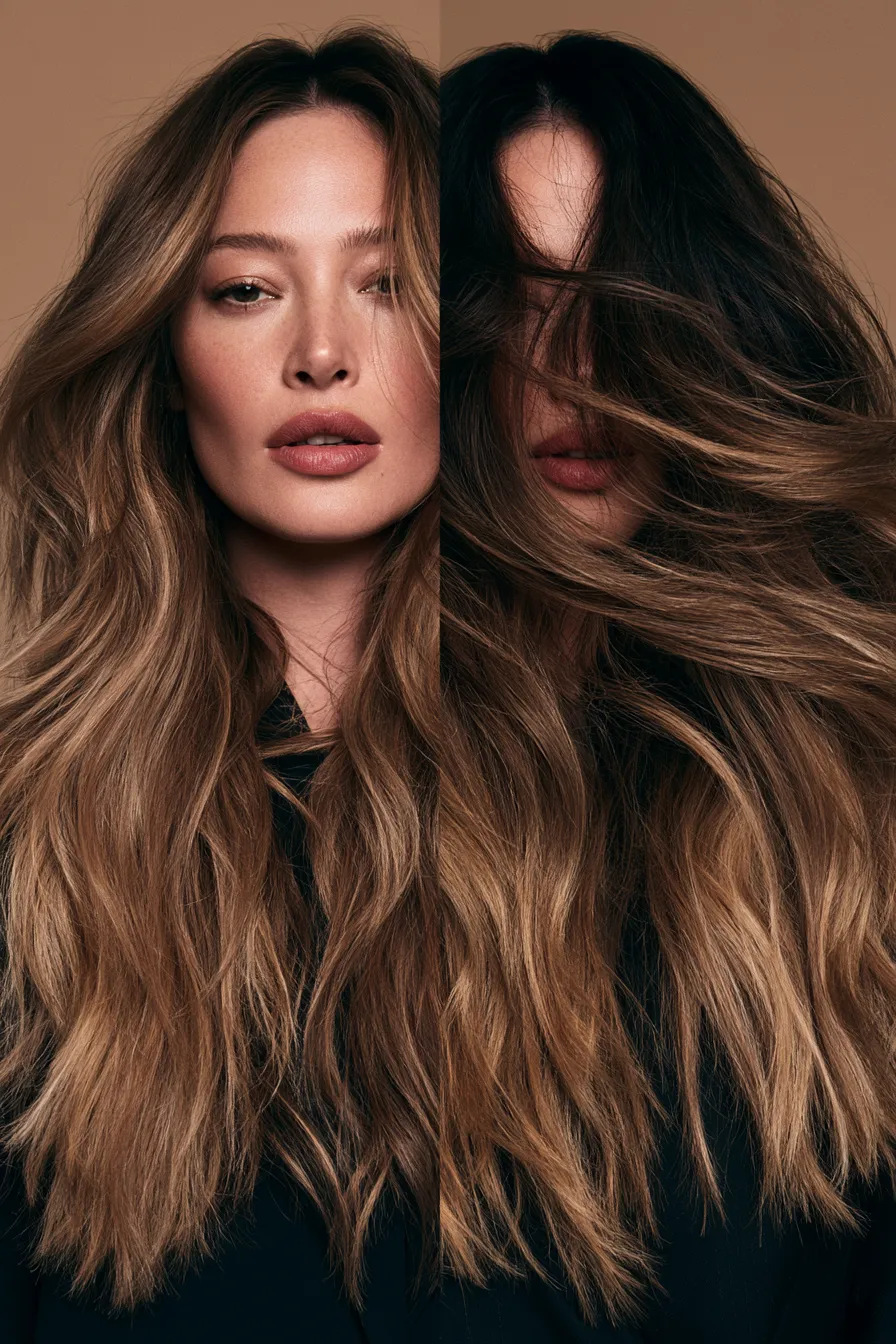
The Core Difference Between Balayage and Ombre
Balayage is a technique. Ombre is a result. This single distinction explains most of the confusion, and understanding it changes how you approach every conversation with a colorist.
Balayage — from the French word meaning “to sweep” — refers to a freehand painting method in which a colorist applies lightener or color directly to the surface of the hair using a brush, without foils. The colorist paints in sweeping motions, concentrating product at the mid-lengths and ends while feathering it toward the roots to create a gradual, natural-looking blend. The placement is entirely at the colorist’s discretion — shaped by the client’s face, the way light naturally falls on their hair, and the specific dimension being built into the color.
Ombre — from the French word for “shadow” — is a color result characterized by a clear gradient from one color at the roots to a different (usually lighter) color at the ends. It is a description of what the finished hair looks like, not of how the color was applied. Ombre can be achieved using balayage technique, foil highlights, direct dye application, or a combination. What defines ombre is the visible, intentional contrast between dark roots and lighter ends, with a transition zone somewhere in the mid-lengths.
The practical implication: you can have balayage that does not look like ombre (when the highlights are scattered throughout and create dimension rather than a gradient), and you can have ombre that was not created using the balayage technique (when foils or direct application were used instead). The terms overlap in many salon contexts but refer to genuinely different things when used precisely.
How Each Technique Is Actually Applied
The Balayage Application Process
A balayage appointment typically takes between two and four hours, depending on hair length, thickness, and the degree of lightening being done. The colorist works through the hair in sections, selecting pieces based on where natural light would hit and painting them with lightener using a paddle brush. No foils are used, which means the color develops with air exposure — this produces a softer, more diffused result than foil highlighting, where the foil accelerates the lightening process and produces sharper contrast.
Because the product is painted on dry hair (most colorists prefer dry application for balayage) and not enclosed in foil, the processing time is longer than foil highlights — typically 30 to 60 minutes of development depending on the desired level of lift. The result is a series of lighter pieces that sit at the surface of the hair, mimicking the effect of natural sun exposure. When done well, balayage is nearly impossible to distinguish from naturally lightened hair.
The Ombre Application Process
Ombre is most commonly achieved through a technique called “melting” or “color melting” — where the colorist creates a distinct lighter section starting at a defined point in the mid-lengths and blends it upward toward the root color using a brush and a feathering motion. In a more dramatic ombre, the transition zone is narrow and the contrast between root and end is high. In a softer ombre (sometimes called “sombre”), the transition is gradual and the contrast is less stark.
Ombre can also be achieved by bleaching only the lower half of the hair in a straight horizontal application, then softening the demarcation line by blending the edges. This is a faster and more technical process than balayage, producing a more graphic, geometric result. The “sombre” variation — popularized around 2014 and still regularly requested in 2026 — is essentially a lower-contrast ombre where the transition is soft enough that it reads almost like balayage in its subtlety.
What Balayage and Ombre Actually Look Like
Understanding the visual difference between balayage and ombre is the fastest way to clarify what you actually want before you sit in a salon chair.
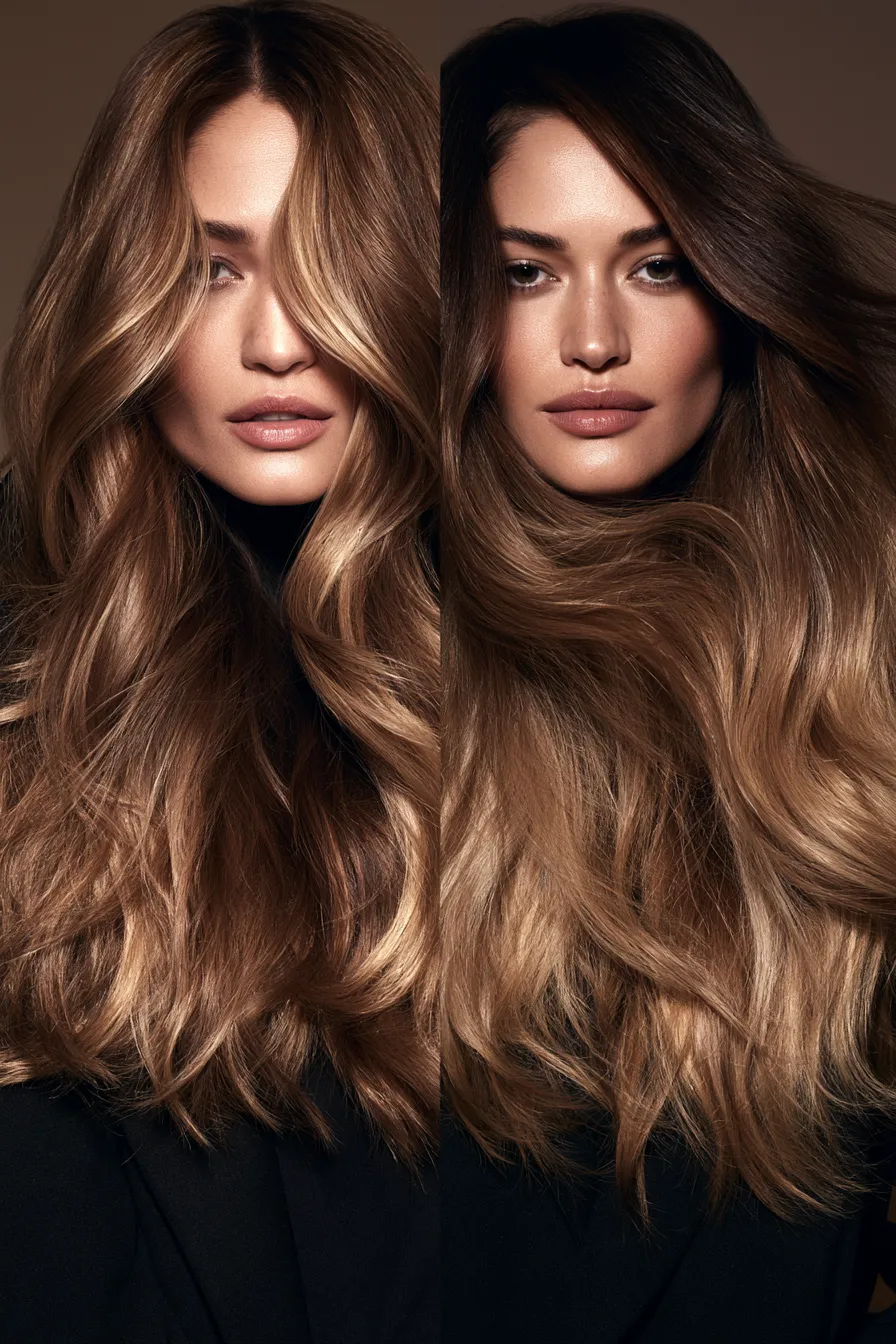
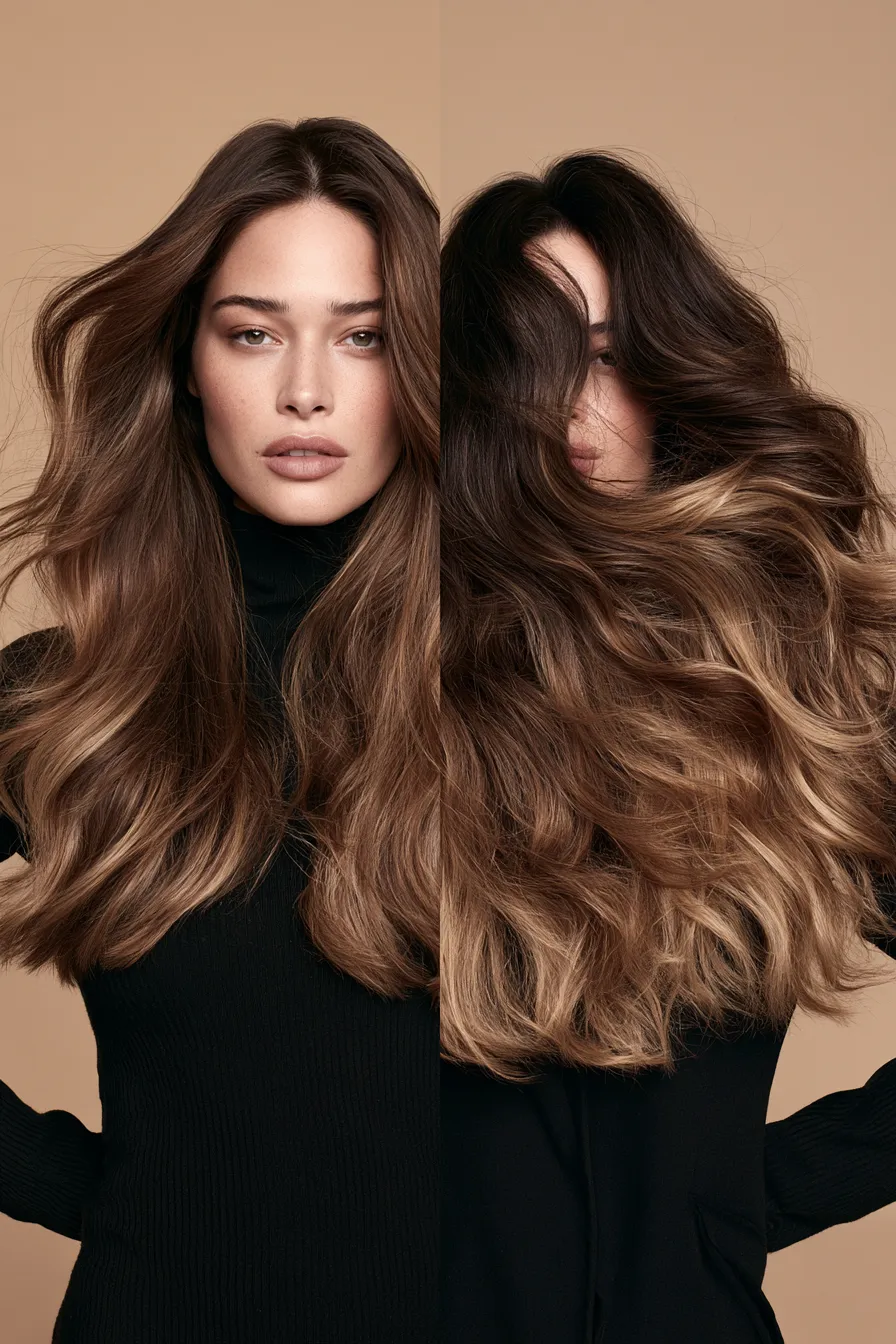
Balayage, when you look at it closely, shows lighter pieces scattered through the hair at varying points — some starting higher, some starting lower, some concentrated around the face, some through the back. There is no defined line where the color “starts.” The roots are naturally dark or close to natural, the mid-lengths have dimension, and the ends are the lightest. The overall impression is of hair that has been in the sun — the color has a randomness that mimics natural variation.
Ombre, by contrast, has a clear visual structure when you look at it as a whole. The top portion of the hair is one color, the bottom portion is another, and there is a defined transition zone — whether soft or sharp — in between. The color change happens across a horizontal band of the hair rather than through scattered individual pieces. This gives ombre a more graphic, deliberate, and stylized appearance than balayage. In the most dramatic versions, the distinction between root color and end color is striking enough to read as an intentional two-tone effect rather than a natural color gradient.
The honey blonde balayage that has dominated 2026 salon requests is a particularly good example of how balayage differs from ombre in its visual effect — the warmth is scattered and sun-drenched rather than structured. The detailed breakdown of why this specific look has overtaken flat highlights is covered in the article on honey blonde balayage in 2026 and why hand-painted warmth is replacing flat highlights.
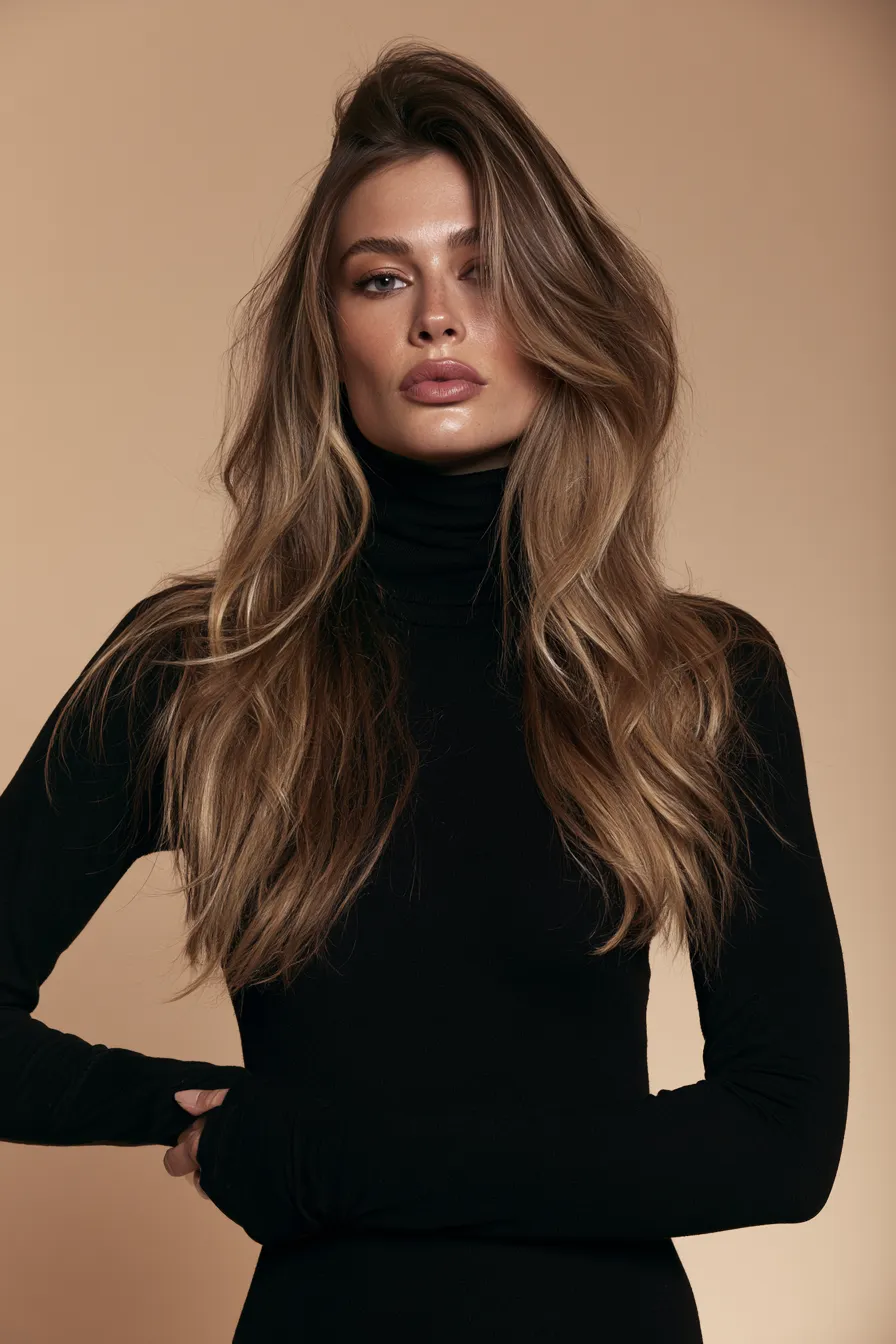
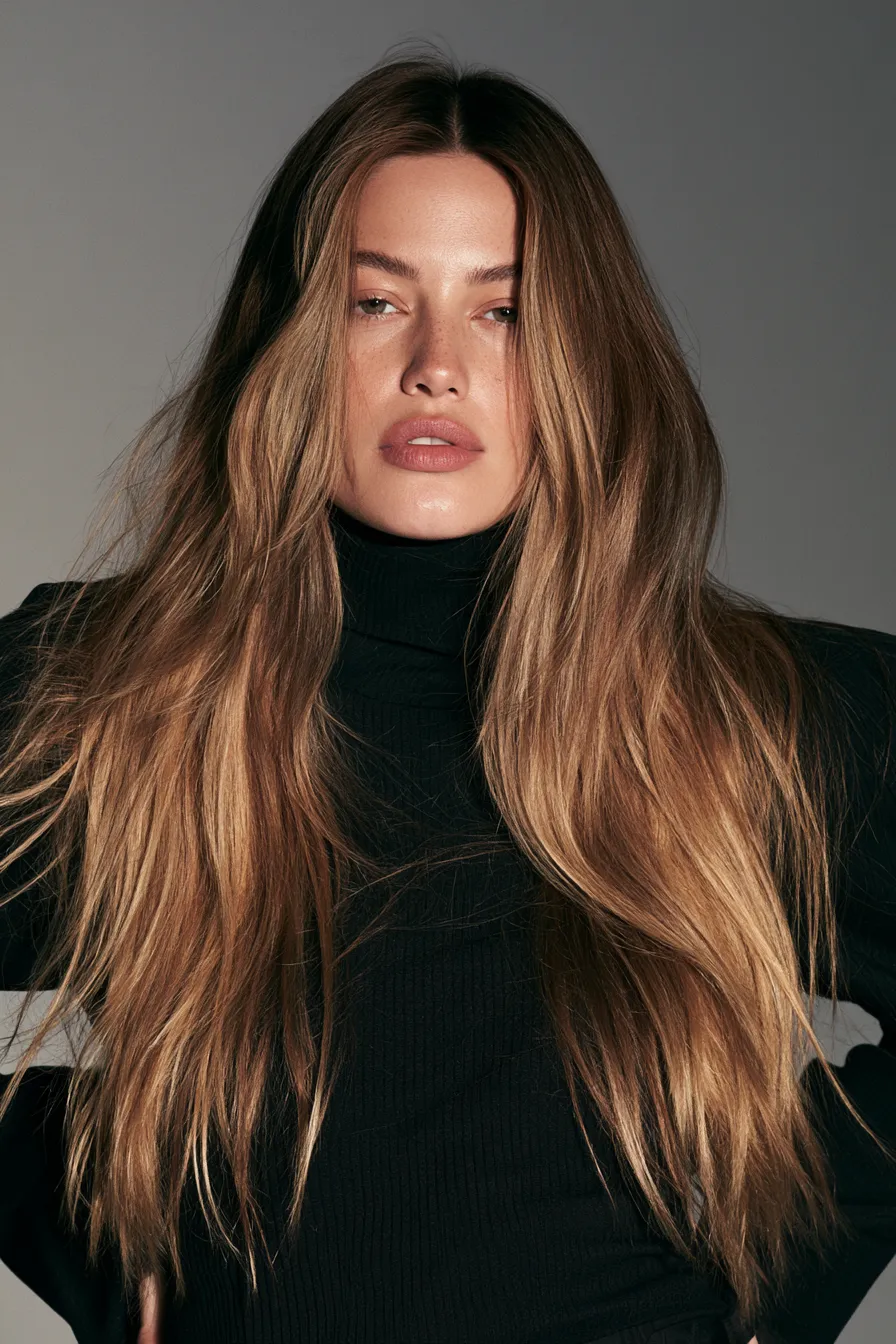
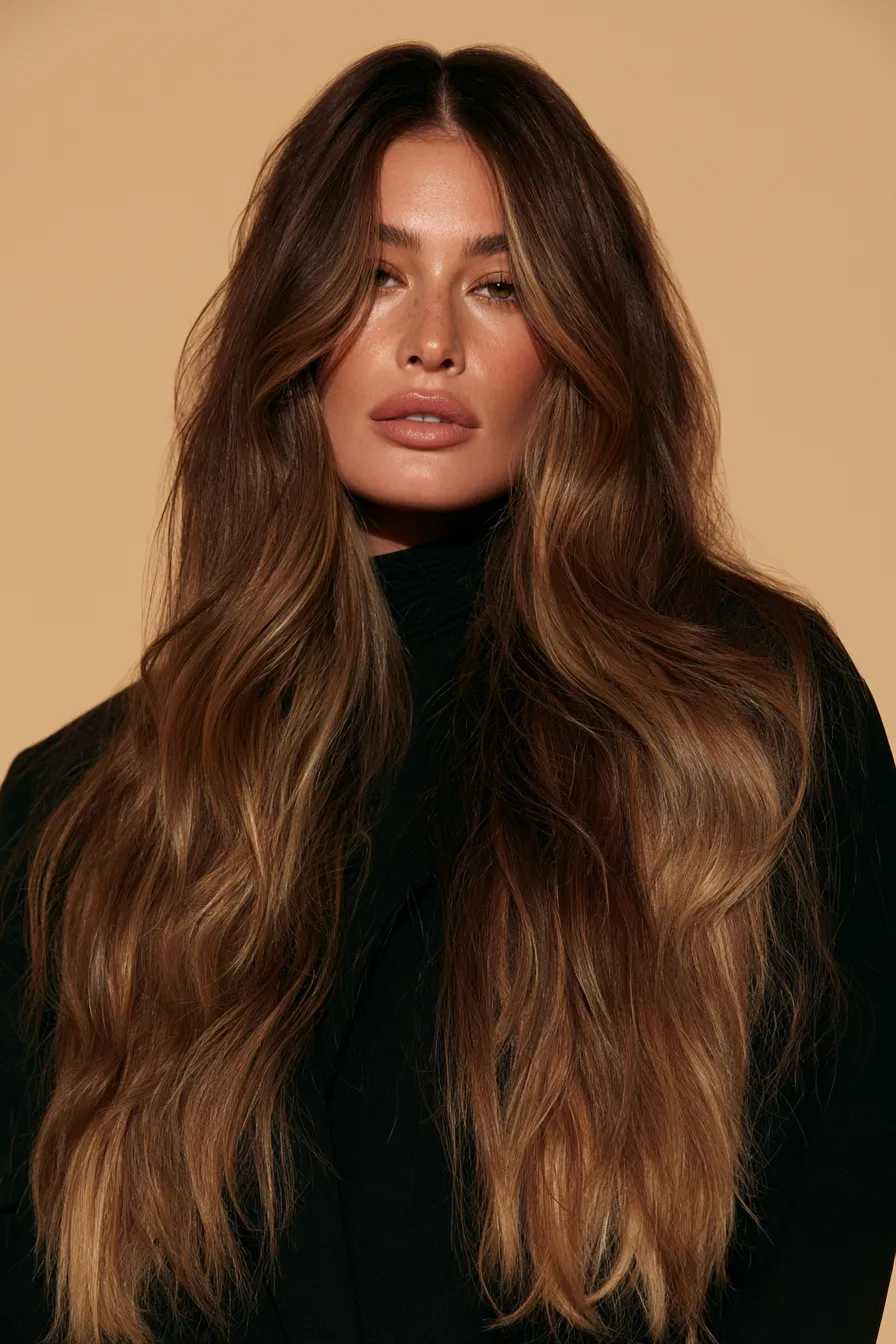
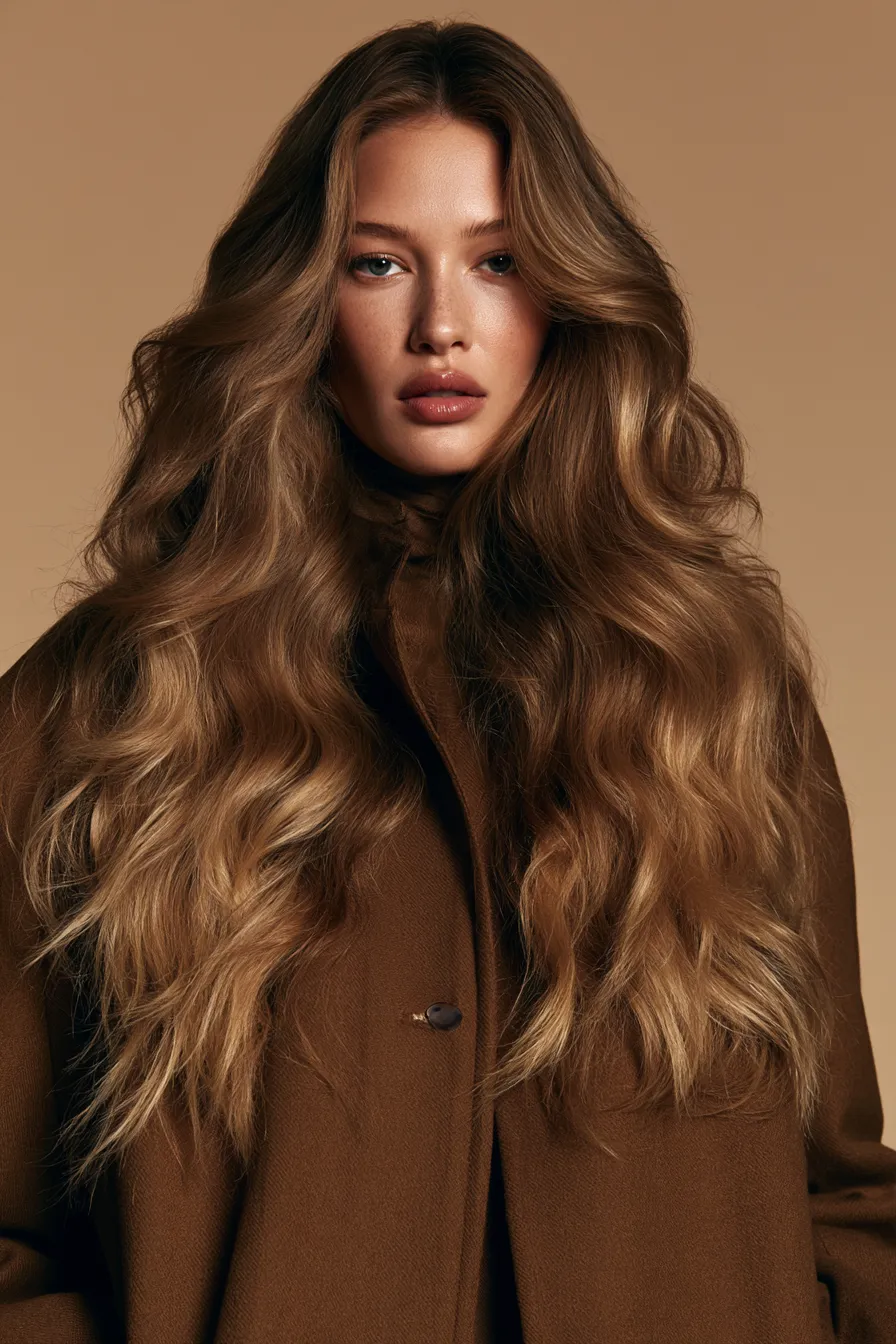
Balayage vs Ombre Side by Side
| Feature | Balayage | Ombre |
|---|---|---|
| What it is | A freehand painting technique | A color result (dark-to-light gradient) |
| Application method | Brush painted directly on hair surface, no foils | Applied in sections or horizontal bands; foils optional |
| Finish and look | Natural, scattered, sun-kissed dimension | Graphic, defined gradient with clear transition zone |
| Root visibility | Near-invisible — blends seamlessly into natural root | Intentional contrast — dark roots are part of the design |
| Maintenance frequency | Every 3–4 months; no defined root line to touch up | Every 2–3 months; transition line can become obvious |
| Average cost (US, 2026) | $150–$350 depending on salon and hair length | $80–$200 depending on technique used |
| Best for | Natural look, low-maintenance goals, fine to medium hair | Bold contrast, defined color statement, dramatic effect |
| Reversal difficulty | Grows out naturally; easy to refresh or deepen | Demarcation line requires blending to grow out gracefully |
| Hair damage level | Moderate — concentrated at mid-lengths and ends | Moderate to high — can be more uniform across lower half |
| Trending in 2026 | Yes — warm, soft balayage dominates color requests | Softer sombre version trending; dramatic ombre more niche |
The Cost Difference Between Balayage and Ombre in 2026
Balayage consistently costs more than ombre at comparable salons, and the reason is labor rather than product. A balayage service requires a colorist to make dozens of individual placement decisions across the entire session — which pieces to paint, at what angle, how far up from the root to begin, how much product to apply to each section. This is skilled, time-intensive work that commands a higher rate. In 2026, a mid-range balayage at a reputable salon in a major US city typically runs between $180 and $320, with premium colorists charging $400 or more for full balayage on long or thick hair.
Ombre, because it involves a more defined and often more rapid application, typically runs between $100 and $200 at comparable salons. The demarcation line application — where the colorist creates a horizontal lightened section and blends the edges — is technically demanding but takes less time than full-head balayage. This makes ombre a more accessible starting point for clients who want color dimension but are working within a tighter budget.
Both services usually require a toning step after lightening, which may or may not be included in the base price depending on the salon. Always confirm whether toner is included in the quoted price, as an additional toner applied after lightening can add $50 to $100 to the final bill.
Maintenance Realities for Balayage vs Ombre
Maintenance is where balayage wins decisively for most clients, and it is the primary driver behind balayage’s dominance in the 2026 color market. The grown-out roots hair trend that has become a legitimate aesthetic in its own right is in many ways an extension of the same logic — intentionally unretouched roots read as sophisticated rather than neglected when the underlying color service was designed with growth in mind. The full context of this shift is explored in the article on how grown-out roots have become a low-maintenance luxury in 2026.
Balayage, because it is designed to mimic natural sun-lightening, has no defined root line. The color was never applied at the root, so as the hair grows, the root area simply extends slightly and the overall effect remains coherent. Most balayage clients return every three to four months for a refresh — and many stretch this to five or six months in cooler seasons when natural warmth and fading read as intentional depth rather than neglect.
Ombre has a more challenging grow-out. Because the look is defined by a specific transition point — the horizontal band where dark meets light — growing out moves that transition point downward and can create an effect that reads as a hard line rather than a designed gradient. Ombre clients typically need to return every eight to twelve weeks to maintain the position of the transition zone. Alternatively, many ombre clients transition their look into a sombre or a full balayage over the course of two to three appointments, which softens the demarcation and reduces maintenance going forward.
Which Hair Colors Work Best for Balayage vs Ombre
Both techniques are applied across the full color spectrum in 2026, but each has a natural pairing with certain starting and ending color combinations.
Balayage Color Pairings That Work
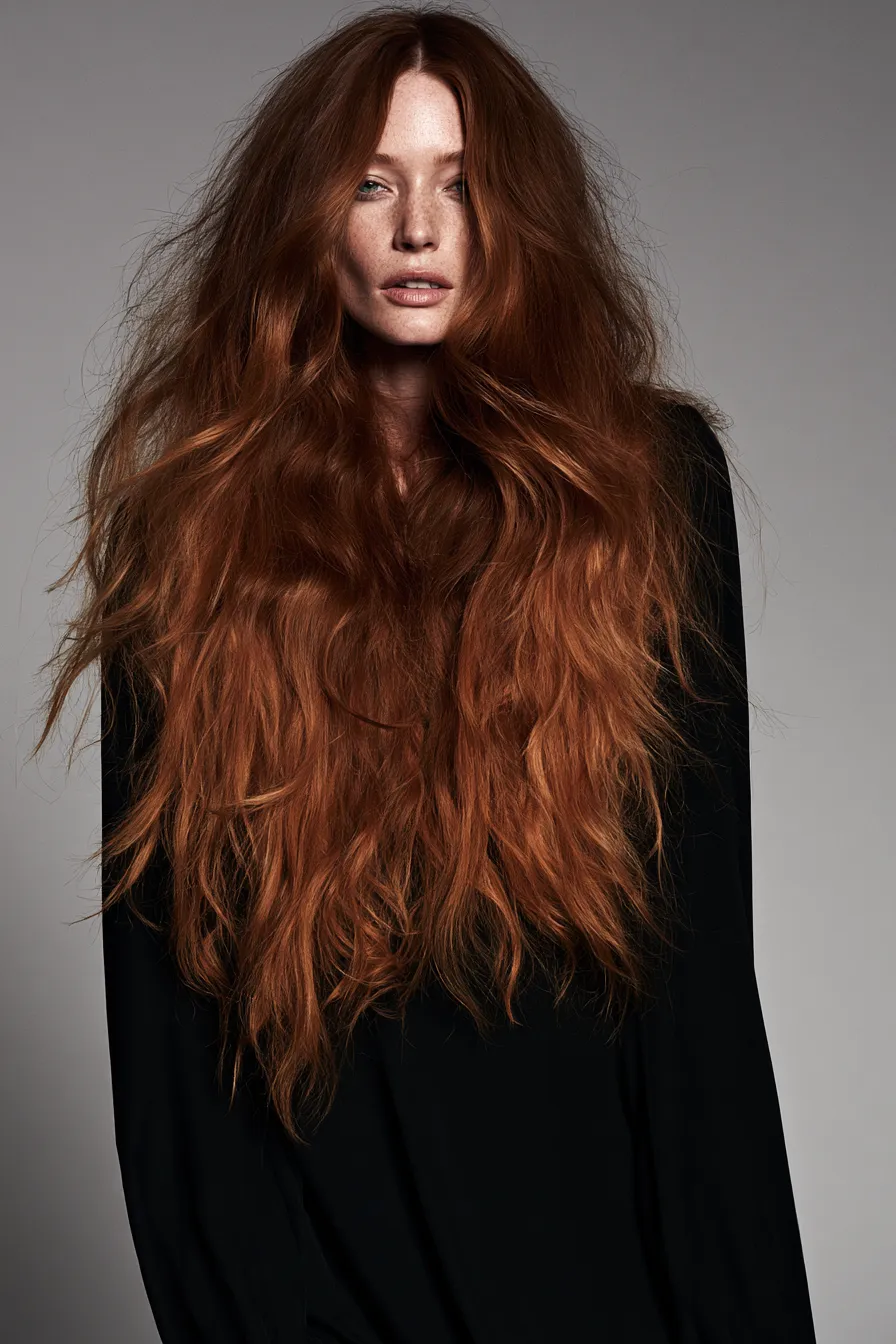
The most natural-looking and currently popular balayage results in 2026 pair a dark brunette or medium brown base with warm lighter tones at the mid-lengths and ends. Honey blonde on dark brunette, caramel on medium brown, copper-gold on warm brown, and soft champagne on natural dark blonde are all results that balayage technique produces with particular elegance because the freehand painting mimics the irregular way natural sun would create these variations.
Balayage on very dark or black hair can be done but requires more lightening — often multiple sessions — to achieve visible results. On extremely dark hair, balayage without pre-lightening may lift only slightly and appear as subtle warmth rather than visible highlights. This can be a beautiful effect (sometimes called “glossy balayage” or “subtle balayage”), but clients need to understand the expectation going in so the result matches the intention. The range of warm tones and effects possible on brunette hair is explored in detail in the article on brunette hair ideas that could become your next signature look.
Ombre Color Pairings That Work
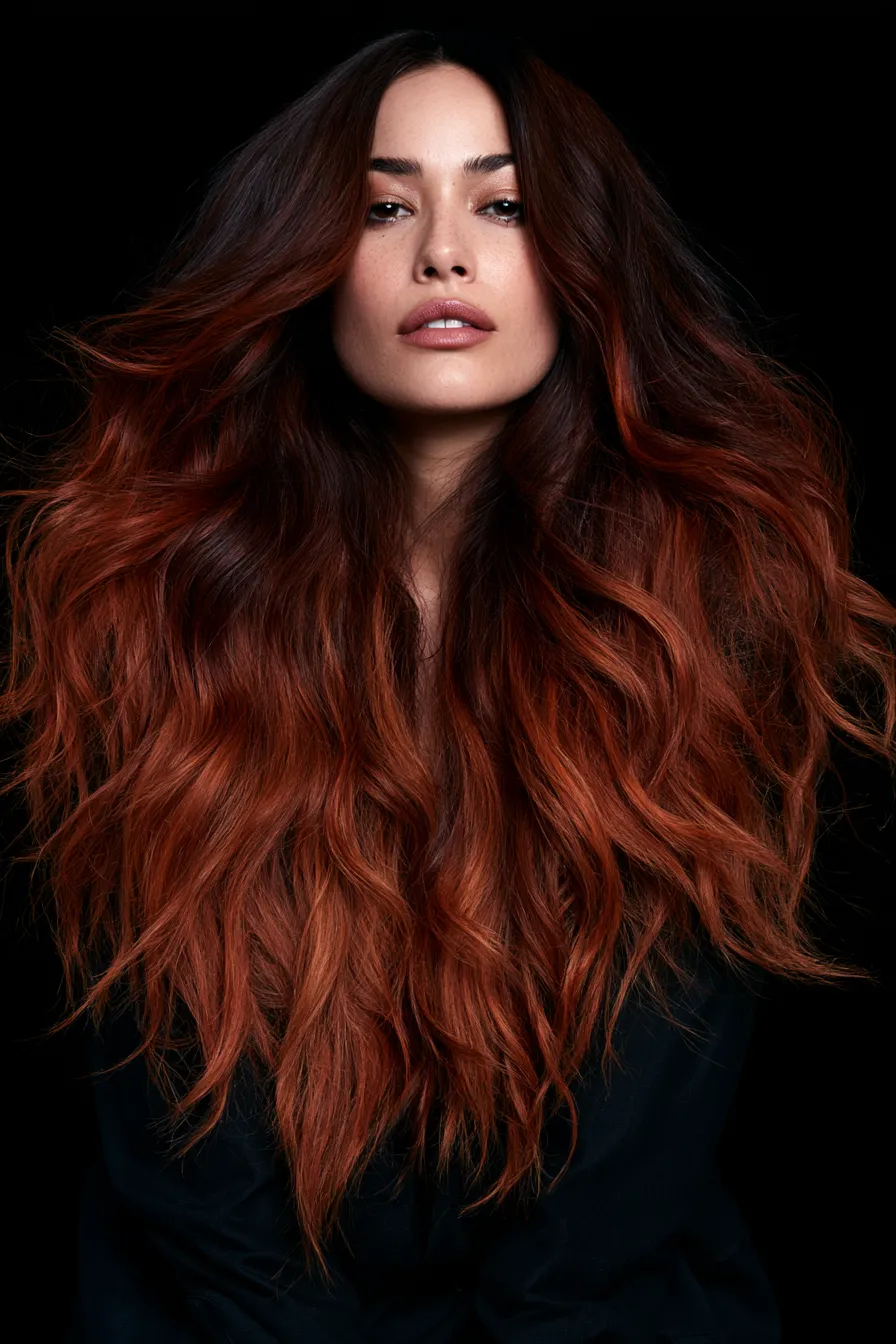
Ombre’s graphic quality makes it particularly effective for high-contrast combinations: jet black to platinum blonde, dark espresso to warm copper, deep burgundy to light rose gold. These pairings exploit the defined transition zone that characterizes ombre — the contrast itself is the visual statement, and more dramatic contrast produces a more striking result.
Ombre is also the more appropriate technique for non-natural color transitions — midnight blue to sky blue, deep forest green to mint, burgundy to coral. In these cases, the defined demarcation reads as intentional design rather than a grow-out artifact, and the graphic quality of the ombre gradient suits the boldness of the color palette. For clients interested in deep red-toned results specifically, the color spectrum explored in the article on cherry cola hair dominating 2026 shows how this palette applies to both balayage and ombre approaches.
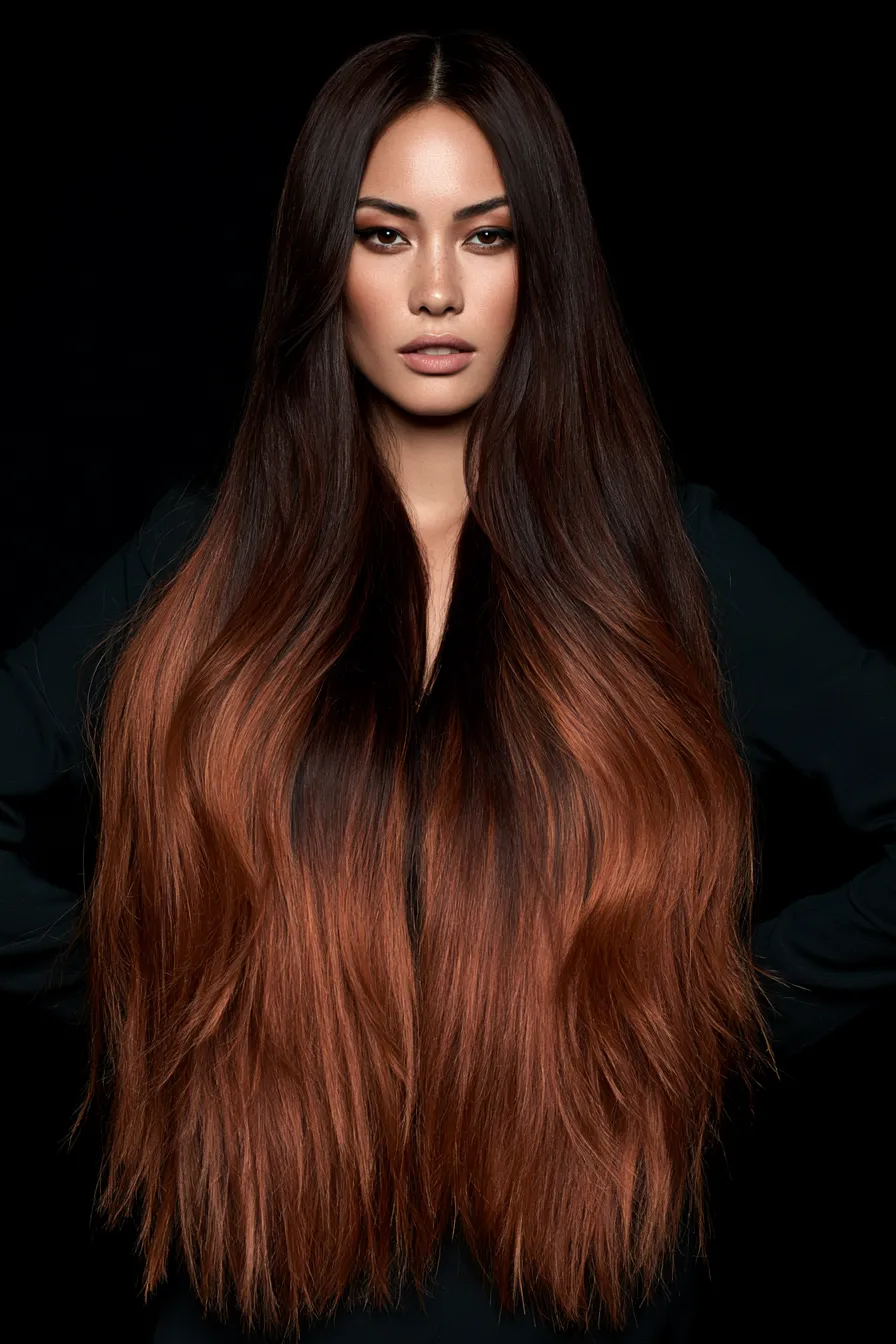
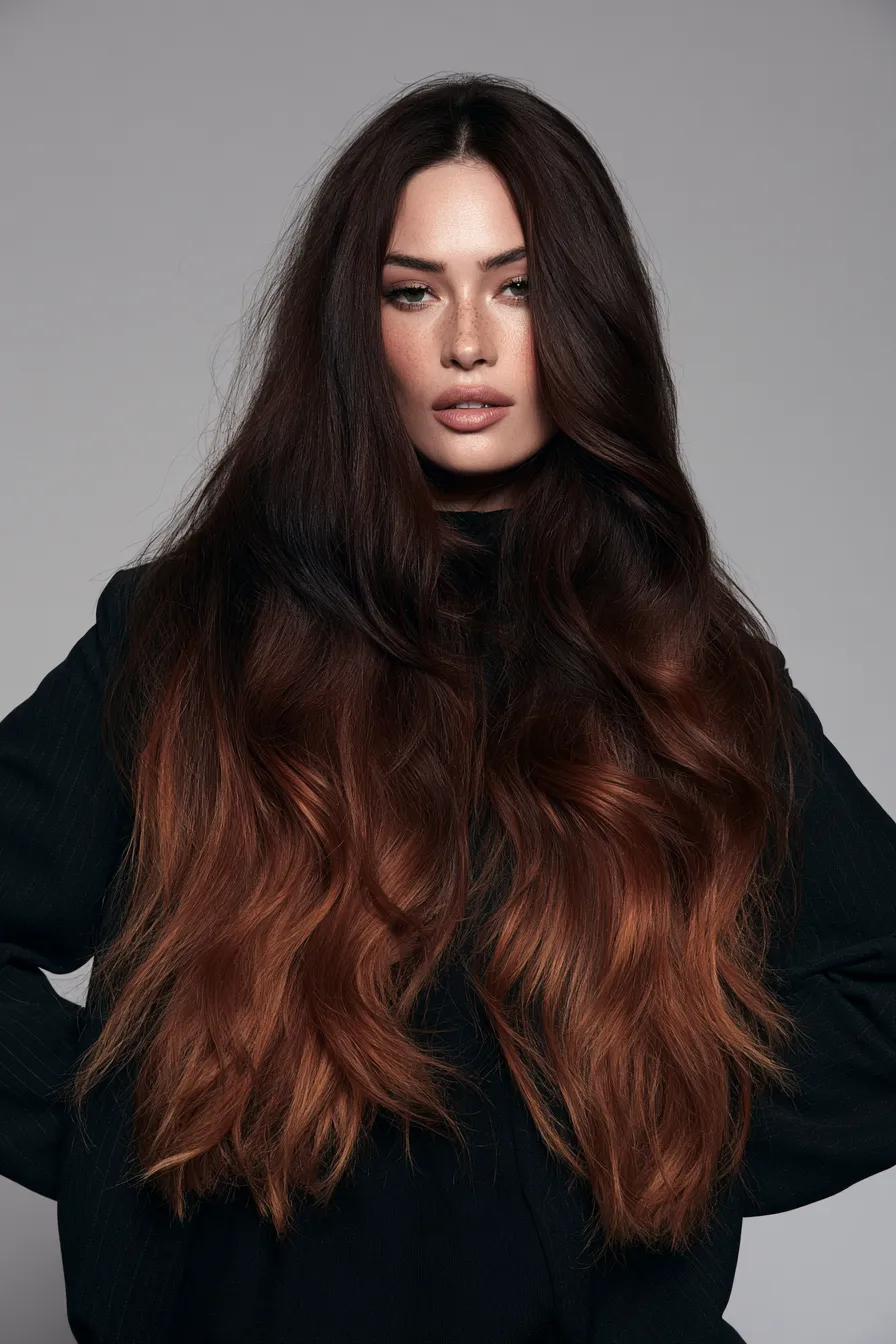
Balayage and Ombre on Different Hair Types
Hair texture influences how both techniques appear in the finished result, and understanding this helps set realistic expectations.
Fine Hair
Fine hair benefits more from balayage than from ombre in most cases. Balayage on fine hair creates the illusion of dimension and thickness — lighter pieces catch the light individually and create visual separation between strands that makes hair appear fuller. Ombre on very fine hair can flatten, because the horizontal banding of color emphasizes the hair lying flat rather than adding dimension through its length. If ombre is the preferred result, a very soft sombre with a long, gradual transition works better on fine hair than a high-contrast version.
Thick and Coarse Hair
Thick hair handles both techniques well and is particularly dramatic for ombre. The density of thick hair means the horizontal gradient has a visual weight that reads with clarity — the dark upper section has real presence, and the lighter lower section has real contrast. For balayage on thick hair, the colorist will typically use a painting technique with thicker sections to ensure the lightener penetrates evenly without the hair blocking the product from reaching all strands within a given piece.
Curly and Wavy Hair
Balayage on curly hair produces some of the most beautiful results of any hair type and texture combination. The way curls move means the lighter pieces catch light from multiple angles simultaneously, creating extreme dimension. On tight coils especially, balayage placed at the mid-curl catches the light at the peak of each spiral in a way that looks almost like natural sun-bleaching. Ombre on curly hair also works visually, though the “transition zone” can be less defined because curls of varying lengths naturally mix the two color zones. This can actually produce a more flattering, less abrupt version of the ombre effect.
Related Techniques Often Confused with Balayage and Ombre
Several other color service terms circulate alongside balayage and ombre and cause additional confusion. Understanding where each one sits helps clarify the full landscape of color options.
- Sombre: A portmanteau of “subtle ombre.” Refers to a very low-contrast ombre where the transition from root to end color is gradual and the difference between the two tones is moderate rather than dramatic. Grows out more gracefully than full ombre and is often confused with balayage because of its soft effect. The distinction is that sombre still has a definable horizontal gradient; balayage has scattered dimension instead.
- Foilyage: A hybrid technique where balayage-style freehand painting is done inside foils, which accelerates the lightening process and produces more lift than open-air balayage. The result looks like a brighter, higher-contrast version of classic balayage. Increasingly popular for clients who want balayage results but need more lift than their base color allows with open-air processing.
- Traditional foil highlights: Distinct from both balayage and ombre. Individual pieces of hair are woven or sliced out and wrapped in foil with lightener, producing very precise, individual lighter pieces throughout the hair. The result is more uniform and less natural-looking than balayage, and root regrowth is more visible. Much faster in application than balayage and typically less expensive.
- Color melt: A technique related to ombre in which two or more colors are blended together at their edges to create a seamless gradient. Often used alongside balayage technique to connect different color zones without a visible demarcation.
- Babylights: Very fine, close-together highlights using thin sections of hair to mimic the natural highlights of children’s hair. Creates extreme dimension and a sun-lightened effect throughout the entire hair, rather than only at the surface layers as in balayage. Often done in conjunction with balayage to add density to the overall highlight effect.
How to Tell a Colorist Exactly What You Want
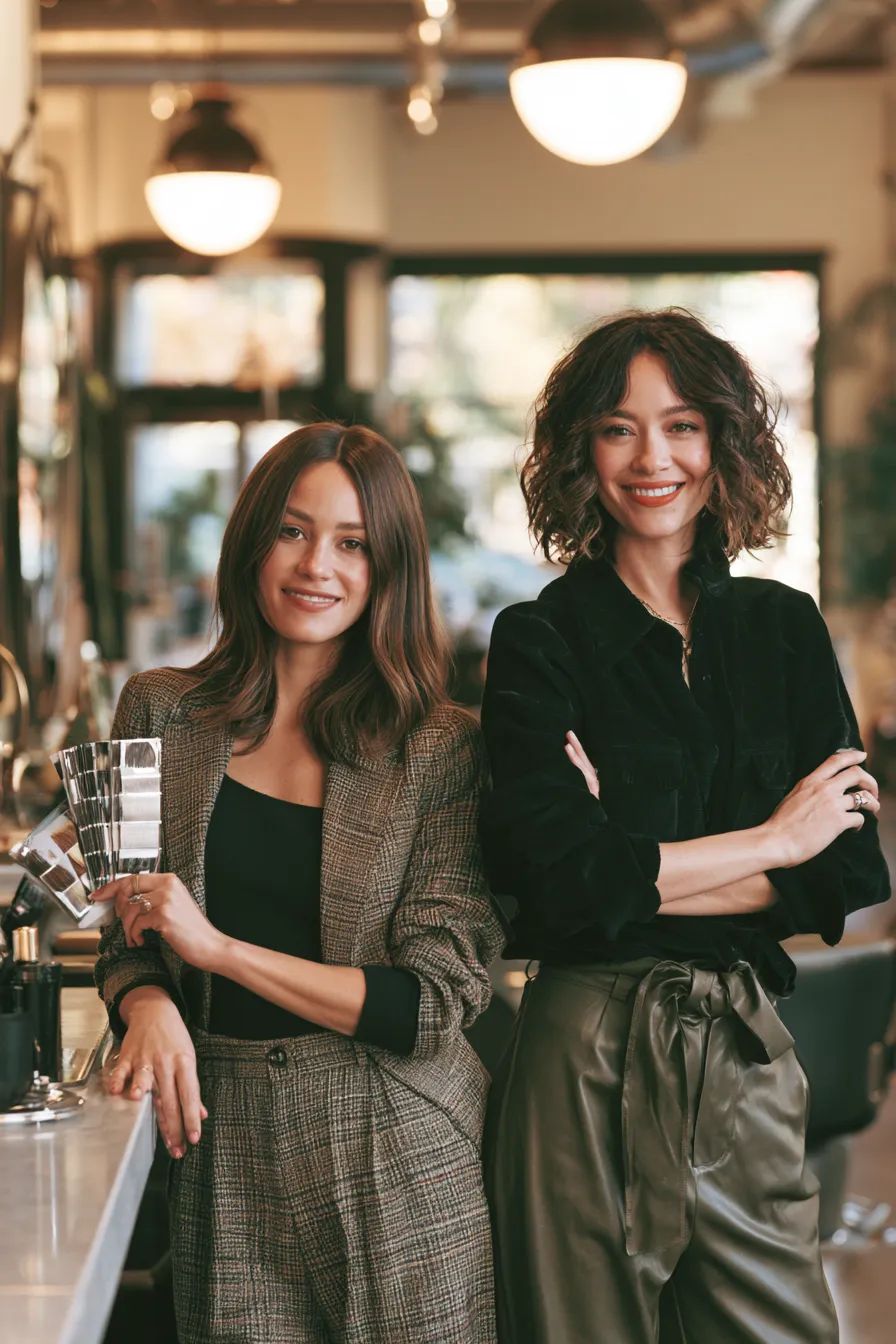
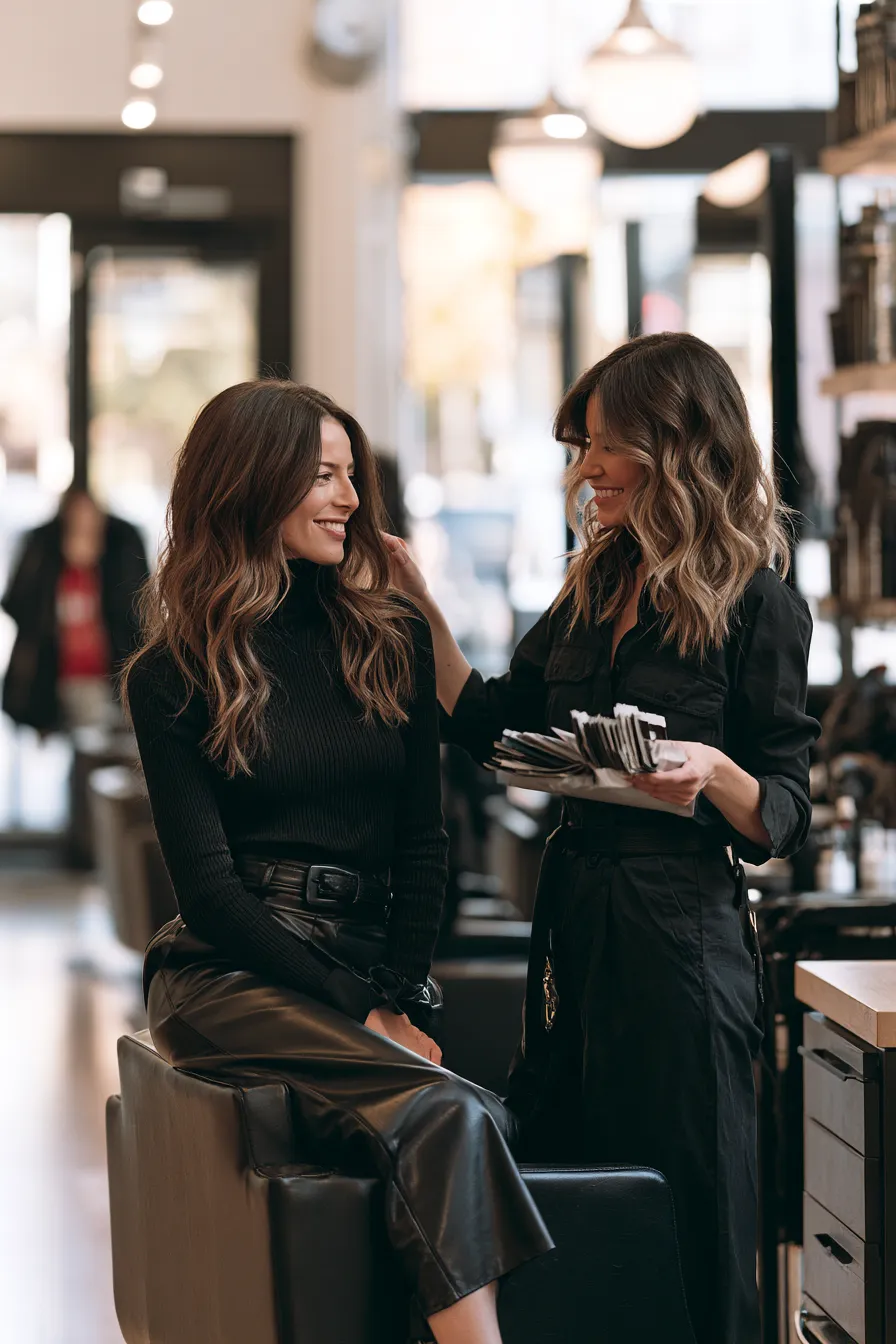
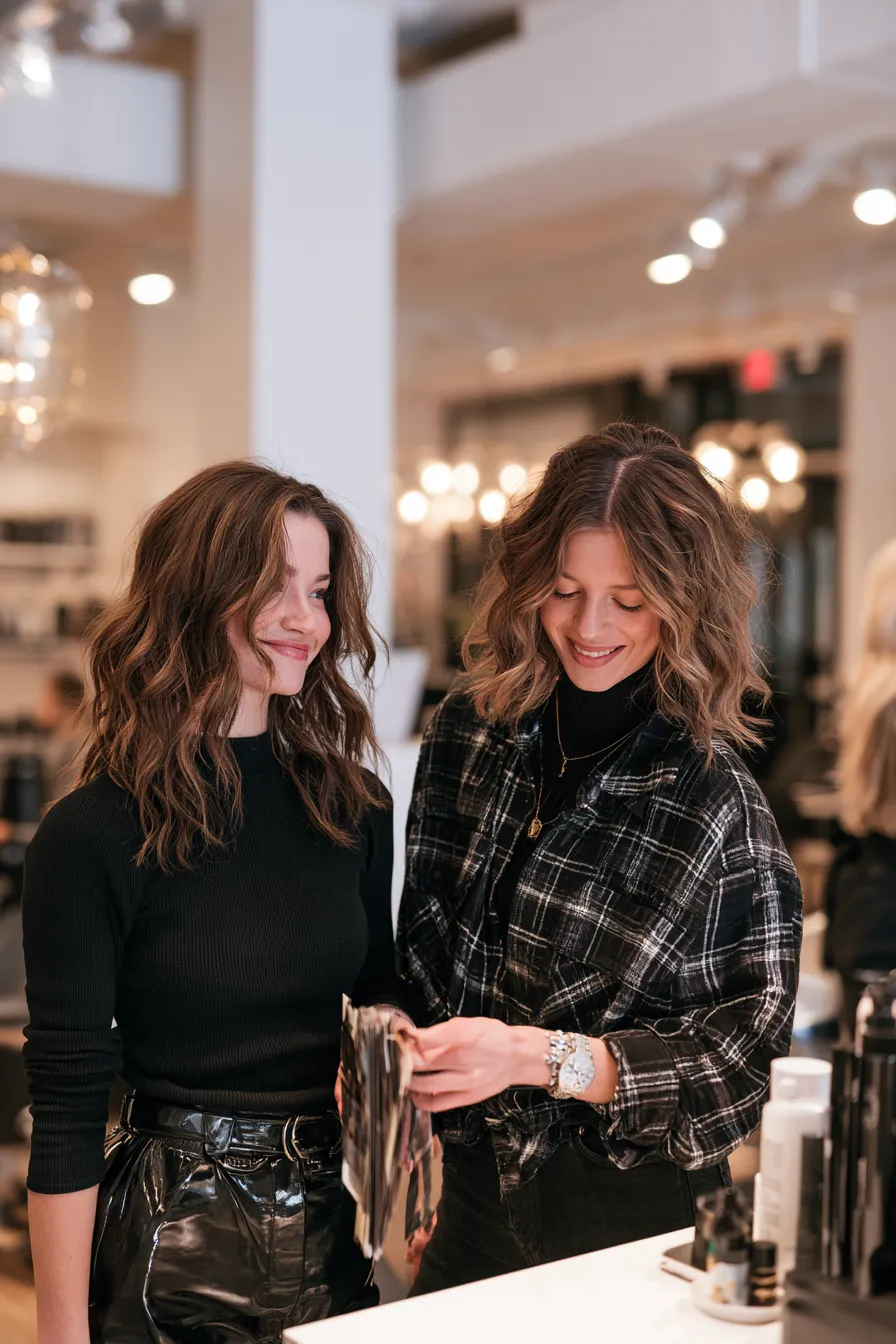
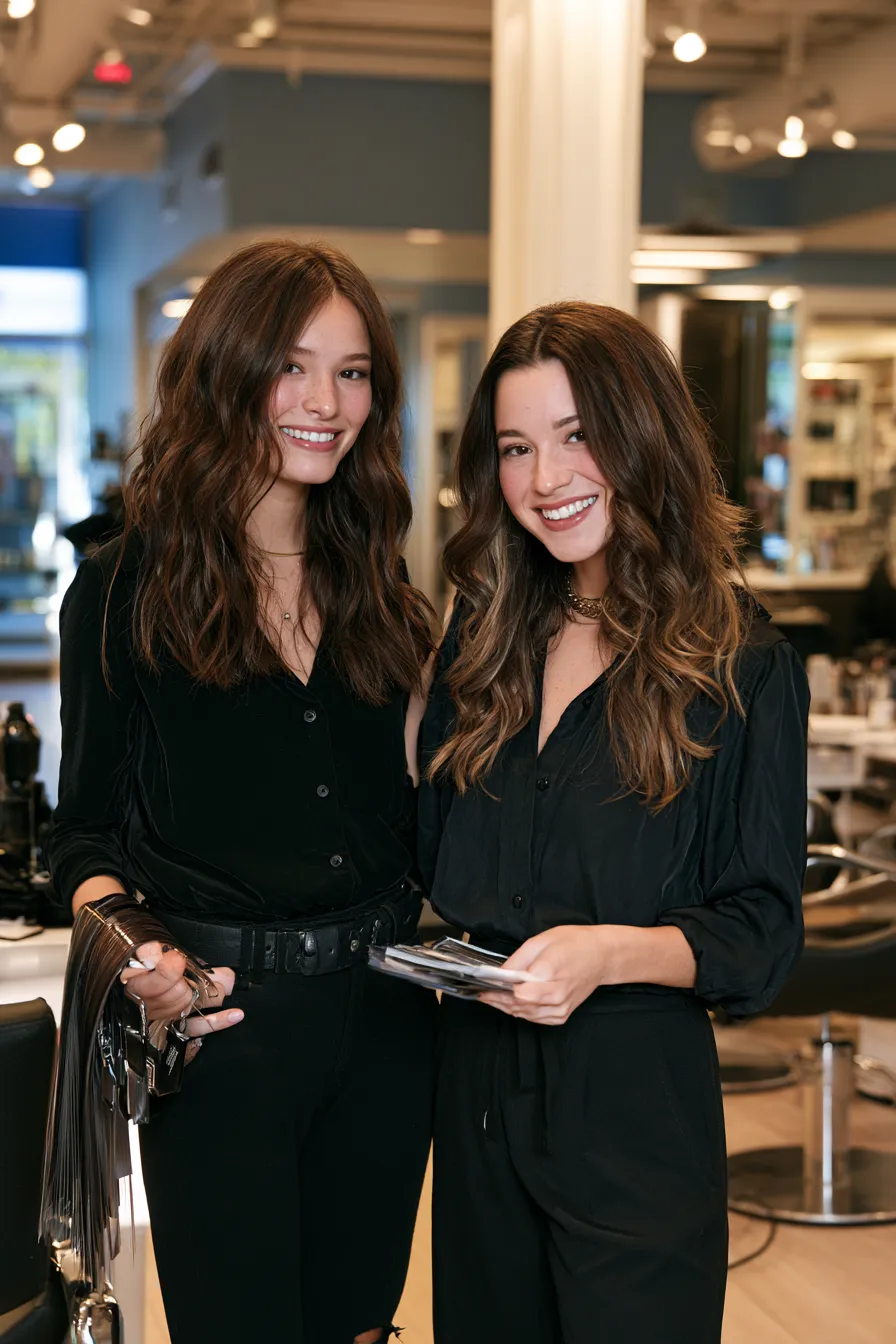
Knowing the difference between balayage and ombre is only useful at the salon if you can translate it into a productive conversation with your colorist. The most common mistake clients make is describing a desired result using technique terms — “I want balayage” — when they actually have a specific visual outcome in mind that they have not fully communicated. The most productive consultation happens when you bring reference images and describe what you like about each one, then let the colorist translate that into a technique recommendation.
Three questions that will make any color consultation more productive: How much contrast do you want between your root and end color? How often are you willing to return for maintenance appointments? And how dramatic a change are you comfortable with in one session? The answers to these three questions will lead any skilled colorist directly to the right technique without requiring you to use precise technical language.
It is also worth discussing the timeline of the look. Balayage is designed to improve with age and grow out gracefully; ombre is designed for maximum impact at the appointment and requires active maintenance to stay at its best. If you travel frequently, have an unpredictable schedule, or simply prefer not to have standing salon appointments on the calendar every eight weeks, balayage is the structurally more compatible choice. For a realistic picture of what low-maintenance color commitment actually looks like week to week, the article on honey blonde balayage 2026 covers the grow-out timeline with specific detail on what to expect at each stage.
Which Is Better for Your Hair Health
Both balayage and ombre involve chemical lightening, which carries inherent risks to hair integrity. The relevant question is not which is safer in absolute terms but where the chemical exposure is concentrated and how it interacts with your hair’s current condition.
Balayage concentrates the lightener on the surface of selected hair sections, leaving the under-sections of each piece unlightened. This means that for any given section of hair, only a portion of the strands are chemically processed. The result is less overall chemical exposure across the full head of hair than a traditional full-coverage service. However, the ends — where balayage is most concentrated — are also the oldest and most fragile part of the hair. Repeated balayage sessions without protein treatments can lead to cumulative damage at the tips.
Ombre, when applied in a horizontal block to the lower half of the hair, concentrates lightener uniformly across all strands from the transition point downward. This is a higher exposure for the affected section but leaves the roots entirely untouched. For women with sensitive or color-treated hair at the root area, ombre’s root-free approach can actually be the less damaging option in that specific zone.
In both cases, the colorist’s technique and the products used — specifically whether a bond-protecting additive like Olaplex or K18 is mixed into the lightener — has more impact on hair health outcomes than the choice between balayage and ombre itself. Requesting bond protection as part of either service is an investment that meaningfully reduces structural damage, particularly on hair that is fine, previously processed, or heat-styled regularly.
The Honest Verdict on Balayage vs Ombre in 2026
If you want to understand the difference between balayage and ombre at a practical level: balayage is the technique most people mean when they describe wanting natural-looking lightness, dimension, and a result that grows out without requiring immediate maintenance. Ombre is the result most people mean when they describe wanting a clear, visible color change from dark roots to light ends — a deliberate statement rather than a natural evolution.
In 2026, balayage accounts for a significantly larger share of salon appointments — industry estimates put the split at approximately 65 percent balayage-technique services to 35 percent ombre or ombre-adjacent services among clients requesting gradient color effects. The dominance of balayage reflects the dominant aesthetic direction of this moment: natural over graphic, dimensional over flat, low-maintenance over high-impact.
But ombre is not the lesser choice. For clients who want visible, high-contrast color that makes a statement, who are comfortable with regular maintenance, and who are not trying to mimic a natural look — ombre delivers exactly what balayage cannot: a clear, dramatic, designed gradient that is unmistakably intentional. Both have their place, and both are capable of extraordinary results in the right hands and on the right hair. The choice is simply a matter of knowing which result you actually want — and now you do.