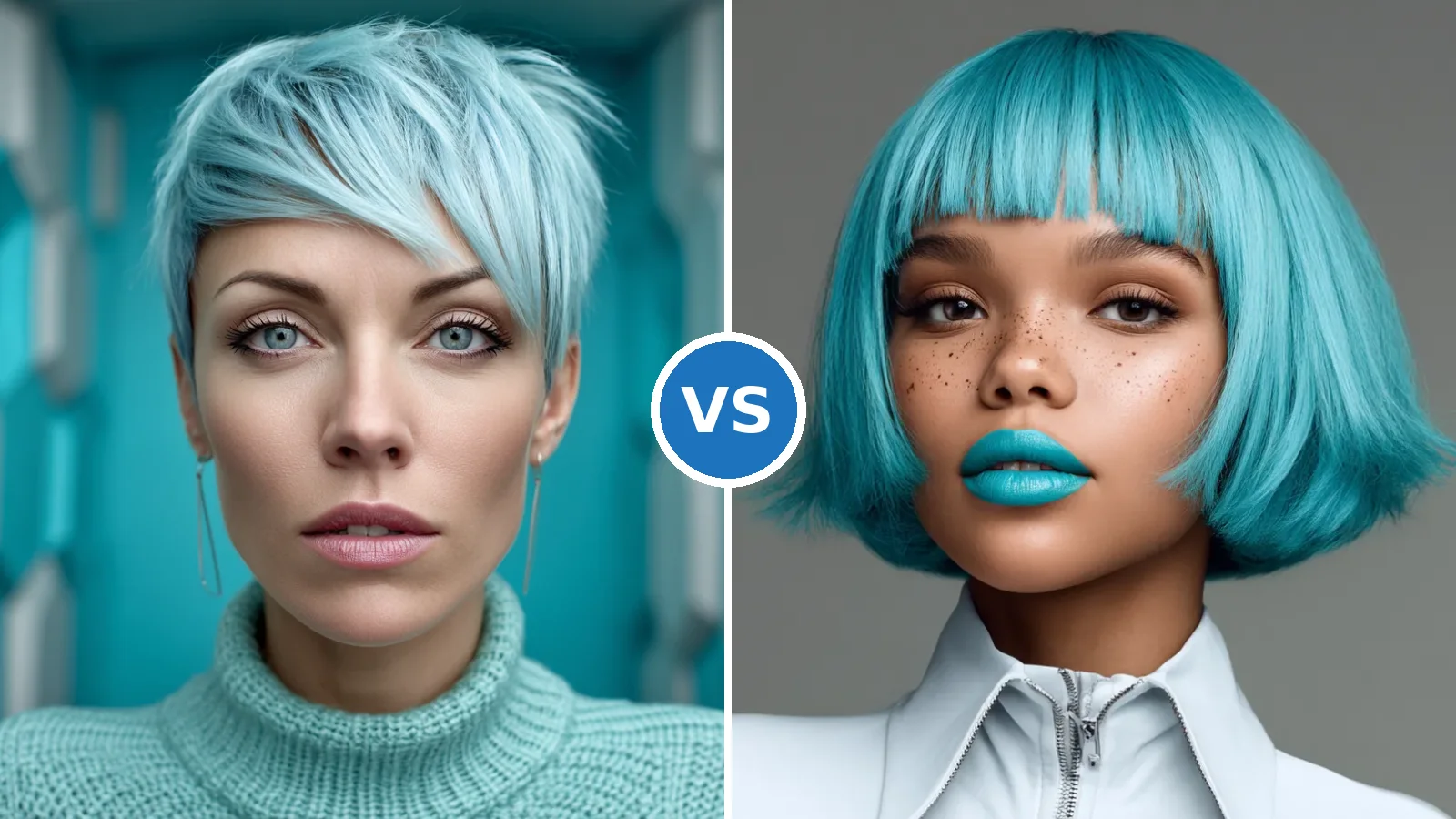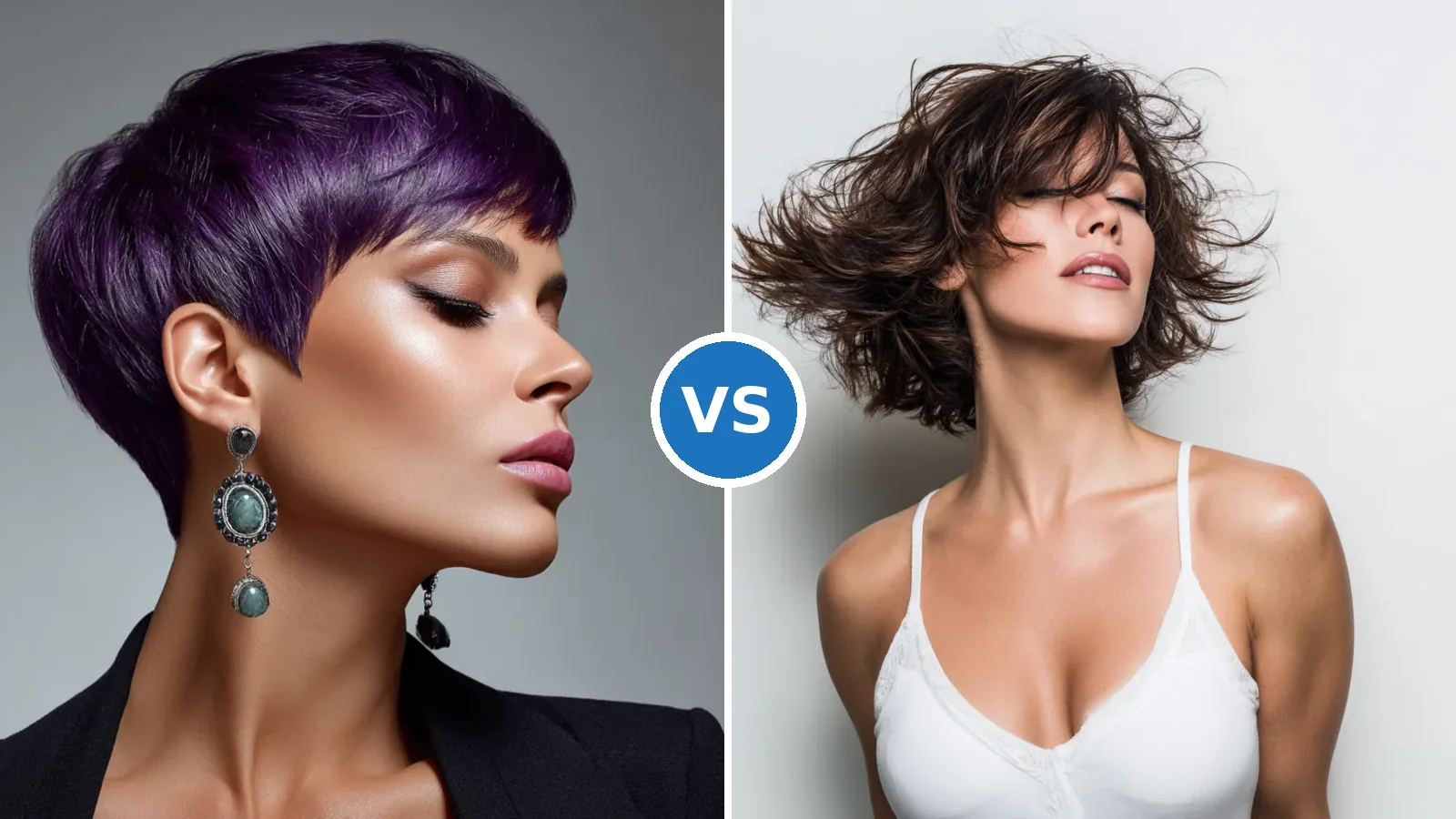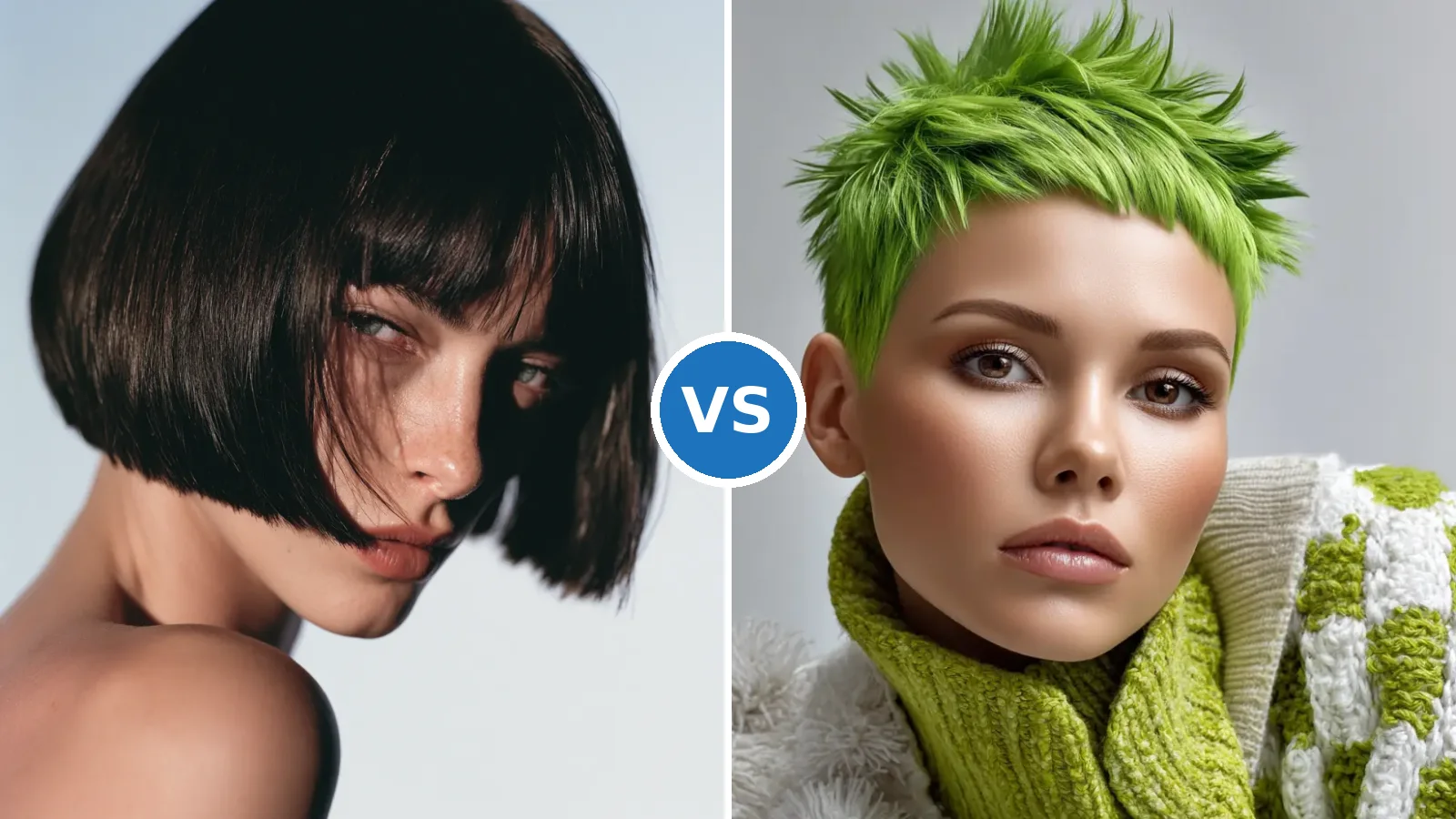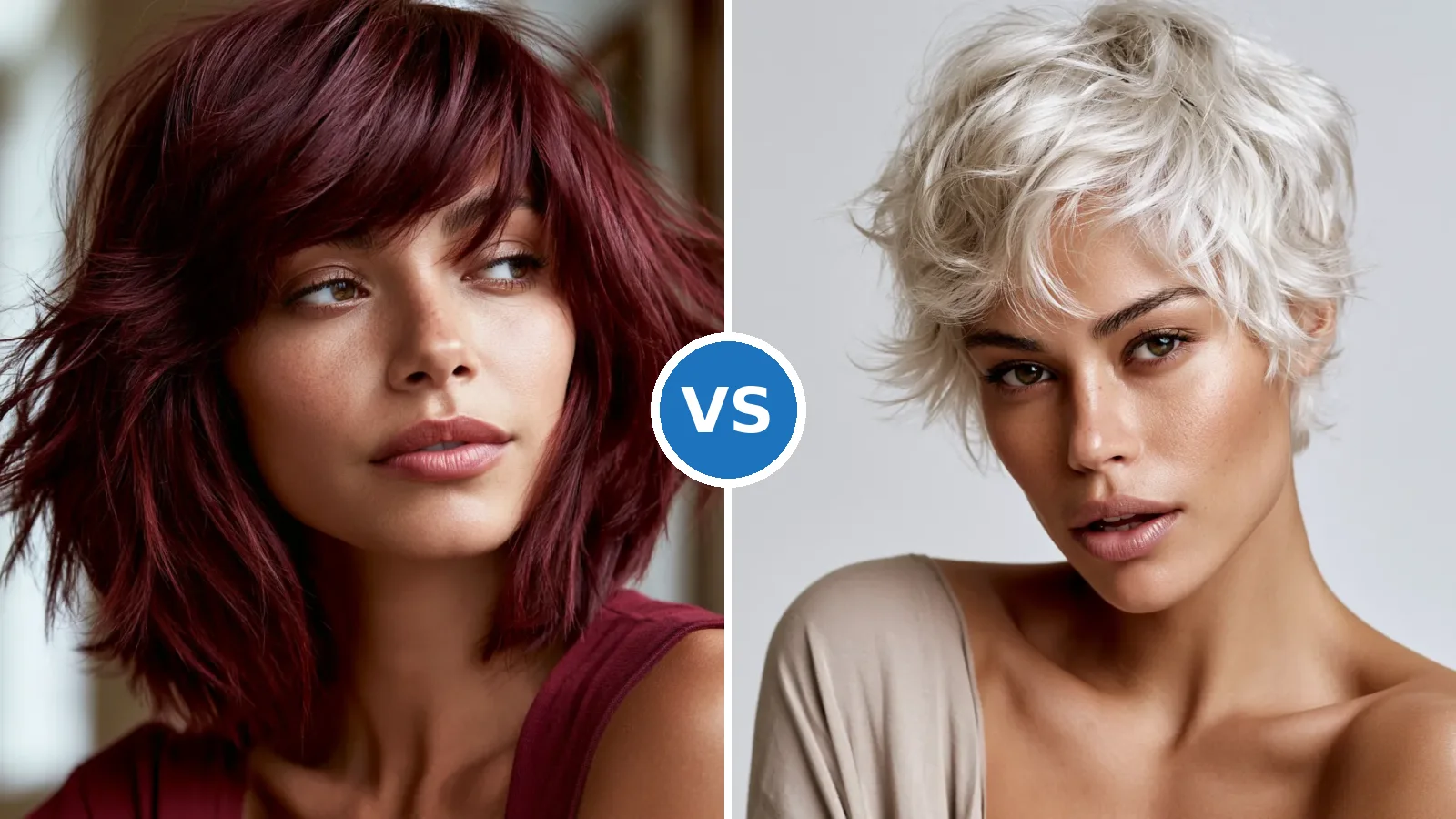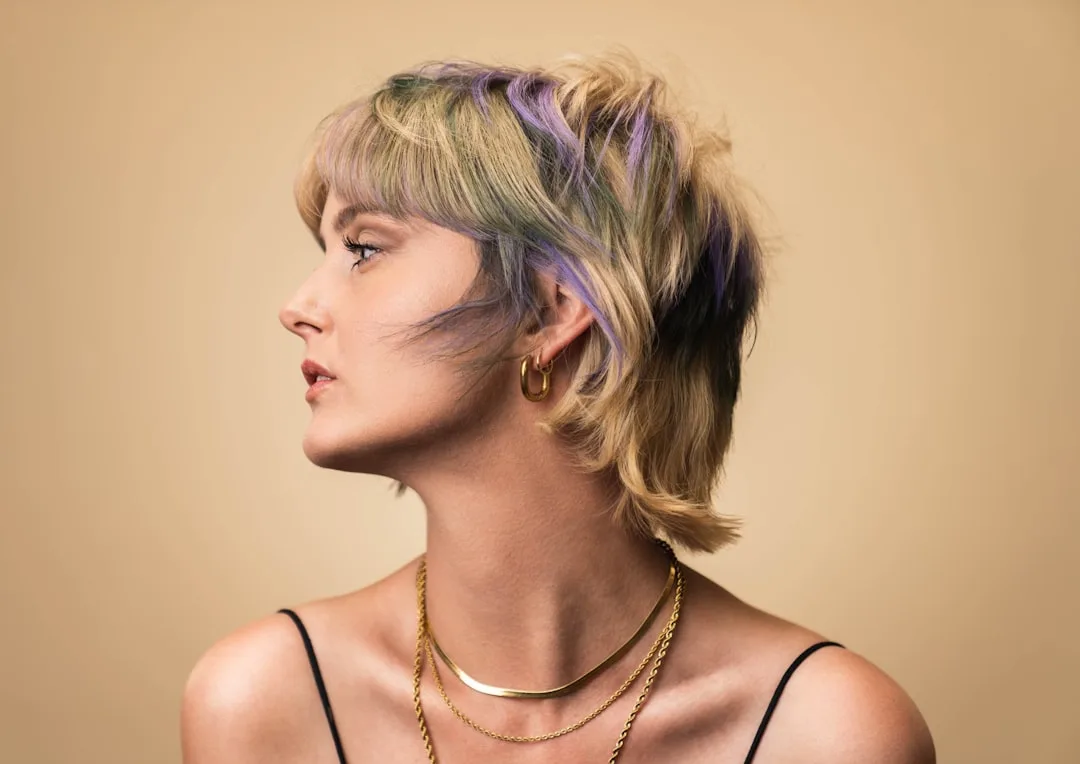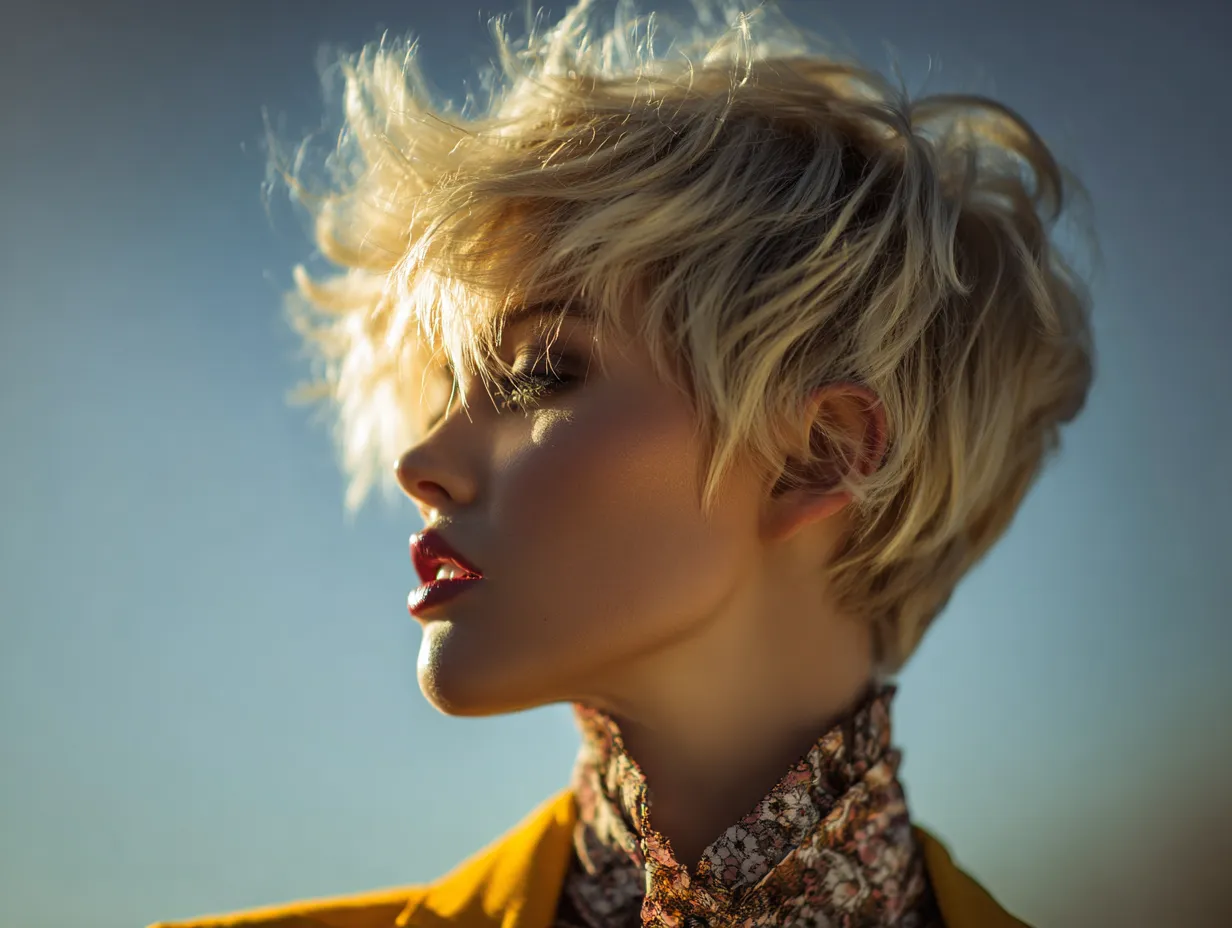
Face-framing highlights are replacing full-head color services this fall, and salons from Brooklyn to Los Angeles are reporting a 40% uptick in placement-specific requests. The strategy is surgical: color lands only on the front sections—typically within two inches of the face—leaving the crown and back untouched. This isn’t balayage. It’s not ombré. It’s precision targeting that works because short hair has nowhere to hide, so every highlight must earn its place.
Women are choosing this approach because it delivers visual lift without the $300+ cost of a full gloss, without the six-week maintenance cycle, and without the regret of an impulse all-over color change. The trend works equally well on textured bobs, pixies, and choppy layers—the three haircuts dominating 2026 right now.
Why Face-Framing Highlights Matter More on Short Hair
Short hair magnifies everything. A badly placed highlight reads immediately. Conversely, a thoughtful face-framing placement can reshape how someone looks without touching the cut itself. Colorists at Ramirez|Tran Salon in Los Angeles report that clients with fine or thin hair specifically request face-framing work because the illusion of density happens at eye level, where it counts most.
On a 2-inch chin-length bob, highlights placed at the temples and along the front sections bounce light directly onto the cheekbones and jawline. It’s essentially a non-surgical lifting technique. The back of the head can remain darker, richer, or even natural—this contrast between framed brightness and anchored depth creates the illusion of movement the cut itself may not deliver.
Maintenance and Longevity of Color-Enhanced Bobs
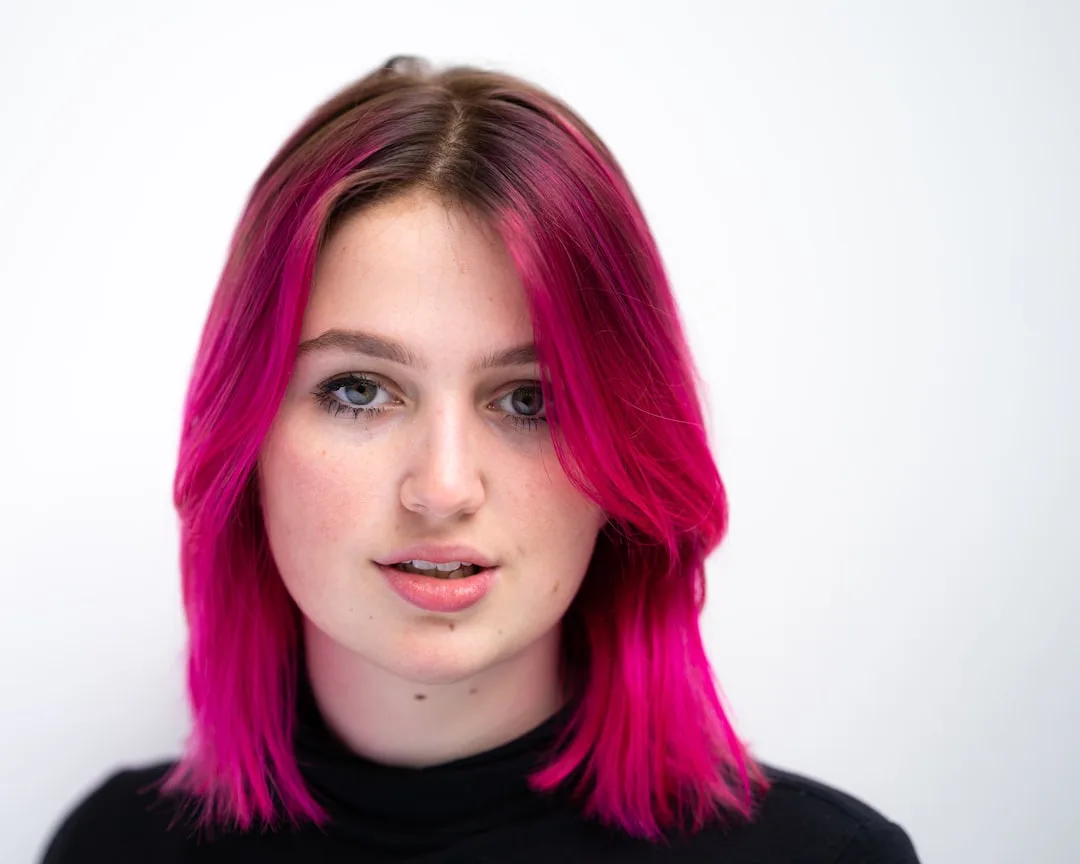
A bob with strategic highlights requires a maintenance schedule that protects both the cut’s shape and the color’s vibrancy. Most colorists recommend root touch-ups every 4 to 6 weeks, depending on how quickly someone’s natural color shows and how noticeable the contrast is between the base and the placed color. The bob’s short length means regrowth becomes visible faster than it would on longer hair, but this also means fewer inches to manage overall.
Keeping a bob looking fresh involves regular trims every 3 to 4 weeks to maintain the intended line and prevent that awkward grown-out phase. When color and cut work together, neglecting either one can unravel the effect quickly. Purple or blue-toned shampoos help extend the life of cooler highlights, while moisturizing treatments combat the dryness that can develop from chemical processing, especially on finer hair textures.
Stylists at salons with strong bob expertise often create a maintenance card for clients, outlining exactly when to return and what products will serve the specific color placement best. This partnership between stylist and client is what separates a bob that looks polished for months from one that fades into a shapeless regret.
Choosing the Right Highlight Placement for Your Face Shape
Not every face shape benefits equally from the same highlight pattern. Oval faces have the luxury of almost any placement working well, which makes them ideal candidates for experimentation. Round faces benefit from highlights placed at the temples and along the sides, as this creates visual length and draws the eye upward and outward rather than emphasizing width.
Square jaw structures respond beautifully to softly placed color around the temples and a slightly warmer or lighter tone along the front sections, which can soften perceived angles without requiring a haircut adjustment. Heart-shaped faces—wider at the forehead—often look best with highlights concentrated lower, around the chin and cheekbones, balancing the proportions. When someone understands their face shape before booking, they can communicate more effectively with their colorist about where light should land.
Some clients benefit from consulting with the colorist before committing to a cut, especially if they’re considering 10+ Trendy Short Black Hairstyles for a Bold Look in darker tones. A consultation involves holding swatches of potential colors next to the face under natural and salon lighting, observing how each placement reads against skin tone and bone structure.
Blonde Bobs Versus Dark Bobs with Highlights
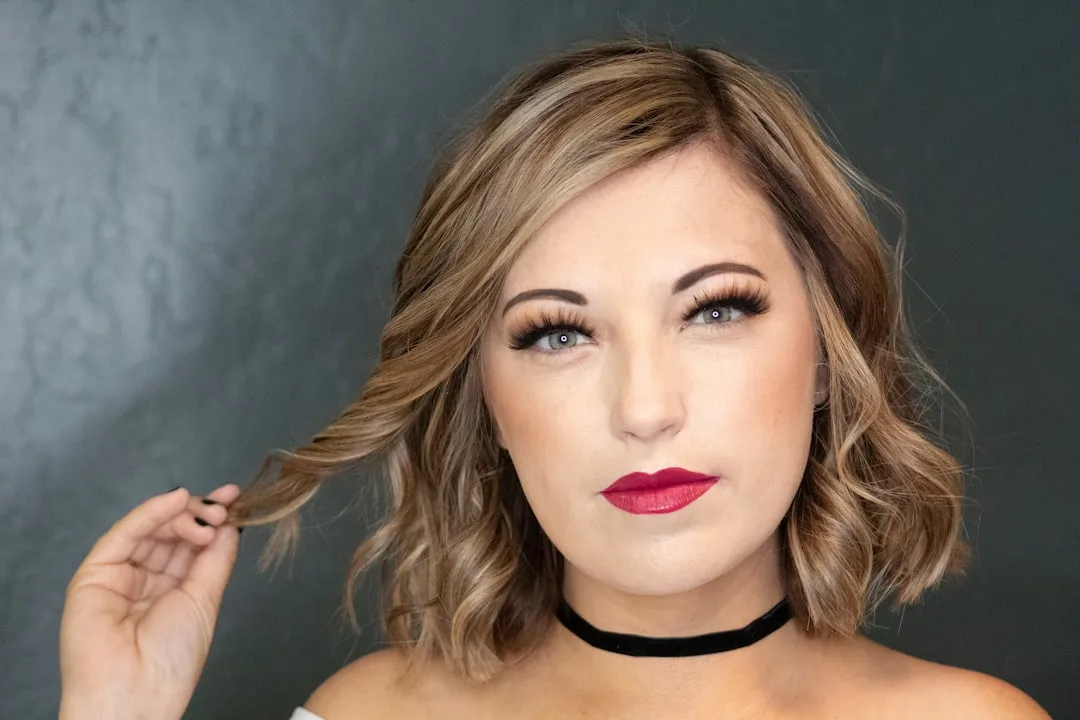
A fully blonde bob reads very differently than a dark base with blonde or lighter highlights layered through it. The all-over blonde bob is bold and graphic—it makes a statement and requires commitment to maintenance, as every millimeter of regrowth becomes a visible line. This approach suits clients who want their color to be undeniably present and who don’t mind frequent salon visits.
A dark bob with placed highlights offers more flexibility and a slightly lower maintenance burden. The darker base hides regrowth longer, and the highlights can be refreshed or repositioned more easily during future visits. This approach also feels more subtle, allowing the cut and face to remain the focal points while the color adds dimension rather than dominance. Many clients find this middle ground strikes the right balance between making an aesthetic impact and fitting realistically into their lifestyle.
For those exploring dramatic options, Short Black Hairstyles: 11 Cuts That Hold Shape All Day offers inspiration for darker base styles that can absolutely incorporate highlights for added movement and light-play without requiring a complete color overhaul.
Seasonal and Lifestyle Considerations for Bob Color
The time of year and someone’s daily environment can influence which highlight approach feels most practical. Summer calls for color that photographs well in natural sunlight and that holds up under chlorine and sun exposure. Warmer, honey-toned highlights often photograph beautifully in bright daylight, while cooler silvers or ash tones can look washed out unless the skin tone is very fair and cool-undertoned as well.
Winter and indoor-heavy lifestyles allow for subtler, more sophisticated placements because the color will primarily be viewed under artificial lighting. Cooler undertones and dimensional work read more clearly under the warm cast of most indoor lights. Someone who works in an office environment might choose a conservative highlight placement, while a client in a creative field might lean toward bolder, more artistic color work that expresses personality.
Lifestyle factors matter too. A parent juggling kids, work, and limited salon time might prioritize a low-maintenance dark base with just enough highlights to feel refreshed, whereas someone with more flexibility might schedule monthly color appointments to maintain a more dramatic blonde-forward look. The best choice is the one that fits not just the face and the hair, but also the person’s actual routine.