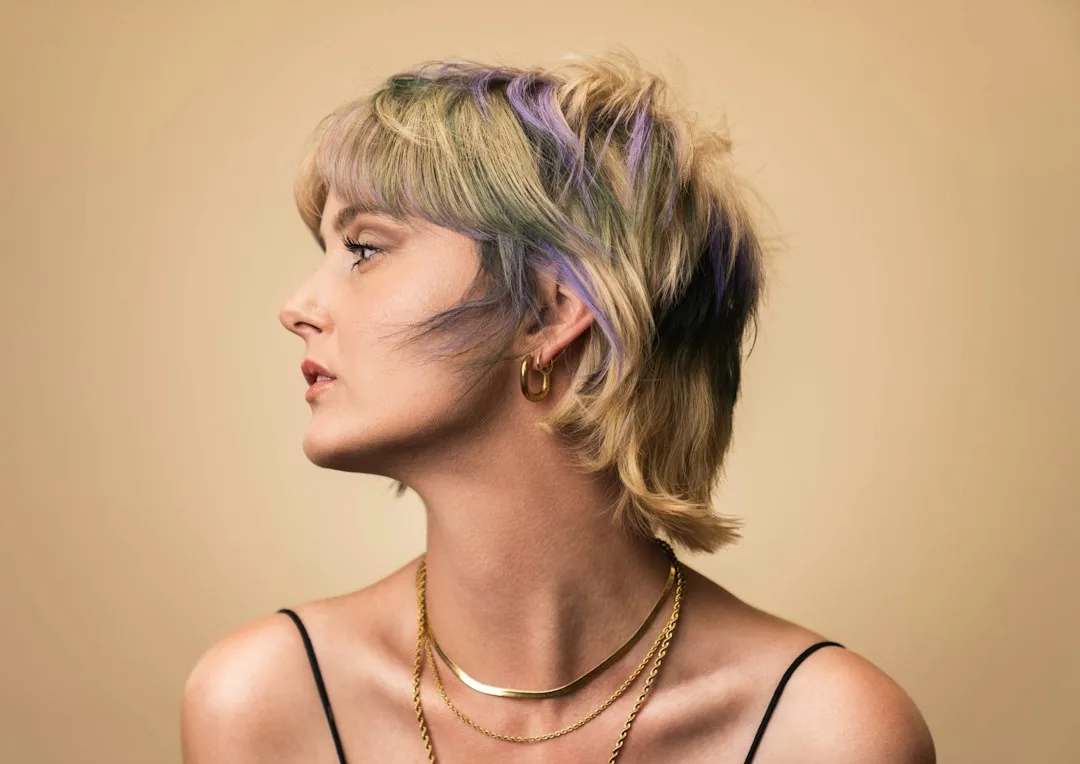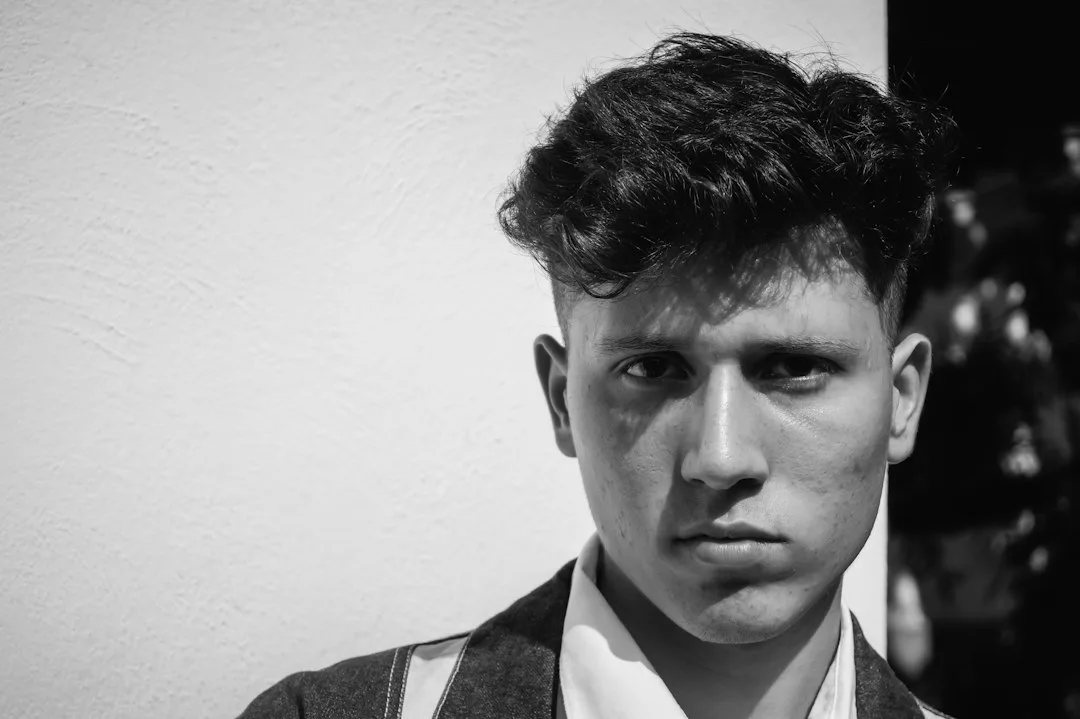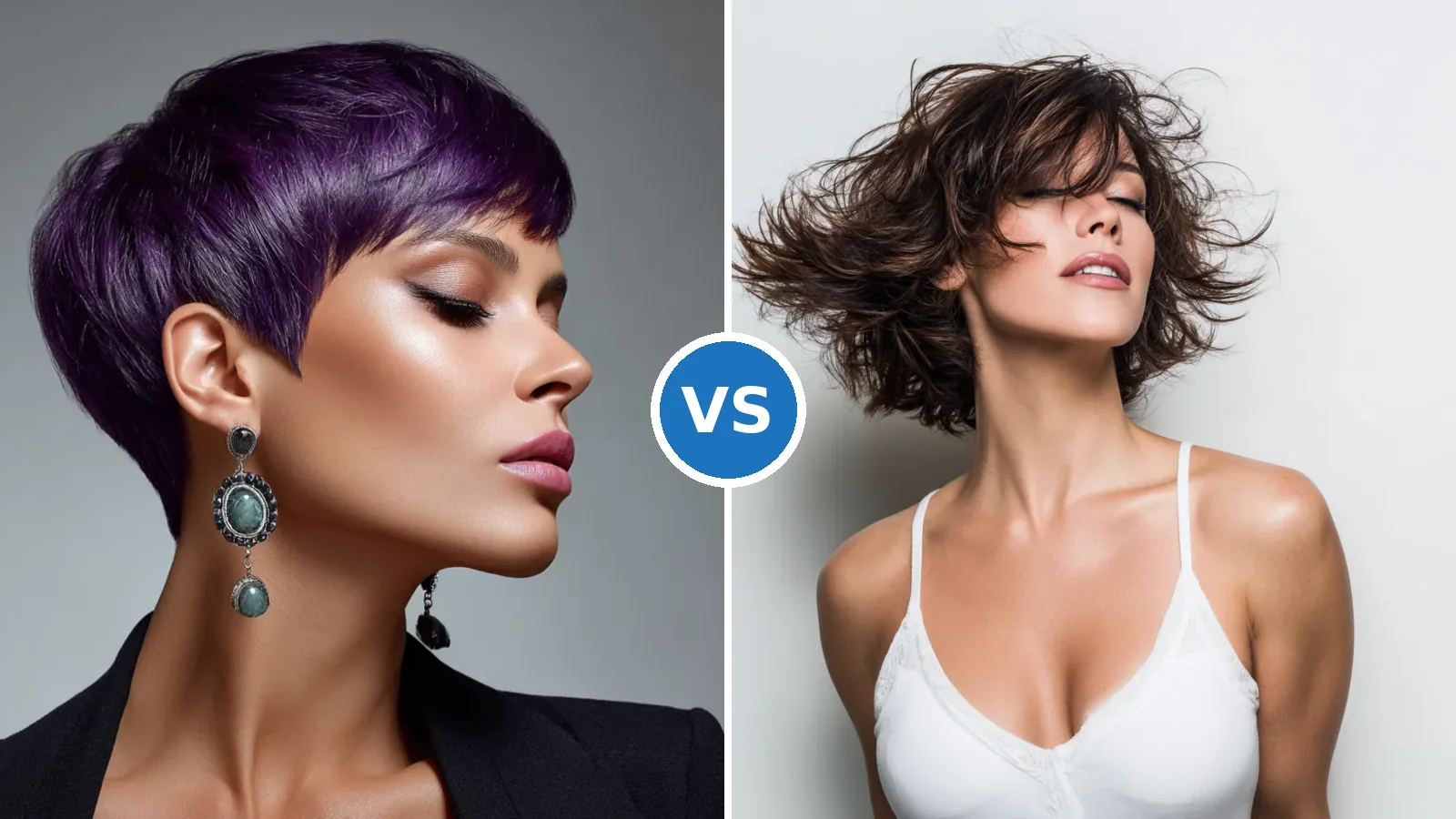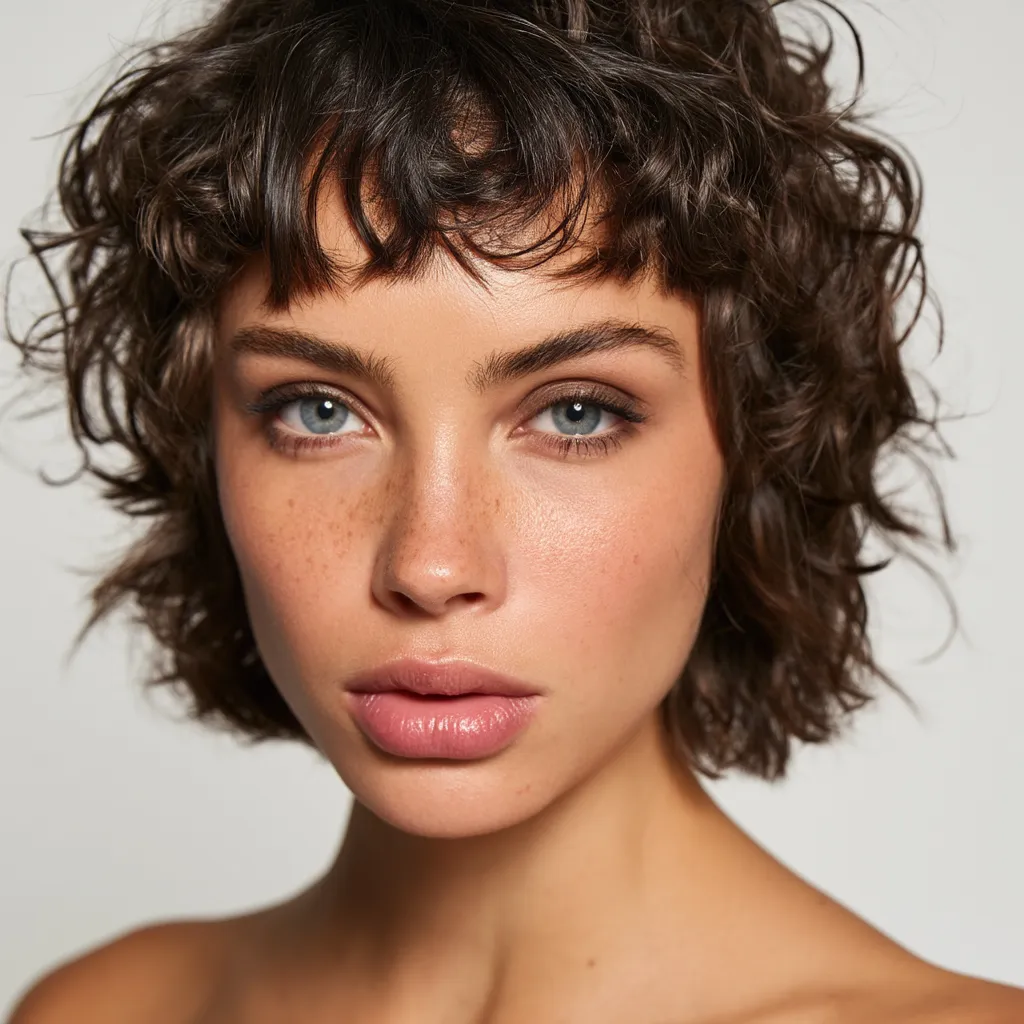
Pink wolfcut hair is the search that lands people here — and it makes sense, because no other color combination makes this cut’s choppy layers pop quite the same way. The wolfcut already carries natural tension between structure and chaos, volume and flow, and the right shade amplifies every one of those contrasts until the whole look reads like it belongs on a magazine cover.
Stylists consistently point to the wolfcut as one of the few silhouettes where bold color choices actually improve the haircut rather than compete with it. The curtain bangs frame the face, the short crown layers create volume, and the longer pieces underneath add movement — color just makes all three of those things visible. Whether you lean toward soft and romantic or sharp and electric, there’s a version of this cut built for you.
Choosing the wrong shade doesn’t ruin the wolfcut — but it can flatten it. Skipping the right maintenance window matters more than most people expect, and there are a few color choices that work against this cut’s architecture rather than with it.
– Pink wolfcut is currently one of the most searched color-cut combos — and it genuinely flatters the silhouette
– Semi-permanent dyes like Manic Panic last 4–6 weeks; budget roughly $12–14 per at-home touch-up
– Icy blonde, jet black, and vibrant blue each require different maintenance windows — this article breaks them down
– Curtain bangs change how color reads on your face; the sections that frame your eyes matter most
– Brunette and natural tones grow out the most gracefully — fashion colors need a plan before you commit
– The single biggest wolfcut color mistake: applying pastel pink over brassy, un-toned blonde
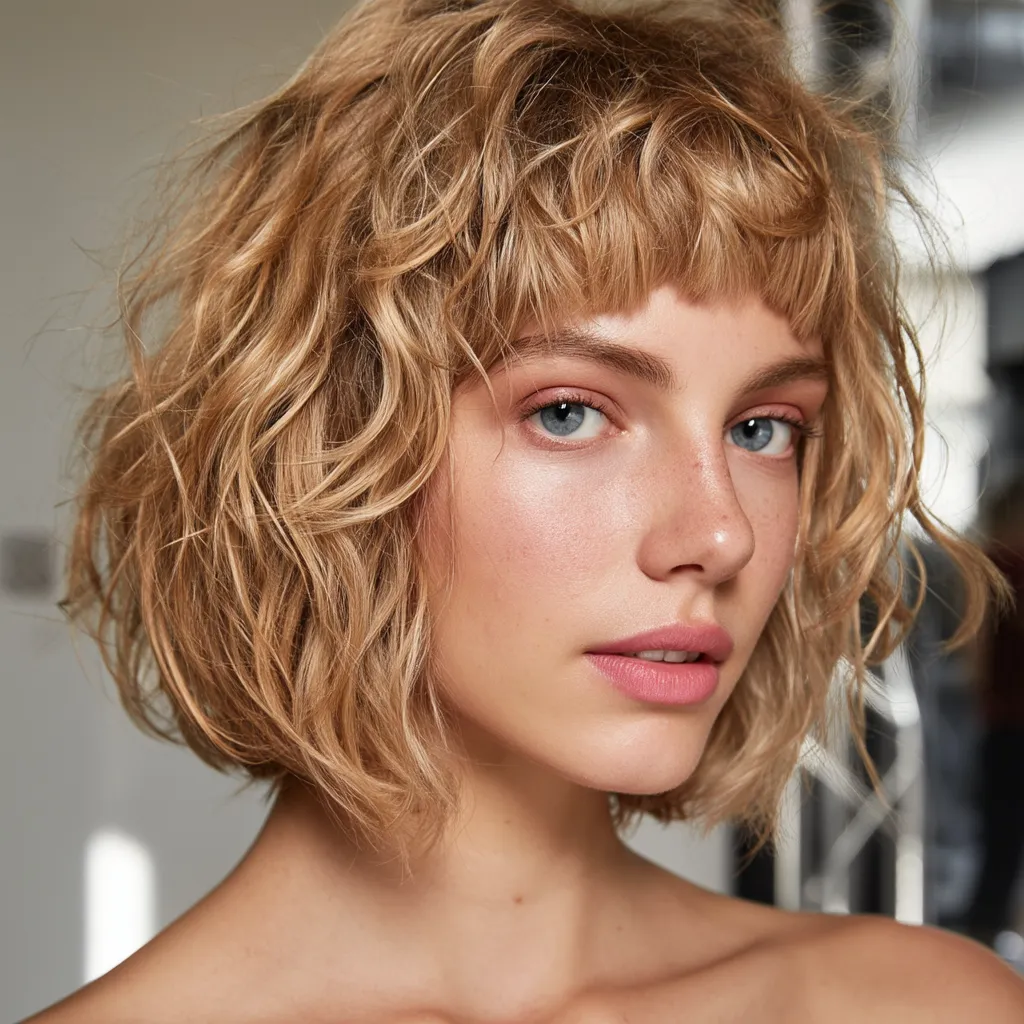
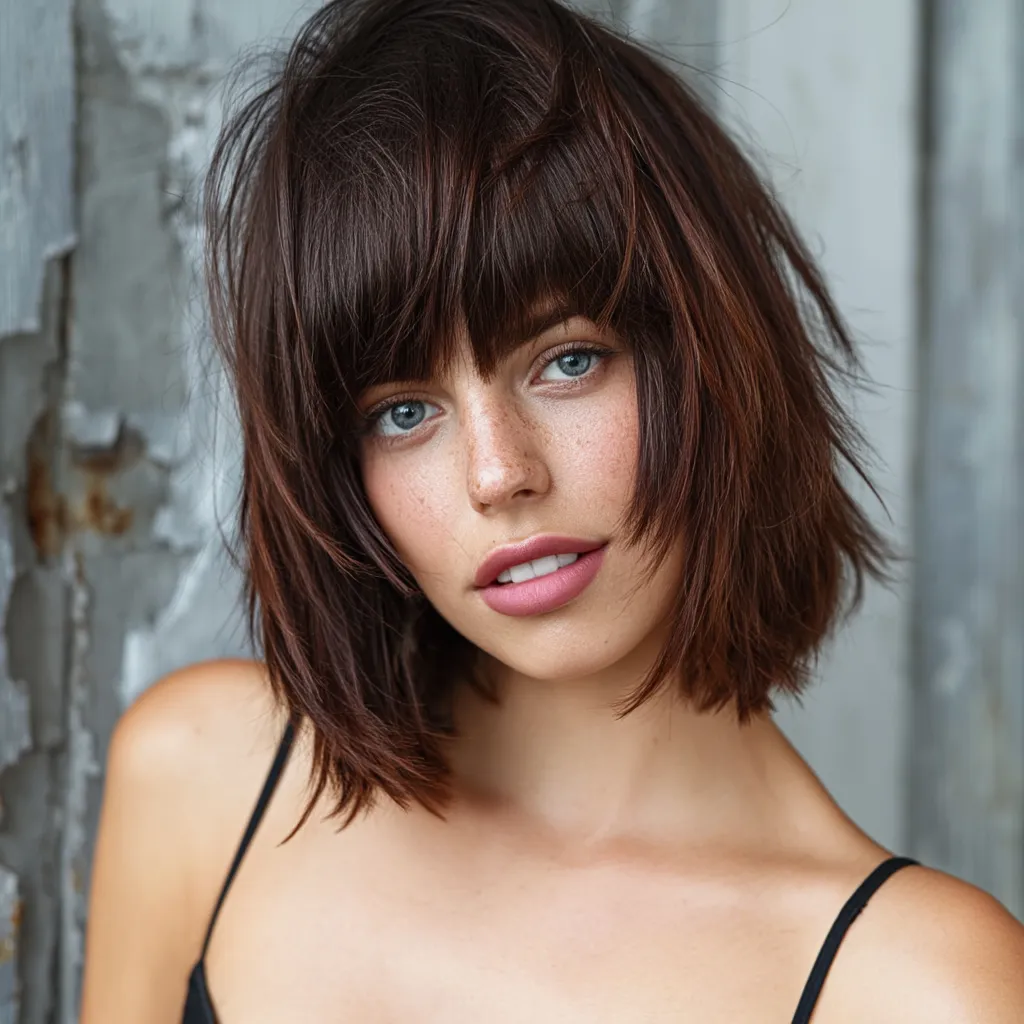
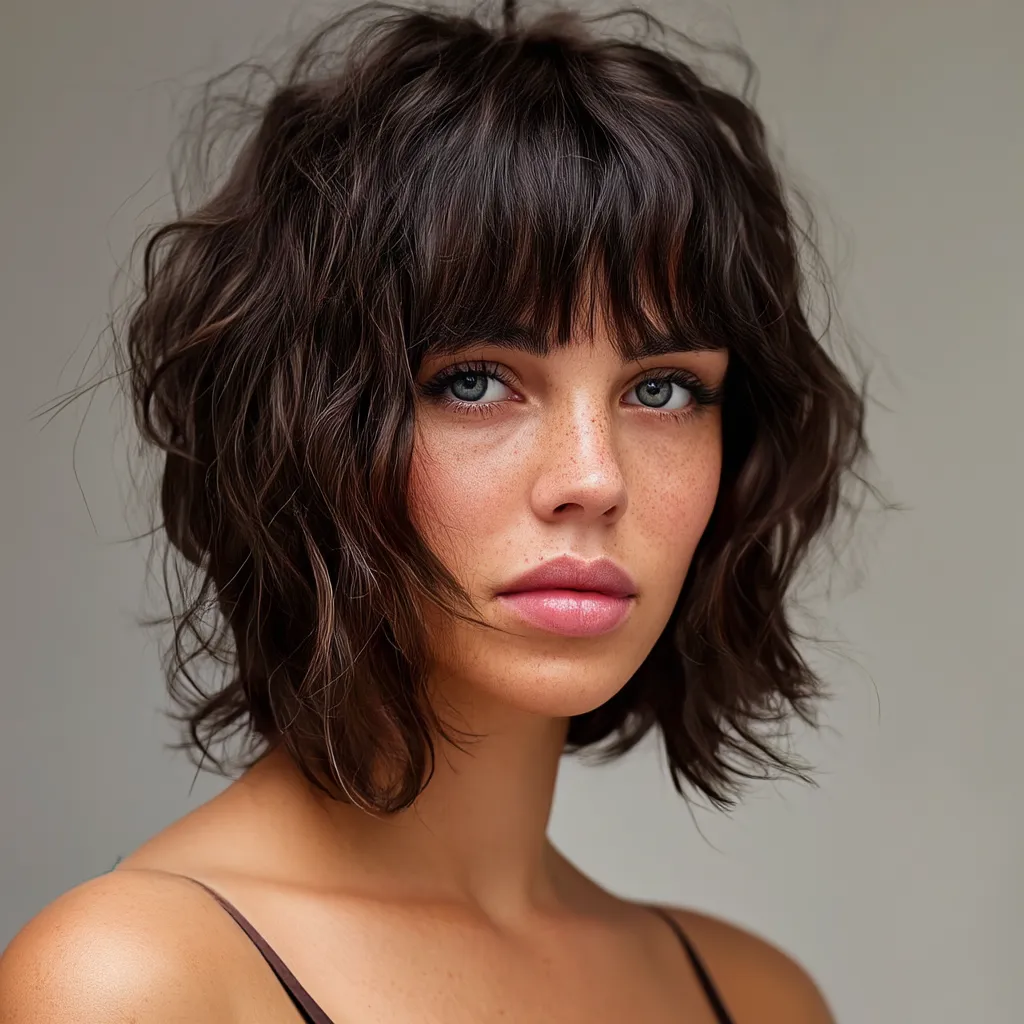
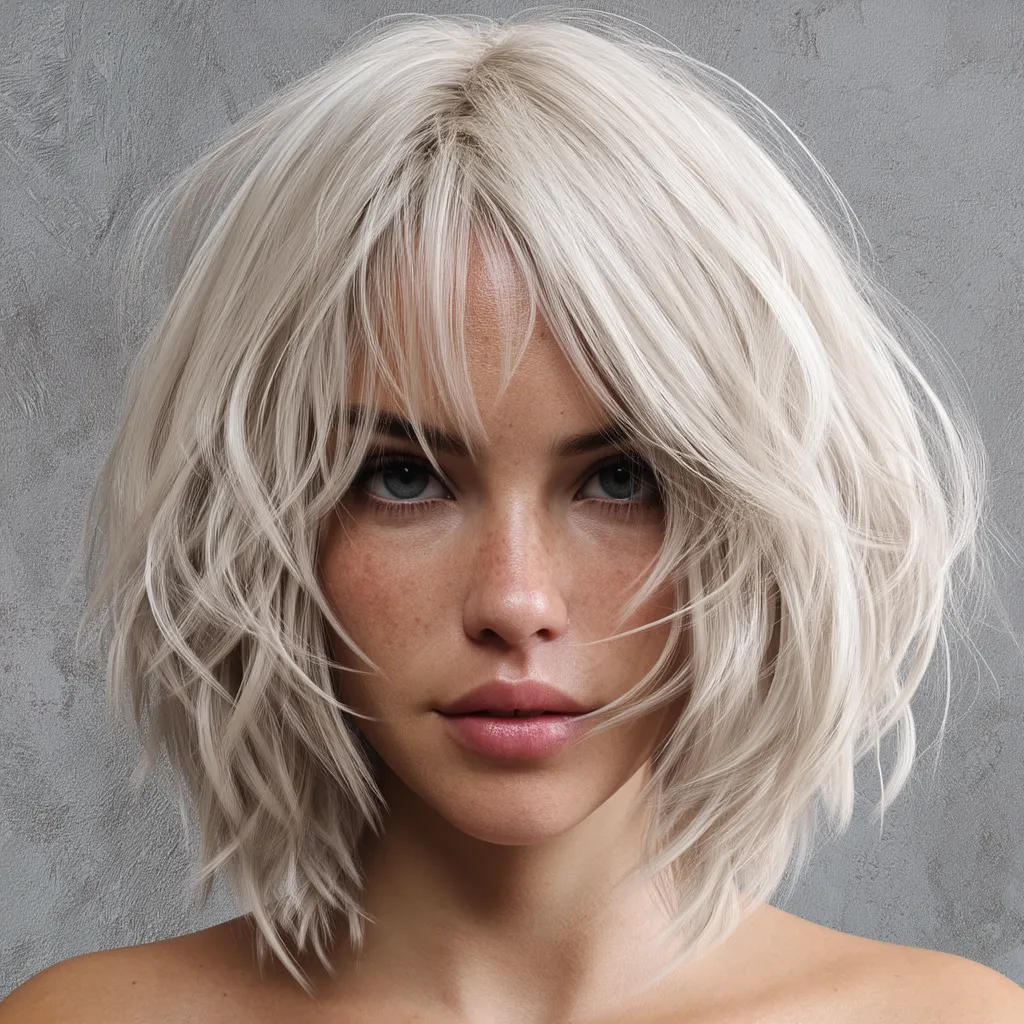
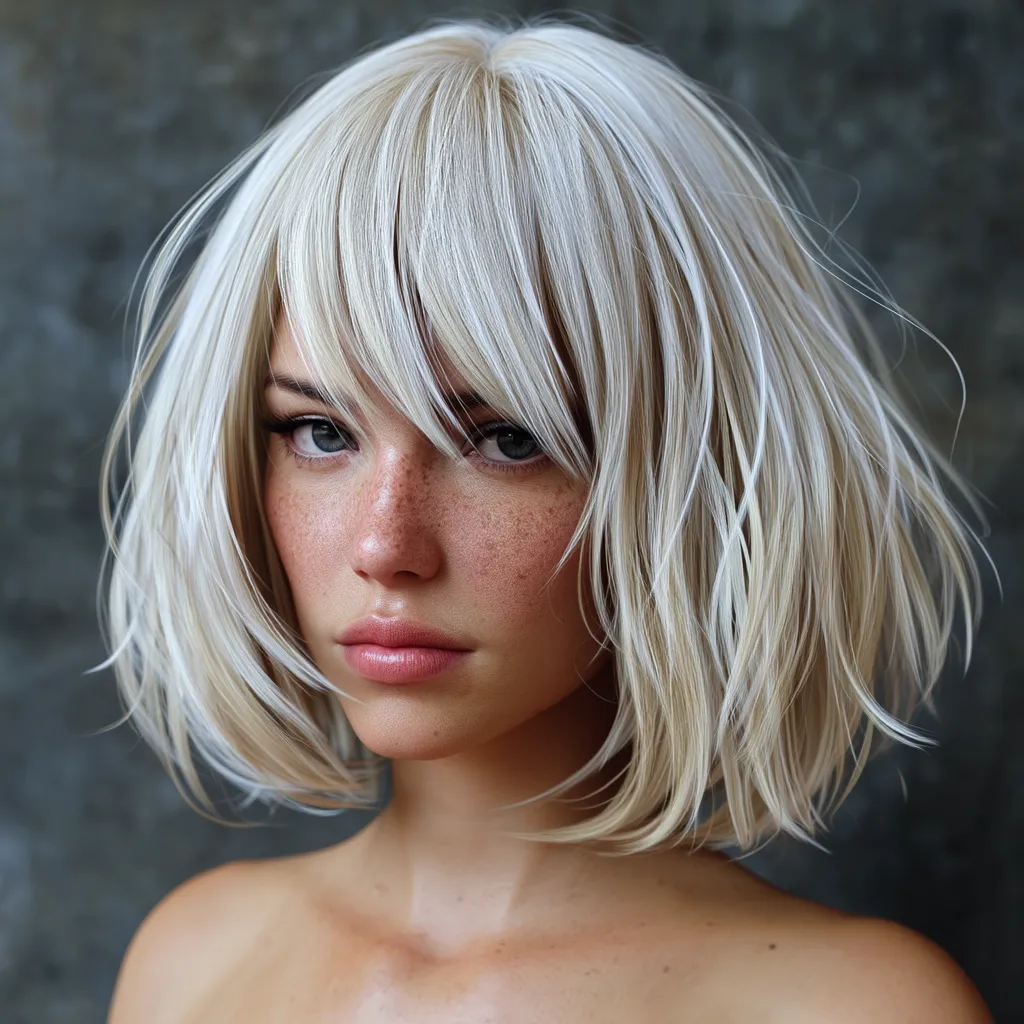
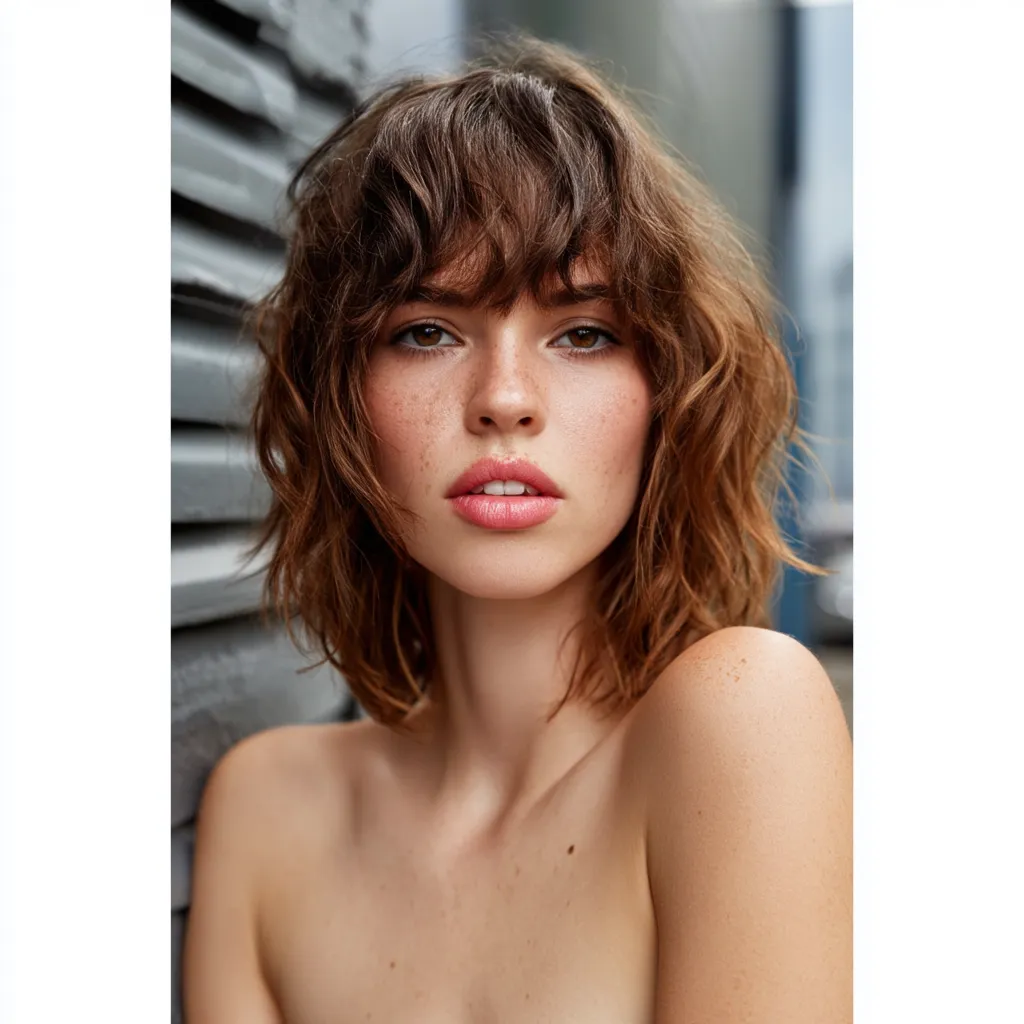
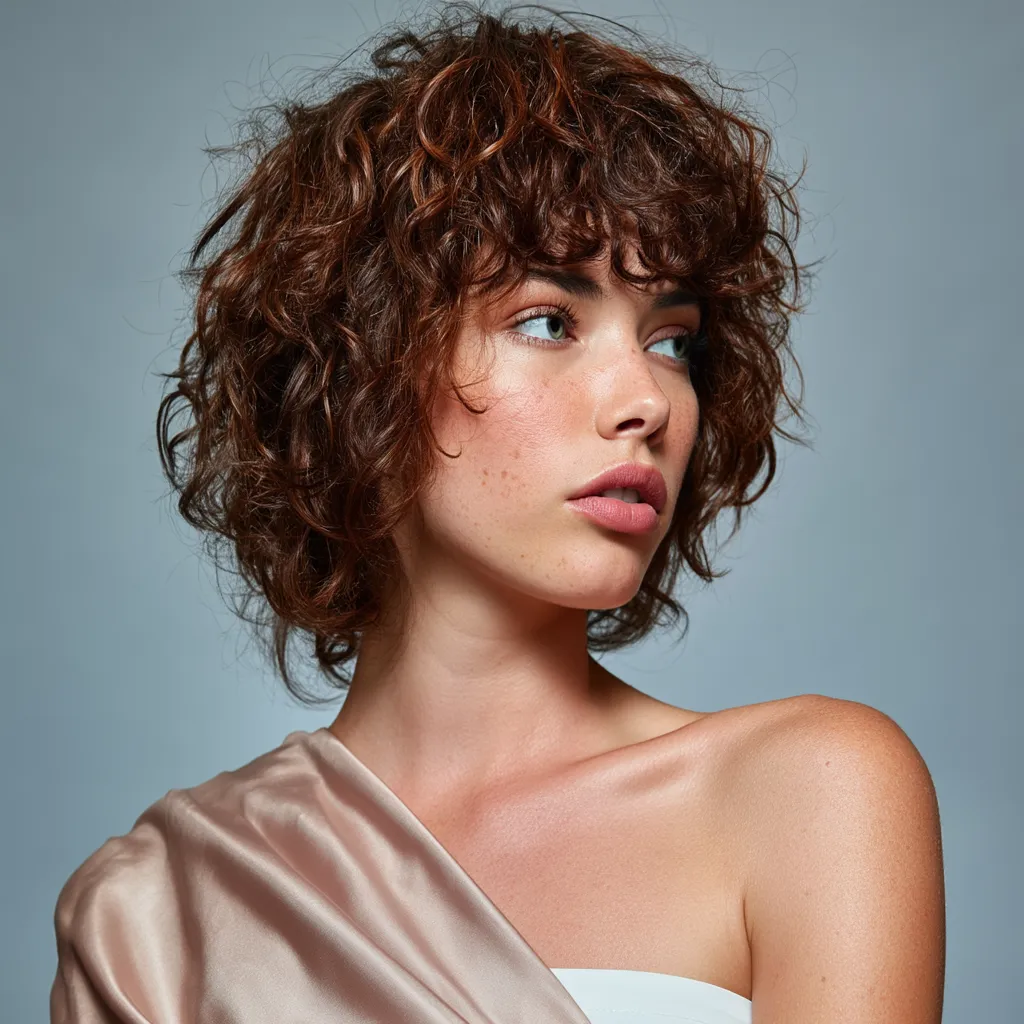
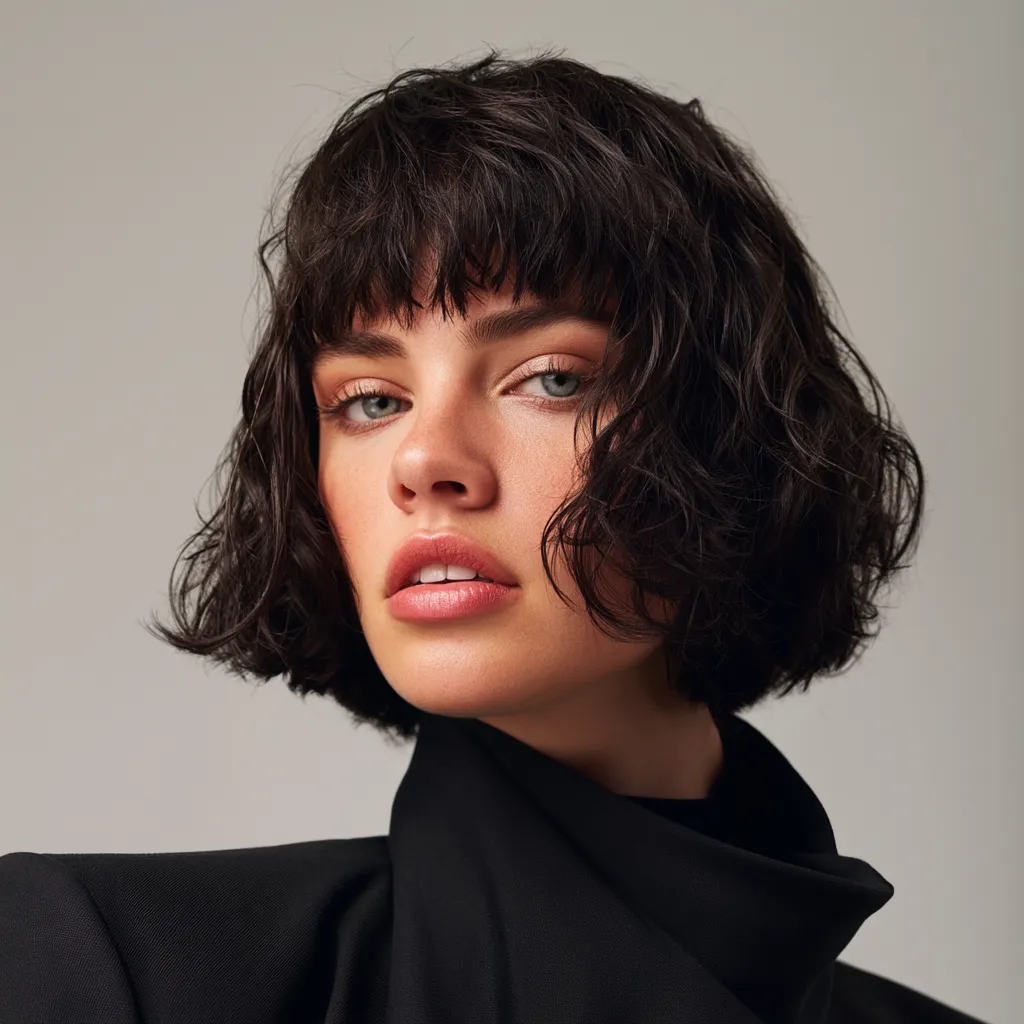
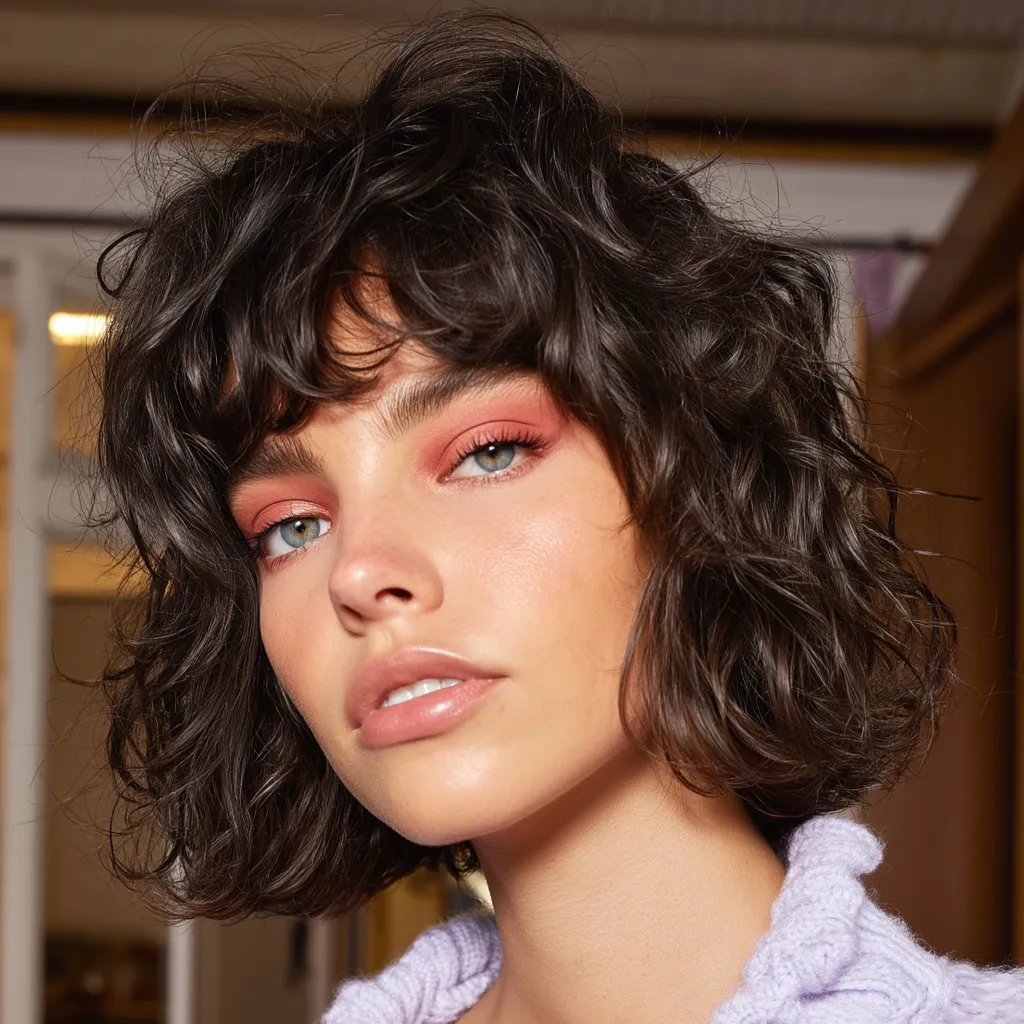
Red Wolfcut Hair That Actually Stays Vivid
Fiery red and the wolfcut were built for each other — the cut’s layered structure bounces light off each section at a different angle, which makes red hair shift between copper, crimson, and almost-orange depending on how you move your head. Manic Panic Pillarbox Red runs $13.99 per jar on the brand’s own site and delivers that kind of depth at home, though stylists recommend lightening to at least a level 7 blonde before application or the color will read muddy on dark bases.


The curtain bangs in a red wolfcut are doing more structural work than people realize: the parted fringe softens cheekbones and redirects attention to the eyes, while the warm tone of the red makes the whole face read as warmer and more luminous. Red pigment molecules are the largest in the color spectrum, which is exactly why they fade the fastest — they sit on the outer cuticle layer rather than penetrating as deeply as darker shades. Washing in cold water and limiting washes to two or three times per week extends the life of the color noticeably. Why does the first wash always look terrible? Because that’s when the loosest surface pigment rinses off — it stabilizes after wash two.
Texturizing spray on slightly damp hair is all this cut needs to look styled; the layered structure does most of the work on its own. A quick blowout in a downward direction with a round brush adds polish without stiffening the natural movement. Avoid heavy wax or butter products on red hair — they coat the cuticle and make vivid shades look dull within hours. The trick stylists use: a single drop of Olaplex No. 7 Bonding Oil pressed through the lengths before air-drying. It adds shine without touching the color.
Don’t skip the color-safe sulfate-free shampoo and treat it as optional — this is the single maintenance choice that separates a vivid red that lasts three weeks from one that lasts six. Regular shampoos strip semi-permanent pigment at roughly twice the rate. For anyone considering medium shag haircuts with copper razor layers, the copper-to-red spectrum is the easiest creative jump and shares the same maintenance approach.
Icy Blonde Wolfcut With Sleek, Defined Layers
Platinum and icy blonde on a wolfcut produce the sharpest, most editorial version of this silhouette — the cool tones strip warmth from the complexion and push the structure of the layers to the foreground, which is why this combination photographs so cleanly. Achieving true icy blonde from a natural medium-brown base typically requires two bleaching sessions spaced at least two weeks apart, which pushes the salon cost to $250–$400 depending on hair length and density.


Platinum wolfcuts skew toward cooler and more angular skin undertones — warm peachy complexions can look washed out next to a pure icy shade, whereas cool or neutral undertones glow next to it. The fringe sections of the curtain bangs are where the toning matters most: if those pieces pull brassy, the whole look falls apart. A standalone gloss between full appointments runs $30–$80 at most salons and refreshes tone for four to six weeks without adding bleach damage. What kills most platinum wolfcuts faster than anything else? Hot showers — heat opens the cuticle and releases toner pigment with every wash.
Purple shampoo twice a week handles light brassiness between salon visits, but it’s easy to overdo — leaving it on longer than five minutes starts depositing purple pigment unevenly, especially on the shorter crown layers where porosity is higher. A flat iron on medium heat (not high) defines the layers for sleek, editorial styling; sea salt spray does the opposite and gives a beachy, undone look. Both work on this cut. The one thing that doesn’t work: applying too much product before the hair dries, which makes the layers clump together and erases the texture that makes this cut distinctive.
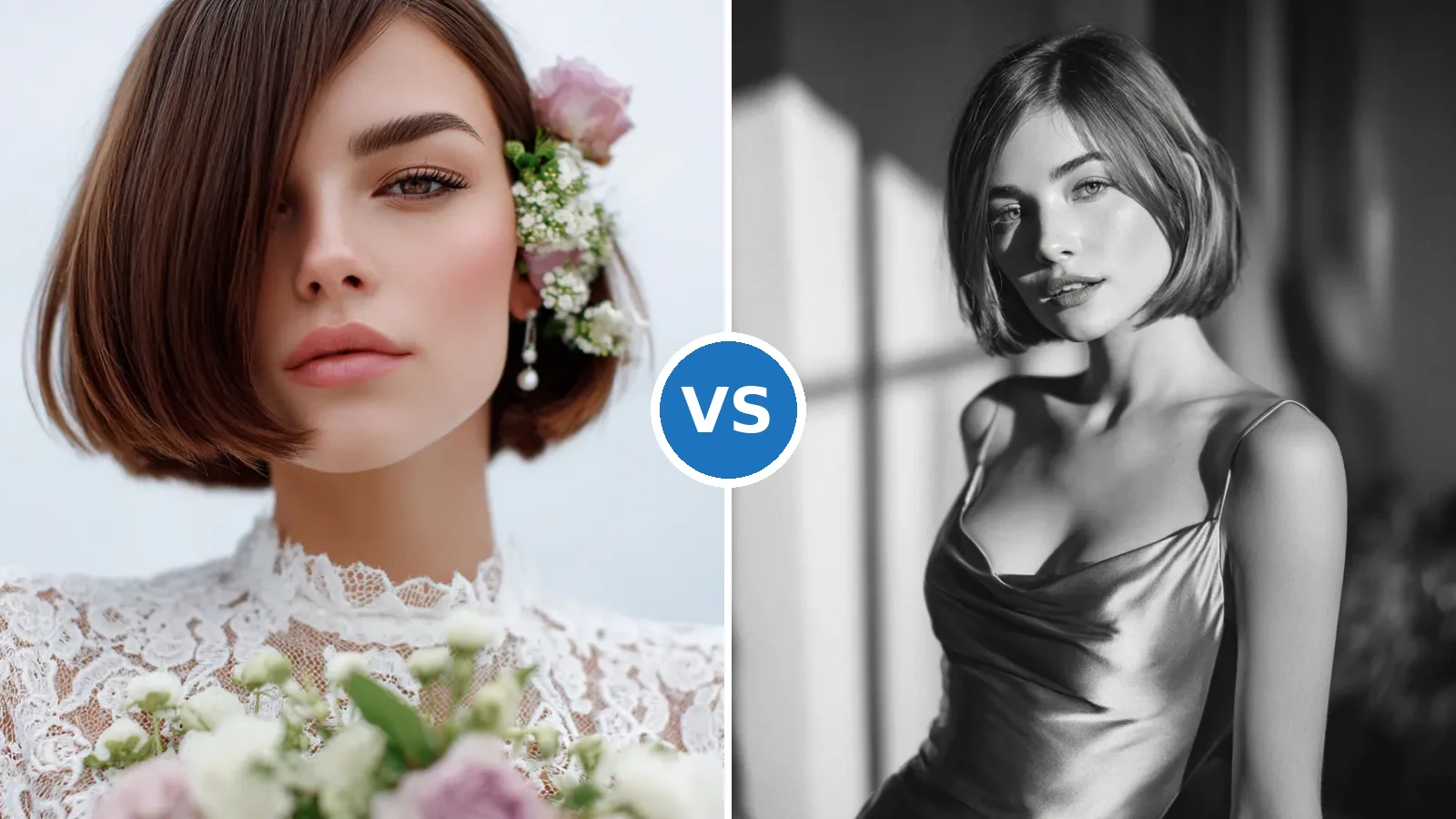
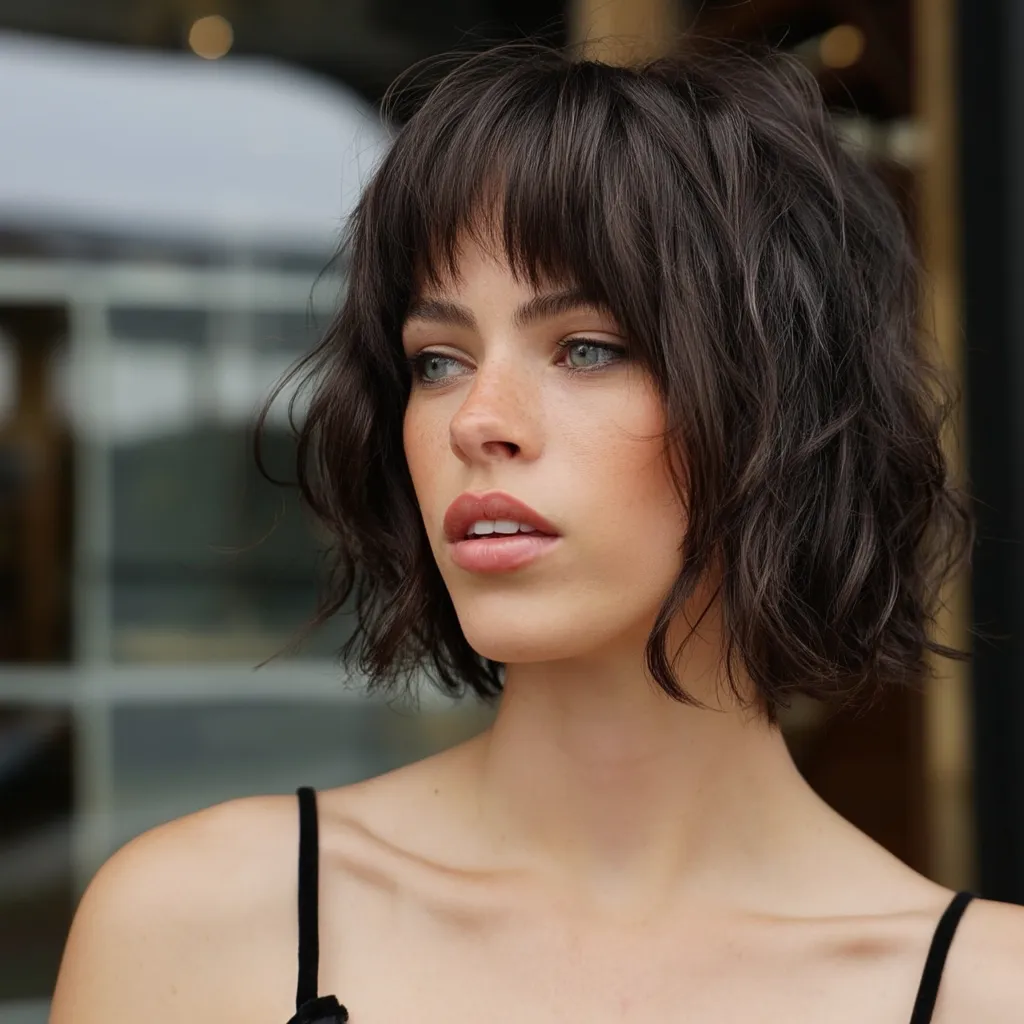
Brunette Wolfcut Hair With Depth and Natural Movement
Soft brunette wolfcut hair works because the cut’s architecture does the visual lifting that fashion colors usually have to do — the natural dimension of brown hair, with its range of warm and cool undertones, creates movement in the layers without requiring any chemical work beyond the cut itself. This is the version stylists recommend most often for first-time wolfcut clients because it reveals the technique most clearly. Root touch-ups every 8 weeks run $55–$135 at US salons if you need to maintain a specific brown shade, though natural brunette simply grows out without visible demarcation.


Adding a soft balayage or gloss treatment to a brunette wolfcut costs roughly $115–$150 at a mid-range salon and adds just enough dimension to make the layers read distinctly in photos. Without it, very dark flat brown can photograph as a single tone, which flattens the visual effect of the cut. What’s the difference between a brunette wolfcut that looks lived-in and one that looks unkempt? The answer is almost always the bangs — well-trimmed curtain bangs that skim the eyebrows keep the rest of the hair’s texture reading as intentional rather than just overgrown.
A light spritz of texturizing spray is genuinely all the product this cut needs on second or third-day hair. Brunette wolfcuts are also forgiving of the gap between haircuts in a way that platinum or vivid colors simply aren’t — the layers grow out gradually rather than leaving a sudden visual break. Avoid flat-ironing the entire length on a brunette wolfcut: it straightens the curtain bangs correctly but makes the longer layers look like a different haircut entirely, losing the shaggy volume that defines the silhouette. For anyone with fine strands, the article on styling layers for thin hair to look thicker has specific product and technique recommendations that pair well with this cut.
Don’t apply pastel pink or any pastel fashion color over unbleached or brassy blonde. The yellow-orange undertone in un-toned hair mixes with pink pigment and produces a muddy salmon or peach that looks nothing like the reference photo. Pastel tones require a near-white (level 9+) blonde base to show up accurately. Skipping the toning step before applying pink is the most common reason wolfcut color looks wrong on day one. Similarly, don’t use box black dye over previously bleached or highlighted hair — the high-volume developer in box color can oxidize unpredictably and lift color from bleached sections while depositing elsewhere, leaving patchy results that require professional correction.
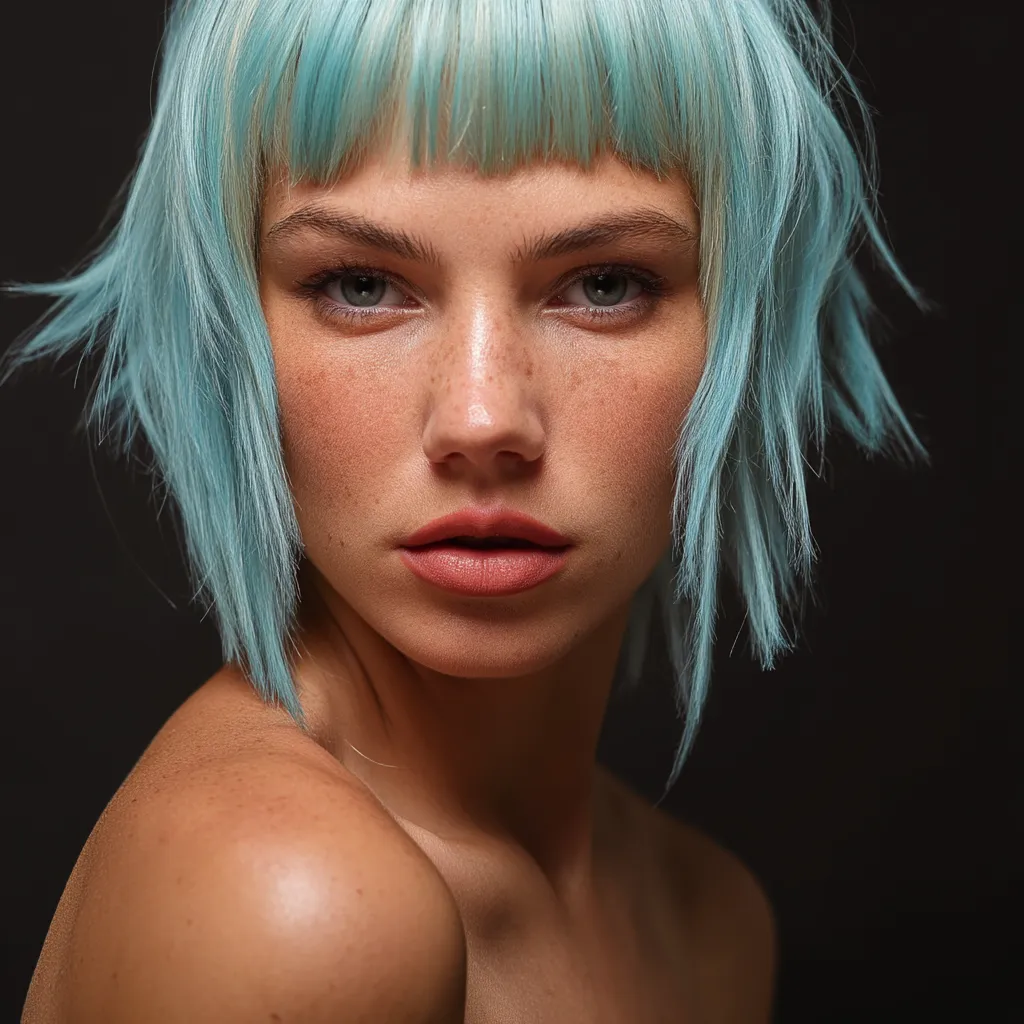
Vibrant Blue Wolfcut That Keeps Its Edge
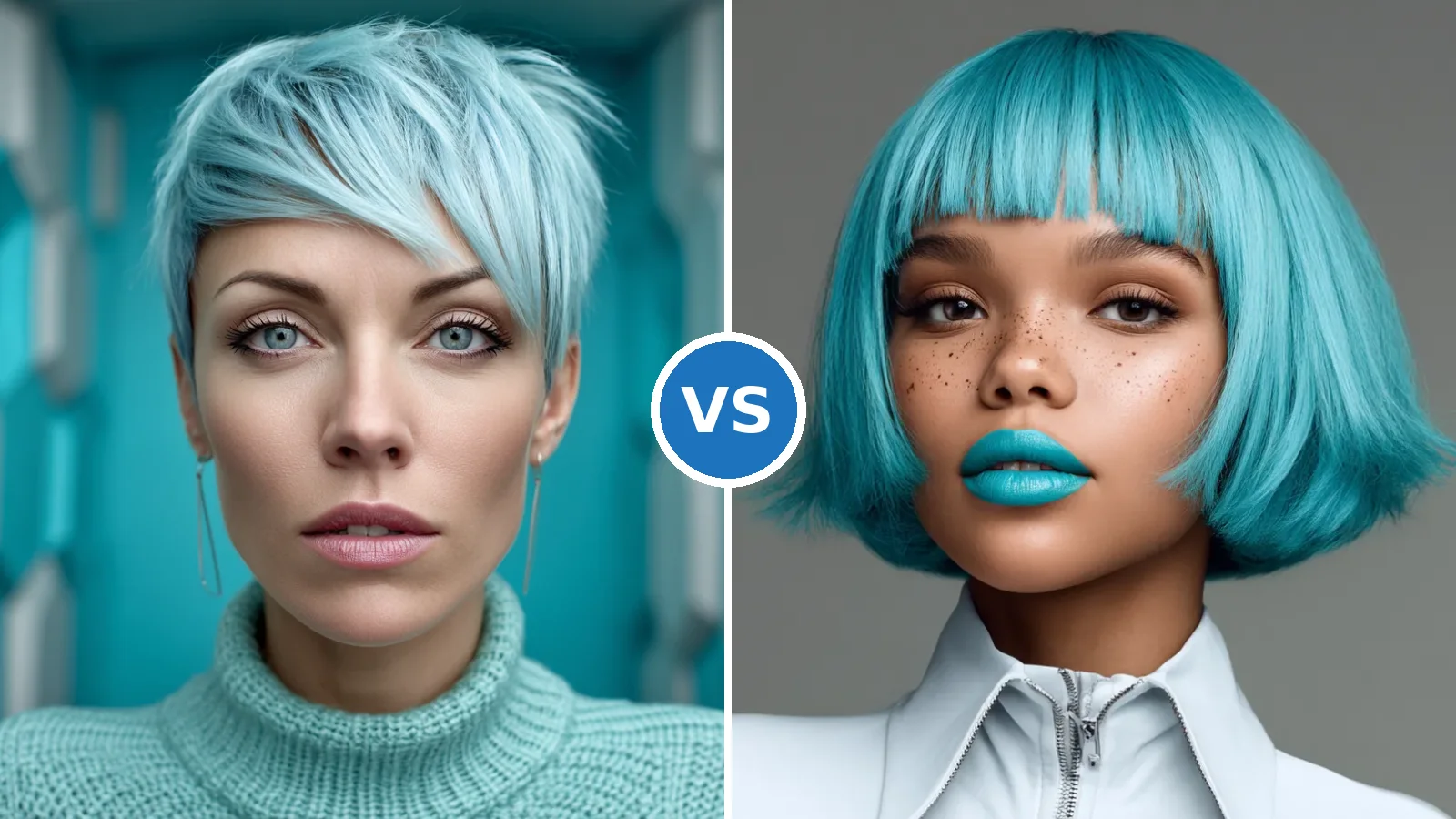
Blue wolfcut hair is a different category from other fashion colors because blue pigment interacts with the underlying base in ways that are genuinely unpredictable — apply a blue dye on top of a yellow-toned blonde and the result skews teal or green rather than true blue, which is why colorists always neutralize the base to a white or near-white before applying vivid cool tones. Arctic Fox Virgin Pink and their blue shades run $11.98 for a 4 fl oz jar at Walmart; the brand’s cruelty-free, conditioning formula is one reason stylists recommend it for fashion colors on already-processed hair.


Blue on a wolfcut behaves like a spotlight on the structural elements of the cut — every disconnected layer becomes visible because the color shifts in saturation between thinner and thicker sections of hair. The shorter crown layers absorb more pigment and often appear slightly darker than the longer sections underneath, which creates a natural gradient effect that photographs extremely well. What should be the refresh window for vivid blue? Stylists generally recommend touching up every 4–5 weeks to maintain saturation, with a color-depositing conditioner used in between to extend the vibrancy between full applications.
Wavy or slightly textured hair is the ideal base for this color because the wave pattern prevents the layers from lying flat and losing their shape. Pin-straight hair with blue wolfcut color can look beautiful when freshly styled but requires a curling wand or sea salt spray to activate the texture and prevent the layers from merging into a single flat sheet. The one thing that accelerates blue fade faster than anything else: chlorine. A swim cap or a pre-swim coat of conditioner is not optional if color longevity matters.
Pink Wolfcut Hair in Every Variation That Actually Works
Pink wolfcut hair is the combination that most people arrive here looking for — and it earns the attention, because pink is the single color most effective at highlighting the movement in this cut’s layers from every angle. Soft pastel pink requires a level 9 or lighter blonde base to read as pink rather than peach or white; deeper hot pinks and magentas can go on lighter levels of brown with more predictable results. Arctic Fox Virgin Pink ($11.98 for 4 fl oz at Walmart) is a widely used at-home option for maintaining tone between salon visits, with Manic Panic Cotton Candy Pink as a common alternative in the same price range.


The reason pink works so well on this specific cut has to do with how the curtain bangs distribute color around the face — the face-framing sections pick up pink tone slightly more intensely than the back sections, which creates a natural gradient that draws attention toward the eyes. Pastel pink fades to a soft peachy-white rather than turning muddy, which means the in-between phase is wearable rather than a crisis. Deep fuchsia and magenta hold longer on bleached bases and are a better choice for anyone who can’t refresh color every four weeks. How often does pink wolfcut hair actually need touch-ups? Semi-permanent pinks last 4–6 weeks at full saturation; after that, a color-depositing mask used weekly adds another 2–3 weeks of vibrancy.
Wavy texture is the ideal base for pink wolfcut hair — the wave pattern breaks up the color so it catches light differently across each layer, amplifying the movement rather than flattening it. Straight pink wolfcut hair looks more graphic and editorial, which is a separate aesthetic choice rather than wrong. A lightweight leave-in conditioner before air-drying keeps the bleached base from becoming brittle, which is the actual risk with this look — not the color itself, but the cumulative structural damage from the lightening required to achieve it. Pre-lightening costs at a salon range from $100 for a partial bleach to $250+ for a full head, making the investment calculation worth doing before the first appointment. Lovelyish’s roundup of wolfcut color options covers additional shade variations for anyone still deciding between pink, lavender, and the growing apricot blonde trend.
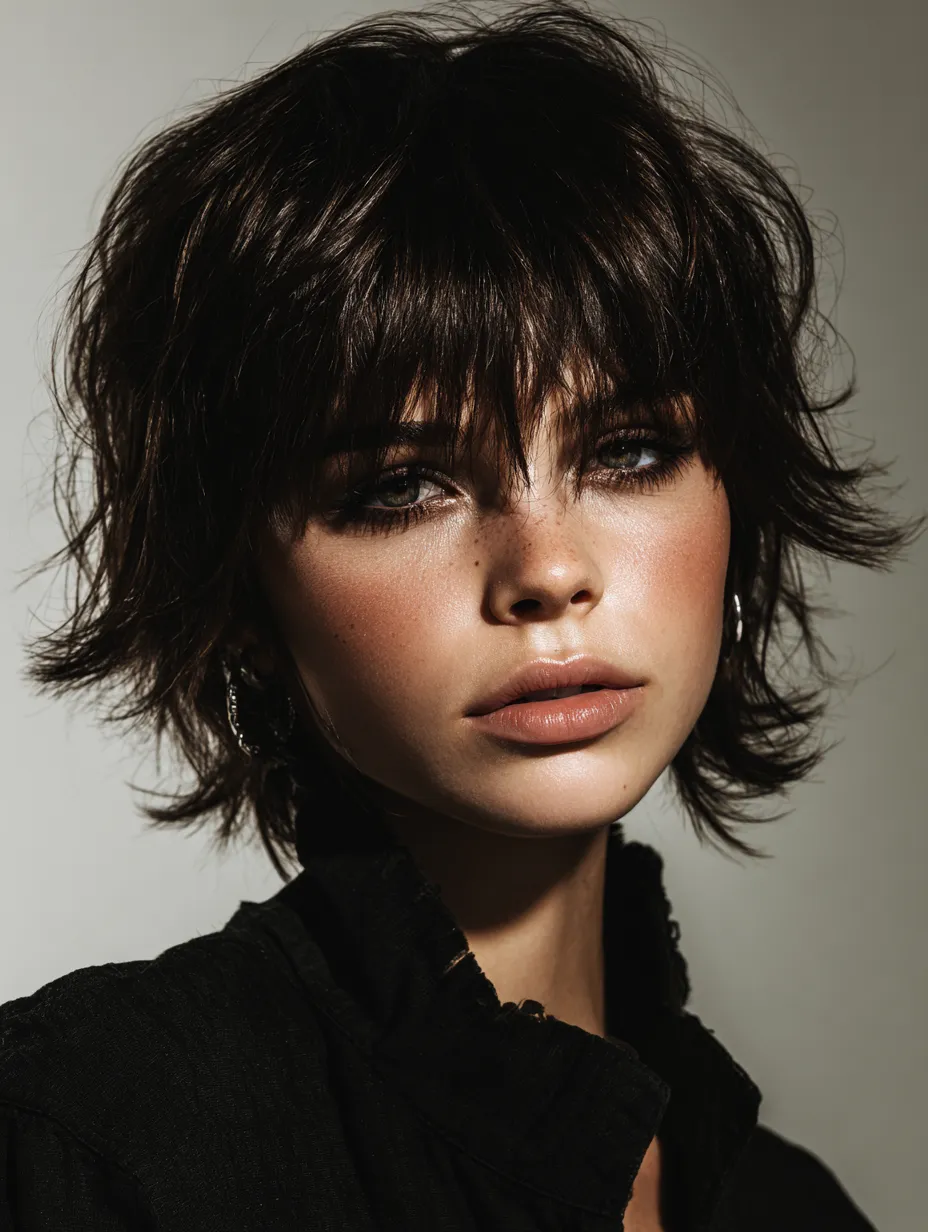
Jet Black Wolfcut Hair With Maximum Contrast
Jet black is where the wolfcut silhouette gets stripped down to its purest structural form — no color play, no gradient, just the shape itself doing all the work. The glossy depth of true black makes every layer separation visible as a shadow rather than a color transition, which is a different kind of visual impact than fashion colors but no less dramatic. Schwarzkopf Got2b Metallics in Dark Ruby is a popular semi-permanent option in the deep black range, running around $9–$10 at most drugstores, though permanent black at a salon produces the glossiest, most uniform result starting at around $70 for a single-process service.


Glossiness is the maintenance metric for black wolfcut hair — a dull black reads as neglected, while a high-shine black reads as intentional and polished. Deep conditioning every two weeks and a shine serum applied on top of dry, styled hair are the two moves that keep this version looking salon-fresh between appointments. Does black wolfcut hair need frequent touch-ups? Permanent black doesn’t fade the way fashion colors do, but the roots become visible at 6–8 weeks and the contrast between new growth and dyed hair can be stark on certain natural base shades.
The curtain bangs on a black wolfcut create a strong visual contrast against skin, which means they become the most noticed feature of the whole look — this is useful on faces where the eyes are a focal point, and slightly overwhelming if the forehead is already a dominant feature. Styling straight keeps the look sharp and editorial; adding waves or a rough-dry texture shifts it into something grungier and more relaxed. Both work. The thing that doesn’t: blow-drying black wolfcut hair without a heat protectant — heat-induced oxidation turns true black to a reddish-brown under direct sunlight over time, and it’s essentially impossible to reverse without a color correction appointment.
| Color | Best Base to Start | Touch-Up Frequency | Key Risk |
|---|---|---|---|
| Fiery Red | Level 7+ blonde | Every 4–6 weeks | Fades to orange-pink at tips |
| Icy Blonde | Natural or pre-lightened | Toning every 4–6 weeks | Brassiness if toner skipped |
| Brunette | Any natural base | Every 8 weeks (optional) | Flat tone on very dark bases |
| Vivid Blue | Level 9+ white-blonde | Every 4–5 weeks | Goes teal on yellow bases |
| Pink | Level 9+ white-blonde | Every 4–6 weeks | Salmon result on brassy blonde |
| Jet Black | Any base | Every 6–8 weeks | Oxidizes reddish without heat protection |
How to Choose Your Wolfcut Color Without Regret
The choice between a fashion color and a natural tone on a wolfcut comes down to one practical question: how much maintenance time and budget are you willing to commit every 4–6 weeks? Fashion colors — pink, blue, vivid red — require both a bleached base and ongoing touch-ups; natural brunette and black can go 8+ weeks between appointments without the color becoming the problem. Salon wolfcuts start at $55+ depending on hair length and the complexity of the layering, so adding a color service on top of that needs to fit a realistic long-term budget, not just the first visit.
Skin undertone matters more than most people account for. Warm, golden undertones in the skin look best with warm hair colors — copper, auburn, warm brunette, honey blonde. Cool undertones (pink or bluish veins at the wrist) work with icy blonde, blue, pink, and jet black. Neutral undertones get the most flexibility and can wear any of the six variations in this article without something looking off. The curtain bangs are the deciding factor: because they frame the face directly, the color in those front sections reacts with the complexion more intensely than the rest of the hair. This is why a test strand near the face is worth doing before committing to a full application.
Related Topics
FAQ
What is the best color for a pink wolfcut?
How long does wolfcut hair color last?
Does a pink wolfcut work on dark hair without bleaching?
What wolfcut color is easiest to maintain?
How much does it cost to get a wolfcut with color?
What products should I use to maintain wolfcut color at home?
WOLFCUT COLOR
Color is what turns a wolfcut into a statement — but the base matters more than the shade.
Pink wolfcut hair needs a near-white blonde base or the color turns salmon. Icy blonde requires toning every 4–6 weeks or it goes brassy. Brunette needs no maintenance plan at all and grows out cleaner than any fashion color.
Fashion wolfcut colors cost $55+ for the cut, $100–$250 for bleaching, and $30–$80 every month for toning. Know the full number before the first appointment.
Save this post before your next salon visit — these are the questions worth asking your colorist.