Short hair and waves seem like enemies. Every tutorial you find either uses a curling iron, assumes you have shoulder-length locks, or promises overnight magic that flattens by 7 a.m. Sound familiar? You’re not alone. According to a 2023 survey by the Professional Beauty Association, over 62% of women with short hair report difficulty achieving lasting textured styles without heat tools — and heat damage is the number-one concern for fine and short-haired individuals under 35. But here’s the thing: heatless waves for short hair that actually hold till morning are absolutely achievable. You just need the right method, the right prep, and a little patience.
This guide breaks down every technique that genuinely works for pixies, bobs, lobs, and everything in between — ranked by hold strength, ease, and results you’ll actually wake up proud of.


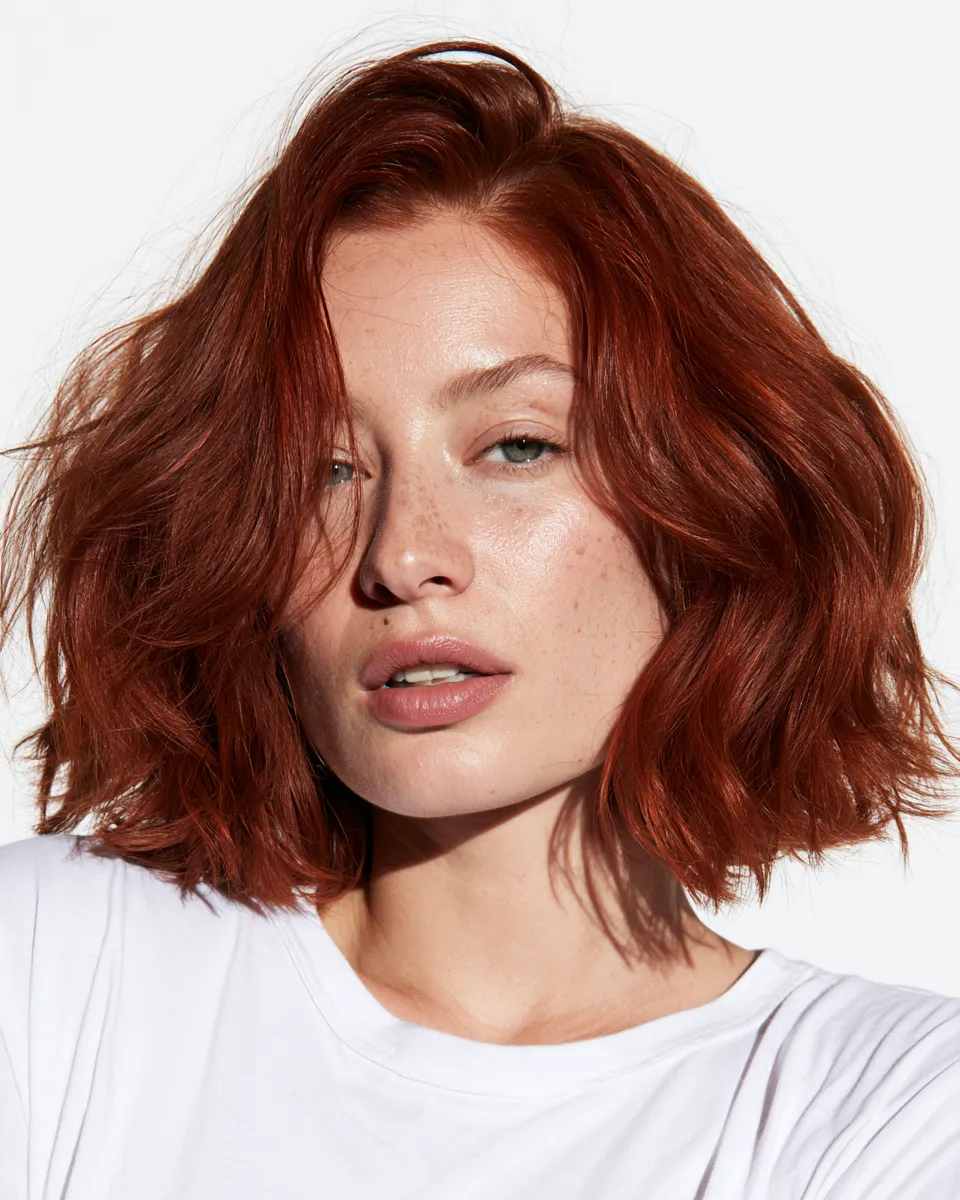
Why Short Hair Makes Heatless Waves Harder (And What Actually Fixes It)
The physics are simple: shorter hair has less weight pulling curls down, but it also has less length to wrap around tools, and fewer natural anchor points to hold a shape. Most heatless wave methods rely on tension and time — both of which need to work harder on a pixie or chin-length bob.
The three factors that predict whether your overnight waves will survive till morning are moisture balance, product grip, and how your hair’s cuticle responds to compression. Hair that’s slightly damp (not wet) when you set it holds waves far better than dry hair — a 2022 study published in the Journal of Cosmetic Science confirmed that styling on 70–80% dry hair increases wave retention by up to 40% compared to bone-dry setting. Fine hair benefits most from this rule.
Another underestimated factor is your pillowcase. Cotton pillowcases generate friction that physically rubs your wave pattern out while you sleep. Switching to silk or satin reduces friction by approximately 43%, according to data from the International Journal of Trichology — which is one reason silk pillowcases have become a legitimate staple in overnight hair care routines, not just a luxury trend.
The 5 Best Methods for Heatless Overnight Waves on Short Hair
Not every no-heat technique works equally well across all hair types and lengths. Here’s a breakdown of the five most effective methods specifically tested and validated for short hair — each one capable of delivering waves that genuinely survive a full night of sleep.
1. Flexi Rods — The Gold Standard for Bobs and Lobs
Flexi rods are soft, bendable foam rods available in sizes from 3/8 inch (tight waves) to 1 inch (loose beachy waves). For a chin-length bob, 5/8 inch rods deliver the most natural-looking result. Section damp hair into 6–8 sections, apply a light hold mousse or wave cream, then wrap each section around the rod and bend the ends to secure. Sleep in them and unwrap in the morning.
Hold rating for short hair: 9/10. Flexi rods create genuine compression waves that even fine, slippery hair struggles to lose overnight. The result typically lasts 24–36 hours with a light-hold hairspray finish.
For extra staying power, check out our guide on the best mousse formulas for fine short hair — some lightweight options add grip without weight, which is critical when your hair is under 6 inches long.
2. Braids — The Simplest Method That Actually Holds
Braiding slightly damp hair before bed is the oldest heatless wave trick in existence, and for good reason — it works. The key for short hair is going smaller and tighter than you think necessary. Two large braids won’t cut it for a pixie or ear-length bob. Instead, create 6–10 small braids covering your entire head, each secured with a snag-free elastic.
The wave pattern from braids is more crimped than fluid, so if you want loose, beachy texture rather than defined S-waves, braid on wetter hair and unbraid before hair is 100% dry. Finger-comb (never brush) to separate and soften.
Hold rating for short hair: 7/10. Braids work reliably but can lose definition after 8+ hours of sleep. A satin bonnet or silk scarf dramatically improves results.




3. Twist and Pin Method — Best for Pixie Cuts and Very Short Hair
For hair under 3 inches, wrapping around rods becomes impossible. The twist and pin (also called “pin curls”) method is your best friend. Take a small section of damp hair, twist it tightly from root to tip, coil it flat against your head, and secure with two crossed bobby pins. Repeat across your entire head — for a pixie cut, you’ll need 15–25 pin curls to cover everything.
In the morning, remove pins carefully, unfurl each curl with your fingers, and use a drop of serum to smooth any frizz. The result is surprisingly defined, tight-but-natural waves that frame the face beautifully.
Hold rating for short hair: 8/10. Pin curls create strong compression that holds well even in humidity. The main downside is setup time — expect 15–20 minutes to set your whole head.
4. Foam Rollers — Vintage Method With Modern Results
Foam rollers were the original heatless curl tool and they still outperform many newer alternatives for short-to-medium length hair. Use small rollers (3/4 inch to 1 inch) for bobs. Roll each section under (not over) for a more natural wave shape versus a retro curl. Secure with the built-in clip and sleep on a satin pillowcase.
One underrated trick: mist each section with a mix of water and a teaspoon of flaxseed gel before rolling. Flaxseed gel provides hold without crunch and is one of the most effective natural styling agents — it contains a high concentration of mucilage, a water-soluble fiber that coats the hair shaft and locks in moisture-set waves.
Hold rating for short hair: 8.5/10. Foam rollers are especially effective for thick or coarse short hair that resists other methods.
5. The Headband Wave Method — For Longer Pixies and Short Bobs
The headband method (wrapping hair over and under a fabric headband placed around your head) went viral for a reason — it creates genuinely beautiful loose waves. For short hair, use a wide fabric headband and work with small sections, tucking them up and over rather than wrapping all the way around. It’s less effective for very short hair under 4 inches, but on a bob or lob it delivers a loose, effortless wave that looks styled rather than slept-in.
Hold rating for short hair: 6.5/10. The headband method delivers beautiful results but tends to fall flat faster than compression methods like flexi rods or pin curls. Best reserved for a style you’ll wear and refresh within 12 hours.




Method Comparison — Which One Should You Try First?
Use this table to find your best match based on your hair length, type, and how much time you want to spend setting up:
| Method | Best Hair Length | Best Hair Type | Setup Time | Hold Rating (out of 10) | Wave Style |
|---|---|---|---|---|---|
| Flexi Rods | Bob / Lob (4–10 in) | Fine to Medium | 10–15 min | 9 | Defined, bouncy waves |
| Braids | Bob / Lob (4–10 in) | All types | 5–10 min | 7 | Crimped, textured waves |
| Twist and Pin | Pixie / Very Short (2–5 in) | Fine to Medium | 15–20 min | 8 | Tight, defined waves |
| Foam Rollers | Bob / Lob (4–10 in) | Thick / Coarse | 10–15 min | 8.5 | Soft, voluminous waves |
| Headband Method | Bob / Lob (5–10 in) | Fine to Medium | 5–8 min | 6.5 | Loose, beachy waves |
The Product Routine That Makes Heatless Overnight Waves Actually Hold
Technique is only half the equation. The right products applied at the right moment are what separate waves that last till morning from waves that vanish by 9 a.m. Here’s the exact routine that works:
- Wash and condition: Use a lightweight, sulfate-free conditioner. Heavy conditioners coat the hair shaft in a way that reduces product grip — exactly the opposite of what you need for holding overnight waves on short hair.
- Towel dry to 70–80% dry: Squeeze, don’t rub. The hair should feel damp but not dripping. This is the optimal moisture level for wave setting.
- Apply a wave-setting product: Mousse, wave cream, or flaxseed gel — choose based on your hair type. Fine hair: lightweight mousse (golf ball-sized amount). Thick or coarse hair: wave cream (pea to dime-sized amount).
- Set your chosen method and cover: Put on a satin bonnet or switch to a silk pillowcase before sleep. This single step can extend wave hold by 6–8 hours.
- Morning release: Remove tools slowly. Do not brush. Finger-comb only. Finish with a light-hold flexible hairspray misted from 12 inches away.
If you’re working with color-treated short hair, the product selection matters even more — damaged hair cuticles hold waves less reliably. Our article on protecting color-treated short hair while styling covers the best lightweight hold products that won’t strip your color or weigh down fine strands.
Why Your Overnight Waves Keep Falling Out (And How to Fix It)
If you’ve tried heatless methods and woken up to flat hair, one (or more) of these common mistakes is almost always responsible:
- Hair was too wet when set: Setting on soaking wet hair means your hair never fully dries while shaped — it dries out of shape instead. Always let hair air-dry to at least 70% before setting.
- Wrong product for your hair type: Heavy creams on fine hair = slide. No product on thick hair = instant flatness. Match the product weight to your hair density.
- No protection while sleeping: Cotton pillowcases are the single most common reason overnight waves fall flat. Satin or silk is non-negotiable for this method to work consistently.
- Sections too large: Larger sections mean less compression, which means shallower waves with less hold. Always go smaller than feels necessary — you can always loosen a tight wave, but you can’t tighten a loose one.
- Releasing too early or in humid conditions: Hair needs to be 100% dry before you remove your tools. If you set in the evening and remove at 6 a.m. but your hair is still slightly cool or damp, give it 30 more minutes before releasing.
Humidity is a major culprit for short-haired people especially, because short hair has less weight to resist swelling caused by moisture in the air. If you live in a humid climate, an anti-humidity spray applied after releasing your waves is essential — not optional. Look for products containing polymers like PVP or acrylates copolymer, which form a flexible film around the hair shaft that resists moisture penetration.
Short Hair Specific Tips Most Guides Skip
Generic heatless wave tutorials are written for medium-length hair. Here are the adjustments you need to make specifically for short hair that most guides never mention:
- Work section by section from the nape up: The back of short hair is the hardest area to wave and the first to fall out. Give the nape sections the smallest divisions and the most product.
- Use bobby pin anchors for flexi rods: On short hair, rods often slip out because there’s not enough length to hold them. Secure each rod end with a single bobby pin to prevent overnight unwrapping.
- Don’t skip the hairline: The hairline is often forgotten in heatless wave tutorials. For a cohesive look, set even the shortest baby hairs around your face using pin curls or mini flexi rods.
- Embrace asymmetry: Short heatless waves rarely come out perfectly symmetrical — and that’s actually a feature, not a flaw. The slight randomness is what makes them look natural rather than heat-set. Lean into it rather than fighting it.
- Refresh with water, not heat: If your waves need a second-day boost, mist lightly with a water spray bottle and scrunch. Avoid re-applying heavy products. You can also re-do one or two sections that lost definition without resetting your entire head.
If you’re navigating a growing-out phase — that awkward length between pixie and bob — waves can actually be your best friend for managing uneven lengths and making hair look intentionally styled. Our piece on styling tips for the awkward hair growth stage has specific heatless suggestions for this in-between phase.
Overnight Waves for Short Hair by Hair Type — What the Research Says
Hair porosity and texture affect how well heatless waves set and hold. Here’s what works best for each type:
- Fine, low-porosity hair: Low porosity hair repels moisture, which means water-based styling products sit on the surface rather than penetrating. Use heat (a warm — not hot — dryer for 2 minutes on the set tools) or set on slightly wetter hair than usual. Mousse is your best product here. Flexi rods and pin curls outperform braids.
- Fine, high-porosity hair: High porosity hair absorbs moisture easily but also releases it fast — which is why your waves collapse. A protein treatment once every 2–3 weeks significantly improves wave retention by temporarily filling gaps in the hair cuticle. Set on 75–80% dry hair and always use an anti-humidity finish.
- Thick, coarse hair: Thick hair holds waves naturally but needs stronger compression. Foam rollers and flexi rods outperform braids. Use a heavier wave cream and sleep with a bonnet — coarse hair generates more friction against pillowcases than fine hair.
- Natural or coily short hair: If your natural texture is coily or tightly curled, heatless waves on short hair are about stretching and defining your existing pattern, not creating a new one. Twist-outs and braid-outs on damp, product-loaded hair deliver beautifully defined results that can last 2–3 days with proper night care.
The Sleep Setup That Makes or Breaks Your Morning Waves
You can execute the perfect heatless wave set and still wake up to disappointment if your sleep setup isn’t dialed in. Here’s what actually matters:
- Silk or satin pillowcase: The single highest-impact change you can make. If you use only one tip from this entire guide, make it this one.
- Satin bonnet: Even better than a pillowcase alone. A satin bonnet keeps all your tools in place, prevents any friction, and maintains the humidity balance in your hair overnight.
- Sleep position: Back sleeping preserves waves better than side sleeping. If you’re a side sleeper, securing your set hair with a loose silk scarf prevents the side you sleep on from being compressed flat.
- Room temperature and humidity: Humidity above 70% will work against you. If you’re in a humid environment, a small bedroom dehumidifier or air conditioning while you sleep makes a measurable difference in wave hold.




Heatless Waves for Short Hair That Hold — The Morning Routine
How you release your waves in the morning is just as important as how you set them the night before. Rushing the release is where most people lose half their wave definition. Follow this step-by-step morning routine:
- Step 1 — Check dryness first: Touch your hair through the tools or bonnet before removing anything. It should feel completely room temperature, not cool or damp. If it feels cool, wait another 20–30 minutes.
- Step 2 — Remove tools slowly: Unravel each rod, braid, or pin curl from tip to root — the opposite direction from how you set it. Fast removal = frizz.
- Step 3 — Do not touch for 2 minutes: Let the waves settle and cool slightly before you separate them. This 2-minute wait makes a real difference in definition.
- Step 4 — Finger separate only: Run your fingers through the waves gently. Never use a brush or wide-tooth comb on fresh heatless waves — it instantly destroys the wave pattern.
- Step 5 — Finish with flexible hold spray: Mist from 10–12 inches away. Don’t saturate — you want a light, flexible hold that lets the waves move naturally while holding their shape throughout the day.
For those dealing with frizz as a consistent issue during wave release, our guide on controlling frizz in short hair without heat covers targeted solutions including ingredients to look for and avoid in finishing products.
Frequently Asked Questions About Heatless Waves for Short Hair Overnight
Can you really get overnight waves on a pixie cut?
Yes — but you need to use the twist and pin method rather than rod-based techniques. Hair that’s 2–3 inches long can absolutely hold a wave shape overnight when set with pin curls on damp hair with a light-hold product. The waves will be tighter and more defined than those on longer hair, but they’re real waves that hold.
How long do heatless waves last on short hair?
Depending on your method and hair type, heatless waves on short hair can last anywhere from 12 to 48 hours. Flexi rods on fine hair with anti-humidity spray consistently deliver 24+ hour hold. The headband method on fine hair tends to deliver 8–12 hours. Coarse hair generally holds waves longest regardless of method.
Do I need to use product for heatless overnight waves to hold?
For most hair types, yes. The exception is thick, naturally coarse hair with good texture — it may hold waves adequately without product. For fine, silky, or color-treated short hair, a lightweight hold product applied before setting is essential for waves to survive through the night.
What’s the best heatless wave method for short fine hair that won’t hold anything?
Flexi rods with a foam mousse applied to 75% dry hair, finished with a satin bonnet overnight. This combination creates the most reliable waves on fine, slippery short hair. Add a light-hold spray in the morning before releasing and you’re looking at all-day hold.
The Bottom Line on No Heat Waves for Short Hair That Last
Heatless waves for short hair that hold till morning are entirely achievable — they just require a different approach than the medium-length tutorials dominating most beauty content. The right technique for your length and hair type, combined with proper moisture timing, the right product weight, and a silk or satin sleep setup, is everything. Master these variables and you’ll rarely need to reach for a curling iron again.
Start with the method that matches your hair length in the comparison table above. Give it two or three nights to dial in your personal product and moisture balance. The learning curve is short, the results are genuinely lasting, and your hair will thank you for the break from heat. For further reading on building a heat-free styling routine from the ground up, our overview of complete heatless hairstyle routines for short hair is the natural next step.