Two thousand twenty-six marks the year couples stopped asking for silverware and started asking for memories. Wedding registry alternatives are outpacing traditional Bed Bath & Beyond registries because they reflect how modern couples actually live—often in smaller spaces, already equipped with basics, and valuing experience over accumulation. A recent pulse across major wedding planning platforms shows over 60% of engaged couples now layer multiple gifting options instead of relying on a single department-store list.
Honeymoon Fund Platforms Reshape How Guests Contribute
Platforms like Honeyfund and Traveler’s Joy have become the de facto second registry. Guests contribute any amount toward flights, hotel nights, or activities instead of purchasing items from a curated list. The psychology works: a $50 contribution toward a sunset catamaran in Greece feels more meaningful than selecting a kitchen stand mixer.
These platforms charge a small processing fee per transaction, typically 2–3% of the contribution amount. What disappears: storage space, duplicate gifts, and the obligation to display presents you don’t love. Couples can also track contributions in real time and send personalized thank-you videos directly through the platform, eliminating the generic card-writing marathon.
Honeyfund integrates with wedding websites automatically, meaning guests see the honeymoon fund alongside other details without extra navigation.
Quick Tips
- Set honeymoon fund minimums low ($25–50) to encourage participation from younger guests and those on tighter budgets.
- Add specific experiences (cooking class in Tuscany, snorkeling tour) rather than vague destinations—guests connect better to concrete moments.
- Pair honeymoon funds with one secondary registry option so guests have variety in giving style.
- Update your fund weekly with new experiences as booking progresses—it keeps the gift-giving narrative alive and exciting for contributors.

Charitable Giving Registries Align Gifts With Values
Couples increasingly direct guests toward organizations they support—World Central Kitchen, The Nature Conservancy, Charity: Water—through platforms like Everydaywarriors and Justgiving Wedding. A donation made in the couple’s name replaces a physical gift and aligns with their values.
This approach eliminates the guilt some couples feel about receiving surplus items while their chosen causes operate on tight budgets. Guests also report higher satisfaction: giving to clean water access in East Africa carries more emotional weight than purchasing a coffee maker.
| Registry Type | Best For | Guest Experience |
|---|---|---|
| Honeymoon Fund | Travel-focused couples; no home needs | Direct impact visible; high engagement |
| Charitable Donation Registry | Values-driven couples; cause alignment | Meaningful impact; guilt-free giving |
| Experience Registry | Adventure-seeking couples; memory-makers | Concrete experiences; long-term memories |
| Hybrid Traditional Registry | Older guests expecting tradition | Familiar format; moderate satisfaction |
Experience Registries Let Guests Fund Moments, Not Objects
Companies like Masterclass, Cvent, and Airbnb Experiences now offer gift-registry options where couples list specific activities—weekend cooking retreats, wine tastings, concert tickets—and guests fund them. A guest might contribute $200 toward a pottery class for two in the Hudson Valley rather than purchasing a serving platter.
This category forces couples to articulate what they actually do together. A couple who hikes every weekend lists guided mountaineering courses, not crystal vases. The registry becomes a portrait of their shared life, not a consumer checklist.
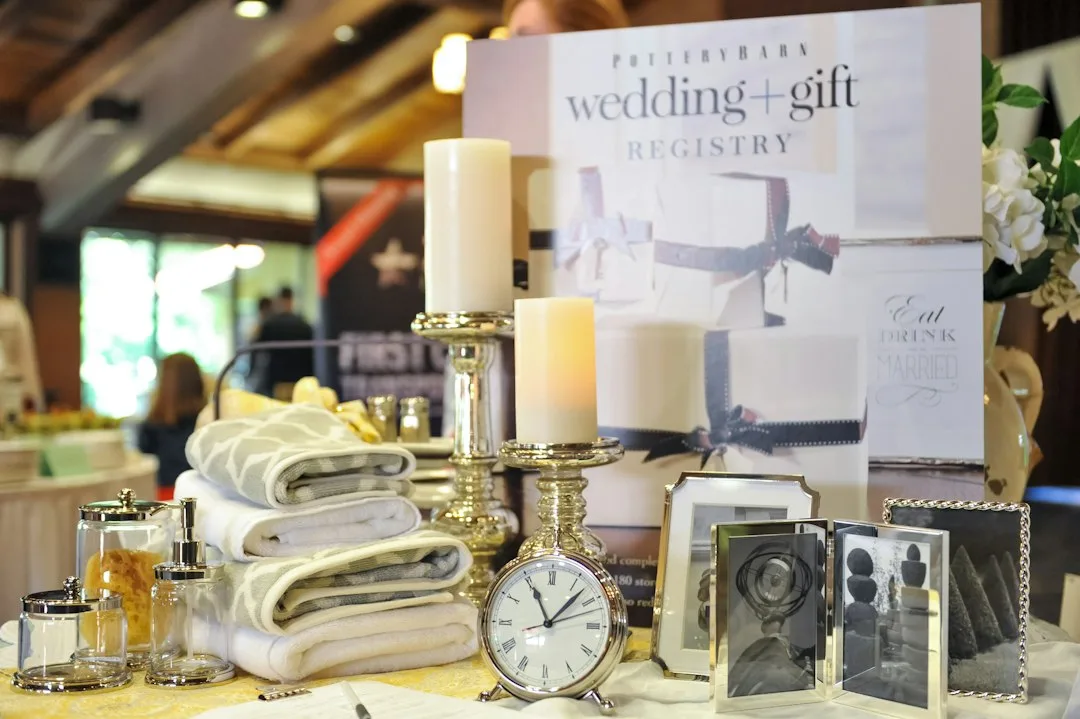
The biggest mistake couples make: mixing registry types without clear labeling. Listing a honeymoon fund, a charity registry, and a traditional home-goods registry creates decision fatigue and confusion. Guests don’t know where to start, leading to lower overall participation.
The Failure Mode Nobody Discusses
Here’s the concrete error: setting up three different registries, each with a different login, then failing to link them clearly on your wedding website. One guest contributes $150 to your charity registry, another buys you a toaster from a conventional registry you forgot about, and two more think you wanted a honeymoon fund contribution.
Result: you end up with a kitchen appliance you didn’t want, duplicate gifts arrive, and your charity received only a fraction of the generosity you’d hoped for. The antidote is ruthless simplification—choose one primary alternative (honeymoon fund or experience registry) and one backup option only if you have specific home needs.
How Couples Communicate Registry Choices Without Awkwardness
Language matters. Instead of “we don’t want gifts,” say: “We’ve started our life together and prioritize experiences over objects. We’d be honored if you’d contribute toward our upcoming hiking trip through New Zealand.” This frames the alternative as something meaningful, not a rejection of tradition.
The Knot and Wedding Wire now include fields for alternative registries directly on wedding websites, reducing the need for custom explanations. Your registry choice appears naturally alongside other wedding details, signaling that alternatives are expected in 2026.
Another emerging option: offering a minimalist gift approach that aligns with modern aesthetic and sustainability values. Couples embracing this philosophy explicitly state their preference for quality over quantity, which naturally leads toward charitable giving or experiential gifts.
Tracking and Thank-You Culture Shift With Alternatives
Traditional registries required manual tracking of who purchased what. Alternative platforms automate this—you know immediately which guest funded your Icelandic glacier walk or contributed to your malaria-prevention charity initiative. Thank-you notes become specific and deeply personal, strengthening the gift-giving relationship.
Couples also avoid the obligation to display gifts prominently in their homes, then photograph them for Instagram. When your wedding gifts are a trip to Portugal or funding for clean water wells, gratitude expresses differently—through social posts about the actual experience, not aesthetic staging of material objects.
This shift also reduces post-wedding stress: no returns to process, no duplicates to exchange, no guilt about items received but never used. The energy spent managing physical gifts redirects toward enjoying what was actually given.