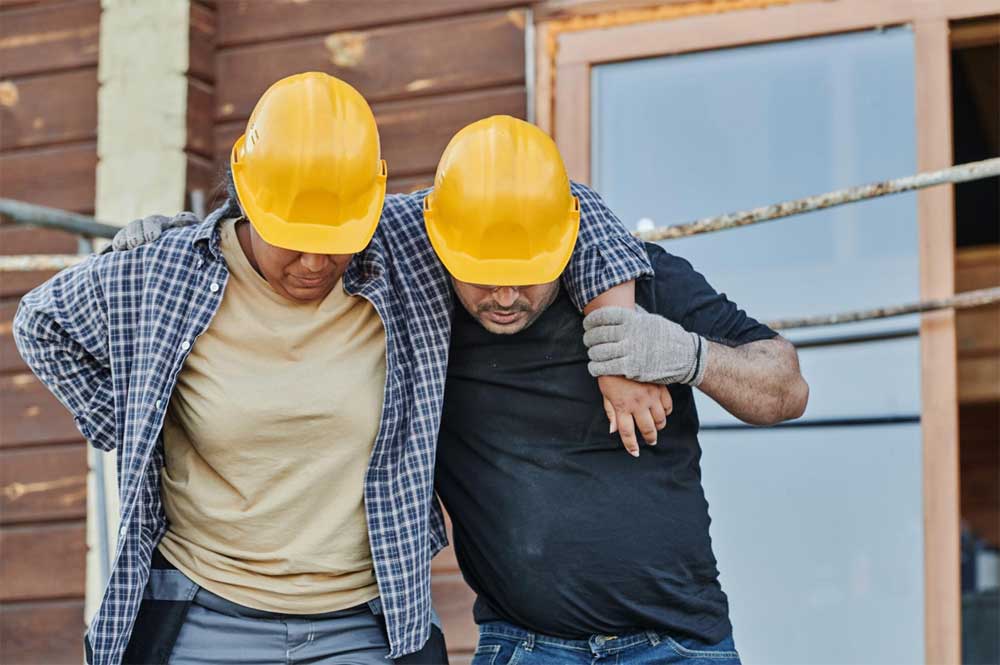
Can one wet floor change the course of a workday? For many employees, a fall seems small until pain, missed shifts, and stress follow. Employers cannot remove every risk, but they can build habits that make accidents less likely.
The best prevention plans are simple, steady, and easy for everyone to follow in any setting where people move quickly. A safer workplace also shows workers that their health matters as much as speed or output.
This article explains how employers can reduce slip and fall risks before they turn into serious problems.
Start With Everyday Risk Checks
A safety plan should begin with a careful walk through the workplace with fresh eyes. Supervisors can look for wet areas, uneven floors, clutter, loose cords, blocked exits, and poor lighting. These checks work best when they happen at set times, not only after someone complains or an accident happens.
Employees should also take part in these checks because they know the space well. They often spot hazards first because they move through the same aisles, doors, and work zones all day. When their input matters, they become active partners in safety instead of passive rule followers.
Keep Floors Clean and Dry
Clean floors are one of the easiest ways to reduce fall risks in almost any workplace. Spills should be cleaned right away, and wet areas should be blocked until they are safe again. Workers need clear supplies nearby so cleanup does not get delayed by confusion, distance, or missing tools.
Floor care should match the work setting and the type of traffic it gets. Kitchens, shops, offices, clinics, and warehouses all face different kinds of messes and floor pressure. The goal is to make clean and dry floors a normal part of the work routine, not a special task.
Improve Walkways and Lighting
Walkways should give people enough room to move without stepping around clutter or stored supplies. Boxes, tools, bags, and cords should have assigned places away from foot traffic and emergency routes. A clear path helps workers carry items, guide carts, and pass others without losing balance.
Lighting matters just as much as space, especially in areas that workers enter quickly. Dim corners, stairways, entry areas, and storage rooms can hide water, steps, or uneven surfaces. Employers should replace weak bulbs and fix dark spots before they cause confusion, missed steps, or trouble.
Choose Safer Footwear Rules
Footwear can make a big difference in places where workers stand or walk for long hours. Employers should give clear guidance on shoes that fit the job, floor type, and daily tasks. The right soles can help workers keep steady on smooth, wet, dusty, or polished surfaces.
Rules should be fair, practical, and easy for employees to follow for every role. A dress code that looks neat but ignores safety can create avoidable risk during normal work. When the shoe rules are clear, employees spend less time guessing and more time moving with confidence.
Train Employees to Report Hazards
Workers need to know what to do when they see a hazard. A quick report should feel simple, not like extra paperwork, blame, or a reason to stay quiet. A slip and fall at work can happen fast, so the reporting system should move fast too.
Training should explain where to report problems, who responds, and what happens after a report. It should also remind workers that reporting a hazard helps protect coworkers, customers, and visitors. When people see hazards fixed after they speak up, they are more likely to report again.
Build Better Weather Plans
Rain, snow, mud, and leaves can bring outdoor hazards inside near doors and loading areas. Entryways need mats, dry zones, and regular checks when the weather changes during the day. Employers should plan for these conditions before the first person tracks water across the floor.
Parking lots and outdoor paths also need attention during bad weather and busy arrivals. Puddles, leaves, ice, poor drainage, and low light can create danger before workers reach the door. A weather plan should cover both indoor and outdoor areas so safety starts before the shift.
Use Signs Without Depending on Them
Warning signs are useful, but they are not a complete fix for unsafe surfaces in a busy area. A sign can alert people to a wet floor or uneven surface, yet it does not remove the danger. Employers should use signs while the real problem is being cleaned, repaired, blocked, or marked for service.
Too many signs can also lose their impact over time. Workers may stop noticing them when they are left out long after the hazard is gone. Signs work best when they are clear, placed near the risk, and removed as soon as the area is safe.
Review Incidents and Update Habits
Every fall or close call can teach a workplace something useful. Employers should review what happened, where it happened, who was nearby, and what could have changed the result. The goal is not to blame one person, but to fix the weak point in the system.
Patterns matter more than single events because they show where attention is needed. If several people slip near the same door, the issue may be drainage, flooring, cleaning timing, or crowding. Regular reviews help employers adjust routines before another person gets hurt in the same way.
Make Safety Part of the Culture
A strong safety culture starts with visible action from leaders, not only written rules. Supervisors should follow the same rules they expect from everyone else, even during busy moments. When managers clean spills, move clutter, and wear proper shoes, the message feels real.
Safety should also be part of daily talk without turning every meeting into a lecture. Short reminders can keep simple habits fresh and help new workers learn the standard. The best message is steady and practical because everyone has a role in keeping the floor safer.
Safer Workdays: Preventing Slip and Fall Risks Every Day
Preventing slip and fall is not about one rule or one reminder alone. It is about small choices that happen again and again during each shift and each routine task. When employers keep floors clear, listen to workers, and act quickly, they create a workplace where people can move with more confidence.
Safer habits also make the job feel more organized and respectful. Every careful step helps protect the people who keep the workplace running and the families who count on them each day.
Did you find this article helpful? Check out the rest of our blog now!