
Scandinavian style is not a trend that comes and goes. Since its rise in the mid-20th century, Nordic design has held its ground precisely because it solves a real problem: how to live in a space that is small, often dark, and subject to long winters — and still feel good inside it. The answer, refined over decades in Denmark, Sweden, Norway, and Finland, is a design language built on restraint, warmth, and function working together without apology.
Today, Scandinavian interior design influences over 40% of global home decor search traffic, with terms like “hygge,” “lagom,” and “Nordic minimalism” generating millions of monthly searches worldwide. The style has shaped entire product lines at IKEA, H&M Home, and HAY, contributed to the success of brands like Muuto and Menu, and redefined what a “beautiful” kitchen or bedroom is allowed to look like. White walls are no longer cold — they are intentional. Empty space is no longer unfinished — it breathes.
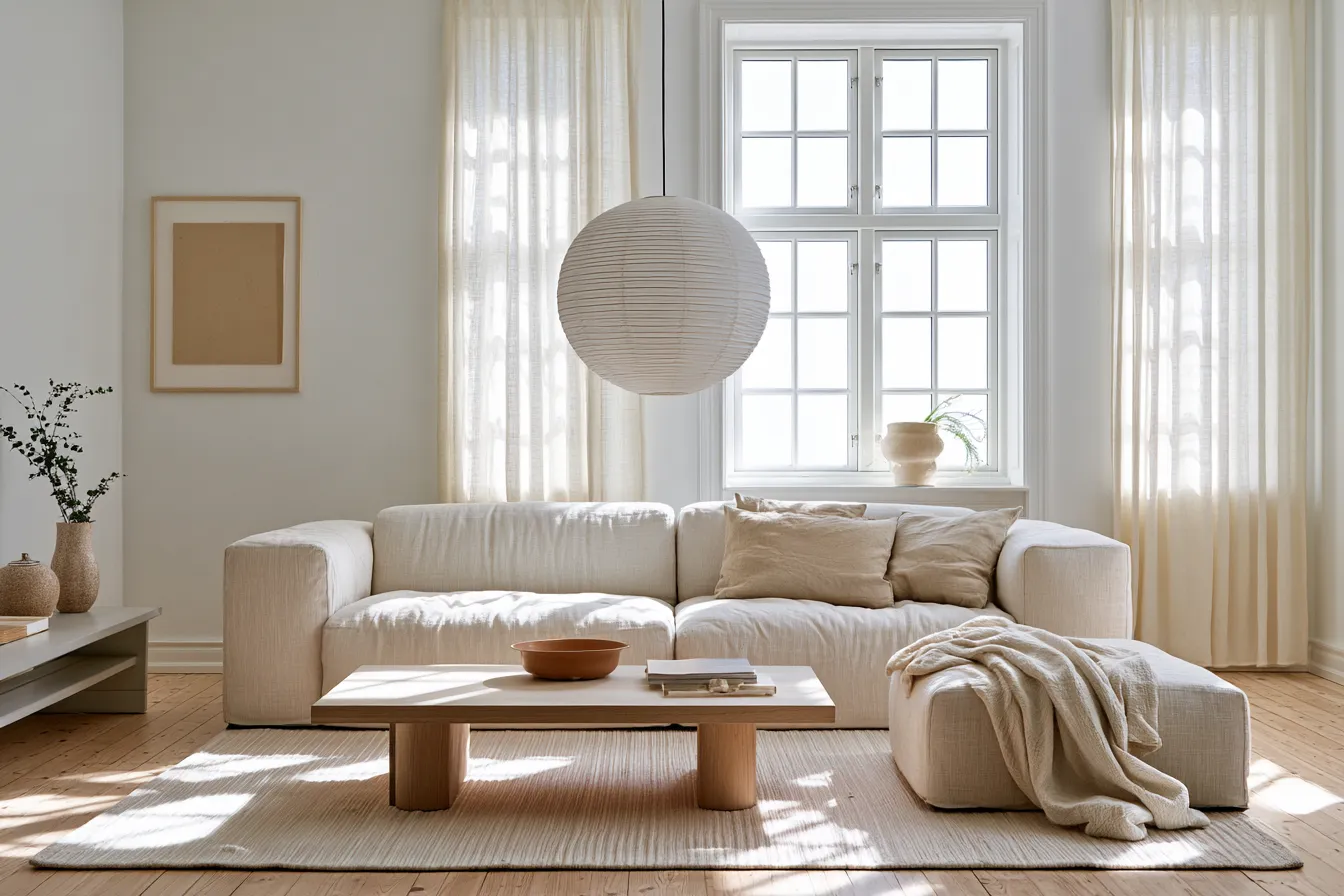
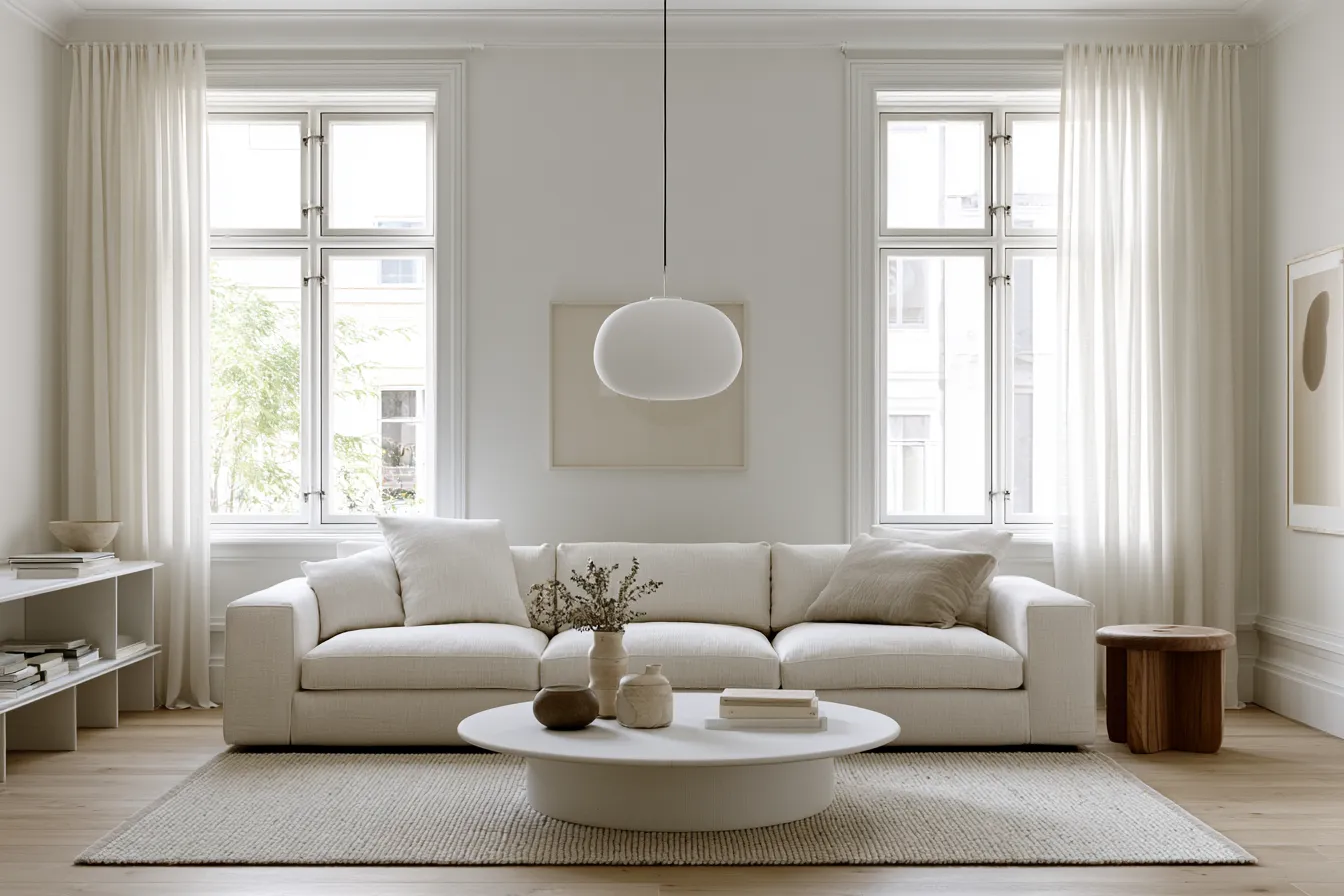
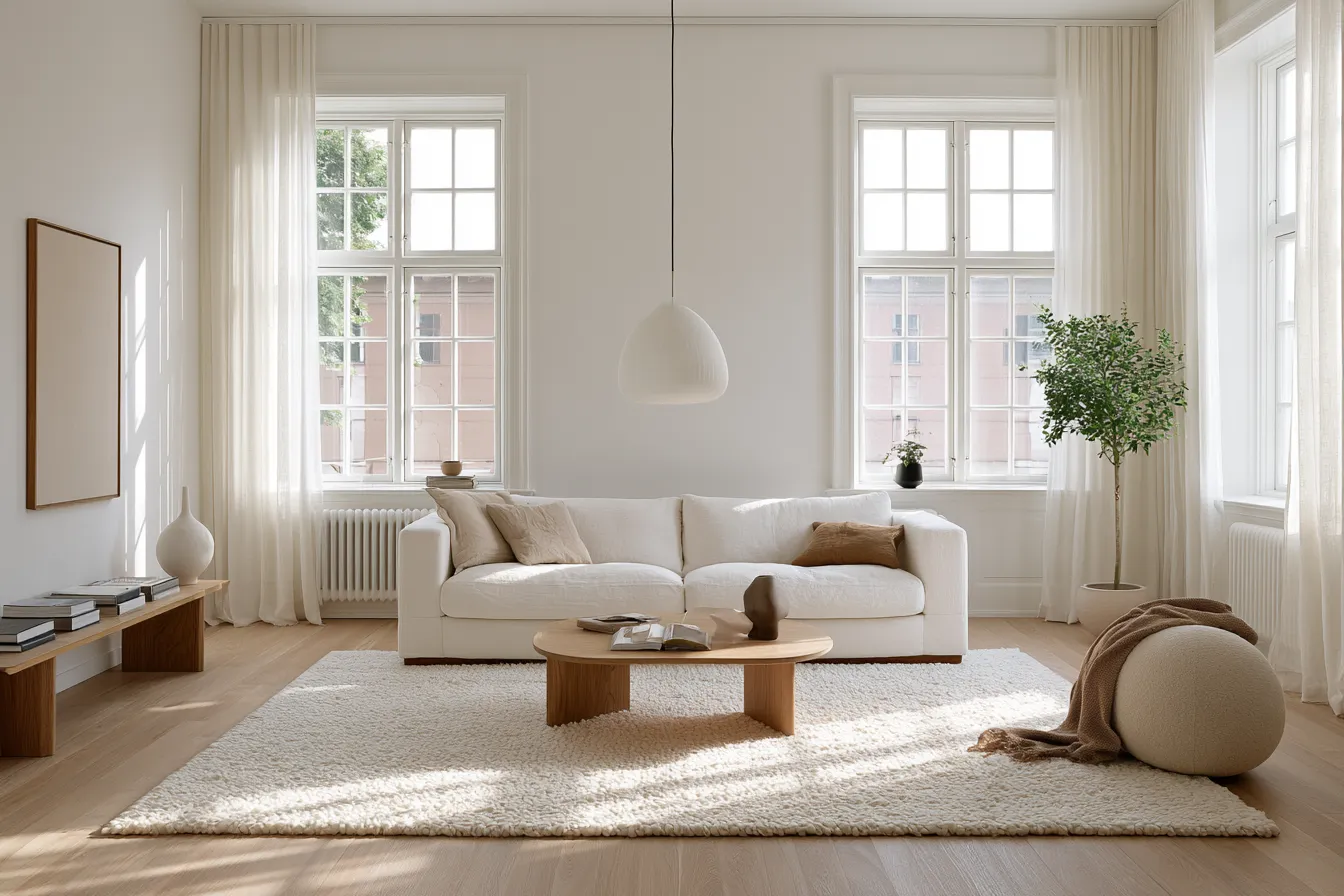
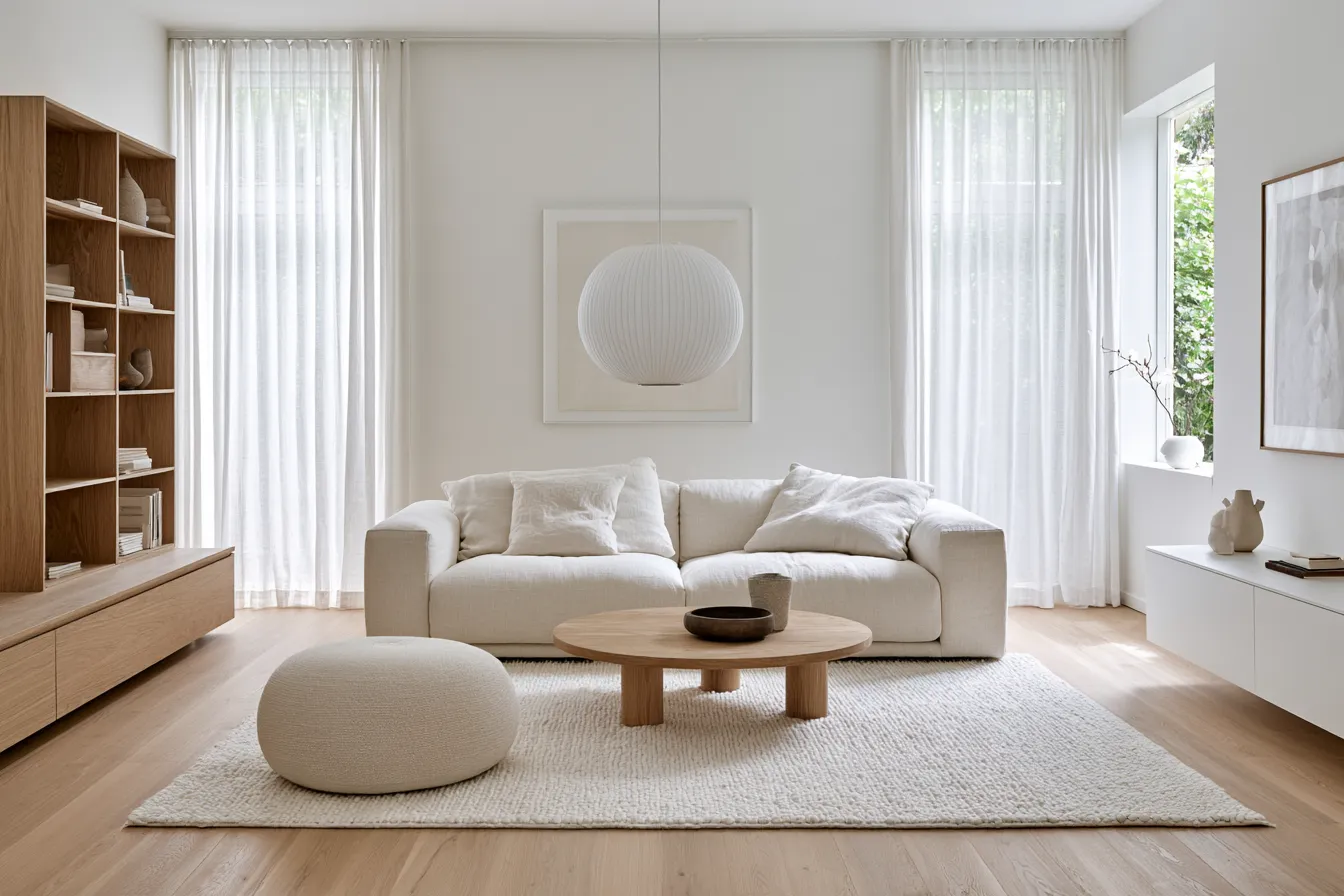
What Makes Scandinavian Style Different From Other Minimalism
Minimalism, as a global design concept, often reads as cold. White cubes, absence of ornament, nothing to touch. Scandinavian style minimalism does something harder: it stays warm. The difference lies in materials. Nordic interiors rely on untreated or lightly oiled wood, undyed linen, matte ceramics, and wool textiles to introduce texture without adding visual noise. The result is a room that looks clean but feels inhabited.
The philosophy also differs from Japanese minimalism, though the two share significant common ground. Japandi — the hybrid aesthetic blending Japanese wabi-sabi with Nordic simplicity — has emerged as one of the most searched interior styles globally, precisely because it fuses the warmth of Scandinavian materials with the meditative stillness of Japanese spatial thinking. Both traditions value emptiness. Scandinavian design tends to fill it with texture; Japanese design tends to leave it alone. The Japandi approach negotiates between the two.
Core Principles of Nordic Interior Design
Every Scandinavian room, regardless of whether it is a kitchen, bathroom, or bedroom, is built on the same six principles. Understanding them makes it far easier to adapt the style to any budget or floor plan.
- Functionality first. Every piece of furniture in a Scandinavian interior earns its place by doing something useful. Storage is built in, hidden, or doubled up inside benches and beds. Decorative-only objects are rare and carefully chosen.
- Natural light as design material. Nordic winters deliver as few as 6 hours of daylight in some regions. Scandinavian interiors compensate by maximizing window area, keeping window treatments sheer or absent, and reflecting light with pale walls and floors.
- A neutral base palette with one texture layer. White, off-white, warm gray, and sand are the dominant wall and ceiling colors. The interest comes from layering woven textiles, rough-grain wood, and matte stone — not from adding color.
- Wood as the anchor material. Light oak, pine, ash, and birch appear in floors, cabinet fronts, furniture legs, and wall panels. The grain does the decorative work. Stained or painted wood is used sparingly and intentionally.
- Hygge — designed comfort. The Danish concept of hygge (pronounced “hoo-ga”) describes a quality of coziness and convivial warmth. In design terms, it translates to layered textiles, candlelight, rounded furniture edges, and spaces that invite you to slow down.
- Connection to nature. Houseplants, raw stone, unglazed pottery, dried grasses, and linen all bring the outdoors in. Even urban Scandinavian apartments tend to include botanical elements that reference the landscape outside.
Scandinavian Style by Room — A Complete Breakdown
The following table compares how Scandinavian design principles translate across the five main rooms of a home, including typical material choices and the most common mistakes made in each space.
| Room | Key Materials | Dominant Colors | Most Common Mistake |
|---|---|---|---|
| Bedroom | Light oak, linen bedding, wool throw | White, warm gray, dusty blue | Too many throw pillows, no negative space |
| Kitchen | Matte white or wood cabinets, stone countertop | White, warm beige, sage green | Overhead lighting only — no task lighting |
| Bathroom | Matte tile, teak accessories, white ceramic | White, pale blue, charcoal | Glossy surfaces that reflect harshly |
| Living Room | Oak floor, linen sofa, sheepskin rug | Off-white, sand, forest green | Mixed wood tones without a unifying piece |
| Home Exterior | White or black painted brick, glass, timber | White, black, deep red (Falun red) | Too many competing architectural details |
Scandinavian Bedroom Design — Guides and Inspiration
The Scandinavian bedroom is arguably where the style has the most impact. Sleep quality research increasingly supports the Nordic instinct: cool temperatures, low visual clutter, natural materials, and dim warm lighting before bed are all associated with better rest. The articles below cover every dimension of Scandi bedroom design, from structural choices like ceiling and flooring to color, mood, and the Japandi crossover that dominates contemporary Nordic bedroom aesthetics.
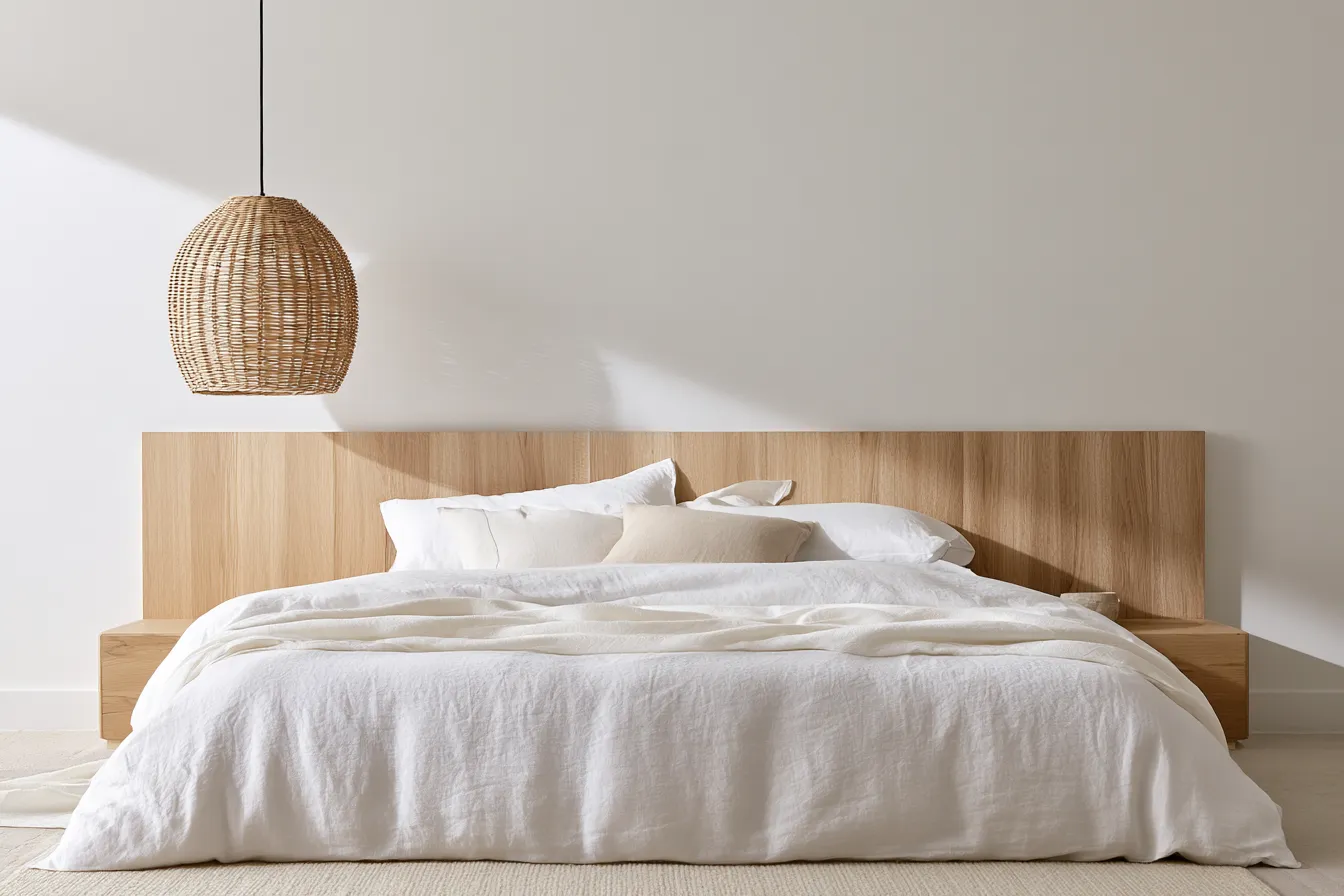
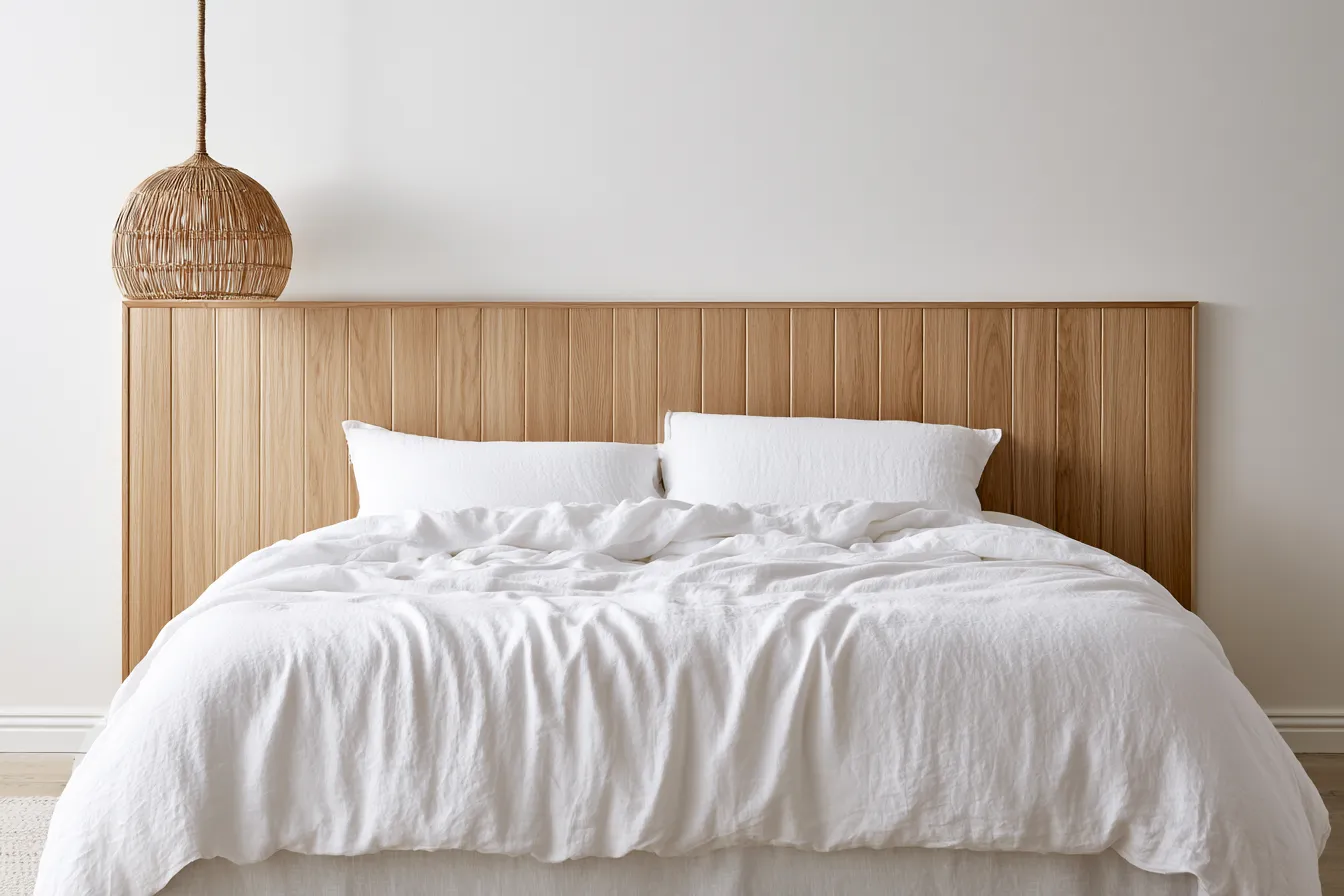
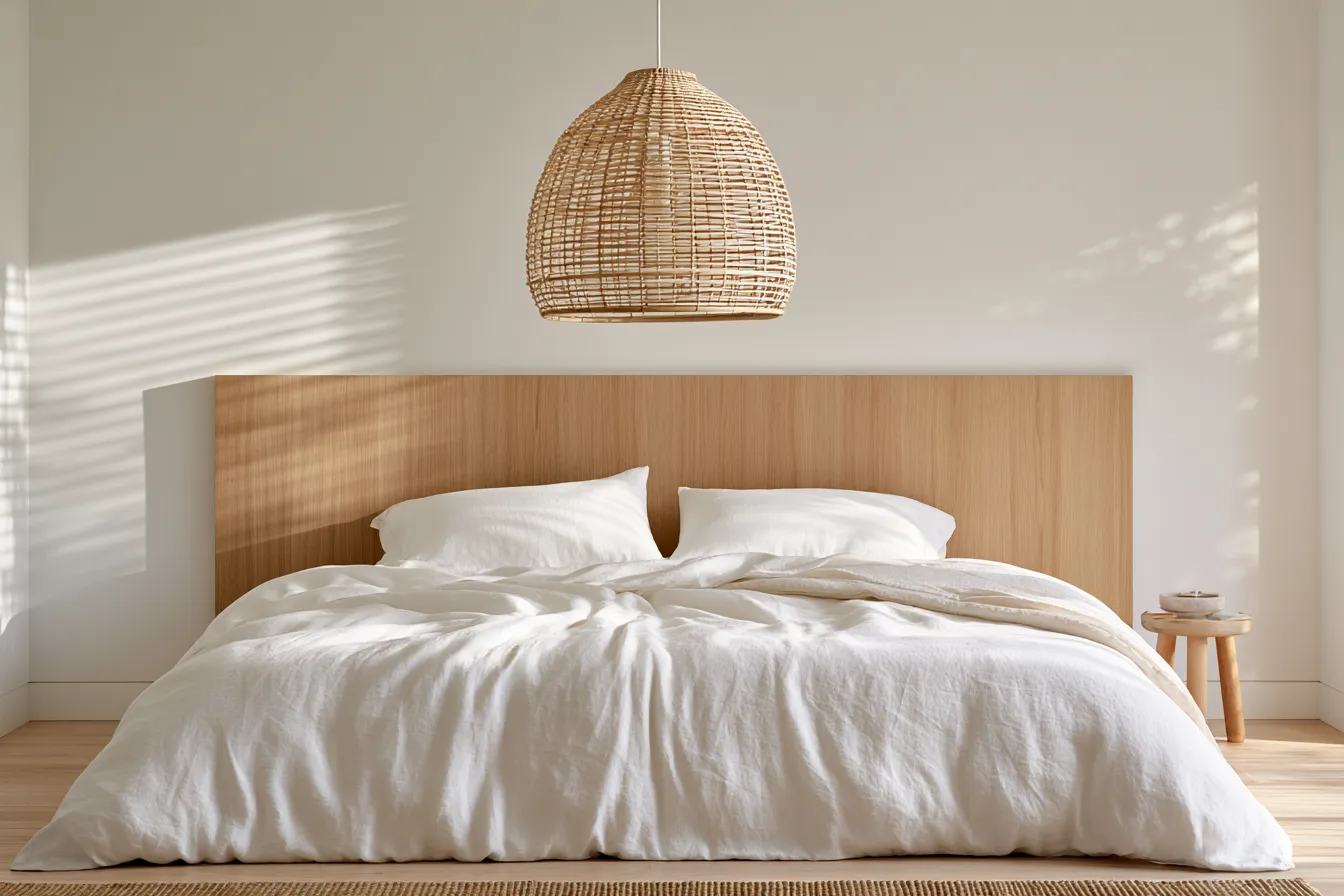
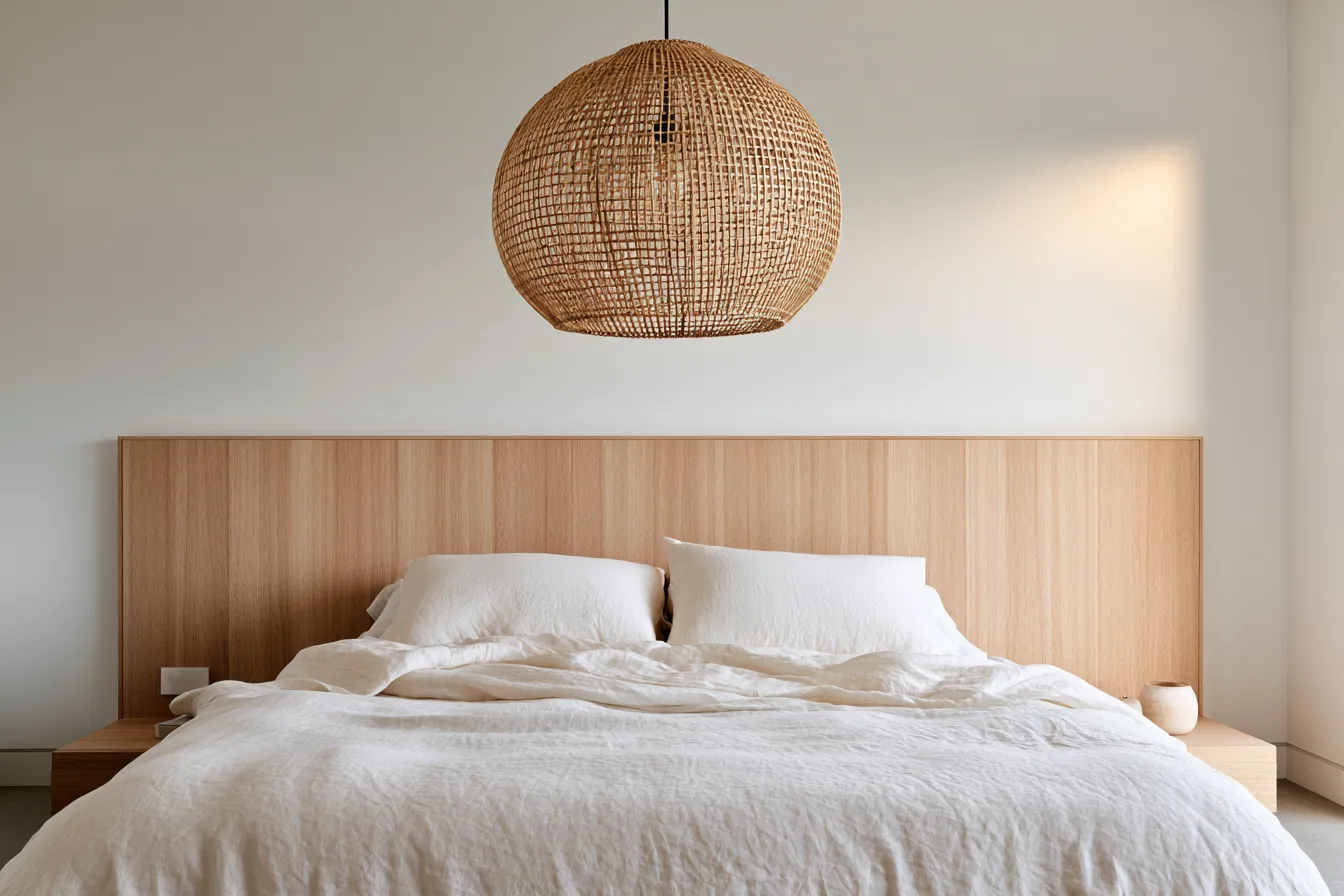
- Natural Elements and Minimalism in Scandinavian Bedroom Decor
- How Rustic Meets Minimalism in Scandinavian Bedroom Designs
- Discover the Beauty of Dark Scandinavian Bedroom Interiors
- How to Add a Pop of Color to Your Modern Scandinavian Bedroom
- How to Achieve the Perfect Warm Scandinavian Bedroom Look
- 7+ Key Elements of Scandinavian Bedroom Design
- 18+ Inspiring Danish Pastel Bedrooms for a Touch of Nordic Charm
- Create a Cozy Organic Scandinavian Bedroom Oasis
- 3+ Cool Scandinavian Bedroom Ceiling Ideas
- Chic White Bedroom Design for Couple in Scandinavian Style
- How to Create the Perfect Industrial Scandinavian Bedroom
- 10+ Inspirational Pink Scandinavian Bedroom Designs to Adore
- Scandinavian Bedroom Ideas That Actually Make You Want to Stay in Bed
- 3+ Scandinavian Bedroom Style Secrets for a Chic, Cozy Space
- 12+ Innovative Ideas for Scandinavian Bedroom Design in Contemporary Spaces
- 10+ Danish Pastel Bedroom Ideas for a Subtle Yet Chic Makeover
- 3+ Flooring Choices Perfect for Scandi Bedroom Themes
- How I Built a Light Oak Wall Panelling Bedroom for Under $400
Scandinavian Kitchen and Dining Ideas
The Nordic kitchen is built for daily life, not display. Cabinet fronts are typically flat, hardware is simple or handle-free, and the countertop is almost always stone, solid wood, or a matte composite. Open shelving — a staple of many Instagram kitchen aesthetics — is used sparingly in authentic Scandinavian design, because it creates visual clutter that contradicts the core logic of the style. The guides below cover everything from white cabinet kitchens to two-tone cabinetry with Scandi proportions, and from full kitchen redesigns to small-space dining that makes 60 square feet feel generous.
- Unlocking the Beauty of Modern Scandinavian Kitchen Design
- White Scandi Kitchen Ideas: 12+ Minimalist Looks Worth Pinning
- 11+ Scandinavian Small Kitchen and Dining Room Ideas
- 10+ Scandinavian Modern Kitchen Light Fixtures Ideas for Minimalist Beauty
- Scandinavian-Inspired Blue Kitchen Cabinets for Minimalist Elegance
- 15+ Two Tone Kitchen Cabinets Ideas Infusing Scandinavian Simplicity
- Warm Wood Cabinet Kitchen Designs That Finally Make White Feel Outdated
- 19+ Breakfast Nook Ideas Inspired by Scandinavian Style
- Embracing the Essence of Japandi in Your Kitchen
Scandinavian Bathroom Design — Calm, Clean, Considered
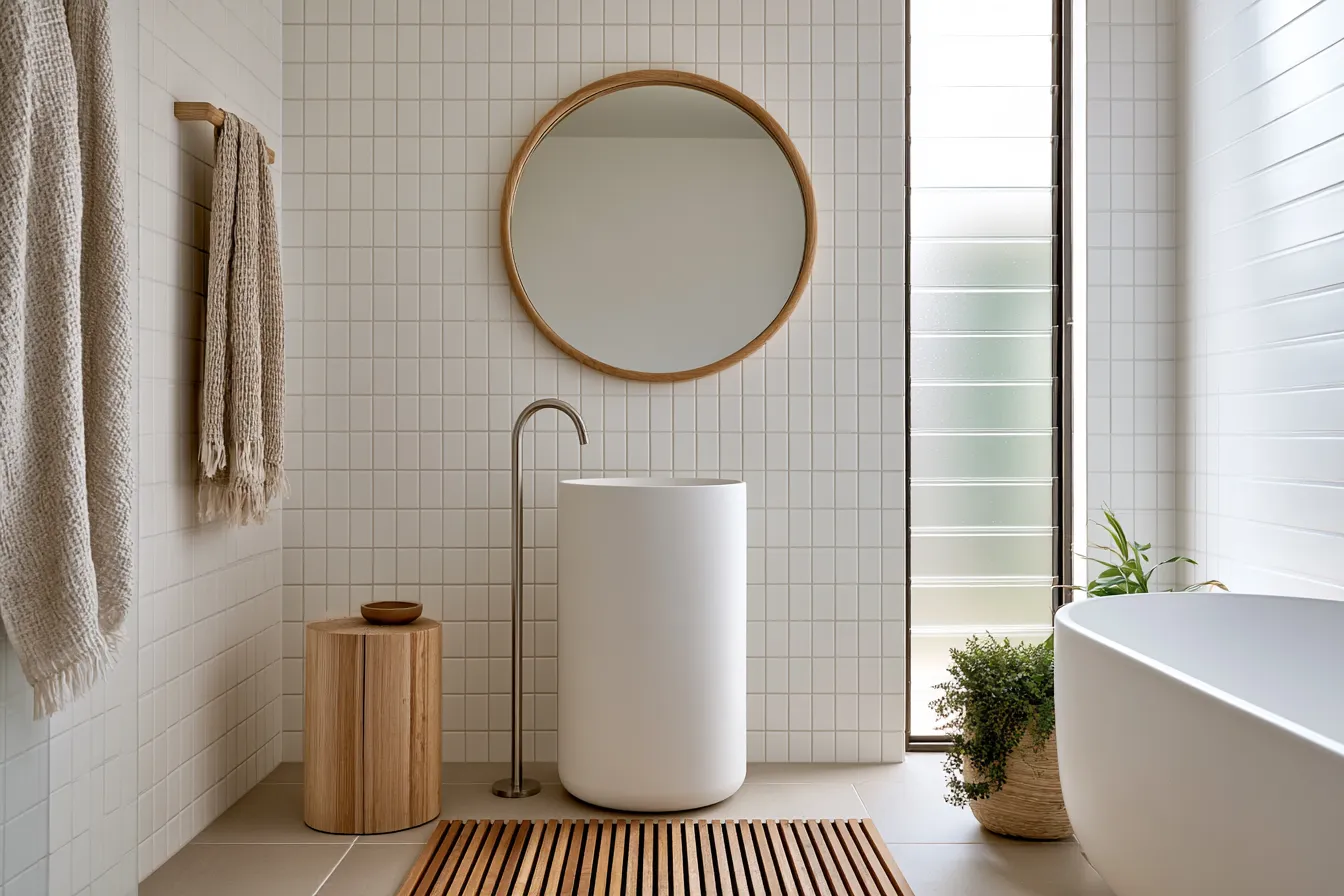
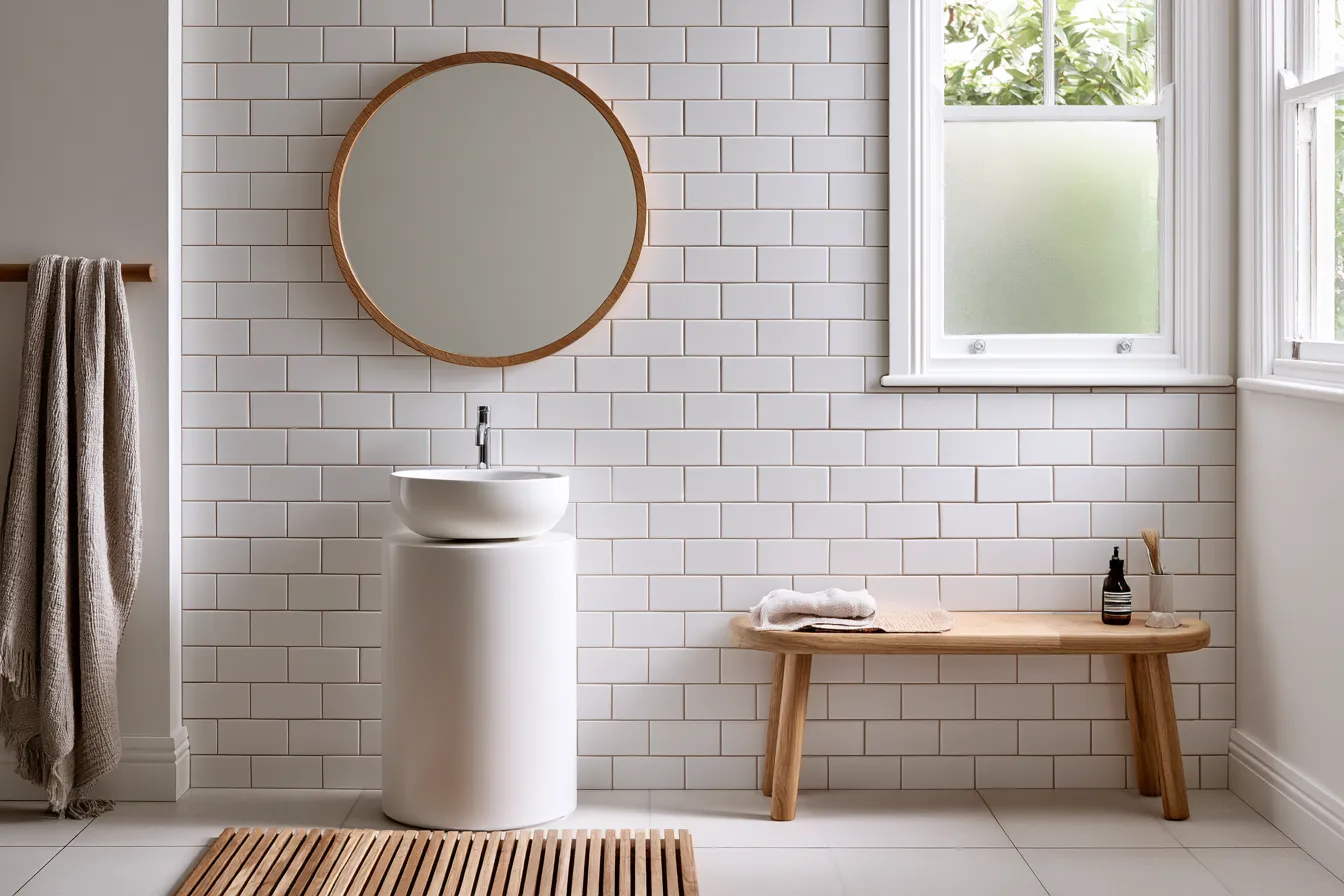
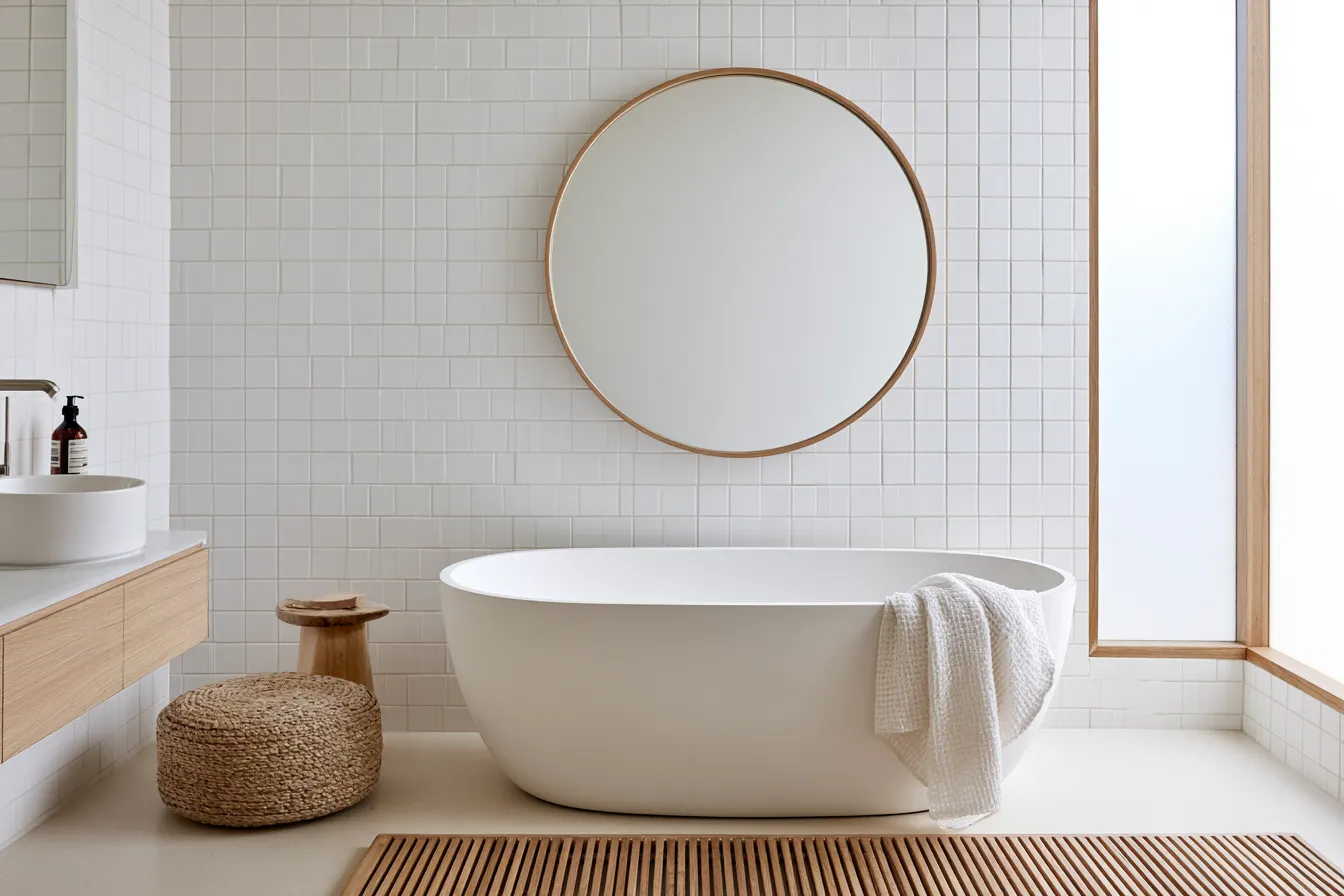
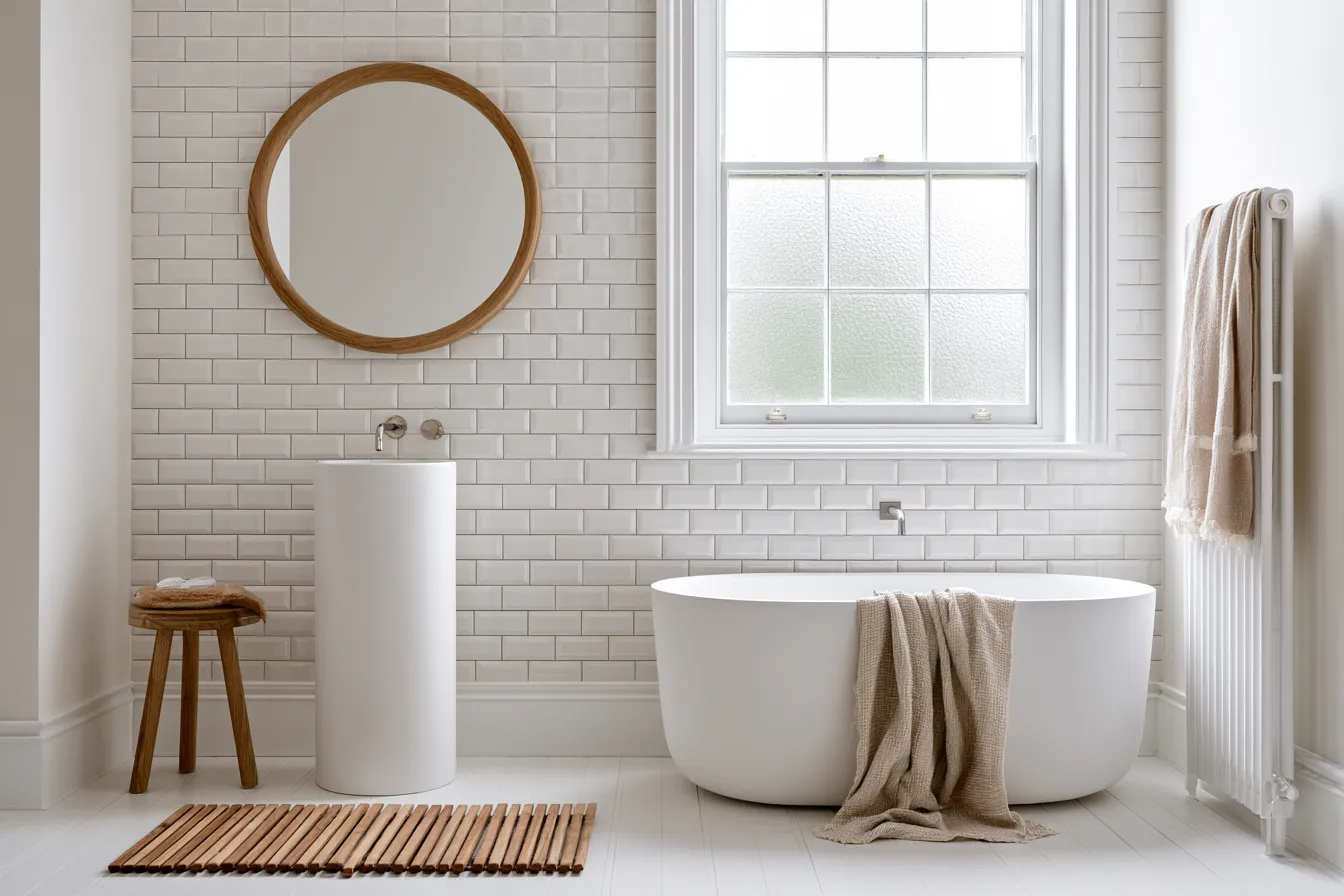
Nordic bathrooms consistently rank among the most searched interior categories globally, and the reason is straightforward: the Scandinavian bathroom is the clearest expression of the style’s core values. Matte surfaces replace gloss, teak and oak replace chrome-heavy accessory sets, and the mirror — often the largest single design element in the space — earns its place as both functional object and light amplifier. The guides below cover mirrors, tile palettes, shower rooms, bathroom furniture, and the black-and-white minimalist aesthetic that has become a global design shorthand for Scandi sophistication.
- 9+ Scandinavian Bathroom Mirror Design Ideas for a Simple Aesthetic
- 8+ Scandinavian Blue Bathroom Tiles Ideas for a Calm Retreat
- 10+ Scandinavian Bathroom Furniture Ideas for a Hygge Home
- 10+ Scandinavian Shower Room Ideas for a Chic and Simple Design
- 10+ Clean Contemporary Bathroom Ideas with Scandinavian Design
- 15+ Black and White Bathroom Concepts with Scandinavian Simplicity
- Mirrors Do the Heavy Lifting in a Scandinavian Bathroom — If You Pick the Right One
Scandinavian Living Room Essentials
The Scandinavian living room is the most contested territory in Nordic interior design — because it is the room where the impulse to add more is hardest to resist. More cushions, more plants, more art. The discipline of the style requires making each piece earn its position. Light wood floors — particularly wide-plank oak — anchor the space and do more design work than any single piece of furniture. The sofa in a Scandi living room is typically linen or bouclé, low-profile, and positioned to face the natural light rather than the television. The guides below explore living room furniture arrangements, fireplace walls, bay windows, and the Scandi living room color logic that makes the whole system work.
- 7+ Living Room Furnishing Ideas in Scandinavian White and Soft Gray
- 4+ Warm and Welcoming Scandinavian Living Room Design Inspirations
- Light Wood Floors Carry a Scandi Living Room. Everything Else Is Optional
- Wood Floors, White Walls, One Fireplace — the Scandinavian Furniture Formula That Holds
- Light Wood and Bare Walls Pull More Weight Than Cushions in Bay Window Seating
- Geometric String Wall Art Enlivens a Scandinavian Living Room
- Reading Nook Ideas for Small Spaces That Actually Feel Like an Escape
Scandinavian House Architecture and Exterior Design
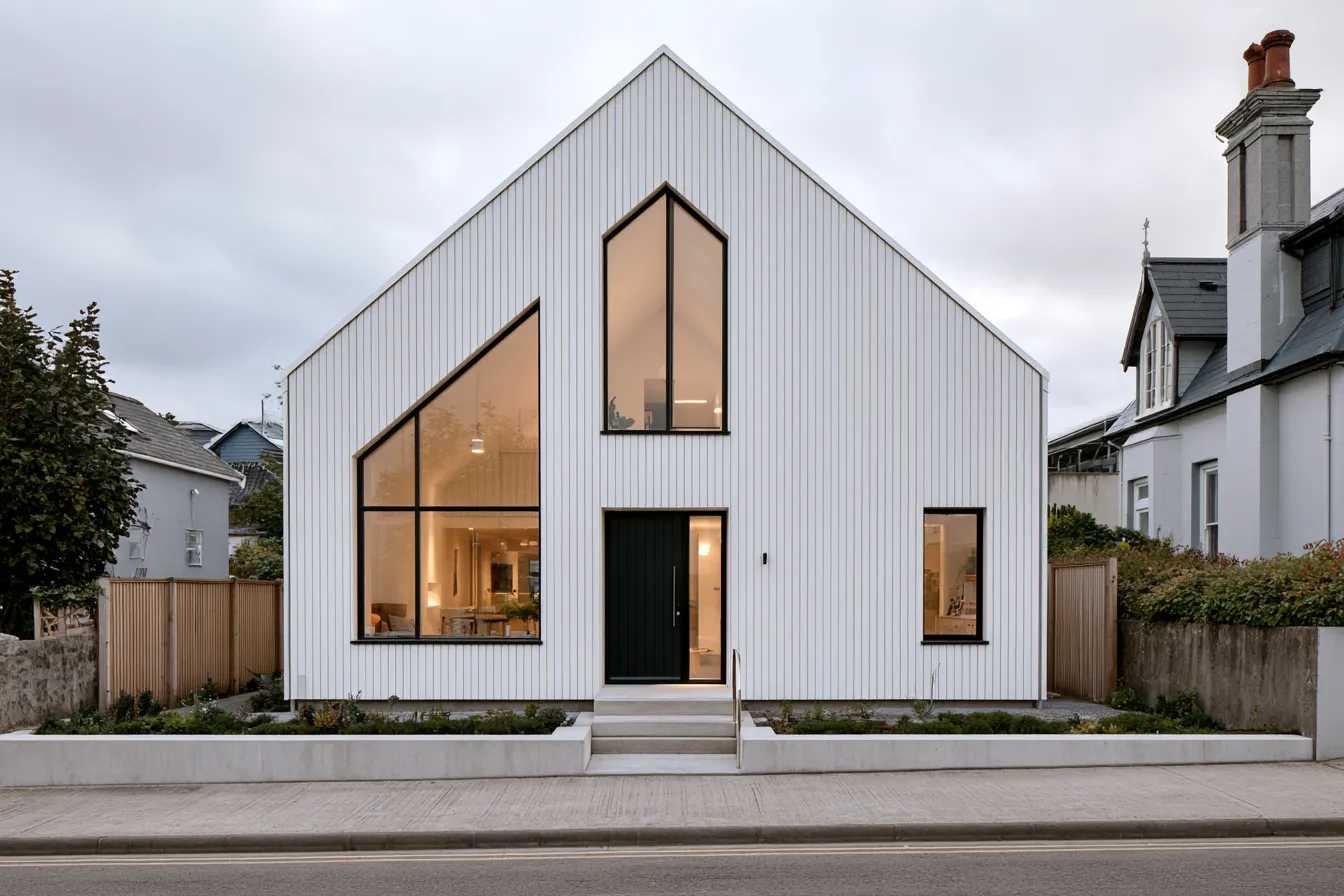
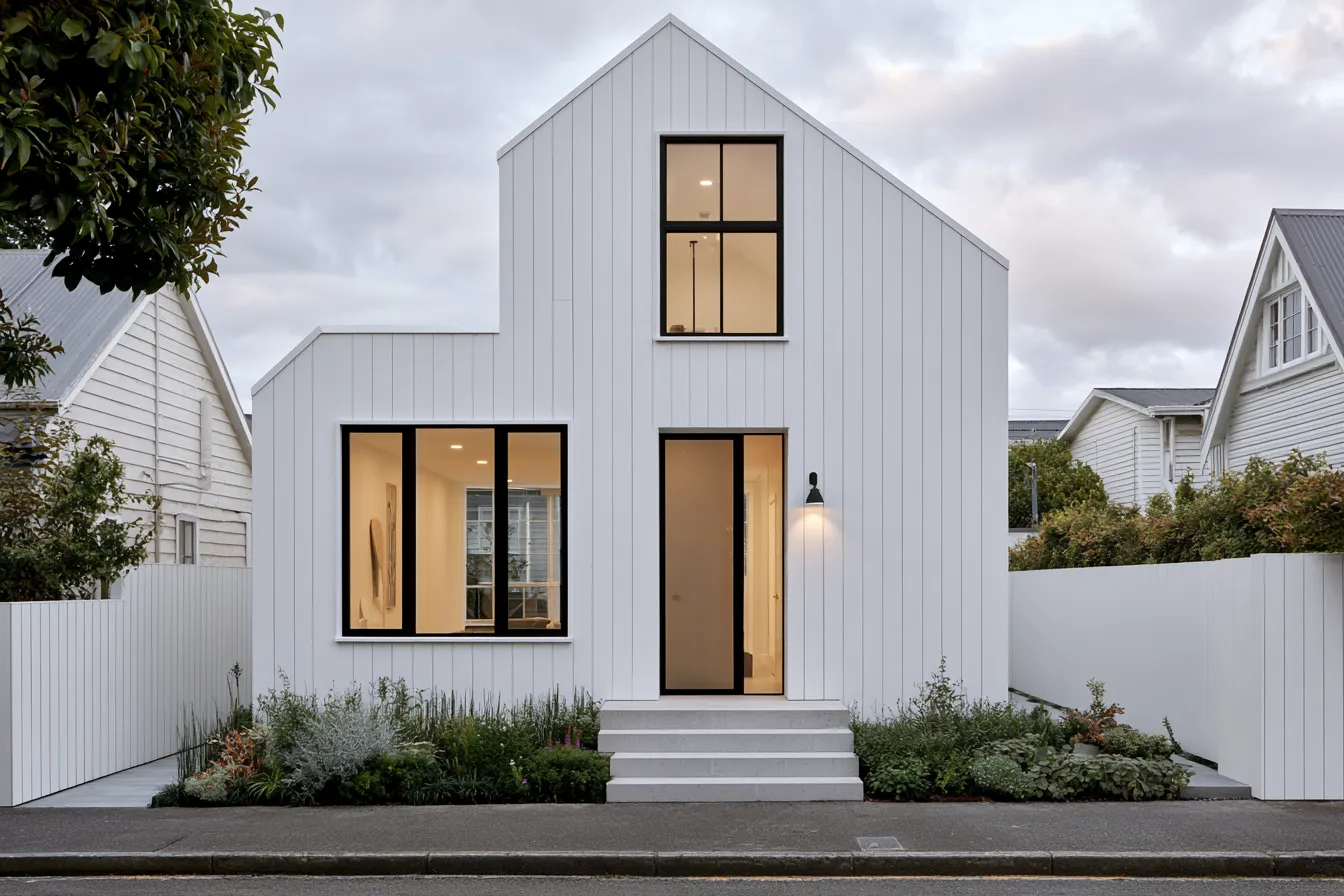
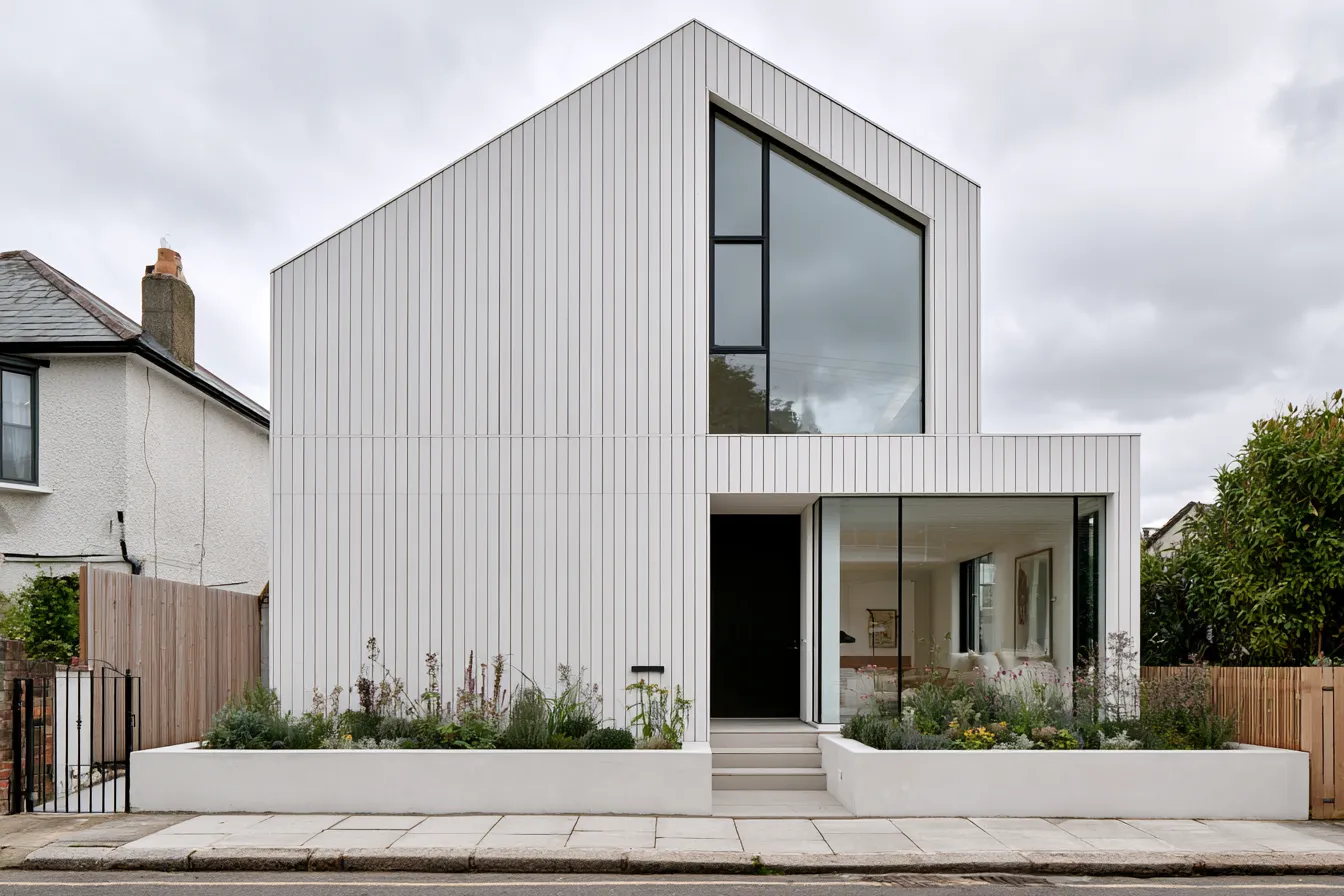
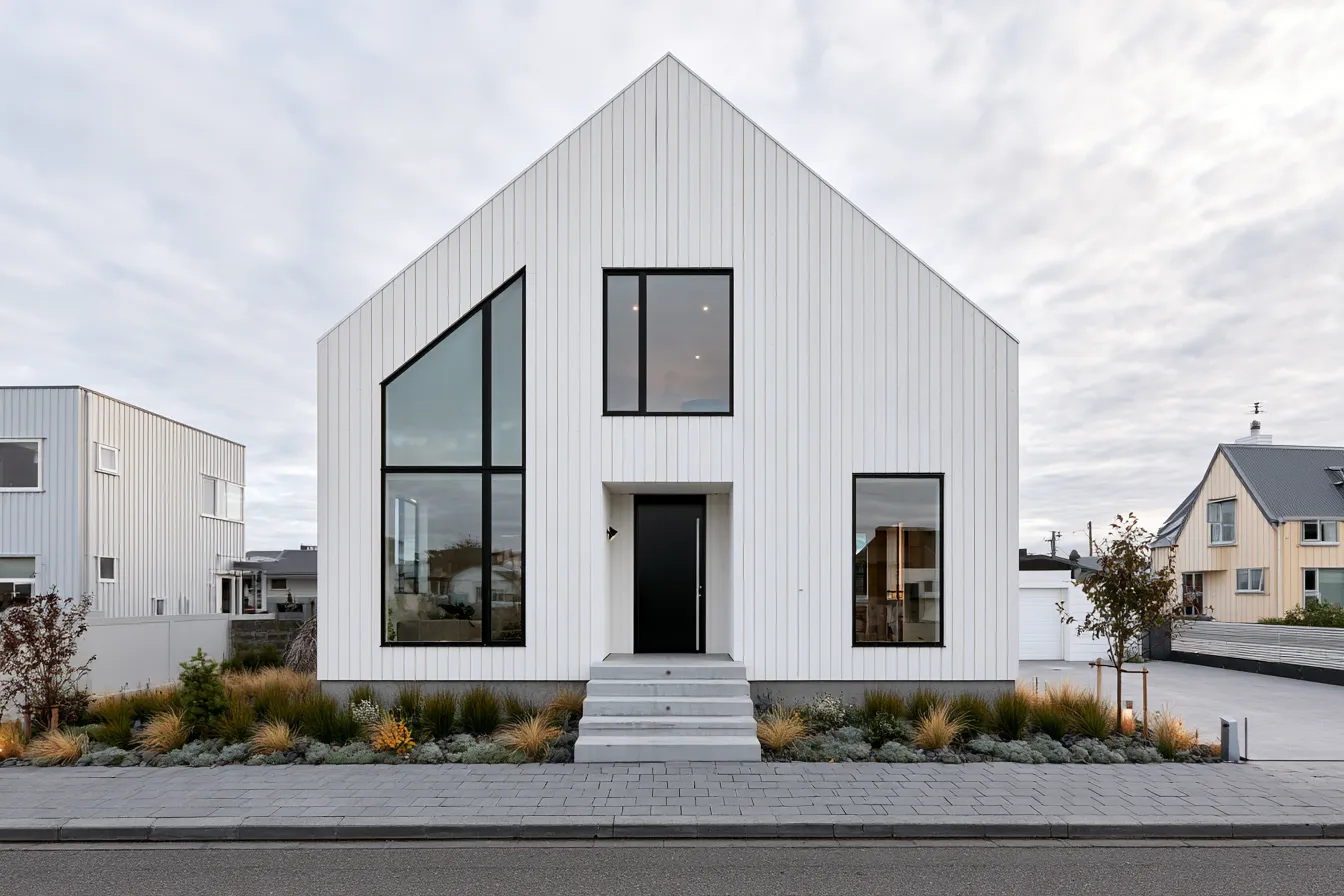
Scandinavian residential architecture shares the same economy of means as the interiors it shelters. The defining features — pitched roofs, large windows, minimal exterior ornament, and a limited material palette — emerged from practical responses to cold climates and short construction seasons. White-painted or dark-stained timber cladding, single-storey footprints optimized for solar gain, and double-glazed windows as large as structurally possible are all architectural solutions that became aesthetic signatures. The guides below explore the exterior design elements, house types, and door details that define Nordic residential architecture.
- Beautiful White Brick House in Scandinavian Style
- Compact One-Storey Modern Scandinavian House — 5 Basic Architectural Techniques
- 5 Defining Features of a Scandinavian Style House
- Wood and Glass Did the Work. Your Scandinavian Double Door Design Just Needs to Stay Out of the Way
Wall Treatments and Panels With a Nordic Sensibility
Wall treatment is where modern Scandinavian interiors have evolved most visibly in the past five years. The perfectly smooth painted wall is giving way to tactile surfaces — natural plaster with its handmade texture, linen wall panels with woven depth, half-height timber panelling that grounds a room without closing it in, and LED-integrated wood panels that carry Scandi geometry into evening hours. The guides below cover the full range, from budget-friendly panelling projects to professional-grade plaster finishes that are replacing drywall in high-end residential builds.
- Natural Plaster Wall Finishes Replace Drywall in High-End Interiors
- Japanese Linen Wall Panels Transform Textured Interiors With Woven Depth
- Acoustic Wall Panels — Why Sound Control Reshapes Modern Interiors
- 15+ Half Wall Paneling Ideas Blending with Scandinavian Simplicity
- LED Wood Panel Design Enhances Scandinavian Simplicity
- Bright and Airy Fireplace Wall Ideas for Scandinavian Interiors
- Metal Wall Decor Reveals What Your Scandinavian Room Has Been Missing
Japandi Style — Where Scandinavian Meets Japanese Design
Japandi is not a compromise between two aesthetics. It is a genuine design philosophy that emerged from recognizing how much Japanese and Scandinavian design already share: respect for natural materials, rejection of excess, preference for handcraft over mass production, and the belief that a well-made object used every day is worth more than a decorative one used never. The practical differences — Japanese design’s preference for lower furniture heights, darker natural wood finishes, and asymmetric compositions vs. Scandinavian design’s lighter woods, symmetric furniture arrangements, and warm textiles — make the hybrid more interesting than either style alone. The guides below cover every room where Japandi has taken root, from bedroom to kitchen to full multi-room applications.
- 3+ Essential Furniture Pieces for a Japandi Style Living Room
- Your Japandi Living Room Looks Unfinished Because Nobody Told You the Palette Rule
- How to Build a Japandi Bedroom That Feels Calm Without Looking Empty
- How to Design a Zen Retreat in Your Japandi Small Bedroom
- Discovering Japandi Bedroom Design for Zen Interiors
- 9+ Japandi Style Bedroom Essentials for a Harmonious Sleep Space
- Soothing Colour for Room Wall in Japandi Style Rooms
- Embracing the Essence of Japandi in Your Kitchen
- Create the Perfect Japandi Style for Your Dining Room, Living Room and Bedroom
- Japandi Color Palette Magic Turning Homes into Havens of Tranquility
Scandinavian Color Palettes and Decorating Approaches
Choosing color in a Nordic interior is a discipline unto itself. The starting point is almost always a near-white — not pure optical white, which reads cold, but warm whites with yellow or gray undertones that respond to natural light and change through the day. From there, a Scandinavian palette typically introduces one accent color — dusty blue, forest green, terracotta, or blush — applied through a single textile, a painted cabinet, or a piece of ceramics. The guides below cover the full spectrum of Scandinavian color thinking, from the restrained gray interiors that defined the early 2010s Nordic aesthetic to the bolder dark green and pink interpretations that push the style forward without abandoning its foundations.
- 3+ Invigorating Color Palettes for a Fresh Scandinavian House Interior
- 8+ Scandinavian Gray Interior Design Secrets for a Hygge Home
- 11+ Dark Green Interiors with a Scandinavian Twist
- 10+ Inspirational Pink Scandinavian Bedroom Designs to Adore
- Neutral Tones — Why Beige Layering Replaces Bold Color Dominance
- 3+ Simple Contemporary Window Treatment Ideas for Scandinavian Design
Scandinavian Interior Design for Small Spaces
Scandinavian design was built for small spaces. The average apartment size in Stockholm is around 66 square meters; in Copenhagen it is approximately 80 square meters. These are not large homes by any standard, and Nordic design evolved to make them feel larger, more organized, and more comfortable than the square footage alone would suggest. The techniques — built-in storage, furniture with visual lightness, reflective pale surfaces, and a strict limit on decorative objects — translate directly to any small home or apartment anywhere in the world. The guides below are specifically focused on making restricted square footage work harder through Scandinavian principles.
- 15+ Functional Small Space Decorating Ideas for Scandinavian Style
- 11+ Scandinavian Small Kitchen and Dining Room Ideas
- How to Design a Zen Retreat in Your Japandi Small Bedroom
- Reading Nook Ideas for Small Spaces That Actually Feel Like an Escape
Broader Trends Shaping Scandinavian Style Today
Scandinavian interior design does not exist in isolation. It intersects with, borrows from, and occasionally reacts against broader global design trends. The rise of quiet luxury — a term that describes expensive, understated aesthetics without visible branding — overlaps significantly with what Nordic design has always valued: quality materials, restrained form, and longevity over novelty. Similarly, the retreat from dopamine decor (maximalism with bold colors and playful clutter) that accelerated through the mid-2020s brought many design consumers back toward the clarity and warmth that Scandinavian rooms reliably deliver. The guides below trace these connections and capture the trends that are reshaping how Nordic interiors look and feel right now.
- Everything You Need to Know About Scandinavian Décor
- Why Dopamine Decor Is Dying and Quiet Luxury Interiors Are Taking Over
- Why Artisan-Made Furniture Is Replacing Mass Market Design
- Why Curved Furniture Is Displacing the Mid-Century Angular Look
- Raw Concrete Meets Birch — Why Industrial Scandinavian Interior Design Works
- Nostalgia With a Spine — What Retro Scandinavian Interior Design Actually Gets Right
- Radiant Heated Flooring — Why Thermal Comfort Reshapes Residential Design
- AI-Powered Smart Mirrors Transform Home Design and Personal Routines
Nordic Design in Kids Rooms, Home Offices, and Beyond
The Scandinavian approach extends naturally into spaces that other design styles often treat as afterthoughts. Nordic kids rooms prioritize play-based learning environments, non-toxic materials, and furniture that grows with the child — principles that align closely with Montessori educational philosophy. Scandinavian home offices apply the same logic of calm, functional space that eliminates distraction. And Scandi-influenced outdoor and garden design — particularly shade gardens and nature-drenching planting schemes — brings the interior’s preference for low-intervention beauty into the landscape. The guides below cover these less-discussed but equally important applications of Nordic design thinking.
- Montessori Kids Room Floor Beds and Play Zones That Build Real Independence
- Nature-Inspired Kids Room Non-Toxic Materials Parents Are Choosing Now
- Shade Garden Plants — Why Low-Light Landscaping Dominates Residential Design
- Nature-Drenching: The Outdoor Design Movement Rewriting What Gardens Are For
- 7+ Scandinavian Minecraft Paintings for a Hygge Home
Scandinavian Style in Fashion, Beauty, and Personal Accessories
The Scandinavian design sensibility has always extended beyond interiors into fashion and personal style. Nordic fashion brands — Acne Studios, Filippa K, Ganni, COS — share the same palette logic as Scandi interiors: neutral base tones, quality natural materials, and a rejection of obvious trend-chasing. The clean girl beauty aesthetic that became dominant in the mid-2020s tracks closely with Swedish and Danish beauty values: minimal makeup, clear skin prioritized over coverage, and a preference for looking intentionally effortless rather than polished. Pet accessories, too, have followed the same trajectory — neutral linen and oak-finished dog beds and feeding stands outselling colored alternatives as design-conscious pet owners extend their interiors aesthetic to their animals’ belongings. The guides below document these crossovers.
- Neutral Tones Fashion — Why Beige Layering Replaces Bold Color Dominance
- Clean Girl Makeup Dominates Beauty Trends Globally
- Neutral Pet Accessories Are Outselling Color Because of This Quiet Shift
- Designer Pet Furniture Has Stopped Looking Like Pet Furniture
Where to Start With Nordic Interior Design
The most common mistake people make when attempting Scandinavian style is starting with objects rather than structure. They buy the Muuto pendant lamp and the HAY cushion and the Normann Copenhagen vase — and then wonder why the room still does not feel right. It does not feel right because the walls are the wrong shade, the flooring is too dark and busy, or the furniture arrangement is fighting the natural light source rather than working with it. Scandinavian design starts with the room, not the products.
Begin with the floor and walls. Light wood floors — even laminate in a warm oak finish — and walls in a warm white or pale gray do more for a Scandinavian interior than any single furniture piece. From there, add one large textile in a natural material: a linen sofa, a wool rug, or a linen bedspread. Then edit. Remove everything that does not serve a function or carry genuine meaning. What remains is the beginning of a Nordic interior. The guides on this page cover every step of that process in detail, room by room and element by element.
You Might Also Like

Related Topics