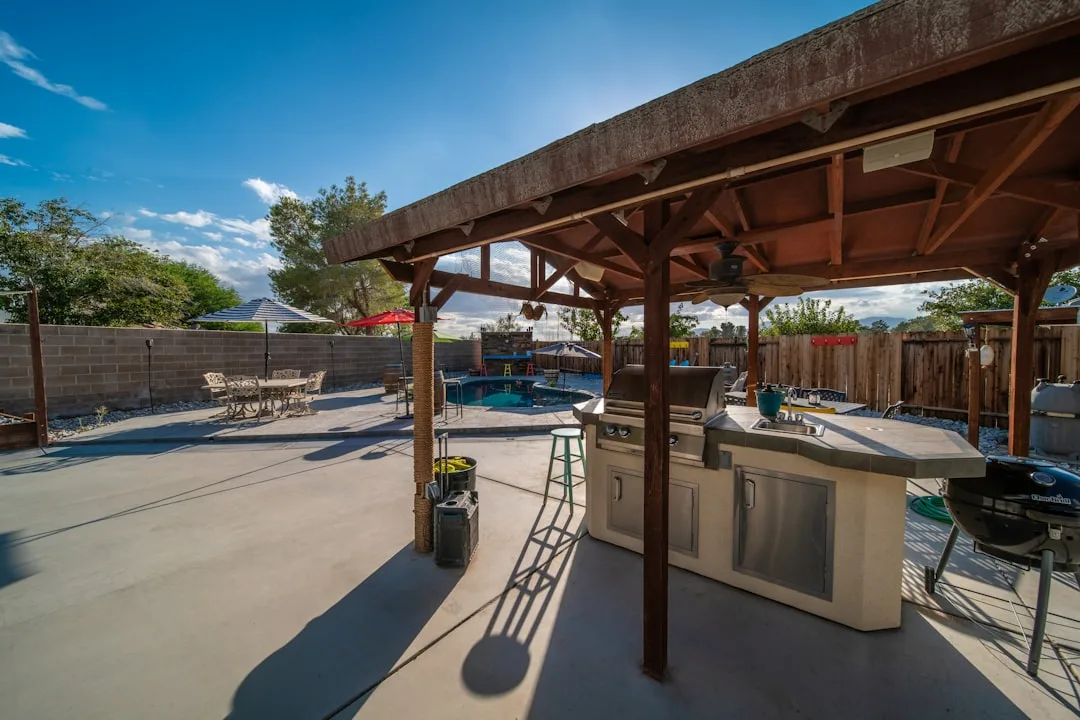
Your backyard looks exactly like everyone else’s: a concrete pad, a standard umbrella, and wasted potential. By June 2026, that assumption costs you real money in cooling costs, weather damage, and unused outdoor space. Backyard pavilion structures have become the counter-trend to enclosed patios, offering weather protection without walls, shade without permanent fixtures, and aesthetic authority without the price tag of a full sunroom addition.
Homeowners are abandoning the 2020s trend of enclosing outdoor spaces because open-air pavilions solve the actual problem: they protect from sun and light rain while preserving the airflow, natural light, and spatial openness that made backyard investment worthwhile in the first place. Climate control meets design efficiency.
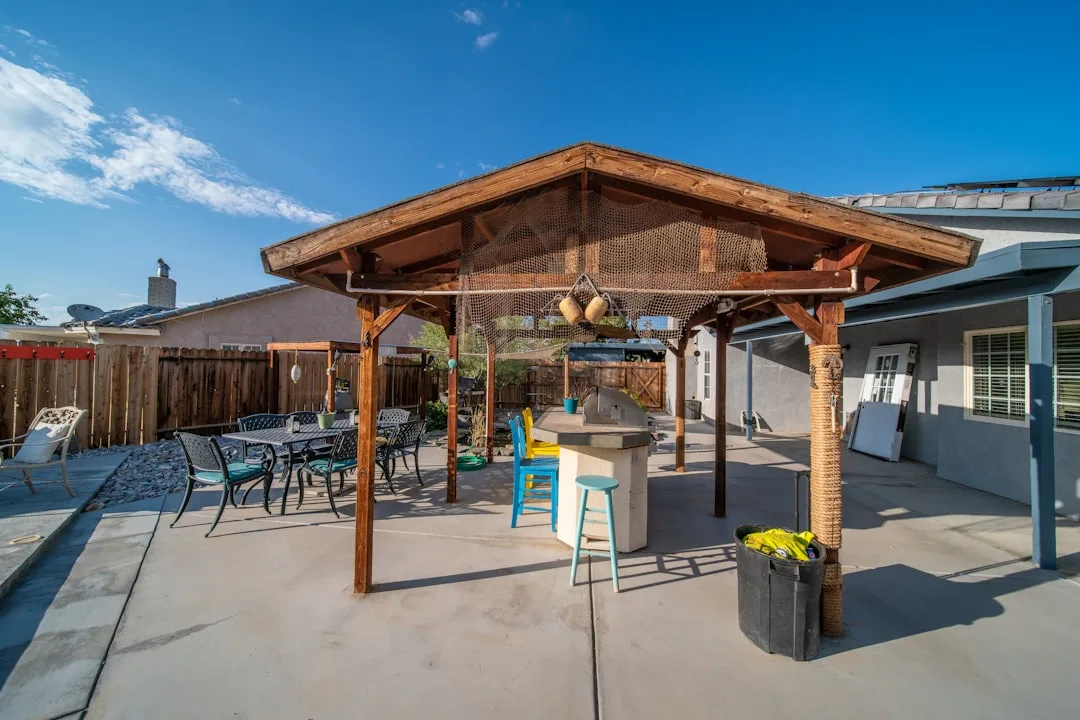
Why Pavilion Frames Outsell Enclosed Structures
Enclosed patios cost $15,000–$35,000 installed, trap heat in summer, require permit processes, and reduce the perceived size of your yard. Open-air pavilions cost $4,000–$12,000 for quality materials and installation, maintain airflow, and read as intentional architecture rather than defensive construction. The cost difference alone—saving $10,000 minimum—redirects budget to landscaping, furniture, and material upgrades that actually enhance visual value.
Permitting and labor speed matter too. An enclosed structure requires full building permits, electrical work, and HVAC considerations in most jurisdictions. A pavilion with a permanent foundation but no walls bypasses many regulatory hurdles, cutting installation time from 8–12 weeks to 3–5 weeks. That speed difference means enjoying your outdoor investment in a single season rather than losing a year to contractor scheduling.
Quick Tips:
- Measure your space first—pavilions work best in yards 20×20 ft or larger
- Aluminum frames resist rust and require zero maintenance; wood frames demand annual sealing
- Install ceiling fans ($200–$400 each) to push hot air and create air circulation in still conditions
- Choose shade cloth over solid roofing to allow 30–50% light transmission and maintain sightlines
- Position pavilions 8–10 feet from property lines to avoid neighborhood sight-line conflicts
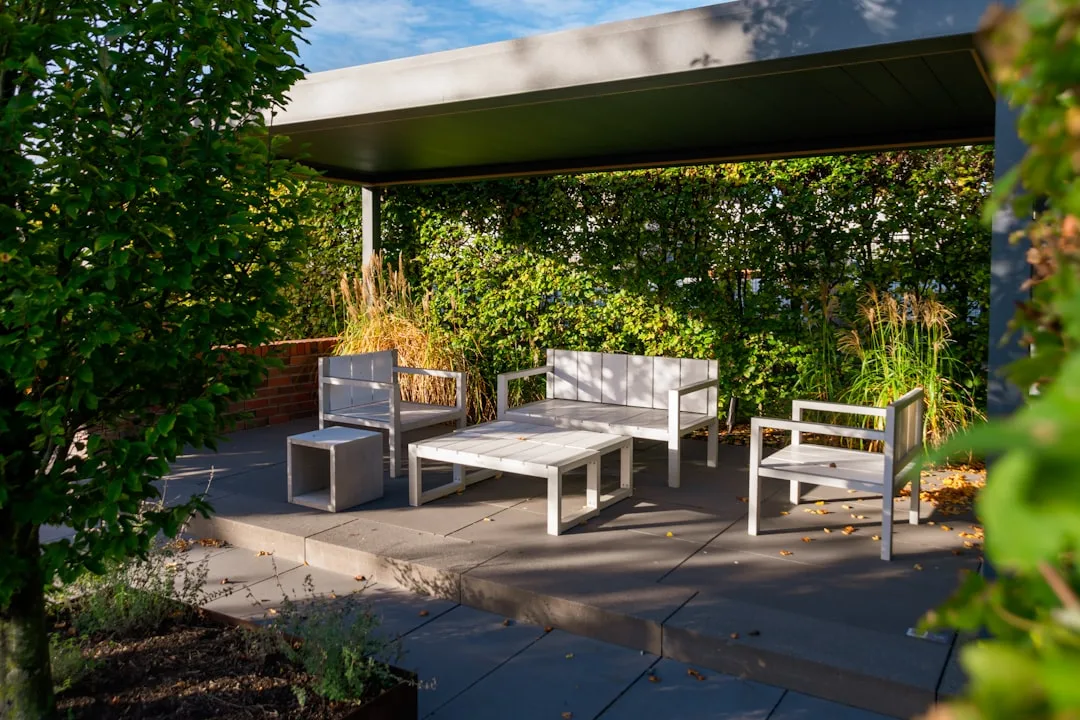
Materials That Define 2026 Pavilion Quality
Shade cloth from Sunbrella ($25–$45 per linear yard) dominates the trend because it balances UV protection (95% blocking) with airflow and aesthetic refinement. Applied to aluminum frames like those from Toja Grid ($3,200 for a 10×10 base unit), the combination costs roughly $5,500–$7,000 installed and requires no seasonal maintenance beyond occasional rinsing. That stands against solid polycarbonate roofing, which traps heat underneath and feels more like an enclosed structure psychologically.
Cedar wood frames from companies like Backyard Discovery ($4,000–$9,000 for 12×14 models) appeal to homeowners investing in the rustic or French countryside aesthetic. Cedar resists rot naturally but demands sealing every 24–36 months; skipping this step leads to gray splintering and structural weakness within 5 years. Steel frames with motorized retractable shade systems from Solara Shade ($12,000–$16,000 installed) serve luxury markets but offer unmatched control—open the roof in mild weather, close it during intense sun or light precipitation.
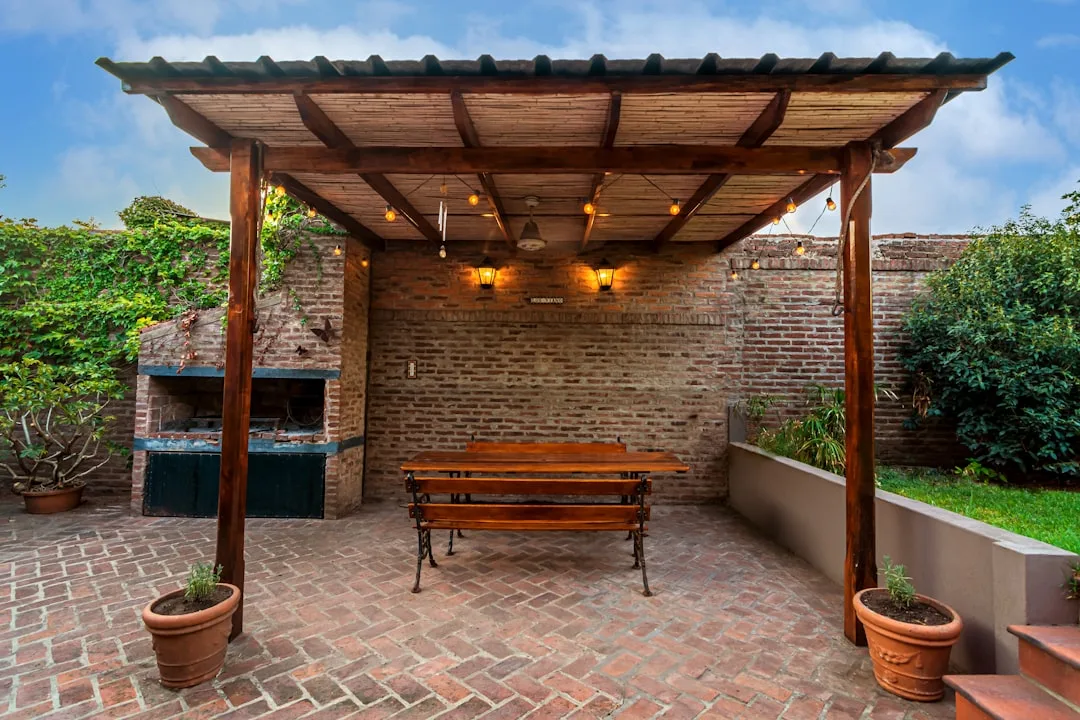
Installation Mistakes That Waste Money
The most expensive error is installing a pavilion without proper post anchoring or frost-line foundation work. Many DIY enthusiasts or budget contractors pour concrete footings only 12–18 inches deep; in frost-prone zones, frost heave displaces posts 1–3 inches vertically after winter, destabilizing the entire structure and requiring costly jacking and repair ($2,000–$4,000). Footings must extend below your local frost line—typically 36–48 inches in northern climates—adding $800–$1,200 to labor but eliminating structural failure risk.
A second failure mode is oversizing the shade cloth. Cloth that hangs too low creates wind pockets and billowing, accelerating material fatigue and frame stress. Proper tension—maintained at 1.5–2 inches of drape per 10 feet of span—preserves cloth life and keeps the structure looking deliberately minimal rather than sagging. Hiring a professional installer familiar with tension calculations saves replacement costs (new cloth runs $1,500–$3,000 every 7–10 years if poorly maintained).
How Pavilions Fit Modern Landscape Strategy
Pavilion placement anchors the broader outdoor room concept gaining traction in 2026 design. Position the structure 15–20 feet from your house, creating a distinct outdoor living zone rather than an extension of interior space. This separation encourages intentional use—a pavilion feels like a destination, not a covered extension of the kitchen.
Pair pavilion structures with permeable paving like decomposed granite or permeable pavers underneath (approximately $8–$12 per square foot installed) to manage stormwater while creating clean sightlines. Stagger planting—native shrubs and small trees—around the pavilion perimeter rather than directly beneath it to maintain sight-through openness and preserve the structure’s visual lightness. This approach echoes the design philosophy behind modern facade treatment, where material honesty and structural clarity define aesthetic authority.
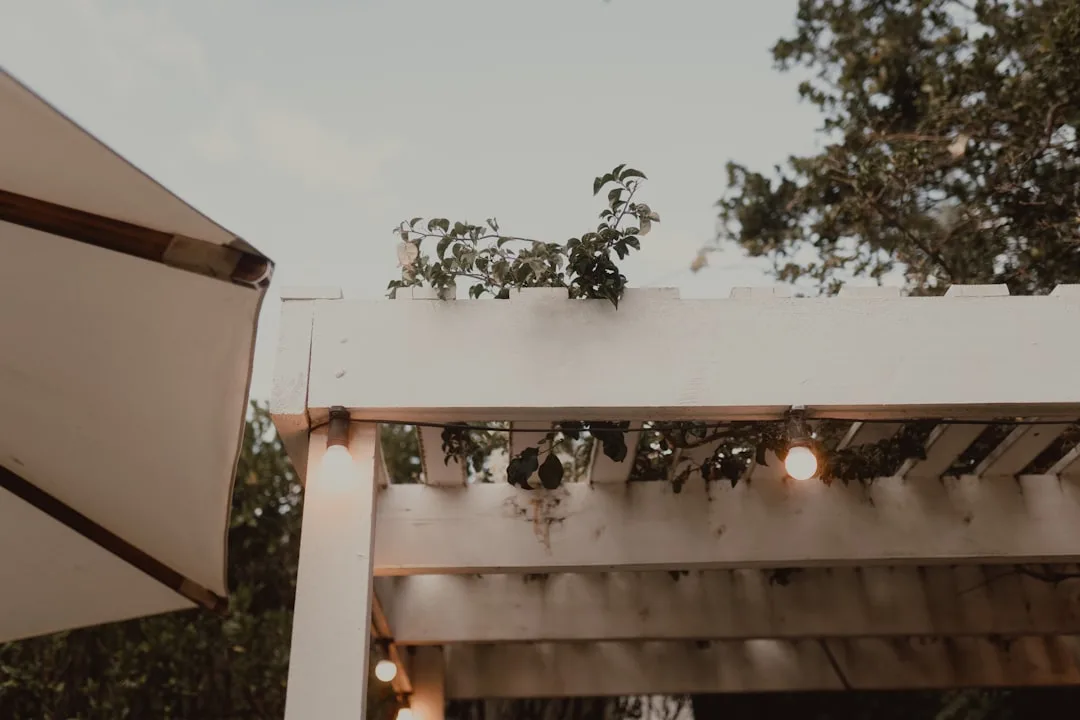
Lighting elevates pavilion functionality into evening hours. Integrated LED strips ($200–$600 for full installation) mounted to underside beams provide task lighting for dining while maintaining the open-air atmosphere. Solar options exist but deliver inconsistent brightness; hardwired LEDs on a dimmer switch cost more upfront but deliver reliable illumination and justify the pavilion investment year-round.