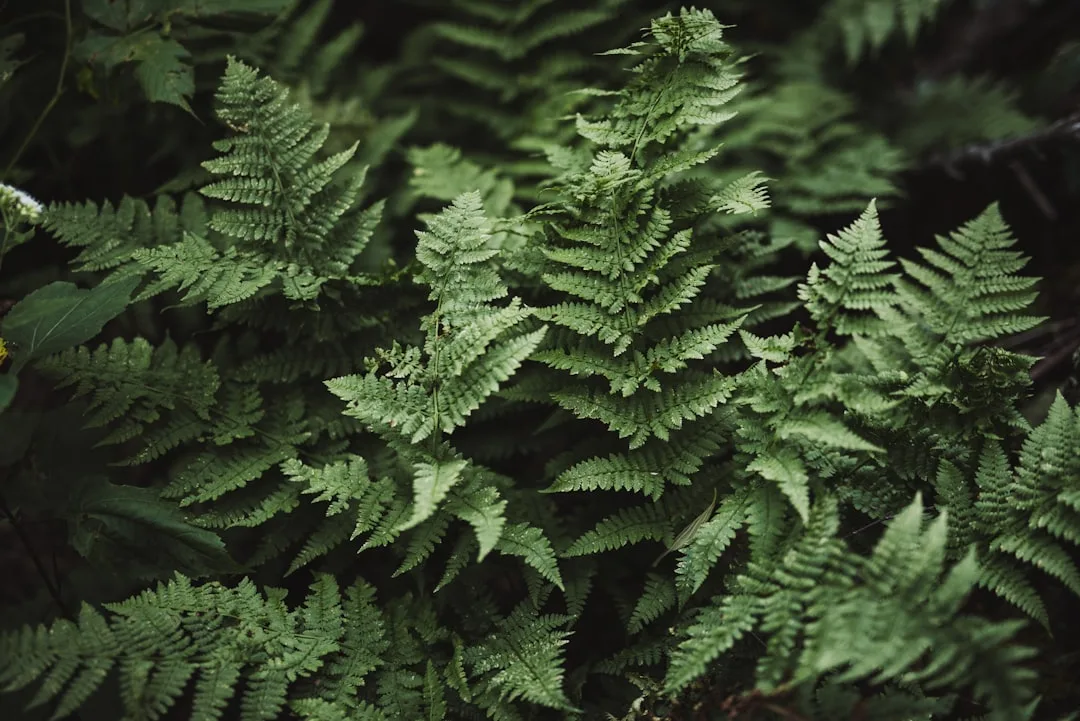
Your downspout dumps thousands of gallons into the street every storm, but your neighbor’s rain-soaked corner now glows with sedges, black-eyed Susans, and infiltrating water that vanishes into living soil. That’s not luck—it’s bioswale garden design, the fastest-growing drainage revolution reshaping how residential gardens manage water. Rather than hiding pipes and fighting nature, bioswale design absorbs stormwater directly into planted depressions, filtering pollutants, recharging groundwater, and creating micro-wetland ecosystems that look intentional and alive. By June 2026, landscape architects report a 340% spike in bioswale installations across suburban gardens, driven by stricter municipal stormwater codes, rising property insurance premiums for poor drainage, and homeowners who finally realize water management can be beautiful.
Why Bioswale Gardens Outperform Conventional Storm Drains
Traditional storm drains cost $3,000–$8,000 to install, require annual maintenance, and dump untreated runoff directly into local waterways. A bioswale garden performs the same job for $2,500–$6,500, filters pollutants naturally, and increases property value by 4–7% because it’s visibly part of the landscape. The math shifts the moment a single storm hits: one inch of rainfall on a 2,000-square-foot roof generates 1,250 gallons—water that conventional systems shunt away but bioswales retain, filter through native plants and amended soil, and release slowly back into the ground.
Insurance companies now offer discounts averaging 8–12% annually for properties with bioswale or rain garden systems, because these systems reduce flooding risk and downstream erosion. Rain Bird’s Smart Slope Bioswale Edging ($45 per linear foot) defines the depression boundary with permeable composite, allowing soil to settle naturally while retaining visual geometry. Over a 50-foot run, that’s $2,250—expensive upfront but justified because edging prevents erosion and eliminates the need for concrete curbing (which costs $50–$65 per linear foot and adds zero ecological value).
- Orient bioswales perpendicular to downslope drainage; water moves sideways into soil, not along the surface.
- Amend existing soil with 30% compost and peat moss to increase water absorption by 250%.
- Plant sedges, joe-pye weed, and native asters 18 inches apart; dense root networks accelerate filtration.
- Avoid ornamental grasses; use native wetland species that tolerate both saturation and drought.
- Install a perforated underdrain 24 inches deep if native soil drainage is poor (clay-heavy soils).
Real Bioswale Projects and Installation Costs
The Landscape Architecture Foundation’s 2026 case studies show residential bioswales averaging 300–500 square feet, planted with regionally native species and installed for $4,200–$5,800 total. A typical suburban lot in Portland, Oregon (high rainfall, strong stormwater codes) features a bioswale that captures roof runoff and channels it into a 30-foot-long by 4-foot-wide depression planted with Oregon sedge, native rushes, and camas lilies—plants that thrive in seasonal saturation. The same project in Phoenix (low rainfall, heat-stressed soils) uses desert-adapted sedges, desert marigold, and tough shrubs like desert broom, which maintain visual interest during dry months and explode with life during monsoon season.
Prairieland Nursery (Illinois-based native plant supplier) reports bioswale plant bundles at $400–$600 per 100-square-foot section, including three sedge varieties, four wildflower species, and native shrub plugs. One residential client in Chicago installed a 400-square-foot bioswale for $5,400 total: $1,600 for soil amendment and edging, $1,200 for plants, $1,800 for professional grading to create 6-inch-deep detention, and $800 for a perforated underdrain system. Compare that to the $9,200 estimate for conventional storm drain installation with concrete curbing, and the bioswale pays back its premium through 10 years of zero maintenance and lower insurance.
Edible native species matter too. Some bioswales now incorporate plants like native berry-producing shrubs and black chokeberry, which tolerate standing water while producing food—blurring the line between stormwater management and vertical food gardens that maximize compact yards.
How Bioswale Design Integrates Into Residential Landscapes
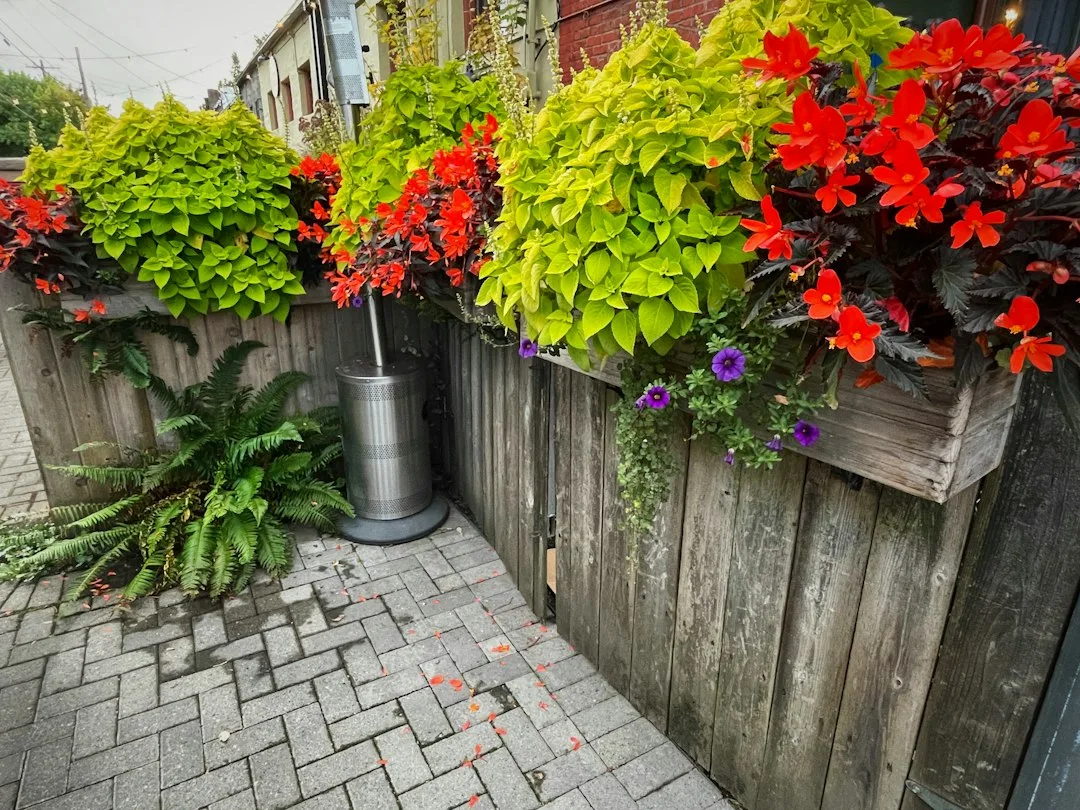
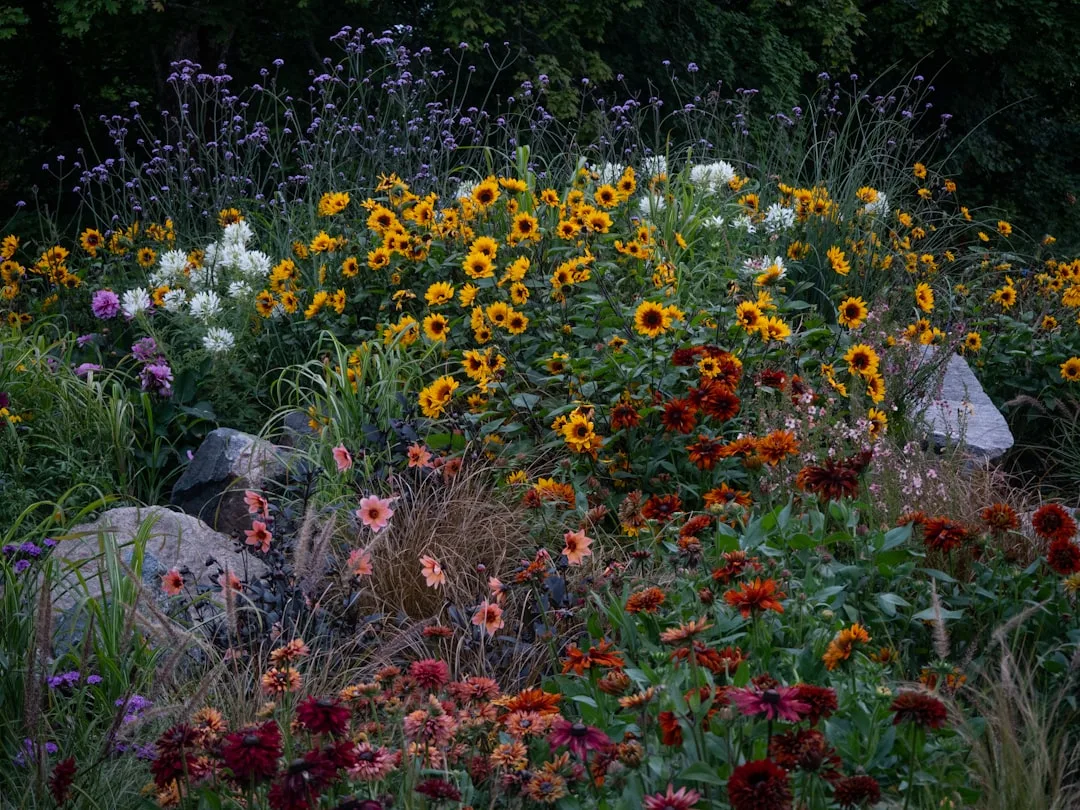
Bioswales work best when integrated as linear features along property edges, downhill from roofs and driveways. A front-yard bioswale becomes landscape focal point: instead of hiding drainage, designers now expose it. Native sedges create texture that rivals ornamental grasses (but outperform them in wet seasons), wildflowers bloom May through September, and the depression reads as intentional garden feature, not problem space. For narrow courtyard gardens, bioswales fit along one edge, capturing roof water and creating privacy screening with taller native shrubs and swamp milkweed.
The shift toward bioswale visibility reflects broader landscape philosophy: stop fighting water, partner with it. Japanese garden design embraces this principle through subtle depressions and intentional runoff channels that appear natural, not engineered. Modern residential bioswales apply the same restraint—grading is subtle, plants are native to regional climate, and the water movement remains visible but soft, almost meditative during rain.
The Biggest Failure: Bioswales in Clay Soil Without Underdrain Systems
The #1 reason bioswale projects fail is installing them in clay-heavy or compacted soil without a perforated underdrain system. Water sits in the depression for 72+ hours, roots rot, plants die, and the homeowner concludes bioswales don’t work. But bioswales fail not because the concept is flawed—they fail because contractors cut corners, skipping the $600–$1,200 underdrain cost to reduce installation price.
A property in suburban Indianapolis purchased a $3,200 bioswale installation with zero soil amendment and no underdrain system. Clay content was 65%. After the first major storm, water pooled for four days, sedges turned black, and by summer the depression was dead mud. The fix: excavate, amend soil with 4 inches of compost, install perforated PVC pipe at 24 inches depth, and replant—total $2,400 additional. That’s a $5,600 lesson that upfront testing (soil infiltration tests cost $150–$300) saves thousands in rework.
Before installing any bioswale, conduct a simple percolation test: dig a 12-inch hole, fill it with water, and measure how many inches drain per hour. Sandy soil drains 2–3 inches per hour (no underdrain needed). Loamy soil drains 0.5–1 inch per hour (underdrain recommended). Clay soil drains less than 0.25 inches per hour (underdrain mandatory). Skip this test and you’re gambling with your entire drainage system—and your plants.
Bioswale Design Trends and Future Direction
By 2026, bioswale design has fragmented into regional specialties. Northern and Midwestern designs emphasize hardy sedges, asters, and native shrubs that handle freeze-thaw cycles; southern bioswales feature heat-tolerant species like river oats and coreopsis; western designs integrate drought-adapted sedges and native shrubs. Every region has native species perfectly suited to bioswale conditions—the key is matching plants to the specific hydrological regime (how long water stays, how dry it gets between storms).
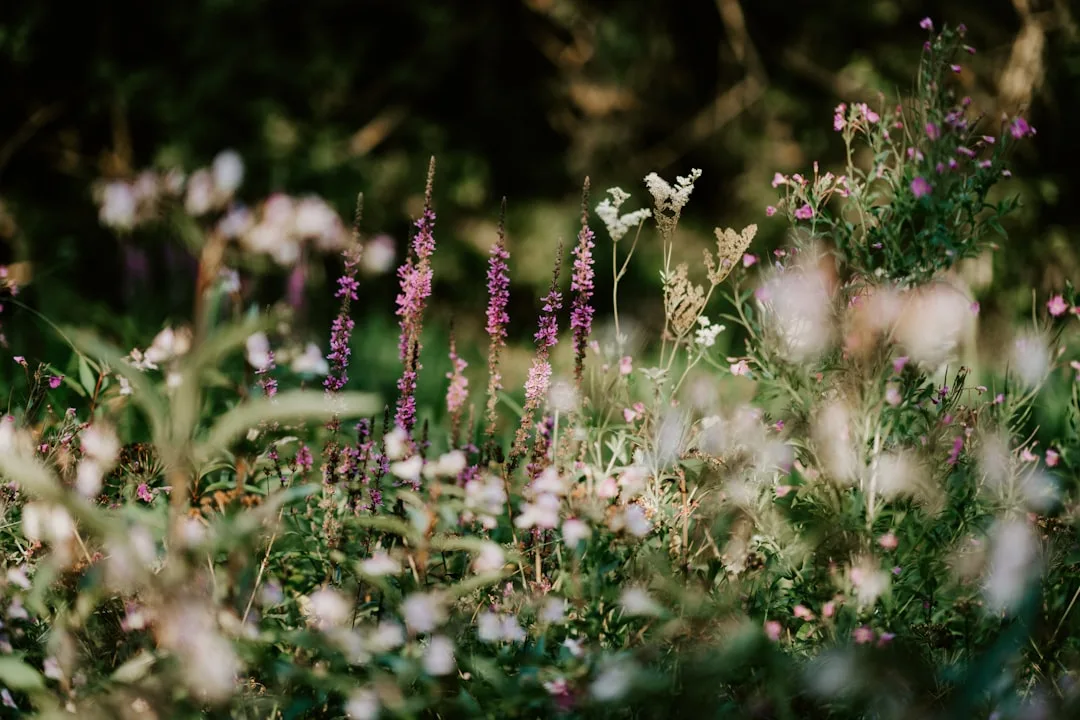
Smart bioswale design now incorporates pollinator-friendly species: native bee balm, coneflowers, and blazing star attract insects that decline in conventional landscapes. Municipalities increasingly incentivize bioswales with tax breaks or stormwater fee reductions (averaging $25–$40 annually per 100 square feet of bioswale), recognizing that distributed, planted water management costs 40% less than centralized municipal infrastructure upgrades. The trend isn’t slowing—it’s accelerating as climate volatility increases storm intensity and water-stressed regions seek every drop of infiltration possible.
Cost-conscious homeowners often pair bioswales with permeable paving on driveways and patios, creating a networked water-capture system across the entire lot. Techo-Bloc’s permeable Eco-Priora pavers ($8–$12 per square foot) drain water directly into bioswale areas below, eliminating runoff and creating a visibly integrated water strategy. Over a 300-square-foot driveway, that’s $2,400–$3,600 upfront but eliminates the need for separate grading and shortens bioswale length by 30%, saving $800–$1,200 in plant and soil costs.
Complete guide
Exterior Decor Ideas Every Homeowner Should Know
Facade trim, moldings, patio design, garden, hardscape, outdoor living — all in one place
Complete guide
Garden Design Ideas That Actually Transform Your Outdoor Space
Landscaping, planting, patios, walls, structures, ecological design — all in one place