
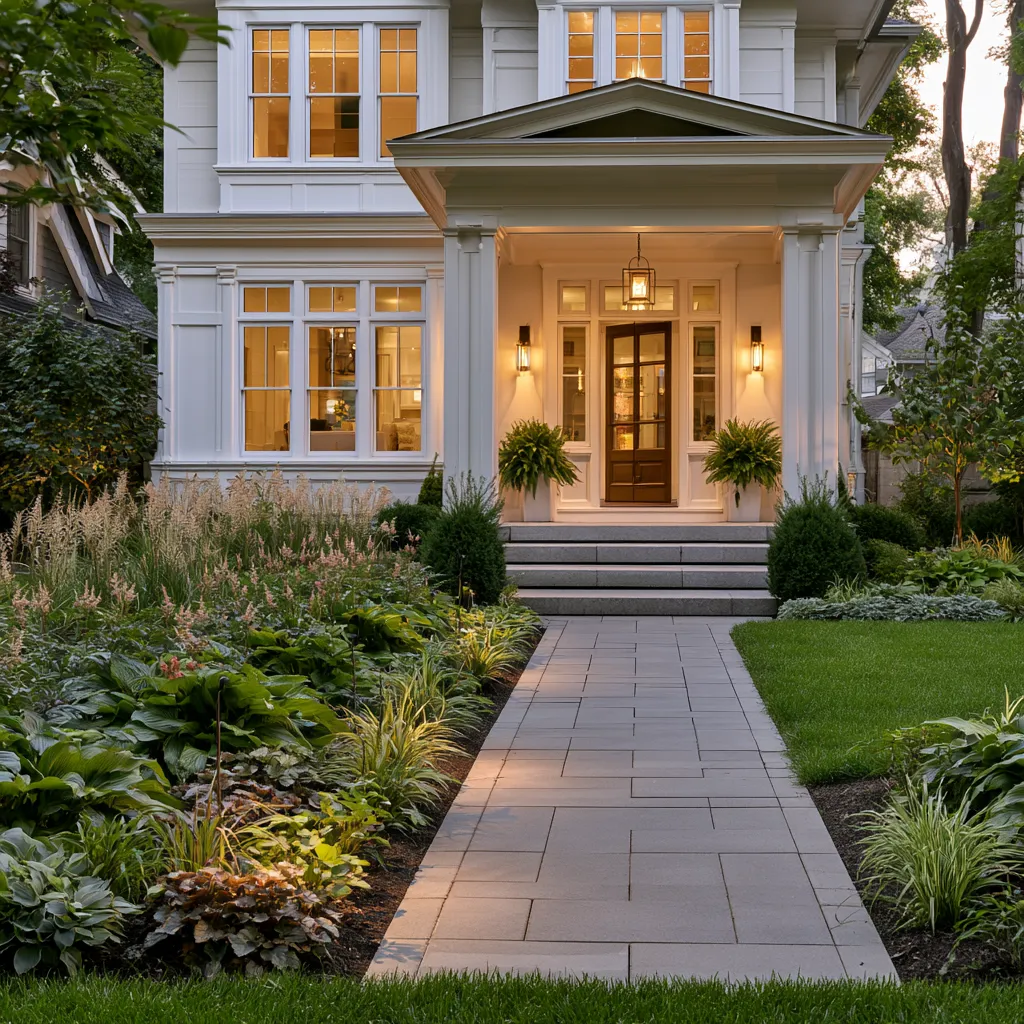
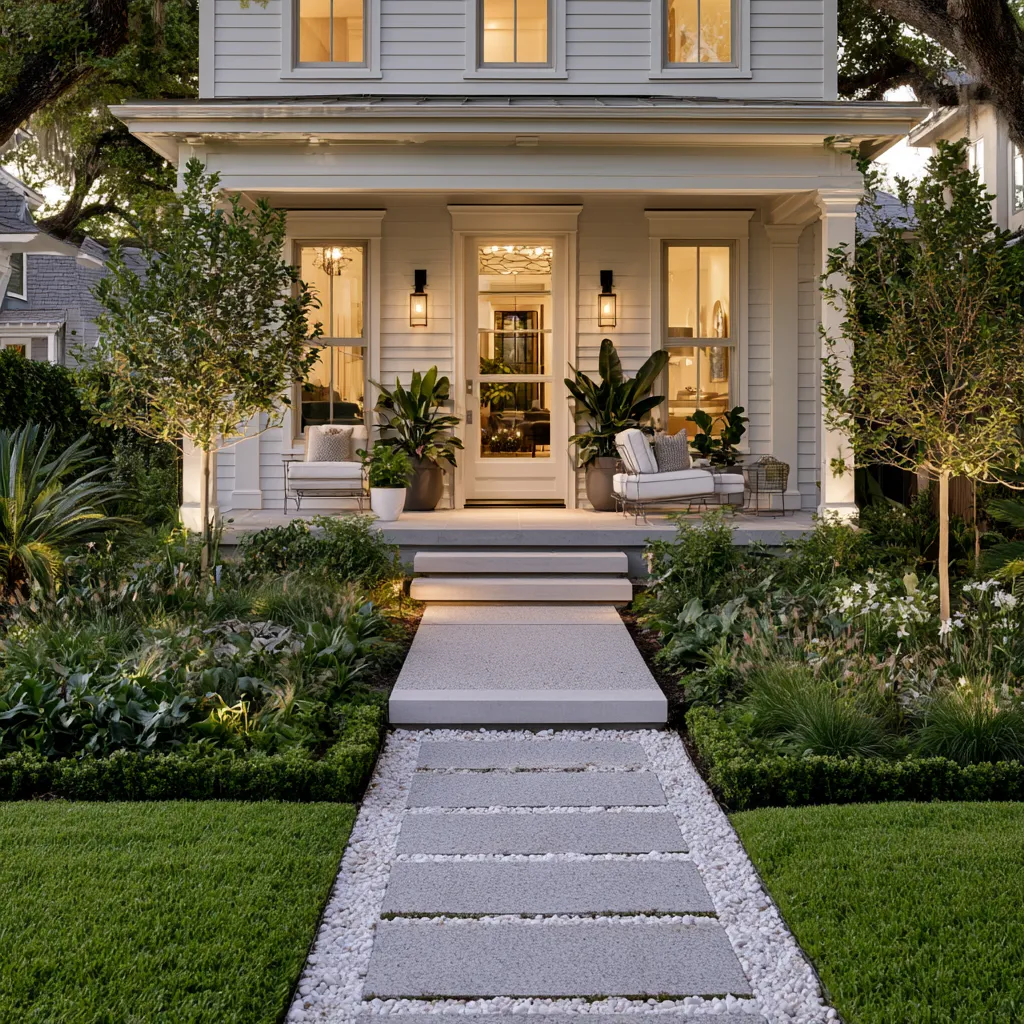
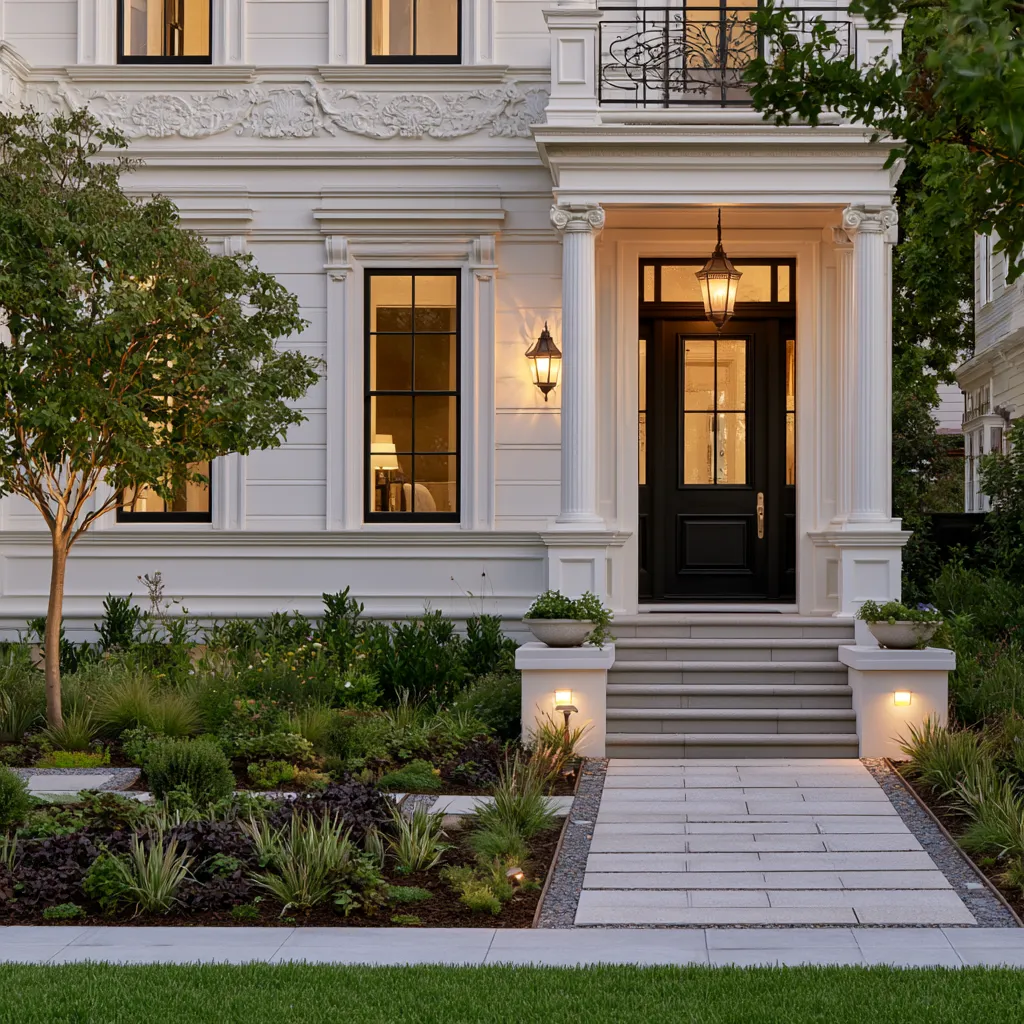
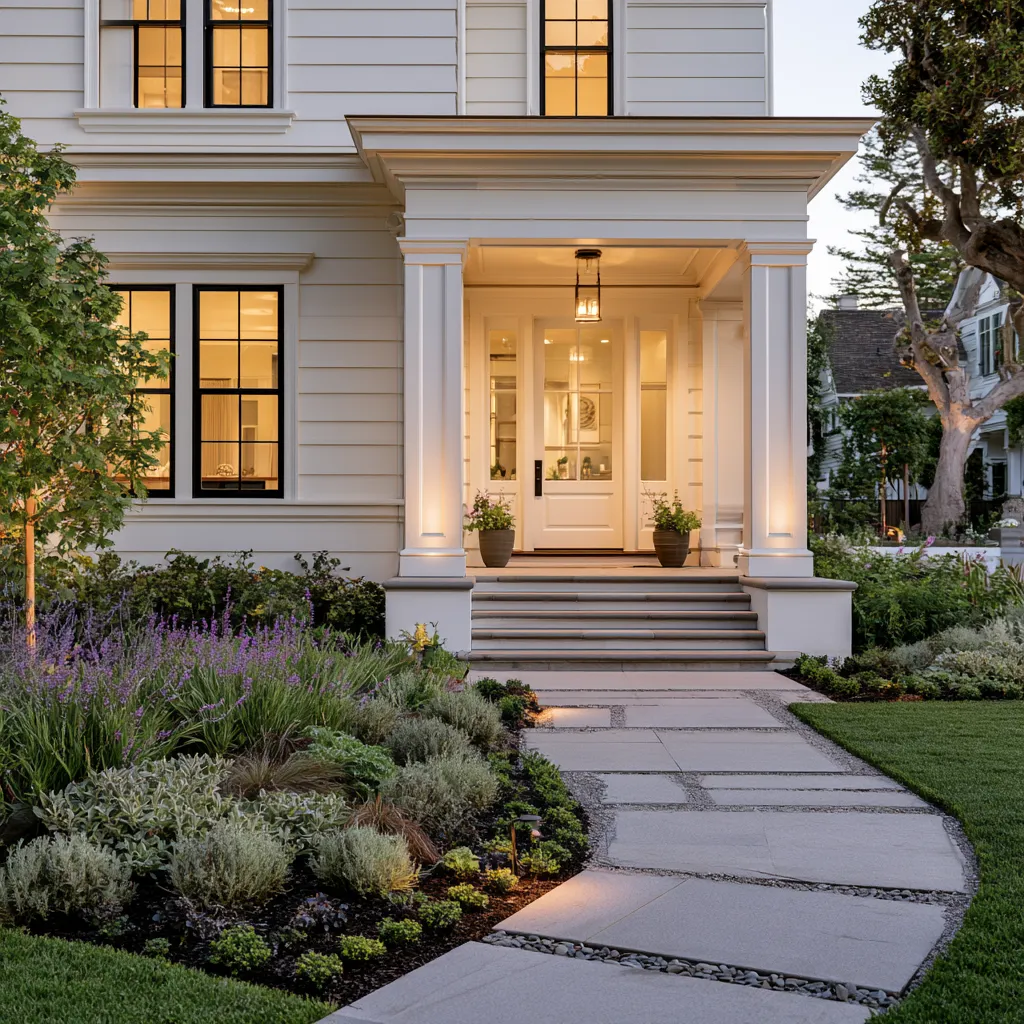
The way a home looks from the street shapes first impressions, property value, and daily satisfaction for the people who live there. According to the National Association of Realtors, strong curb appeal can boost a home’s sale price by up to 7%, while a well-designed outdoor living space adds an average of $15,000 to $20,000 in perceived value. Whether you are working with a classic colonial facade, a contemporary stucco exterior, or a naturalistic garden landscape, the right exterior decor ideas can redefine the personality of your entire property. This hub brings together 90 expert guides across every dimension of exterior design — from architectural moldings and facade color palettes to patio furniture, shade structures, and living garden walls — so you can find the inspiration and practical guidance you need in one place.
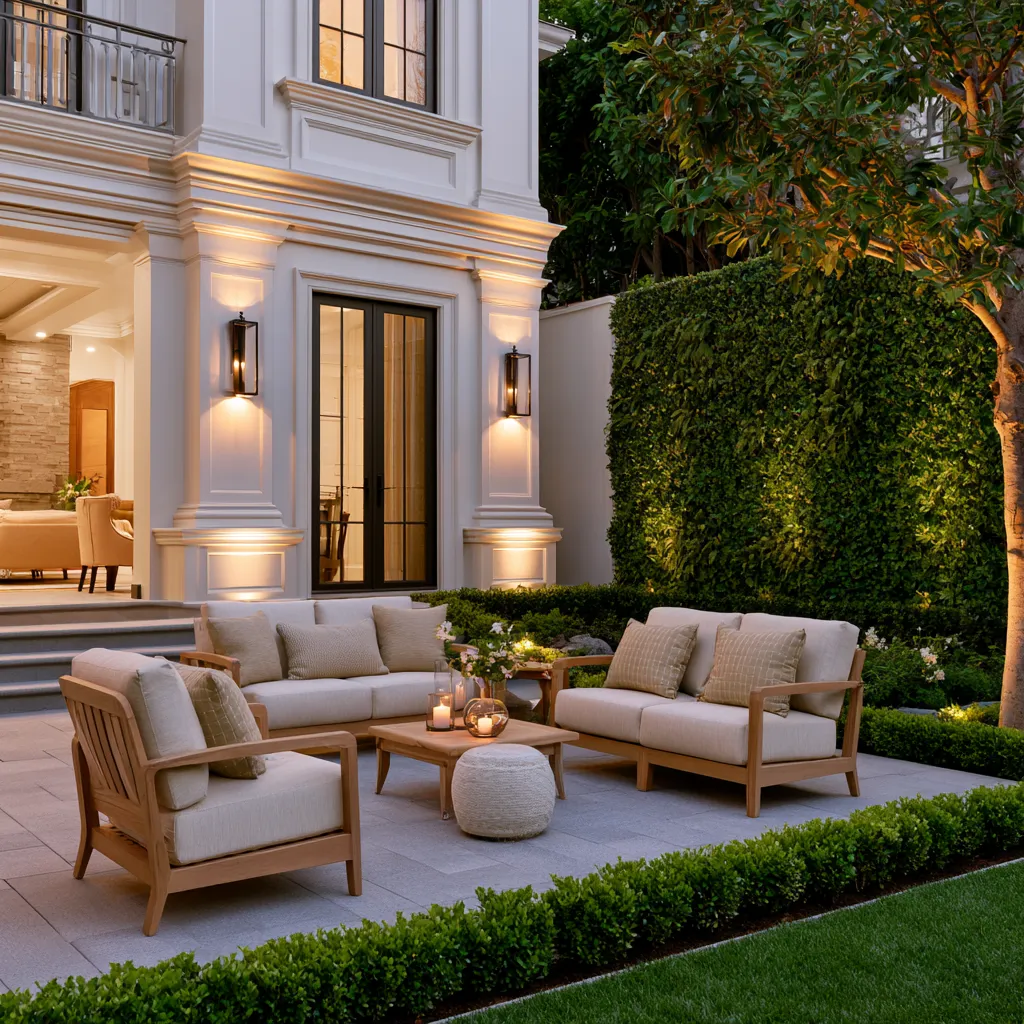
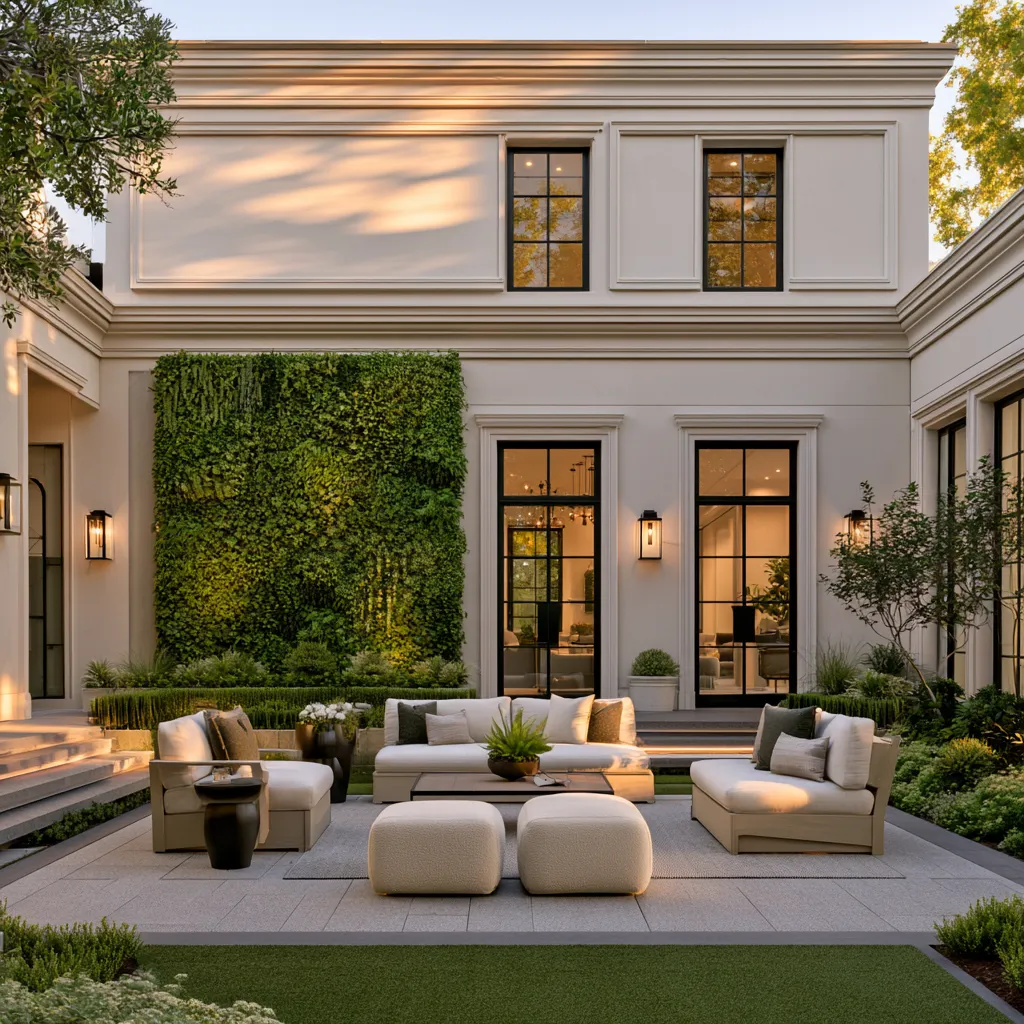
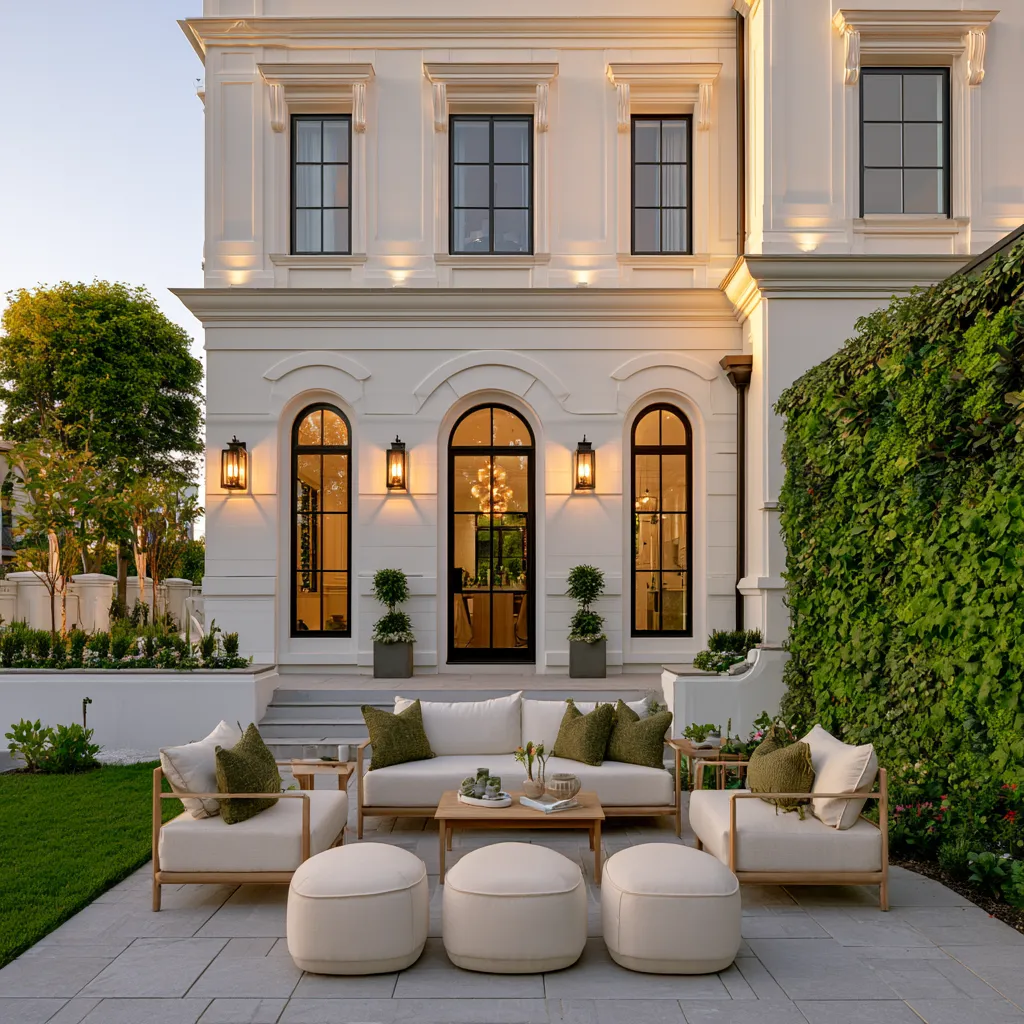
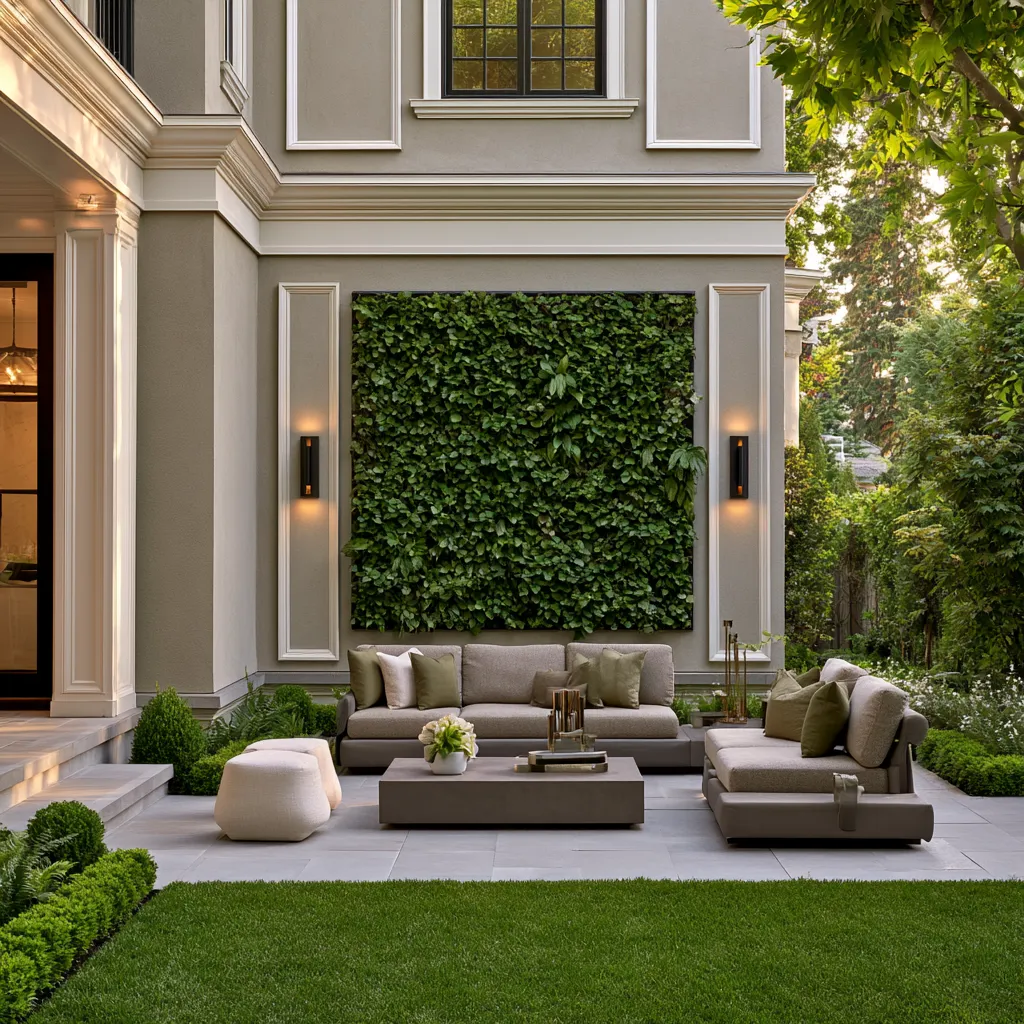
What Great Exterior Decor Ideas Have in Common
Successful exterior design balances four pillars: architectural character, material durability, landscape integration, and functional outdoor living. Homes that score well on curb appeal surveys consistently combine a well-articulated facade (defined by trim, moldings, and color contrast) with purposeful landscaping that frames the structure rather than competing with it. Outdoor living spaces — patios, pavilions, kitchen areas — extend the home’s usable square footage, with the American Institute of Architects reporting that outdoor living upgrades remain among the top five most requested home improvement projects for the fifth consecutive year. The guides collected here address all four pillars in depth, giving you a complete toolkit for transforming any exterior.
Facade Architecture and Exterior Trim Decor
The facade is the canvas for all exterior decor. Architectural moldings, window casings, door surrounds, column details, and cornice profiles define the visual richness of a home from the street. Foam-based EPS and polyurethane moldings now replicate the depth of traditional plaster and carved wood at a fraction of the weight and cost, making classical detailing accessible across budget ranges. Color choices — from crisp white trim on a navy body to warm gray on a sage green facade — determine the tonal relationship between the house and its surroundings. The articles below cover every major facade element:
- Modern Exterior House Pillars Design Changes What Your Facade Says
- Colonial Window Trim Exterior Makes a Flat Facade Look Like It Was Designed on Purpose
- 5+ Ways to Modernize a Classical Front Door with Decorative Trim
- 7+ Must-See Classical Exterior Window Casing Designs
- Discover the Versatility and Appeal of Styrofoam Stucco Trim in Exterior Design
- Exploring Architectural Aesthetics with Stucco Trim Around Windows
- Foam Window Trim on Stucco Looks Cheap Until You Pick the Right Profile
- 14+ Exterior Casing Inspirations for Stunning Window Surrounds
- Create the French Style Home Exterior of Your Dreams
- How to Use Roof Cornice Design to Transform Your Home Exterior
- 12+ Outside Window Border Designs Worth Copying
- 10+ Door Header Trim Ideas to Create a Striking Entryway
- Gateway to Grandeur: Innovative Entrance Arch Design Ideas
- 3+ Reasons You Need Exterior Door Decor
- Unique House with a Secret: Architectural Mouldings and Types
- Sophisticated Decor and Classic House Exterior Design Ideas
- Why Dark Trim House Exterior Are Interesting?
- Spectacular Classic Exterior Wall Decorations For House
- Outside Corner Trim Ideas That Actually Look Good on a Real House
- 10+ Things You Need to Know about Gable Cornice Designs
- 5+ Stunning Examples of Outside EPS Window Trim Enhancing Home Exteriors
- House Front Molding Design — Classic and Modern Facade Ideas with Photos
- Exterior Foam Molding for Windows and Doors Aesthetics Enhancement
- How to Choose the Perfect Square Column Caps and Bases in Classical Style
- How Modern Cornice Designs Influence Contemporary Architecture
- Top 5 Reasons for Using Architectural Foam Shapes
- The Complete Guide to Decorative Exterior Mouldings and Their Benefits
- Townhouse Design with Stucco Trim Foam
Exterior Color Palettes and Surface Treatments
Color is the fastest way to change a home’s personality without touching its structure. Warm grays dominated facade paint trends over the past two seasons, replacing the cool charcoals that defined the previous decade. Mixed-material exteriors — where brick, wood cladding, stucco, and metal panels are layered on a single facade — create depth and visual interest that a single-material finish cannot achieve. Monochromatic color blocking, where the body, trim, and architectural features share one tonal family with subtle value shifts, produces a sculptural, gallery-quality appearance increasingly seen in architecture publications.
- Warm Gray Exterior Paint Transforms Facade Architecture
- Monochromatic Color Blocking Transforms Exterior Facades Into Sculptural Statements
- Mixed-Material Exteriors Are Redefining the Renovation Conversation
- Turning Heads with Pink Hued House Facades
- How to Pair Gray Trim Molding with a Sage Green Exterior
- How to Use Black Trim Molding on a Crisp White Exterior
- 8+ Cool Navy Molding Around Outside Windows for Sophisticated Style
- Green Window Trim Exterior: 12+ Green Molding Ideas for Outside Windows
- 10+ Bold Black Molding Around Outside Windows for a Striking Contrast
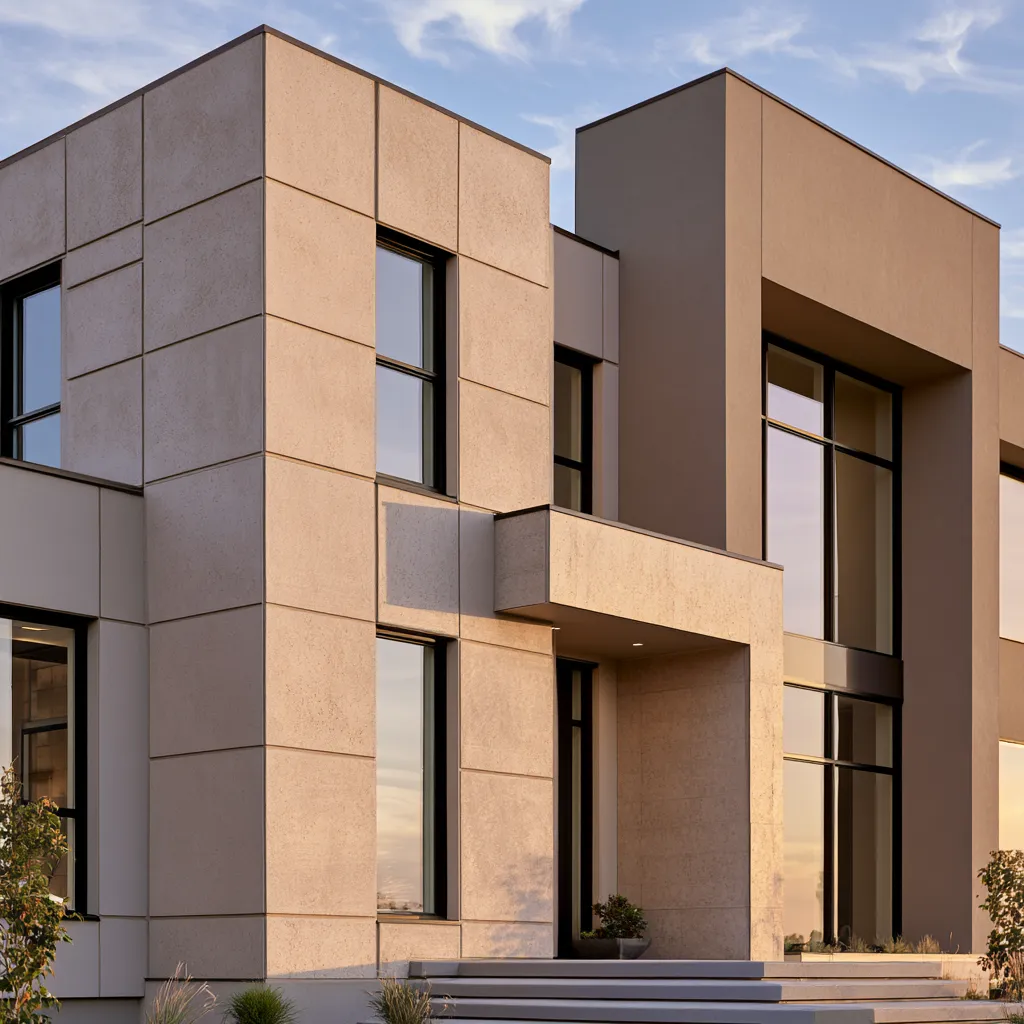
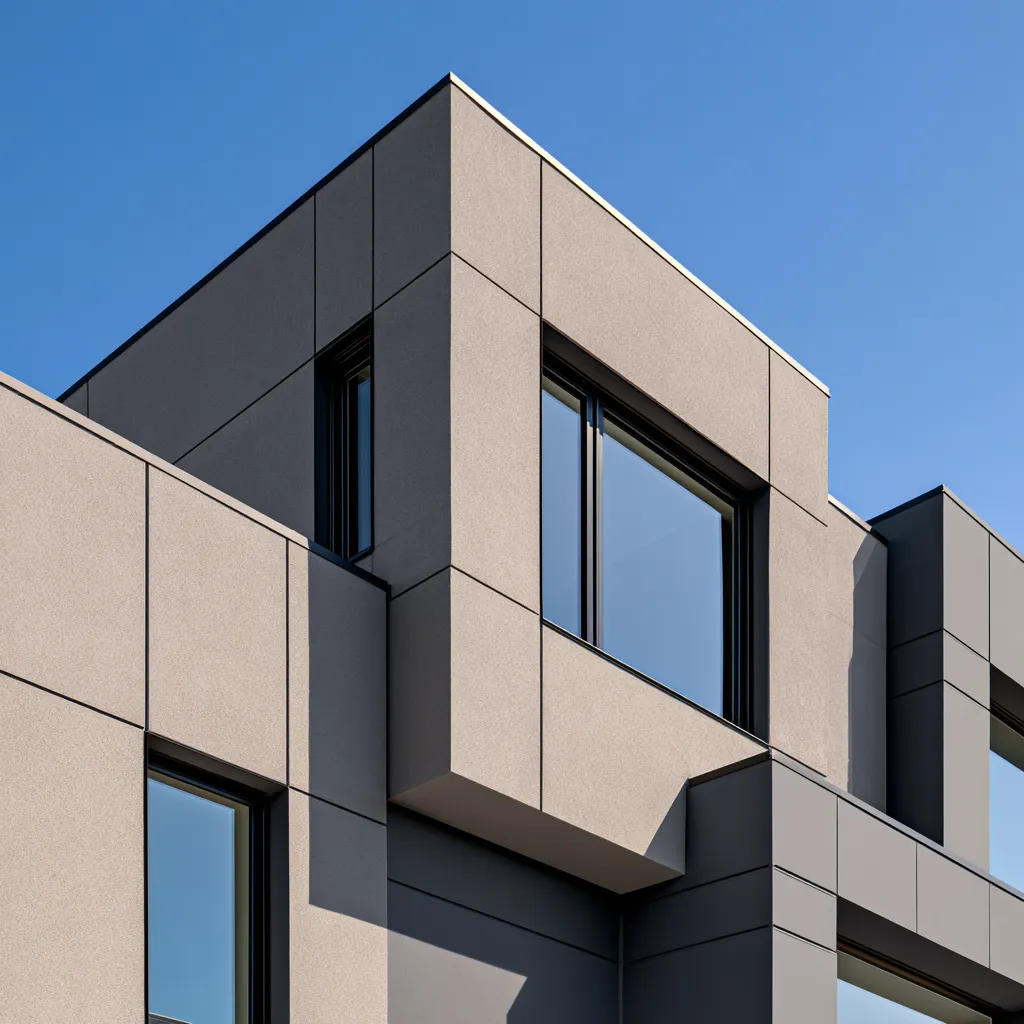
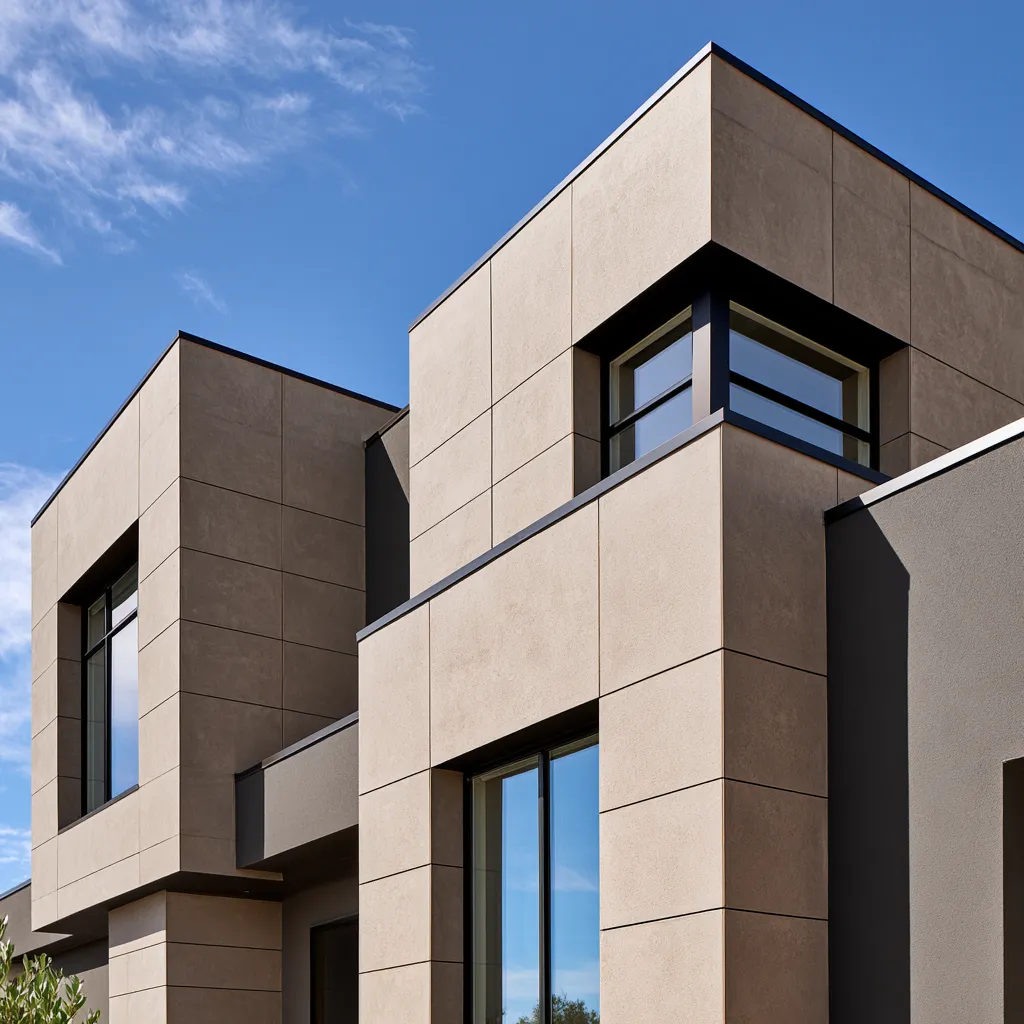
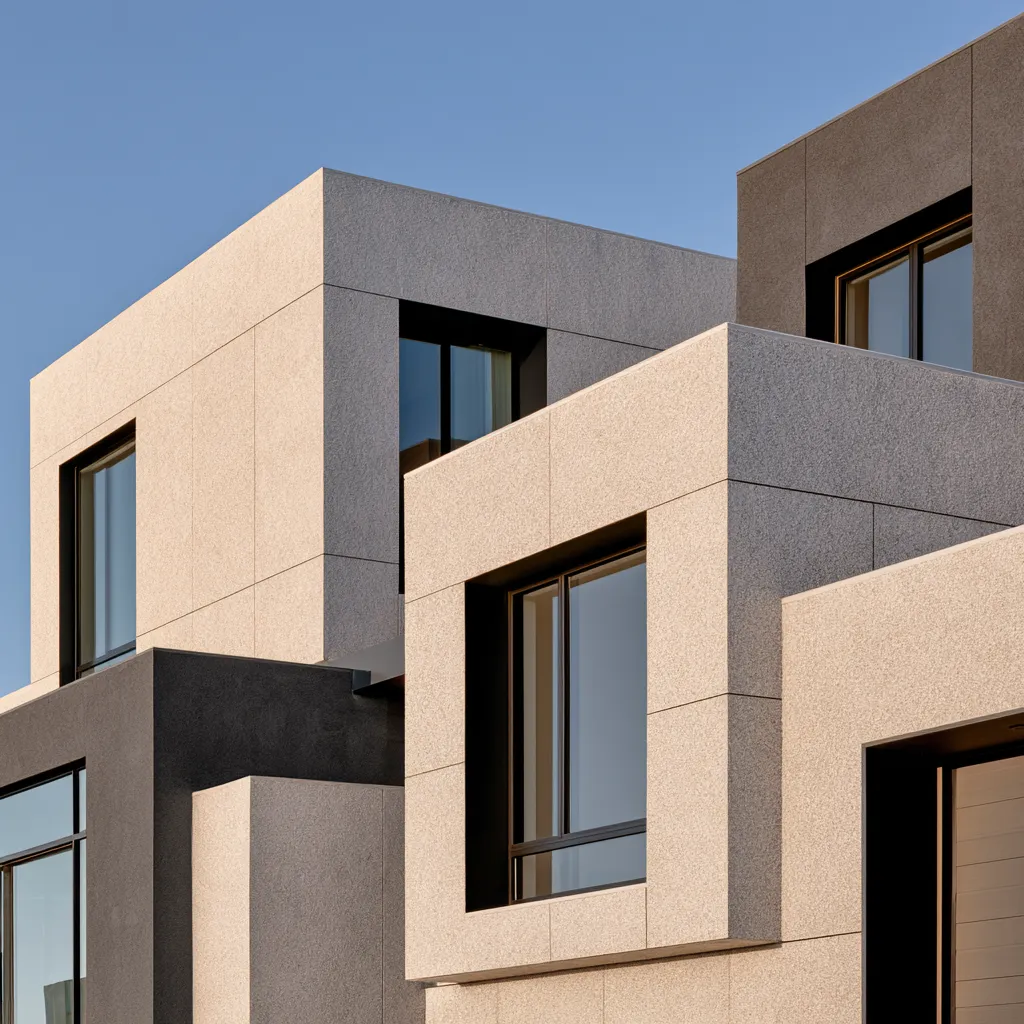
Windows, Doors, and Entry Features
Entry features are the focal point of any exterior decor composition. The front door accounts for roughly 5% of a home’s total facade surface area yet commands disproportionate visual attention — studies in environmental psychology show that observers fixate on entry points within the first three seconds of viewing a property. Frameless glass windows, smart glass technology, and motorized porch screens represent the intersection of aesthetic and performance innovation, offering transparency, privacy control, and thermal management without sacrificing design intent.
- Frameless Glass Windows — Why Boundary-Free Design Dominates Residential Architecture
- Smart Glass Windows — Why Switchable Technology Transforms Home Performance
- Smart Entrance Lighting Technology — Why Homes Upgrade
- Covered Porch Screens — Why Motorized Systems Dominate
- Porch Awnings — Why Motorized Retractable Systems Reshape Entry Design
- Porch Floor Materials — Why Permeable Pavers Replace Traditional Concrete
- Porch Railing Materials — Why Composite Decking Replaces Wood and Metal
- Modular Roof Panels — Why Prefab Installation Cuts Labor Costs
Outdoor Living Spaces and Patio Decor
Outdoor living has shifted from a seasonal afterthought to a primary design priority. The global outdoor furniture market reached $19.8 billion in value and is projected to grow at 5.4% annually through the end of the decade, driven by demand for high-performance fabrics, modular seating systems, and integrated kitchen infrastructure. Shade structures, misting systems, and outdoor daybeds extend the usable hours of a patio space well beyond what traditional fixed pergolas could offer. The right outdoor decor transforms a concrete slab into a four-season room without walls.
- Outdoor Cushion Storage Solutions Reshape Patio Organization
- Outdoor Kitchen Islands Reshape Backyard Entertaining
- Shade Structure Designs Replace Fixed Pergolas Across Landscapes
- Warm-Toned Outdoor Furniture Finishes Outshine Cool Gray Frames This Season
- Outdoor Furniture Fabrics — Why Performance Textiles Dominate Patio Design
- Outdoor Daybed Lounges Reshape Patio Seating Into All-Day Living Spaces
- Outdoor Shade Structures Evolve Beyond Pergolas
- Outdoor Privacy Screens — Why Slatted Designs Replace Solid Fencing
- Backyard Pavilion Structures — Why Open-Air Frames Replace Enclosed Patios
- Outdoor Misting Systems — Why Evaporative Cooling Reshapes Patio Comfort
- Outdoor Water Features Reshape Patio Design Into Living Ecosystems
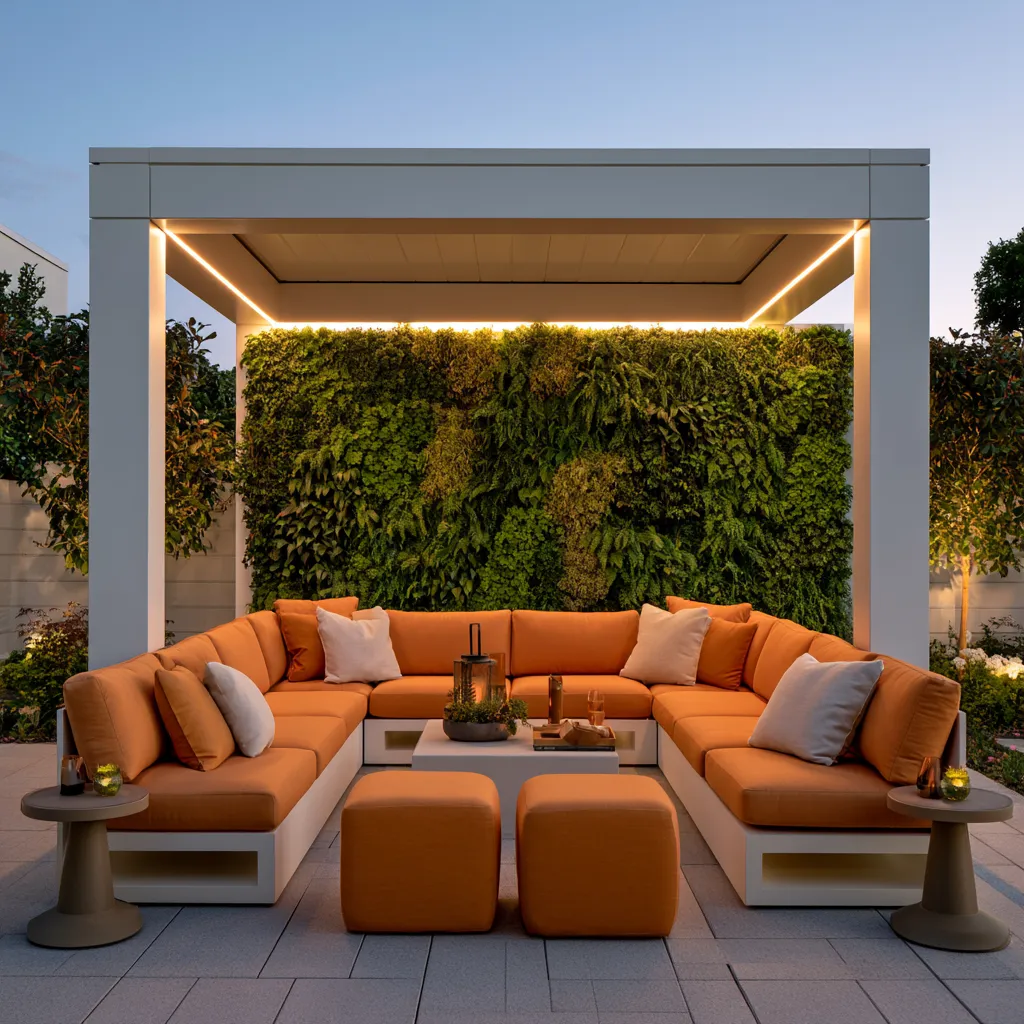
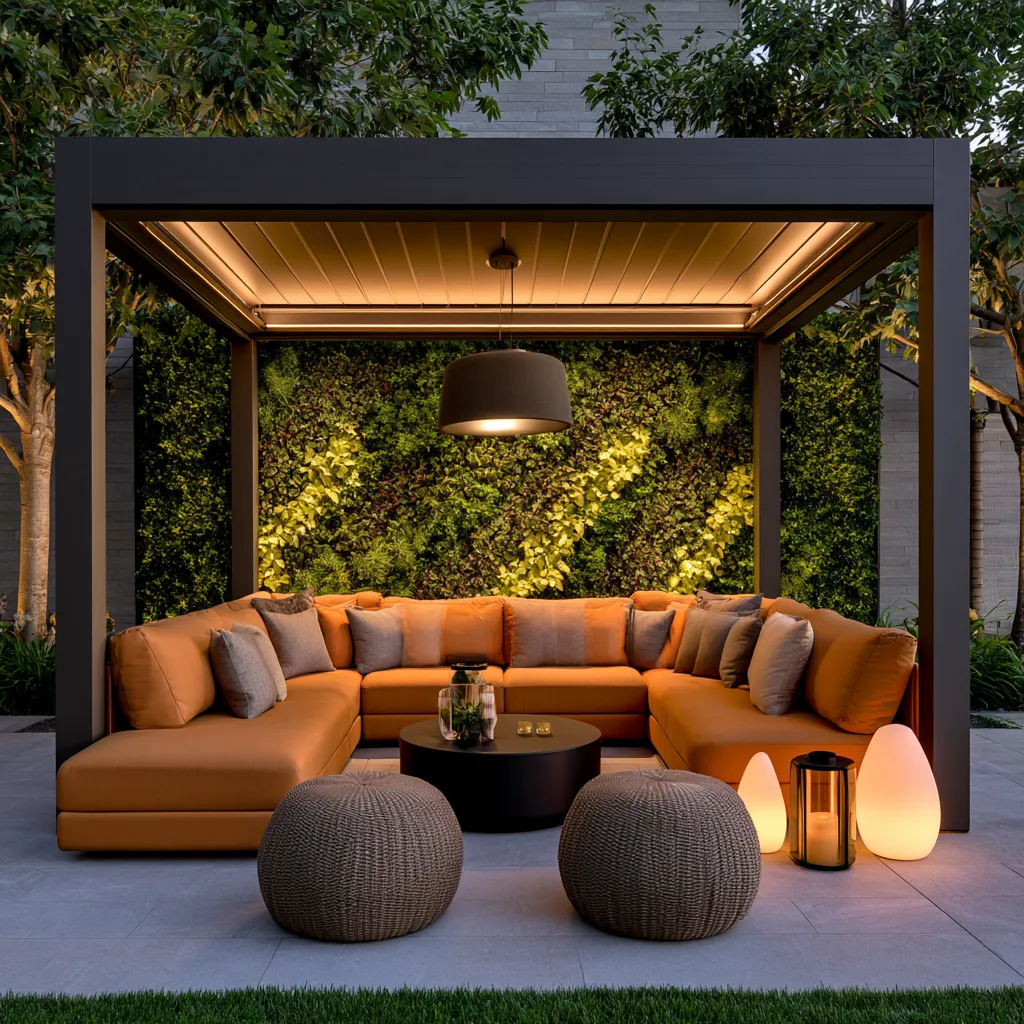
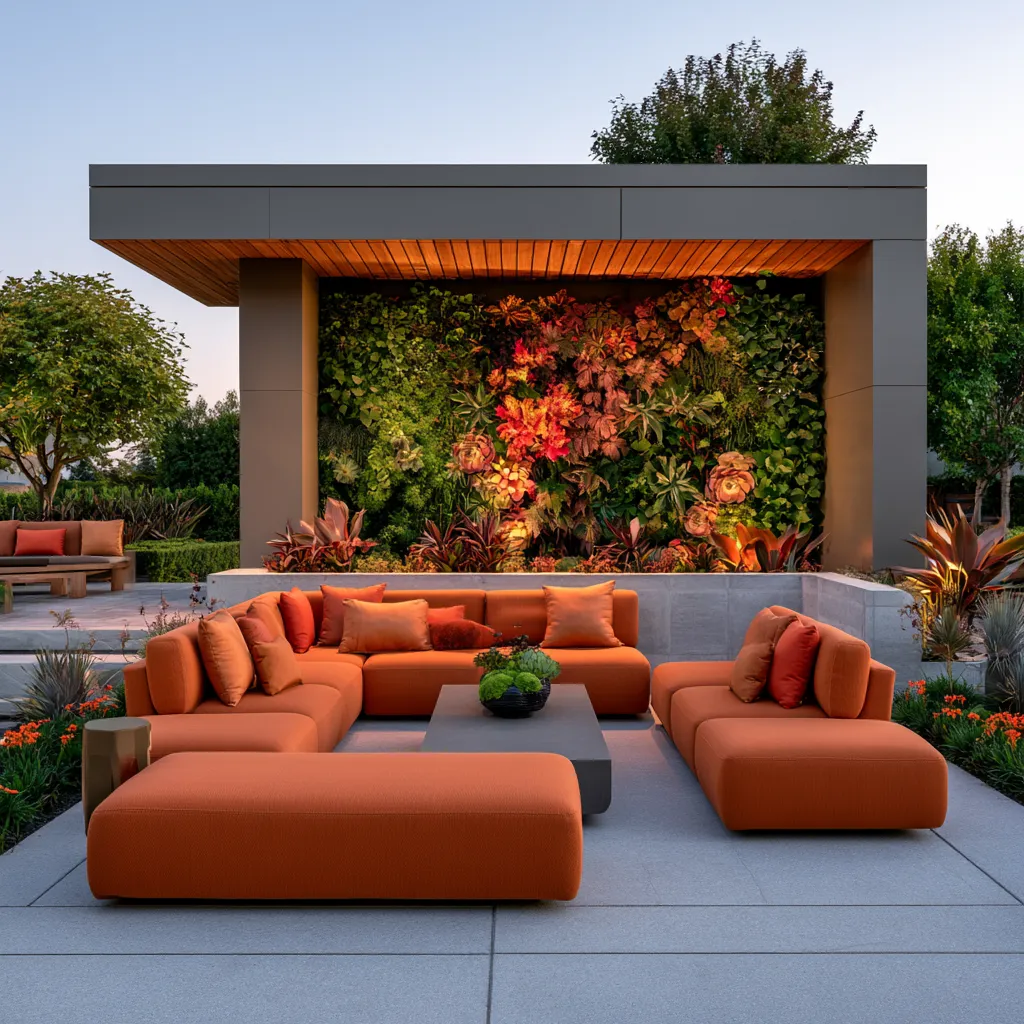
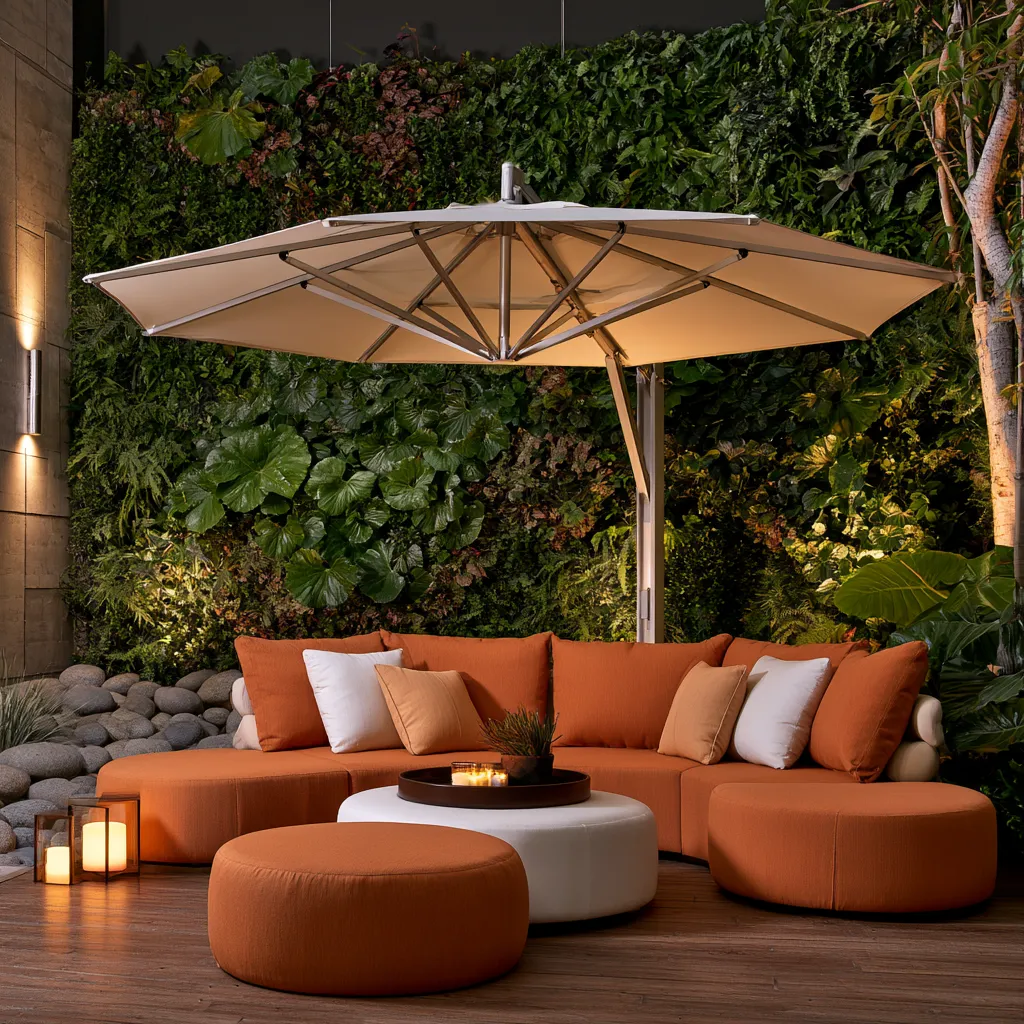
- Nature-Drenching: The Outdoor Trend That Erases the Line Between Garden and Home
- Nature-Drenching: The Outdoor Design Movement Rewriting What Gardens Are For
Garden Design and Landscape Exterior Decoration
Landscape design is integral to exterior decor — it frames the architecture, softens hardscape edges, and contributes ecological value that pure built materials cannot provide. Native plant gardens reduce irrigation needs by up to 70% compared to conventional turf, while vertical garden walls can lower an adjacent surface temperature by 5°C through evaporative cooling. Pollinator-friendly ground covers, bioswale drainage systems, and edible hardscaping represent a new generation of exterior decoration that performs ecologically while looking extraordinary.
- Vertical Garden Walls Reshape Compact Outdoor Spaces
- Vertical Garden Walls Transform Patios Into Living Structures
- Native Plant Gardens — Why Regional Flora Reshapes Residential Landscaping
- Native Plant Borders Transform Patio Edges Into Living Design Elements
- Native Plant Borders Are Replacing Manicured Hedges as Landscape Standards
- Outdoor Ground Cover Plants Reshape Patio Design Into Low-Maintenance Living Zones
- Drought-Resistant Ornamental Grasses — Why Textured Perennials Replace Water-Hungry Borders
- Shade Garden Plants — Why Low-Light Landscaping Dominates Residential Design
- Low-Maintenance Perennial Gardens — Why Resilient Plants Reshape Residential Landscaping
- Mediterranean Container Gardens — Why Clustered Potted Plants Replace Sprawling Beds
- Front Yard Specimen Trees — Why Bold Focal Plants Replace Generic Landscaping
- Outdoor Kitchen Gardens Are Transforming Residential Cooking Spaces
- The Pollinator Lawn Takeover: Why Americans Are Finally Ditching Grass
- Edible Hardscaping: Why Designers Are Planting Food in Patios and Pathways
- Hydrogel Soil Crystals Transform Garden Water Retention
Hardscaping and Sustainable Exterior Design
Hardscaping — the non-living structural elements of an outdoor environment — accounts for the foundational grammar of exterior decor. Permeable paving systems, decomposed granite pathways, and bioswale channels address stormwater management while maintaining visual elegance. Fire-safe landscaping has become a regulatory and design priority in wildfire-prone regions, reshaping material choices across the entire garden. Climate-responsive design integrates shading, planting, and surface materials to reduce heat island effects, with permeable hardscape surfaces absorbing up to 80% of rainwater compared to 15% for conventional concrete.
- Decomposed Granite Pathways — Why Permeable Gravel Replaces Poured Concrete
- Water-Wise Hardscaping Design — How Permeable Surfaces Reshape Landscapes
- Bioswale Garden Design — Why Living Water Systems Replace Conventional Drainage
- Bioswales in Residential Landscaping — Why Stormwater Management Reshapes Garden Architecture
- Fire-Safe Landscaping Is Reshaping Garden Design From the Ground Up
- Climate-Responsive Landscape Design Protects Gardens From Extreme Weather
- 3D Printed Home Decor Replaces Mass Production With On-Demand Design
Pet-Friendly and Specialty Exterior Features
Modern exterior decor increasingly integrates features designed for pets, wildlife, and pollinators alongside human-centered amenities. Secure outdoor dog runs with landscape integration, pet water fountains embedded in garden design, and wildlife corridors through native plantings represent a holistic approach to the outdoor environment — one where every inhabitant of the property, two-legged or four-legged, is considered in the design brief.
- Outdoor Dog Runs — Why Secure Landscape Integration Replaces Traditional Kennels
- Pet Water Fountains in Landscape Design — Why Hydration Features Transform Outdoor Pet Spaces
Outdoor Entertaining and Events
An exterior space is not complete without considering how it performs as a venue for social life. Garden parties, reunion gatherings, and corporate team events increasingly take place in residential and semi-private outdoor settings, where the decor becomes part of the experience itself. Well-designed exterior spaces with proper shade, lighting, seating, and landscape framing reduce the need for event rental infrastructure and increase the perceived value of the property for hospitality purposes.
- Garden Party Events — Why Outdoor Entertaining Drives Social Calendar Priorities
- Reunion Event Planning — Why Nostalgia-Driven Gatherings Replace Generic Celebrations
- Corporate Team Building Events — Why Hybrid Experiences Drive Employee Retention
- Celebration Events — Why Experiential Gatherings Replace Traditional Formats
- Virtual Event Venues Drive Hybrid Celebrations
- Destination Wedding Events Drive Luxury Travel Growth
- Personalized Wedding Favors — Why Customization Drives Guest Connection
- Interactive Wedding Guest Experiences Replace Passive Attendance
Comparing Exterior Decor Approaches by Priority
Different homeowners prioritize different outcomes when approaching exterior decor. The table below maps the most common priorities against the design areas and guide categories most relevant to each goal.
| Priority | Key Design Area | Top Guide Categories | Typical Investment Range | Impact on Curb Appeal |
|---|---|---|---|---|
| Boost resale value | Facade trim and color | Moldings, color palettes, entry features | $2,000 – $15,000 | Very High |
| Expand usable space | Patio and outdoor living | Shade structures, kitchens, daybeds | $5,000 – $40,000 | High |
| Reduce maintenance | Landscape and hardscape | Native plants, permeable paving, ground cover | $1,500 – $10,000 | Medium-High |
| Improve sustainability | Water and material systems | Bioswales, permeable hardscape, fire-safe planting | $2,000 – $12,000 | Medium |
| Enhance architectural character | Windows, doors, structural trim | Cornices, arches, pillar caps, foam moldings | $1,000 – $8,000 | Very High |
| Create social atmosphere | Entertaining infrastructure | Pavilions, outdoor kitchens, lighting, privacy screens | $3,000 – $25,000 | Medium |
How to Approach Your Own Exterior Decor Project
Start with an honest audit of your facade’s current state. Walk to the street and photograph your home at the same distance a visitor would first see it — most homeowners discover that the entry zone is underarticulated, with flat surfaces where shadow and depth could carry the eye. From there, identify which of the six priority categories in the table above matters most to you right now. If resale is the goal, facade trim and color updates deliver the highest return per dollar spent. If lifestyle is the driver, investing in shade structures, outdoor kitchens, and privacy screens creates the outdoor room you will actually use every day.
Layer your improvements in sequence: structural and architectural elements first (trim, moldings, windows, entry), surface treatments second (paint, color, material combinations), then landscape framing (trees, borders, ground cover), followed by hardscape infrastructure (pathways, patios, drainage), and finally furnishings and accessories (furniture, lighting, water features). This sequence ensures that each layer supports and enhances the ones above and below it rather than competing for visual attention.
Every Guide in This Exterior Decor Collection
All 90 articles in this hub are organized by theme above. For quick reference, here is the complete list of all exterior decor guides available on this site, covering every topic from foam molding profiles to bioswale drainage design, from frameless glass windows to pollinator lawn transformation.
Each guide includes practical specifications, material comparisons, real project photography, and actionable design advice written for homeowners, landscape designers, and architecture enthusiasts who want to make informed decisions — not just collect inspiration. Use the thematic sections above to navigate by priority, or browse the complete index to discover guides you might not have known to look for.
You Might Also Like
Related Topics