
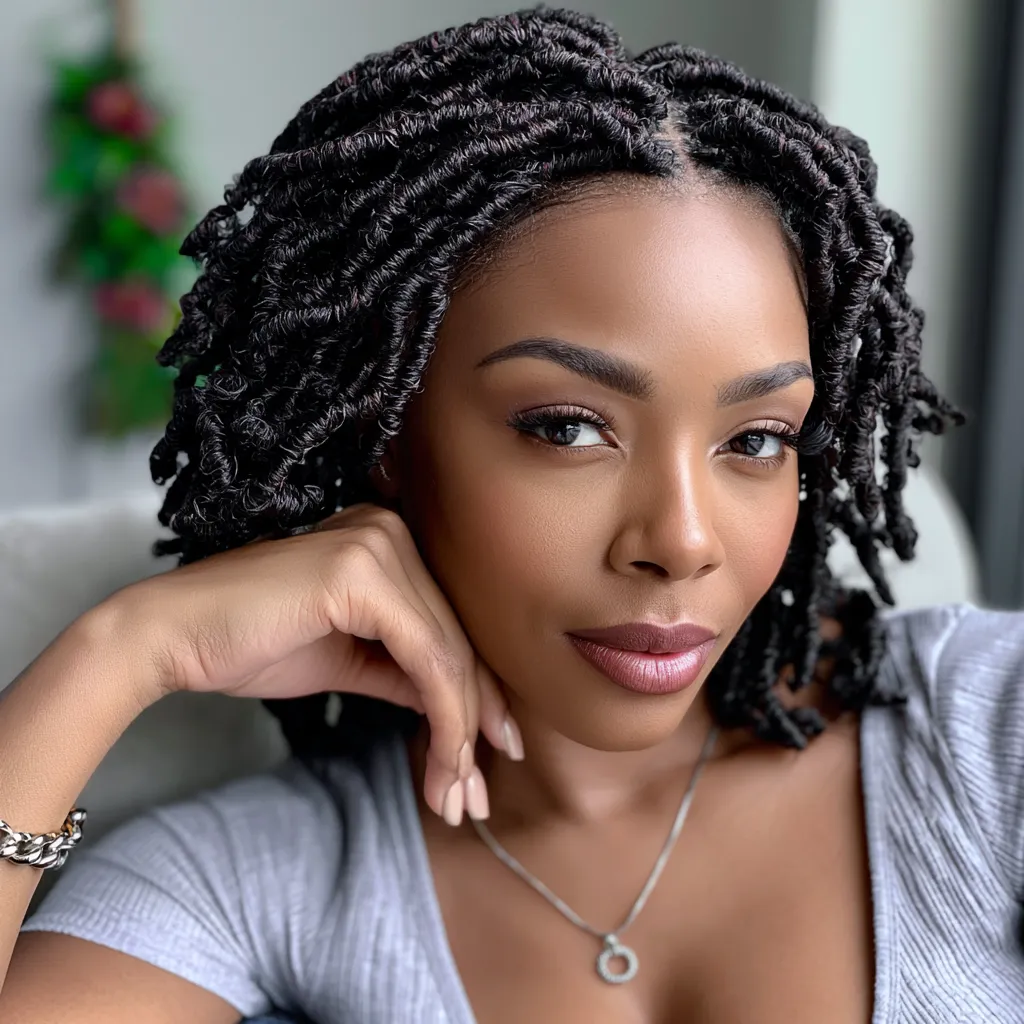
Butterfly locs crochet hair color shapes the entire mood of this protective style before you even style a single loc. Pick brown and the result reads grounded and polished; choose honey blonde and every photo you take outdoors looks like it was shot in golden hour. The color doesn’t just sit on the hair — it interacts with your skin tone, your wardrobe, and the light around you in ways that a neutral or default shade never will.
Freetress Butterfly Loc packs retail around $10–$11 each at Ebonyline, and a full head takes 6–8 packs — meaning the color decision carries real financial weight. Switching shades after install isn’t an option with synthetic fiber, so it’s worth spending five minutes thinking this through before you buy. The three categories that dominate search — natural brown, honey blonde, and bold red — each behave differently under light, on different complexions, and in terms of how quickly they fade or hold.
Stylists who specialize in protective styles consistently point out that most color mistakes aren’t about picking a “wrong” shade — they’re about picking a shade without context. A color that looks incredible in a salon photo may wash you out indoors, or clash with the warm-toned wardrobe you actually wear. This breakdown covers what each major color does, who it works best for, and the details most people skip.
– Natural brown (color code 1B/30) keeps locs looking fresh the longest — less prone to fading than lighter shades
– Honey blonde (#27) works best on medium-to-warm skin tones; it amplifies undertones rather than fighting them
– Red and burgundy (1B/BUG) creates the most contrast on deeper complexions, but requires the most upkeep
– Crochet method installs take 1–1.5 hours; wrap method installs can last up to 12 weeks with proper care
– A full head at 6–8 packs runs roughly $65–$90 in synthetic fiber at current retail prices
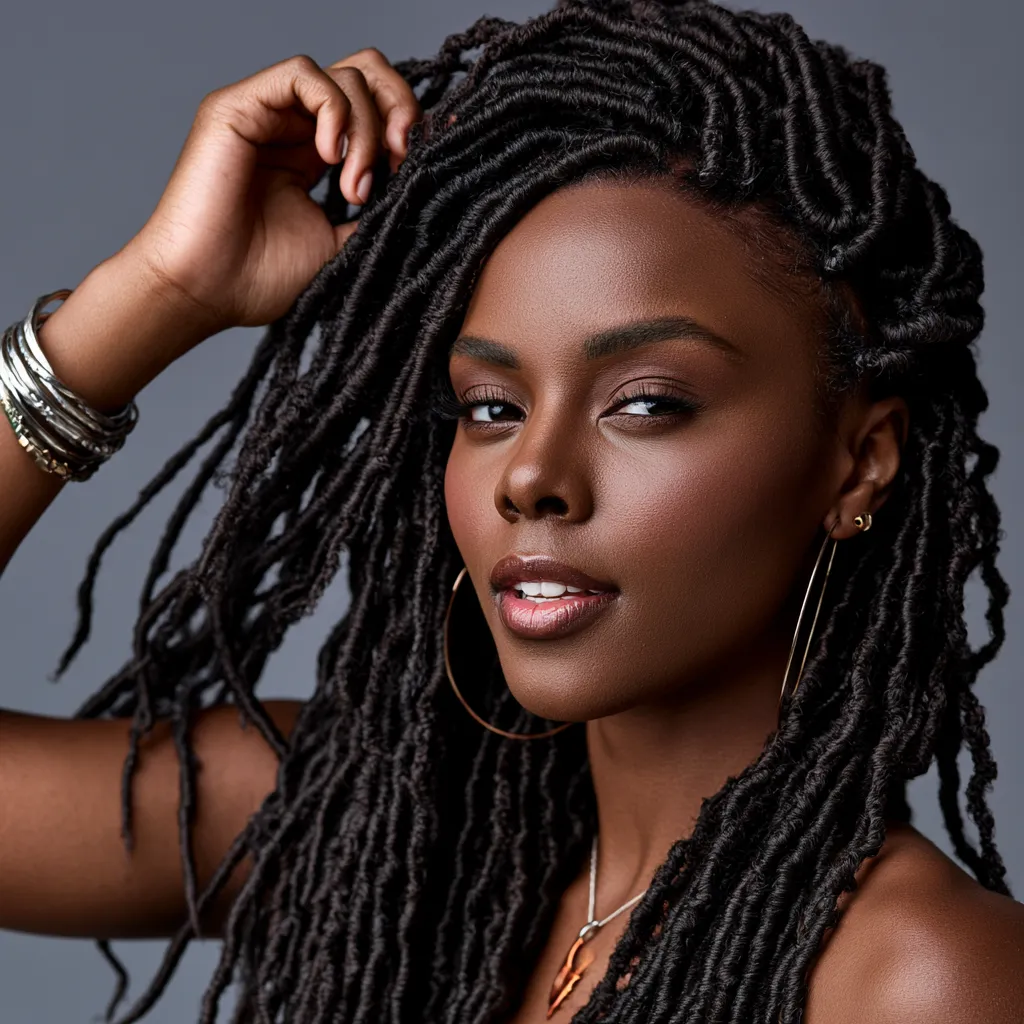
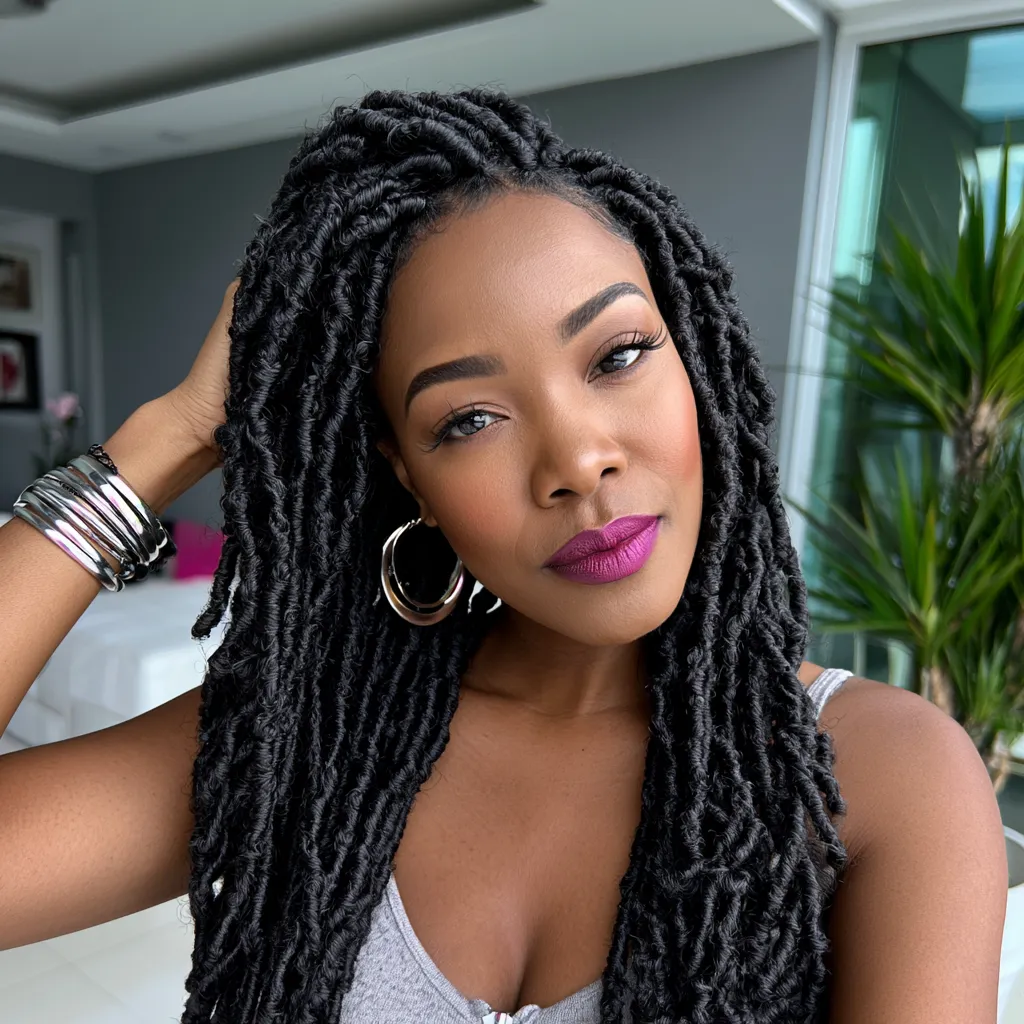
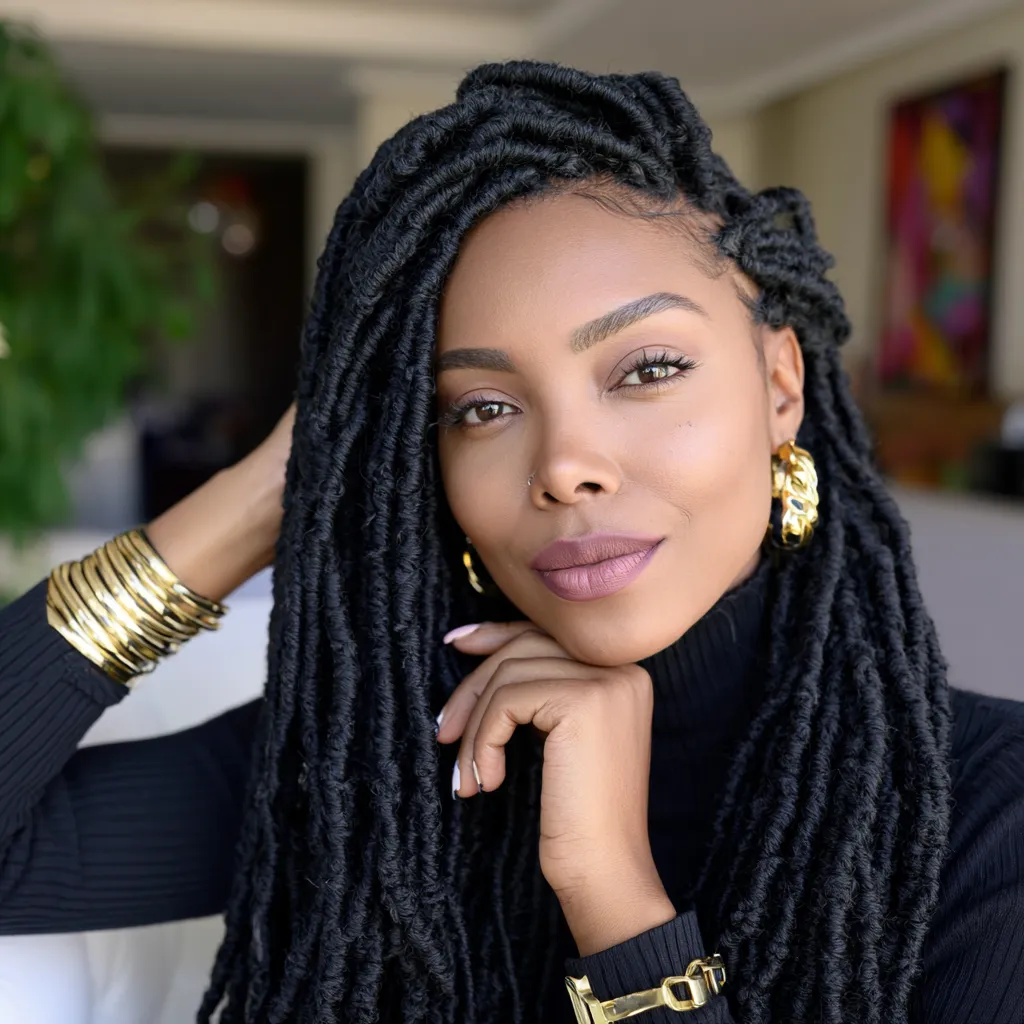
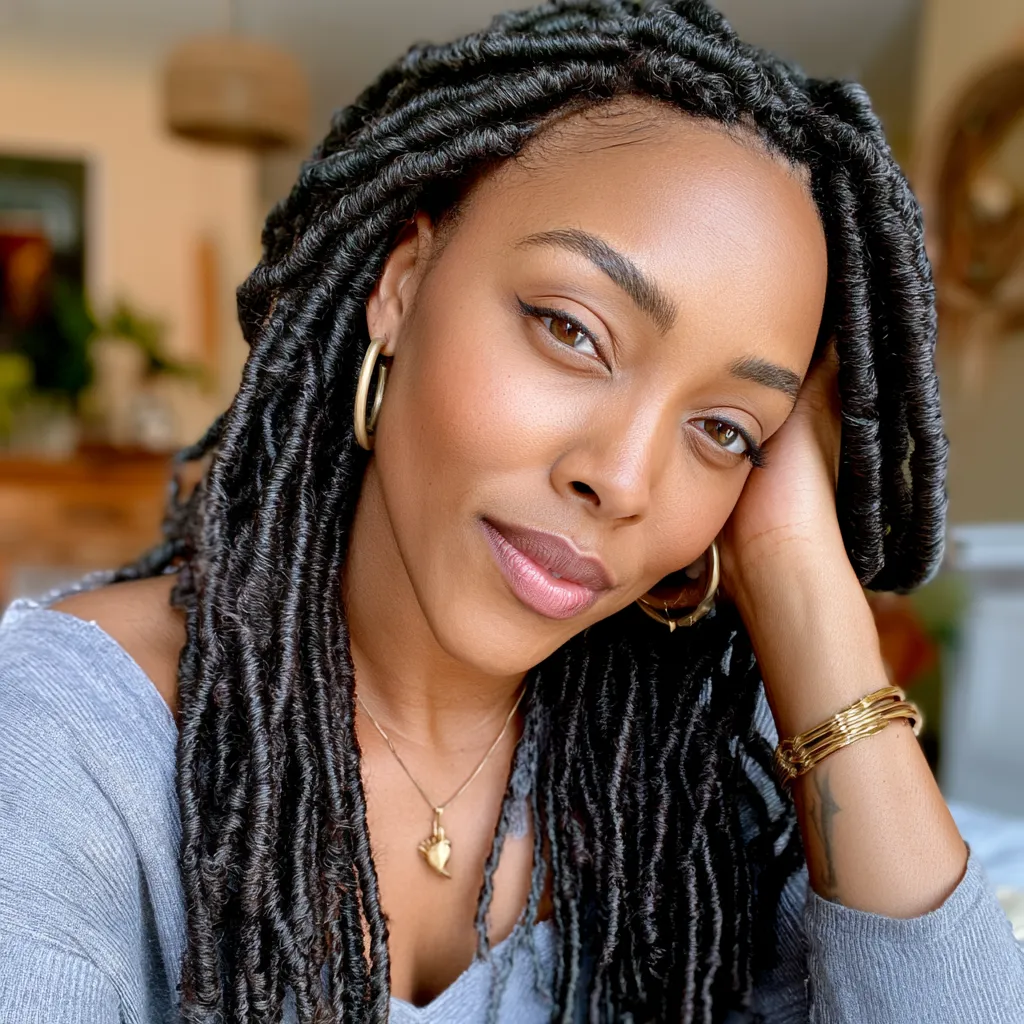
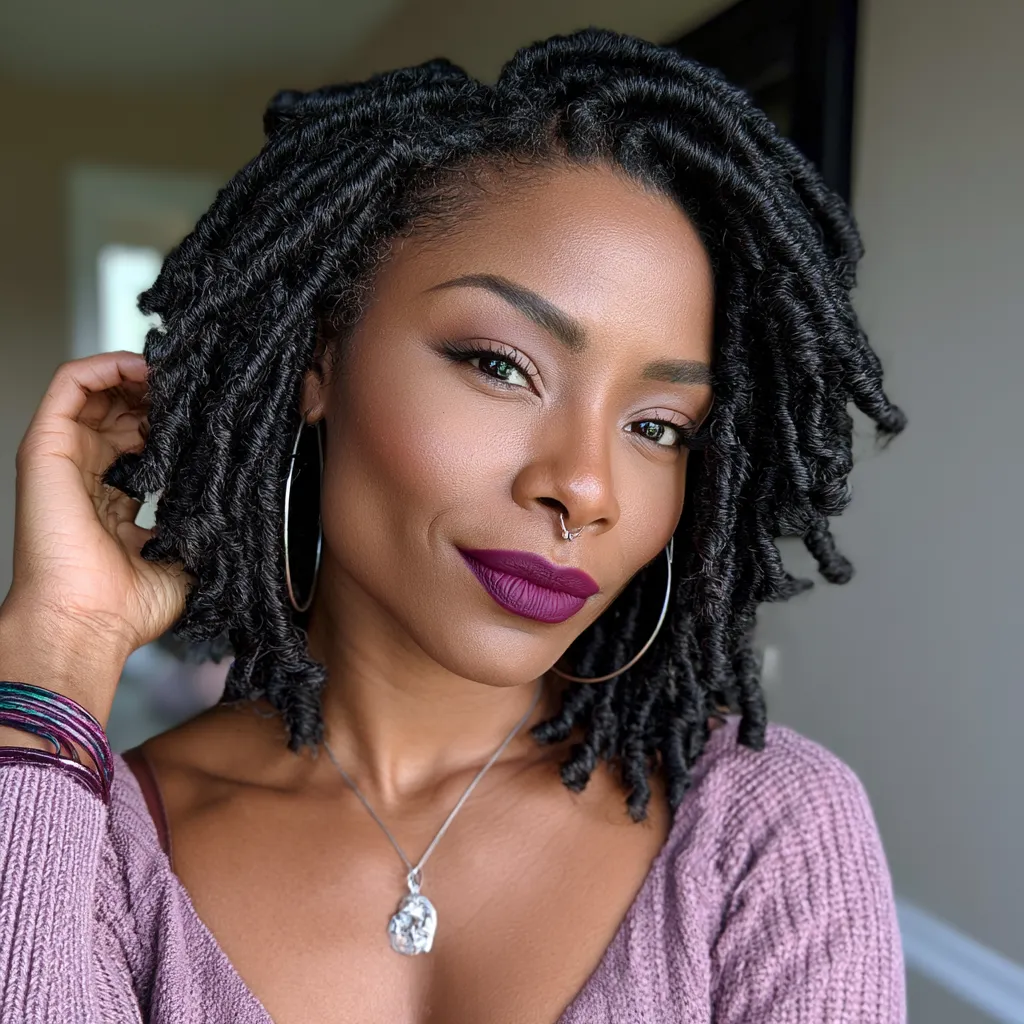
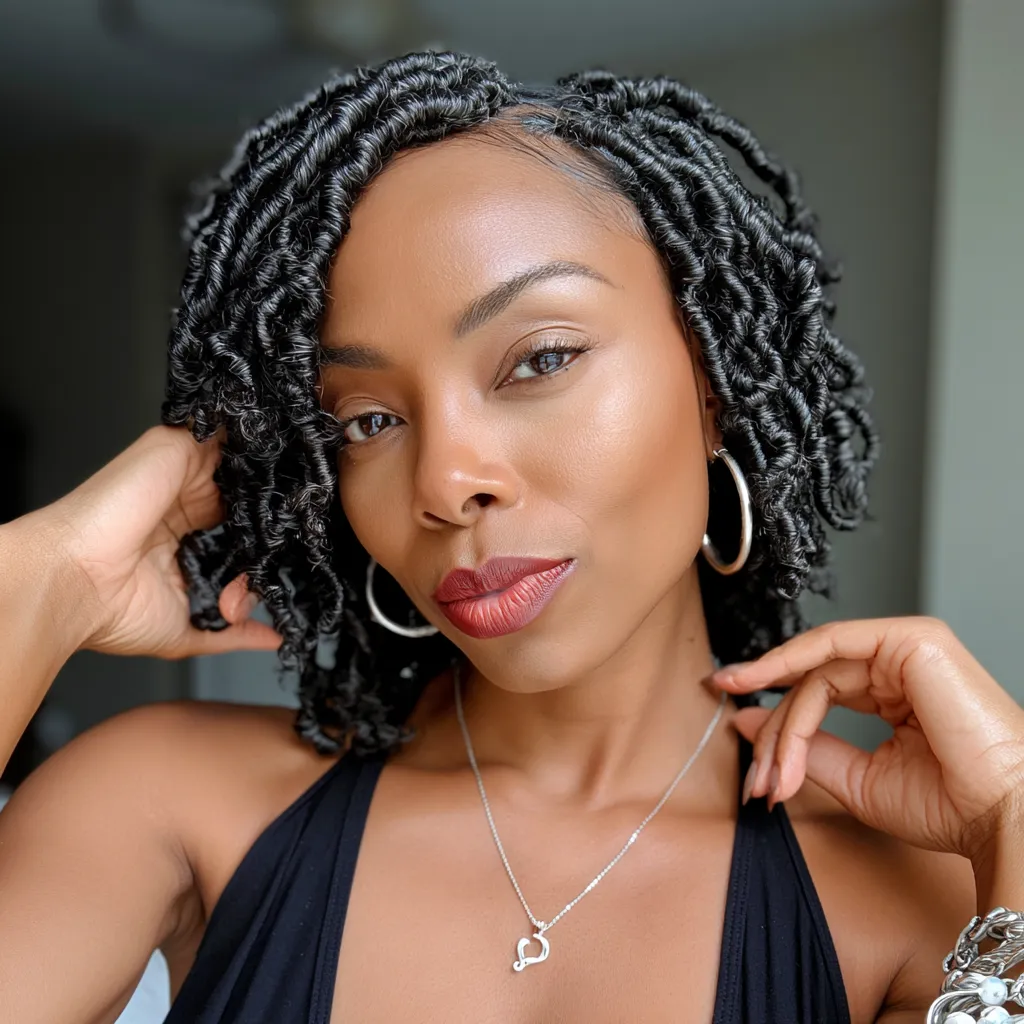
What Natural Brown Butterfly Locs Actually Do to Your Face
Brown butterfly locs crochet hair — particularly ombre brown in the 1B/30 color range — earns its reputation not from being “safe” but from how well it handles light. Indoors, the dark roots anchor the look so it reads intentional and structured. Outdoors, sunlight catches the warmer 30-toned mid-lengths and creates depth that looks more expensive than it is. That interplay is why stylists often describe this color as “working overtime without asking for anything back.”


The practical advantage of brown over any lighter shade is fade resistance. Synthetic fiber doesn’t absorb dye, so color fading on darker shades is essentially a non-issue — the color you get on day one is close to the color you’ll have at week six. Brown locs wear their age gracefully: a small amount of frizz reads as bohemian rather than neglected, which extends their visual lifespan beyond what a lighter shade would allow. Freetress Butterfly Loc in color 30 or the VCHIDO ombre brown (1B/30) both deliver this consistently.
What doesn’t work with brown? Pairing it with a wardrobe that skews very cool — grey-on-grey outfits, icy blues, silver accessories — tends to make brown locs read muddy rather than warm. Think of it like choosing paint for a room: warm hair color calls for warm or neutral clothing anchors. Golden, wooden, or copper-toned beads amplify the effect; silver beads fight it. If your whole closet runs cool, honey brown (color #27) — a middle ground between brown and blonde — handles cool-toned clothes more gracefully than pure brown does.
Ask yourself: does the color need to carry the whole look, or will accessories do that work? Brown locs are a foundation, not a statement — and that’s precisely their value for anyone who changes up jewelry, wraps, and outfits frequently. They let the rest of the look rotate without the hair fighting for dominance. Wooden beads slid onto individual locs every few weeks give this color exactly the twist it needs without a single trip back to the stylist.
Honey Blonde Butterfly Locs Color on Different Skin Tones
Honey blonde butterfly locs — color code #27 in most crochet hair lines, sold as “ombre blonde 1B/27” by VCHIDO — hit differently depending on the warm or cool bias of your complexion. On medium-to-warm skin, color #27 creates the sun-kissed effect that makes outdoor photos look lit from within. On very fair or very cool-toned skin, the same golden tone can visually flatten rather than brighten, making the face look washed out rather than glowing. The trick stylist Lulu Pierre of Boho Locs points to is looking at your undertones first: if gold jewelry makes you look alive and silver makes you look tired, honey blonde will do the same thing as the gold.


Honey blonde is also the color that benefits most from going ombre — starting with a dark root (1B) and transitioning into #27 — rather than using a single flat blonde shade. A flat blonde strand-to-root reads costume-y on locs; the ombre transition reads organic. The Niseyo 14-inch Honey Blonde Butterfly Locs in color #27 runs around $12–$15 per pack and comes pre-looped, making it one of the more accessible entry points into this color category. Plan on 6–8 packs for a full head.
Maintenance here requires more attention than with brown. Lighter synthetic fiber shows product buildup more visibly, particularly around the roots and at the scalp. Spraying a diluted leave-in conditioner at the scalp 2–3 times per week — as Pierre recommends for crochet locs generally — keeps both the natural hair healthy and prevents the honey-blonde length from looking dry and chalky. Avoid heavy oils directly on the visible loc length; they attract dust and give blonde fiber a dull grey cast within days.
What kills honey blonde locs faster than anything else? Excessive heat exposure — including sitting in direct sun for extended periods during outdoor events. The synthetic fiber doesn’t bleach, but UV exposure degrades the surface coating over time, causing the golden tone to shift toward a muddy, washed-out yellow. A loose headwrap or hat for prolonged outdoor time isn’t a concession to maintenance — it’s just how you protect a $90 install for the full 8–12 weeks it’s capable of lasting with proper care. See also how loc styles benefit from accessories and color strategy to maximize how blonde locs photograph and wear over time.
Red Butterfly Locs Color and the Skin Tone Contrast Question
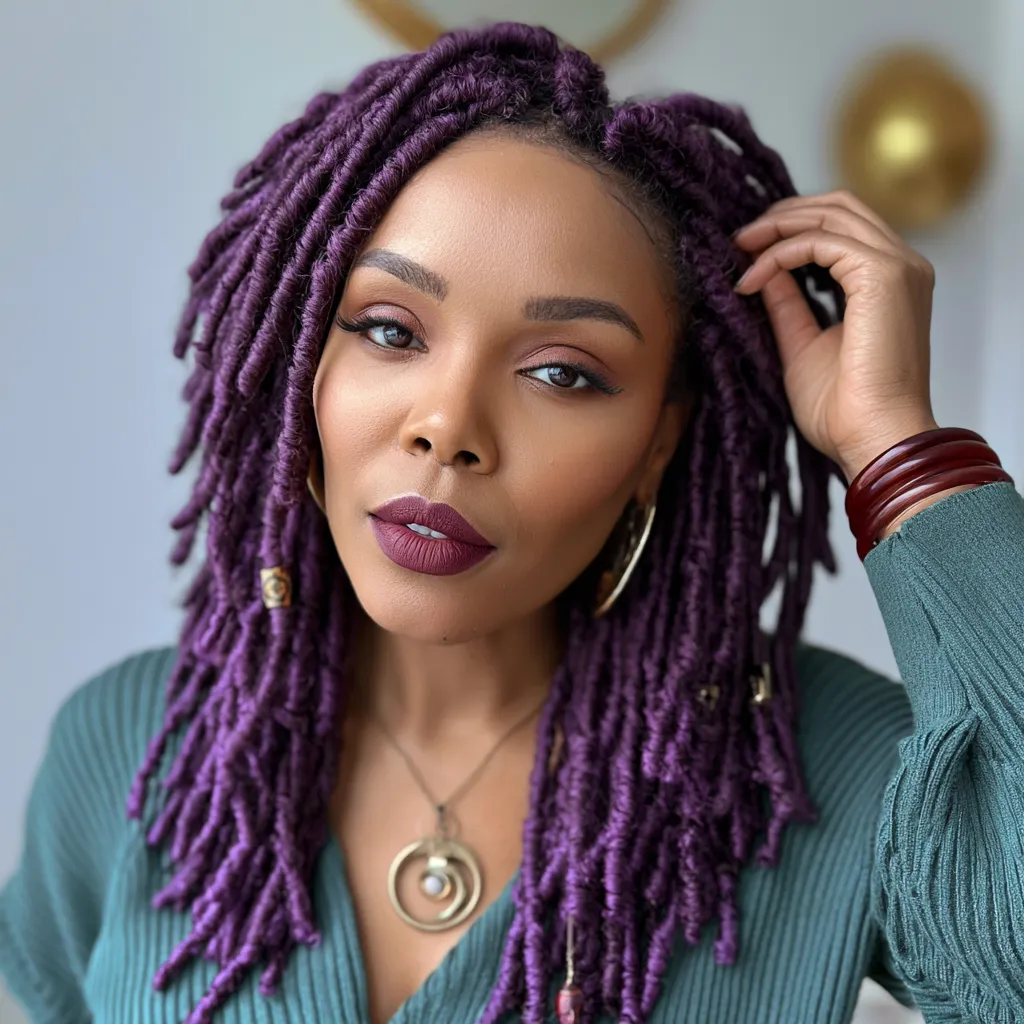
Red butterfly locs crochet hair — in burgundy (1B/BUG) or copper red (#350) — operate on contrast, and contrast requires something to push against. On deeper complexions, red creates a high-impact, unmistakable frame around the face that reads intentional and bold. On lighter complexions with pink or cool undertones, a true red can clash rather than complement — burgundy, which leans toward blue-red rather than orange-red, tends to work better across a wider range of skin tones. The difference between a burgundy and a copper red matters more here than with any other color in this category.


Red locs behave differently under different light than any other shade in this trio. Natural daylight amplifies warmth and makes a copper red look electric; indoor fluorescent lighting can pull the same color toward a flat burgundy that reads more muted than the photo that sold you on it. This isn’t a flaw — it’s a feature, if you understand it. Styling photos of red locs taken indoors with warm-temperature bulbs show the richest version of the color; photos under cool office lighting show the flattest. Pick the setting where you spend most of your time and evaluate accordingly.
Don’t pair red butterfly locs with red-toned clothing — burgundy-on-burgundy reads costume, not coordinated. The better move is to let the locs be the statement and anchor clothing in black, ivory, olive, or deep navy. Don’t skip the silk scarf at night either; red fiber shows frizz faster than darker shades, and matting at the back of the head is the fastest way to shorten an otherwise well-maintained install.
VCHIDO ombre burgundy (1B/BUG) packs come in sets of 6–8, each weighing 50g, with 12 strands per pack — enough for a full head at the lower end of density. ZRQ also produces a copper red butterfly loc in color #350 for a warmer, more orange-leaning result. The core maintenance principle for red synthetic fiber: keep heavy product off the visible length, oil the scalp with a nozzle-tip applicator every 2–3 days, and sleep with the locs gathered in a loose ponytail under a satin scarf. Red fiber that frays or mats past week 6 is almost always a product buildup problem, not a quality problem. For more on how to accessorize locs to extend the impact of a bold color, check out how short goddess locs use bead and cuff placement — the same principles apply to any loc style.
| Color | Best Skin Tone Match | Fade Risk | Key Watch-Out |
|---|---|---|---|
| Natural Brown (1B/30) | All tones, especially warm-neutral | Very low | Looks muddy with cool-toned outfits |
| Honey Blonde (#27) | Medium-to-warm, golden undertones | Moderate — UV degrades tone | Avoid heavy oil on length |
| Burgundy Red (1B/BUG) | Deep to medium skin, cool or neutral | Low — ombre root hides regrowth | Frizz shows faster than darker shades |
| Copper Red (#350) | Medium-to-deep, warm undertones | Low on fiber; tone shifts under cool light | Avoid red-on-red outfit pairings |
According to Lulu Pierre, founder of Boho Locs and cited by Makeup.com by L’Oréal, butterfly locs installed with the wrap method can last 8–12 weeks when scalp is oiled 2–3 times per week and locs are protected nightly with a silk scarf or pillowcase. Crochet-method installs tend to run 4–6 weeks before the root area shows enough new growth to warrant takedown. That lifespan difference matters when weighing how much color investment makes sense: a bold red that lasts 6 weeks earns its maintenance overhead; the same color on a 4-week crochet install might not be worth the $70–$90 in product packs if you’re removing it before it peaks.
For full care guidance from a specialist source, Makeup.com by L’Oréal’s butterfly locs guide includes installation and week-by-week maintenance detail from Pierre directly.
THE BOTTOM LINE
Color choice is a system decision, not a vibe decision — skin tone, lighting, wardrobe, and install method all factor in before you order a single pack.
Brown (1B/30) is the lowest-risk, longest-lasting option and the best starting point if you’re new to butterfly locs or rotate your wardrobe heavily.
Honey blonde (#27) pays off best on warm complexions in natural light — indoors under cool fluorescents, it needs strong accessories to carry the look.
Red and burgundy deliver the most impact but require the most consistent nightly care to hit the 8-week mark looking intentional rather than overdue. Save this post.
You Might Also Like
Related Topics