Modern home design thrives on clean lines, open spaces, and materials that balance beauty with everyday function. Tile flooring fits this vision perfectly. It offers unmatched durability, endless style options, and the ability to unify an entire home.
The key lies in choosing the right tile and using it in ways that amplify a contemporary aesthetic. This guide walks you through practical strategies for weaving tile into every corner of a modern home.
Keep reading!
Why Tile Flooring Fits Modern Design
Contemporary interiors demand surfaces that feel intentional, cohesive, and effortless. Tile delivers all three. Its hard, smooth surface reflects light, making rooms feel larger and brighter.
Unlike carpet, tile does not trap dust or allergens, aligning with a modern emphasis on wellness. Modern design avoids clutter. Tile’s ability to run continuously from room to room eliminates visual breaks.
Advances in digital printing now allow tile to mimic wood, stone, and even concrete with remarkable realism. You get the warmth of natural materials without the high maintenance. Versatility means tile can ground a warm, organic-modern family home.
Choosing the Right Material for a Modern Look
Material selection defines the entire mood. Porcelain tile is denser, less porous, and more resistant to scratches than ceramic. Large porcelain slabs offer a sleek, monolithic appearance that few other materials can match.
For areas with heavy foot traffic, porcelain’s durability is a practical advantage. Natural stone tiles bring an organic texture. In a modern setting, honed or matte finishes work better than high-polish surfaces. They soften light and hide wear more gracefully.
If you prefer an industrial edge, look at concrete-look porcelain. It gives the raw aesthetic of poured concrete without the risk of cracking. When you need to see and touch options in person, online images rarely capture true color or texture.
A dedicated tile store becomes your best resource. A specialized showroom lets you compare finishes, hold large samples against your wall paint, and talk through technical details. That hands-on experience sparks new ideas you would miss while scrolling through a screen.
Color Palettes That Define Contemporary Style
Color sets the emotional tone. Modern palettes lean towards neutrals, but that does not mean boring. You can opt for:
- Warm greys
- Sandy beiges
- Soft taupes
- Chalky whites
Consider using tile to introduce subtle color shifts. A floor in a warm limestone tone can transition to a slightly cooler grey in the kitchen, defining zones without a physical barrier. For bolder statements, deep navy, forest green, or matte black tiles can anchor a powder room or entryway.
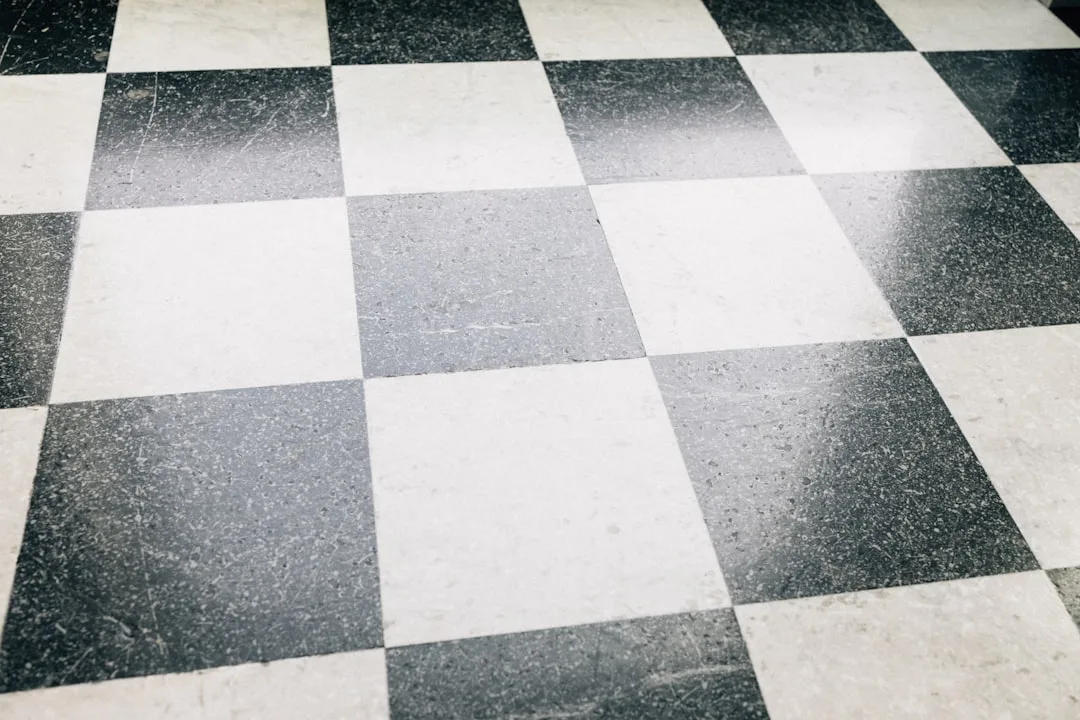
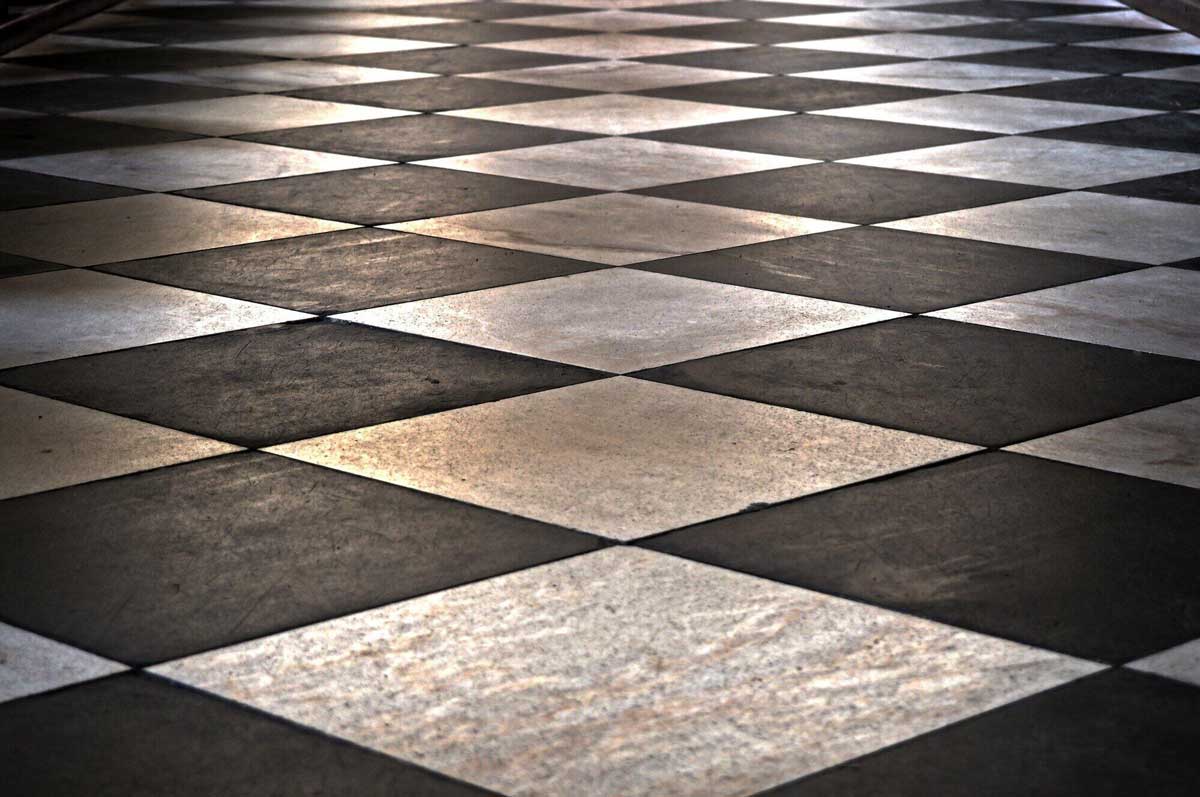
Keep the rest of the room restrained so the floor remains a deliberate focal point. Monochrome schemes remain timeless. Black-and-white geometric patterns, when used sparingly, inject personality.
A modern home might feature a white matte porcelain floor throughout, with a black hexagon tile inset at the entryway. The contrast feels crisp and intentional.
Large-Format Tiles for Seamless Spaces
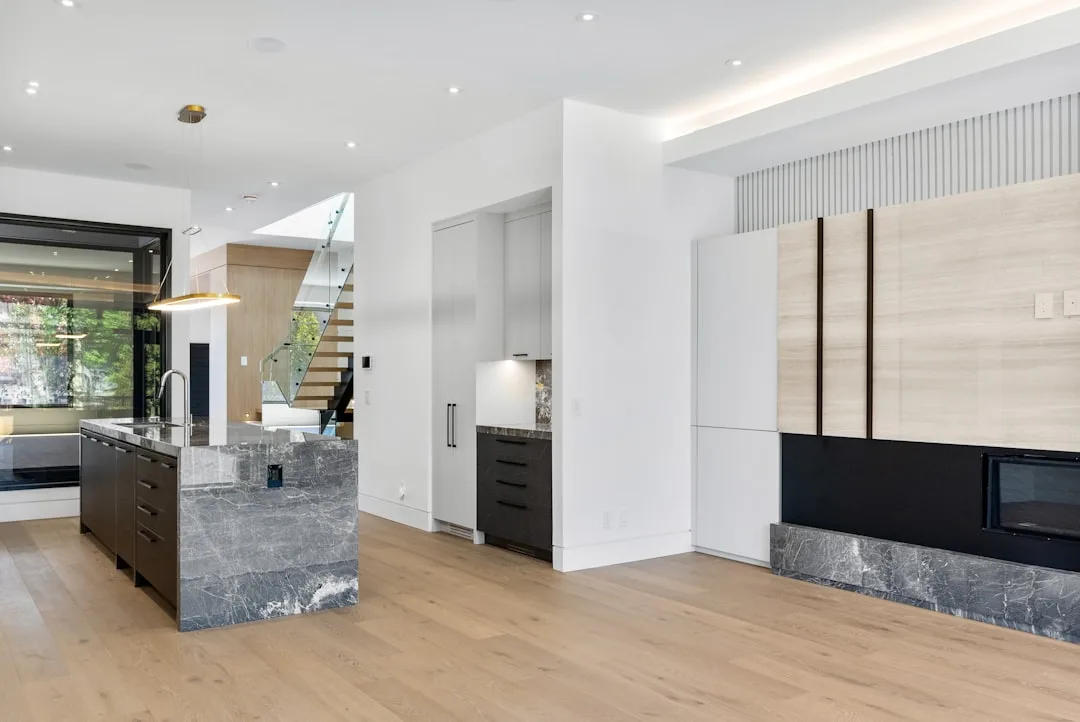
One of the most powerful trends in modern design is the shift to large-format tiles. Panels measuring 24×48 inches or even 48×48 inches create fewer grout lines. The result is a nearly uninterrupted surface that makes rooms feel more expansive, and this approach works exceptionally well in open-plan layouts, where the floor flows from kitchen to dining to living area without visual breaks.
Installation demands a perfectly flat subfloor, so budget for floor leveling. The extra effort pays off in a gallery-like finish. Large tiles reduce the busy environment that small tiles can bring.
A quiet backdrop lets architectural features and furnishings take center stage. Pair large-format floor tiles with matching or slightly darker grout to keep the surface smooth and unobtrusive.
Tile Flooring in Open-Plan Living Areas
An open-plan layout magnifies the impact of flooring. Tile can define zones subtly. Change the tile color by a shade or shift from a matte to a lightly textured finish under the dining table.
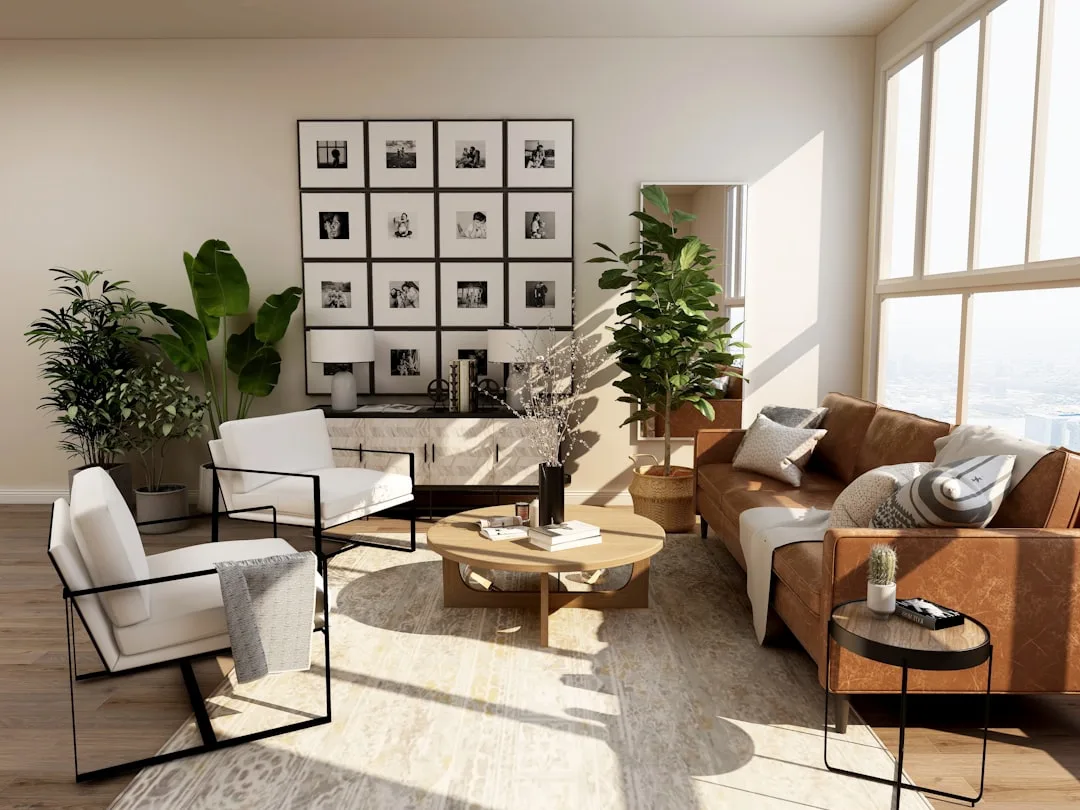
It’s a delineation that feels organic rather than forced. To avoid an echoey, cold atmosphere, layer in soft textures. A large area rug over tile in the living room anchors the seating group and adds acoustic comfort.
Underfloor heating removes any chill, making the tile feel cozy underfoot even in winter. Radiant heating also aligns with modern energy-efficient building practices.
Furniture with slim legs and low profiles complements the tile’s sleekness. Avoid heavy, ornate pieces that compete with the floor’s clean lines. The tile should act as a quiet stage, letting light, art, and furnishings perform.
Mixing Tile with Wood and Concrete
Modern homes often blend materials to define zones and add warmth. Tile and hardwood can meet in a clean, flush line without a transition strip if planned carefully. This works beautifully in open spaces where you want a dining area to feel grounded by wood and a kitchen to benefit from tile’s water resistance.
Concrete-look tile next to real wood creates an appealing dialogue between industrial and natural elements. To keep the transition modern, avoid ornate threshold strips.
A thin metal profile or a simple butt joint with color-matched caulk maintains the crisp line. When using multiple hard surfaces, limit the palette to two or three materials so the space feels curated.
Modern Kitchen Floors That Impress
Kitchens demand floors that handle spills, dropped pans, and constant foot traffic. Tile meets every challenge. Porcelain with a matte or lightly textured finish offers slip resistance without looking industrial.
Avoid high-gloss tiles, as they show every smear and can become slippery when wet. Extend the tile from the floor up onto the backsplash or even a full wall for a monolithic effect. A single porcelain slab behind the cooktop eliminates grout lines and simplifies cleaning.
The floor should not compete with the countertops. If your counters are dramatic marble or dark quartz, keep the floor neutral and understated. If cabinetry is simple white or flat-front wood, a patterned tile floor in a subtle geometric design adds just the right amount of personality.
Spa-Like Bathrooms with Tile
Tile transforms a bathroom into a personal retreat. The modern spa look favors large-format wall tiles that minimize grout, paired with textured floor tiles for safety. Consider running the same tile from the bathroom floor straight into a curbless shower, and this seamless transition improves accessibility and visual flow.
Soft, organic tones like warm sand, putty, or pale sage support a calming atmosphere. Add contrast with matte black fixtures rather than busy floor patterns. For a luxury touch, use pebble or small mosaic tiles on the shower floor only, providing a gentle foot massage and excellent grip.
Niches and shelves tiled in the same material as the walls keep the space minimal. Backlit mirrors against a full-tile accent wall turn a daily routine into an experience. Less tile variety creates more impact.
Bringing the Outdoors In
Modern design blurs the boundary between inside and outside. Tile excels at this connection. Choose a porcelain tile rated for both interior and exterior use.
Running the same tile from the living area straight onto a covered patio makes both spaces feel larger and connected. Look for tiles with a high slip-resistance rating when the outdoor area gets wet. A textured surface or a subtle grain provides grip.
The color should remain consistent, but outdoor sections can have a slightly more rugged finish to weather the elements. Large sliding glass doors framing this continuous tile floor create an expansive, resort-like feeling. Furnish the outdoor space with modern, weather-resistant pieces that echo the interior palette to reinforce the flow.
Heating and Comfort Underfoot
A common concern about tile in modern homes is the perception of coldness. Radiant floor heating solves this completely. Hydronic or electric systems sit beneath the tile, warming the entire surface evenly.
Waking up to a toasty bathroom floor in winter is a quiet luxury that perfectly matches a modern, high-performance home. Heated tile floors improve energy efficiency. They even provide radiant warmth that feels natural and allows you to set the thermostat lower without sacrificing comfort.
When planning a remodel or new build, include heating zones in rooms where you spend time barefoot, like bathrooms, kitchens, and living areas. A programmable thermostat lets you schedule warmth exactly when you need it.
Maintenance and Longevity
A modern home should be easy to live in. Tile flooring supports that goal with minimal upkeep. Sweeping or vacuuming with a hard-floor attachment keeps grit from scratching the surface.
Damp mopping with a pH-neutral cleaner handles spills and stains. Porcelain tile resists moisture, so it never needs sealing. Natural stone requires periodic sealing, but this is a simple task that protects the surface for years.
Grout lines are the only part needing attention. Choose epoxy grout for stain resistance and durability.
A grout color matched to the tile body makes any slight discoloration invisible and reduces the visual noise of grid lines. With basic care, a quality tile floor can last the life of the house.
Where Style Meets Everyday Function
Tile flooring offers beauty, resilience, and the flexibility to shape spaces that feel open, calm, and connected. From the choice of material and color to pattern, layout, and heating, every decision moves you closer to a home that is both stunning and practical. With a thoughtful approach, tile becomes the foundation of your everyday modern living.
Did this guide help you? Check out the rest of our site for more!