Terrazzo flooring vs epoxy is the choice many renovators face when the old floor has to go and the budget is only partly set. Terrazzo is a chip-speckled composite that reads as heritage luxury, while epoxy coating is a sealed, pigmented layer that can turn a plain slab into a finished floor. Terrazzo suits owners who want a long-lived, low-fuss surface with character, and epoxy suits budget-minded owners who want color options and have solid concrete underneath.
What each floor actually is
Quick Verdict
- Choose terrazzo flooring if you want a floor that hides wear for years and sits in a bright, well-lit room.
- Choose epoxy coating if upfront cost matters most and you want a wide range of colors and finishes.
- Choose terrazzo flooring if you plan to stay put and prefer a surface with little ongoing upkeep.
- Choose epoxy coating if your concrete slab is sound and you can pay for proper prep.
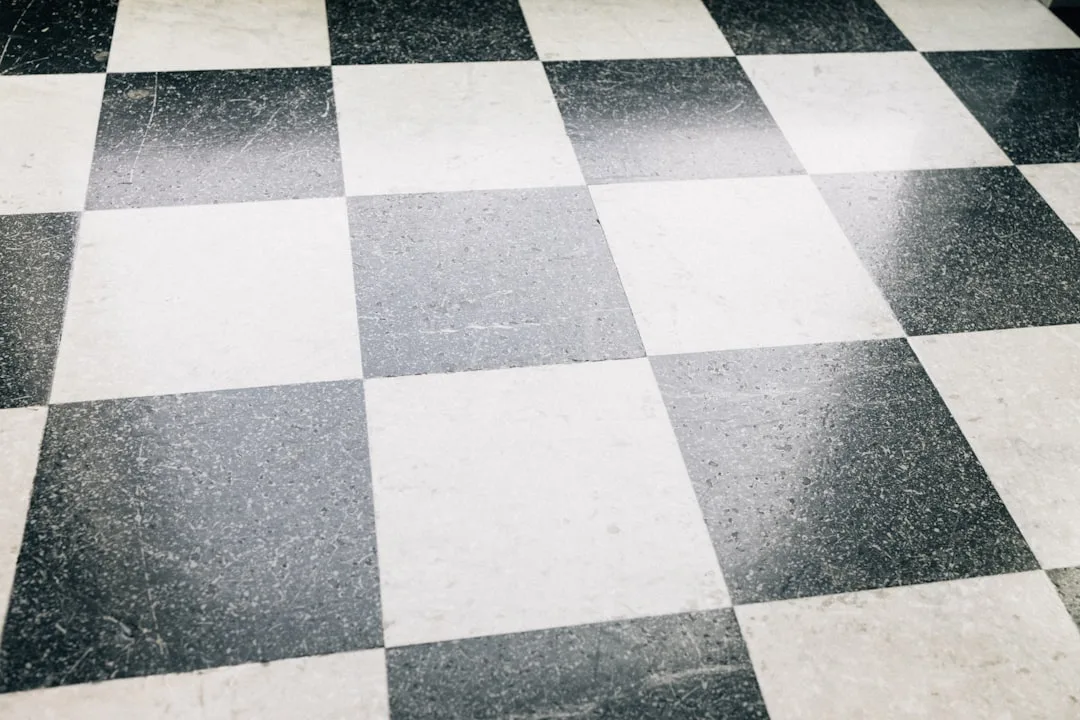
Terrazzo is a composite of marble, granite, quartz and glass chips set in a cement or epoxy base. Once polished, it becomes a surface where the chips do the visual work. For the look and why designers keep specifying it, read our terrazzo floor trends piece.
Epoxy coating is a sealed, plastic-like layer applied over concrete, with pigments, metallic flakes or texture built in. It locks out moisture and resists the yellowing and staining that bare concrete suffers. For the finish options, see our epoxy coating trends article.
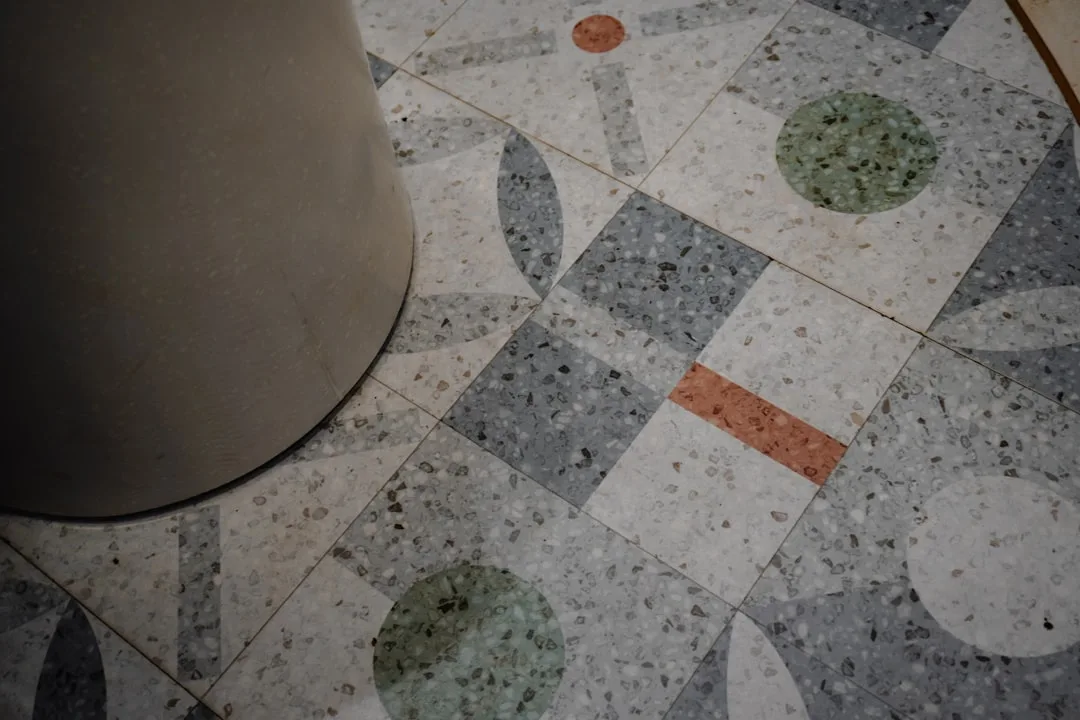
Terrazzo flooring vs epoxy side by side
| Criteria | Terrazzo Flooring | Epoxy Floor Coating |
|---|---|---|
| Upfront cost | Higher, roughly $18–22 per square foot installed | Lower, about $3–8 per square foot |
| Look and texture | Rich, speckled and heritage in feel | Smooth or textured, sleek and modern |
| Color range | Set by the chip mix, and it shifts under different light | Wide palette plus metallic flake options |
| Wear and upkeep | Hides wear for decades; cement types need sealing every 1–2 years | Gloss dulls over time; periodic topcoat refresh needed |
| Moisture protection | Epoxy-based types are fully waterproof and smooth | Sealed layer locks moisture out of the concrete |
| Best room fit | Bright kitchens, bathrooms and entries | Lofts, basements and budget-conscious renovations |
Where terrazzo flooring wins
Terrazzo wins on look and longevity. Its chips add depth that plain concrete or flat paint cannot match. The chips also hide footprints and dust far better than a smooth surface.
Maintenance is where it pulls ahead. Epoxy-based terrazzo is fully waterproof and smooth, which suits kitchens and bathrooms well. The main caveat is light: a busy mix in a small, dim room looks chaotic rather than refined, so request samples under your own bulbs.
Edge detail adds to the bill. A beveled pencil edge runs roughly $8–12 per linear foot, while ogee or waterfall edges reach $20–30 per foot. Budget for these early, especially on kitchen islands.
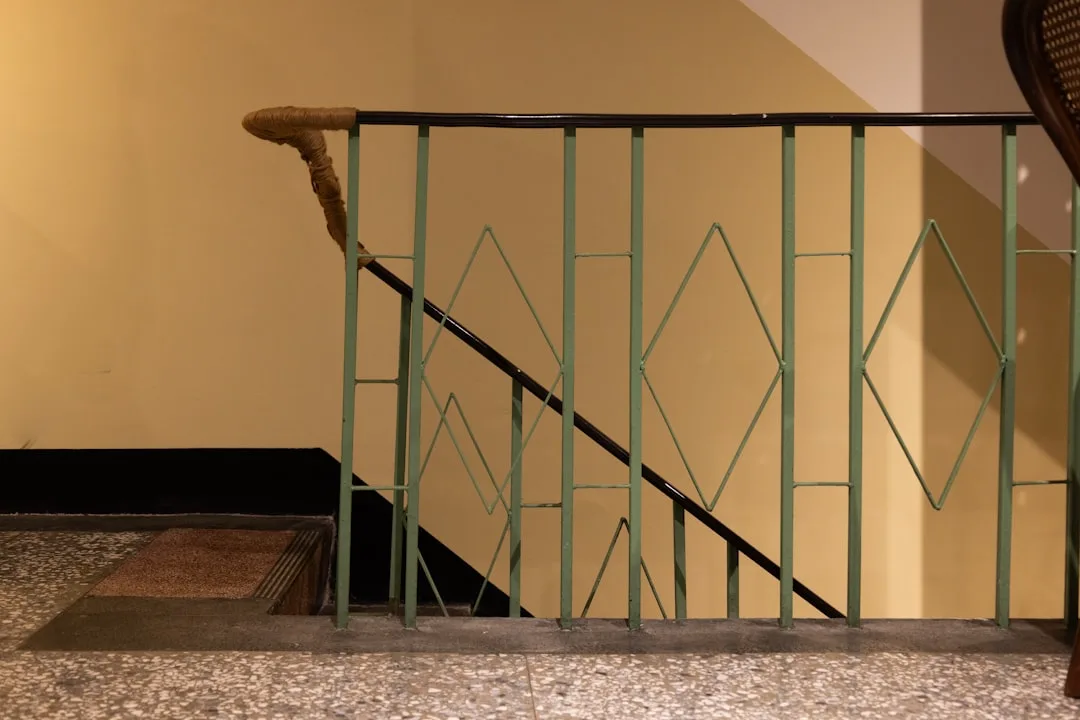
Where epoxy coating wins
Epoxy wins on cost and color flexibility. It sits at a noticeably lower installed price than terrazzo, often in the range of $3–8 per square foot. Pigments, metallic flakes and finishes from gloss to matte let you match a palette closely.
It also resists the yellowing, staining and dullness that raw concrete develops over time. Finish choice matters for safety. Gloss reflects light but can be slippery when wet, while satin and textured finishes add grip.
If you want a metallic or flake look, epoxy is the more direct route. Terrazzo can imitate speckle, but it cannot offer the same range of sheen and tint. Epoxy is the better fit when the finish needs to change with your taste.
The mistake that costs the most money
The biggest error is treating epoxy as a cheap shortcut over a dirty or smooth slab. Epoxy bonds only to clean, profiled concrete, so skipping grinding and degreasing leads to failure. Terrazzo has its own version of this error, which is choosing a busy mix for a dim room.
One Brooklyn loft owner hired a budget contractor who skipped diamond grinding and used only a single acid wash. Within two years, the epoxy had peeled across much of the high-traffic kitchen. The owner paid for the failed work and again to remove and redo it.
Redoing the work cost far more than doing it correctly the first time. Ask any installer to show moisture readings and prep steps before you sign. A low quote that skips these steps is the most expensive option on the table.
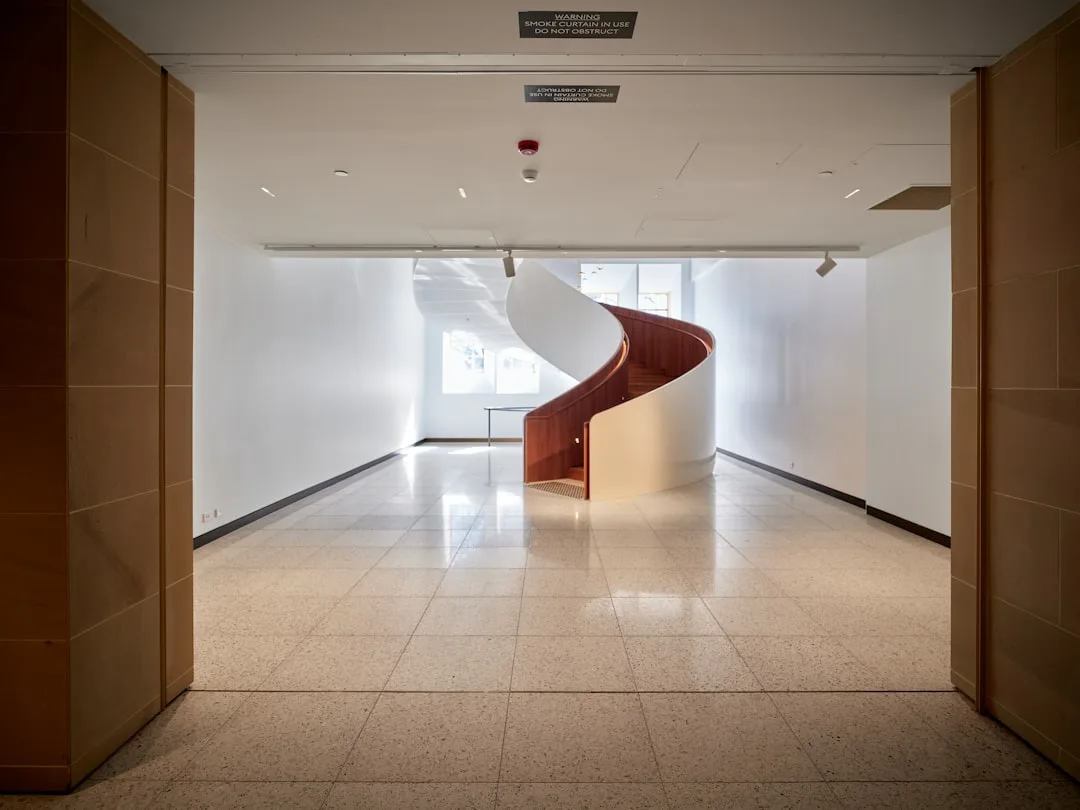
Final verdict on which floor to choose
Choose terrazzo flooring if you want a long-lived, low-fuss floor with real visual depth. Its higher upfront price buys less upkeep and wear that stays hidden for years. Good natural light is a must.
Choose epoxy coating if your budget is tighter, your slab is sound, and you want a broad color range or a metallic finish. Plan on proper prep and a resealing schedule. Those two steps decide whether it lasts.
Neither option is a shortcut. The right answer depends on your room, your light and how much maintenance you are willing to schedule.