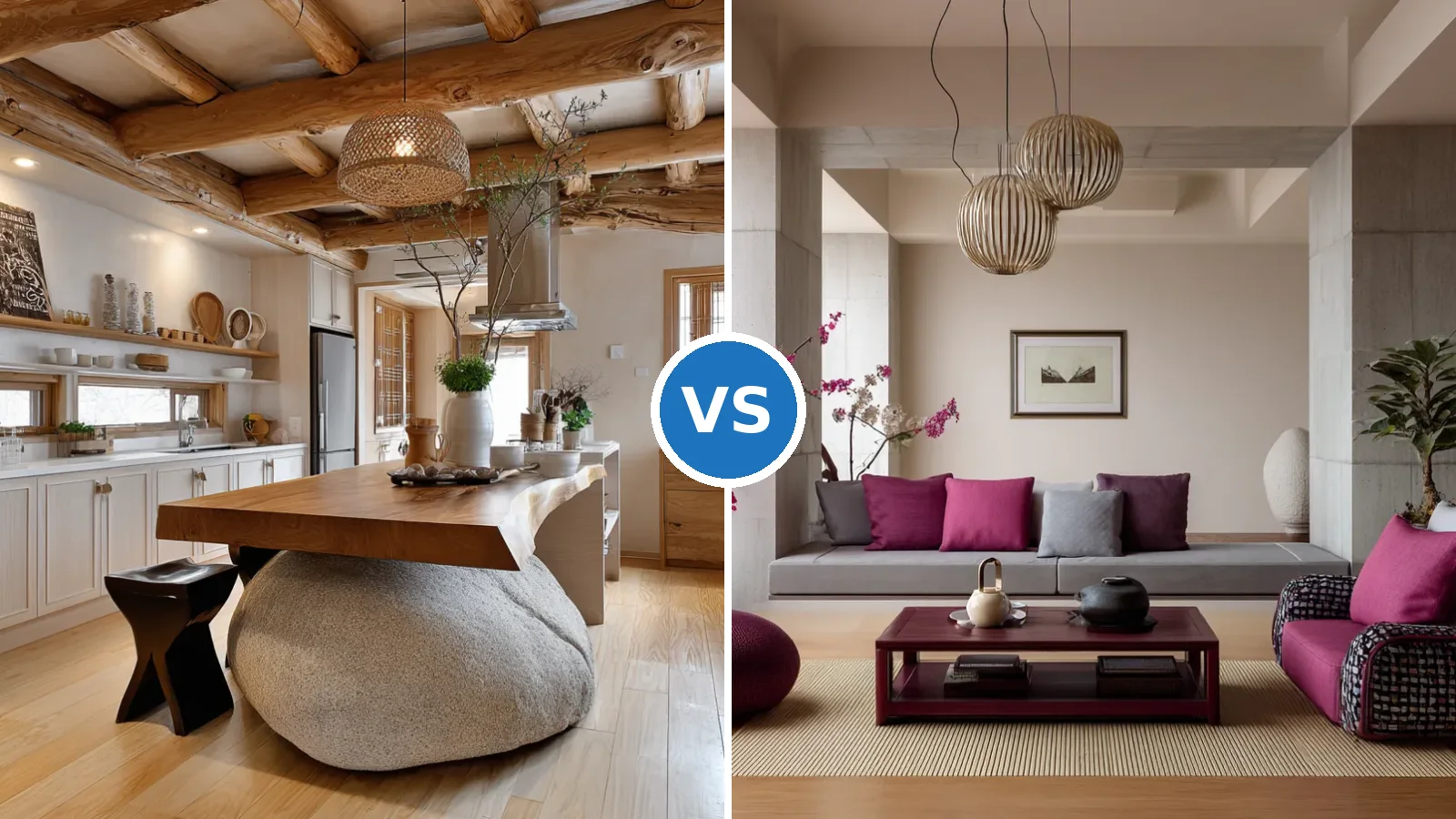
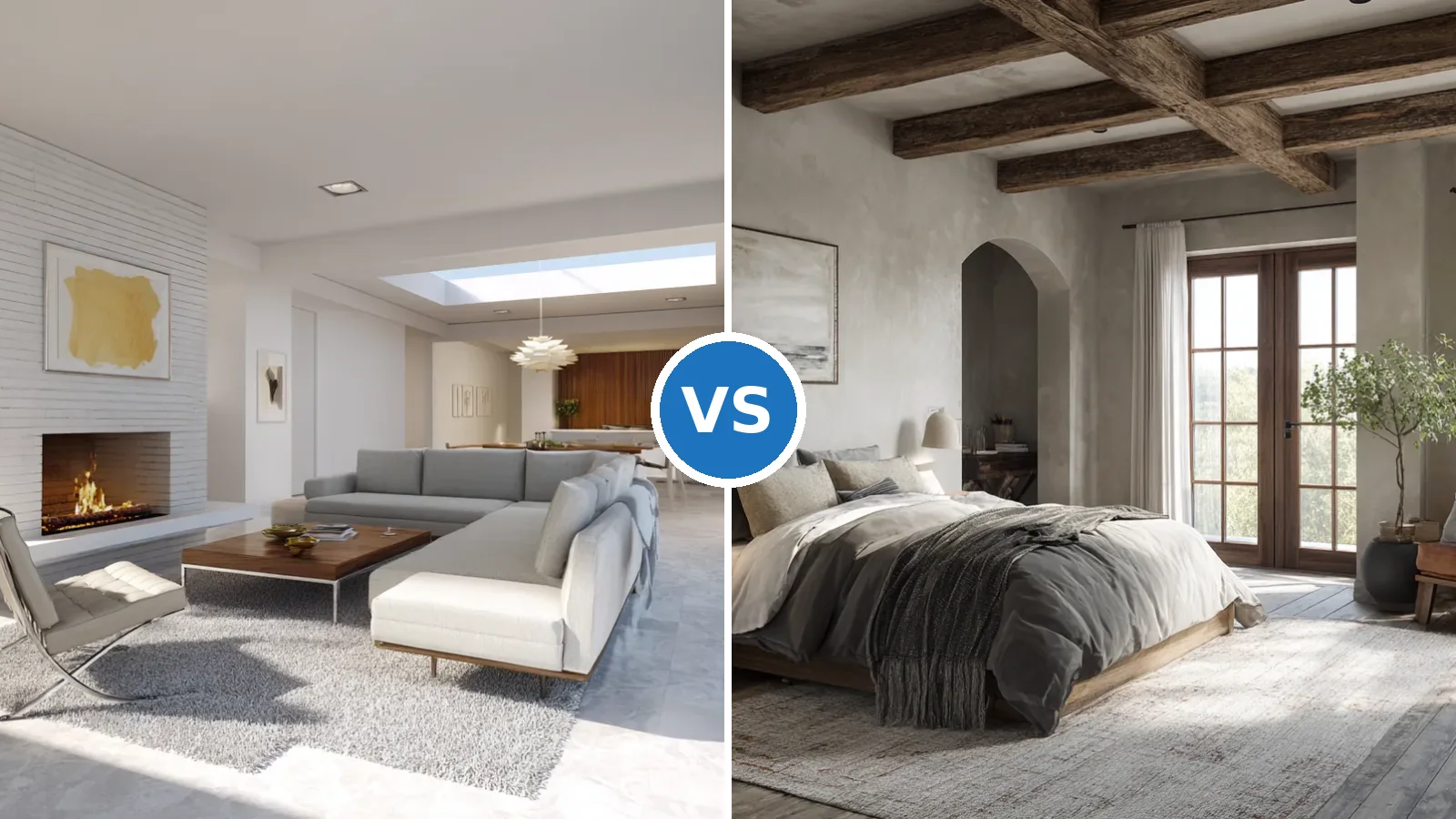
Bare concrete slabs are no longer acceptable in high-end residential design. A year ago, polished concrete felt modern. Today, sealed epoxy coatings with embedded pigments, metallics, and texture are what separates intentional industrial design from unfinished basements.
The shift happened quietly across luxury lofts in Brooklyn, Austin, and Los Angeles—then exploded into mainstream demand. Homeowners realized that raw concrete ages poorly: it cracks, stains, and dulls. Epoxy coatings solve every problem at once. They’re durable enough for commercial kitchens, beautiful enough for living rooms, and affordable enough to compete with luxury vinyl or engineered hardwood.
Why Epoxy Coating Dominates Over Raw Concrete Now
Raw concrete fails in three ways: UV damage yellows it, water penetrates and causes efflorescence (white salt bloom), and surface wear creates dull, uneven patches. A single season of foot traffic exposes concrete’s weakness—it absorbs everything.
Epoxy coating creates a sealed plastic shell. It locks moisture out, seals the surface, and adds color permanence that concrete cannot achieve alone. In 2026, the residential epoxy market grew 34% year-over-year, driven by millennial and Gen X homeowners refusing the dopamine-decor extremes of 2024-2025.
Interior designers now specify epoxy as a replacement for polished concrete in mid-range and luxury projects because it costs $3–8 per square foot—comparable to mid-grade ceramic tile but with ten times the durability and visual impact. Raw concrete, once trendy, now reads as budget-conscious or transitional.
Quick Tips: Choosing an Epoxy Coating Finish
- Gloss — Maximum reflection and durability; slippery when wet. Best for kitchens and commercial spaces.
- Satin — Slight sheen; non-slip; forgiving. Works in living rooms and hallways.
- Matte — Hides footprints and dust; industrial look; requires frequent resealing.
- Textured — Adds grit and warmth; hides imperfections in older concrete.
- Metallic or flake — Premium option; adds dimension and disguises cracks effectively.
Color and Metallics Drive Design Authority
The concrete floor epoxy coating market in 2026 is split: 58% demand neutral tones (grey, beige, warm white), 32% demand jewel tones (deep navy, forest green, oxblood), and 10% demand metallics (gold, copper, chrome). This distribution mirrors the death of dopamine maximalism and rise of quiet luxury.
Rust-Oleum’s EpoxyShield Garage Floor Coating ($40–60 per gallon, covers 400 sq. ft.) comes in 20+ colors and accepts metallic flakes ($15–25 per pound of flakes). A 500-square-foot loft floor costs $150–300 in material alone—a fraction of the $3,000–7,000 labor and prep cost, which dwarfs material expense.
Sherwin-Williams ProClassic Epoxy ($45–70 per gallon) offers premium color matching and UV stability superior to budget brands. A 1,000-square-foot application runs $4,000–8,000 installed, competing directly with luxury vinyl plank at $3,500–7,000 but offering dramatically longer life (20+ years vs. 10–15 years for vinyl).
The Failure: Improper Surface Prep Destroys Coating Longevity
The #1 mistake homeowners make is skipping concrete preparation. Epoxy bonds only to clean, profiled concrete—not dusty, oily, or smooth surfaces. A contractor who cuts prep corners will produce a coating that peels, bubbles, or fails within two years.
Example: A Brooklyn loft owner hired a budget contractor who skipped diamond grinding and used a single acid wash. Within 18 months, the epoxy peeled in 40% of the high-traffic kitchen area. The homeowner paid $2,800 for failed work and $6,500 for proper removal, reprep, and reinstallation—nearly double the correct first cost.
Proper prep includes concrete testing (moisture meter reading should be below 3 lb./1000 sq. ft./24 hrs.), diamond grinding to open pores, oil removal with degreaser, and 48-hour cure time before epoxy application. This adds $0.50–1.50 per square foot but guarantees adhesion and eliminates callback risk.
Installation Demands Professional Application in Sealed Spaces
DIY epoxy kits exist (Rust-Oleum EpoxyShield costs $40–60), but they fail in occupied homes. Epoxy requires precise humidity, temperature, and ventilation during cure—typically 48–72 hours with zero foot traffic. Most lofts lack industrial-grade HVAC.
Professional applicators use moisture barriers, primer systems, and controlled environments. Ardex ECO (a sustainable epoxy option) costs $8–12 per square foot installed but offers zero-VOC curing and superior stain resistance, attracting eco-conscious buyers. A 1,500-square-foot installation runs $12,000–18,000 but includes warranties and climate control.
For reference, a similar-sized space using Japandi design principles would incorporate warm wood tones with epoxy flooring to bridge minimalist and natural aesthetics. The combination of sealed concrete and natural wood creates the 2026 luxury-minimalist look. Labor costs are non-negotiable; they represent 70–80% of total project expense, so material savings do not justify DIY risk.
Maintenance Determines 20-Year Success
Epoxy requires different care than concrete or tile. Acidic cleaners (vinegar, lemon) and abrasive pads damage the surface. pH-neutral epoxy cleaners (Zep Epoxy Cleaner, $8–12 per quart) maintain clarity and prevent cloudiness from improper chemistry.
Resealing with polyurethane topcoat every 3–5 years extends life to 25+ years. A single topcoat application costs $400–800 for 1,000 square feet. Without resealing, gloss epoxy dulls after 8–10 years and requires full removal and reapplication—a $5,000–10,000 expense that negates material savings from cheap initial coatings.
High-traffic kitchens benefit from industrial-grade systems like Ardex Kerapoxy CQ ($15–20 per liter installed) which cure harder and resist staining better. The upfront premium ($1–2 per square foot) pays back in extended intervals between maintenance cycles and preserved aesthetic over two decades.
Concrete floor epoxy coating in 2026 represents the convergence of durability, design, and quiet luxury. It replaces both raw concrete (aged, stained, weak) and vinyl (plastic, temporary-feeling). Unlike log home interiors that emphasize natural warmth, epoxy offers industrial refinement—sealed, controlled, intentional. The trend will accelerate through 2027 as homeowners recognize that proper epoxy costs less than luxury flooring over a 20-year lifecycle and delivers a design authority that raw concrete cannot match.