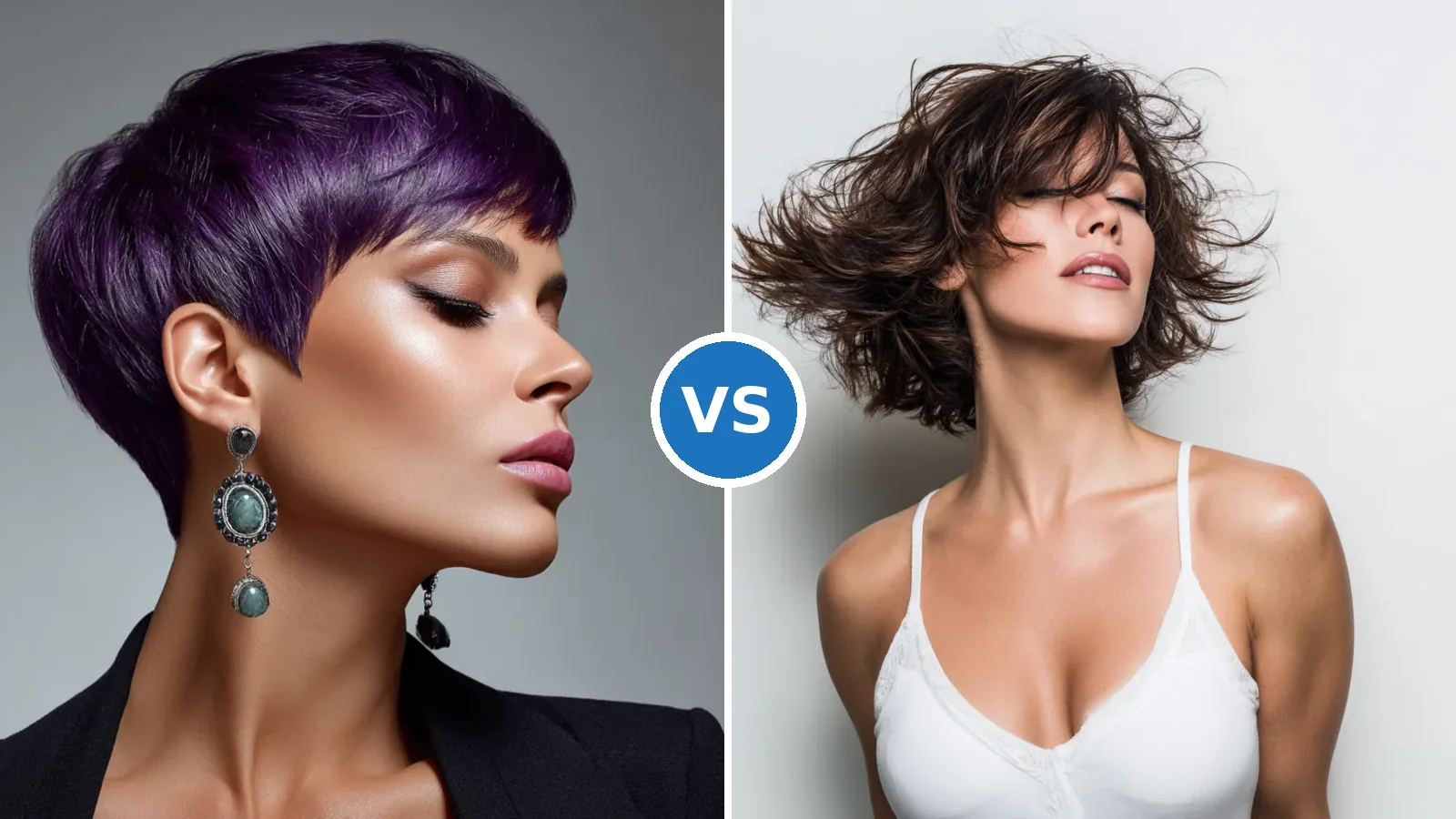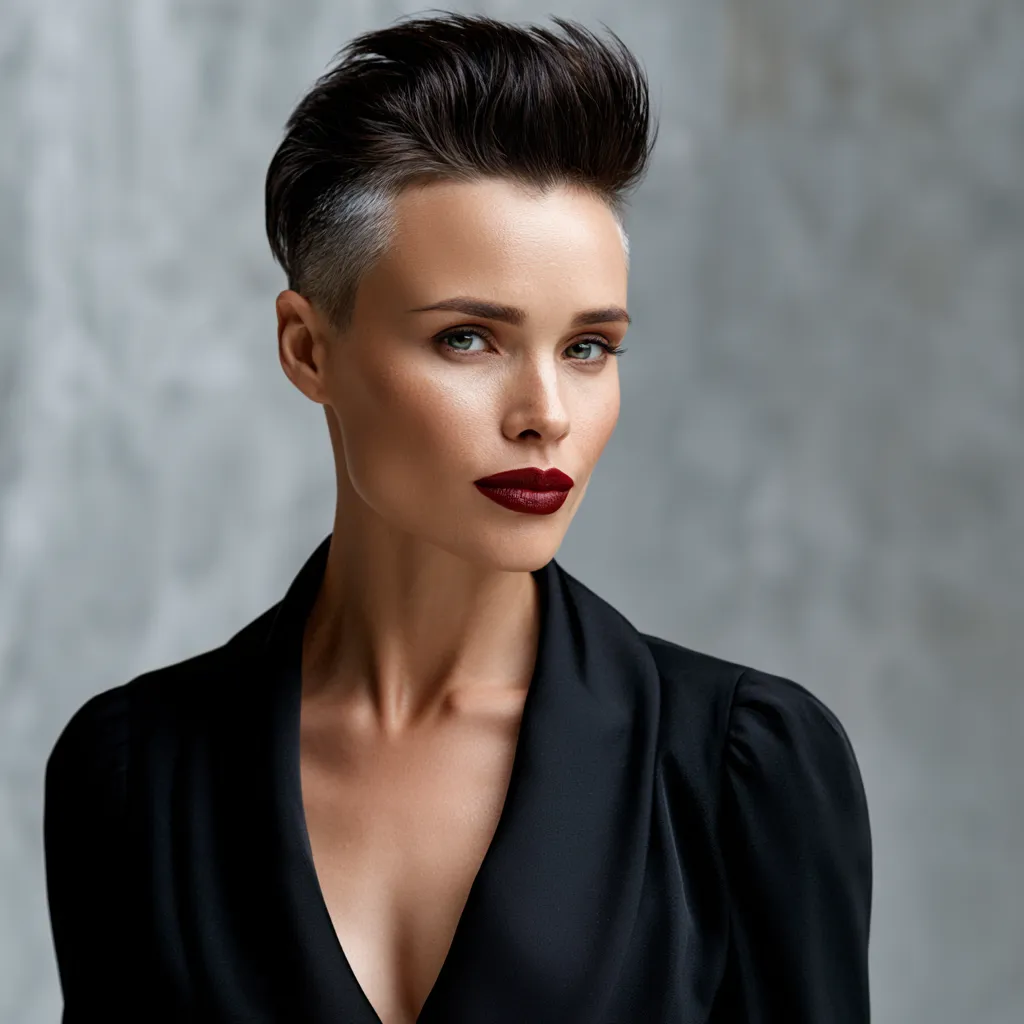
A v haircut for women does something no blunt cut can replicate — it draws the eye straight down the center of your back, creating a pointed silhouette that reads as taller, leaner, and more intentional. I’ve had this shape in three different lengths over the past four years, and the reaction from behind in a fitting room mirror still surprises me every time. The graduated layers eliminate the boxiness that plagues uniform cuts, and the center point anchors every outfit you wear.
Color plays the other half of this equation. You can have the sharpest v cut in the building, but the wrong shade will flatten the layering and kill the movement. The five color directions below — blonde, brunette, red, black, and pastel — each interact with the cut differently, and that’s exactly what makes choosing one so worthwhile. Your hair’s texture and your skin tone both factor in, but so does the mood you want to project on a Tuesday morning.
Maintenance is lighter than most people assume. Trims every 8–10 weeks keep the point crisp, and the shape actually grows out gracefully between appointments — unlike blunt cuts that look ragged after six weeks. Whether you’re switching from years of one-length hair or refreshing an existing layered cut, the v haircut for women is one of those rare shapes that rewards you immediately and keeps delivering.
- The v haircut for women creates a pointed back silhouette that elongates the body and adds visible movement to every hair type.
- Blonde versions — from platinum to honey — benefit most from face-framing highlights that transition into the layered back.
- Brunette and black hair get the most dramatic shape payoff because dark tones contrast sharply against the pointed center point.
- Red and pastel shades fade faster, so color-safe shampoo and toning sessions every 4–6 weeks are non-negotiable.
- Trims every 8–10 weeks preserve the point; skip them and the shape collapses into a vague U within 12 weeks.
- Ask your stylist for “forward graduation” — that’s the correct technical term for building a true v, not just a long layer.
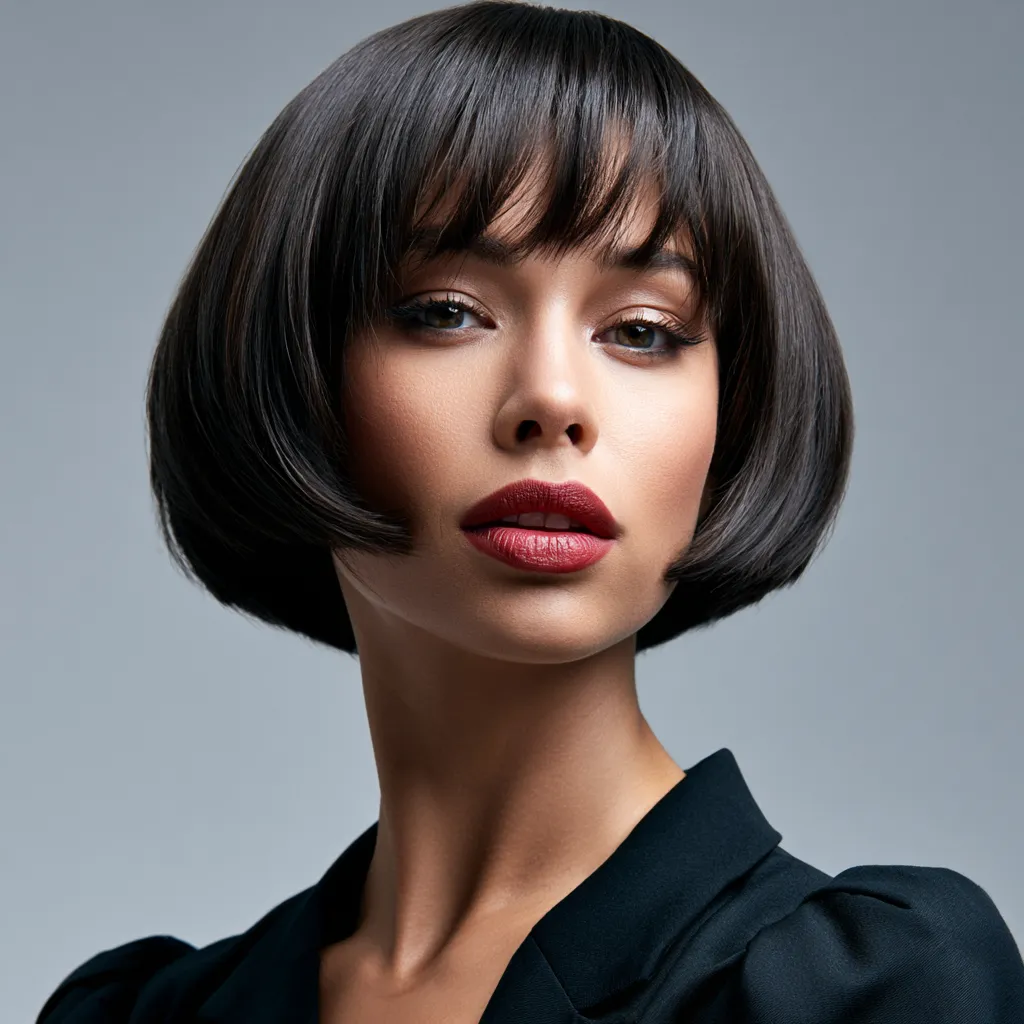
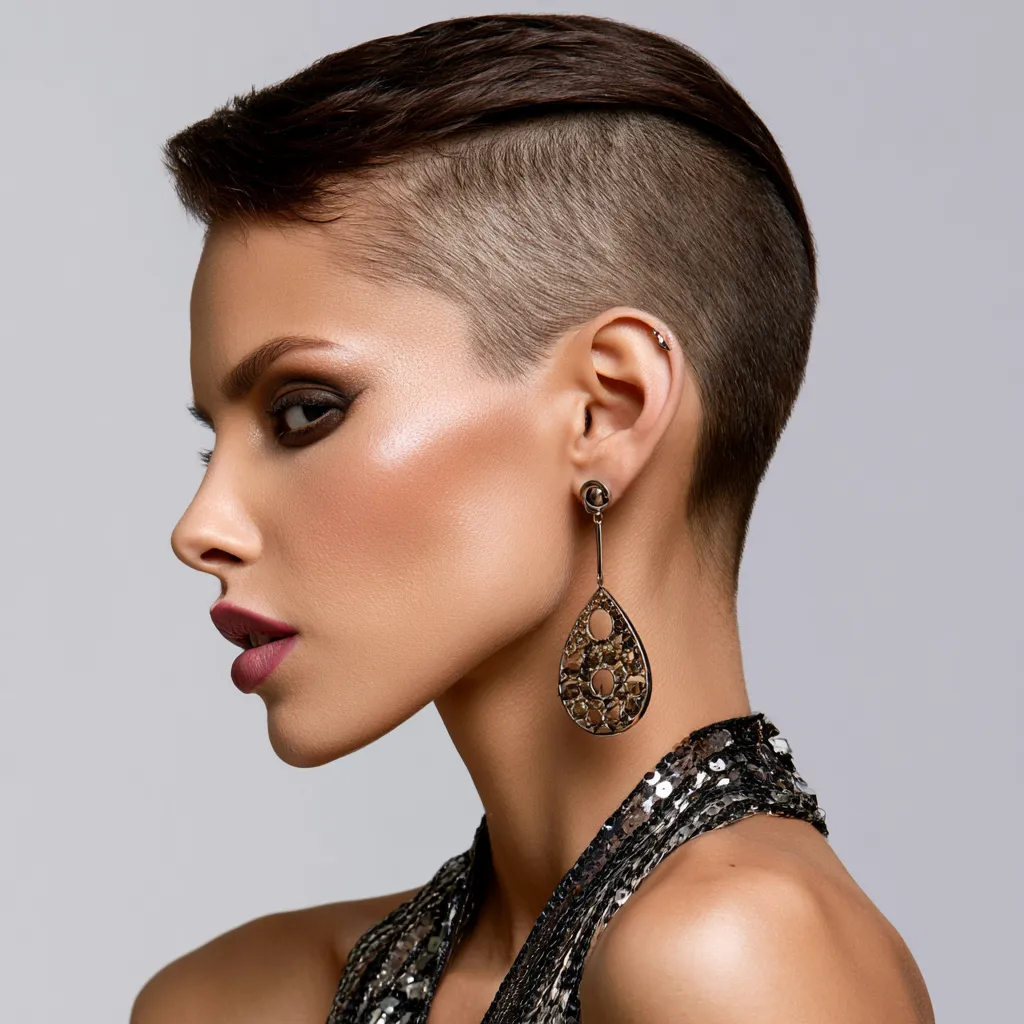
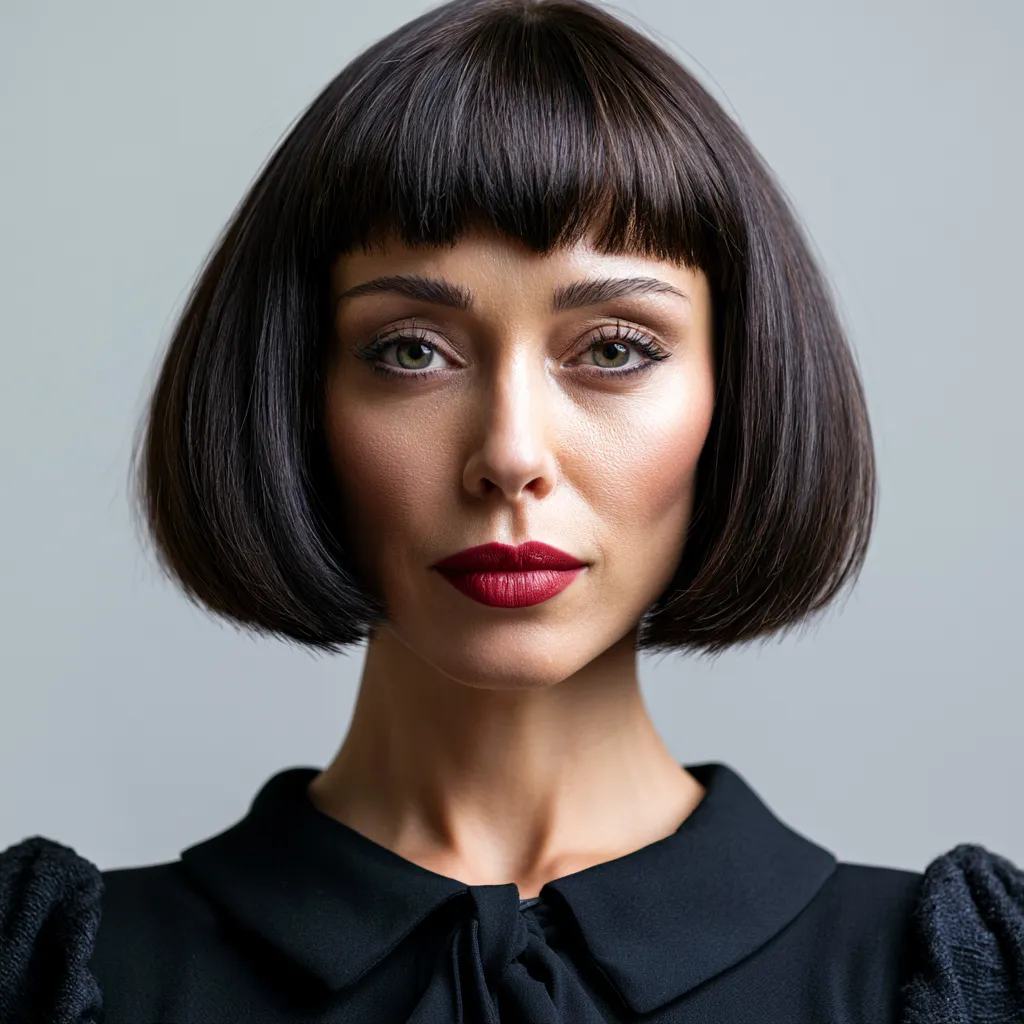
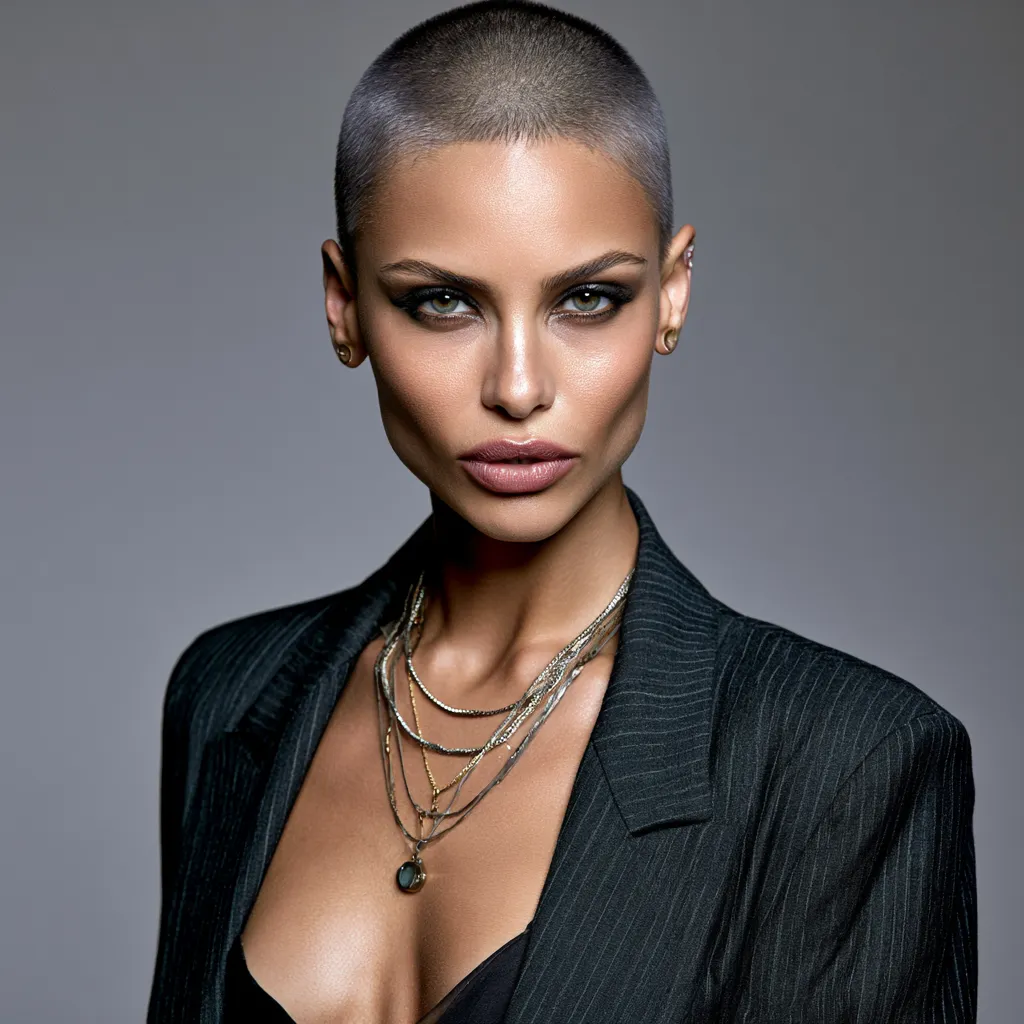
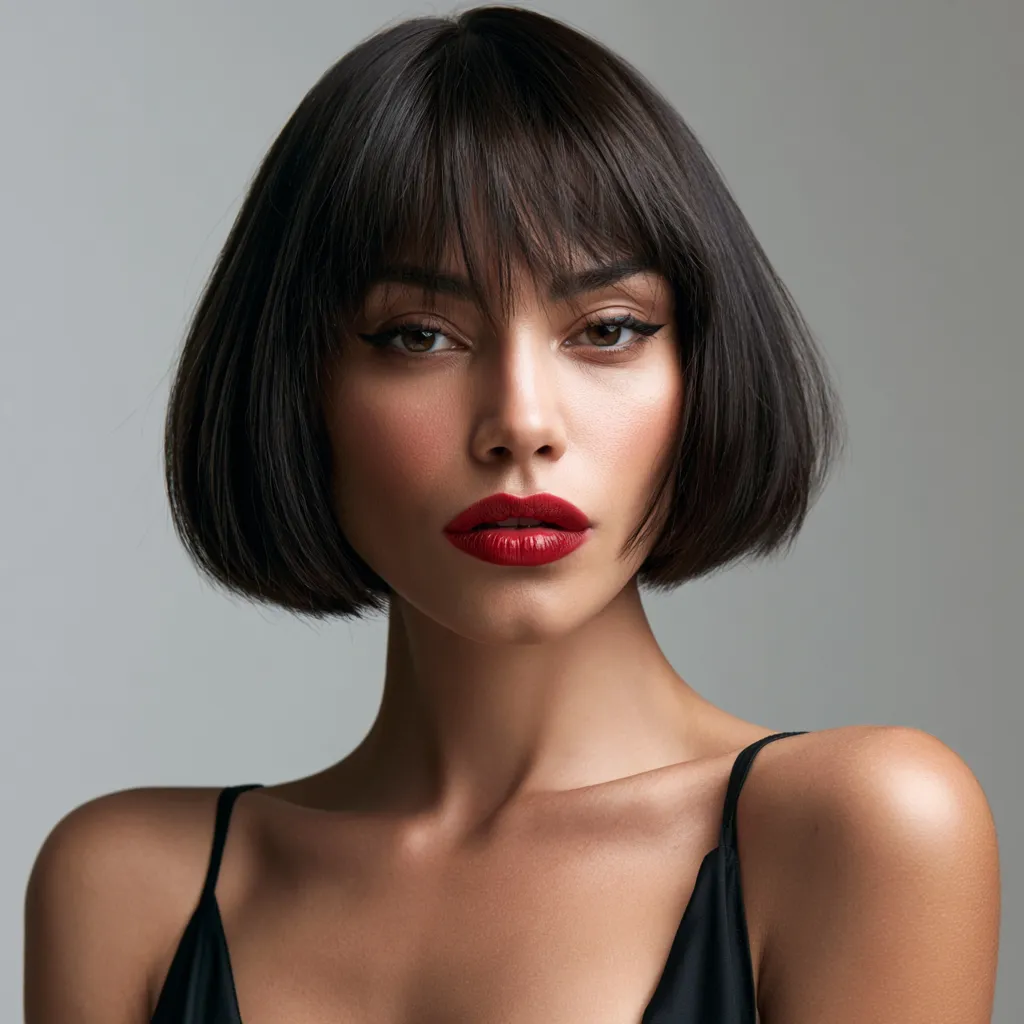
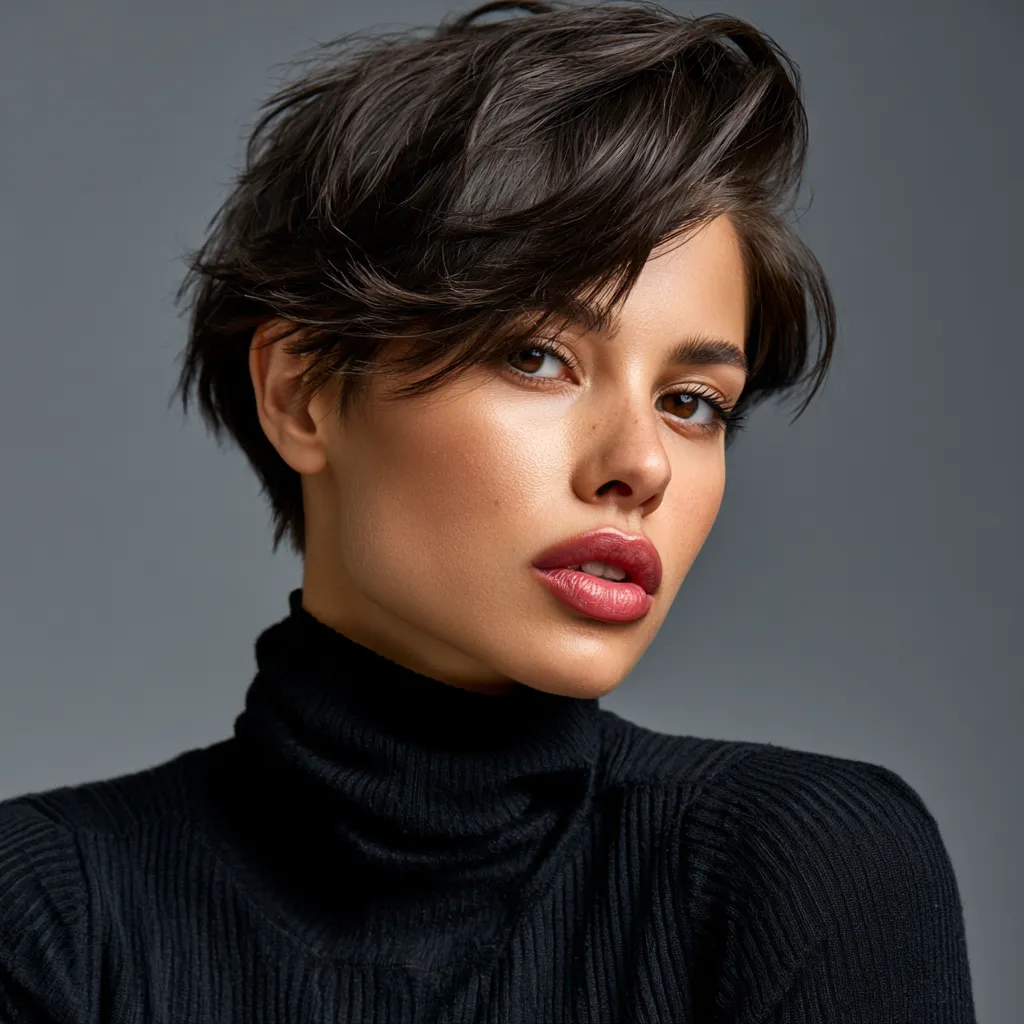
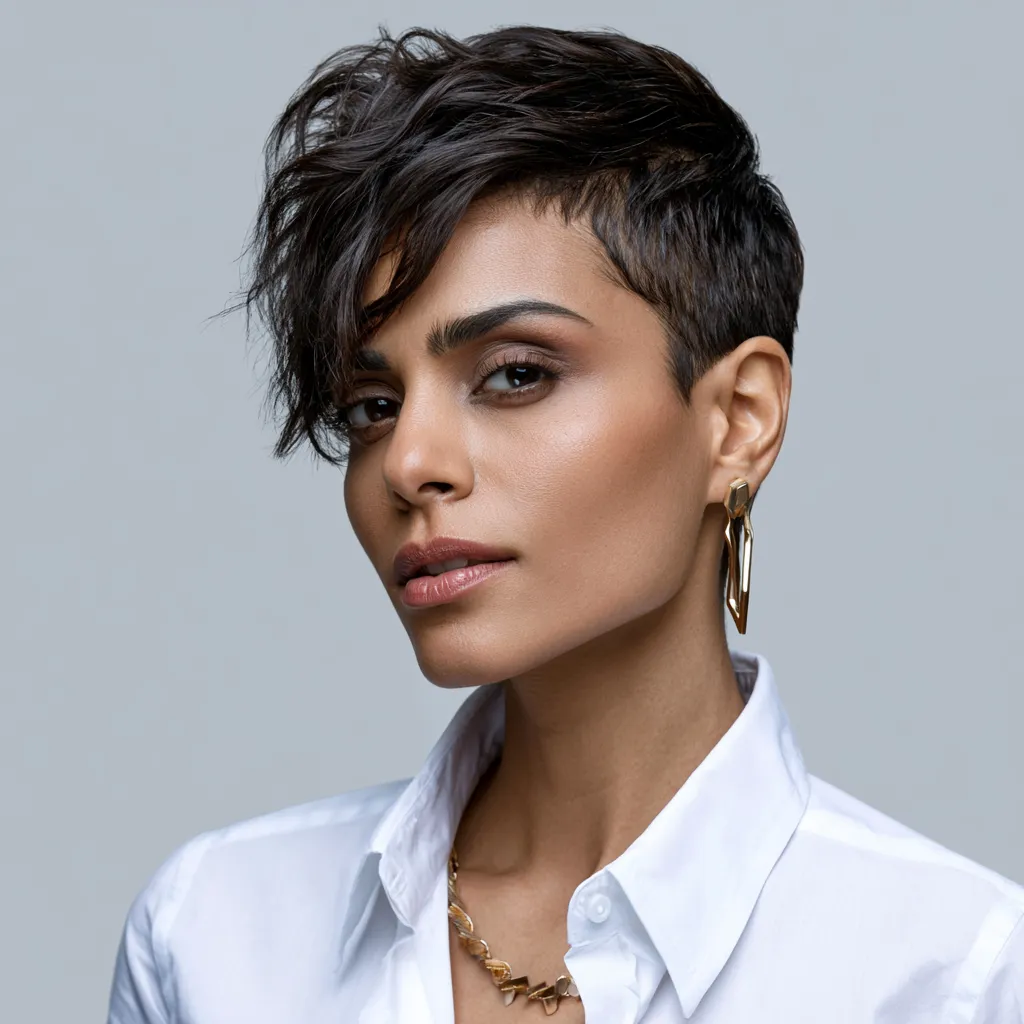
Blonde V Haircut for Women with Dimensional Highlights
A v haircut for women in blonde is where the shape earns its most visible payoff — every layer catches light differently, and the pointed center acts like a spotlight on your back. I’ve personally worn platinum at shoulder length with a v cut, and the way light moved through the layers looked like something out of a Redken campaign. The trick isn’t the color alone — it’s the highlight placement. Thin babylights around the face, graduating into warmer honey tones toward the back, is the technique that keeps the whole look cohesive rather than striped.
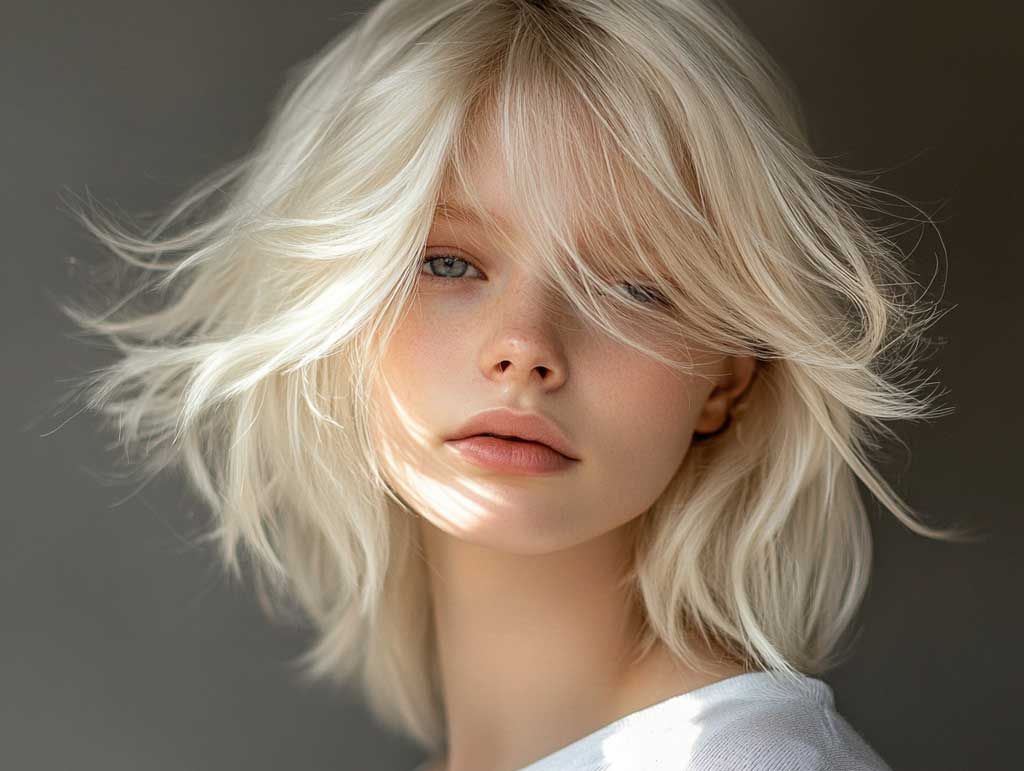
Platinum reads as bold and deliberate — it works best on cooler skin tones with pink or neutral undertones. Honey blonde is more forgiving across complexions, and it photographs warmer, which matters if this is a Pinterest-worthy look you’re building. What doesn’t work? Applying a solid, single-process blonde without any dimension. Flat, one-note blonde on a v cut makes the layers disappear and turns the pointed back into something that reads more like a mistake than a decision.

Olaplex No.3 ($30) is the product I’d buy before any lightening session — it rebuilds disulfide bonds broken during bleaching and keeps the lengths strong enough to hold the shape without snapping at the ends. Stylists at Drybar and Sally Hershberger’s NYC location both recommend a bond treatment before and after any blonde lift over three levels. You need that structural integrity because the v haircut depends on the ends being healthy — frayed tips make the pointed silhouette look fuzzy rather than precise.
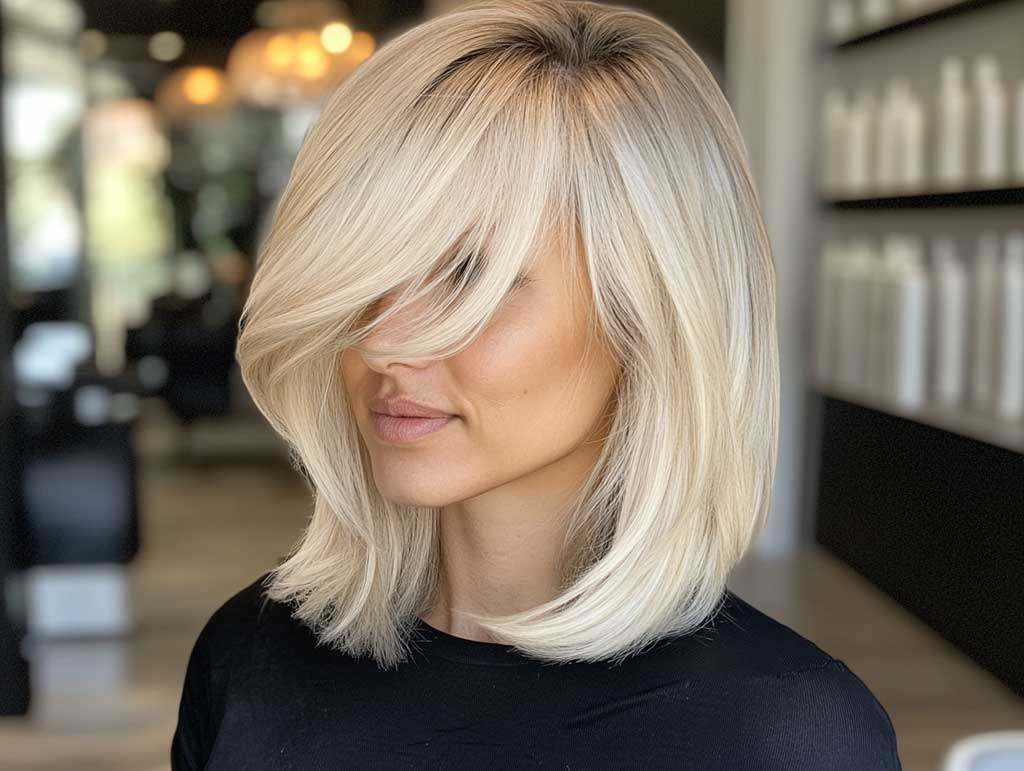
Loose waves are the easiest way to showcase the graduated back — they make each layer visible as a distinct stripe of light. My go-to is a 1.25-inch barrel from T3 ($175) held for four seconds, then finger-combed instead of brushed. Brushing out waves on a v haircut creates frizz at exactly the wrong spot: the ends where the point lives. A light spritz of Kenra Platinum Silkening Mist ($22) seals the cuticle and keeps the shape visible through a full workday.

Color maintenance for blonde is the category most women underestimate. You’ll need a toner refresh every 6–8 weeks to prevent the highlights from going brassy — I use Wella T18 toner ($7) diluted with 20-volume developer at home between salon visits. Regular trims at the 8-week mark keep the point sharp; beyond 10 weeks, the v begins to soften into a vague V-ish shape that loses the structure that made you want the cut in the first place. For more inspiration on layered looks that complement this shape, explore modern layered haircuts for women with medium length hair.
Brunette V Haircut Where Dark Tones Sharpen the Point
Brunette hair makes the v haircut for women look more architectural than any other color family — the dark tones create visible contrast against the skin, and the center point reads as intentional and sharp rather than casual. I’ve seen this combination on clients with natural dark brown hair who add nothing but a gloss treatment, and the result looks like they spent two hours styling when they just blow-dried straight. The physics are simple: dark color makes the edges of each layer crisp and legible.
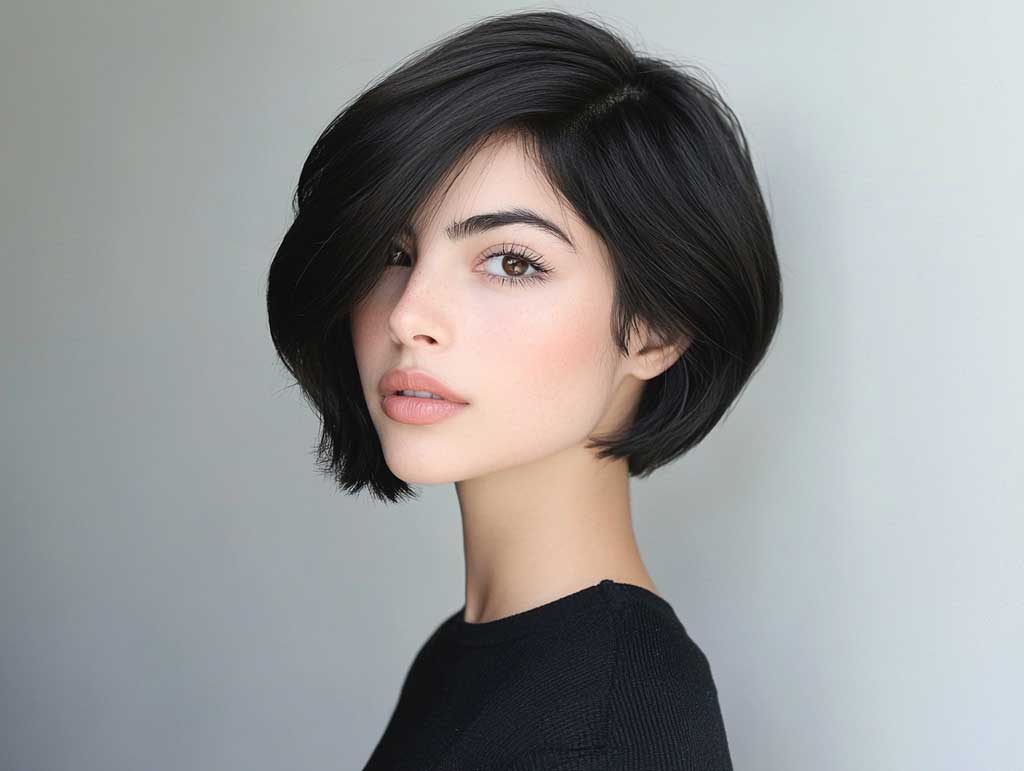
Caramel highlights are the brunette upgrade worth requesting specifically — not balayage painted broadly across the whole head, but thin ribbons of caramel placed only in the top three inches and through the face-framing sections. Those targeted highlights peek through the layers when the hair moves and prevent the dark base from looking flat under artificial lighting. Mocha is another direction I’d recommend if you want warmth without going too golden — it sits between chocolate and caramel and photographs incredibly in natural light.
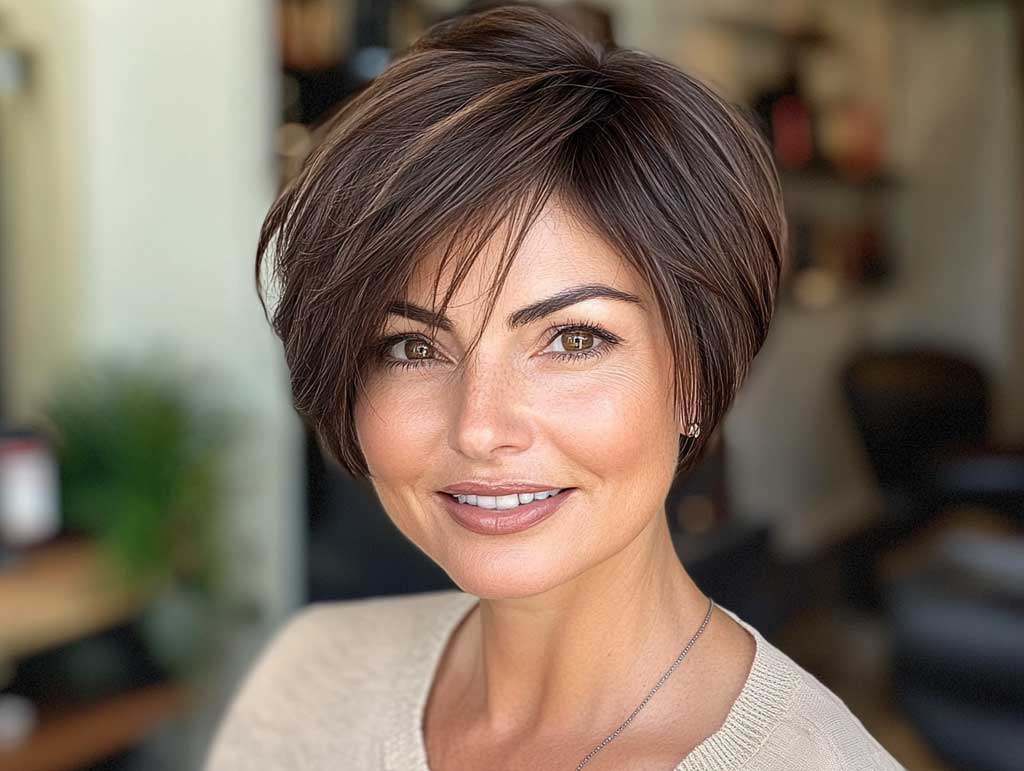
The layering technique matters enormously for thick brunette hair. Your stylist should be removing internal weight — thinning shears working through the mid-shaft, not the ends — while keeping the perimeter clean and unblended. When a stylist texturizes the ends of a brunette v haircut, the point disappears into a frayed mess. The pointed center should be cut with straight shears on dry hair so the stylist can verify the angle as they go. This is the one thing I’d confirm explicitly before sitting down in the chair.

Straightening amplifies the shape — the flat iron turns each layer into a literal stripe of color leading the eye toward the point. My trick stolen from Frederic Fekkai’s styling team is to iron in sections from the bottom layer up, clipping each finished section out of the way so it doesn’t get re-heated. Chi Original Ceramic flat iron ($80) is what I use at home; it’s less aggressive than a Dyson at this price point and keeps brunette hair from going dull. One pass per section, then done.
Wearing a brunette v haircut in a ponytail shows off the shape in an unexpected way — the pointed back creates a visible angle at the nape even when the hair is gathered. You don’t need any extra styling for that effect. What doesn’t land is wearing the hair half-up with the point tucked under a clip; the whole architectural payoff vanishes and you’re left looking like a standard long cut. Either wear it fully down or in a clean high pony — those are the two moves that keep the shape working for you.

- Don’t texturize the perimeter ends. Blending or point-cutting the very tip destroys the clean point that defines the v shape — the edge must be cut straight and sharp.
- Don’t skip trims past 10 weeks. The point rounds out into a vague soft curve that reads as an unkempt blunt cut, not an intentional v haircut.
- Don’t ask for a v cut in fine, limp hair without body-building layers. Fine hair without added volume through interior layers makes the v silhouette collapse flat against the back.
- Don’t bleach and cut in the same appointment. Chemically compromised ends break unevenly and the point frays within two weeks. Space them at least a week apart.
Red V Haircut That Makes Every Layer Flicker
Red hair and a v haircut for women share one characteristic that makes the combination almost unfair: movement. When red layers catch light, each one flickers a slightly different shade — copper at the tips, deep cherry at the roots — and the pointed back amplifies that display by directing the eye through every single layer before landing at the center point. I’ve watched this combination stop conversations at parties. The trick is in shade selection before anything else.
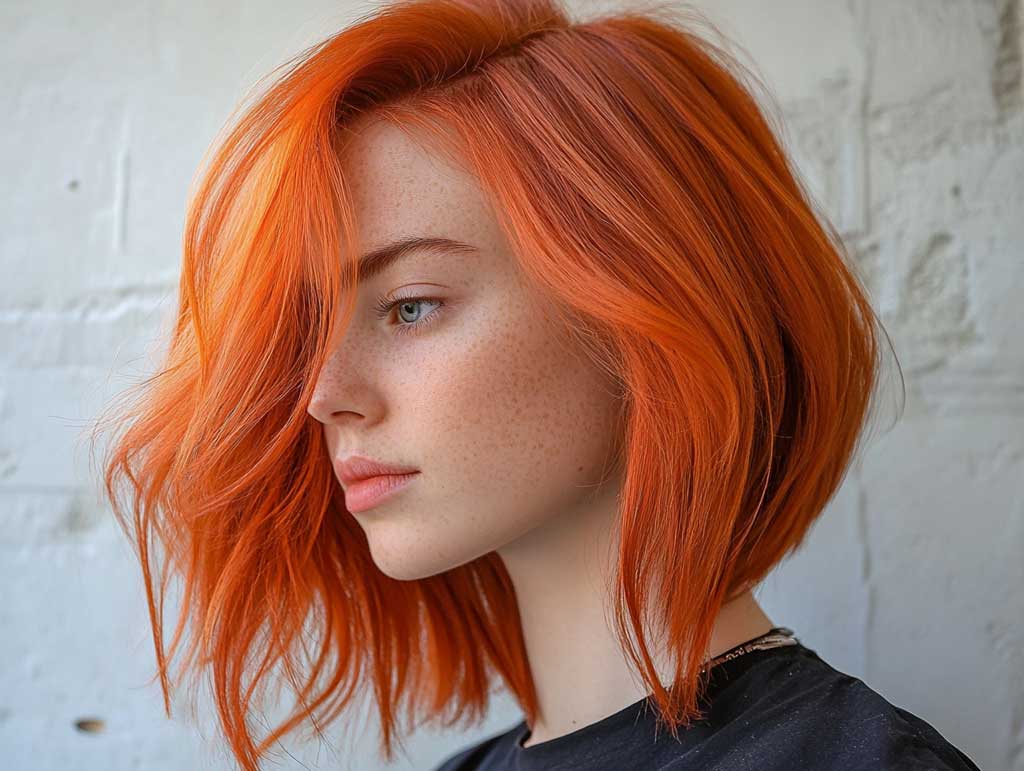
Bright copper suits fair skin with warm undertones; deep burgundy works on medium to deep complexions and reads as wine rather than Halloween. Avoid box dye for red — it deposits too evenly and kills the variation between layers that makes this color-cut combination work. Joico’s Vero K-Pak Color in shade 6RR ($14 at Sally Beauty) gives professional-level vibrancy without the flat coverage of box formulas. Your stylist should apply the red after cutting so the final shape informs where they concentrate the most vivid pigment.

Red fades faster than any other pigment family — this is the one non-negotiable reality of this combination. Red molecules are large and sit on the outside of the hair shaft rather than penetrating deeply, which means they rinse out with every wash. Color-safe shampoo is not optional here; I use L’Oréal EverPure Sulfate-Free Shampoo ($10) and wash only twice a week. Cold water rinses seal the cuticle and extend vibrancy by an extra 4–5 days per wash cycle — a small habit that adds up to three extra weeks of vivid color between appointments.

Styling a red v haircut straight is the most dramatic option — a flat iron from root to tip makes each layer a precise red stripe leading to the point, and the result looks almost digital in its sharpness. Soft waves are the more wearable daily version: use a 1-inch barrel and wrap rather than clamp to avoid kinking the hair. Either way, avoid touching the hair while it’s warm — pressing your hands against hot styled hair redistributes the heat and creates flat spots in the layers that disrupt the silhouette.
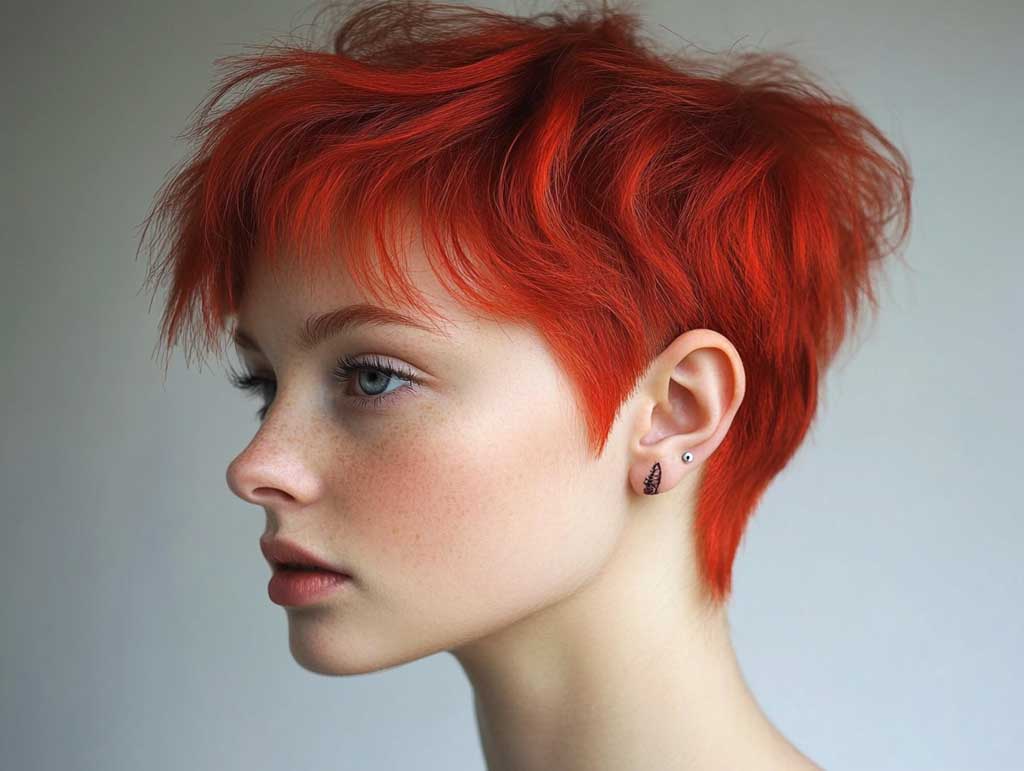
The confidence this color-cut combination produces is real and slightly absurd. Red hair commands attention in rooms that brunette and blonde don’t — add the v silhouette and you’ve built a look that announces itself before you say a word. What doesn’t work is going for a muted, washed-out red thinking it’ll be low maintenance. Faded red looks orange, and orange on a v haircut looks like an accident rather than a choice. Go vivid or go a different direction entirely.
Black V Haircut and the Mirror Finish That Defines the Shape
Black hair absorbs light rather than reflecting it, which sounds like a disadvantage for a v haircut for women — but it’s actually the reason black is the most dramatic color choice for this shape. The contrast between your black layers and your skin creates the sharpest possible outline at the center point, and a gloss treatment turns that edge into something that looks almost lacquered. Raven, bluish-black, and smoky charcoal are three distinct directions within the “black” category, and each one interacts with the v silhouette differently.
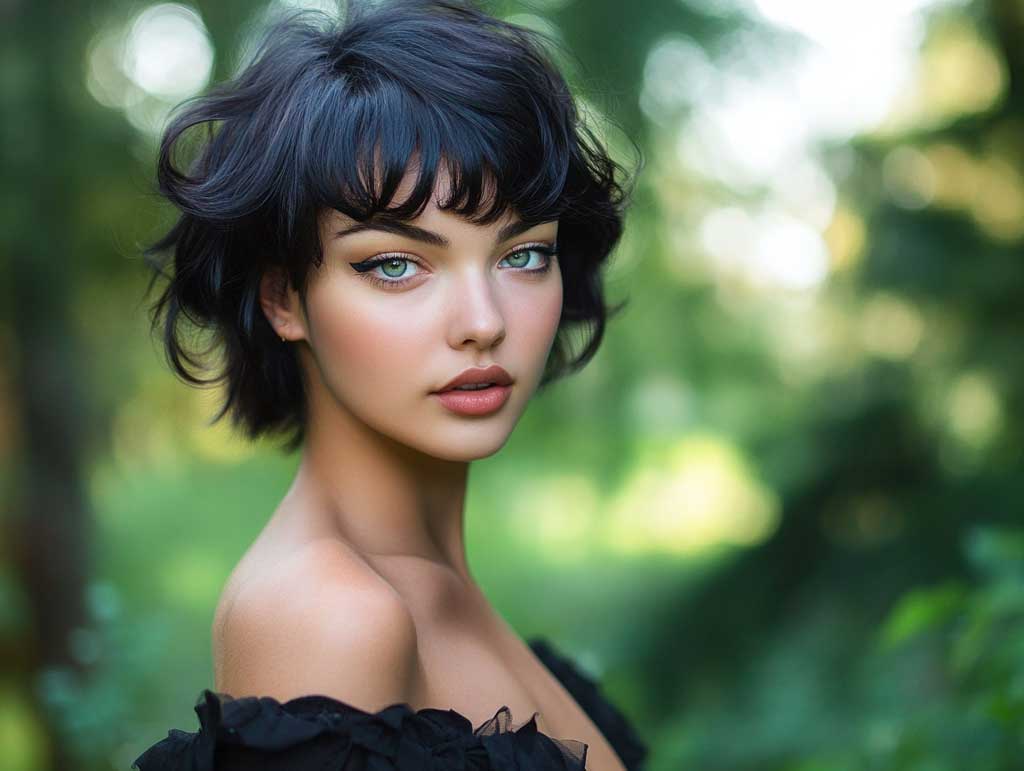
Raven black is the richest and most classic — it reflects a warm undertone in direct sunlight that prevents it from looking flat indoors. Bluish-black is the fashion-forward version, associated with editorial editorial looks and K-beauty influence; it reads cooler and more modern under artificial light. Smoky charcoal sits between dark gray and black and suits women who want the structural benefits of black pigment without committing to full depth. Any of the three gains significantly from a professional gloss treatment like Redken Shades EQ ($18 at professional salons) applied over the existing color — it seals the cuticle and amplifies the shine by a level that home products simply don’t reach.
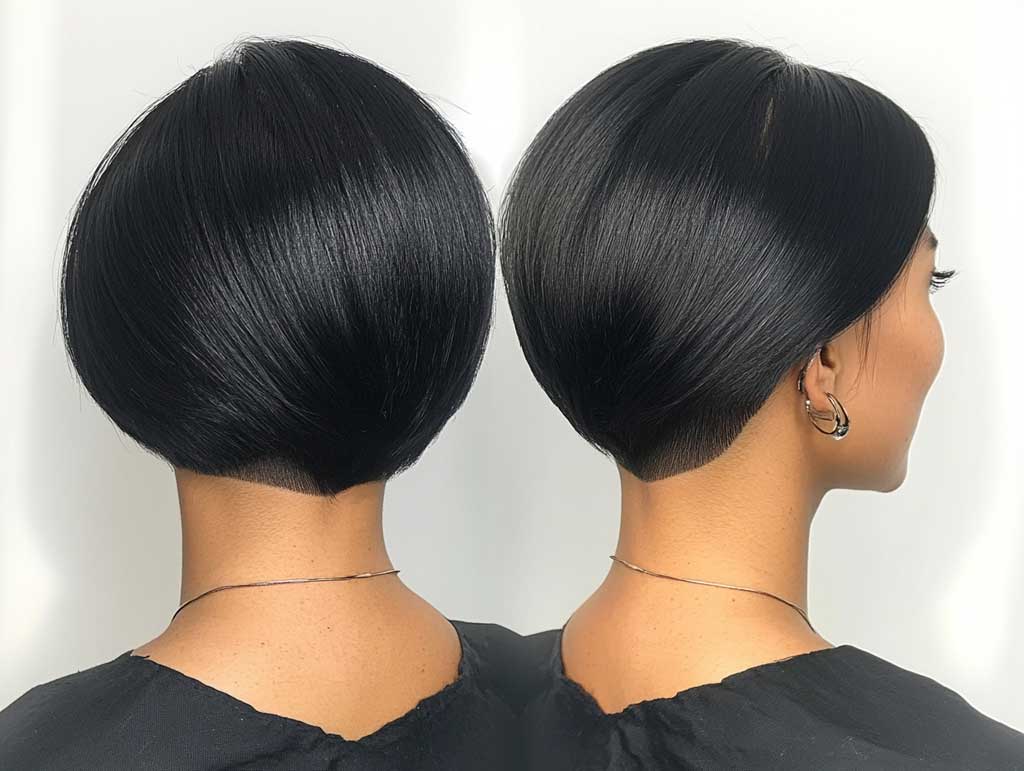
Split ends are more visible on black hair than on any lighter color — the contrast between the dark shaft and the lighter, frayed tip shows up immediately. This means trims for a black v haircut need to happen on the earlier side of your window: 7–8 weeks rather than 10. Does that feel like a lot of salon time? Consider it maintenance for a look that costs you nothing in color services if you’re natural. The payoff-to-effort ratio is actually better for natural black hair than for any color-treated version.
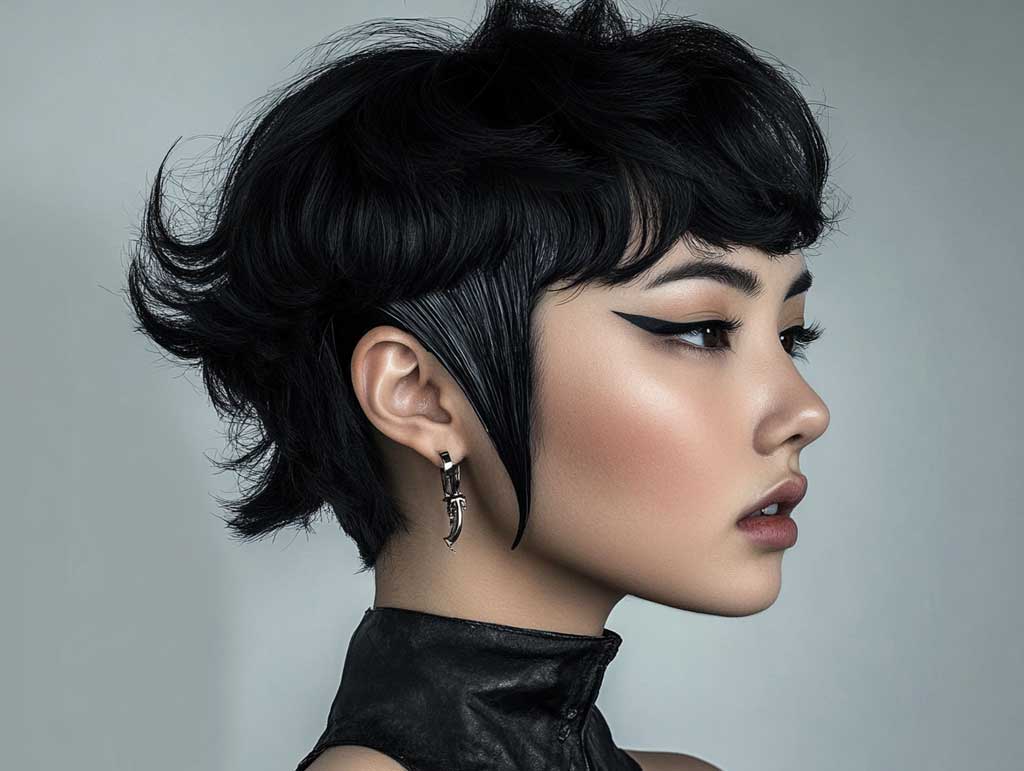
Accessories read differently on black v haircut hair — they pop rather than blend. A gold statement hairpin placed above the center point draws the eye exactly to where the shape starts, and crystal clips in the front sections create a contrast against the dark color that looks intentional and editorial. Avoid heavy fabric headbands; they flatten the crown layers and break the v silhouette’s clean line at the top. A thin silk scarf tied loosely at the nape, however, actually highlights the pointed shape below it.
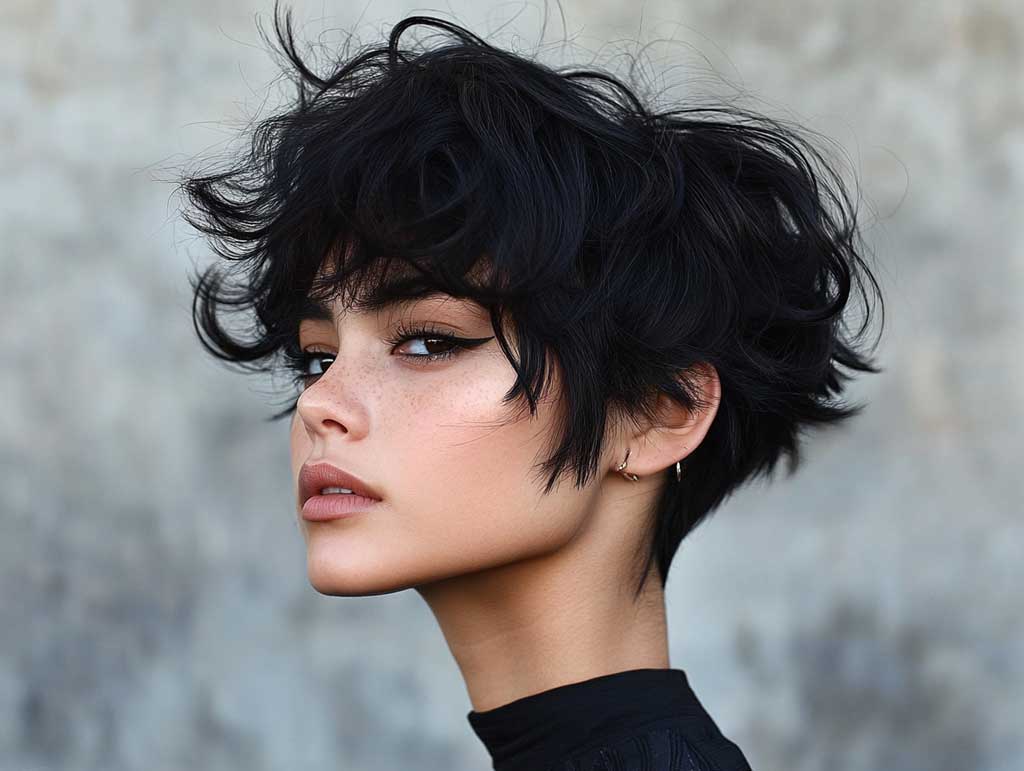
Flat-ironing black hair straight is the fastest way to reveal the full architectural impact of the v. You’ll see every layer transition clearly, and the pointed center becomes the visual anchor of the whole look. For special occasions, loose curls on a black v haircut add a romantic dimension — the dark waves catch light in a way that makes the shape look almost three-dimensional. My one rule: never finish black styled hair with a heavy wax or pomade. They coat the layers and dull the gloss treatment you just paid for. A single drop of Moroccanoil Treatment ($22) through the mid-lengths is all you need. Also worth looking at for inspiration: v shape hair cut options for straight sleek looks.
Pastel V Haircut Where Soft Color Needs Sharp Structure
Pastel hair and a v haircut for women create a combination that should feel contradictory — soft, dreamy color on a precise, structured shape — but the contrast is exactly what makes it work. The pointed silhouette gives the delicate tones an anchor they desperately need; without it, pastel hair reads as a color experiment that forgot to have a haircut. Rose quartz, lilac, and mint are the three pastels I’ve seen look genuinely polished on a v shape rather than costume-adjacent.
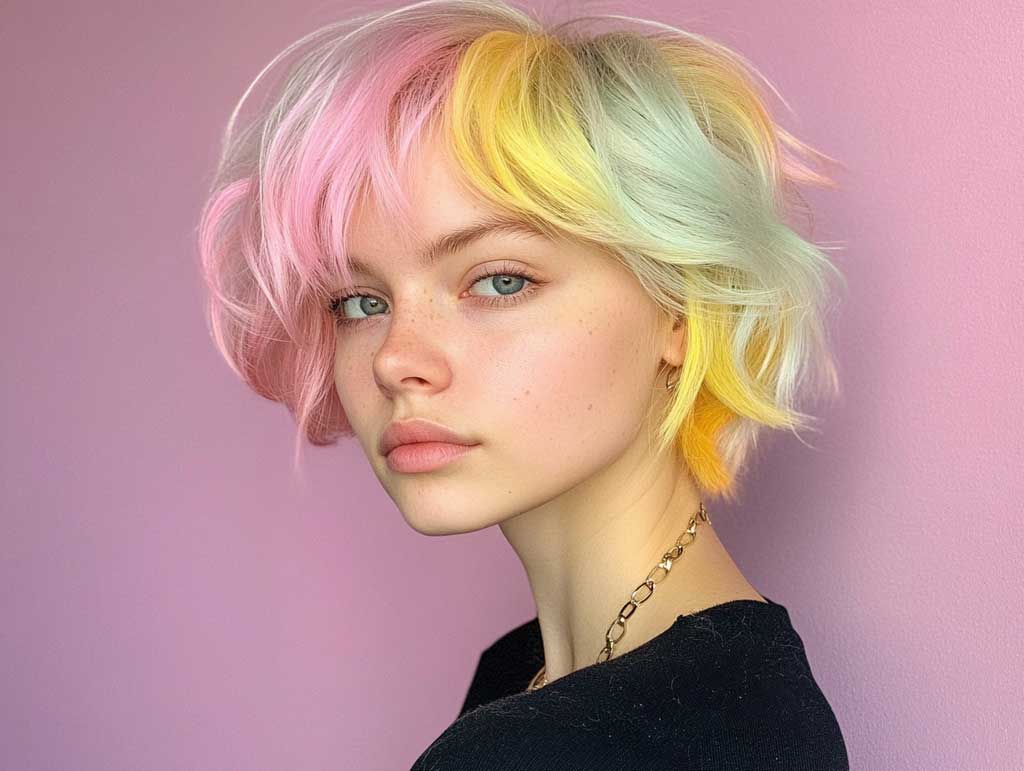
Achieving pastel requires lifting your base to at least a level 9 pale yellow before toning — below that, the pastel deposits look muddy rather than soft. This is a two-appointment process minimum: bleach first, wait two weeks for the hair to recover protein, then tone. Skipping that recovery period is how you end up with pastel color on hair that snaps at the v point within a month. Olaplex No.1 Bond Multiplier ($28) added to the bleach mix is the professional standard for preventing structural damage during lift; I’d ask your colorist explicitly whether they use a bond treatment before agreeing to same-day bleach and color.
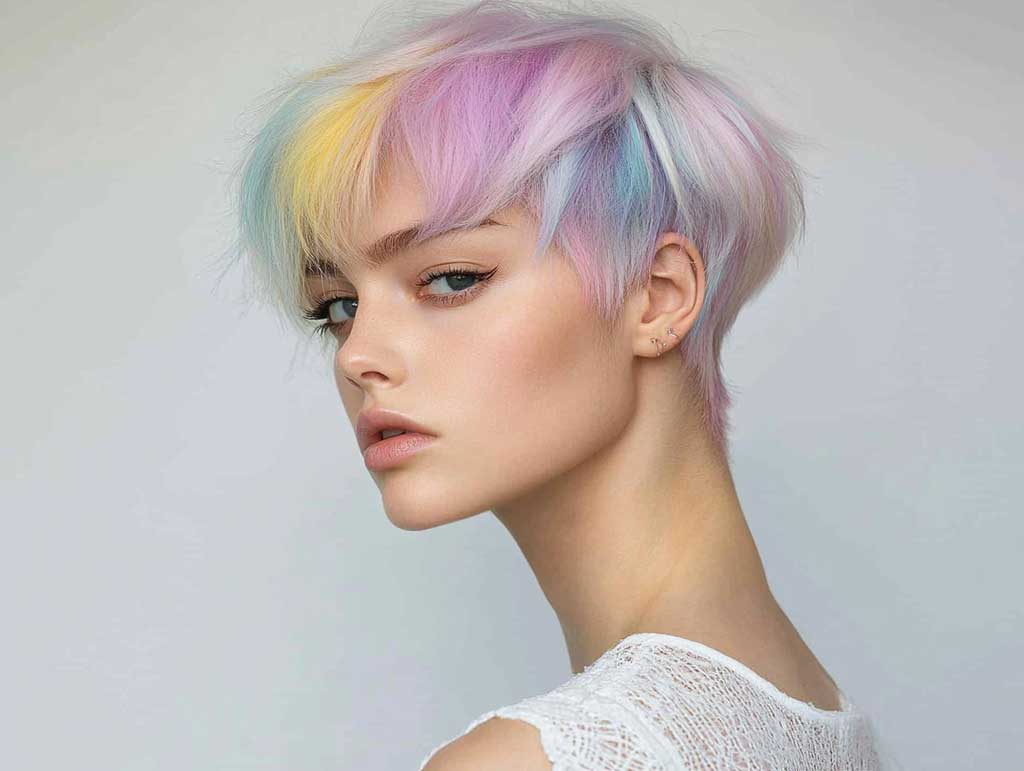
Blending multiple pastel tones is where this look gets genuinely interesting — lavender transitioning into dusty pink, or mint bleeding into pale aqua at the ends. The v haircut exposes each layer individually, so the color graduation becomes visible as the hair moves. Each layer literally shows a different stage of the gradient, and it shifts as you move your head. That’s the living, shifting quality that makes pastel v haircut photos stop the scroll.
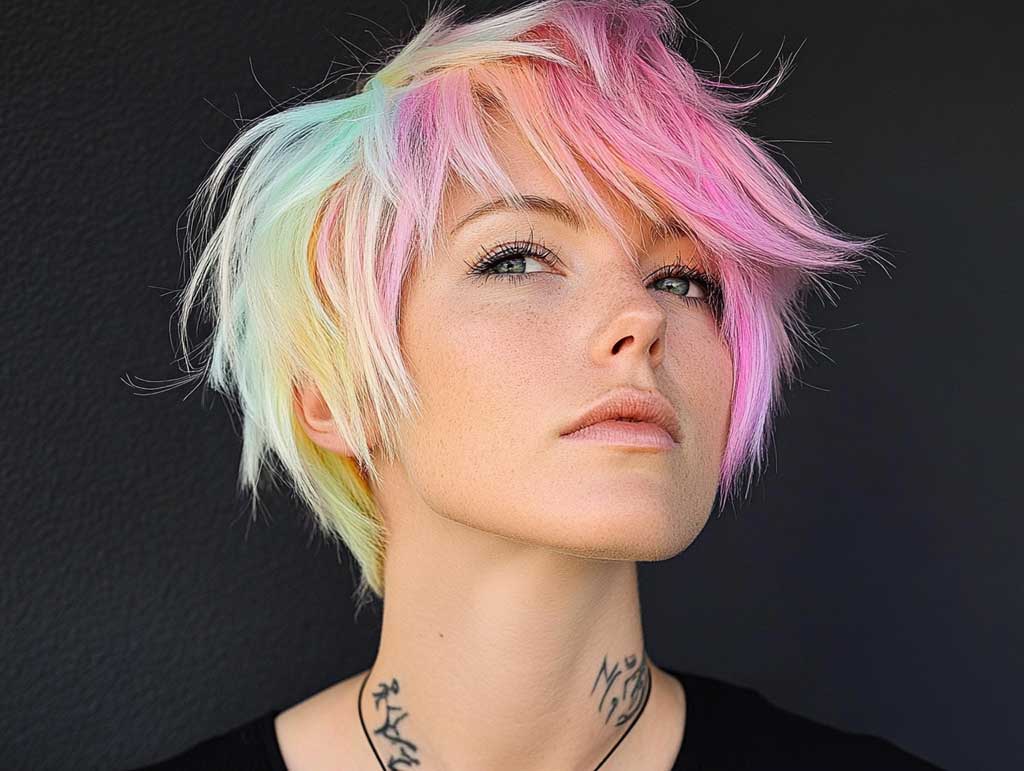
Pastel fades faster than red — some tones lose half their vibrancy within three washes. Washing twice a week maximum, always in cold water, is the baseline. Davines Alchemic Conditioner in Silver ($32) doubled as both a conditioner and a color refresher for my lilac phase — I’d leave it on for 10 minutes once a week and it extended the toning by about two weeks per application. The v haircut’s layered structure actually helps with root regrowth management: a gradient approach means the root line is less visible than with a single solid pastel applied root to tip.
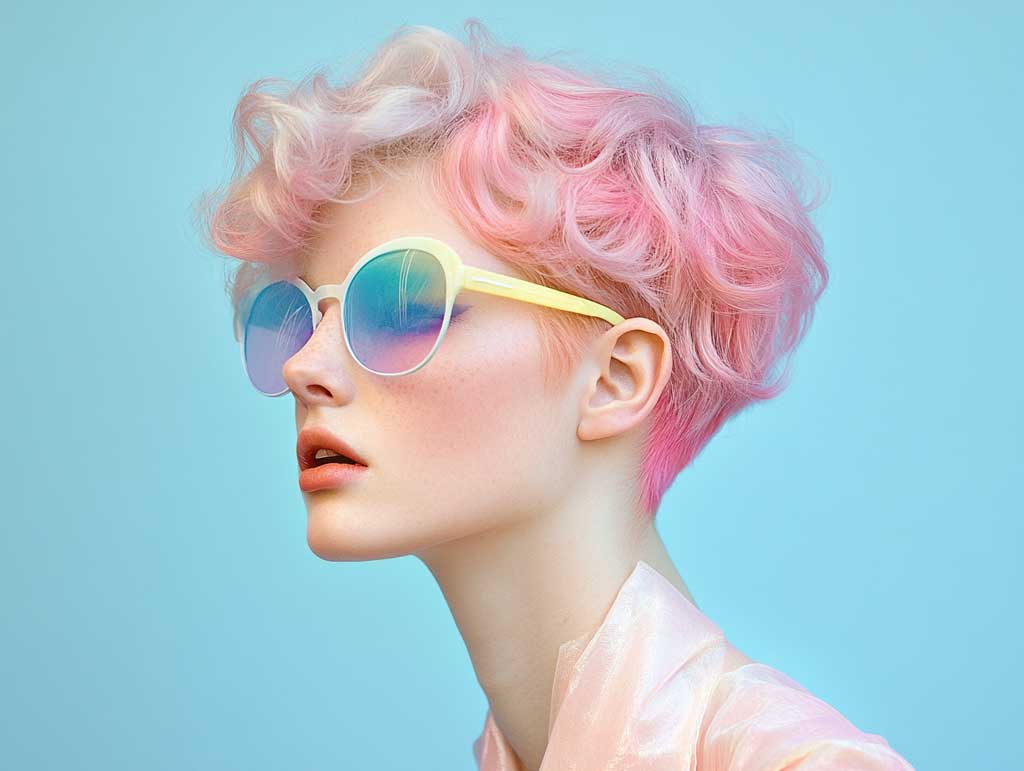
Styling pastel v haircut hair with loose waves is the move that photographs best — the gradient shifts as each wave catches different amounts of light, and the pointed back is still visible beneath the waves. Braids on a pastel v haircut are genuinely striking: the pointed color sections weave through the plait and create a visual that looks hand-designed rather than accidental. The one styling approach that backfires is heavy heat on already-lightened pastel hair — the tones shift toward yellow or green with repeated flat iron use above 380°F. Keep heat tools at 350°F and use a heat protectant like Paul Mitchell Hot Off The Press ($20) every single time. According to L’Oréal Paris, applying temporary color spray to the ends of a v cut is a low-commitment way to preview a pastel direction before committing to a full bleach session.
FINAL VERDICT
The v haircut for women rewards color and punishes neglect.
Your shade of choice should be chosen before the cut, not after — color placement and layer depth are decisions made together, not in sequence.
Trims at 8 weeks keep the point crisp. Beyond 10 weeks, the shape starts to negotiate with gravity and you lose the silhouette that made it worth doing.
Dark tones give the sharpest architecture. Blonde and pastels give the most movement. Red gives the most drama. Pick your priority and commit to the maintenance that color requires. Save this post.