The v shape hair cut does something a blunt trim never can — it pulls the eye downward and inward, giving straight strands a geometry that reads as intentional, not accidental. I’ve seen dozens of clients leave the salon with a flat, heavy hemline and wonder why their hair looks lifeless, even after a fresh cut. The V answers that problem by redirecting weight toward the center and letting the sides move freely.
You’ll notice the difference most from behind. Where a straight-across cut reads like a wall, the v shape hair cut creates a focal point — a clean taper that draws attention to the back of the head in the best possible way. On sleek, straight hair, that taper is razor-sharp and impossible to ignore.
Color plays a massive role in how dramatic or understated the V reads. Midnight green makes it editorial. Platinum silver makes it futuristic. Warm auburn makes it approachable. The cut itself costs roughly the same as any precision trim — expect to pay $60–$120 at a mid-range salon — but what you’re buying is a silhouette, not just a length adjustment.
- The v shape hair cut works by keeping length at the center back while tapering shorter toward the sides — straight hair shows this geometry most clearly.
- Midnight green, platinum silver, and soft auburn are the three color directions in this article, each changing how sharp or soft the V reads.
- Fine-to-medium hair benefits most: the taper creates the illusion of fullness at the crown without adding bulk.
- A flat iron and a drop of smoothing serum are all the daily upkeep this look requires — no complicated routine needed.
- V shape differs from a straight cut: a blunt hemline adds bulk; the V removes it and introduces movement.
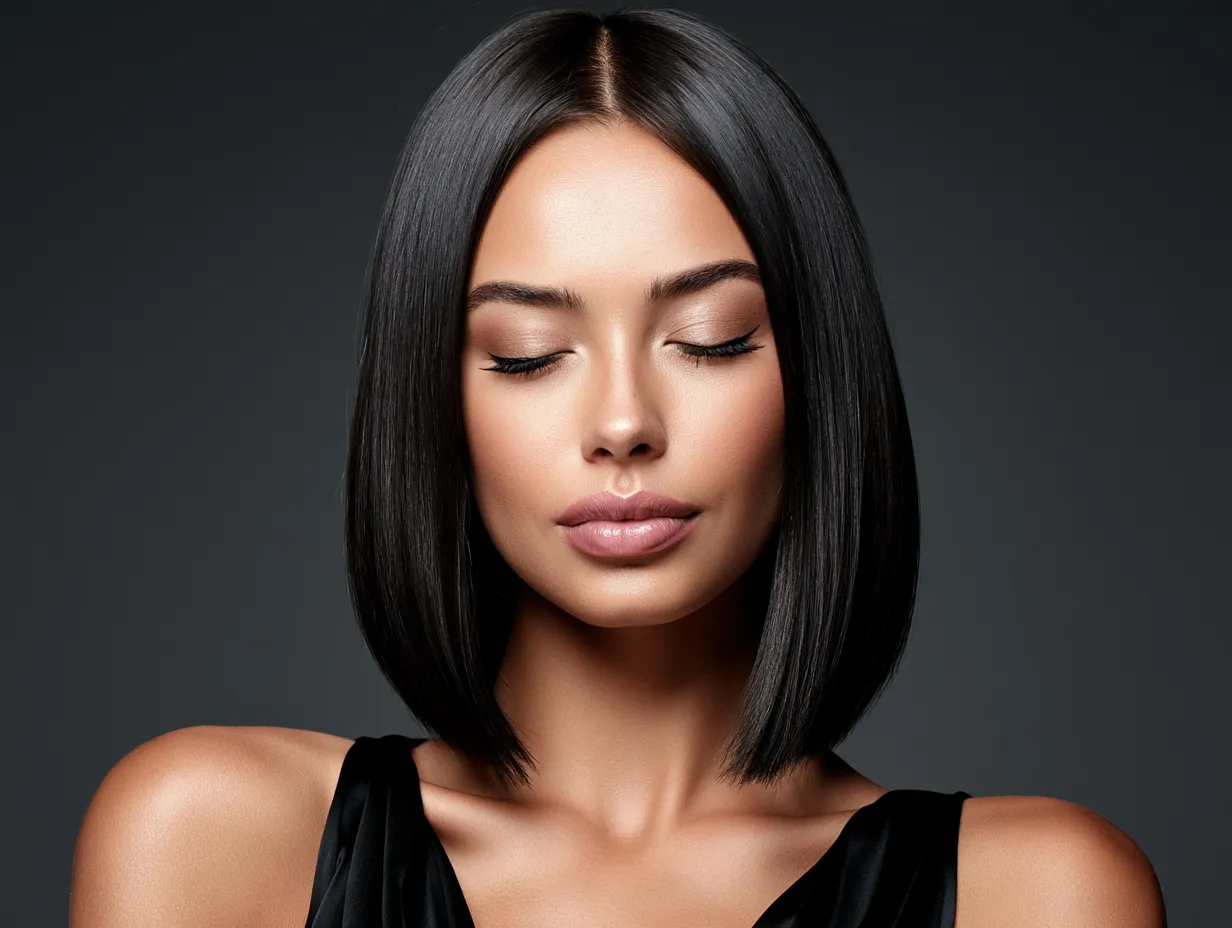
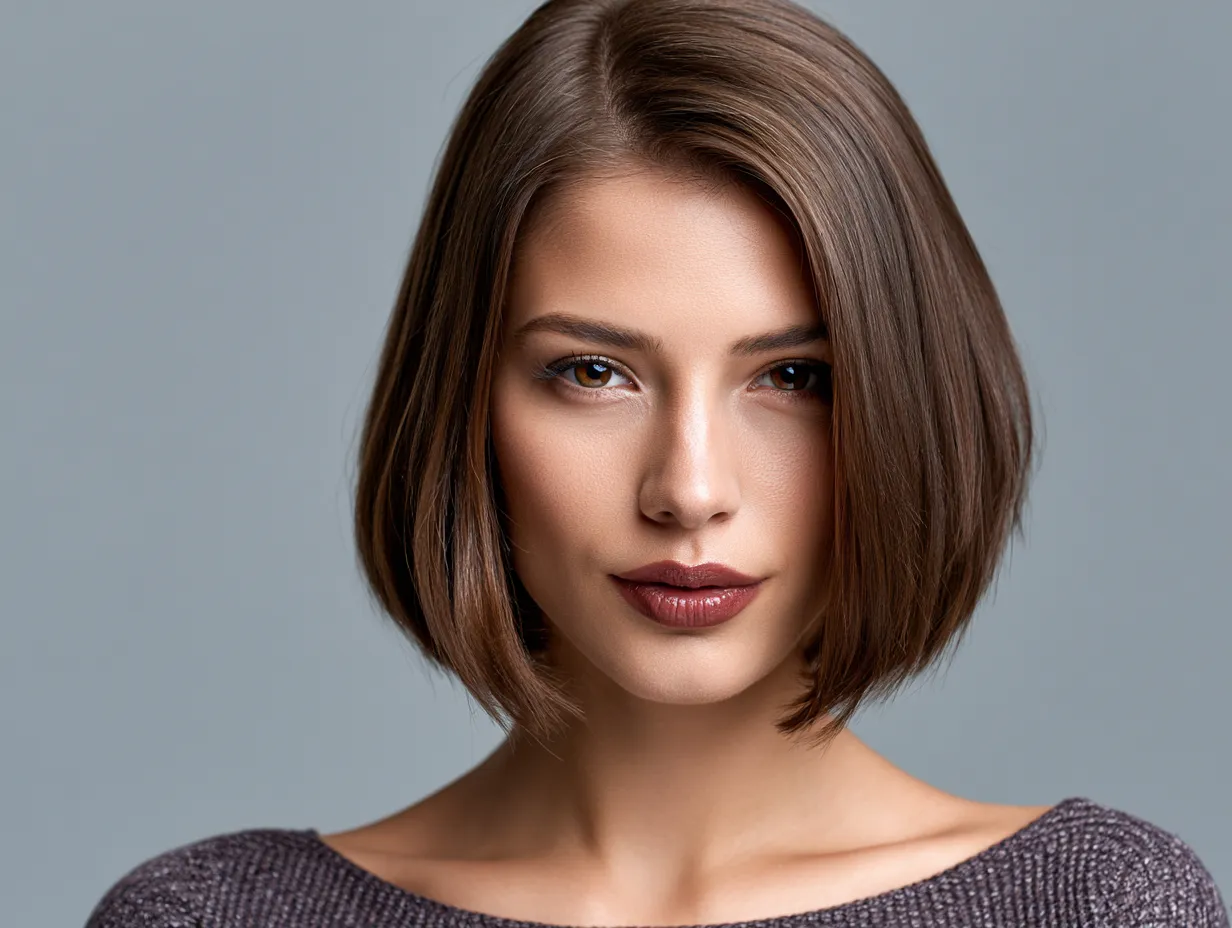
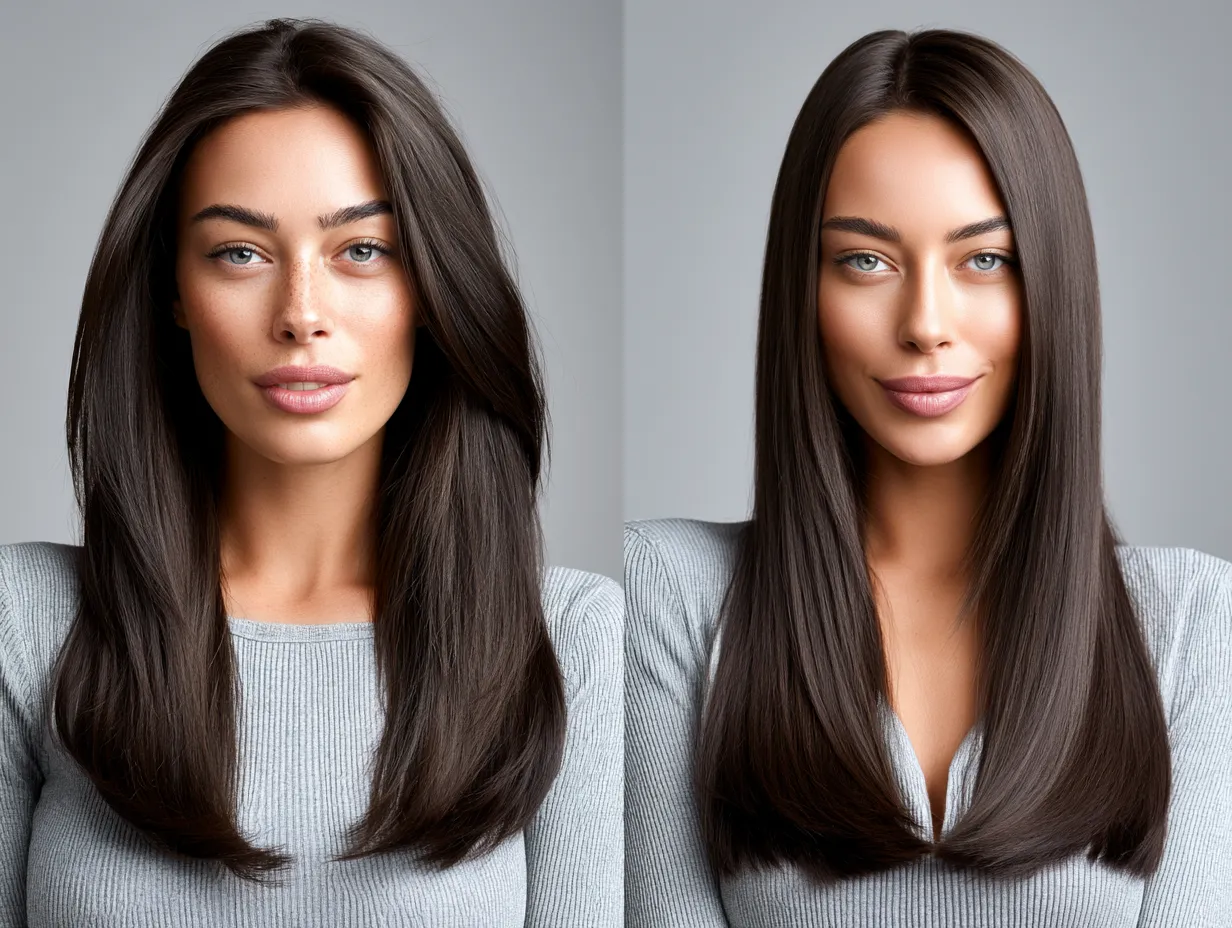
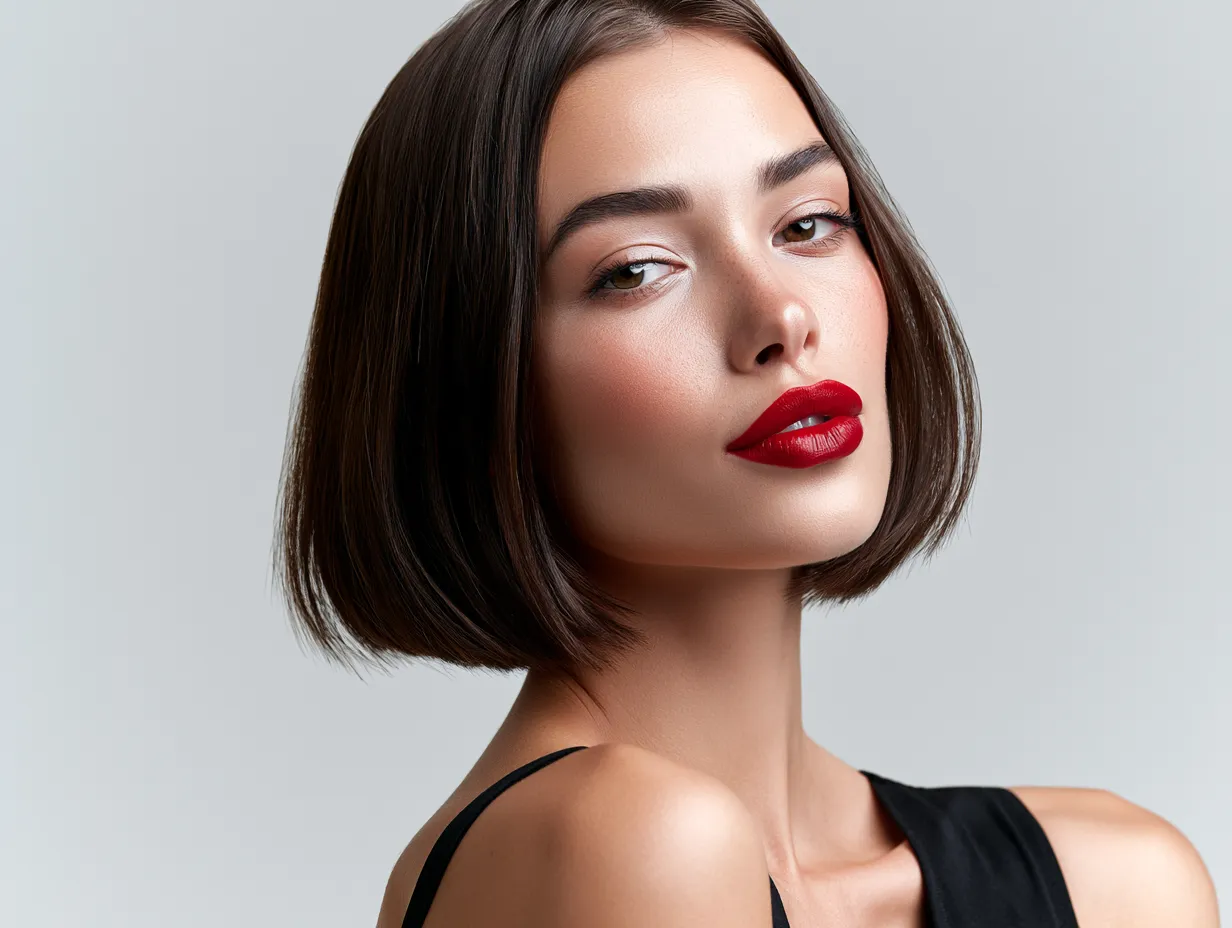
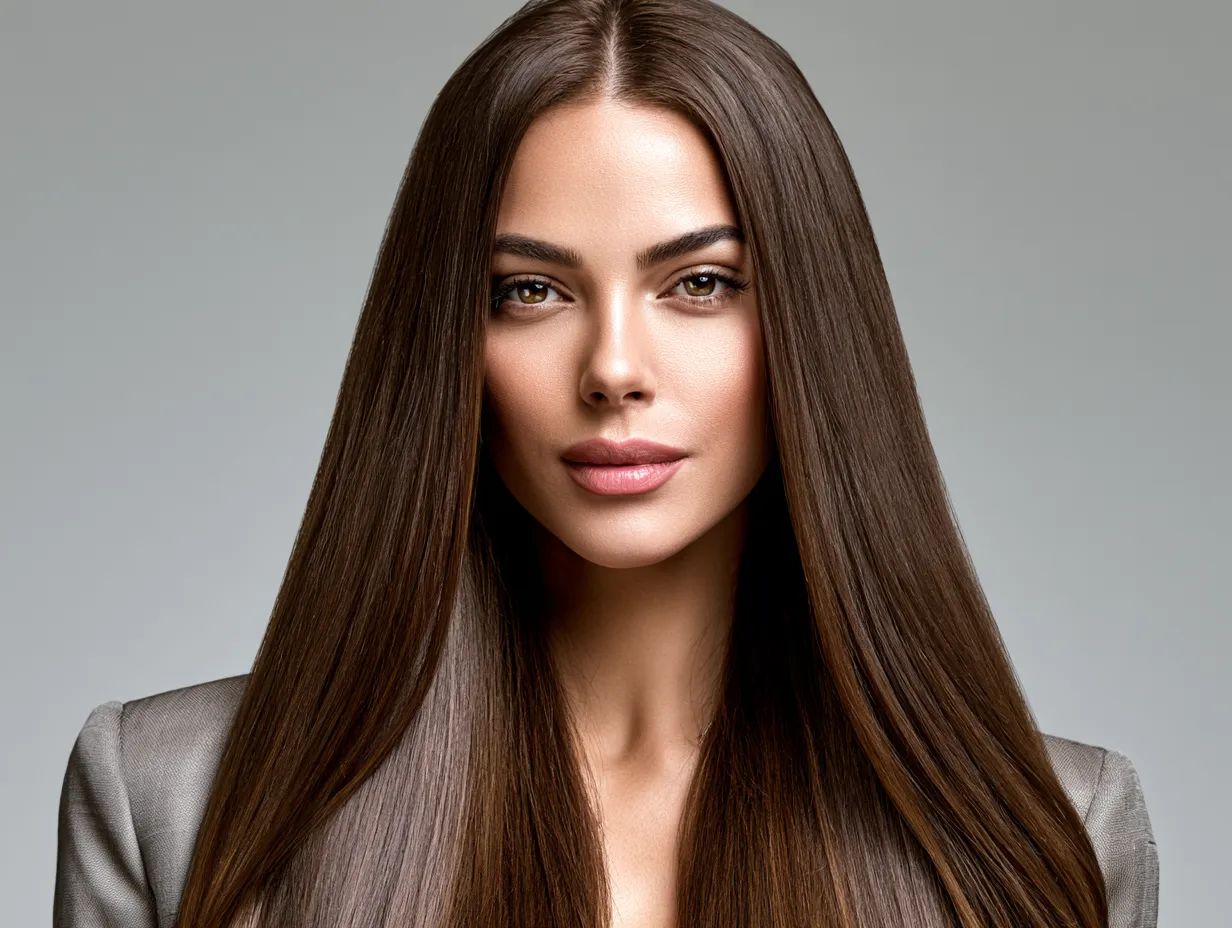
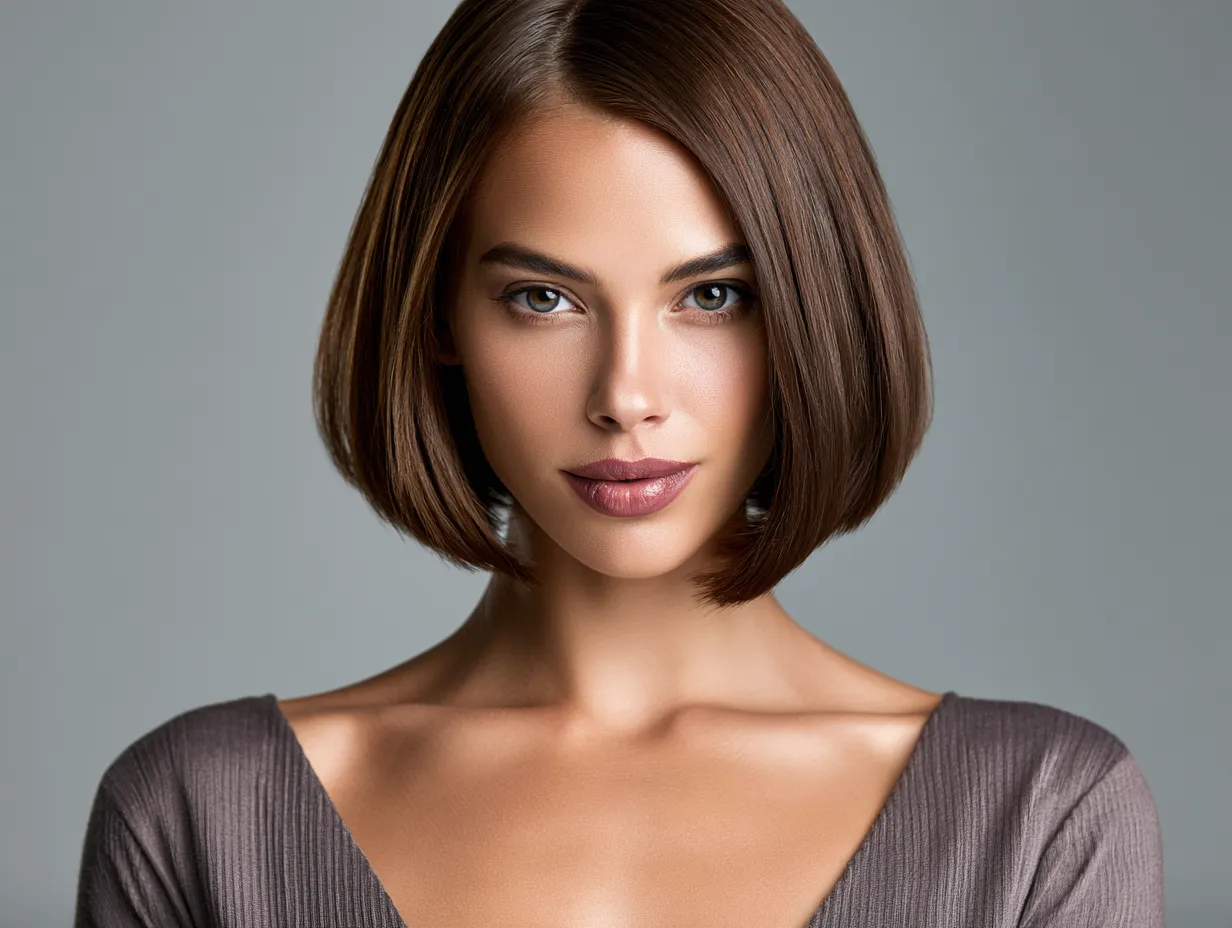
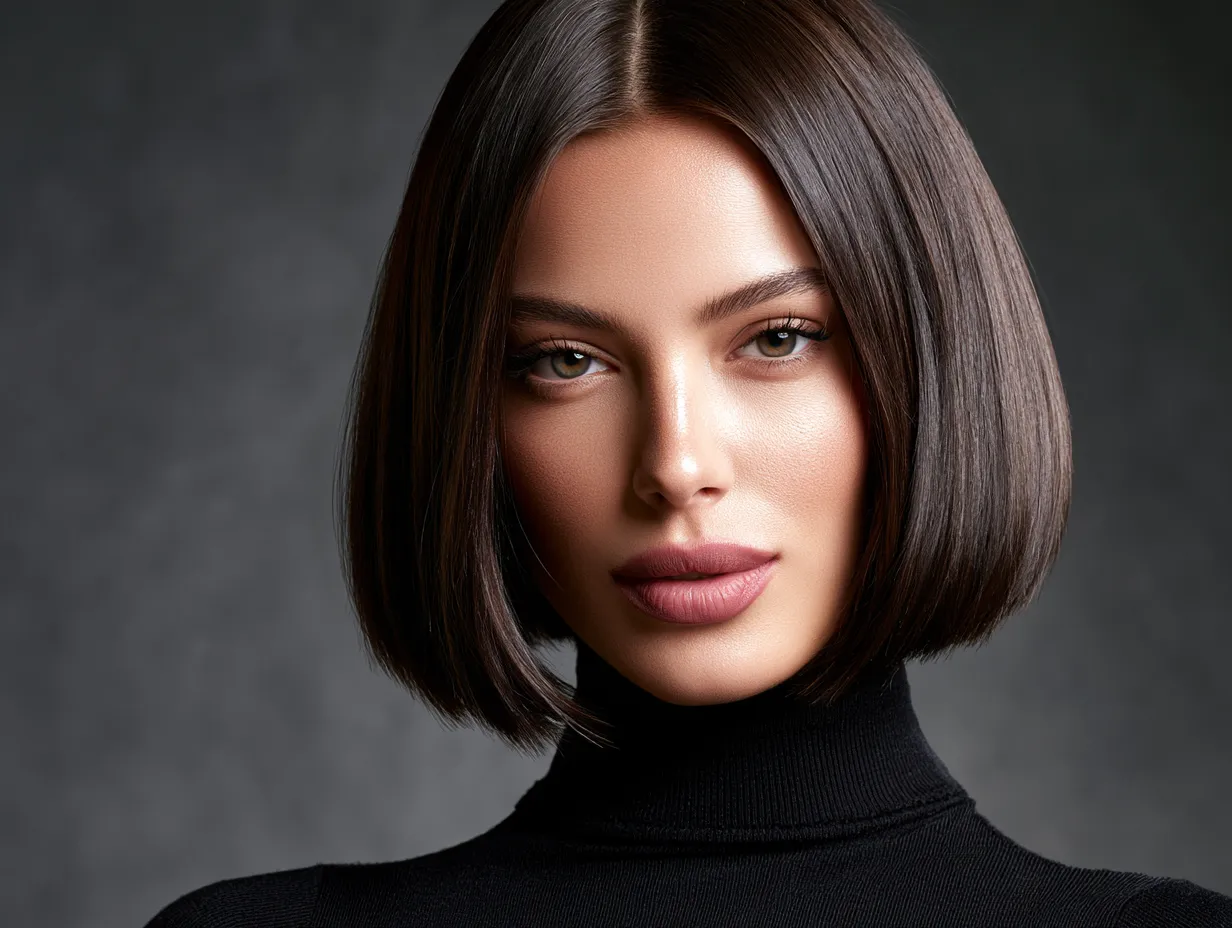
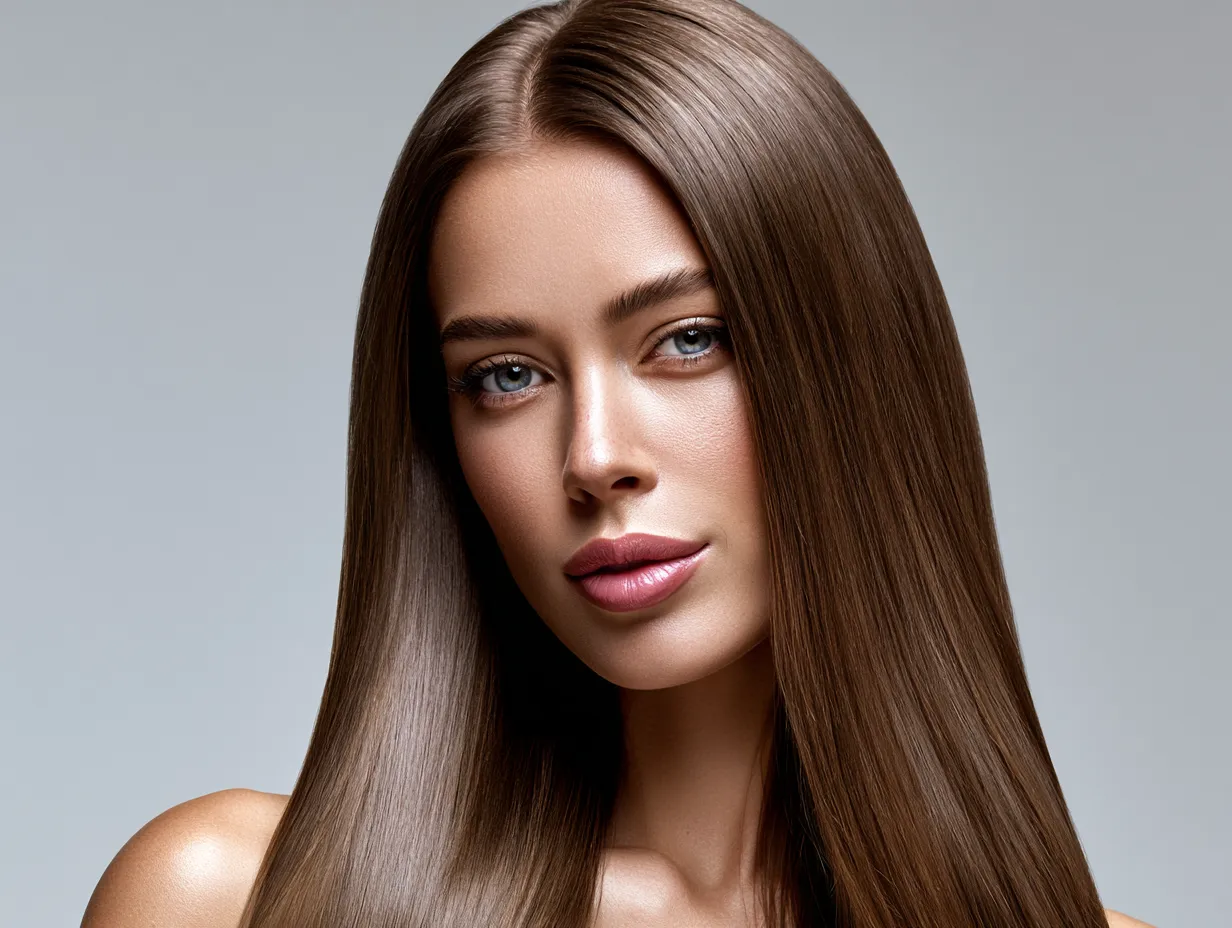
Midnight Green Turns the V Shape Hair Cut into a Statement
The v shape hair cut in midnight green is what happens when you stop treating color as an accessory and start treating it as architecture. I’ve tested deep jewel tones on straight layers before, and nothing reads quite as polished as this combination — the rich green absorbs light differently at every angle, and the sharp taper at the mid-back acts like a frame for the color’s depth. It’s bold without being costume-like.

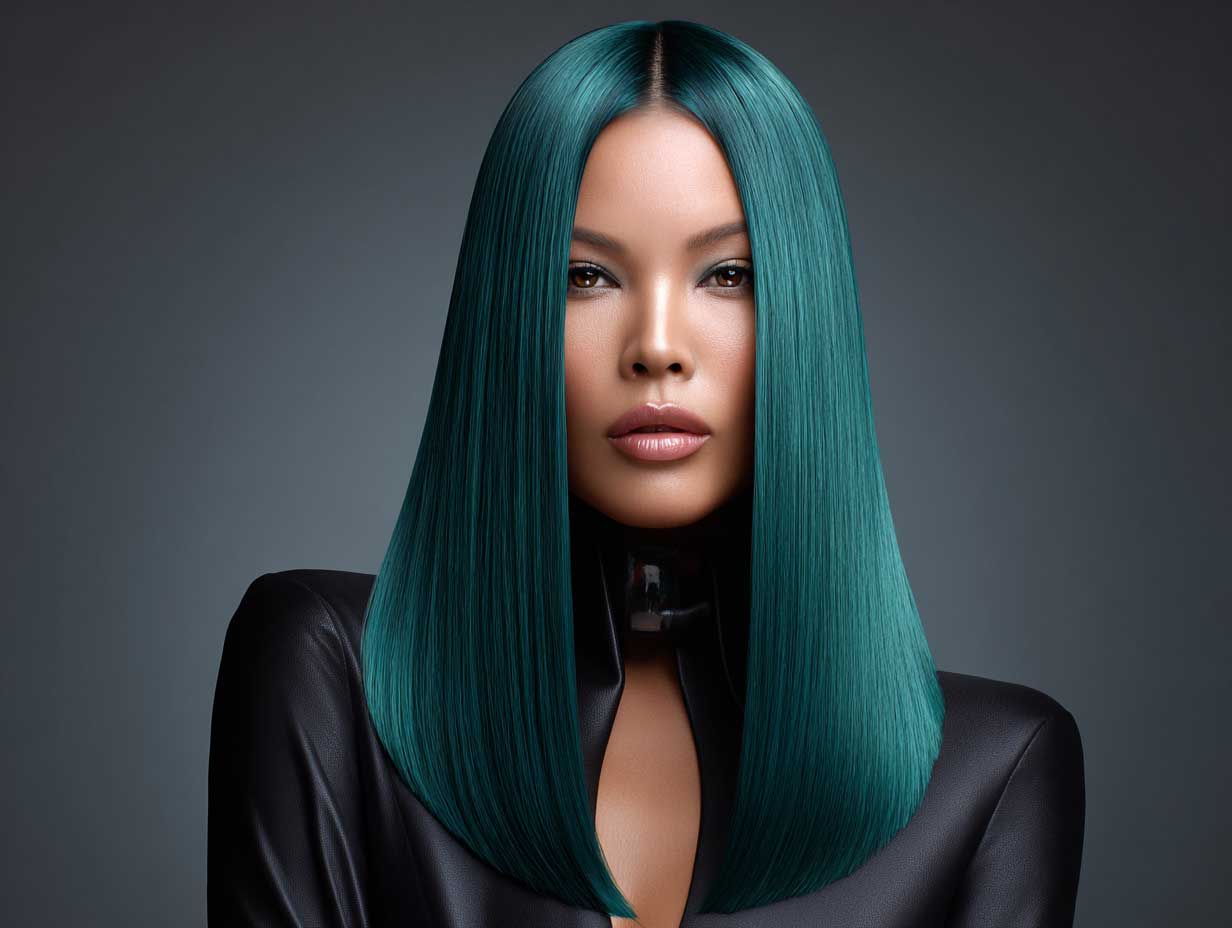


Think of this color like a tailored blazer in a deep forest tone — it reads professional in the right light, unexpected everywhere else. The green works because it stays in the jewel-toned family rather than crossing into neon, which means it doesn’t clash with neutral or minimalist clothing. Want to know if it suits your complexion? Deep cool-toned greens work on most skin tones but look especially striking against warm olive and deep brown skin.
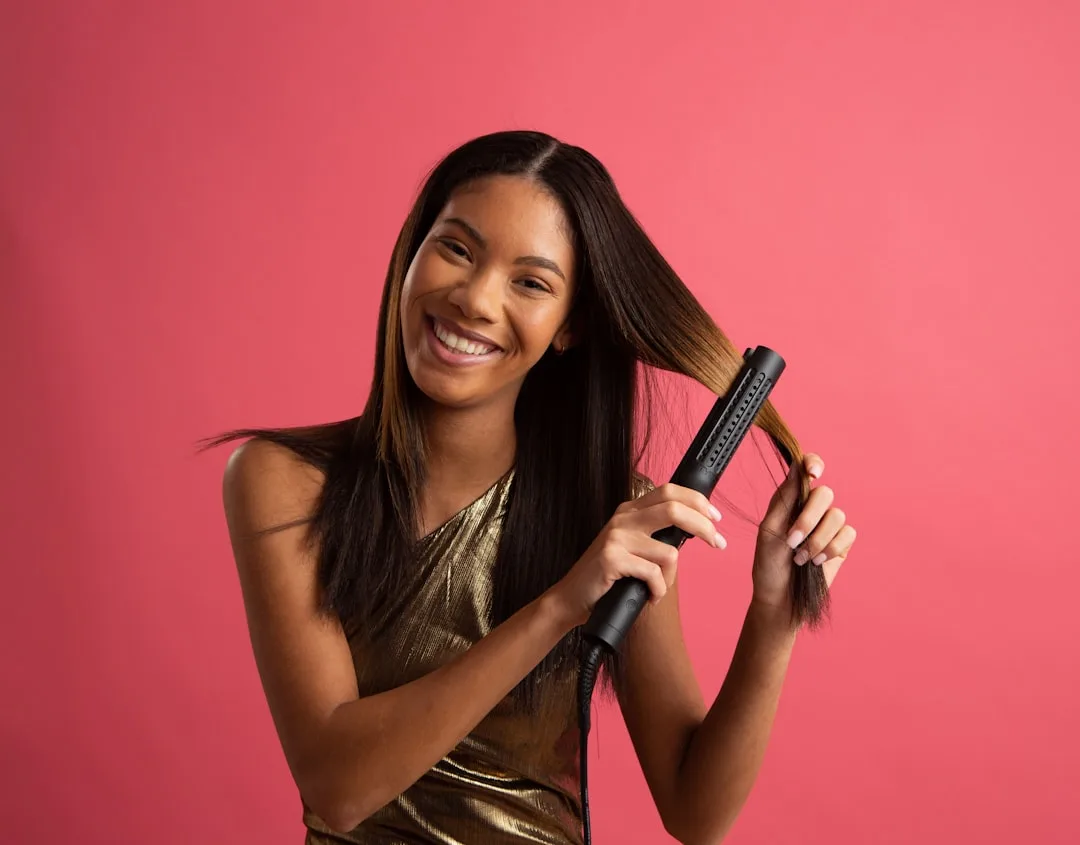
Straight hair is non-negotiable for this look. Waves or curls break the silhouette and muddy the color’s reflective quality. My go-to for achieving the finish: blow dry downward with a Mason Pearson paddle brush, then pass a GHD Platinum+ flat iron ($249) through the lengths once. The shine that results is liquid, not plastic — that’s the difference between a quality iron and a drugstore one.
What doesn’t work here is over-layering the mid-lengths. I’ve seen stylists add too many internal layers trying to “add movement,” and it kills the integrity of the V point. The strength of this cut lives in its clean geometry — keep the layers minimal, concentrated near the face, and let the taper speak for itself.
For maintenance, midnight green requires a color-safe sulfate-free shampoo — I use Olaplex No. 4 ($30) — and a toner refresh every 6–8 weeks to prevent the green from shifting blue. Trims every 10–12 weeks keep the V point precise. Skip the trim and you’ll notice the shape loosens within two months.
Platinum Silver and the V Shape Hair Cut Share the Same Logic
Platinum silver on a v shape hair cut is the most technically demanding combination in this article — and also the most rewarding if you can pull it off. The cool tone amplifies every angle of the cut because silver reflects light the way mirrors do: flat surfaces read brighter, edges read sharper. You’ll notice that on overcast days the hair looks smoky and editorial; in direct light it goes full liquid-metal. Neither version is a bad outcome.
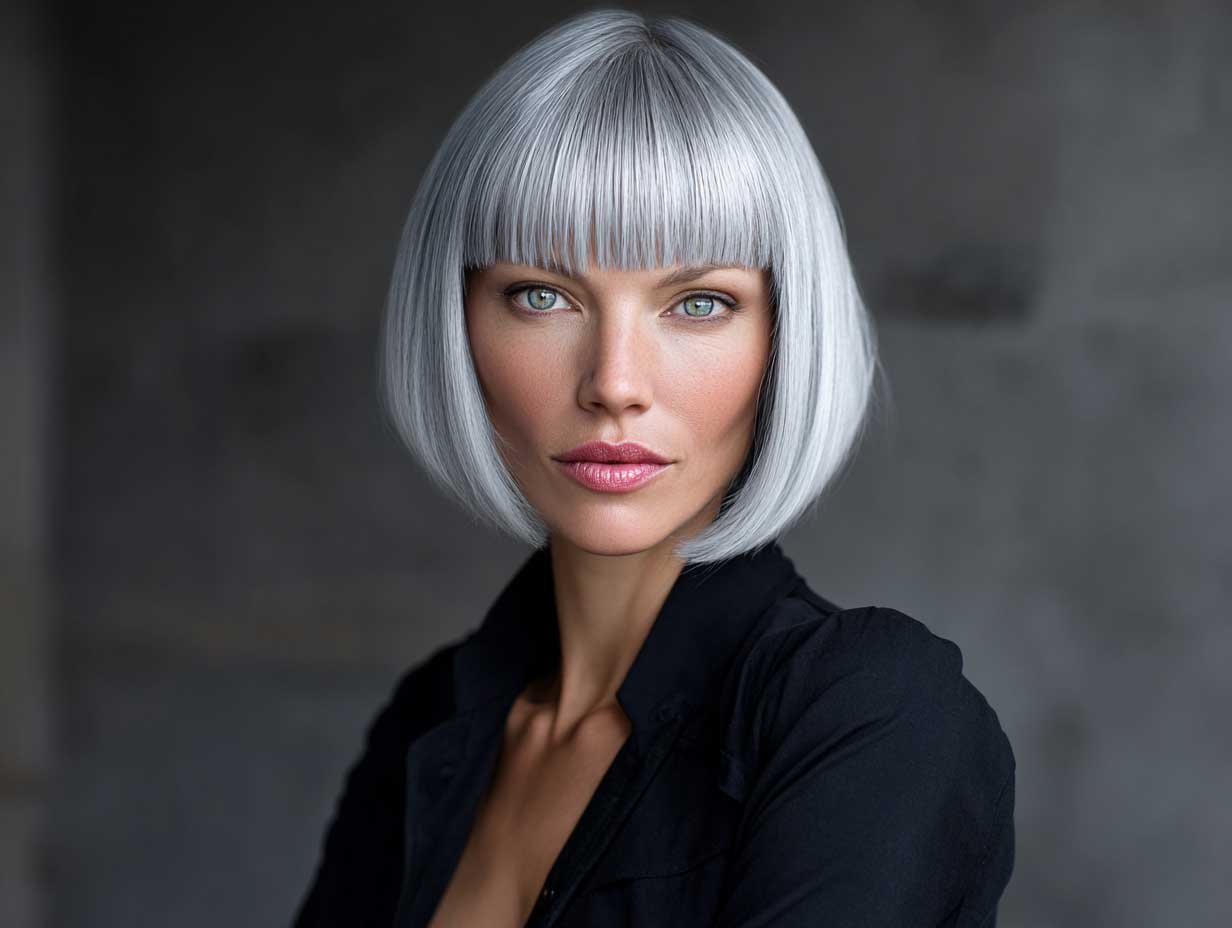


The V taper on this version begins gradually around the lower back and sharpens toward a defined central point. Fine-to-medium hair textures benefit most here — the taper gives the illusion of fullness at the crown while narrowing toward the tips, so the hair looks denser than it actually is. Is this the right cut for very thick hair? Not always. Heavy density can make the point look blunt rather than precise, and the platinum color will show uneven texture more harshly than a darker shade would.
Achieving and keeping platinum requires a real commitment. Expect 3–5 hours at the salon for the initial bleach and tone — pricing runs $200–$400 depending on starting color and salon location. After that, a purple toning shampoo like Shimmer Lights ($10 at Sally Beauty) used once a week prevents the yellow cast that creeps in after week two. Skip the toner and the silver shifts brassy within three weeks — I’ve seen it happen on hair that cost $350 to lighten.
Moisture is the non-negotiable upkeep step that most people underestimate. Bleached straight hair loses elasticity fast, and a dry v shape hair cut will start fraying at the point before the next trim is due. Olaplex No. 3 ($30, used once weekly) is my minimum recommendation; a monthly bond-rebuilding treatment at the salon keeps the shape lasting longer between cuts. More on how color and V-shape interact across different hair tones here.
- Don’t skip symmetry checks. Platinum silver reveals every millimeter of unevenness. Ask your stylist to check the V point from behind using two mirrors before you leave the chair — asymmetric V points are the most common complaint after this cut.
- Don’t use a flat iron above 230°C on bleached hair. It destroys the bond structure that holds the color even and makes the ends fray at the V point within weeks.
- Don’t assume all silvers look the same. Ash silver, icy platinum, and pearl grey behave differently on the same base — show your stylist a reference photo, not just a verbal description.
- Don’t go more than 10–12 weeks between trims on the V shape hair cut. The point degrades faster than a straight hemline because it relies on precision, not bulk.
Auburn Layers Make the V Shape Hair Cut Feel Warm Instead of Severe
Soft auburn on a v shape hair cut is the version I recommend to anyone who wants structure without edge. The warm coppery tone catches sunlight the way a good cashmere sweater catches lamplight — with depth rather than flash. Long layers form a gentle V that flows organically from the mid-back rather than dropping suddenly, which makes the overall shape feel relaxed and natural rather than architectural.


Medium-to-thick hair is the sweet spot for this version. The cut removes bulk at the ends while preserving volume near the roots — a trade you’ll appreciate on day three when your hair still has shape without product. Fine hair can work with this look, but the feathered layering needs to be conservative. Too much feathering on thin strands and the V point becomes wispy rather than defined. Ask your stylist specifically for “minimal layering with a clean V perimeter” rather than leaving it open-ended. Thin straight hair and layers — what actually works without losing the shape — is covered in detail here.
Auburn is one of the lower-maintenance color families for straight hair. A single-process color at a salon runs $80–$140, and the warm pigment fades gradually rather than abruptly, so the grow-out looks intentional for longer. I stolen this trick from a colorist in Paris: apply a gloss treatment (Redken Shades EQ, about $15 at a professional supply store) every 6 weeks at home to refresh the copper tone between salon visits without a full recolor.
Daily styling for this look is two steps: a pump of Kenra Platinum Silkening Mist ($25) on damp hair, then a flat iron pass from root to tip. You don’t need to section obsessively — straight hair responds to even tension, and the V shape guides the direction naturally. What kills this look fast is a heavy serum applied too close to the roots, which collapses the crown volume and makes the V look more like a blunt cut from behind.
Updos and half-up styles work beautifully with this version. The V remains partially visible even in a low bun, which is an unexpected bonus — most women don’t realize the cut adds interest to their hair even when it’s pulled back. A loose low ponytail with the point peeking out below is one of my go-to recommendations for clients who want the cut to work on a schedule that doesn’t allow daily styling.
The Verdict
The V Shape Hair Cut Earns Its Reputation on Straight Hair
Midnight green gives this cut its most editorial expression — precision geometry meets unexpected color. Budget $200–$350 for the color appointment plus $60–$120 for the cut itself.
Platinum silver demands the highest maintenance of the three options, but the liquid-metal payoff is unmatched. Purple toning shampoo weekly and a bond treatment monthly are non-negotiable.
Auburn layers deliver the most wearable version — warm, low-maintenance, and versatile enough to work in updos. A single-process color runs $80–$140 and fades beautifully. Save this post.