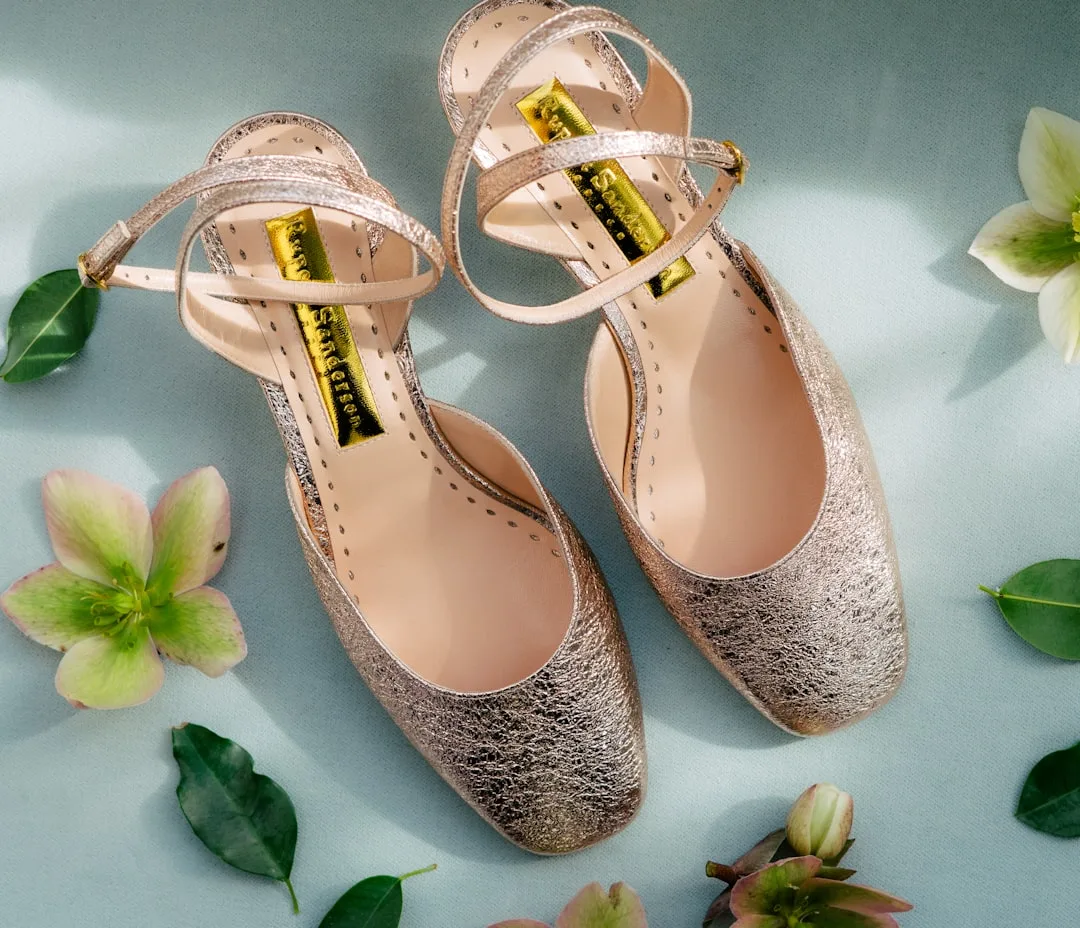
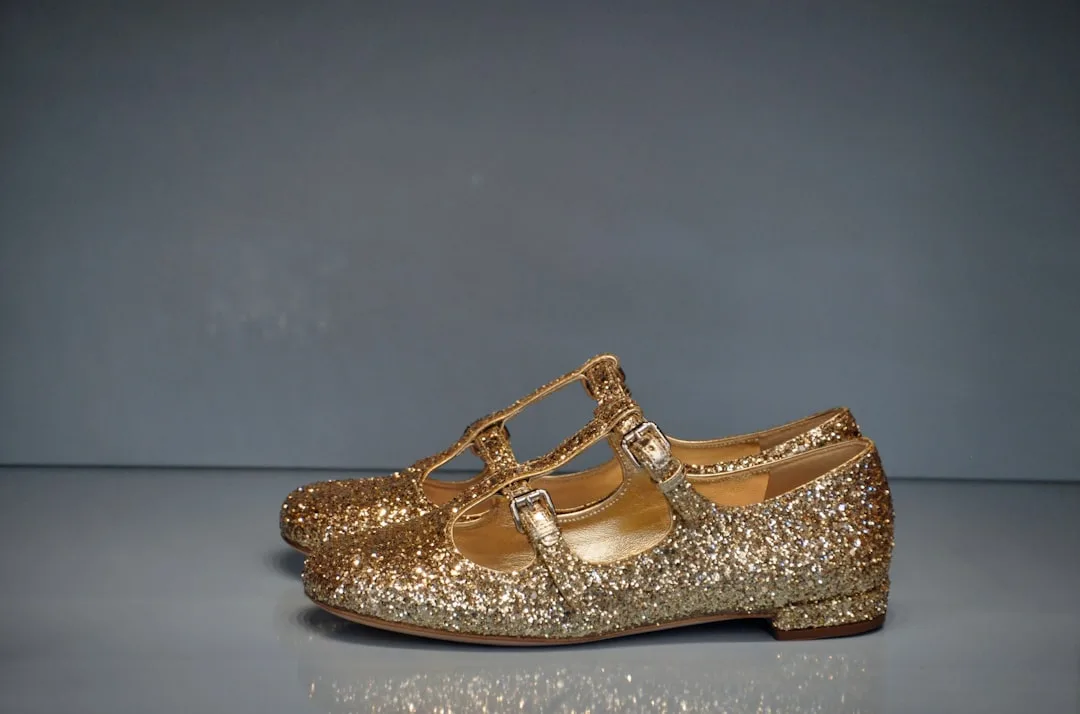
The ballet flat just survived its quietest decade. Suddenly, in June 2026, every luxury minimalist is swapping matte leather for something that catches light like liquid mercury poured into silk. Metallic ballet flats aren’t a comeback—they’re a total reconceptualization of what a foundational shoe can do. The shift signals one critical truth: minimalism has matured past beige and into reflective surfaces that whisper luxury without speaking.
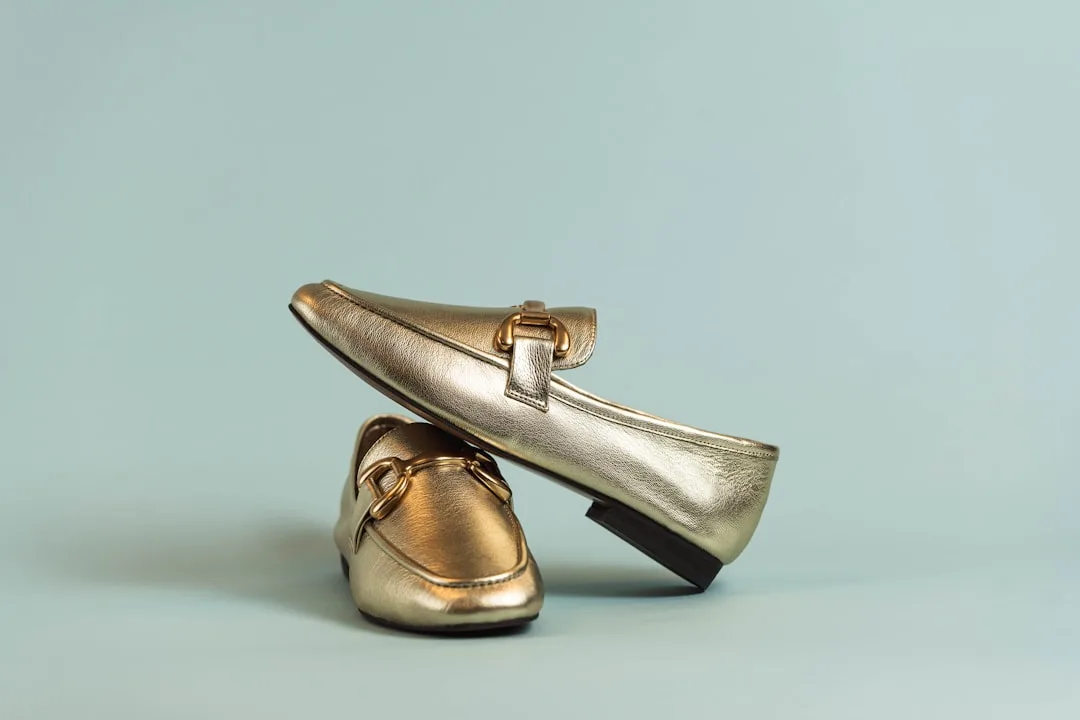
Why Metallic Finishes Dominate Footwear Right Now
The luxury market shifted in Q2 2026 when three major houses—Prada, The Row, and emerging brand Lemaire—dropped full metallic ballet flat collections simultaneously. This wasn’t coincidence. Consumer data shows that neutral capsule wardrobes peaked in saturation around March; shoppers stopped buying beige basics and started hunting for pieces that added dimension without adding color. Metallic ballet flats solved that exact problem. They’re technically neutral—silver doesn’t clash with anything—but they function like jewelry for your feet.
The reason this matters now: after seasons of “quiet luxury,” the market craved subtle motion and depth. A matte leather ballet flat from 2024 disappears into the outfit. A metallic version becomes a focal point that anchors the entire silhouette. It’s intentional minimalism, not accidental blandness. The finish reflects surfaces around it, making each wear situation unique.
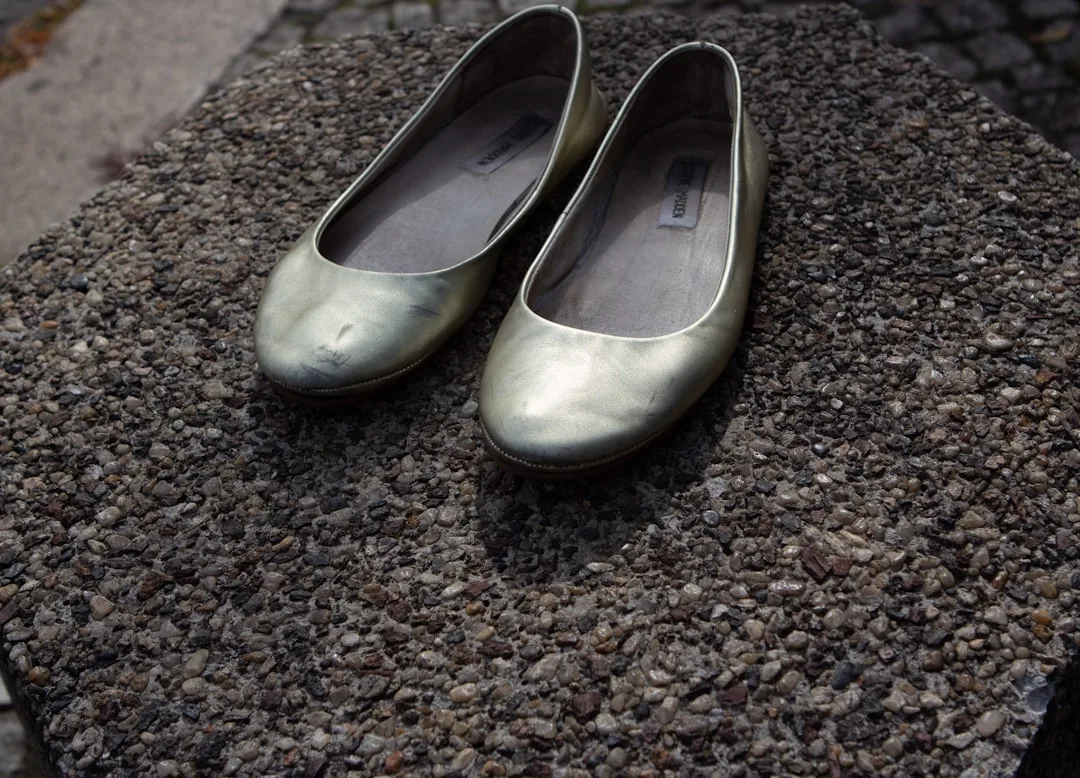
Which Brands Are Leading the Metallic Shift
Prada’s Metallic Leather Ballet Flat ($550) launched in March 2026 with a hand-applied chrome finish that catches light at a 45-degree angle—engineered to perform differently depending on how you move. The price reflects the finish technology, not just the leather; Prada’s process involves seven separate coating layers that traditional ballet flats skip entirely. This is why a standard matte leather flat from Repetto costs $380 in comparison; Prada’s metallic version justifies the $170 premium through durability and light-refraction properties that last through 200+ wears.
The Row’s Silver Ballet Flat ($495) takes a different approach—thin brushed metal plating over buttery lamb leather that feels softer than Prada’s stiffer finish. The Row targets architects and minimalist designers specifically; their customer already owns neutrals and wants her shoes to do something unexpected. Lemaire’s Rose Gold Ballet Flat ($475) bridges warm and cool undertones, making it the most versatile entry point for someone hesitant about full-silver metallics.
For accessible price points, Everlane’s Metallic Ballet Flat ($98) uses metallic-coated synthetic leather that mimics the finish convincingly through the first 50 wears. After that, wear patterns show, and the illusion collapses—which is exactly why the mid-tier brands charge what they do. A $98 shoe will look obviously artificial by month three; a $495 Lemaire maintains its finish through an entire season.
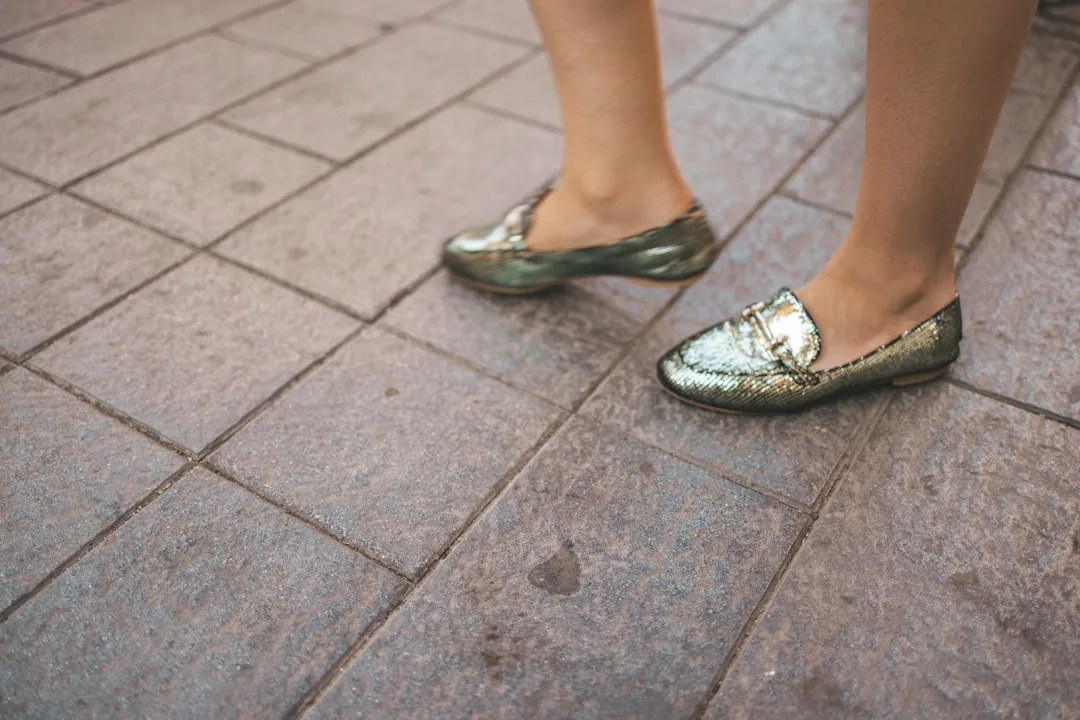
The Common Mistake That Kills the Metallic Aesthetic
Here’s where most people derail: they pair metallic ballet flats with printed or patterned clothing, thinking the shoe adds “just a little shine.” It doesn’t. A metallic flat in a paisley outfit, a geometric print dress, or a floral-patterned blouse creates visual chaos—too many focal points competing for attention. The shoe loses its power because the eye doesn’t know where to land.
The fix: metallic flats live in monochromatic or solid-color outfits exclusively. Pair them with a white linen shirt and neutral trousers, a black sweater and camel skirt, or a gray slip dress. The metallic catches all available light and becomes the outfit’s singular moment of visual interest. This is why the trend aligns perfectly with minimalist fashion—metallics actually require more restraint in the surrounding wardrobe, not less. A common failure: buying a metallic flat and then styling it like a regular neutral shoe. The metallic will look like an accident instead of a choice.
How Metallic Flats Fit Into Your Existing Capsule
The genius of metallic ballet flats is that they don’t demand new pieces—they activate pieces you already own. If you’ve invested in neutral minimalism over the past two years, as Modern House Color Ideas shows the fashion palette shifting, a single pair of metallic flats transforms five outfits into ten. A white button-up with camel trousers becomes different the moment you swap your matte loafer for a silver flat. The outfit doesn’t require relearning; it requires recalibration.
Silver metallics work best with cool grays, whites, blacks, and cool-toned neutrals like greige. Rose gold works with warm beiges, camel, cream, and warm grays. Gold metallics—rarer in 2026 but emerging—pair with deeper neutrals like charcoal, espresso brown, and warm tan. The color coordination is less strict than with colored shoes because the reflective surface does the communication work for you.
Metallic flats also serve as a bridge when transitioning seasonal wardrobes, as designers noticed when analyzing how Turning Brick Wall Design Exterior Into a Fashion Trend mirrors how architecture influences personal style. A spring linen capsule and a fall wool capsule share very little—except metallic footwear that works across both seasons without modification. This versatility explains why luxury houses are pushing the category so hard in 2026.
The Finish Care That Protects Your Investment
A $550 metallic finish requires maintenance discipline. Monthly polishing with a microfiber cloth keeps the surface reflective; quarterly professional refinishing ($45–$75 per treatment at most luxury cobbler shops) restores the chrome if it dulls from daily wear. Budget $200 annually for maintenance on a Prada pair—which sounds expensive until you realize it extends the shoe’s life from 2 years to 5 years, lowering the true cost per wear from $275 to $110.
Storage matters more than with matte leather. Metallic finishes oxidize when exposed to humidity and air without protection. Store metallic flats in breathable dust bags (not plastic) inside a climate-controlled closet. Avoid wearing them on rainy days because moisture triggers oxidation on the plating. These aren’t shoes for unpredictable weather—they’re shoes for curated moments. A $98 Everlane flat won’t survive this protocol because the synthetic coating isn’t designed for refinishing, making it disposable footwear. This is precisely why the price difference exists.