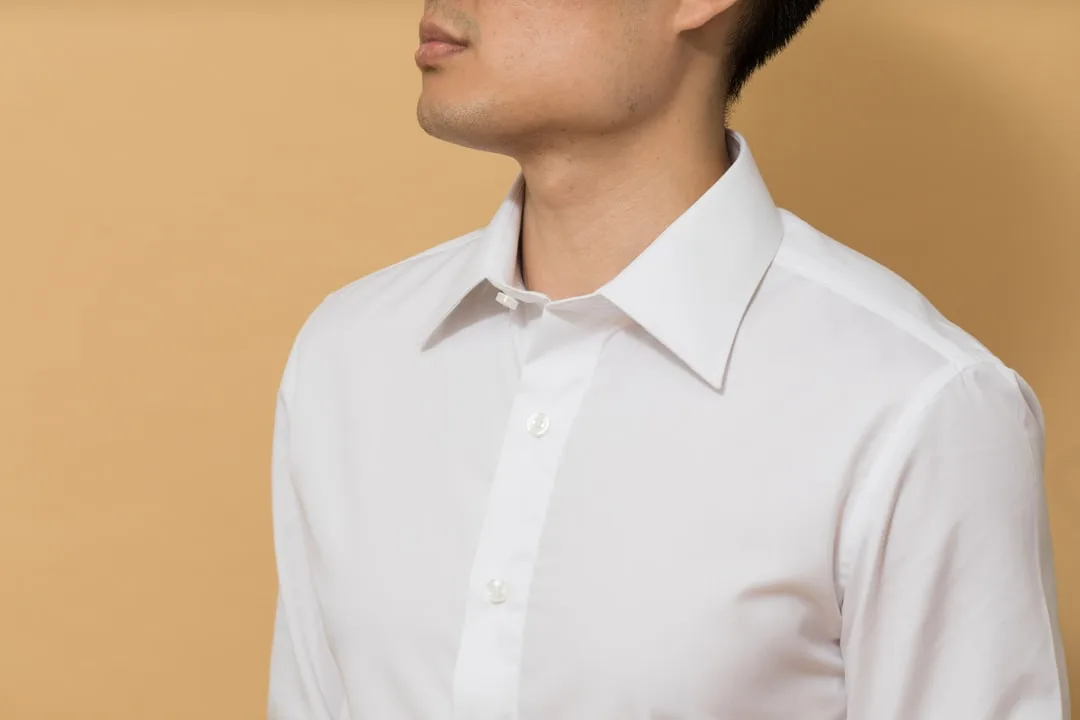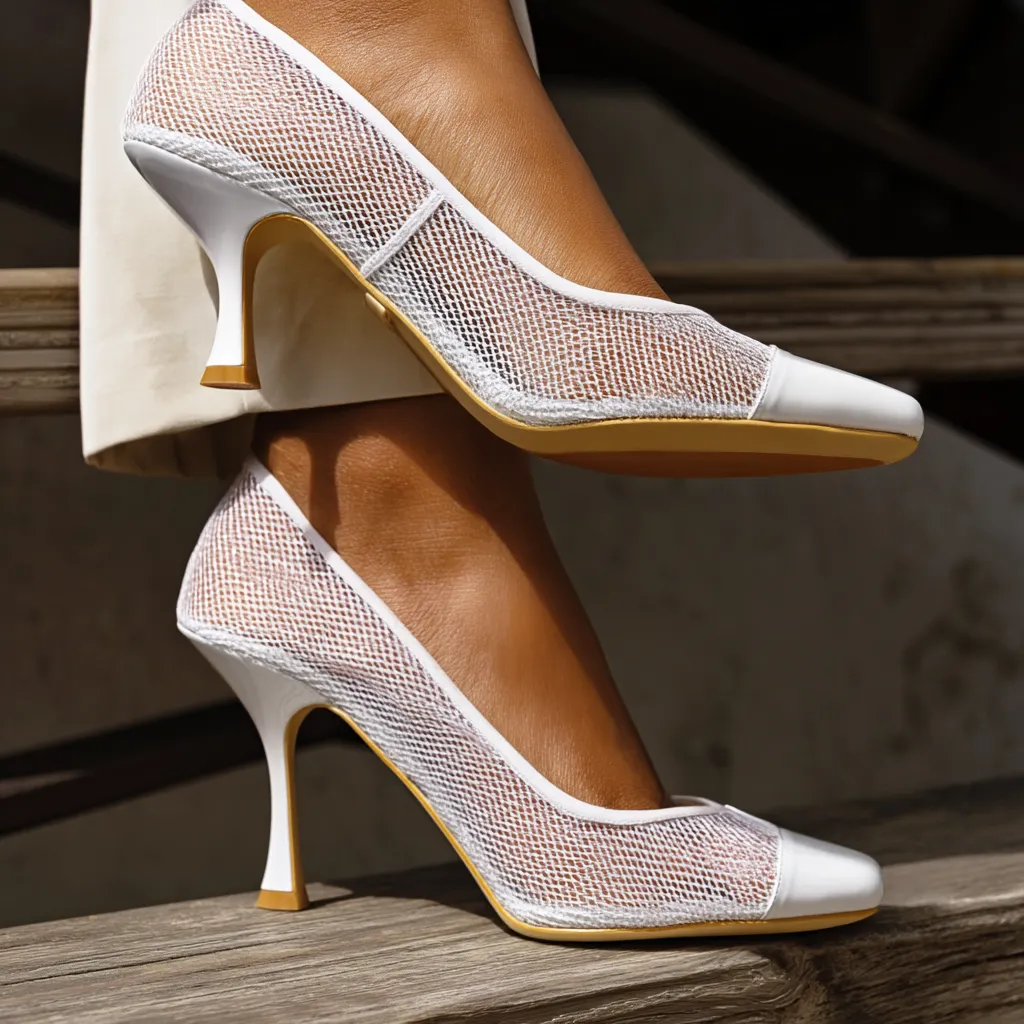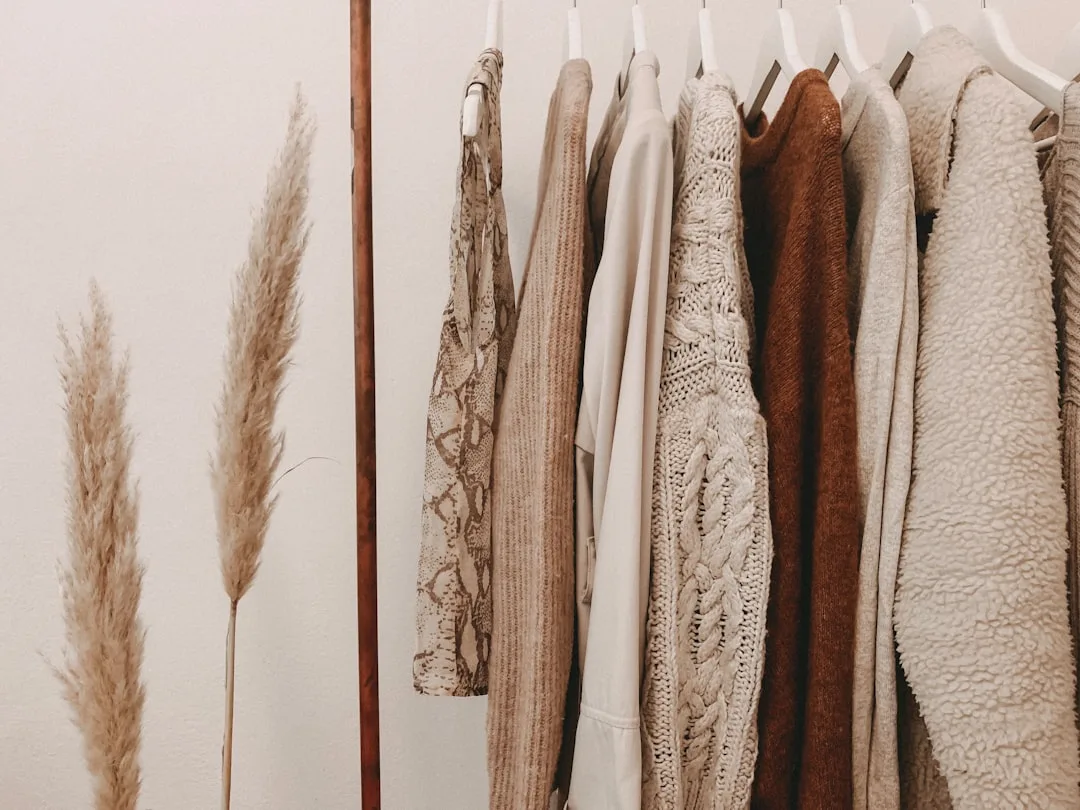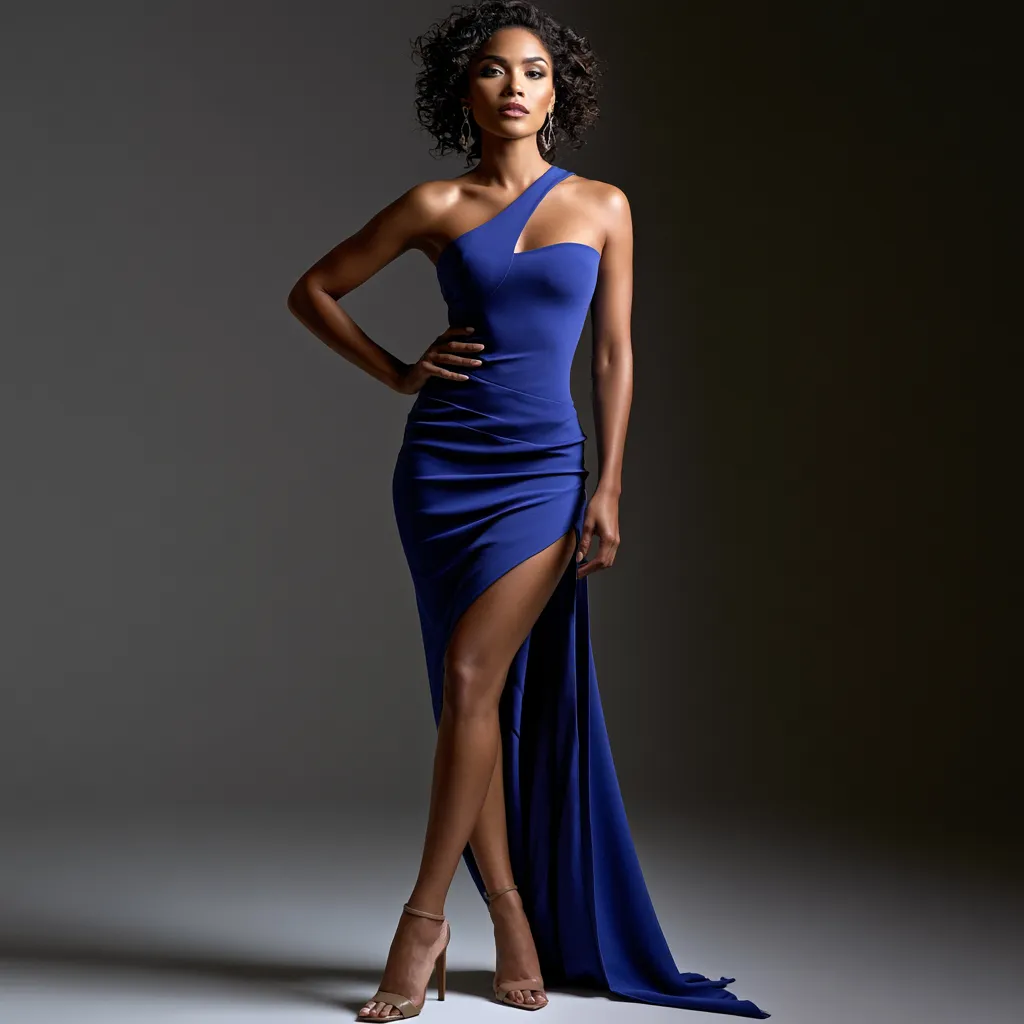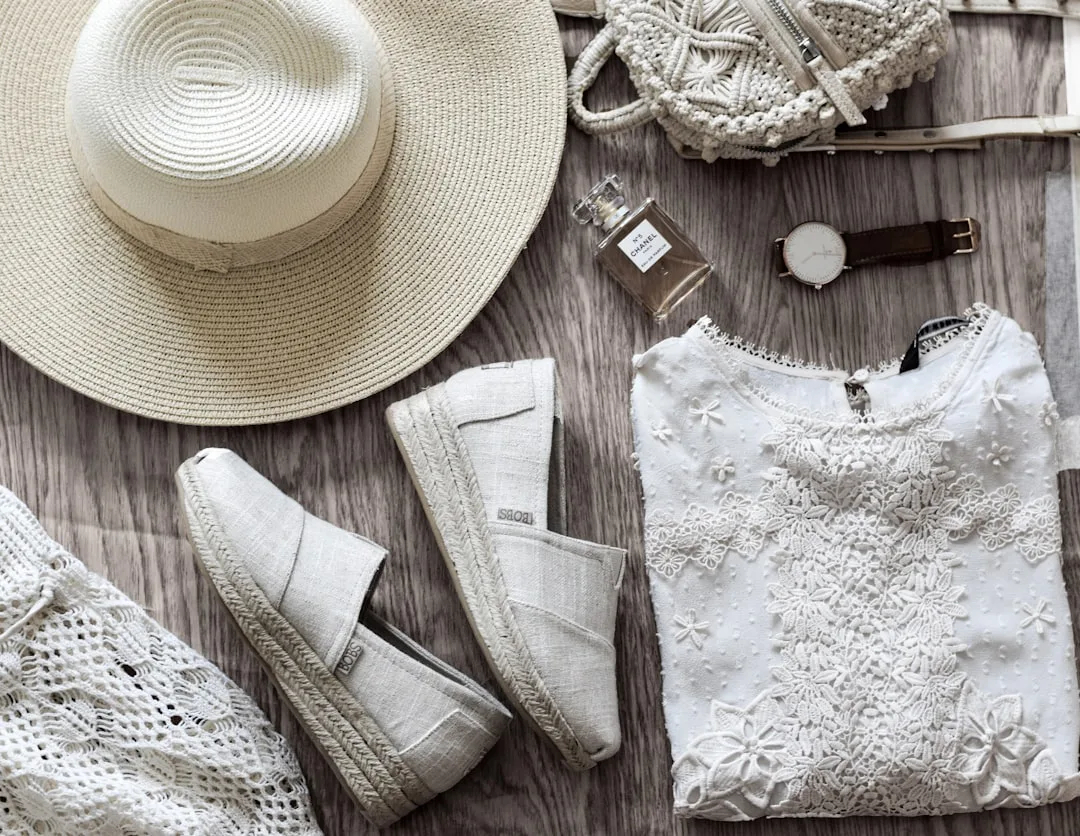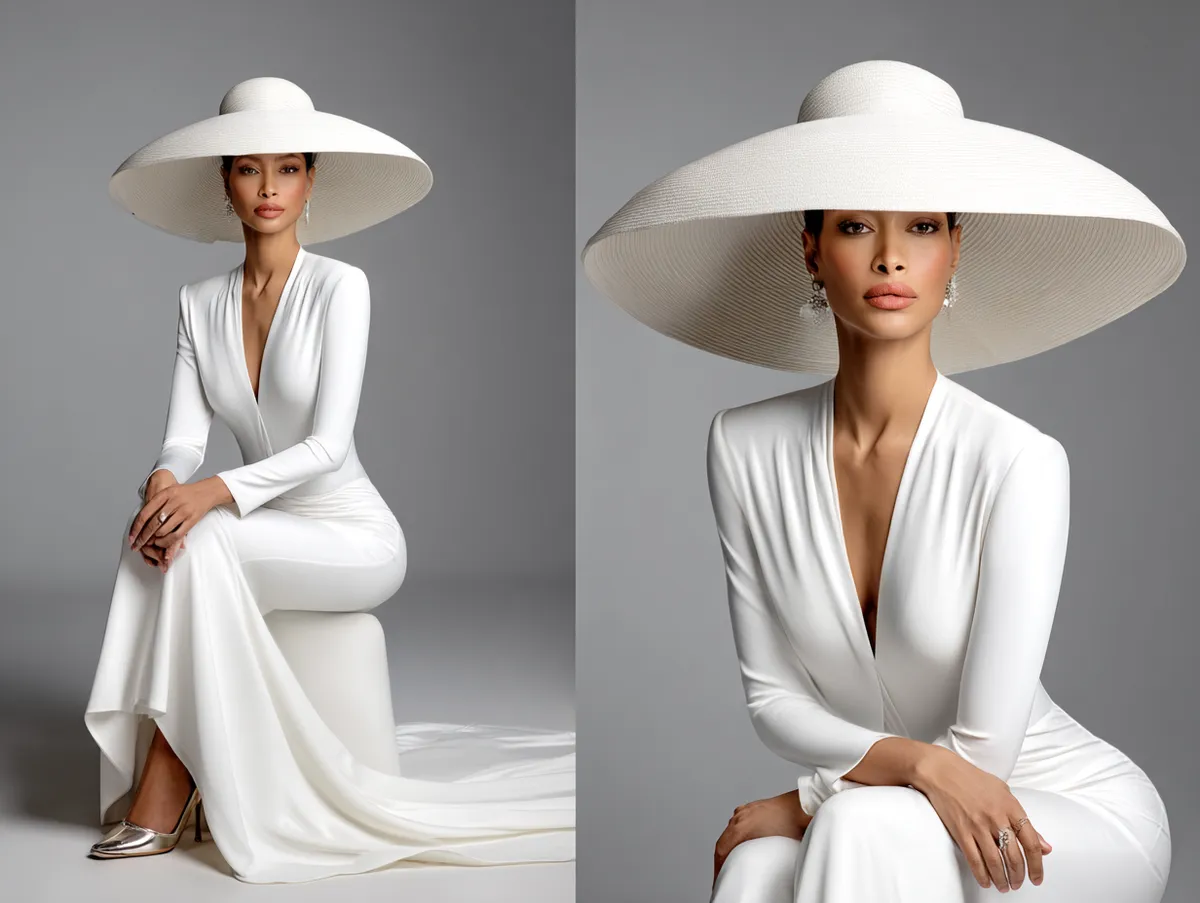
You’re standing in a sunlit boutique in Barcelona. The silhouettes around you aren’t solid—they’re built in layers of fabric so thin you can see skin, silk slips, and shadow through them. This is sheer fabric layering, summer 2026’s definitive anti-statement. It arrives not as bold declaration but as disciplined restraint: multiple transparent pieces stacked to create depth without density, movement without bulk. This trend replaces the opaque blocking that dominated 2025. Where last season demanded visual heaviness and coverage, sheer layering invites the eye to travel through fabric, creating dimension through absence rather than presence.

The Transparency Principle Started with Runway Codes
Paris Fashion Week spring 2026 introduced the pattern: Chloé’s collection featured silk organza layered over linen slips, priced at €2,850 per dress, roughly 35% higher than their opaque counterpart from three seasons prior. The investment justifies because transparent layering demands precision—every stitch shows, every seam placement reads. The trend moved from runway to retail at Farfetch and Net-a-Porter within eight weeks, faster than previous luxury trends.
Valentino’s spring collection built entire silhouettes from sheer chiffon overlays, each piece requiring five separate fabric panels hand-sewn (€3,200 range). The shift happened because designers discovered sheer layering solves a core problem: summer heat without sacrificing presence. Opacity traps air; transparency allows it to move through fabric while maintaining visual interest.
- Start with one structured underpiece (slip dress, tank, or shorts)
- Layer 2-3 sheer pieces of varying weights—organza, chiffon, silk gauze
- Keep undergarments neutral (beige or white) so sheer layers control the silhouette
- Avoid more than two sheer pieces in different patterns; stick to solid or one subtle print
- Pair sheer layering with structured outerwear (linen blazer, leather belt) to anchor the look
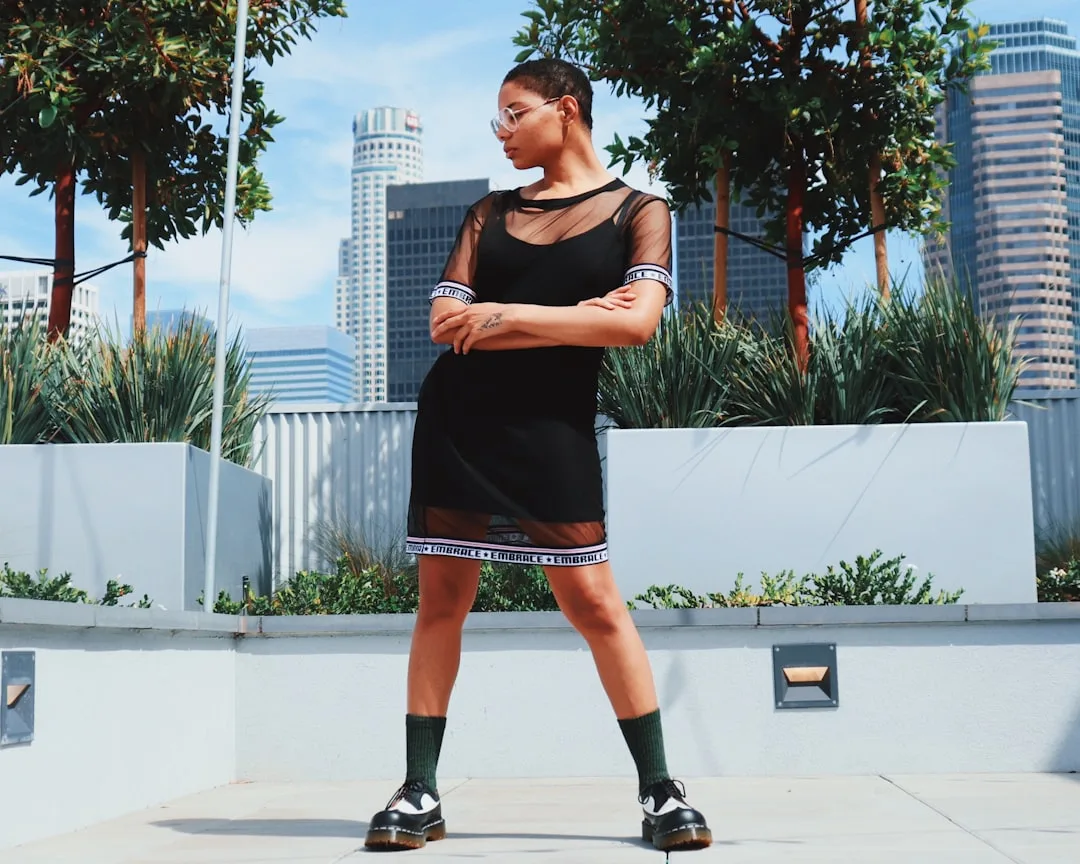
Why Shear Layering Works Over Dense Blocking
COS released their summer capsule with five sheer layering pieces priced €49–€79 each, designed specifically to layer without adding thermal mass. A single piece appears anonymous; layered, they create sophisticated silhouette. The practical advantage: you can wear the same sheer garment over five different underpieces and generate five distinct outfits, solving the wardrobe efficiency problem that fueled minimalism’s rise.
Mango’s linen and silk blend collection ($89–$149) demonstrates this efficiency. One sheer linen overshirt layers over tank, slip dress, or white tee, shifting identity entirely with each combination. This replaces last season’s strategy of buying multiple opaque pieces, each with single-purpose styling. Sheer layering treats each garment as a modular component, not a standalone statement.

The Common Mistake That Kills Sheer Layering
The failure mode is immediate and visible: wearing sheer layers without intention reveals bra lines, undergarment seams, and body contours in unflattering ways. A reader attempting this trend without understanding the structural underlay ends up looking unfinished or transparent rather than intentionally layered. The solution isn’t visible panty lines—it’s precision in what sits beneath.
Invest in seamless slip dresses (Spanx Hide & Sleek Slip, $68) or bodysuit bases (Skims Cotton Rib Tank, $48) that create a unified foundation. Without this anchor, sheer layering reads as careless rather than curated. The mistake stems from treating sheer pieces as standalone garments instead of modular parts. Pair with the structured pieces mentioned in our article on Turning Brick Wall Design Exterior Into a Fashion Trend for visual contrast that elevates the entire composition.
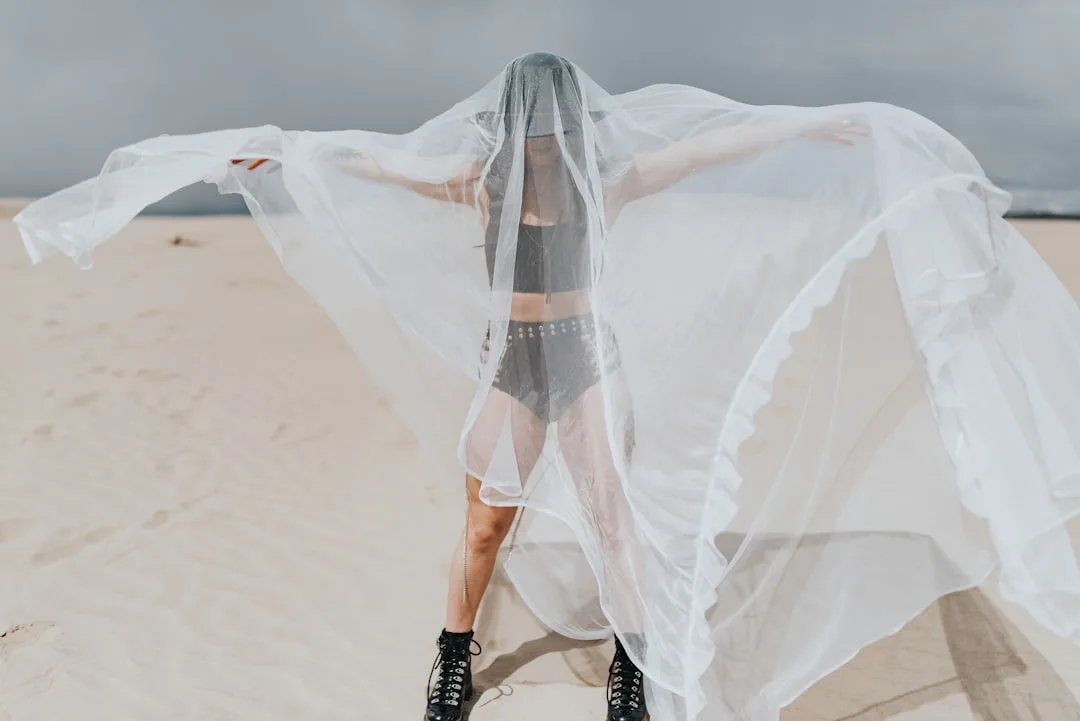
Sourcing Sheer Fabric Layers That Sustain Texture
Designer diffusion lines now lead this category. Lemaire’s silk chiffon scarves ($620) function as shoulder pieces or wrapped waist layers—luxury entry point with visible seaming that celebrates construction. Mid-market adoption happened through Artizia and Reiss, where chiffon blazers ($245–$295) layer beautifully over solid basics without adding weight.
H&M’s divided collection introduced $55–$75 sheer layering pieces with structured hems that prevent the fabric from reading as limp. Uniqlo’s rayon sheer layering ($29–$39) reaches mass-market accessibility, though the fabric lacks the recovery of silk—meaning permanent creasing after one wear, unlike Tencel blends that retain shape. Quality matters here: cheaper sheer fabrics collapse into permanent wrinkles, while premium natural fibers (silk, linen, Tencel) spring back between wears.
The strategic difference between affordable and investment sheer layering is recovery time and visual longevity. A $30 polyester chiffon shirt looks wilted by afternoon; a $150 silk version maintains body through eight-hour wear. For summer 2026, sheer layering requires fabric investment because transparency exposes every fiber’s condition.
Building the Complete Layered Silhouette
Start with a neutral underbase: white or beige slip dress, tank, or shorts in dense cotton (Everlane ReNew Slip Dress, $58). Add your first sheer layer in natural fiber—linen, silk, or cotton voile in cream or white. Then introduce a contrasting sheer piece in a complementary weight. The three-layer approach works because each fabric weight creates distinct visual planes without adding volume.
Styling with structured pieces anchors the look. A leather belt (Khaite Leather Belt, $495) cinching sheer layers defines the waist against transparent fabric. Tailored linen blazers (Belair Collection, $385) worn open over sheer layering create architectural tension that prevents the look from reading as too-ethereal or incomplete. The interior link to Modern House Color Ideas – How Diverse Is The Fashion Palette explores color blocking strategies that apply directly to sheer layering composition.
Accessories reinforce intention. Choose minimal jewelry—single gold chain or architectural cuff—so attention stays on fabric movement. Wide-brimmed hat or structured sandal (Bottega Veneta Sandal, $390) prevents the silhouette from floating toward underdressed territory. These grounding pieces make sheer fabric layering read as deliberate rather than accidental.