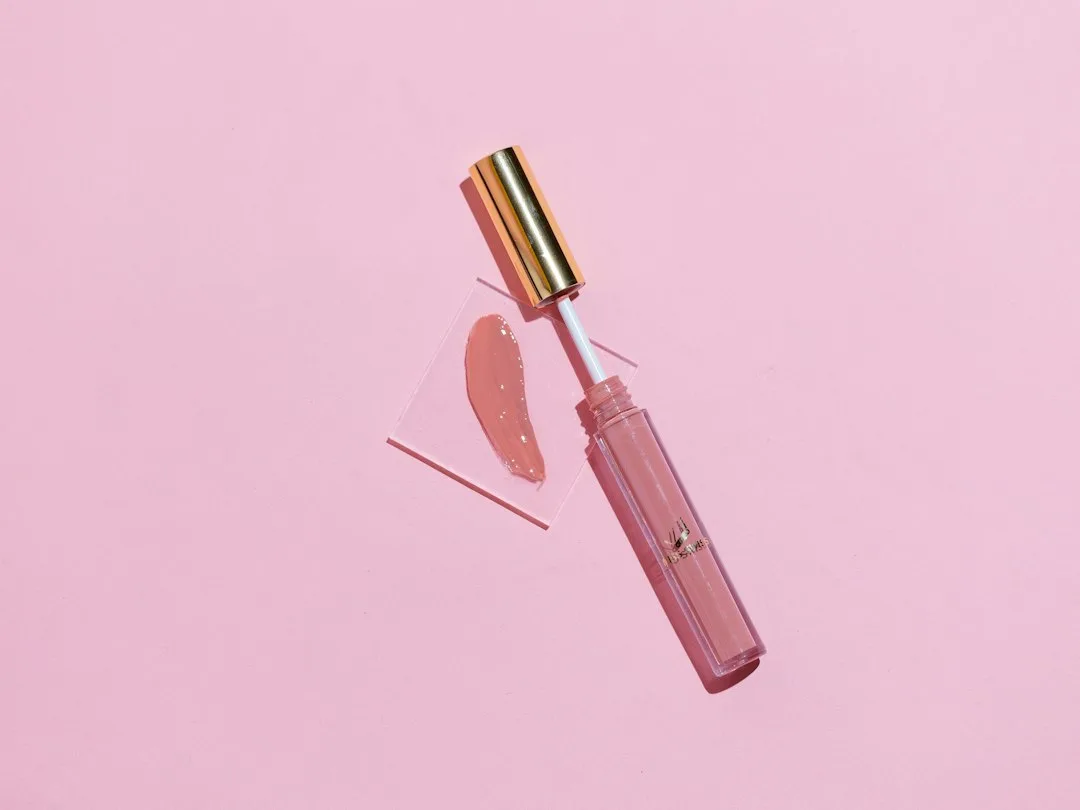
Mascara used to be the last step of a makeup routine, but many people now start their nights with a thin tube of lash serum sitting beside the moisturizer. The shift is less about a single viral product and more about treating lashes the way people already treat skin. That means overnight application, steady use, and patience measured in weeks.
Fall is when this habit tends to pick up, since many people notice lashes looking thinner and more brittle as the weather turns cooler and drier. Lash serums promise a fuller look without extensions or daily product buildup on top of the lashes. Here is what they actually do, where the limits sit, and how to use one without causing trouble.
What Lash Serum Actually Does for Your Lashes
Quick Tips
- Apply only along the upper lash line, close to the roots.
- Remove all eye makeup first so the serum can absorb.
- Keep the product off the waterline and inner rim of the eye.
- Judge results after several weeks of nightly use, not after a few days.
RevitaLash Advanced, a peptide-based formula sold in a slim tube, is one of the most recognized names in this category. Most lash serums follow a similar idea: peptides condition the lash fiber so lashes look longer, break less often, and appear more substantial at the base. That is a cosmetic claim about appearance, not a change to the follicle itself.
Results come from lashes that snap less often, which over time makes them look fuller. Expect the change to be gradual. A single application will not show anything visible.
Prescription Latisse Versus Drugstore Lash Formulas
Latisse is the prescription alternative, built on bimatoprost 0.03 percent, a solution the U.S. Food and Drug Administration has approved for inadequate eyelashes. It requires a doctor’s prescription, and it carries real side effects such as darkening of the eyelid skin and changes in iris color for some users. Many people who want a gentler starting point choose drugstore peptide serums instead.
Grandelash-MD and RapidLash are two of the names you will see most often on drugstore shelves. Both are positioned as peptide-based lash conditioners that you apply nightly. Compare the options below before you buy.
| Option | Format | Key Detail |
|---|---|---|
| RevitaLash Advanced | Peptide serum in a tube | Bought over the counter, applied nightly |
| RapidLash | Peptide-based lash serum | Drugstore purchase, no prescription |
| Grandelash-MD | Peptide lash conditioner | Sold without a prescription |
| Latisse | Prescription solution, bimatoprost 0.03 percent | Requires a doctor and can darken lid skin |
Building a Nightly Application Routine That Sticks
Most people apply lash serum at the bathroom sink right after removing eye makeup and cleansing. Clean, dry lashes absorb the product better and make it easier to see where it lands. Simple prep steps matter, as shown in Clean Girl Makeup Dominates May 2026 Beauty Trends Globally.
Use a thin line along the upper lash line, starting at the inner corner and moving outward. Let it dry for a minute before you go to bed. Then move on to the rest of your evening routine.
The Waterline Mistake That Irritates Eyes
Picture someone who dabs lash serum along the waterline with a fingertip, then rubs tired eyes before sleep. Within a day, the lids feel itchy, the whites look pink and the lash line is sore to the touch. This is the most common way people get a bad reaction, and it is avoidable.
The fix is simple. Apply only to the lash line itself, wipe any excess with a clean tissue, and keep product off the inner rim. Stop use and speak with a doctor if redness or swelling persists.
How Many Weeks Before Lashes Look Different
Lash changes tend to appear over several weeks rather than days. Many people take a photo at the start and compare it at the four-week mark, which is more reliable than memory. Consistency matters more than amount, so extra layers will not speed things up.
Nighttime habits work alongside other products, and lightweight routines like the ones described in Why Hydrating Face Mists Replaced Traditional Toners in Mid-Year Skincare fit easily into the same ritual. Keep the rest of your routine simple so you can tell what is working.
What Drugstore Options Cost Compared With Extensions
Drugstore peptide serums are generally priced in the $20-40 range, which makes them a modest one-time purchase compared with a recurring salon appointment. That tube can take the place of a salon fill you might otherwise book. Prescription options vary by pharmacy and provider, so ask your doctor for current pricing rather than relying on a single figure.
How to patch test and track results at home
Before committing to any peptide serum, apply a small amount to the skin behind your ear or along your inner forearm for two or three evenings. Watch for redness, itching, or stinging, since sensitivity can show up after a few uses rather than the first one. Stop using the product if any of these appear.
Lash serums such as RevitaLash Advanced and GrandeLASH-MD are applied along the lash line each night, usually with a thin brush. Because lashes grow in cycles, changes tend to appear slowly, so judging a product after a week or two is rarely fair. Taking a photo under the same lighting each Sunday makes it easier to notice gradual differences.
Latisse, which contains bimatoprost, is a prescription option that needs a doctor’s approval and can cause eye irritation or changes in eye colour in some people. Discuss it with your provider if you have eye conditions or take other medications. Keeping a simple log of when you apply the serum, any irritation, and your photos will give you clearer information when you next talk to a professional.