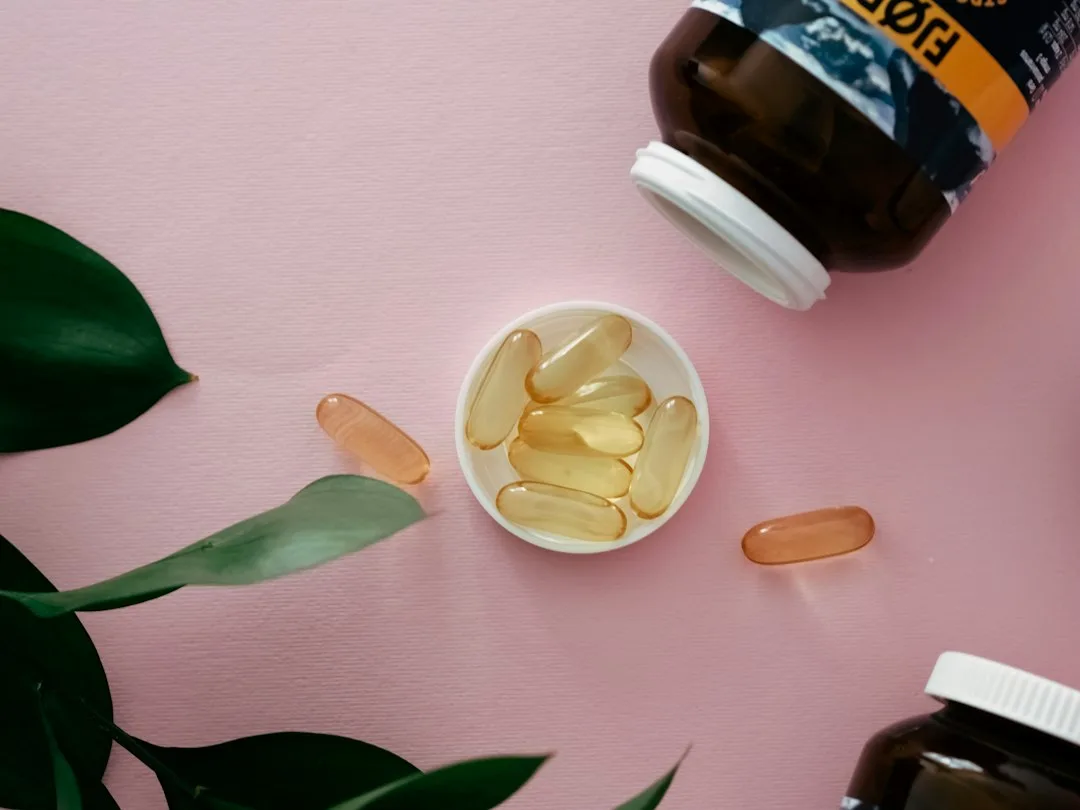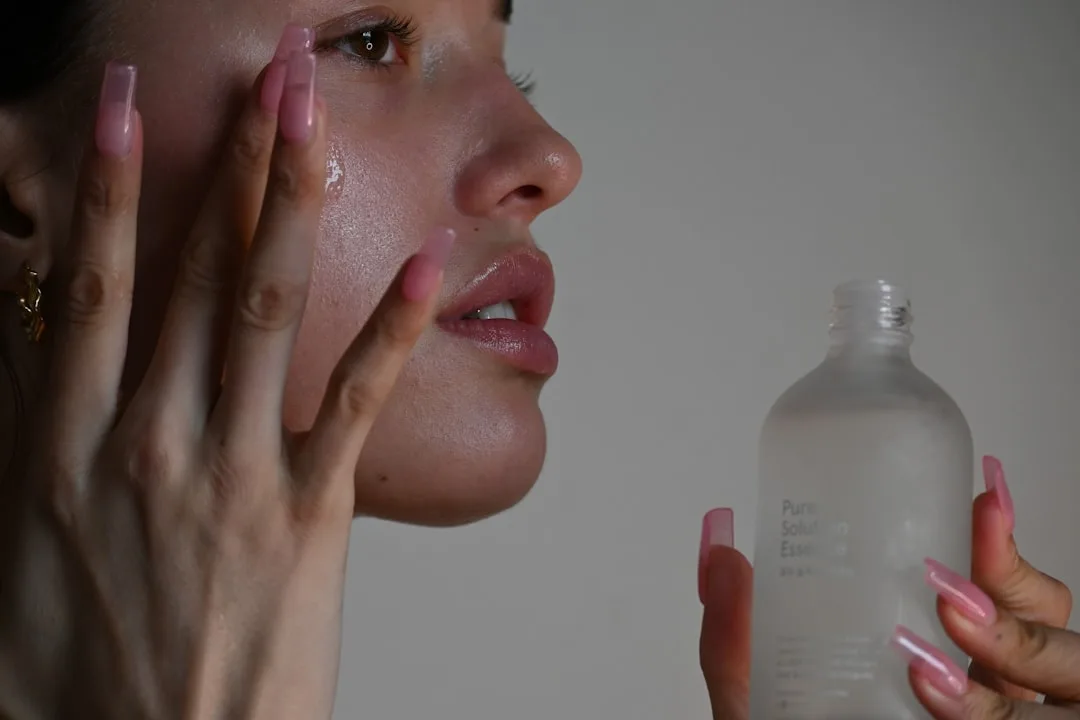
Autumn weather strips moisture from skin faster than any summer heat, yet most people still reach for a single thick moisturizer—a habit that leaves dehydrated skin exactly where it started. Facial hydration layering, the practice of applying multiple lightweight formulas in a specific sequence, has become the default protocol in dermatology clinics this fall, replacing the one-step moisturizer approach that dominated the past three years. This shift isn’t marketing noise; it’s grounded in how skin actually absorbs water and holds it.
Why Dehydration Deepens When You Skip Layering
Neutrogena and CeraVe both released research briefs in August 2026 highlighting that a single moisturizer—even a hydrating one—can only penetrate the outer stratum corneum without a water base beneath it. The molecule density is too dense. When you apply one cream over dry skin, it sits on the surface like a lid on a pot, hydrating what’s already moist but missing the actual thirsty layers underneath.
A 45-year-old woman from Seattle documented her result on a dermatology forum: she used the same Cetaphil Rich Hydrating Night Cream for eight years, complained constantly about flakiness around her mouth and eyes, and switched to layering in June. Within three weeks, the flaking stopped. This is the #1 mistake people make—assuming that a better moisturizer, not a better method, will fix dehydration. The formula doesn’t matter if it has nothing to bind to.
Facial hydration layering works because it matches the skin’s actual absorption capacity. Each lightweight layer absorbs fully before the next one is applied, creating a hydration gradient from the deepest layers outward.
Quick Tips
- Apply toner or essence first while skin is still damp from cleansing—this is non-negotiable for absorption.
- Wait 30–60 seconds between layers so each product fully absorbs before adding the next.
- Use a lightweight serum second, not an oil; oils block water absorption if applied too early in the sequence.
- Lock everything in with a moisturizer in the final step—this is where heavier textures belong.
- Morning routine needs only toner + lightweight serum + SPF moisturizer; save the richest cream for night.
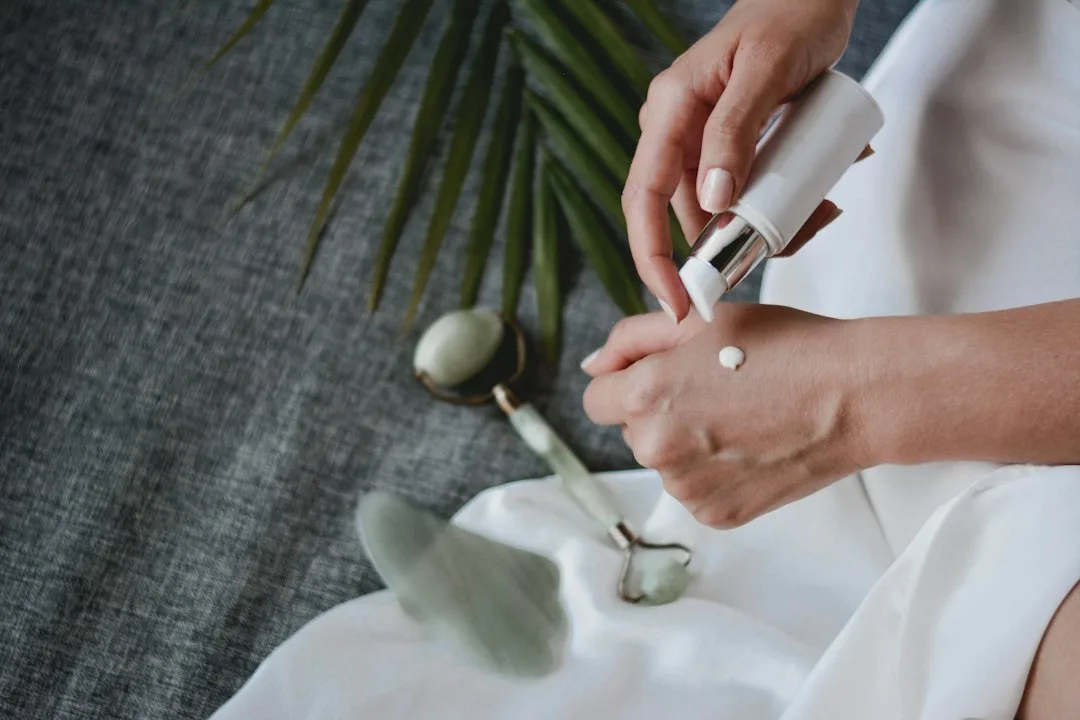
The Three-Step Sequence That Dermatologists Recommend
Dr. Michelle Chen, a board-certified dermatologist at Skin Wellness in San Francisco, outlined the exact order in a September 2026 Vogue interview: hydrating toner or essence first, then serum, then moisturizer. This sequence mimics how moisture moves through skin naturally—from water-soluble to lipid-based, creating a seal.
Step one: toner or hydrating essence applied to damp skin immediately after cleansing. Products like Isntree’s Hyaluronic Toner Plus contain 10 molecular weights of hyaluronic acid, meaning they penetrate multiple skin depths simultaneously. This step preps the skin to receive the layers that follow.
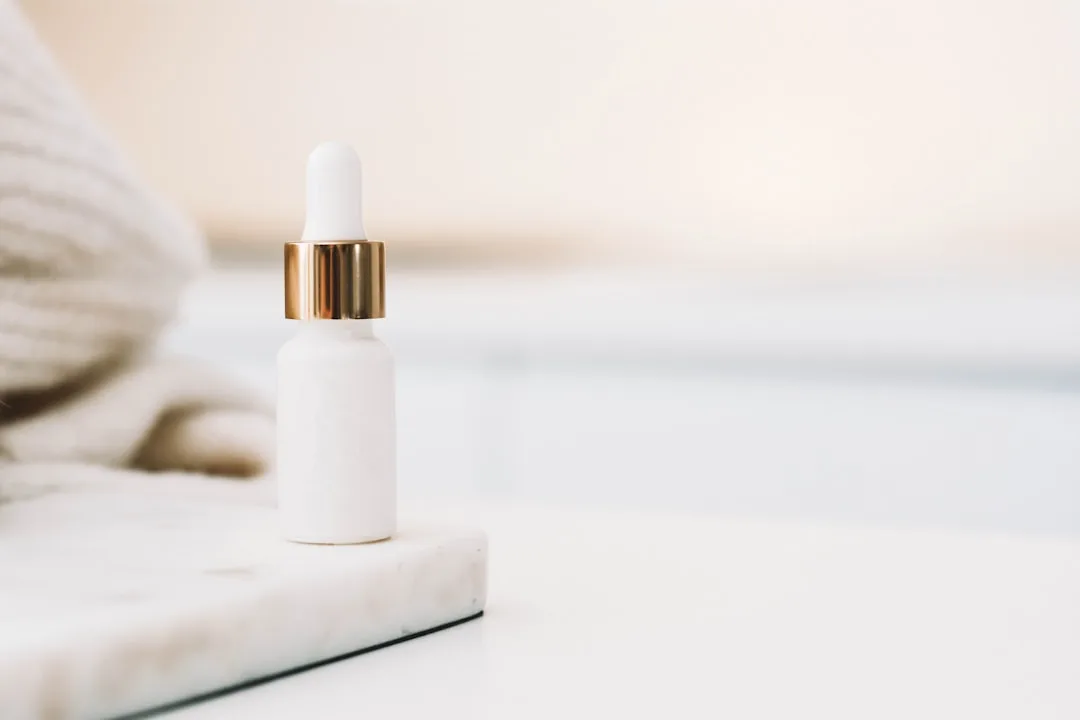
Step two: serum with active hydrators like glycerin or additional hyaluronic acid, plus peptides or niacinamide for structural support. A 30-second wait between step one and two allows the toner to fully absorb.
| Layer | Product Type | Wait Time |
|---|---|---|
| First | Hydrating toner or essence | None (apply to damp skin) |
| Second | Water-based serum | 30–60 seconds |
| Third | Lightweight moisturizer | 1–2 minutes |
| Final (optional) | Facial oil or rich cream | 2 minutes (night only) |
Step three: a lightweight moisturizer that contains both humectants and emollients. La Roche-Posay’s Toleriane Purifying Foaming Cleanser Hydrating Follow-Up uses a water-oil emulsion that doesn’t feel heavy but seals the previous layers. This is where barrier repair happens.
Why Layering Costs Less Than Upgrading to Premium Creams
The economics of facial hydration layering shock most people. Instead of buying a $120 luxury moisturizer that claims to The economics of facial hydration layering shock most people. Instead of buying a $120 luxury moisturizer that claims to do everything, you’re investing $15-30 across three targeted products that each serve a specific purpose. A hydrating toner costs $12-18, a lightweight moisturizer runs $8-15, and an optional facial oil or occlusive spans $10-25. The total investment stays well under $50 for a complete routine that delivers measurable results.
This approach also extends product longevity. Because each layer is thinner and more targeted, a single moisturizer bottle lasts three times longer than when applying it as your only hydration step. Professional estheticians have long understood that layering inexpensive products outperforms using one expensive product, yet marketing budgets have historically pushed consumers toward premium single-product solutions.
The shift toward layering mirrors broader skincare democratization, where informed consumers recognize that price tags don’t always reflect efficacy. As trends like Clean Girl Makeup Dominates May 2026 Beauty Trends Globally emphasize simplicity and visible skin health, the focus returns to fundamental hydration rather than luxury packaging.
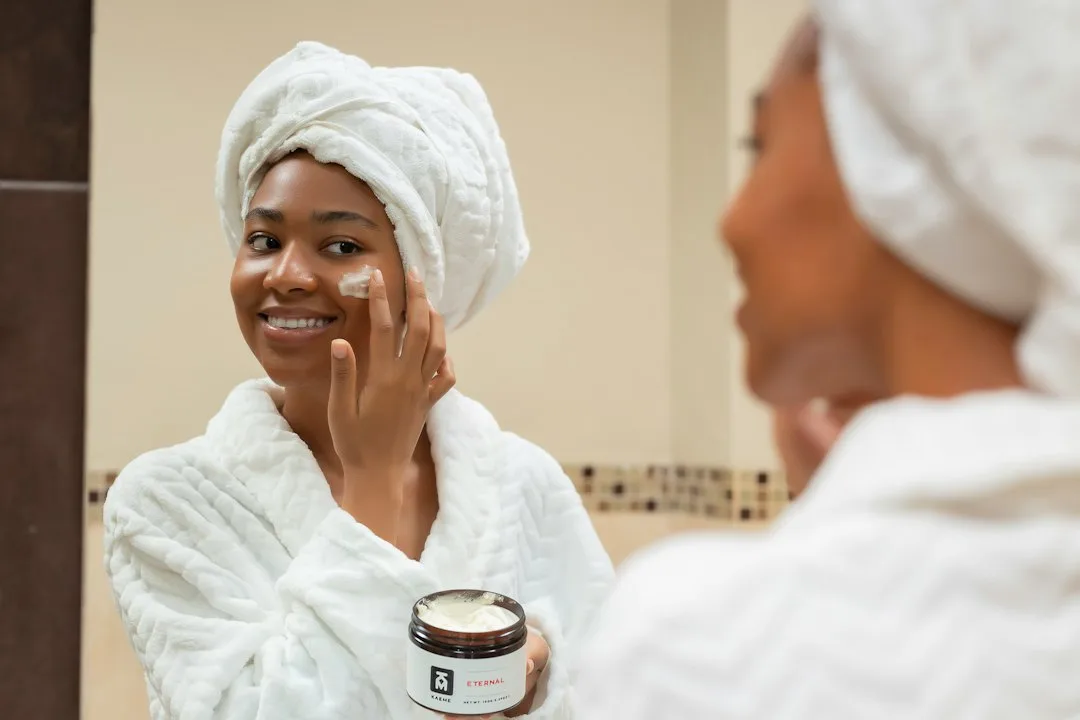
Adapting Your Layers for Seasonal Changes
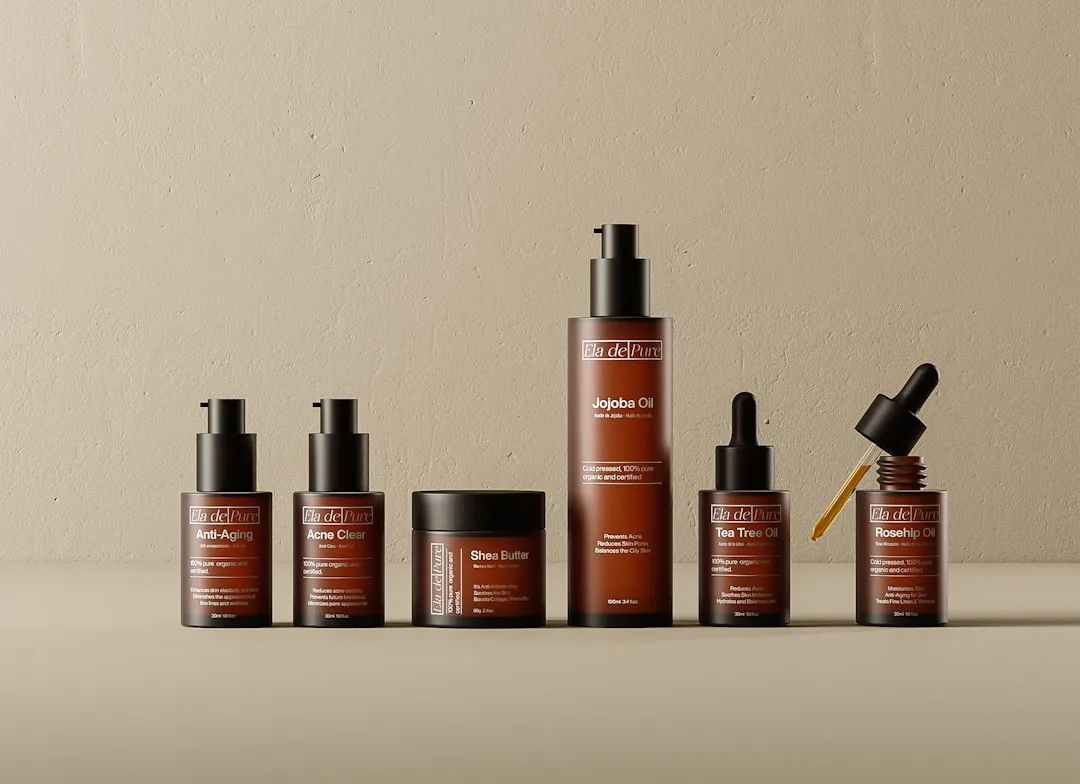
Winter demands heavier occlusive layers because indoor heating and cold air strip moisture faster. During these months, the final step—a facial oil or rich cream—becomes non-negotiable rather than optional. Squalane, jojoba oil, or ceramide-rich butters create the seal your skin desperately needs when temperatures drop. Summer, by contrast, allows you to skip the final layer entirely and rely solely on hydrating toner plus lightweight moisturizer, preventing the greasy feel that makes sun protection difficult to apply.
Spring and fall exist in transition zones where your skin signals what it needs. If you notice increased tightness or flaking, add the occlusive layer back. If your skin feels congested or develops texture, temporarily reduce to just toner and moisturizer. This flexibility prevents both over-moisturizing and under-nourishing, keeping your barrier consistently healthy year-round.
Common Mistakes That Sabotage Hydration Layering Results
The most frequent error is applying products to completely dry skin. Each layer must absorb into slightly damp skin to penetrate effectively—otherwise you’re just layering on top of a moisture barrier rather than infusing hydration into deeper layers. Gently pat your face with a damp hand or spritz with water between steps, similar to how Why Hydrating Face Mists Replaced Traditional Toners in Mid-Year Skincare describes the modern approach to hydration delivery.
Another critical mistake involves waiting too long between layers. If you let each product fully dry before applying the next, you lose the hydration window. The ideal timing is 30-60 seconds between applications—enough for the product to settle but not so long that evaporation occurs. Rushing through in 5 seconds, conversely, causes products to slide around rather than meld with your skin.
Finally, using conflicting ingredients disrupts your hydration strategy. Applying vitamin C serum followed immediately by niacinamide-rich products can destabilize both ingredients’ efficacy. Space actives properly—vitamin C in morning routine, niacinamide-based products in evening—so your hydration layers work synergistically rather than against each other.
Related Topics
FAQ
Do I need to layer hydrating products every single day?
What's the difference between a toner and an essence for the first layer?
Can I apply oils before moisturizer, or does order matter that much?
How long does it take to see results from facial hydration layering?
Will layering make my skin look oily or feel heavy?
Is facial hydration layering safe for sensitive or acne-prone skin?
Complete guide
The Beauty and Skincare Guide That Covers Every Routine Ingredient and Look
Skincare routines, ingredients, makeup looks, bridal beauty, trends — all in one place