What Belongs in a Skincare Fridge and What Should Stay Out
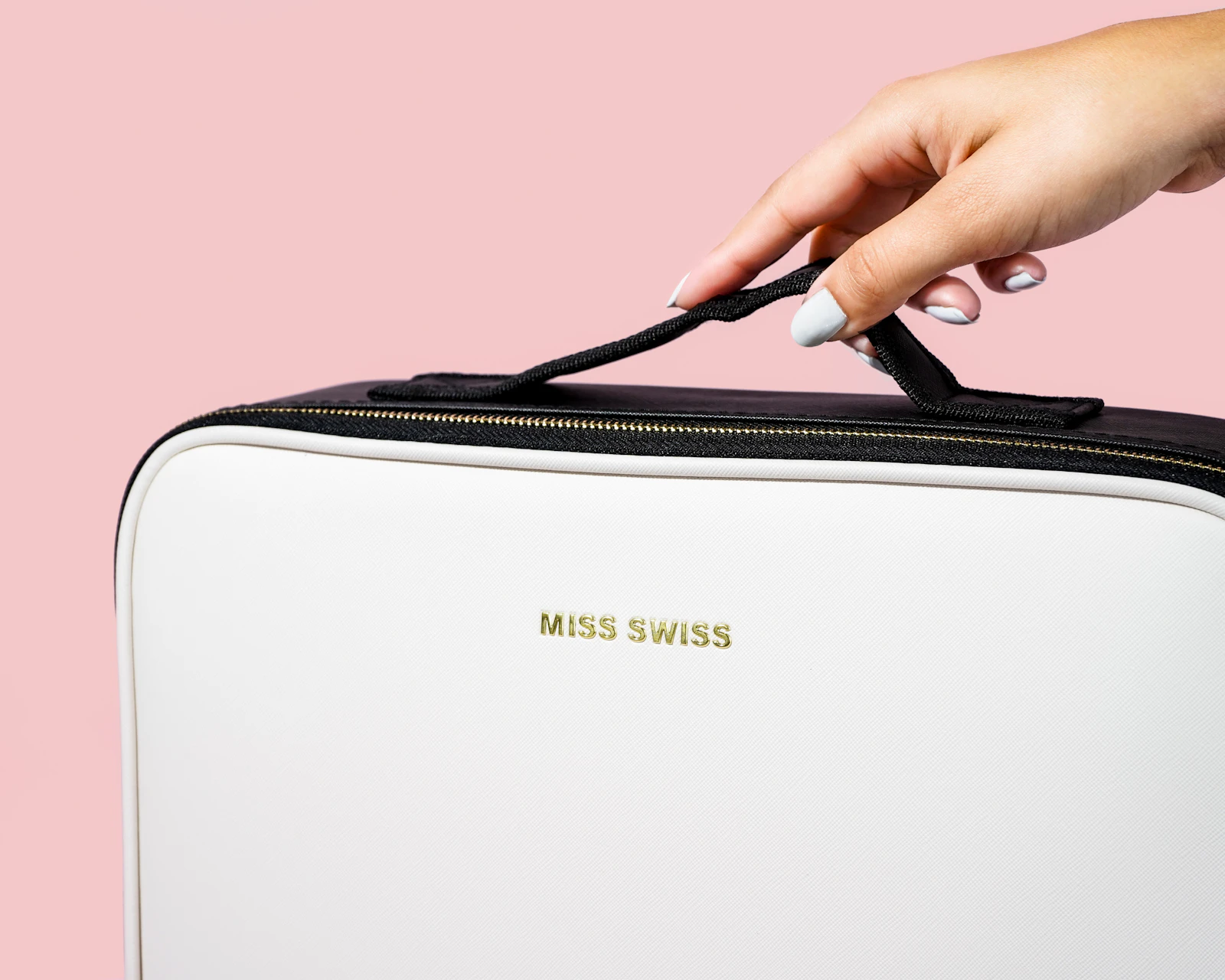
A skincare fridge is a nice extra, not a necessity. Here is which products feel better cold, which should stay at room temperature and what the dermatology sources say.
333k+ Lifestyle & Design Ideas

A skincare fridge is a nice extra, not a necessity. Here is which products feel better cold, which should stay at room temperature and what the dermatology sources say.

Brow lamination at home sets brow hairs in place for weeks, offering a practical alternative to recurring salon appointments. The timing and aftercare steps decide whether the result looks sharp or brittle.
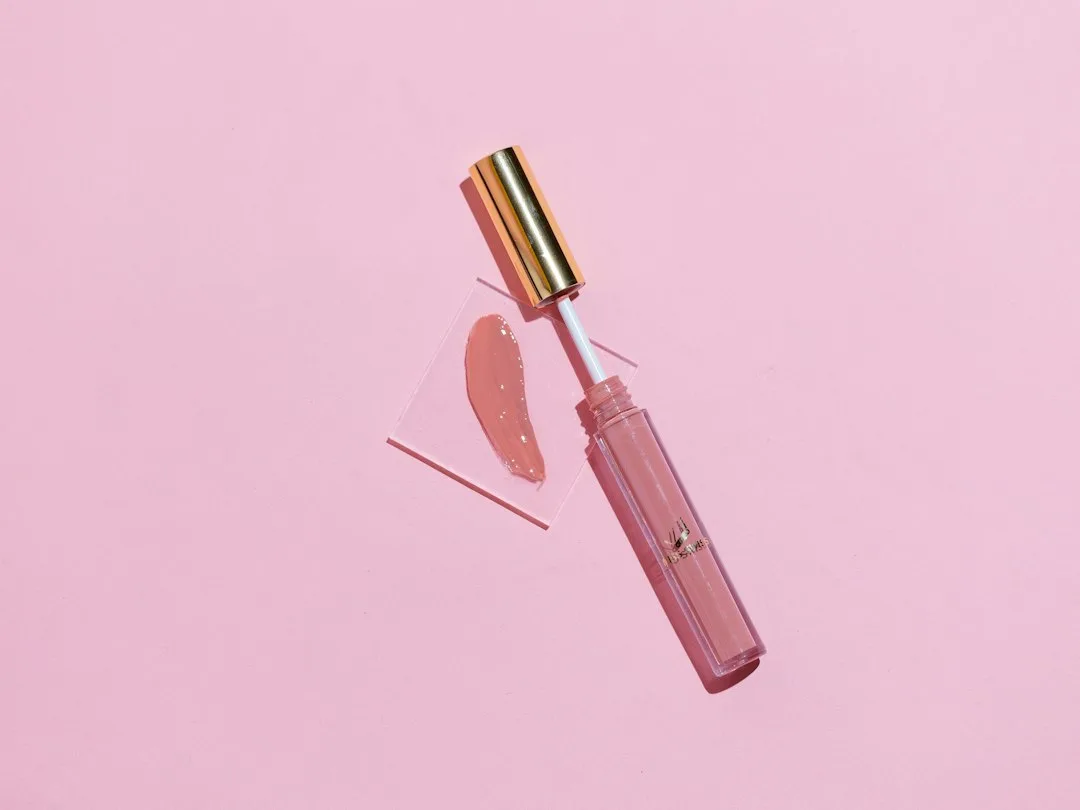
Lash serum has moved from a bathroom-shelf experiment to a nightly step for many people chasing fuller-looking lashes. Here is what it does, how to apply it, and where people go wrong.
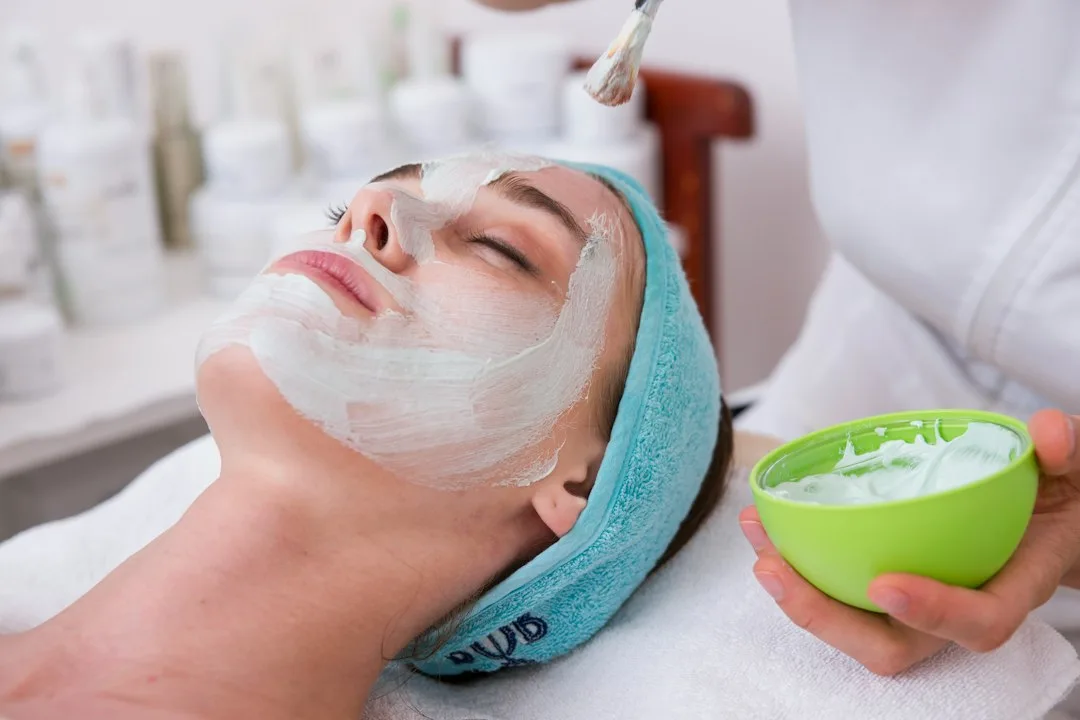
A single hydrating serum no longer cuts it. Facial humectant layering—stacking glycerin, hyaluronic acid, and panthenol in precise sequence—has become the fall 2026 standard for locking in 40% more moisture than traditional moisturizers alone.
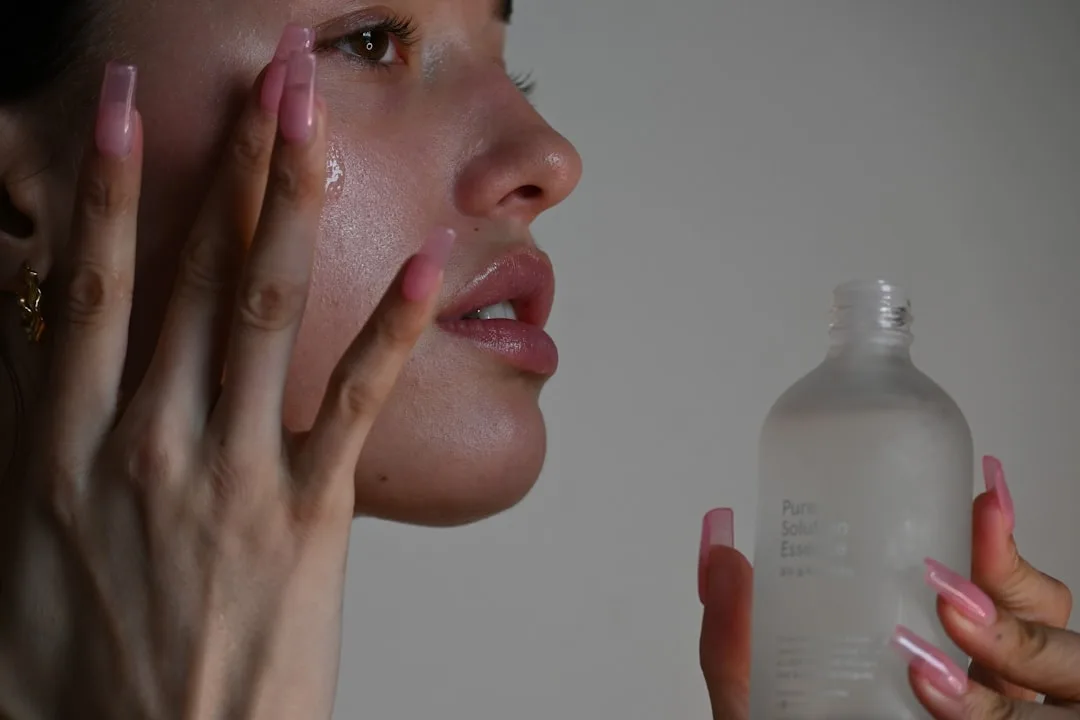
Facial hydration layering—stacking multiple lightweight formulas in precise sequence—is replacing thick single moisturizers across dermatology practices and beauty retailers. The technique locks moisture deeper while preventing the overweight feel that silts into fine lines.
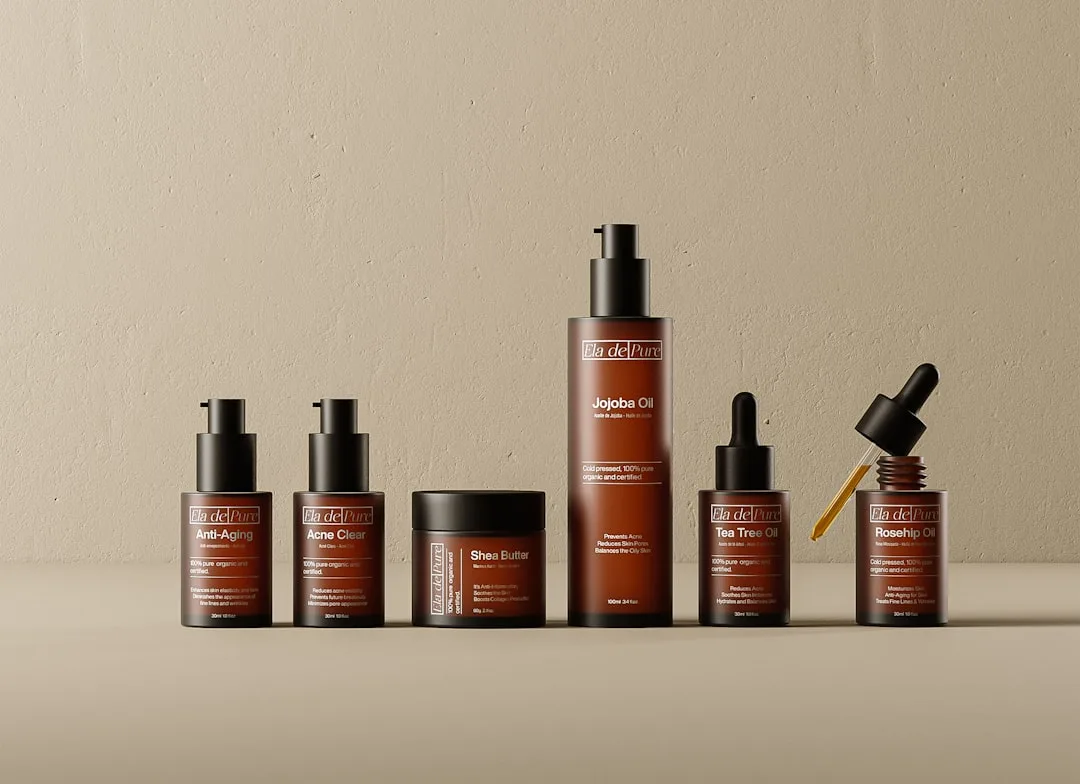
As summer heat fades and fall transitions begin, dermatologists report a spike in compromised moisture barriers—the skin’s critical protective layer. Understanding how damage starts and preventing it before it accelerates becomes the foundation of fall skincare.
Silk pillowcases have become a dermatologist-backed skincare essential in 2026, reducing friction damage to hair and preventing sleep creases that age skin. The shift from cotton to mulberry silk addresses what beauty professionals now recognize: your pillow matters as much as your serum.
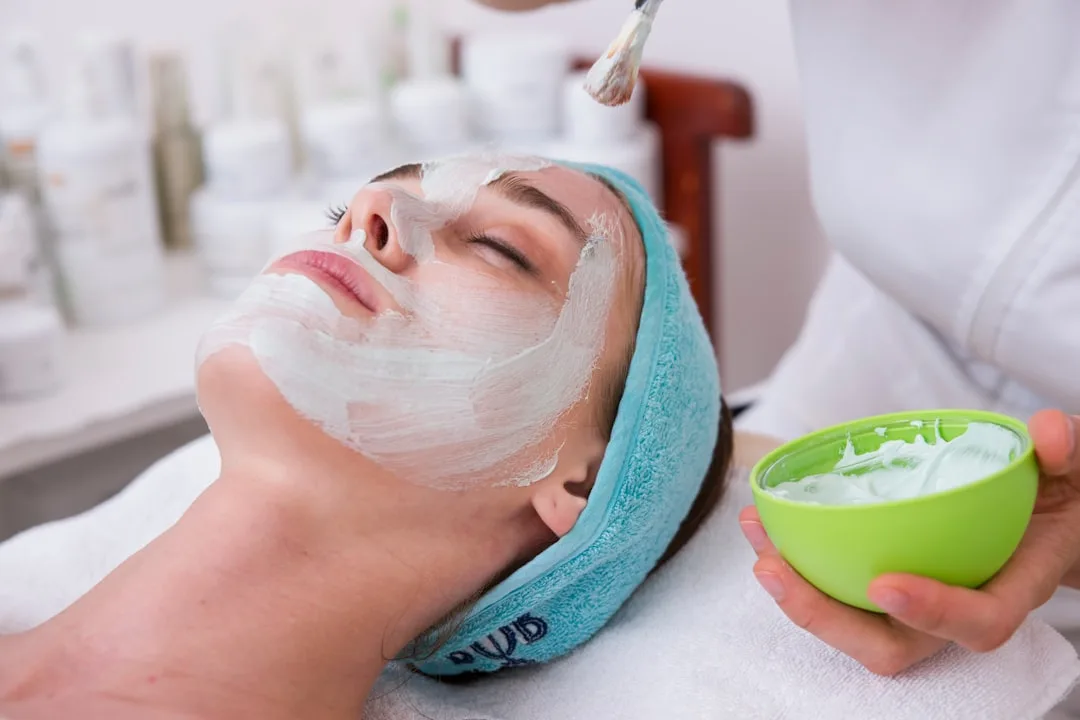
Facial enzyme peels are emerging as the smarter alternative to daily chemical exfoliation. Gentler on barrier health and faster-acting on texture, they’re reshaping how professionals and at-home users approach resurfacing skin.
Retinol works fast, but pushing too hard triggers barrier damage and sensitization. The difference between results and red, peeling skin comes down to three factors: frequency, concentration, and timing.
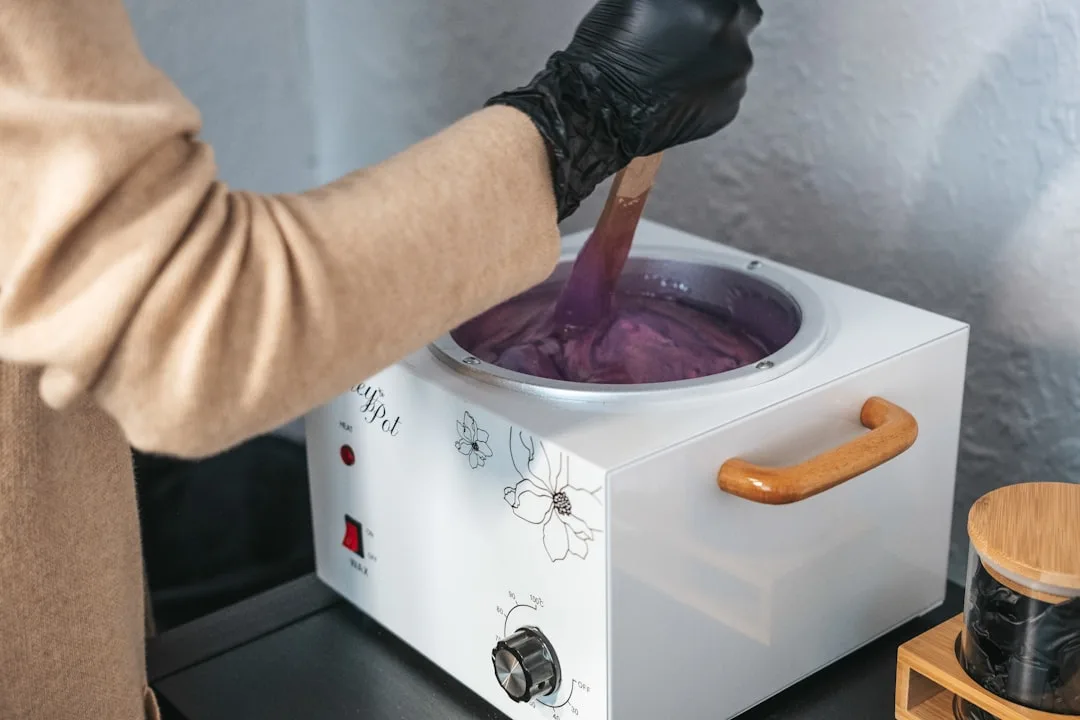
Facial waxing at home has become the fastest-growing DIY beauty trend of 2026, with consumers ditching monthly salon visits to master hair removal in minutes. Dermatologists now endorse home waxing kits when proper technique is applied, making professional-grade results accessible without the $40–60 salon appointment.