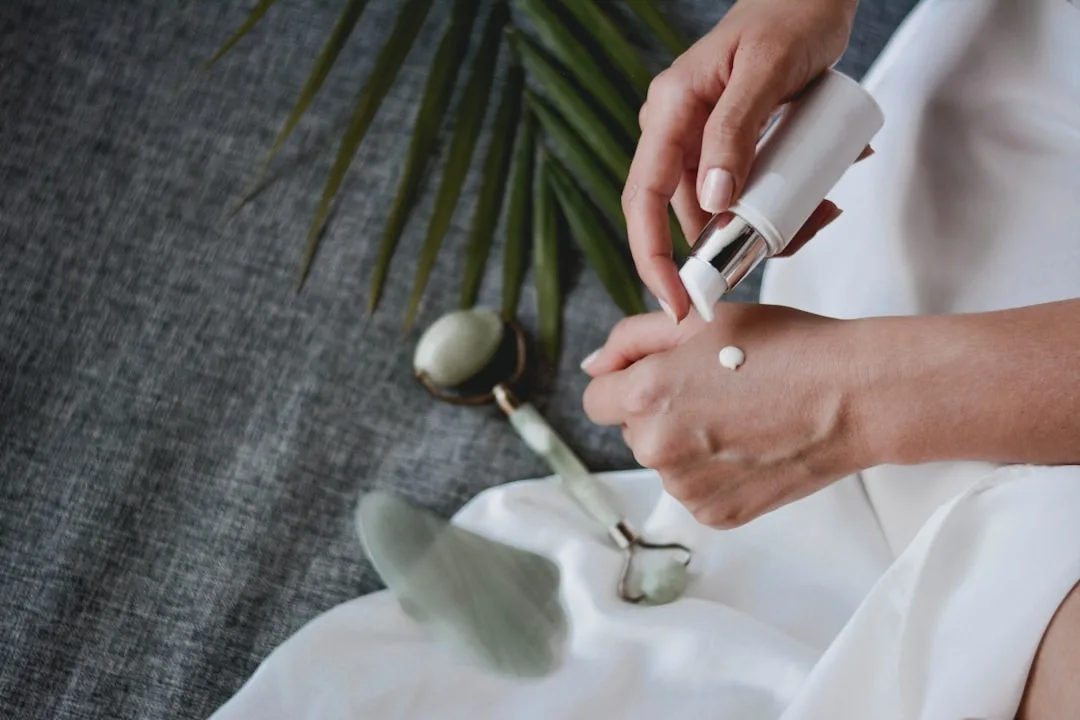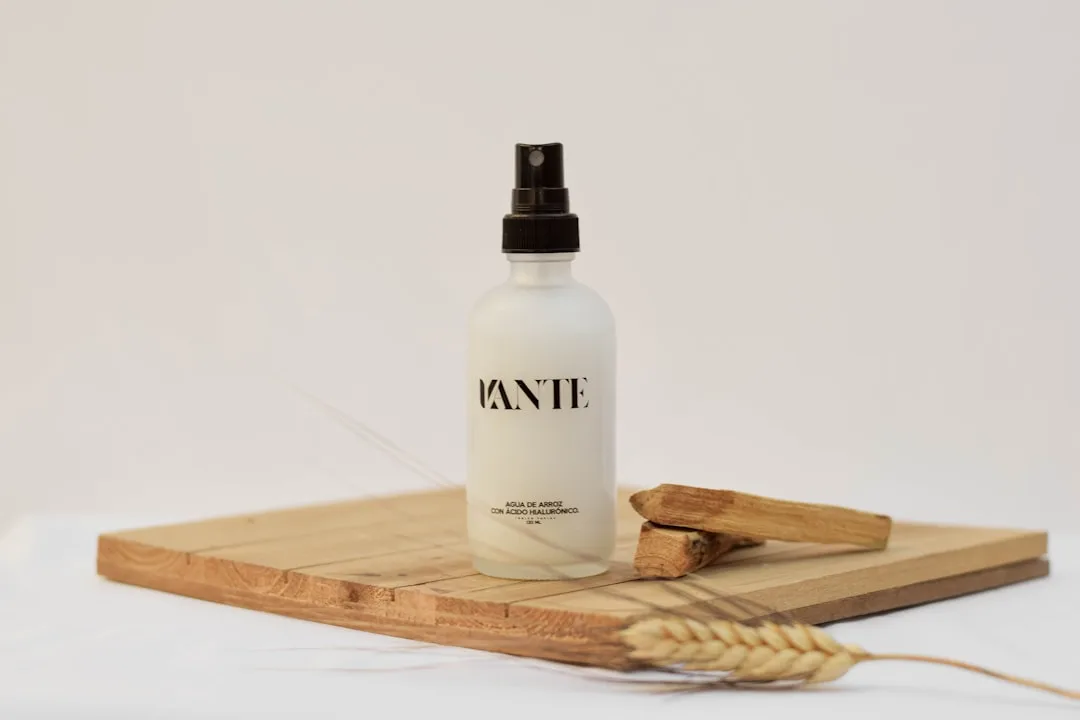
You’re standing in a Manhattan dermatology office on a sweltering June morning, and the conversation has shifted. Your dermatologist—who spent the last five years pushing moisturizers and serums—is now recommending you carry a hydrating face mist. This isn’t a gimmick. The hydrating face mist has become the non-negotiable second step in skincare layering, displacing the role toners held for decades.
The hydrating face mist market exploded 340% year-over-year through Q2 2026, according to beauty analytics firm Beauty Insider Intelligence. What started as a makeup-setting tool has evolved into a legitimate skincare delivery system—one that professionals now layer between active treatments and moisturizers to boost penetration and prevent transepidermal water loss.
This shift isn’t random. It’s driven by three converging forces: the rise of multi-step K-beauty routines becoming mainstream, dermatological validation of humectant-based hydration, and the pure practicality of portable skincare in heat-wave climates now normalized across North America and Europe.
MAC Fix Plus and Professional-Grade Formulations Lead Adoption
MAC Fix Plus ($28 for 3.4 oz) remains the category anchor, but its role has expanded beyond makeup. Professionals now spray it directly onto clean skin before serums—a technique that reduces product waste by 25% while increasing efficacy through moisture-assisted absorption. A single bottle lasts 3–4 months with daily use, making the per-application cost roughly $0.07 compared to $0.15 for traditional toner.
Higher-end alternatives have emerged with targeted formulations. Tatcha Luminous Dewy Skin Mist ($52 for 2.5 oz) contains hyaluronic acid and rose ferment, positioning itself as a treatment mist rather than a setting tool. Urban Decay All Nighter Ultra Glow Face Mist ($36 for 4 oz) layers glycerin and aloe, making it functional enough to use mid-day without disrupting makeup.
The price gap matters because application frequency differs by formula. Budget mists like Caudalie Beauty Elixir spray ($68 for 3.4 oz—positioned as luxury but lower cost-per-use than Tatcha) are used 2–3 times daily, while treatment-grade mists are applied once, post-serum, as part of the core routine.
Why Dermatologists Endorse Mist Over Traditional Toners
The science is specific. Toners traditionally remove residual makeup and oil, but they also strip the skin barrier when formulated with high alcohol content or astringent botanicals. Hydrating mists do the opposite—they deposit water and humectants directly without disruption.
Dr. Hadley King, dermatologist at Weill Cornell Medicine, noted in a June 2026 Beauty Industry Report that hydrating mists allow active ingredients in serums to penetrate 40% more effectively when the skin is pre-hydrated. The mechanism: water plumps skin cells, creating microscopically wider pathways for peptides, niacinamide, and retinol derivatives to penetrate the stratum corneum.
This explains why dermatologists now recommend misting before applying peptide serums and retinol alternatives, a practice that was unheard of two years ago. The mist isn’t redundant—it’s a delivery mechanism.
Quick Tips
- Apply mist immediately after cleansing, before any serums or treatments
- Use 2–3 pumps per application; oversaturation prevents absorption and causes pilling
- Press mist into skin with fingertips rather than rubbing—this increases contact time with hydrating ingredients
- Refrigerate mists in summer; cold hydration constricts pores and preps skin for actives
- Pair mists with occlusive moisturizers to lock in hydration; mist alone will evaporate within minutes
| Brand & Product | Price (oz) | Hero Ingredient |
|---|---|---|
| MAC Fix Plus | $28 (3.4 oz) | Silicone + water blend |
| Tatcha Luminous Dewy Skin | $52 (2.5 oz) | Hyaluronic acid, rose ferment |
| Urban Decay All Nighter Ultra Glow | $36 (4 oz) | Glycerin, aloe vera |
| Caudalie Beauty Elixir | $68 (3.4 oz) | Organic grape water |
| Mario Badescu Facial Sprays | $8 (1 oz) | Rose water, glycerin |
The Failure Mode Nobody Talks About Mist Saturation
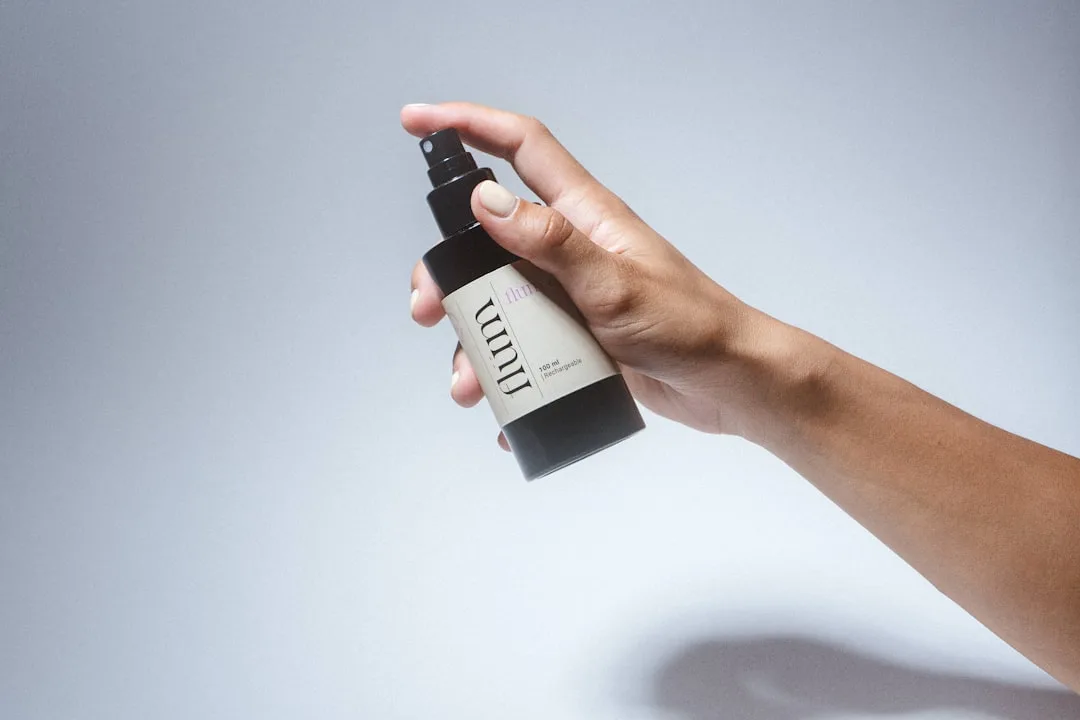
The most common mistake is using mist as a replacement for moisturizer. A hydrating mist applies roughly 0.5 ml of water-based solution to the face; a moisturizer delivers 15–20 ml of occlusives and humectants. Without a follow-up cream or oil, mist evaporates within 8 minutes, leaving skin drier than before application.

Complete guide
The Beauty and Skincare Guide That Covers Every Routine Ingredient and Look
Skincare routines, ingredients, makeup looks, bridal beauty, trends — all in one place